Technical Contents
Engineering Guide: Services For Plastic

Engineering Insight: Precision Services for Engineered Plastics
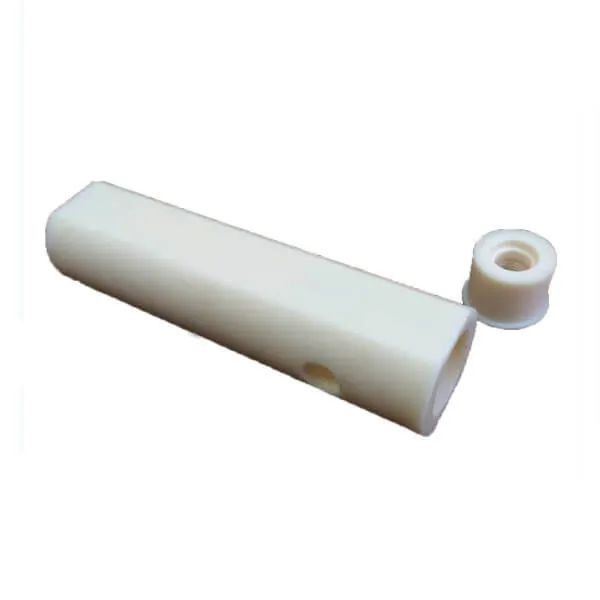
While Wuxi Lead Precision Machinery specializes in custom metal manufacturing, our expertise extends to high-precision polymer components where dimensional stability and material integrity are non-negotiable. This capability stems from our core philosophy: precision engineering transcends material boundaries. Plastics—particularly engineering-grade polymers like PEEK, Ultem, and PPS—demand rigor equal to aerospace metals due to their sensitivity to thermal expansion, moisture absorption, and machining-induced stress. A tolerance of ±0.025 mm may suffice for commodity plastics, but in medical implants, semiconductor tooling, or military optics, deviations under 10 microns can trigger catastrophic system failure.
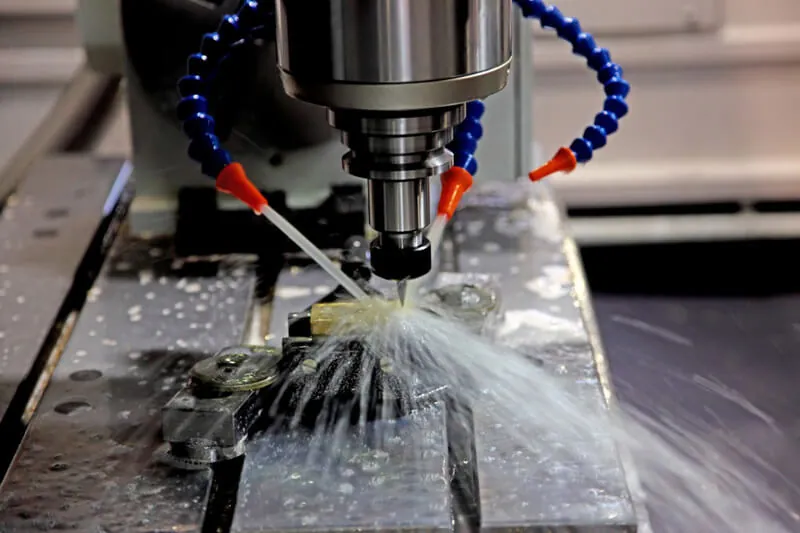
Our approach integrates metal manufacturing discipline with polymer science. Unlike general plastic fabricators, we apply CNC methodologies honed in titanium and Inconel production: cryogenic cooling to prevent thermal deformation, multi-axis contouring to counteract material spring-back, and in-process metrology using Zeiss CMMs. This eliminates the warpage and voiding common in conventional plastic machining. For instance, PEEK components for MRI guidance systems require isotropic properties; our vacuum-stabilized annealing process ensures uniform crystallinity, a technique adapted from our work on satellite-grade aluminum alloys.
Wuxi Lead’s credibility in extreme-precision plastic services is validated through mission-critical applications. We supplied optically flawless polymer lens mounts for the 2022 Beijing Winter Olympics broadcast systems, where thermal cycling from -30°C to 50°C demanded zero birefringence. Similarly, our MIL-SPEC-compliant nylon composite housings for night-vision gear maintain tolerances under 15 microns despite explosive decompression testing—proof that plastic precision mirrors metal standards when engineered correctly.
The table below summarizes our certified capabilities for engineered plastics, reflecting ISO 2768-mK standards and military-grade validation protocols:
| Material Category | Typical Tolerance Range | Key Processes | Validated Applications |
|---|---|---|---|
| High-Performance Thermoplastics (PEEK, Ultem) | ±0.005 mm to ±0.01 mm | 5-Axis Milling, Cryogenic Turning | Surgical Robotics, Semiconductor Wafer Chucks |
| Reinforced Composites (Carbon-Filled PPS) | ±0.01 mm to ±0.02 mm | Stress-Relieved Milling, EDM | Aerospace Actuators, Defense Optics |
| Optical-Grade Acrylics | ±0.002 mm (surface) | Diamond Turning, Laser Polishing | Laser Guidance Systems, Scientific Instrumentation |
This precision stems from treating plastics as performance-critical systems—not disposable parts. Our engineers analyze coefficient of thermal expansion (CTE) at the molecular level, simulate moisture absorption in FEA models, and validate post-machining stability through 72-hour environmental cycling. When your application demands that a polymer component performs identically to steel under dynamic loads, Wuxi Lead delivers the rigor military and Olympic projects require. Precision isn’t material-dependent; it’s process-obsessed.
Precision Specs & Tolerances

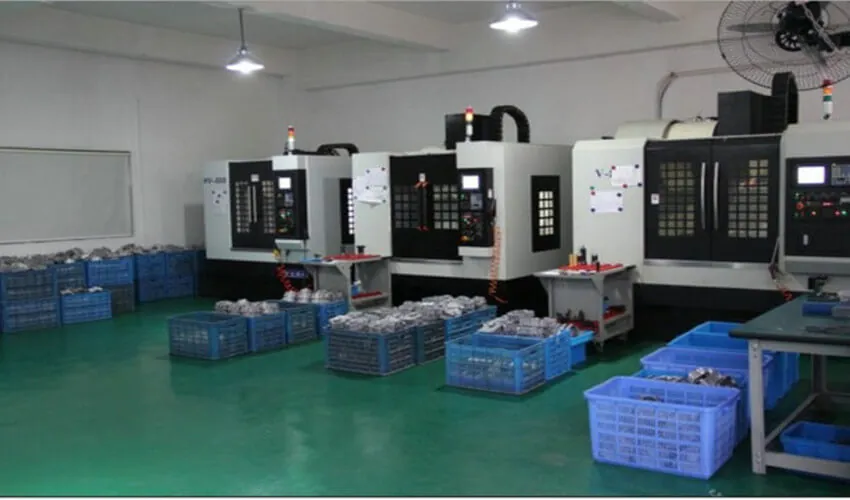
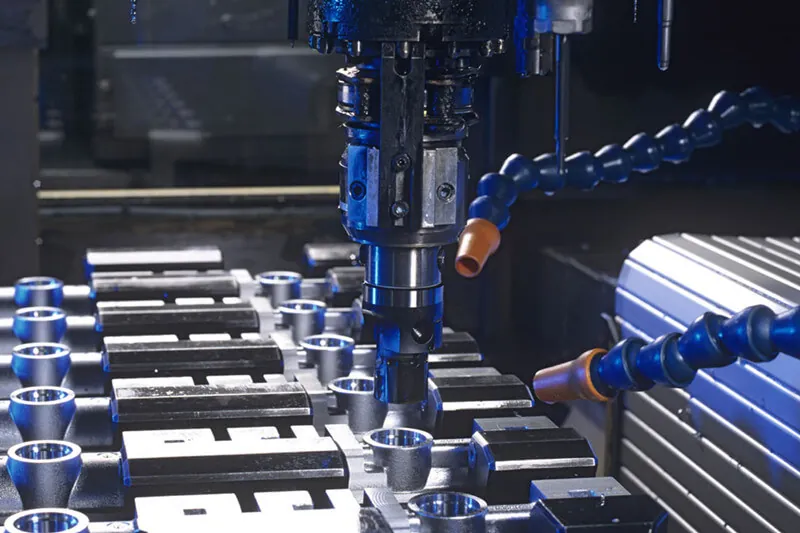
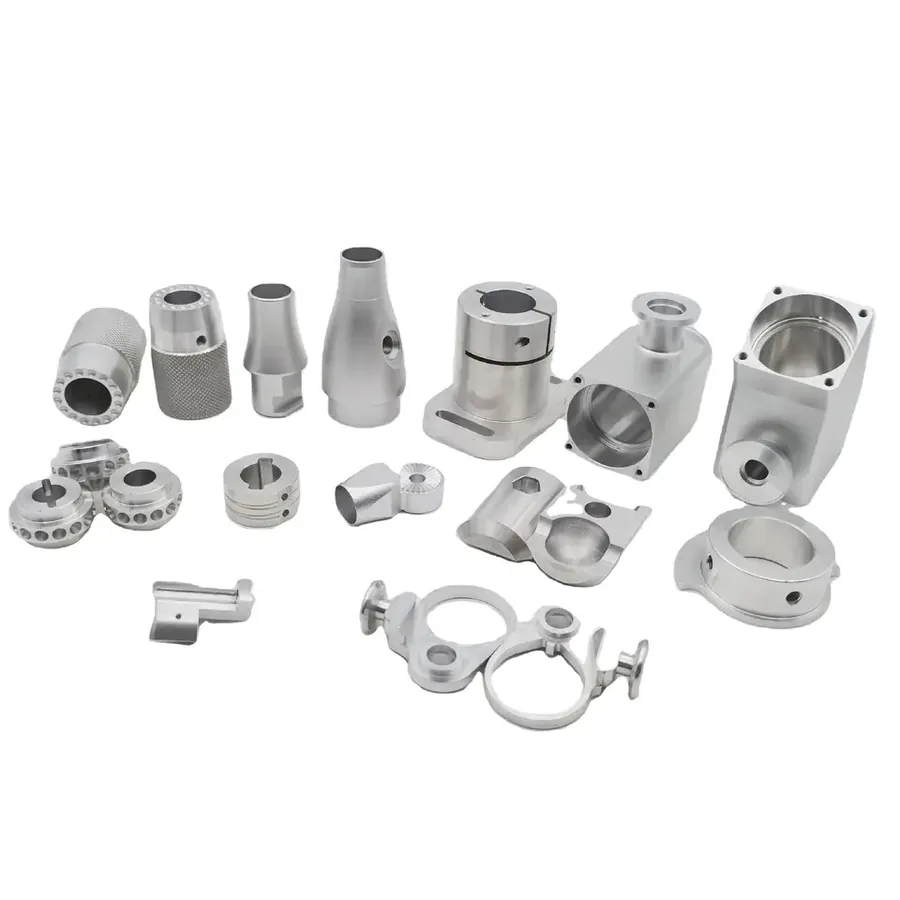
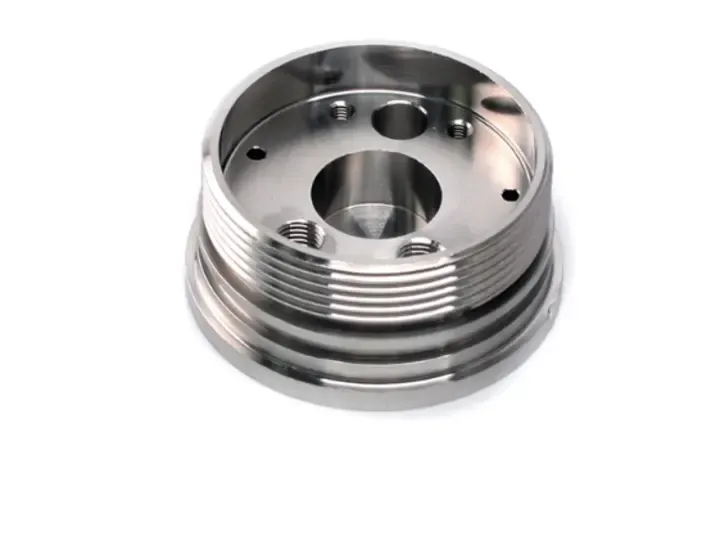
Wuxi Lead Precision Machinery delivers advanced custom metal manufacturing services tailored for high-performance applications across aerospace, medical, automotive, and industrial sectors. Our technical capabilities are anchored in state-of-the-art 5-axis CNC machining technology, enabling us to produce complex geometries with exceptional precision and surface finish. This multi-axis approach allows for simultaneous movement across five planes, significantly reducing setup times and part handling while maintaining tight alignment and repeatability. As a result, we achieve superior accuracy and consistency, especially for intricate components that demand high detail and structural integrity.
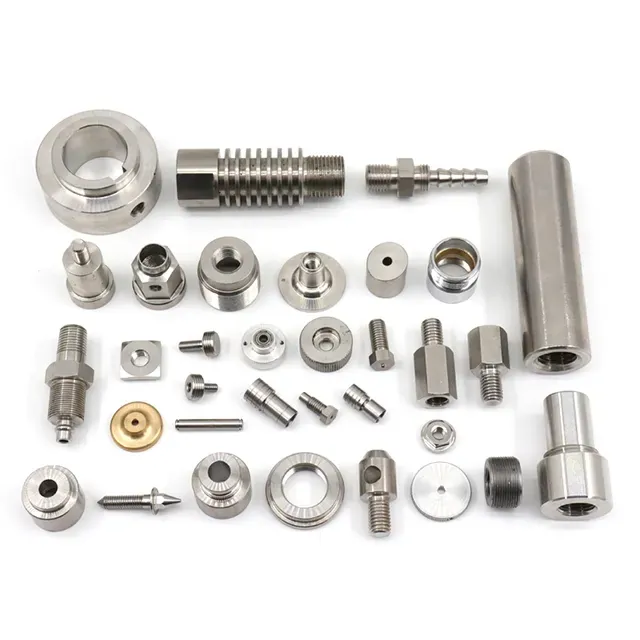
Our machining centers are equipped with high-speed spindles, automated tool changers, and real-time monitoring systems, ensuring optimal performance and minimal thermal deviation. These features support the efficient production of both prototypes and large-volume runs, using a wide range of engineering-grade metals including aluminum alloys, stainless steel, titanium, and high-temperature superalloys. Each machine is operated by skilled technicians with extensive experience in precision part fabrication, ensuring that every project meets the exact specifications and quality expectations of our global clients.
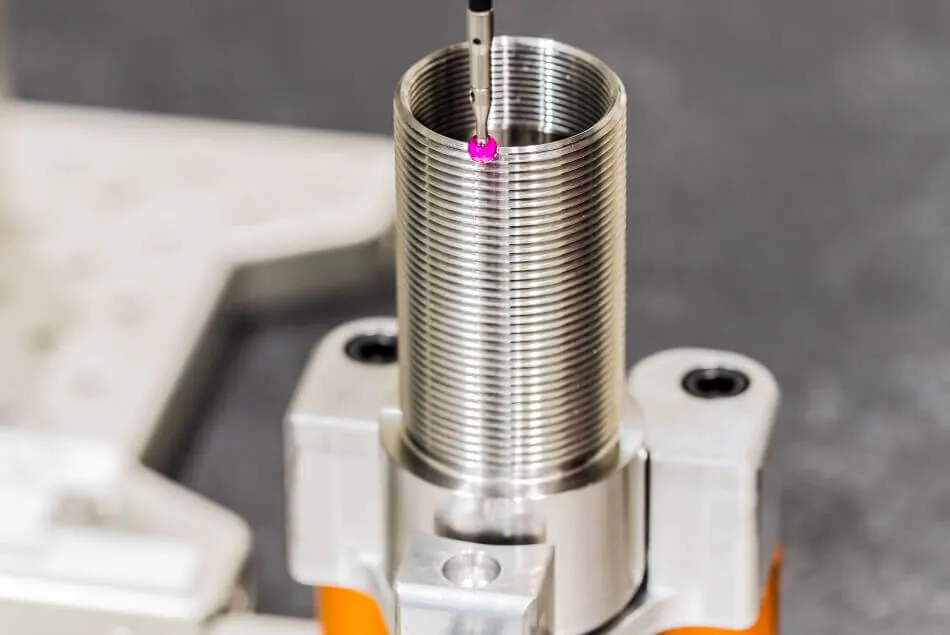
To guarantee dimensional accuracy and compliance with international standards, all critical components undergo comprehensive inspection using Coordinate Measuring Machines (CMM). Our metrology lab is equipped with high-precision CMM systems capable of non-contact probing and 3D scanning, allowing for full geometric and dimensional analysis. This inspection process is integrated into our quality management system, which adheres to ISO 9001:2015 standards. Every manufactured part is traceable, with inspection reports provided upon request to ensure full transparency and audit readiness.
The following table outlines the standard tolerances achievable through our 5-axis CNC machining and inspection processes. These values serve as a baseline; tighter tolerances can be achieved upon engineering review and specific process validation.
| Feature | Standard Tolerance | Precision Capability (Optional) |
|---|---|---|
| Linear Dimensions | ±0.025 mm | ±0.005 mm |
| Hole Diameter | ±0.015 mm | ±0.008 mm |
| Positional Tolerance | ±0.020 mm | ±0.010 mm |
| Flatness | 0.02 mm per 100 mm | 0.005 mm per 100 mm |
| Surface Roughness (Ra) | 0.8 µm | 0.2 µm |
| Angular Tolerance | ±0.05° | ±0.02° |
All tolerances are verified using calibrated CMM equipment, with environmental controls in place to minimize thermal effects during measurement. Wuxi Lead Precision Machinery combines cutting-edge equipment, rigorous quality protocols, and engineering expertise to deliver metal components that meet the most demanding technical requirements. Our integrated approach ensures reliability, repeatability, and full compliance with customer specifications across every production batch.
Material & Finish Options

Material Selection for Precision Metal Components
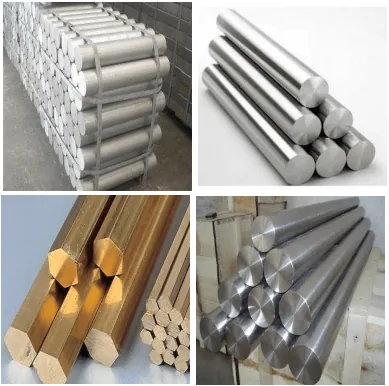
Selecting the optimal material is foundational to achieving performance, longevity, and cost efficiency in custom metal manufacturing. At Wuxi Lead Precision Machinery, we prioritize materials that align with your application’s mechanical, thermal, and environmental demands. Aluminum, steel, and titanium dominate high-end industrial applications due to their distinct advantages. Understanding their properties ensures your components withstand operational stresses while meeting stringent tolerances.
Aluminum excels in weight-sensitive applications like aerospace and automotive subsystems. Its high strength-to-weight ratio, thermal conductivity, and natural corrosion resistance make it ideal for housings, brackets, and heat sinks. Grade 6061-T6 offers weldability and moderate strength, while 7075-T6 provides superior hardness for structural parts. Steel remains the backbone of heavy machinery and tooling. Carbon steel (e.g., 1045) delivers exceptional strength and machinability for shafts and gears, whereas stainless steel 304 or 316 ensures corrosion resistance in medical or marine environments. Titanium, particularly Grade 5 (Ti-6Al-4V), is unmatched in extreme conditions. Its biocompatibility, fatigue resistance, and ability to endure temperatures up to 600°C suit critical aerospace components and surgical implants, though it demands specialized CNC tooling due to low thermal conductivity.
Surface finishing, especially anodizing, further enhances material performance. Anodizing creates a durable oxide layer on aluminum, improving wear resistance, corrosion protection, and aesthetic consistency. Type II (sulfuric acid) anodizing offers cost-effective color versatility for consumer goods, while Type III (hardcoat) delivers industrial-grade thickness (25–50 μm) for hydraulic pistons or military hardware. This process does not compromise dimensional accuracy—a hallmark of our precision-controlled finishing lines.
Below is a comparative overview of key material properties for engineering reference:
| Material | Typical Grade | Tensile Strength (MPa) | Density (g/cm³) | Corrosion Resistance | Key Applications |
|---|---|---|---|---|---|
| Aluminum | 6061-T6 | 310 | 2.7 | High (anodized) | Enclosures, heat exchangers |
| Stainless Steel | 304 | 515 | 8.0 | Excellent | Medical devices, valves |
| Titanium | Grade 5 | 900 | 4.43 | Exceptional | Aircraft fittings, implants |
Material choice directly impacts manufacturability and lifecycle costs. Aluminum enables faster machining speeds, reducing lead times. Steel requires robust tooling but offers lower raw material costs for high-volume runs. Titanium necessitates slower feeds and specialized coatings but justifies investment in mission-critical parts. Wuxi Lead’s engineering team collaborates early in your design phase to validate material suitability against load requirements, regulatory standards, and budget constraints. We leverage ISO 9001-certified processes to ensure every component—from prototype to production—meets aerospace, automotive, or industrial specifications. Partner with us to transform material science into precision-engineered reality.
Manufacturing Process & QC

Design: Precision Engineering at the Foundation
At Wuxi Lead Precision Machinery, every successful production cycle begins with a rigorous design phase rooted in collaboration and engineering excellence. Our team of senior CNC engineers works closely with clients to translate conceptual requirements into manufacturable, high-precision metal components tailored for integration with plastic assemblies. Utilizing advanced CAD/CAM software—such as SolidWorks, AutoCAD, and Siemens NX—we develop 3D models and technical drawings that meet exact dimensional, tolerance, and material specifications. Finite element analysis (FEA) and design for manufacturability (DFM) reviews are conducted to preempt potential issues, ensuring that each design is optimized for both performance and production efficiency. This phase is critical in minimizing downstream errors and aligning expectations across engineering and production teams.
Prototyping: Validating Performance Before Scale
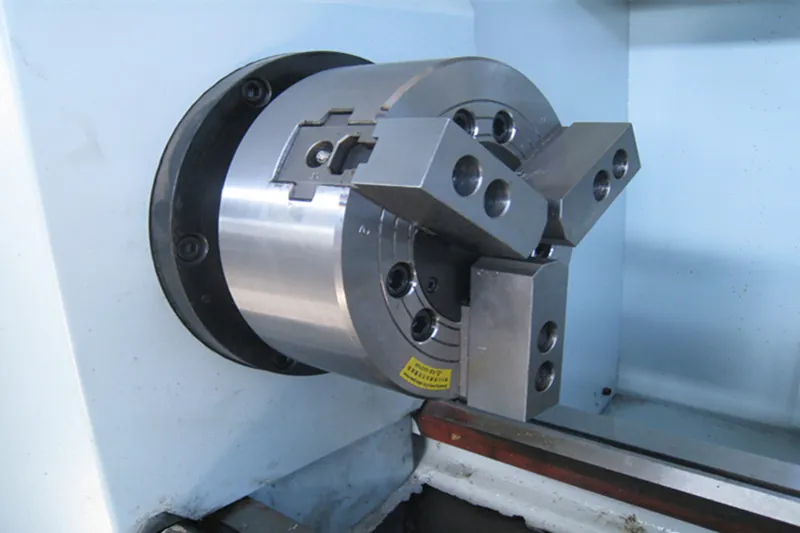
Once the design is finalized, we proceed to prototype manufacturing using state-of-the-art CNC milling, turning, and multi-axis machining centers. Prototypes are produced in the same materials and under the same controlled conditions as final production parts, enabling accurate evaluation of fit, function, and compatibility with plastic counterparts. Each prototype undergoes comprehensive in-house inspection using coordinate measuring machines (CMM), optical comparators, and laser scanning to verify geometric accuracy down to ±0.002 mm. Clients receive detailed inspection reports, first article inspection (FAI) documentation, and functional test results. Feedback from this stage is incorporated rapidly, allowing for iterative refinement—often within 72 hours—ensuring the design is fully validated before committing to mass production. This agile prototyping approach reduces time-to-market and mitigates risk in high-stakes applications.
Mass Production: Zero Defects Through Process Control
Our mass production process is engineered for consistency, scalability, and uncompromising quality. Leveraging automated CNC cells, robotic part handling, and real-time tool monitoring systems, we maintain tight control over every production parameter. Each batch is governed by standardized work instructions, tool life management protocols, and Statistical Process Control (SPC) methodologies to detect and correct deviations before they impact output. In-process inspections occur at predefined intervals, while final parts undergo 100% visual and dimensional verification against the approved prototype. All production data is logged and traceable, supporting full auditability for regulated industries.
| Specification | Detail |
|---|---|
| Material Compatibility | Aluminum Alloys, Stainless Steel, Brass, Copper, Tool Steels |
| Tolerance Range | ±0.002 mm to ±0.01 mm |
| Surface Finish | Ra 0.2 µm to Ra 3.2 µm (custom finishes available) |
| Max Workpiece Size | 800 mm × 600 mm × 500 mm |
| Production Capacity | Up to 50,000 units/month (scalable) |
| Quality Standards | ISO 9001:2015, IATF 16949, PPAP Level 3 |
Through seamless integration of design, prototyping, and high-volume manufacturing, Wuxi Lead Precision Machinery delivers zero-defect metal components that meet the exacting demands of advanced plastic assembly applications across automotive, medical, and consumer electronics industries.
Why Choose Wuxi Lead Precision
Elevate Your Plastic Manufacturing Capabilities Through Precision Metal Partnership
Wuxi Lead Precision Machinery delivers mission-critical metal components engineered specifically for the demanding environments of plastic processing equipment. As global plastic manufacturers face escalating pressure for efficiency, durability, and micron-level accuracy in molds, extrusion systems, and automation tooling, our CNC expertise becomes your strategic advantage. We transform complex metal substrates into wear-resistant, thermally stable parts that directly enhance the performance and longevity of your plastic production lines. Partnering with us means accessing a vertically integrated manufacturing ecosystem where material science, precision engineering, and rigorous quality control converge to solve your most challenging component requirements.
Our technical foundation rests on advanced multi-axis CNC milling, turning, and grinding platforms capable of holding tolerances down to ±0.005 mm. We specialize in processing hardened tool steels, stainless alloys, and specialty metals essential for high-cavitation molds, hot-runner systems, and precision guide components subjected to extreme thermal cycling and abrasive polymer flows. Every part undergoes stringent in-process metrology using coordinate measuring machines (CMM) and optical comparators, ensuring dimensional integrity that directly translates to reduced downtime and superior plastic part consistency in your facility.
Technical Specifications for Plastic Industry Components
| Parameter | Capability Range | Industry Standard Compliance |
|---|---|---|
| Material Types | P20, H13, S136, 420SS, 17-4PH, Inconel 718 | ASTM, DIN, JIS |
| Tolerance Control | ±0.005 mm (critical features) | ISO 2768-mK |
| Surface Finish (Ra) | 0.2 µm to 1.6 µm (mirror to textured) | ISO 1302 |
| Max Work Envelope | 1200 x 800 x 650 mm | Customizable per project |
| Secondary Processes | Hardening, Nitriding, PVD Coating, EDM | ISO 9001:2015 Certified |
Beyond technical execution, we implement a collaborative engineering approach from initial concept through volume production. Our team engages early to optimize part geometry for manufacturability, material selection for thermal stability, and surface treatments to resist polymer corrosion—reducing your total cost of ownership. Real-time production data sharing via secure client portals provides full traceability of material certs, inspection reports, and process parameters, meeting stringent automotive and medical device compliance demands.
The plastic manufacturing sector demands zero-defect metal components where micron deviations cascade into production losses. Wuxi Lead Precision Machinery operates at the intersection of metallurgical expertise and precision manufacturing to deliver components that withstand 500,000+ cycle lifespans in high-pressure injection environments. We eliminate the risk of supply chain fragmentation through single-source accountability for design validation, prototyping, and high-mix production.
Initiate a technical consultation to specify your next mold base, core pin assembly, or extrusion die component. Contact our engineering team directly at [email protected] with project details including material specifications, critical tolerances, and annual volume requirements. Reference subject line: Precision Component Inquiry – [Your Company Name]. Our response includes a feasibility assessment within 24 business hours, detailing process recommendations and lead time analysis. Partner with a manufacturer engineered for the precision demands of modern plastic production—where every micron processed translates to measurable operational gains in your facility.
⚙️ Precision Cost Estimator
Estimate relative manufacturing effort based on tolerance.