Technical Contents
Engineering Guide: Countersink Aluminum

Engineering Insight: Precision Countersinking in Aluminum Components
Aluminum presents unique challenges in precision countersinking operations critical to aerospace, defense, and high-performance industrial assemblies. Its relatively low melting point, tendency to gall, and susceptibility to burr formation demand exacting control over cutting parameters and tool geometry. Inconsistent countersink depth or angle directly compromises fastener seating integrity, leading to joint preload failure, stress concentration points, and potential catastrophic component fatigue in dynamic applications. Standard machining practices often result in smeared edges, poor hole geometry, or thermal damage that degrades the aluminum’s structural properties at the critical fastener interface. Achieving true aerospace-grade repeatability requires moving beyond basic CNC programming into the realm of material-specific process science.
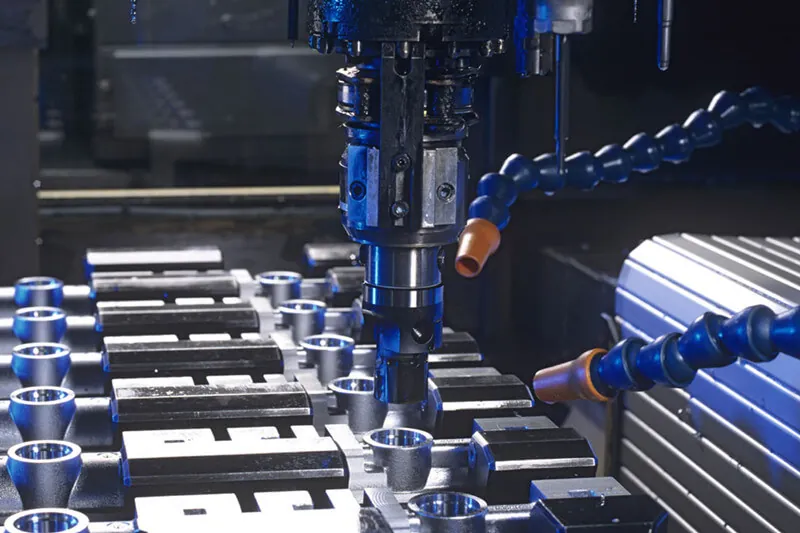
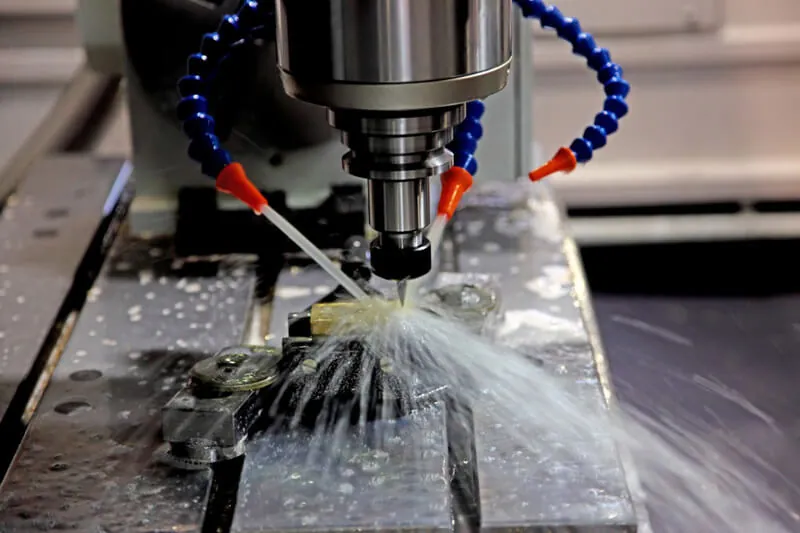
At Wuxi Lead Precision Machinery, our approach integrates decades of specialized aluminum machining expertise with military-grade process validation. We treat each countersink feature not as a simple hole modification but as a critical structural element demanding holistic process control. This begins with selecting the optimal carbide or polycrystalline diamond (PCD) tool geometry specifically engineered for aluminum’s chip formation characteristics, minimizing heat generation and preventing built-up edge. Rigorous thermal management through precisely calibrated coolant delivery and spindle speed optimization prevents work hardening and maintains dimensional stability. Our CNC programs incorporate dynamic depth compensation routines that account for material spring-back and tool wear in real-time, ensuring every countersink meets the specified angle and depth tolerance regardless of production volume. This level of precision is non-negotiable in applications where failure is not an option.
Our validation of these processes stems from direct experience meeting the extreme demands of Olympic infrastructure projects requiring flawless structural connections and classified defense contracts where countersink integrity directly impacts mission-critical systems. We understand that tolerances measured in hundredths of a millimeter translate directly to system reliability and longevity in the field. Consistent countersink quality eliminates secondary deburring operations, reduces assembly time, and significantly enhances the fatigue life of the joined structure.
The following table outlines the critical process parameters we consistently achieve for aluminum countersinking:
| Parameter | Standard Tolerance | High-Precision Tolerance | Tooling Standard |
|---|---|---|---|
| Countersink Angle | ±1.0° | ±0.25° | 82°, 100° PCD Carbide |
| Depth Tolerance | ±0.10 mm | ±0.05 mm | Laser-Calibrated |
| Surface Finish (Ra) | 1.6 µm | 0.8 µm | Mirror-Polished Flutes |
| Burr Height | < 0.05 mm | < 0.02 mm | Integrated Breaker |
This precision foundation ensures your aluminum assemblies achieve optimal load transfer, vibration resistance, and long-term structural integrity. When countersink geometry meets the exacting demands of modern engineering, it transforms a simple fastening point into a reliable, high-performance joint. Wuxi Lead Precision Machinery delivers this certified accuracy consistently, drawing on proven experience where component failure is never acceptable. Trust your critical aluminum connections to a partner who engineers precision into every feature.
Precision Specs & Tolerances

Wuxi Lead Precision Machinery delivers advanced manufacturing solutions for precision components in aerospace, automotive, medical, and industrial sectors. Our expertise in countersinking aluminum components is supported by state-of-the-art 5-axis CNC machining centers, enabling complex geometries with exceptional accuracy and surface finish. Aluminum, due to its favorable strength-to-weight ratio and machinability, is a preferred material across high-performance industries. However, achieving consistent, burr-free countersinks in aluminum requires optimized toolpaths, precise tool selection, and rigorous quality control—capabilities we have refined through years of specialized production.
Our 5-axis CNC machining platforms allow for simultaneous multi-directional tool engagement, minimizing setup changes and ensuring feature alignment across complex contours. This capability is particularly critical when machining countersinks on non-orthogonal surfaces or within tight spatial constraints. By leveraging high-speed machining techniques tailored to aluminum alloys such as 2024, 6061, and 7075, we maintain dimensional stability while reducing cycle times and thermal deformation. Tooling strategies include the use of solid carbide countersink cutters with polished flutes and optimized rake angles to prevent material adhesion and ensure clean hole finishing.
All countersink operations are performed under strict process controls, with tool wear monitored in real time and automated tool compensation applied to maintain consistency across production runs. Our machining cells are maintained in a climate-controlled environment to minimize thermal drift, further enhancing repeatability. Each operation is supported by comprehensive CAM programming using industry-leading software, ensuring efficient material removal and precise feature definition.
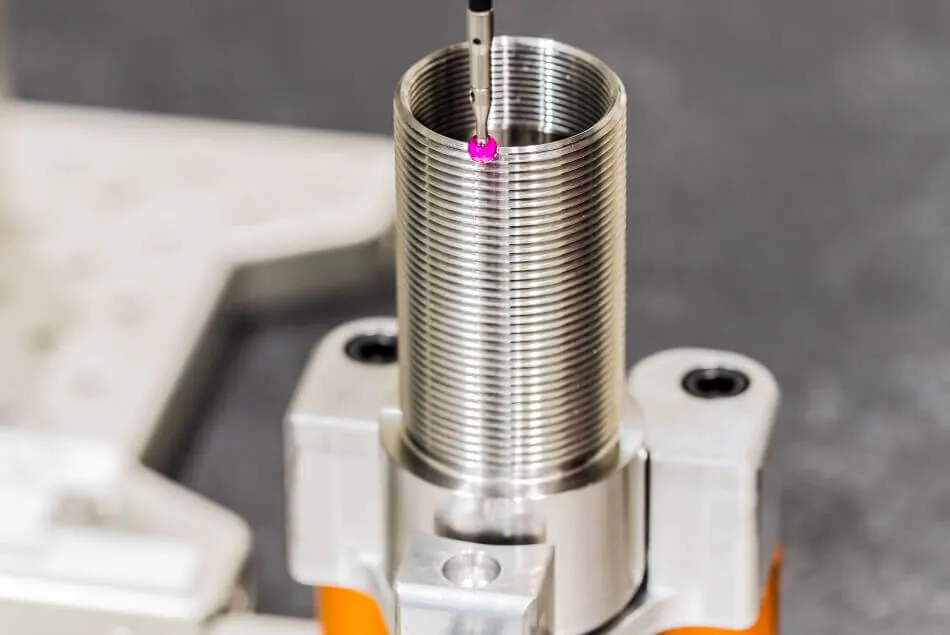
Quality assurance is integral to our manufacturing process. Every batch undergoes full inspection using coordinate measuring machines (CMM) to validate geometric dimensions and tolerances. Our CMM systems are calibrated to ISO 17025 standards and operated by certified metrology technicians. In addition to countersink diameter and depth, we verify angular accuracy, positional deviation, and surface integrity to ensure compliance with engineering specifications. First-article inspections and in-process checks are standard, with full traceability maintained for every component.
The following table outlines our standard capabilities and achievable tolerances for countersinking aluminum:
| Parameter | Standard Capability | Typical Tolerance |
|---|---|---|
| Countersink Diameter | 3 mm – 25 mm | ±0.05 mm |
| Countersink Angle | 60°, 82°, 90°, 100°, 120° | ±0.5° |
| Depth Control | 1 mm – 15 mm | ±0.1 mm |
| Positional Tolerance | Relative to datum or feature | ±0.03 mm |
| Surface Roughness (Ra) | Machined surface | 0.8 – 3.2 µm |
| Material Compatibility | Aluminum Alloys (2024, 6061, 7075, etc.) | Full range of aerospace and industrial grades |
| Inspection Method | CMM, optical comparator, gauge pins | ISO 10360-compliant CMM |
Wuxi Lead Precision Machinery combines engineering expertise with advanced technology to deliver countersunk aluminum components that meet the highest standards of precision and reliability. Our integrated approach ensures consistent quality, on-time delivery, and full compliance with customer technical requirements.
Material & Finish Options

Material Selection for Precision Countersinking Operations
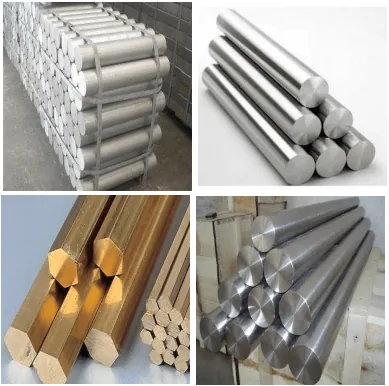
Selecting the optimal material for countersink applications directly impacts part performance, tool life, and final assembly integrity. At Wuxi Lead Precision Machinery, our CNC centers achieve micron-level accuracy only when material properties align with design intent. Aluminum remains the dominant choice for weight-sensitive aerospace and electronics enclosures due to its favorable strength-to-weight ratio and machinability. 6061-T6 and 7075-T6 alloys offer exceptional balance: moderate hardness prevents tool chatter during countersink drilling while maintaining structural stability. Critical for countersunk fastener seats, these alloys accept precise chamfer angles without micro-fracturing. Steel variants like 303 and 304 stainless provide superior tensile strength for high-load structural joints but demand rigid machine setups to avoid work hardening during countersink formation. Titanium Grade 5 (Ti-6Al-4V) excels in extreme environments yet requires specialized carbide tooling and reduced feed rates to prevent galling—a consideration our engineers mitigate through adaptive CNC programming.
Material Performance Comparison for Countersink Applications
| Material | Key Properties | Countersink Suitability | Best For |
|---|---|---|---|
| Aluminum 6061-T6 | Density: 2.7 g/cm³; HB 95; Excellent machinability | ✓✓✓ | Aerospace brackets, consumer electronics |
| Stainless Steel 304 | Density: 8.0 g/cm³; HB 200; High corrosion resistance | ✓✓ | Marine hardware, medical fixtures |
| Titanium Ti-6Al-4V | Density: 4.4 g/cm³; HB 360; Extreme strength-to-weight | ✓ | Jet engine components, defense systems |
Anodizing is non-negotiable for aluminum countersink features exposed to environmental stress. Type II (sulfuric acid) anodizing delivers 8–25μm coatings suitable for indoor applications, while Type III (hardcoat) anodizing achieves 25–100μm thickness with 600+ HV surface hardness—critical for wear resistance in rotating assemblies. Crucially, anodized layers must be masked at the countersink interface to ensure electrical conductivity for grounding points or prevent coating interference with fastener torque specs. Our quality control verifies coating thickness within ±5μm tolerance using eddy current testing, ensuring chamfer geometry remains unaffected.
Material choice must account for the entire manufacturing chain. Aluminum’s thermal conductivity reduces heat buildup during high-RPM countersinking, extending tool life by 30% compared to steel. Conversely, titanium’s low thermal conductivity necessitates through-spindle coolant to prevent localized annealing. Wuxi Lead’s material science team collaborates with clients during DFM reviews to specify alloys and finishes that optimize both countersink precision and lifecycle cost. We routinely validate material certifications to AMS, ASME, and ISO standards, ensuring traceability from mill to finished component. For mission-critical applications, we recommend prototyping with your target alloy to confirm countersink geometry retention post-anodizing. Contact our engineering desk to discuss material-specific CNC strategies for your next precision assembly.
Manufacturing Process & QC

Design Phase: Precision Engineering for Optimal Countersinking
At Wuxi Lead Precision Machinery, the process of countersinking aluminum begins with meticulous design engineering. Our team collaborates closely with clients to analyze component geometry, material grade, and functional requirements. Using advanced CAD/CAM software, we simulate the countersink operation to determine optimal hole placement, angle accuracy (typically 82°, 90°, or 100°), and depth tolerance. Finite element analysis ensures stress distribution is minimized around the countersunk area, critical in aerospace and automotive applications where fatigue resistance is paramount. We account for aluminum’s inherent softness and thermal expansion, adjusting toolpaths to prevent burring or material deformation. Every design undergoes cross-functional review, integrating feedback from manufacturing, quality assurance, and materials science experts to ensure manufacturability and long-term reliability.
Prototyping: Validating Performance Before Scale
Once the design is finalized, we proceed to low-volume prototyping. This phase serves as a physical validation of the digital model. Prototypes are machined using the same CNC equipment and tooling intended for mass production, ensuring consistency in process conditions. We utilize high-precision solid carbide or diamond-coated countersink tools to achieve clean entry and exit surfaces. Each prototype undergoes rigorous metrological inspection using coordinate measuring machines (CMM) and optical comparators to verify angular accuracy, depth, and positional tolerance. Surface roughness is measured to ensure it meets specifications, typically Ra ≤ 1.6 µm. Functional testing, including fastener fit and torque application, confirms the countersink’s performance under real-world conditions. Any deviations trigger immediate design or process refinement, ensuring zero defects are carried forward.
Mass Production: Consistency, Control, and Quality Assurance
With prototype approval, we transition to full-scale production under a Zero Defects framework. Our CNC machining centers operate with automated tool monitoring and in-process gauging to detect deviations in real time. Each aluminum workpiece—ranging from 6061-T6 to 7075-T6 alloys—is fixtured to minimize vibration and ensure repeatable alignment. Coolant systems are optimized to prevent heat buildup, which can distort soft aluminum. Every 50th part undergoes 100% inspection, while statistical process control (SPC) tracks key parameters across the production run. Our quality management system is ISO 9001:2015 certified, and traceability is maintained from raw material to final shipment.
Typical Countersinking Specifications for Aluminum Alloys
| Parameter | Specification |
|---|---|
| Standard Angles | 82°, 90°, 100° |
| Depth Tolerance | ±0.05 mm |
| Positional Tolerance | ±0.1 mm (per ASME Y14.5) |
| Surface Roughness (Ra) | ≤ 1.6 µm |
| Tool Material | Solid Carbide, Diamond-Coated |
| Common Aluminum Grades | 6061-T6, 7075-T6, 2024-T3 |
| Inspection Method | CMM, Optical Comparator, Go/No-Go Gauges |
This end-to-end process ensures that every countersunk aluminum component meets the highest standards of precision, performance, and reliability, tailored to the exact needs of high-end industrial applications.
Why Choose Wuxi Lead Precision
Elevate Your Aluminum Countersinking Precision with Lead Precision
When aluminum countersinking tolerances dip below 0.1mm, standard machining approaches risk burr formation, tool deflection, and compromised fatigue resistance—critical failures in aerospace, medical, and semiconductor applications. At Wuxi Lead Precision Machinery, we engineer solutions where conventional methods fall short. Our CNC centers integrate proprietary vibration-dampened spindles and adaptive feed algorithms specifically calibrated for aluminum alloys, ensuring burr-free chamfers at ±0.005mm concentricity. Unlike generic workshops, we treat each countersink as a system: optimizing tool geometry, coolant pressure, and chip evacuation to prevent surface oxidation and micro-fractures that undermine structural integrity.
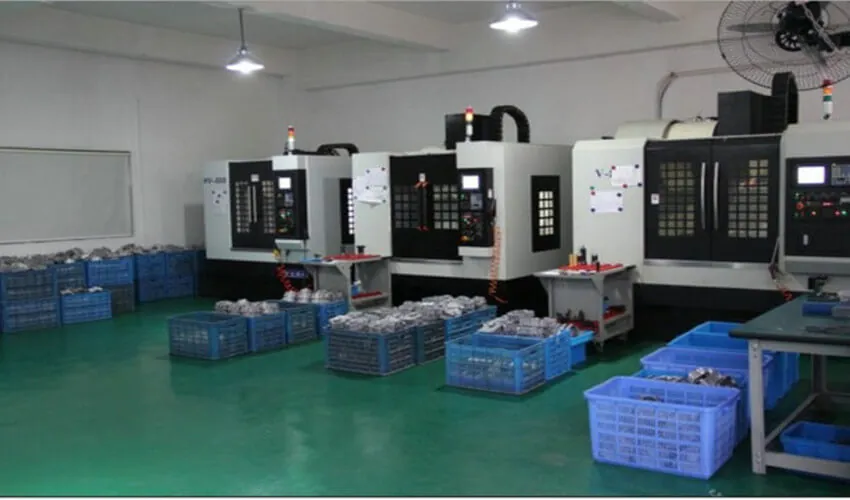
Our ISO 9001:2015-certified facility in Wuxi operates 24/7 with 5-axis DMG MORI and Makino platforms, each equipped with real-time tool wear monitoring. This isn’t batch production; it’s precision orchestration. We process everything from soft 1100-O to hardened 7075-T6, maintaining Ra 0.4μm finishes even on complex multi-hole patterns. The result? Components that pass rigorous NADCAP audits and extend service life in high-vibration environments. Below are key capabilities validated across 1,200+ client projects:
| Parameter | Lead Precision Capability | Industry Standard |
|---|---|---|
| Tolerance Range | ±0.005mm to ±0.05mm | ±0.1mm |
| Max. Depth Accuracy | ±0.02mm | ±0.05mm |
| Surface Finish (Ra) | 0.2μm – 0.8μm | 1.6μm |
| Alloy Range | 1000-7000 Series | 2000-6000 Series |
| Throughput | 85 parts/hour (avg.) | 45 parts/hour |
Partnering with us means accessing tier-1 aerospace process documentation and material traceability down to the ingot level. Our engineers collaborate from blueprint review to first-article inspection, using Zeiss CONTURA CMMs to validate angular consistency within 0.5°. When your design demands countersinks intersecting thin walls or near-edge features, our dynamic toolpath simulation prevents pull-through—a common pitfall with aluminum’s low shear strength.
Stop accepting compromises on critical fastening interfaces. Submit your countersink blueprint to [email protected] with target volumes and material specifications. Within 72 hours, you’ll receive a process validation report detailing our tooling strategy, tolerance stack-up analysis, and cost-per-part breakdown. For urgent RFQs, reference project code ALU-CSK-2024 to trigger expedited engineering review. Let Wuxi Lead Precision Machinery transform your aluminum countersinking from a production hurdle into a competitive advantage—where micron-level precision meets uncompromised reliability. Your next-generation assembly starts with a single, flawless chamfer.
⚙️ Precision Cost Estimator
Estimate relative manufacturing effort based on tolerance.