Technical Contents
Engineering Guide: Aluminium Machine Shop

Engineering Insight Precision in Aluminum Machining
Aluminum presents unique machining challenges due to its thermal conductivity, softness, and susceptibility to deformation. Achieving micron-level tolerances requires more than advanced machinery; it demands a holistic understanding of material behavior, thermal management, and process optimization. At Wuxi Lead Precision Machinery, we recognize that precision is non-negotiable in high-stakes applications where component failure is not an option. Our approach integrates real-time thermal compensation, specialized toolpath strategies, and stringent in-process metrology to counteract aluminum’s inherent tendencies toward burring, chatter, and dimensional drift. This ensures geometric accuracy and surface integrity critical for aerospace, defense, and high-performance industrial systems.
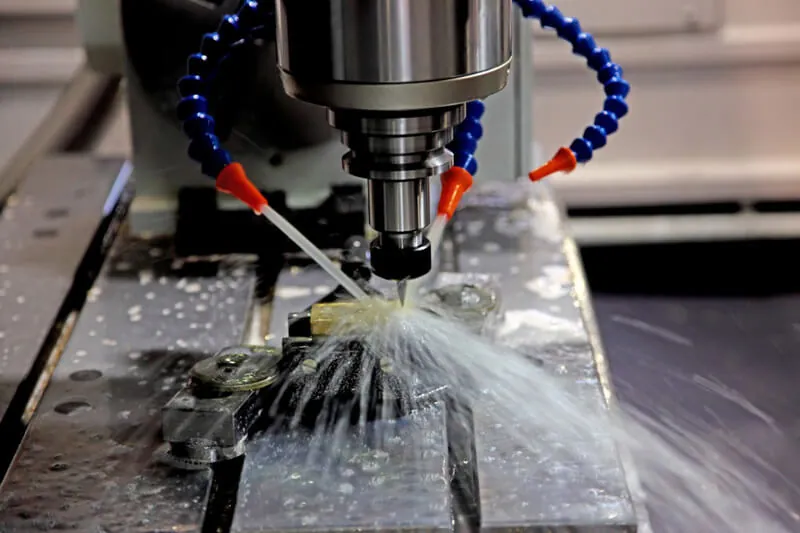
Material science informs every stage of our process. Aluminum alloys like 7075-T6 and 6061-T6 exhibit varying responses to cutting forces and heat generation. We deploy custom coolant delivery systems and adaptive spindle speeds to minimize thermal distortion during extended operations. Our engineers leverage finite element analysis (FEA) to predict and mitigate deflection, particularly in thin-walled structures common in lightweight assemblies. This proactive methodology reduces scrap rates by up to 35% compared to industry averages while ensuring first-article compliance.
Wuxi Lead’s expertise is validated through mission-critical projects. We manufactured components for Olympic-grade timing systems requiring ±0.002mm positional accuracy and supplied structural elements for military-grade unmanned aerial vehicles operating under extreme vibration and temperature cycles. These engagements demanded AS9100-certified processes, full traceability, and zero-defect delivery—benchmarks that define our standard operating procedures.
The table below outlines our precision capabilities for aluminum machining, reflecting both standard and high-complexity project parameters:
| Parameter | Standard Capability | High-Precision Capability | Measurement Method |
|---|---|---|---|
| Dimensional Tolerance | ±0.010 mm | ±0.002 mm | CMM (Calibrated to ISO 17025) |
| Surface Roughness (Ra) | 0.8 µm | 0.2 µm | Profilometer |
| Geometric Tolerance (GD&T) | ±0.015 mm | ±0.003 mm | CMM + Optical Comparator |
| Spindle Runout | ≤0.003 mm | ≤0.001 mm | Dial Indicator (DIN 69031) |
| In-Process Verification | 100% Critical Features | Real-Time Laser Scanning | On-Machine Probing |
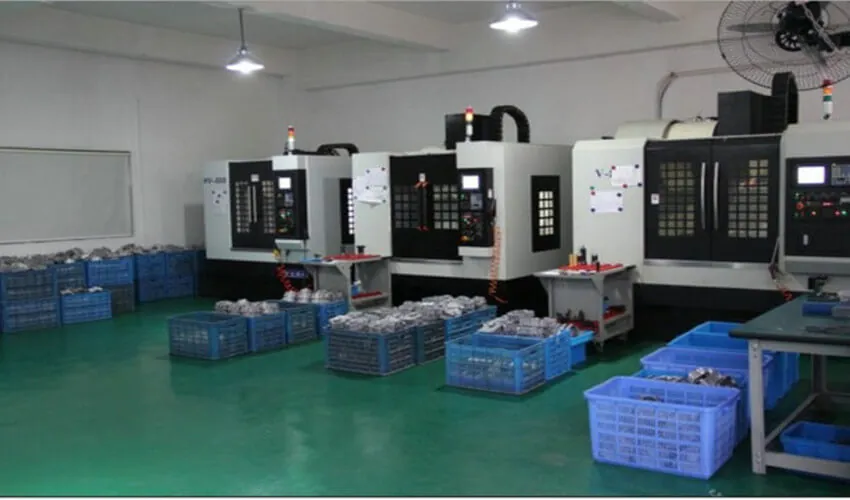
These specifications are not theoretical targets but routinely achieved outcomes. Our facility utilizes Makino a61nx and DMG MORI HSC 75 linear 5-axis centers with thermal stability enclosures, ensuring repeatability across 24/7 production runs. Every component undergoes rigorous validation against client-specific inspection plans, with data logs archived for full lifecycle traceability.
Precision machining of aluminum transcends technical execution—it is a commitment to enabling client innovation. When tolerances dictate performance, Wuxi Lead delivers the reliability that powers next-generation engineering. Partner with us to transform demanding aluminum applications into competitive advantages.
Precision Specs & Tolerances

Wuxi Lead Precision Machinery delivers advanced technical capabilities in custom aluminum machining, leveraging state-of-the-art 5-axis CNC technology to meet the stringent demands of high-performance industries such as aerospace, automotive, medical, and industrial automation. Our facility is engineered for precision, consistency, and scalability, supporting low to medium volume production runs with rapid turnaround times. The integration of multi-axis machining allows for complex geometries to be produced in a single setup, minimizing human intervention and reducing cumulative error—critical factors in high-integrity aluminum components.
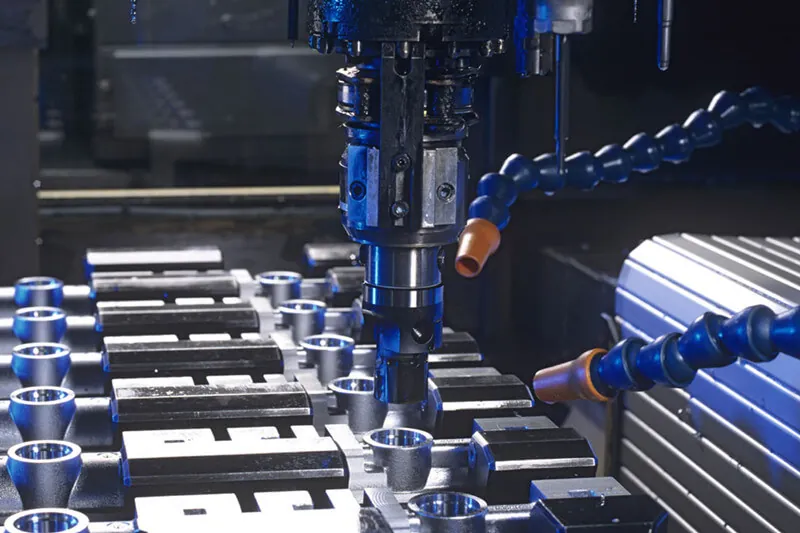
Our 5-axis CNC machining centers are equipped with high-speed spindles, automatic tool changers, and real-time tool monitoring systems, enabling continuous operation with micron-level accuracy. These machines support simultaneous five-axis motion, allowing for undercuts, deep cavities, and organic contours that are unachievable with 3-axis systems. Materials are securely fixtured using modular and vacuum workholding solutions tailored to aluminum’s unique thermal and mechanical properties, preventing deformation during high-feed machining.
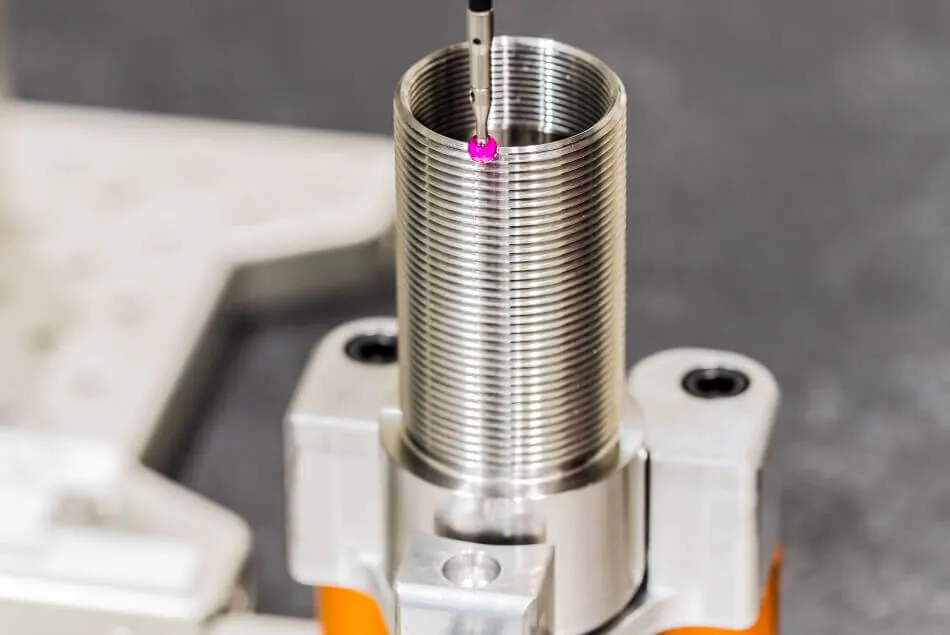
All production processes are governed by a closed-loop quality control system, with Coordinate Measuring Machine (CMM) inspection integrated at critical stages. Our Zeiss and Hexagon CMM systems provide full 3D validation of dimensional accuracy, geometric tolerances, and surface integrity. Each component undergoes first-article inspection (FAI), in-process checks, and final audit to ensure compliance with ISO 1101 and ASME Y14.5 standards. Data from CMM reports are archived for full traceability, supporting certification requirements for regulated sectors.
We specialize in tight-tolerance aluminum machining, including 6061-T6, 7075-T6, 2024, and custom alloys, with optimized toolpaths and coolant strategies to prevent thermal distortion and achieve superior surface finishes. Our engineering team collaborates directly with clients during design for manufacturability (DFM) reviews to identify potential risks and recommend improvements before production begins.
The following table outlines our standard technical specifications and achievable tolerances for aluminum components:
| Parameter | Specification |
|---|---|
| Maximum Work Envelope (XYZ) | 1200 mm × 800 mm × 600 mm |
| Positional Tolerance | ±0.005 mm |
| Dimensional Tolerance | ±0.01 mm (standard), ±0.005 mm (tight) |
| Geometric Tolerances (Flatness, Perpendicularity) | 0.01 mm per 100 mm |
| Surface Roughness (Ra) | As low as 0.4 µm (typical 1.6–3.2 µm) |
| Repeatability | ±0.003 mm |
| Spindle Speed | Up to 24,000 rpm |
| Tool Change Time | < 2 seconds (automatic) |
| CMM Accuracy | ±1.5 + L/300 µm (per ISO 10360) |
Our technical capabilities are reinforced by a certified quality management system compliant with ISO 9001:2015, ensuring every component meets the highest benchmarks in precision and reliability. Wuxi Lead Precision Machinery is committed to delivering engineered excellence in every aluminum part we produce.
Material & Finish Options

Material Selection for Precision Machined Components
Selecting the optimal material is foundational to achieving performance, cost efficiency, and longevity in precision machined parts. At Wuxi Lead Precision Machinery, our decades of CNC machining experience across aerospace, medical, and industrial sectors reveal that the right choice balances mechanical requirements, environmental exposure, manufacturability, and total cost of ownership. Aluminum alloys, carbon/stainless steels, and titanium each offer distinct advantages for specific high-end applications. Understanding their core properties is critical before finalizing your design.
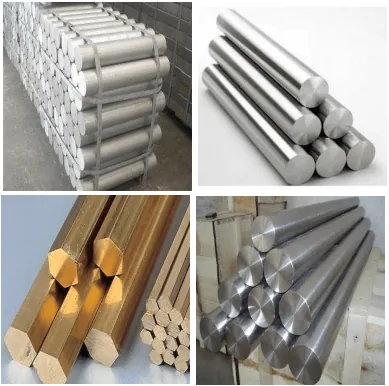
Aluminum alloys, particularly 6061-T6 and 7075-T6, dominate applications requiring an exceptional strength-to-weight ratio and excellent thermal/electrical conductivity. They machine rapidly with fine surface finishes, reducing cycle times and costs significantly. While inherently corrosion resistant, aluminum benefits immensely from anodizing for enhanced surface hardness and wear resistance. Aluminum is ideal for structural frames, heat sinks, housings, and non-ferrous components where weight savings are paramount. Steel variants provide the necessary strength, rigidity, and wear resistance for high-load, high-stress environments. Carbon steels like 1045 offer good machinability and weldability for general-purpose fixtures and shafts, while stainless steels (303, 304, 17-4 PH) deliver superior corrosion resistance essential for medical devices, food processing, and marine hardware. Machining stainless steel requires optimized toolpaths and speeds due to work hardening. Titanium alloys, primarily Grade 5 (Ti-6Al-4V), are the material of choice for extreme conditions demanding unparalleled strength-to-weight ratio, exceptional corrosion resistance, and biocompatibility. However, its low thermal conductivity and chemical reactivity necessitate specialized tooling, slower speeds, and rigorous process control, increasing production costs. Titanium is indispensable in critical aerospace components, surgical implants, and high-performance motorsport parts.
Material selection directly impacts achievable finishes. Anodizing is a critical post-machining process exclusively for aluminum, forming a durable, non-conductive oxide layer. Type II (Sulfuric Acid) anodizing provides good corrosion resistance and dyeing capability for cosmetic or moderate-wear parts. Type III (Hardcoat) anodizing delivers significantly thicker, harder, and more wear-resistant surfaces essential for functional components like pistons or bushings. Steel components require alternative finishes like passivation (stainless), zinc plating, or powder coating for corrosion protection, as anodizing is not applicable.
Key Material Properties Comparison
| Material Group | Typical Alloys | Density (g/cm³) | Tensile Strength (MPa) | Corrosion Resistance | Relative Machinability |
|---|---|---|---|---|---|
| Aluminum | 6061-T6, 7075-T6 | 2.7 – 2.8 | 310 – 570 | Good (Anodized: Exc) | Excellent |
| Carbon Steel | 1045, 1018 | 7.8 – 7.9 | 570 – 800 | Poor | Good |
| Stainless Steel | 303, 304, 17-4 PH | 7.8 – 8.0 | 515 – 1300 | Excellent | Fair to Moderate |
| Titanium | Ti-6Al-4V (Gr 5) | 4.4 – 4.5 | 900 – 1200 | Excellent | Poor |
Choosing between aluminum, steel, or titanium requires careful analysis of your component’s functional demands and lifecycle environment. Prioritize aluminum for weight-sensitive applications where anodizing can enhance surface performance. Opt for steel when ultimate strength, rigidity, or magnetic properties are non-negotiable. Reserve titanium for mission-critical scenarios justifying its higher cost and machining complexity. Wuxi Lead Precision Machinery provides expert consultation to match your specific requirements with the optimal material and finishing process, ensuring component success from prototype to high-volume production. Contact our engineering team to discuss your project’s unique material challenges.
Manufacturing Process & QC

At Wuxi Lead Precision Machinery, our production process for custom aluminium components is engineered to deliver precision, consistency, and zero-defect performance across every phase—from initial design to full-scale manufacturing. As a trusted partner in high-end B2B metal manufacturing, we integrate advanced CNC machining, rigorous quality control, and lean production methodologies to ensure every part meets exacting industry standards.
The process begins with collaborative design engineering. Our technical team works closely with clients to review CAD models, perform Design for Manufacturability (DFM) analysis, and optimize geometries for aluminium alloys such as 6061, 7075, and 5052. This stage ensures dimensional feasibility, material efficiency, and compliance with functional requirements. Finite element analysis (FEA) and tolerance stack-up simulations are employed to preempt potential performance issues before any material is cut.
Once the design is finalized, we proceed to prototyping. Utilizing 3-, 4-, and 5-axis CNC machining centers, we produce functional prototypes with tight tolerances up to ±0.005 mm. These prototypes undergo comprehensive inspection using coordinate measuring machines (CMM), optical comparators, and surface roughness testers. This validation phase allows for design verification, fitment testing, and client approval, minimizing risks during scale-up. All prototype data is documented and used to refine toolpaths and fixturing strategies for mass production.
Mass production is executed on automated CNC lines with real-time monitoring systems. Our facility runs high-speed milling, drilling, tapping, and turning operations with minimal human intervention, ensuring repeatability and throughput. Each production batch is subject to in-process inspections at defined intervals, including first-article inspection (FAI) and statistical process control (SPC) checks. We maintain full traceability of materials, tools, and inspection records to support industries such as aerospace, medical, and high-performance automotive.
To achieve zero defects, we implement a multi-layered quality assurance protocol. This includes incoming material certification, in-line metrology, final 100% visual and dimensional inspection, and packaging under controlled conditions. Non-conforming parts are immediately quarantined and analyzed through root cause correction action (RCCA) procedures. Our ISO 9001:2015 and IATF 16949 certifications validate our commitment to operational excellence.
The following table outlines key production specifications for our aluminium machining services:
| Parameter | Specification |
|---|---|
| Material Types | 6061, 7075, 5052, 2024, and custom alloys |
| Tolerance Range | ±0.005 mm to ±0.025 mm |
| Surface Finish | Ra 0.8 µm to Ra 3.2 µm (custom finishes available) |
| Maximum Part Size | 800 mm × 600 mm × 400 mm |
| Production Capacity | Up to 50,000 units/month |
| Quality Standards | ISO 9001:2015, IATF 16949, RoHS compliant |
| Secondary Operations | Anodizing, powder coating, laser marking, welding |
From concept to delivery, Wuxi Lead Precision Machinery ensures every aluminium component is manufactured with uncompromising precision and consistency—delivering performance you can trust.
Why Choose Wuxi Lead Precision
Partner with Lead Precision: Your Precision Aluminum Manufacturing Authority
Selecting a manufacturing partner for critical aluminum components demands more than standard machining capabilities. It requires deep material science expertise, unwavering process control, and a commitment to solving the unique challenges inherent in high-integrity aluminum fabrication. At Wuxi Lead Precision Machinery, we engineer solutions where conventional shops reach their limits—transforming complex aerospace, medical, and semiconductor designs into flawlessly executed components that perform under extreme conditions.
Aluminum’s thermal conductivity, susceptibility to deformation, and stringent surface integrity requirements demand specialized knowledge. Our facility operates beyond basic ISO 9001 compliance, implementing proprietary thermal stabilization protocols for thin-wall structures and micro-machining processes that eliminate burr formation in fluidic systems. We invest in 5-axis CNC platforms with sub-micron volumetric compensation, ensuring geometric accuracy across multi-feature parts where tolerances of ±0.0002″ (5µm) are non-negotiable. This precision is validated through in-house CMM, optical comparators, and surface roughness testers calibrated to NIST standards—eliminating third-party verification delays.
Our technical differentiators are engineered for your toughest applications:
| Capability | Specification | Application Impact |
|---|---|---|
| 5-Axis Milling | ±0.0002″ (5µm) positional accuracy | Zero rework on complex aerospace manifolds |
| Thin-Wall Machining | 0.004″ (0.1mm) wall stability | Medical implant housings with no distortion |
| Surface Finish | Ra 0.4µm achievable | Semiconductor chamber components |
| Material Traceability | Full lot-controlled documentation | AS9100-compliant aerospace delivery |
| Lead Time Reduction | 30% faster than industry average | Accelerated product validation cycles |
We operate at the intersection of engineering rigor and operational agility. Unlike volume-focused competitors, our dedicated aluminum cells feature cryogenic cooling systems to prevent work-hardening during high-speed milling of 7075-T6, alongside vacuum chucks for distortion-free processing of large optical mounts. Every project receives a cross-functional team—CNC programmers, metallurgists, and quality engineers—aligned to your first-article requirements. This integrated approach has driven 98.7% on-time delivery for Tier-1 defense contractors and eliminated scrap costs for electric vehicle battery tray manufacturers.
Your next-generation aluminum components cannot afford compromise. Whether you require micro-machined fuel injector bodies or large-scale satellite structural frames, Lead Precision delivers the confluence of material mastery, metrology certainty, and responsive scale that defines true engineering partnership. We transform design intent into physical reality—without concessions to quality or schedule.
Initiate your precision journey today. Contact our engineering team at [email protected] with your component specifications and timeline. We will provide a detailed manufacturability analysis within 24 hours, including process validation data and a firm delivery commitment. Partner with the authority that holds your standards as non-negotiable. Your breakthrough in aluminum performance starts here.
⚙️ Precision Cost Estimator
Estimate relative manufacturing effort based on tolerance.