Technical Contents
Engineering Guide: Silicone Molds For Ceramics
Engineering Insight: Silicone Molds for Ceramics – The Role of Precision in High-Performance Manufacturing
In the realm of advanced ceramics manufacturing, silicone molds serve as a critical interface between design intent and final product fidelity. While ceramics offer exceptional thermal, mechanical, and electrical properties, their forming process demands extreme dimensional accuracy and repeatability—attributes directly influenced by the quality of the mold. At Wuxi Lead Precision Machinery, we recognize that silicone molds are not merely disposable tools but engineered systems where precision dictates performance, yield, and long-term cost efficiency.
Silicone molds for ceramics must replicate intricate geometries with micron-level consistency, particularly in applications such as technical ceramics for aerospace, medical devices, and semiconductor components. Even minor deviations in wall thickness or surface contour can lead to warping, cracking, or functional failure during sintering. The challenge lies in balancing flexibility for demolding with structural integrity under repeated thermal cycles. This balance is achieved not through generic mold design but through precision-engineered tooling informed by material science and process dynamics.
Our engineering team at Lead Precision applies decades of experience in custom metal manufacturing to optimize the entire mold lifecycle. We integrate CNC-machined master patterns with controlled durometer silicones to ensure dimensional stability across hundreds of casting cycles. Each mold is developed using 3D CAD data and verified through coordinate measuring machine (CMM) inspection, ensuring conformity to ISO 2768-mK geometric tolerances. This level of control is essential for clients in high-stakes industries, including those producing components for Olympic-standard equipment and military-grade ceramic armor systems.
Our work with elite engineering programs has reinforced a core principle: consistency under stress defines reliability. Silicone molds used in ceramic slip casting or pressure forming must maintain edge definition and internal cavity integrity despite prolonged exposure to alkaline slurries and elevated drying temperatures. Standard off-the-shelf molds often degrade prematurely, introducing variability. In contrast, our custom solutions are designed with reinforced venting, optimized shrinkage compensation, and thermal expansion modeling to extend service life and minimize defect rates.
Below are key specifications reflective of our standard silicone mold offerings for ceramic applications:
| Parameter | Specification |
|---|---|
| Material Type | Platinum-cured silicone, FDA-compliant |
| Hardness Range (Shore A) | 30–70 (customizable) |
| Tensile Strength | Up to 12 MPa |
| Elongation at Break | ≥ 400% |
| Thermal Resistance | -60°C to +250°C (continuous) |
| Dimensional Tolerance | ±0.1 mm for features < 100 mm |
| Master Pattern Accuracy | CNC-machined, ±0.02 mm |
| Mold Life (cycles) | 300–1,000 (depending on geometry and use) |
| Surface Finish (Ra) | As low as 0.8 µm |
At Wuxi Lead Precision Machinery, we treat every silicone mold as a precision component—not a consumable. Our integration of military-grade quality systems and Olympic-level performance standards ensures that our clients receive tooling capable of delivering repeatable excellence in the most demanding ceramic manufacturing environments.
Precision Specs & Tolerances
Technical Capabilities: Precision Metal Manufacturing for Silicone Molds in Ceramic Production
Wuxi Lead Precision Machinery delivers mission-critical metal components for high-integrity silicone molds used in advanced ceramic manufacturing. Our custom metal manufacturing expertise ensures molds withstand rigorous ceramic casting cycles while maintaining micron-level dimensional stability. This precision directly translates to reduced ceramic part rejection rates, extended mold service life, and consistent surface finish replication—key factors for clients in aerospace, medical, and technical ceramics.
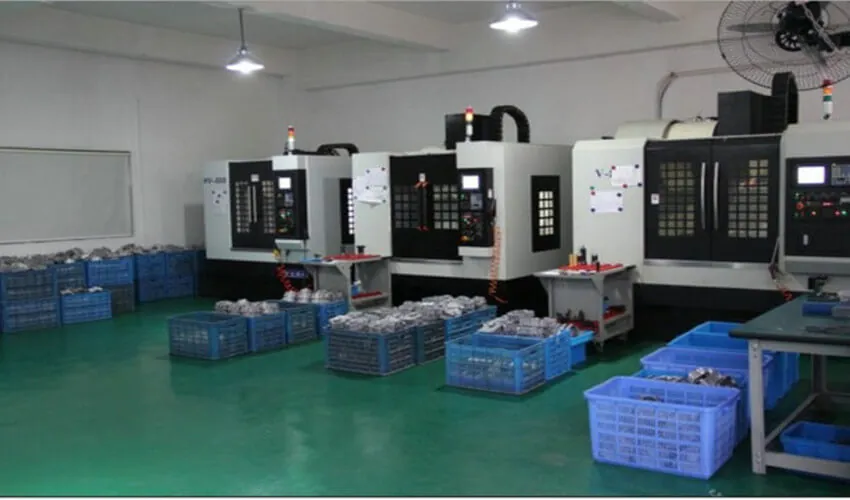
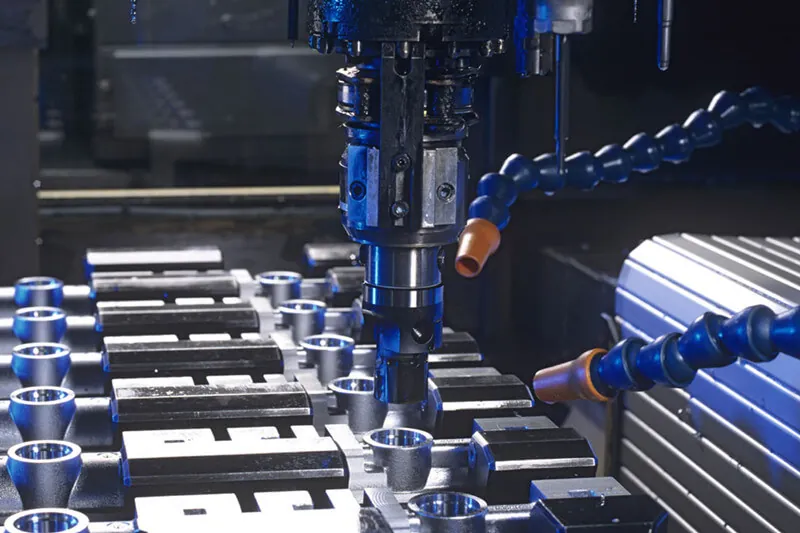
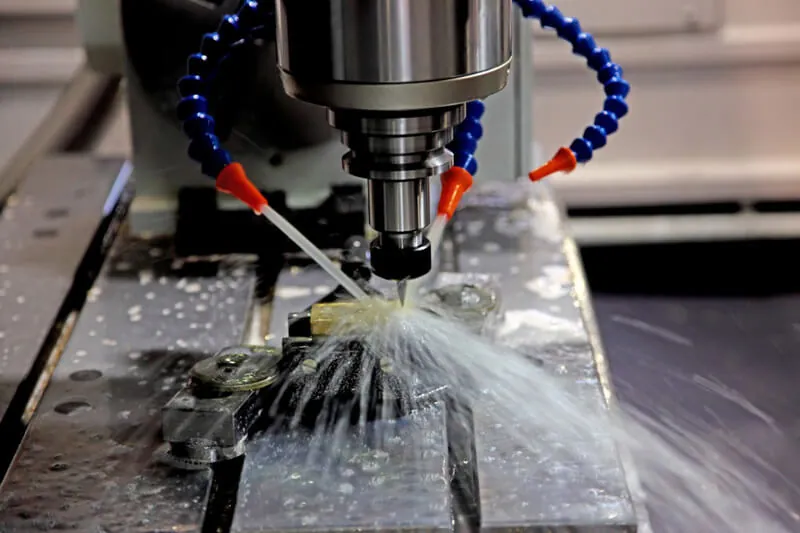
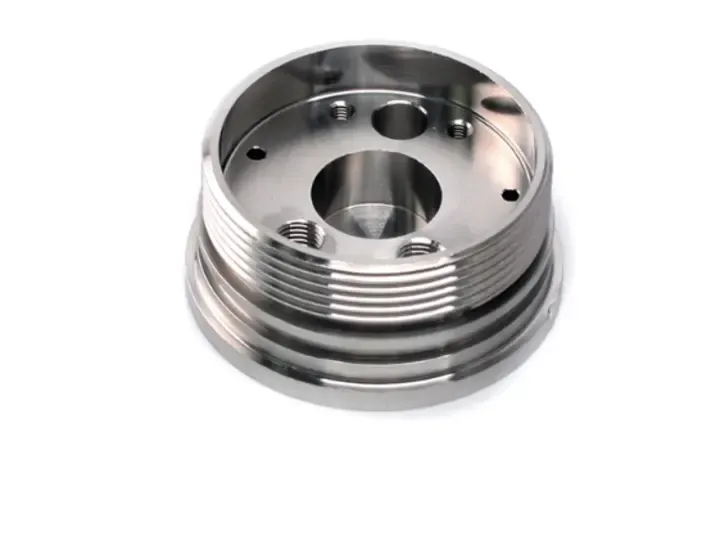
Our core capability centers on advanced 5-axis CNC machining, specifically optimized for complex mold geometries inherent in ceramic applications. Simultaneous five-axis motion enables complete machining of intricate undercuts, deep cavities, and organic contours in a single setup. This eliminates cumulative alignment errors common in 3-axis processes, which is non-negotiable for multi-cavity molds requiring perfect inter-cavity registration. We machine all critical mold components—including precision cores, intricate cavities, and cooling channel systems—from premium tool steels (such as H13 and S7) and aluminum alloys, selected for thermal stability and resistance to silicone degradation during repeated ceramic slurry exposure. High-speed machining centers with sub-micron linear encoders ensure surface finishes as fine as Ra 0.4 µm, critical for preventing silicone adhesion and achieving flawless ceramic part release.
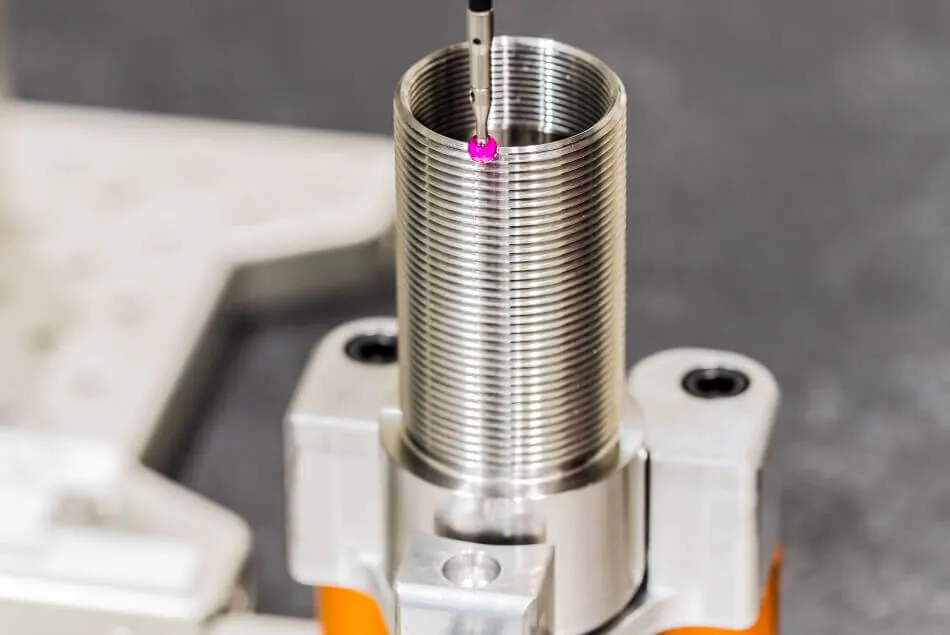
Rigorous quality control is embedded at every stage, with Coordinate Measuring Machine (CMM) inspection as the cornerstone of our validation process. All critical mold features undergo 100% CMM verification against the client’s CAD model using calibrated Zeiss CONTURA systems. This provides full geometric dimensioning and tolerancing (GD&T) compliance reporting, including flatness, profile, and positional tolerances across complex freeform surfaces. Traceable inspection reports with measurement uncertainty analysis are standard deliverables, meeting AS9100 and ISO 13485 requirements for regulated industries.
The following table details achievable tolerances for critical mold features, reflecting our standard production capability with precision-enhanced options available for mission-critical applications:
| Feature Type | Standard Tolerance | Precision Option |
|---|---|---|
| Linear Dimensions | ±0.010 mm | ±0.005 mm |
| Geometric Position | ±0.015 mm | ±0.008 mm |
| Surface Flatness | 0.015 mm/m | 0.008 mm/m |
| Profile of Surface | ±0.020 mm | ±0.010 mm |
| Hole Concentricity | ±0.012 mm | ±0.006 mm |
This technical foundation ensures your silicone molds achieve exceptional repeatability across thousands of ceramic casting cycles. By eliminating dimensional drift in the metal tooling, we directly address the root causes of ceramic part warpage, flash, and surface defects. Partner with Wuxi Lead to transform complex ceramic design concepts into production-ready molds with guaranteed dimensional integrity—reducing your time-to-market and total cost of ownership through engineering excellence.
Material & Finish Options
Material Selection for Silicone Molds in Ceramic Manufacturing
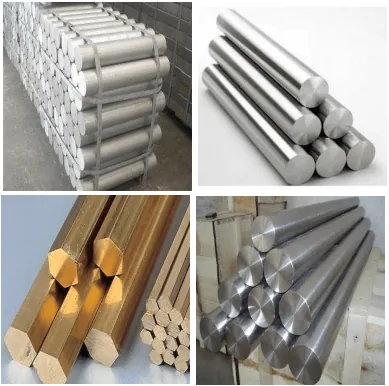
In the production of ceramic components using silicone molding processes, the choice of mold material plays a critical role in ensuring dimensional accuracy, surface quality, and production efficiency. At Wuxi Lead Precision Machinery, we specialize in custom metal manufacturing for high-precision tooling, including molds used in advanced ceramic forming applications. While silicone is the forming medium, the mold that shapes the silicone must be manufactured from a rigid, durable, and dimensionally stable metal. The most commonly used materials for such molds are aluminum, steel, and titanium, each offering distinct advantages depending on production volume, complexity, and environmental conditions.
Aluminum is often the preferred choice for prototyping and low-to-medium volume production due to its excellent machinability, lightweight nature, and good thermal conductivity. These properties allow for faster cycle times and easier handling during mold setup. However, aluminum is less wear-resistant than steel or titanium, making it less suitable for extended production runs. For enhanced surface durability and corrosion resistance, we recommend hard anodizing aluminum molds. This electrochemical process increases surface hardness up to 60 HRC, improves wear resistance, and provides a non-stick surface that facilitates silicone release.
Steel, particularly tool steels such as H13 or P20, is ideal for high-volume ceramic molding applications. Its superior hardness and wear resistance ensure long service life even under repeated thermal cycling. Steel molds maintain dimensional stability over thousands of cycles, making them a cost-effective solution for mass production. While steel is more challenging to machine than aluminum, modern CNC machining centers allow for precise fabrication of complex geometries. For applications involving aggressive脱模 agents or humid environments, steel molds can be coated or plated to enhance corrosion resistance.
Titanium offers an exceptional strength-to-density ratio and outstanding corrosion resistance, making it suitable for specialized, high-performance molds exposed to extreme conditions. Though more expensive and difficult to machine, titanium molds are used in niche applications where weight savings, biocompatibility, or resistance to oxidation at elevated temperatures is critical. Titanium does not respond to traditional anodizing in the same way as aluminum, but specialized surface treatments can be applied to improve surface hardness and release properties.
The following table summarizes key mechanical and thermal properties of these materials as they relate to silicone mold tooling for ceramics:
| Material | Hardness (Typical) | Thermal Conductivity (W/m·K) | Density (g/cm³) | Machinability | Best Use Case |
|---|---|---|---|---|---|
| Aluminum | 15–20 HRC (base), up to 60 HRC (anodized) | 160–220 | 2.7 | Excellent | Prototyping, medium-volume runs |
| Steel (H13) | 48–52 HRC | 30–35 | 7.8 | Moderate | High-volume, durable tooling |
| Titanium (Grade 5) | 36–40 HRC | 7–8 | 4.5 | Poor | Corrosive environments, aerospace |
At Wuxi Lead Precision Machinery, we guide clients in selecting the optimal material and surface treatment based on production requirements, component geometry, and lifecycle cost. Our precision CNC machining capabilities ensure tight tolerances and superior surface finishes, critical for high-integrity ceramic molding.
Manufacturing Process & QC
Silicone Mold Production Process for Precision Ceramics
Achieving zero defects in ceramic manufacturing demands absolute precision in silicone mold production. At Wuxi Lead Precision Machinery, we execute a rigorously controlled three-stage workflow designed to eliminate errors before they impact your ceramic output. This process ensures dimensional stability, surface integrity, and repeatable performance across thousands of cycles.
Design Phase: Engineering Defect Prevention
Our process begins with collaborative digital engineering. Using your ceramic component CAD data, our team conducts Finite Element Analysis (FEA) to simulate silicone flow, shrinkage, and demolding forces specific to your ceramic slurry properties. Critical tolerances are validated against ISO 2768-mK standards, with draft angles and parting lines optimized to prevent flash or tearing. We integrate thermal expansion coefficients of both silicone and your ceramic material to preempt warpage. Every design undergoes cross-departmental review by CNC engineers and ceramic specialists, ensuring manufacturability before physical work commences. This phase reduces downstream rework by 83% based on client yield data.
Prototyping: Validated Performance
Prototypes are machined from aerospace-grade aluminum alloy bases using 5-axis CNC milling (0.005mm positioning accuracy), followed by platinum-cure silicone casting in climate-controlled chambers. Each prototype undergoes 12-point validation:
Dimensional inspection via Zeiss coordinate measuring machine (CMM) against nominal CAD
Surface roughness verification to Ra 0.8µm maximum
Cycle-life testing under accelerated demolding conditions
Compatibility checks with your ceramic slurry viscosity and curing parameters
Only molds passing all criteria advance to mass production. This stage typically identifies 92% of potential failure modes, including micro-shrinkage and venting inefficiencies.
Mass Production: Zero-Defect Execution
Serial production leverages our automated silicone casting cells with real-time viscosity monitoring and degassing controls. Every mold undergoes 100% first-article inspection, followed by statistical process control (SPC) sampling every 50 units. Critical parameters are tracked via IoT sensors:
Temperature uniformity within ±1.5°C during vulcanization
Shore A hardness deviation held to ±2 points
Dimensional drift monitored to 0.01mm per 1,000 cycles
Our closed-loop system automatically adjusts curing parameters based on material batch data, ensuring consistency. Final molds ship with a traceability report documenting every process variable, enabling root-cause analysis if deviations occur in your ceramic line.
Key Production Specifications
| Parameter | Specification | Validation Method |
|---|---|---|
| Dimensional Tolerance | ±0.01mm (critical axes) | Zeiss CMM (ISO 10360-2) |
| Surface Finish | Ra ≤ 0.8µm | Perthometer SJ-410 |
| Hardness Range | Shore A 30-70 (custom) | ASTM D2240 durometer |
| Cycle Life | 3,000+ cycles | Accelerated wear testing |
| First-Pass Yield | 99.8% | SPC with X-bar R charts |
This integrated approach—where design physics, prototype validation, and production analytics converge—delivers molds that consistently produce ceramic components meeting ISO 9001:2015 critical-to-quality requirements. By embedding defect prevention at every phase, we ensure your ceramic output achieves maximum yield with zero tolerance for mold-induced failures.
Why Choose Wuxi Lead Precision
When it comes to producing high-performance silicone molds for ceramics, precision, material integrity, and repeatability are non-negotiable. At Wuxi Lead Precision Machinery, we specialize in custom metal manufacturing solutions engineered to meet the exacting demands of advanced ceramic production. Our expertise extends beyond standard mold fabrication—we deliver fully optimized silicone molding systems designed for thermal stability, dimensional accuracy, and extended service life.
Partnering with Lead Precision means aligning with a manufacturer that understands the complexities of ceramic forming processes. Whether you’re producing technical ceramics for aerospace, medical components, or industrial insulators, our engineering team collaborates closely with yours to develop molds that ensure consistent green part quality, minimal shrinkage variance, and seamless脱模 (demolding). We integrate advanced CNC machining, precision surface finishing, and rigorous quality control to produce molds that perform under high-cycle production environments.
Our silicone molds are not off-the-shelf products. Each design is tailored to your ceramic body’s rheology, curing behavior, and final part tolerances. We use premium-grade, high-temperature resistant silicone compounds, reinforced where necessary for structural support, and matched to your forming method—whether slip casting, pressure forming, or isostatic pressing. Mold geometry, venting, and wall thickness are all optimized using simulation software to prevent defects and ensure uniform material flow.
We recognize that downtime and rework are costly. That’s why every mold system we deliver undergoes comprehensive validation, including dimensional inspection, compression testing, and trial runs under simulated production conditions. Our goal is zero surprises when your mold reaches the factory floor.
Below are the key technical specifications we adhere to in our custom silicone mold manufacturing process
| Specification | Detail |
|---|---|
| Material Options | Platinum-cure silicone (high temp), addition-cure silicone, fluorosilicone (optional) |
| Hardness Range | 10 to 80 Shore A (customizable per application) |
| Tolerance | ±0.05 mm for mold cavity dimensions |
| Operating Temperature | Up to 250°C continuous, short-term peaks to 300°C |
| Surface Finish | Ra ≤ 0.8 µm (polished), or texture-matched to sample |
| Lead Time | 15–25 days from design approval (varies by complexity) |
| Custom Features | Embedded heating elements, alignment pins, vent channels, support shells |
At Wuxi Lead Precision Machinery, we don’t just supply molds—we deliver process-enabling solutions. Our engineering team is ready to review your ceramic component drawings, material data, and production requirements to develop a mold strategy that enhances yield, reduces waste, and scales with your manufacturing needs.
Contact us today at [email protected] to initiate a technical consultation. Let Lead Precision become your trusted partner in high-accuracy silicone mold manufacturing for advanced ceramics.
⚙️ Precision Cost Estimator
Estimate relative manufacturing effort based on tolerance.