3D Print Silicone Molds Manufacturer | Precision CNC Guide

Engineering Guide: 3D Print Silicone Molds

3d print silicone molds manufacturing

Engineering Insight: Precision Imperatives in 3D Printed Silicone Molds for Metal Casting

Achieving dimensional accuracy in final metal cast components begins long before molten metal meets mold. The critical intermediary—silicone molds for investment casting or urethane casting—demands exceptional precision during fabrication. Minor deviations in the silicone cavity geometry directly propagate into the metal part, causing costly scrap, secondary machining, or functional failure. Surface finish inconsistencies, thermal instability, or dimensional drift within the silicone mold itself undermine the entire casting process. This is where advanced 3D printing of silicone molds transitions from a prototyping tool to a high-stakes manufacturing solution requiring rigorous engineering control.

At Wuxi Lead Precision Machinery, we understand that precision in silicone mold production is non-negotiable for mission-critical metal components. Our approach integrates decades of CNC machining expertise, honed through supplying ultra-precise parts for Olympic sporting equipment and demanding military applications, directly into the digital fabrication of silicone tooling. We recognize that thermal management during the 3D printing process, material formulation consistency, and post-cure protocols are as vital as traditional machining tolerances. Variations exceeding ±0.1mm in mold cavity dimensions can render a high-value aerospace turbine blade or medical implant unusable. Surface roughness must be meticulously controlled to prevent defects replicating onto the metal surface, eliminating the need for extensive hand finishing that compromises geometric integrity.

Our engineering team applies stringent process validation protocols derived from AS9100 and ISO 13485 standards to every silicone mold project. We leverage proprietary material science insights and closed-loop environmental monitoring during printing to ensure dimensional repeatability and thermal stability far exceeding industry norms. This precision focus stems from direct experience where component tolerances directly impact performance outcomes—whether on the Olympic podium or in critical defense systems. We do not treat silicone molds as disposable patterns; we engineer them as precision tooling assets.

The following specifications represent the baseline precision standards we consistently achieve for client silicone molds, validated through in-house metrology:

Specification Parameter Performance Standard Measurement Method
Dimensional Accuracy (Cavity) ±0.05 mm to ±0.10 mm CMM Verification
Surface Roughness (Ra) 0.8 µm to 1.6 µm Profilometer
Thermal Stability Range -40°C to +200°C (continuous) Thermal Cycling Test
Shore Hardness Tolerance ±3 points (A Scale) Durometer Calibration
Material Grade Medical/ Aerospace Grade Platinum Cure Material Certification

This level of control ensures silicone molds produced by Lead Precision deliver consistent, high-fidelity results across production runs, directly translating to reduced metal casting defects and superior final part quality. The investment in precision-engineered silicone tooling pays exponential dividends in yield, performance, and cost predictability for your custom metal manufacturing. When tolerances determine mission success or market leadership, partner with an engineering team that treats every mold as if it were destined for the Olympics. Contact Wuxi Lead Precision Machinery to collaborate on your next high-precision metal casting project.


Precision Specs & Tolerances

3d print silicone molds manufacturing

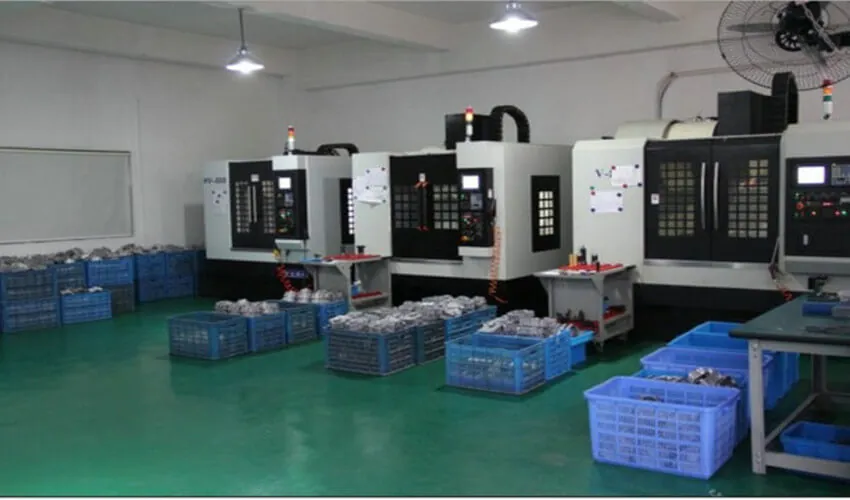
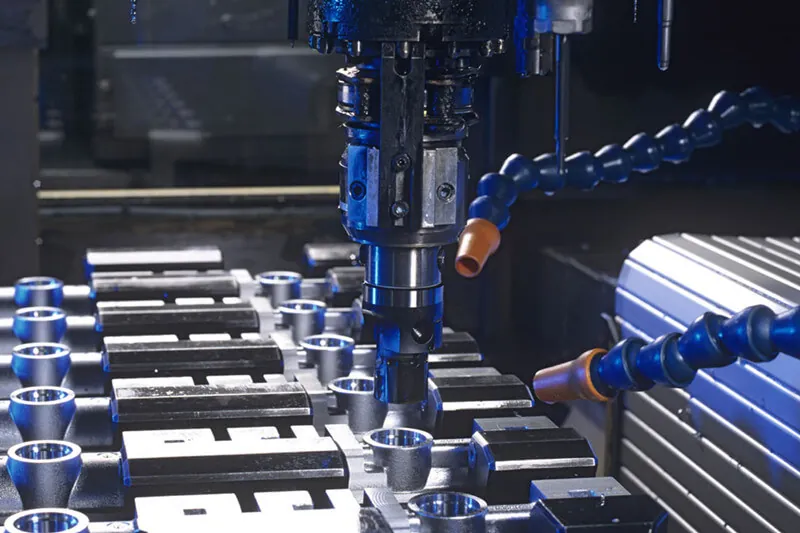
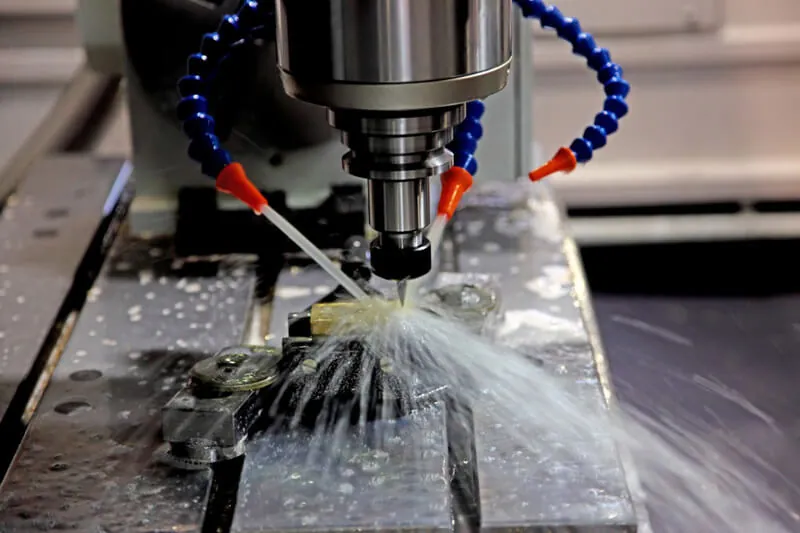
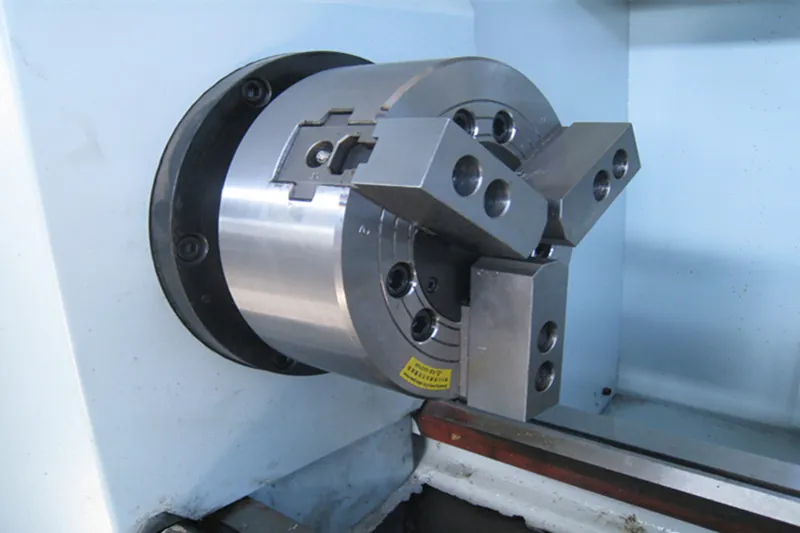
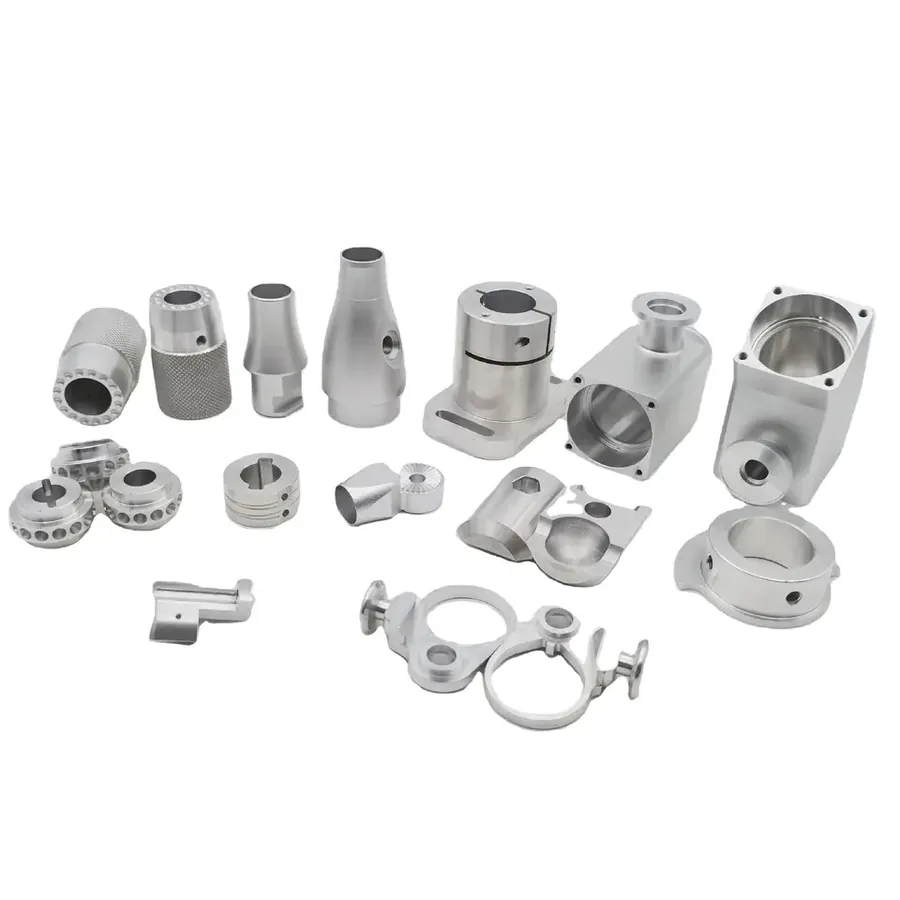
Wuxi Lead Precision Machinery specializes in high-precision custom metal manufacturing, delivering advanced solutions for industries requiring complex geometries and stringent quality standards. Our core technical capability centers around 5-axis CNC machining, which enables us to produce highly intricate components with superior accuracy and surface finish. This advanced machining method allows simultaneous movement across five axes, providing unparalleled flexibility in cutting angles and access to complex features. It is particularly effective for manufacturing molds used in 3D printing applications, including silicone molds that demand fine detail reproduction and tight dimensional control.

Our 5-axis CNC systems are equipped with high-speed spindles and automated tool changers, ensuring consistent performance during extended production runs. These machines support a wide range of engineering metals, including aluminum alloys, stainless steel, tool steels, and titanium, all of which can be machined to mirror-like finishes suitable for mold surfaces. The integration of computer-aided manufacturing (CAM) software ensures optimized toolpaths, minimizing cycle times while maximizing precision and material efficiency.

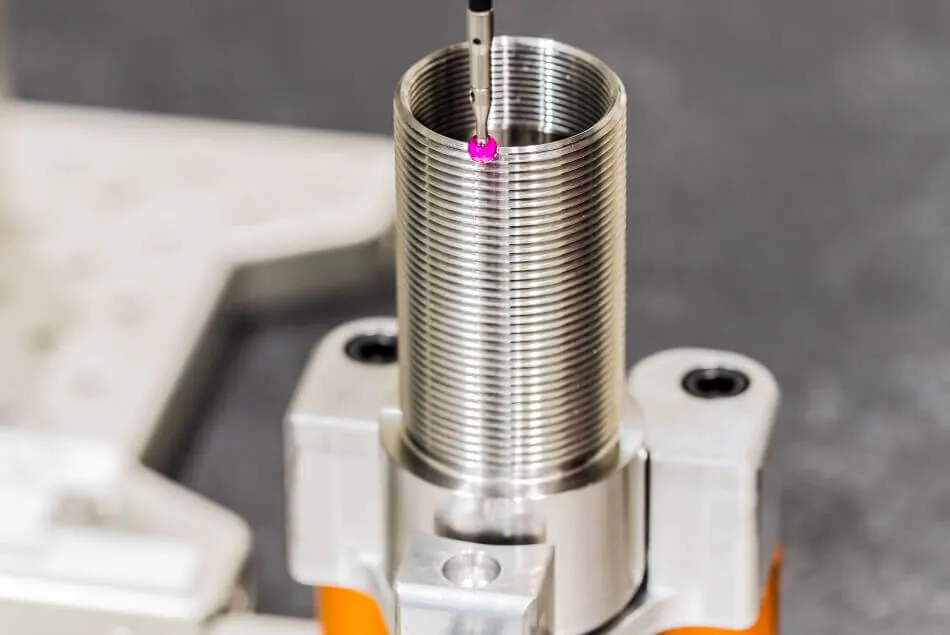
Quality control is embedded throughout our manufacturing process. Every component undergoes rigorous inspection using a Coordinate Measuring Machine (CMM), which provides metrology-grade verification of geometric dimensions and tolerances. The CMM system captures thousands of data points across part surfaces, ensuring compliance with design specifications and detecting deviations at a micron level. This inspection process is essential for validating the accuracy of mold cavities and cores used in silicone molding, where even minor inconsistencies can affect replication fidelity.

We maintain strict environmental controls in our machining and inspection areas to minimize thermal distortion, ensuring measurement stability and repeatability. All inspection reports are documented and archived, providing full traceability for every project. Our technicians are certified in GD&T (Geometric Dimensioning and Tolerancing) and operate under ISO-compliant quality management protocols to guarantee consistency across batches.

The following table outlines the standard tolerances achievable through our 5-axis CNC machining and verified by CMM inspection:

Feature Standard Tolerance High-Precision Capability
Linear Dimensions ±0.01 mm ±0.005 mm
Positional Tolerance ±0.015 mm ±0.008 mm
Flatness 0.01 mm per 100 mm 0.005 mm per 100 mm
Surface Roughness (Ra) 0.8 µm 0.4 µm (polished finishes available)
Angular Accuracy ±0.05° ±0.02°
Feature Repeatability ±0.01 mm ±0.005 mm

These capabilities make Wuxi Lead Precision Machinery a trusted partner for clients developing high-performance silicone molds via 3D printing workflows, where precision metal tooling forms the foundation of successful replication.


Material & Finish Options

3d print silicone molds manufacturing

Material Selection for High-Performance 3D Printed Silicone Molds

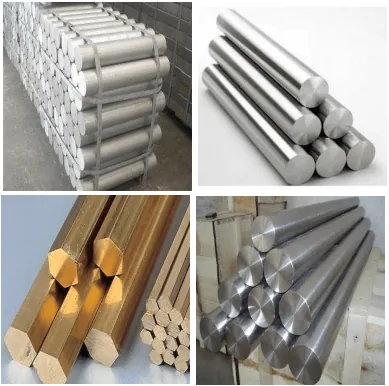
Selecting the optimal base material for 3D printed silicone molds is critical for achieving production efficiency, part quality, and mold longevity. At Wuxi Lead Precision Machinery, we prioritize materials that balance thermal management, dimensional stability, and wear resistance under repeated curing cycles. Aluminum, steel, and titanium each offer distinct advantages depending on production volume, part complexity, and required surface finish. Understanding these properties ensures your mold investment delivers consistent, high-fidelity silicone components.

Aluminum alloys, particularly 6061 and 7075, are the industry standard for prototyping and medium-volume production. Their exceptional thermal conductivity rapidly transfers heat during the vulcanization process, significantly reducing cycle times compared to slower-conducting materials. Aluminum’s inherent machinability allows for precise cavity details and complex geometries achievable through our advanced CNC processes. While softer than steel, its surface hardness is effectively enhanced through hard anodizing, creating a durable, non-stick barrier resistant to silicone adhesion and mild chemical exposure. This combination makes aluminum the most cost-effective solution for applications demanding rapid iteration and efficient thermal cycling.

Tool steels, such as P20, H13, or stainless variants like 420, are essential for high-volume, long-life production molds. Their superior hardness and wear resistance withstand thousands of cycles without significant degradation, maintaining critical tolerances for intricate features. Steels offer good thermal stability, though their lower thermal conductivity necessitates careful thermal management design to avoid extended cycle times. They excel in applications requiring high-pressure injection, aggressive release agents, or exposure to harsher processing environments where aluminum might deform. The initial investment is higher, but the extended service life provides the best total cost of ownership for sustained manufacturing runs.

Titanium alloys represent the pinnacle for extreme applications, though their use is less common due to cost. Unmatched strength-to-weight ratio, exceptional corrosion resistance, and biocompatibility make titanium suitable for highly specialized medical or aerospace silicone components requiring absolute purity and resistance to aggressive sterilization. Its thermal conductivity is lower than aluminum but comparable to some steels. Titanium is typically reserved for niche scenarios where its unique properties justify the premium material and machining costs.

Surface finishing, particularly hard anodizing for aluminum molds, is non-negotiable for performance. This electrochemical process creates a thick, hard aluminum oxide layer (typically 25-50µm) that drastically improves surface hardness (reaching 50-70 HRC), wear resistance, and release properties. It prevents silicone from bonding to the mold cavity, ensuring clean part ejection and minimizing post-processing. Anodizing also enhances corrosion resistance against moisture and common mold release agents. Neglecting this step significantly shortens mold life and compromises part surface quality.

The following table summarizes key material properties relevant to silicone mold performance:

Material Typical Hardness (As-Machined) Thermal Conductivity (W/m·K) Corrosion Resistance Best Suited For
Aluminum 6061 30-40 HB 150-180 Moderate Prototyping, Medium-volume production
Aluminum 7075 40-50 HB 120-150 Moderate Higher-stress medium-volume molds
Tool Steel P20 28-32 HRC 25-35 Good High-volume production
Tool Steel H13 45-50 HRC 25-30 Good High-pressure/high-temp production
Titanium Gr5 32-36 HRC 6-8 Excellent Extreme environments, Medical

Material choice directly impacts your silicone molding economics and output quality. Wuxi Lead Precision Machinery leverages decades of metallurgical expertise and precision CNC capabilities to match the optimal material and finish to your specific production demands, ensuring molds that deliver precision, reliability, and maximum return on investment. Consult our engineering team to define the ideal solution for your application.


Manufacturing Process & QC

3d print silicone molds manufacturing

The production process for 3D printed silicone molds at Wuxi Lead Precision Machinery follows a disciplined, three-phase methodology: Design, Prototyping, and Mass Production. Each phase is engineered to ensure precision, repeatability, and zero-defect outcomes, aligning with the stringent demands of high-end industrial applications. Our expertise in custom metal manufacturing enables seamless integration of advanced materials and digital workflows to deliver molds that meet exact client specifications.

The process begins with Design, where our engineering team collaborates closely with clients to translate functional requirements into detailed 3D models. Utilizing CAD/CAM software and finite element analysis (FEA), we optimize mold geometry for thermal stability, pressure resistance, and de-molding efficiency. Material selection is critical—silicone formulations are matched to production conditions, including temperature range, chemical exposure, and mechanical stress. Design validation includes mold flow simulation to predict silicone behavior during curing, minimizing voids, warpage, and incomplete fills.

Prototyping follows, serving as a physical validation of the digital model. We employ high-resolution metal 3D printing (SLM/DMLS) to fabricate mold cores and cavities from tool-grade stainless steel or aluminum alloys. These molds are surface-finished to mirror-grade tolerances and subjected to functional testing with production-intent silicone materials. Trial runs are conducted under actual processing parameters—temperature, pressure, and cure time—to verify dimensional accuracy, part consistency, and cycle time. Any deviations are corrected through iterative design adjustments, ensuring the final mold performs flawlessly at scale.

Mass Production is initiated only after full validation and client approval. Our automated production cells integrate 3D printed molds into high-repeatability silicone molding lines. Each mold is monitored via IoT-enabled sensors that track thermal cycles, clamping force, and wear. Preventive maintenance schedules are driven by real-time data, ensuring mold longevity and consistent output. Every component undergoes inline metrology using coordinate measuring machines (CMM) and optical inspection systems to guarantee conformity to geometric dimensioning and tolerancing (GD&T) standards. Our zero-defect philosophy is enforced through Statistical Process Control (SPC) and root cause analysis protocols, eliminating variability across production batches.

The following table outlines key technical specifications for our 3D printed silicone molds:

Parameter Specification
Material Options 17-4 PH Stainless Steel, AlSi10Mg, Tool Steel
Layer Thickness 20–40 μm
Dimensional Accuracy ±0.05 mm
Surface Roughness (Ra) 0.8–1.6 μm (as-built), <0.4 μm (polished)
Max Mold Size 250 × 250 × 200 mm
Thermal Resistance Up to 300°C continuous
Cycle Life 50,000+ cycles (depending on application)
Lead Time (Prototype) 7–10 working days
Lead Time (Production) 15–20 working days

From initial concept to final part, Wuxi Lead Precision Machinery ensures that every stage of the 3D printed silicone mold process is controlled, documented, and optimized for performance. This systematic approach guarantees reliability, scalability, and uncompromised quality for mission-critical manufacturing applications.


Why Choose Wuxi Lead Precision

Elevate Your Silicone Molding Capabilities Through Strategic Partnership

Wuxi Lead Precision Machinery stands at the convergence of advanced additive manufacturing and precision metal fabrication, offering engineered solutions for high-integrity silicone molding applications. As global manufacturers increasingly leverage 3D printed molds for rapid prototyping and low-volume production, the critical challenge shifts to achieving consistent part quality, material compatibility, and dimensional stability under industrial conditions. Our expertise bridges this gap by integrating rigorously validated silicone molding processes with precision-machined metal tooling substrates, ensuring your components meet aerospace, medical, and automotive sector demands without compromise. We do not merely supply molds; we deliver process-certified systems backed by metallurgical analysis and in-house quality enforcement.

The table below details our core technical capabilities for silicone molding integration, reflecting our commitment to specifications that exceed industry benchmarks. Each parameter is validated through ISO 9001-certified workflows and real-time process monitoring.

Parameter Capability Application Relevance
Dimensional Tolerance ±0.02 mm (per 100 mm) Critical for multi-cavity mold alignment and sealing surfaces
Material Compatibility Platinum-cure silicones (LSR), fluorosilicones, high-temp grades Ensures chemical resistance and thermal stability up to 250°C
Surface Finish Ra 0.4 µm (as-machined), polished to Ra 0.05 µm Prevents silicone adhesion and surface defects
Mold Base Material Hardened tool steel (H13, S7), aluminum 7075-T6 Optimized for thermal conductivity and longevity
Validation Protocol DFM analysis, first-article inspection (FAI), PPAP Level 3 Guarantees compliance with AS9100/ISO 13485 requirements

Partnering with Lead Precision means accessing a vertically integrated ecosystem where 3D printed silicone molds are not isolated components but engineered elements within a controlled production chain. Our engineers collaborate with your R&D team from concept through validation, conducting thermal cycle testing and material flow simulations to preempt defects like flash, voids, or cure inconsistencies. Unlike conventional suppliers, we enforce traceability via embedded cavity sensors and coordinate measuring machine (CMM) verification at every production stage—transforming silicone molding from a prototyping shortcut into a repeatable manufacturing process.

For high-stakes applications where material integrity and geometric precision dictate product performance, generic mold solutions carry unacceptable risk. Lead Precision mitigates this through metallurgical oversight of mold substrates, proprietary release-agent protocols, and tolerance stack analysis specific to silicone’s unique expansion characteristics. We prioritize your time-to-market without sacrificing the audit trails required for regulated industries.

Initiate a technical consultation to discuss your silicone molding challenges. Contact our engineering team directly at [email protected] with project specifications, material requirements, and target volumes. We will respond within 24 business hours with a preliminary DFM assessment and process validation roadmap. Trust Lead Precision to transform your silicone molding operations from a variable into a controlled, scalable asset. Your next-generation components demand nothing less.


⚙️ Precision Cost Estimator

Estimate relative manufacturing effort based on tolerance.

3D Print Silicone Molds Manufacturer | Precision CNC Guide

Contents of Table

Contact [email protected] Whatsapp 86 15951276160