Technical Contents
Engineering Guide: Auto Molds

Engineering Insight: Precision as the Non-Negotiable Foundation of Auto Mold Manufacturing
In the high-stakes realm of automotive production, the mold is not merely a tool; it is the definitive genesis of part quality, consistency, and ultimately, vehicle performance and safety. The relentless pursuit of micron-level precision in auto mold manufacturing is not an engineering luxury—it is an absolute operational and economic imperative. Minute deviations in cavity geometry, cooling channel placement, or surface finish translate directly into part warpage, dimensional instability, surface defects, and catastrophic production line stoppages. For automotive manufacturers facing stringent regulatory compliance, zero-defect mandates, and compressed development cycles, mold precision dictates yield rates, scrap costs, and time-to-market. Compromising on mold accuracy inevitably cascades into exponentially higher costs downstream, eroding margins and damaging reputations. At Wuxi Lead Precision Machinery, we engineer this critical precision into every mold from the initial CAD model through final validation, understanding that our work forms the bedrock of our clients’ manufacturing success.
Our engineering philosophy centers on deterministic manufacturing processes validated through decades of delivering mission-critical components. This rigor is forged in environments where failure is not an option. We apply the same uncompromising standards honed through supplying precision-machined components for Olympic-grade sporting equipment—where material integrity and dimensional perfection directly impact world-record performances—to the molds producing automotive interior systems, lighting assemblies, and under-hood components. Similarly, the exacting traceability, material certification, and process control protocols demanded by defense sector contracts directly inform our automotive mold production, ensuring every cavity, core, and lift is manufactured to specifications that exceed industry norms. It is this cross-pollination of extreme precision disciplines that enables us to consistently achieve tolerances and surface finishes others cannot reliably sustain at production volumes.
The tangible output of this engineering discipline is reflected in measurable performance metrics. Our advanced multi-axis CNC machining centers, coupled with in-process metrology and thermal compensation systems, deliver consistent results critical for complex auto molds:
| Critical Specification | Lead Precision Capability | Verification Method |
|---|---|---|
| Dimensional Tolerance | ±0.002 mm | CMM (Zeiss CONTURA) |
| Surface Roughness (Cavity) | Ra 0.05 μm | Profilometer (Mitutoyo SJ-410) |
| Material Hardness Range | HRC 28-60 (Post-Treatment) | Rockwell Hardness Tester |
| Cooling Channel Accuracy | ±0.01 mm Positional | Optical Comparator & CMM |
| Mold Flow Simulation Accuracy | >98% Correlation | Moldex3D Validation vs. First Article |
This capability directly enables automotive manufacturers to achieve superior part consistency, extended mold life exceeding 1 million cycles, and significantly reduced tryout time. Whether producing intricate molds for lightweight structural brackets requiring tight wall thickness control or high-gloss Class A surface molds for visible interior components, our precision engineering mitigates risk and optimizes total production cost. Partnering with Lead Precision means embedding Olympic and military-grade precision into the very foundation of your automotive component supply chain, transforming mold manufacturing from a cost center into a strategic quality asset.
Precision Specs & Tolerances

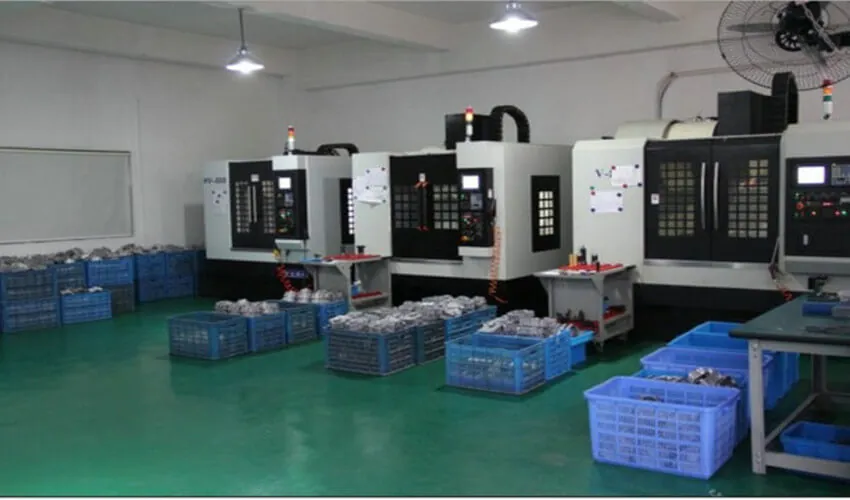
Wuxi Lead Precision Machinery delivers advanced technical capabilities in custom metal manufacturing, specializing in high-precision auto molds for global automotive and Tier-1 suppliers. Our engineering-driven approach integrates state-of-the-art 5-axis CNC machining systems with rigorous quality control protocols to ensure every component meets the exacting standards required in modern automotive production. Our facility in Wuxi, China, is equipped with a full suite of multi-axis machining centers capable of executing complex geometries with superior surface finish and dimensional accuracy.
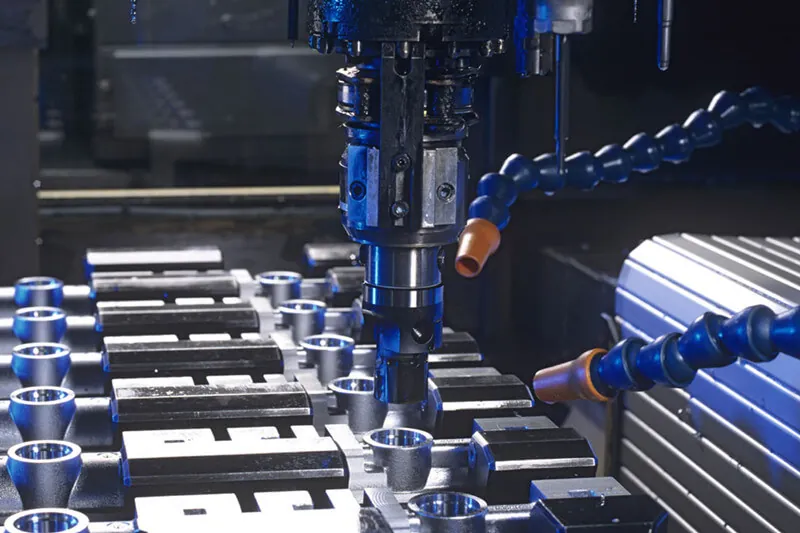
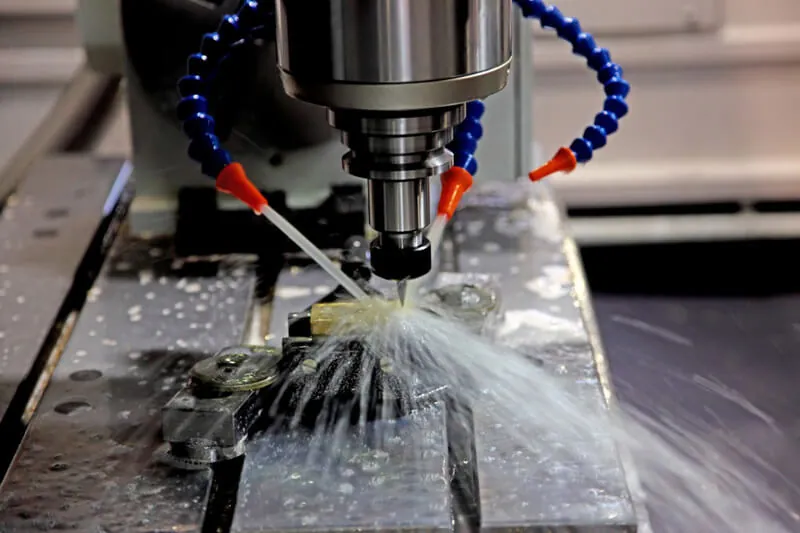
The foundation of our precision lies in our 5-axis CNC machining technology. Unlike conventional 3-axis systems, our 5-axis platforms allow simultaneous movement across all five axes, enabling the machining of intricate mold cavities, core inserts, and electrode forms in a single setup. This reduces cumulative error, improves part consistency, and significantly shortens lead times. Our machines are operated by certified CNC programmers and machinists who utilize advanced CAM software to optimize toolpaths, minimize tool wear, and maintain tight tolerances throughout production runs. Materials commonly processed include P20, H13, 718 steel, aluminum alloys, and copper graphite electrodes, all machined under controlled environmental conditions to prevent thermal distortion.
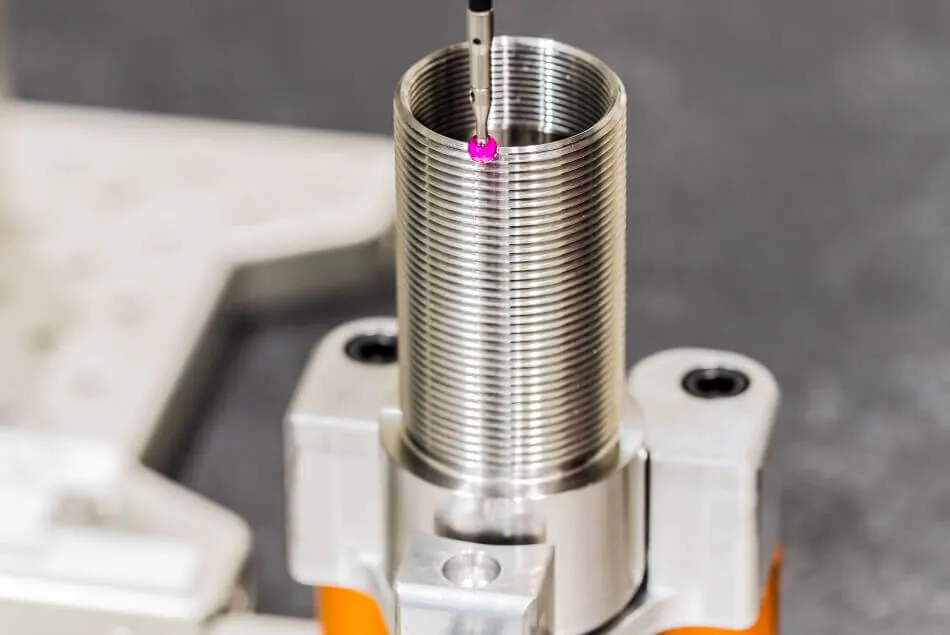
Quality assurance is embedded at every stage of production. All auto molds undergo comprehensive inspection using a Zeiss DuraMax and CONTURA G2 coordinate measuring machine (CMM), ensuring full compliance with GD&T specifications. Our CMM system provides high-speed, non-contact probing with micron-level repeatability, allowing for detailed reporting on critical dimensions, form accuracy, and positional tolerances. In addition to CMM, we employ optical comparators, surface roughness testers, and hardness gauges to validate material and finish properties. Each mold is accompanied by a full inspection report (FAIR) for traceability and customer validation.
The table below outlines the standard precision capabilities we maintain across our auto mold manufacturing operations.
| Parameter | Standard Tolerance | High-Precision Tolerance | Notes |
|---|---|---|---|
| Linear Dimensions | ±0.01 mm | ±0.005 mm | Up to 800 mm length |
| Positional Tolerance | ±0.01 mm | ±0.008 mm | GD&T compliant |
| Flatness | 0.01 mm per 100 mm | 0.005 mm per 100 mm | Verified via CMM |
| Surface Roughness (Ra) | 0.8 µm | 0.4 µm | Achieved with fine finishing passes |
| Hole Diameter | +0.01 / -0.00 mm | +0.005 / -0.00 mm | Reamed or honed as needed |
| Angular Accuracy | ±0.05° | ±0.02° | 5-axis simultaneous control |
Our technical capabilities are designed to support the full lifecycle of auto mold development—from prototype to high-volume production. With integrated 5-axis machining and metrology-grade inspection, Wuxi Lead Precision Machinery ensures that every mold performs reliably in high-pressure injection and die-casting environments.
Material & Finish Options

Material Selection for High-Performance Auto Molds: Precision Engineering for Automotive Excellence
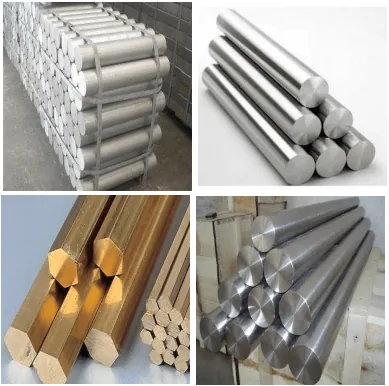
Selecting the optimal material for automotive injection molds is a critical strategic decision directly impacting tool longevity, part quality, production efficiency, and total cost of ownership. At Wuxi Lead Precision Machinery, we leverage decades of CNC expertise to guide clients through this complex choice, balancing performance requirements with economic realities. The primary contenders—aluminum, tool steel, and titanium—each offer distinct advantages tailored to specific automotive applications, from rapid prototyping to high-volume production of complex interior and exterior components.
Aluminum alloys, particularly 6061-T6 and 7075-T6, excel in rapid tooling and low-to-medium volume production. Their superior thermal conductivity significantly reduces cycle times compared to steel, accelerating time-to-market for prototypes and bridge tools. Aluminum machines faster, lowering initial tooling costs. However, its lower hardness limits wear resistance and overall mold life, making it unsuitable for abrasive polymers or extended high-volume runs. Steel remains the dominant choice for high-cavitation, long-life production molds. Grades like H13 (for its toughness and thermal fatigue resistance in hot runners) and P20 (for its machinability and polishability in core/cavity applications) provide exceptional durability, dimensional stability under thermal cycling, and the ability to achieve mirror finishes required for Class A automotive surfaces. Steel molds withstand the abrasive nature of glass-filled polymers common in structural components, delivering millions of cycles.
Titanium alloys, primarily Ti-6Al-4V, offer a unique niche solution where extreme corrosion resistance or exceptional strength-to-weight ratio is paramount, such as in molds processing highly corrosive engineering plastics. While its thermal conductivity is moderate, titanium’s resistance to chemical attack can be invaluable. However, its high cost, challenging machinability, and lower thermal conductivity compared to aluminum make it a specialized, less common choice for mainstream automotive molds.
Surface finishing, particularly anodizing, is crucial for aluminum molds. Type II (sulfuric acid) anodizing provides basic corrosion resistance and a base for paint adhesion. For demanding automotive applications requiring enhanced wear resistance, Type III (hardcoat) anodizing is essential. This process creates a dense, hard aluminum oxide layer (typically 25-50 µm thick) significantly improving surface hardness and abrasion resistance, extending the functional life of aluminum tools in moderate production scenarios. Precise dimensional control during anodizing is critical to maintain tight mold tolerances.
The following table summarizes key material properties for automotive mold applications:
| Material | Hardness (HRC) | Thermal Conductivity (W/mK) | Typical Mold Life (Cycles) | Best Suited For |
|---|---|---|---|---|
| Aluminum 6061-T6 | 15-20 | 167 | 10,000 – 100,000 | Prototypes, Low-volume production |
| Aluminum 7075-T6 | 15-20 | 130 | 20,000 – 200,000 | Medium-volume, Complex geometries |
| Tool Steel H13 | 48-52 | 28-36 | 500,000 – 1,000,000+ | High-temp resins, Hot runner systems |
| Tool Steel P20 | 28-32 | 28-30 | 300,000 – 500,000+ | Core/cavity, General purpose production |
| Titanium Ti-6Al-4V | 36-41 | 6-7 | Varies (Corrosion limited) | Highly corrosive polymers, Specialized |
Wuxi Lead Precision Machinery implements rigorous material certification and advanced CNC processes to ensure every mold substrate meets exacting automotive specifications. Partner with us to transform your material selection from a cost consideration into a strategic advantage for superior part quality and production efficiency. Our engineering team provides data-driven recommendations based on your specific polymer, volume, and surface finish requirements.
Manufacturing Process & QC

Design: Engineering Precision from Concept to CAD
At Wuxi Lead Precision Machinery, the foundation of every successful auto mold project begins with precision-driven design. Our engineering team collaborates closely with automotive OEMs and Tier-1 suppliers to translate conceptual requirements into detailed 3D CAD models. Utilizing advanced simulation software such as Siemens NX and Autodesk Moldflow, we conduct structural, thermal, and flow analysis to anticipate potential defects before any metal is cut. This proactive approach ensures optimal mold geometry, gate placement, cooling channel layout, and material selection. Design for manufacturability (DFM) reviews are conducted in-house and shared with clients for approval, ensuring alignment on tolerances, surface finishes, and production cycles. Every design is validated against ISO 9001:2015 standards, with full documentation traceability from initial sketch to final blueprint.
Prototyping: Validating Performance Before Scale
Once the design is approved, we move into the prototyping phase—a critical step in achieving zero-defect manufacturing. Using high-speed CNC machining centers and wire EDM technology, we produce functional prototype molds from pre-hardened or tool steel, matching the intended production material. These prototypes are used to run initial molding trials on client-specified injection machines or our in-house test platforms. We evaluate key performance indicators such as part dimensional accuracy, surface texture, warpage, and cycle time. Any deviations are analyzed using coordinate measuring machines (CMM) and 3D scanning, with corrective adjustments made in real time. This iterative validation ensures that the final mold design is not only functional but optimized for long-term durability and consistency. Clients receive comprehensive trial reports, including part samples and process capability (Cp/Cpk) data.
Mass Production: Consistency at Scale with Zero Defects
With design and prototype fully validated, we transition into high-volume production using a fully documented and controlled process. Our manufacturing floor integrates automated CNC machining, robotic polishing, and plasma-assisted surface treatments to ensure uniform quality across every mold. Each production stage is monitored through a digital quality management system that logs tool wear, machining parameters, and inspection results. Final assembly is performed in a climate-controlled cleanroom to prevent contamination, followed by a 48-hour continuous dry-run test simulating real-world operating conditions. Only molds that pass all functional and dimensional checks are released for shipment.
The result is a production process engineered for zero defects—delivering auto molds that meet the highest standards of repeatability, longevity, and precision.
Key Production Specifications
| Parameter | Specification |
|---|---|
| Material Options | P20, 718H, NAK80, S136, H13, Custom Alloys |
| Tolerance (Mold Core/Cavity) | ±0.005 mm |
| Surface Finish | Ra 0.05 µm to Ra 0.4 µm (Polished, Textured, EDM) |
| Lead Time (Prototype) | 15–25 days |
| Lead Time (Production Mold) | 30–60 days (based on complexity) |
| Quality Standards | ISO 9001:2015, IATF 16949 compliant |
| Testing Protocol | CMM, 3D Scanning, Dry Run, First Article Inspection |
Why Choose Wuxi Lead Precision
Partner with Wuxi Lead Precision Machinery for Uncompromising Auto Mold Excellence
In the demanding realm of automotive manufacturing, the performance and longevity of your production line hinge directly on the precision and durability of your molds. Substandard tooling translates to costly downtime, inconsistent part quality, elevated scrap rates, and ultimately, compromised vehicle safety and performance. Wuxi Lead Precision Machinery stands as your definitive engineering partner, engineered specifically to overcome these critical challenges within the high-stakes auto mold sector. We transcend basic fabrication; our integrated team of senior CNC engineers and manufacturing specialists applies deep domain expertise in automotive applications to deliver molds that consistently exceed OEM specifications and operational expectations. Our commitment begins with rigorous material science understanding and extends through every micron of machining, heat treatment, and surface finishing process, ensuring molds built for the relentless pace and exacting standards of modern automotive assembly.
Achieving zero-defect production requires molds manufactured to tolerances that conventional shops cannot reliably sustain. We deploy state-of-the-art 5-axis CNC machining centers, coordinate measuring machines (CMM) with sub-micron resolution, and advanced simulation software to eliminate guesswork. This technological foundation, combined with our engineers’ decades of hands-on experience solving complex automotive molding problems – from intricate interior components to high-strength structural chassis parts – guarantees dimensional stability, optimal cooling channel design, and extended tool life under extreme production cycles. We understand that your mold is not merely a tool; it is the cornerstone of your production efficiency and part integrity.
Our technical capabilities are quantifiable and proven across global automotive supply chains. The following specifications represent our standard commitment to excellence for critical auto mold applications:
| Specification Category | Performance Standard |
|---|---|
| Tolerance Range | ±0.002 mm (linear), ±0.001 mm (form) |
| Maximum Mold Size | 2500 x 2000 x 1800 mm (LxWxH) |
| Core Materials | Pre-hardened P20, H13 Tool Steel, S136 Stainless, Custom Alloys |
| Surface Finish | Mirror Polish (Ra < 0.025 µm), Textured (VDI 3400), EDM Finish |
| Lead Time (Complex Mold) | 8-12 Weeks (From Approved Design to First Article) |
Partnering with Lead Precision means integrating a proactive engineering resource into your product development and manufacturing workflow. We collaborate from the initial concept stage, offering Design for Manufacturing (DFM) insights to optimize moldability, reduce cycle times, and prevent costly redesigns downstream. Our rigorous validation protocols, including mold flow analysis and first-article inspection reports traceable to international standards, provide the confidence your quality assurance teams require. We are structured to support your just-in-time production schedules without compromising on the meticulous craftsmanship essential for automotive safety-critical components.
The cost of mold failure in automotive production is measured in millions. Do not risk your line efficiency or part quality with inadequate tooling partners. Contact our engineering team today to discuss your specific auto mold requirements. Send detailed project specifications, including 3D models and material requirements, to [email protected]. Our senior CNC engineers will provide a comprehensive technical and commercial proposal within 48 business hours, outlining the precise machining strategy, timeline, and quality assurance measures tailored to your application. Elevate your automotive manufacturing capability – partner with the precision engineering authority. Reach out now.
⚙️ Precision Cost Estimator
Estimate relative manufacturing effort based on tolerance.