Cnc Machined Pharmaceutical Parts Manufacturer | Precision CNC Guide

Engineering Guide: Cnc Machined Pharmaceutical Parts

cnc machined pharmaceutical parts manufacturing

Engineering Insight: CNC Machined Pharmaceutical Parts

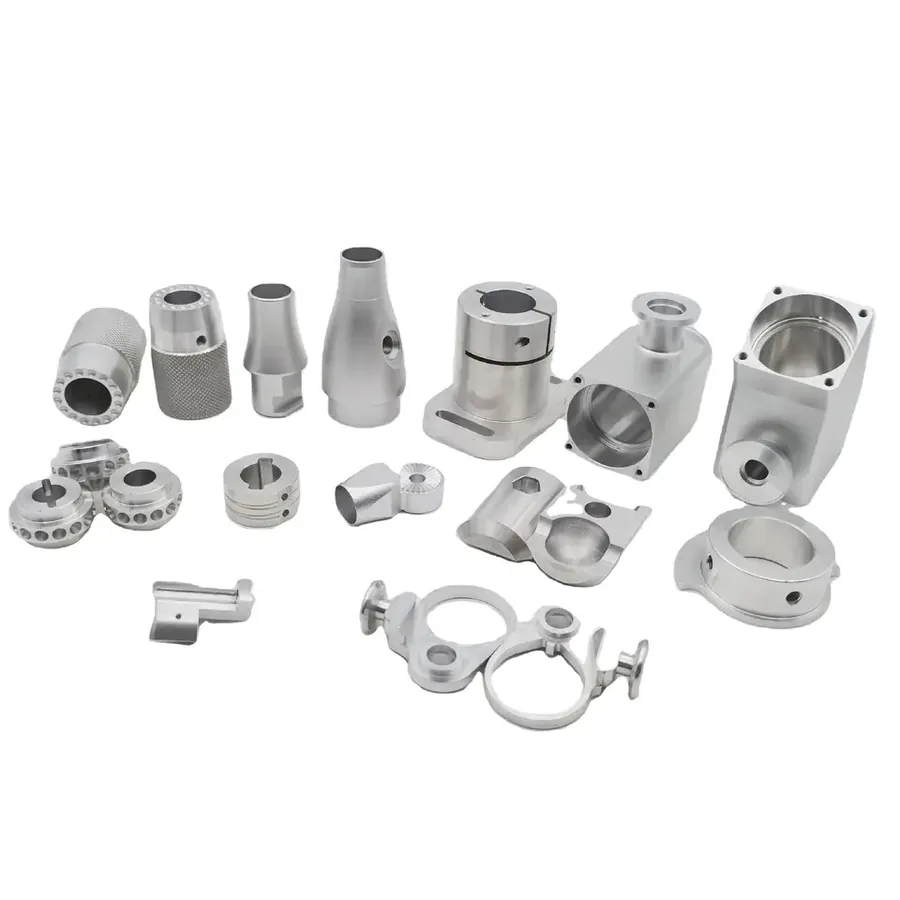
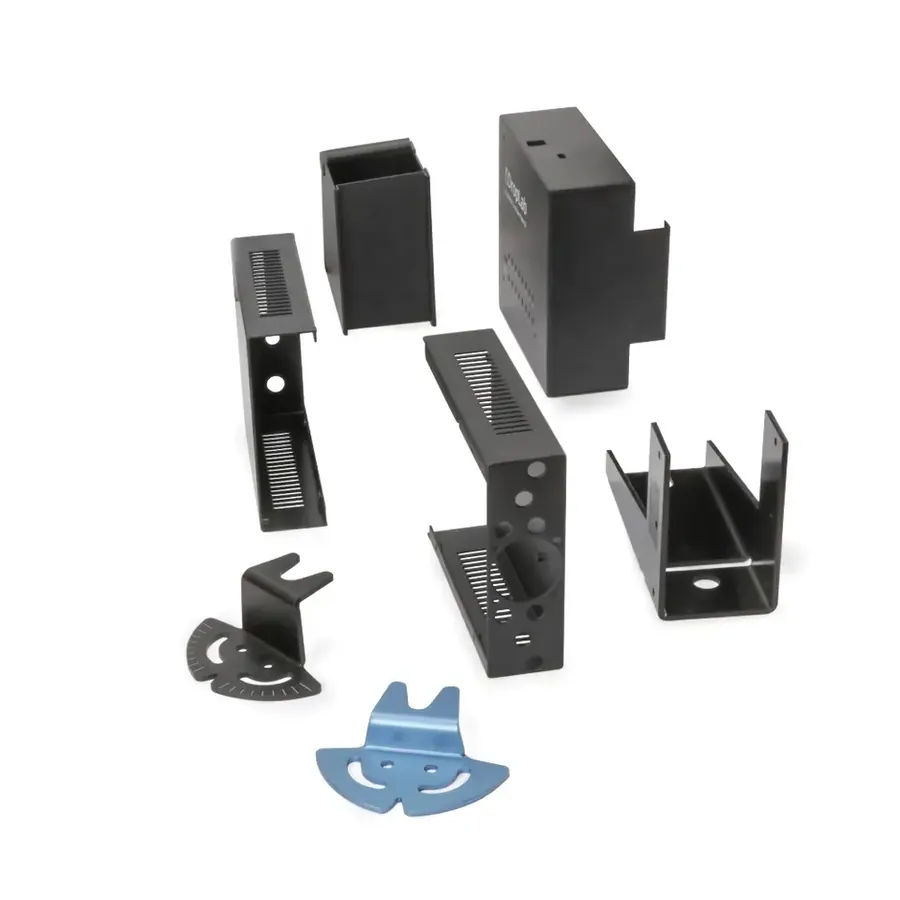
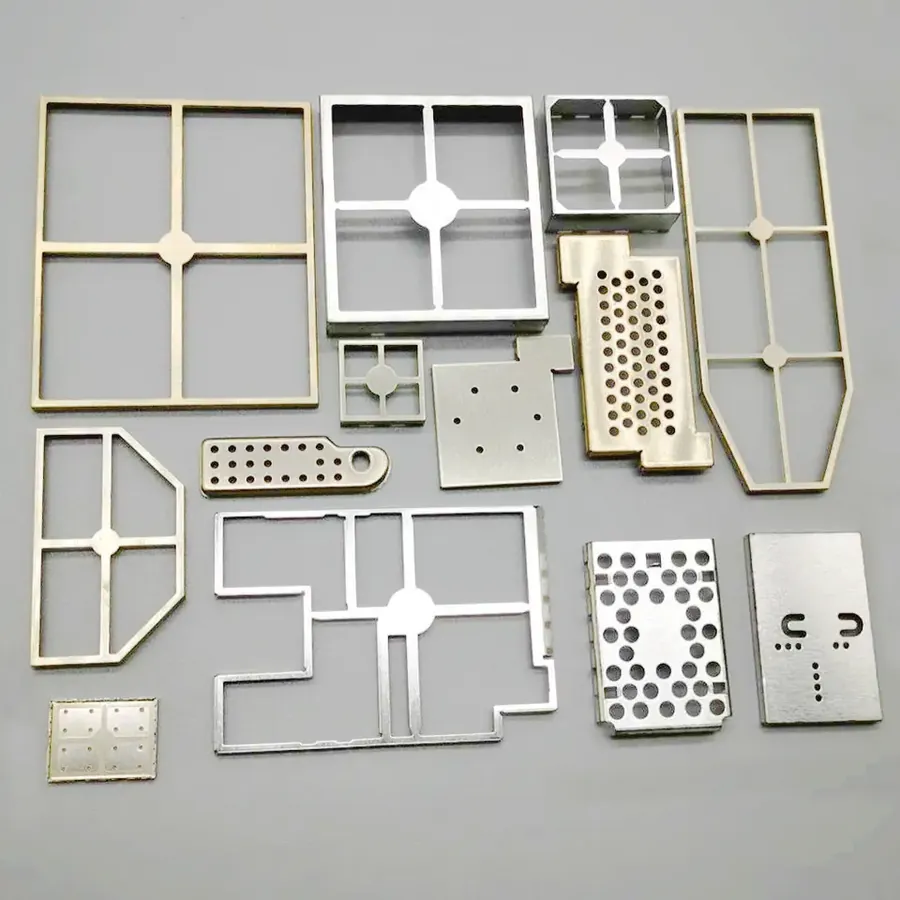
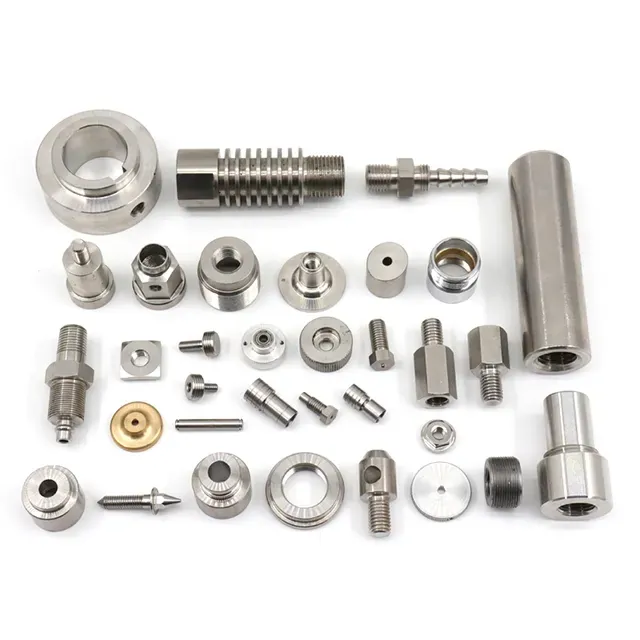
In the pharmaceutical manufacturing sector, precision is not merely a performance metric—it is a regulatory and operational imperative. Components used in drug production, packaging, and delivery systems must adhere to exacting dimensional tolerances, surface finish standards, and material compatibility requirements. Even minor deviations can compromise sterility, dosage accuracy, or equipment functionality, leading to batch failures, regulatory non-compliance, or patient risk. This is where high-precision CNC machining becomes indispensable.

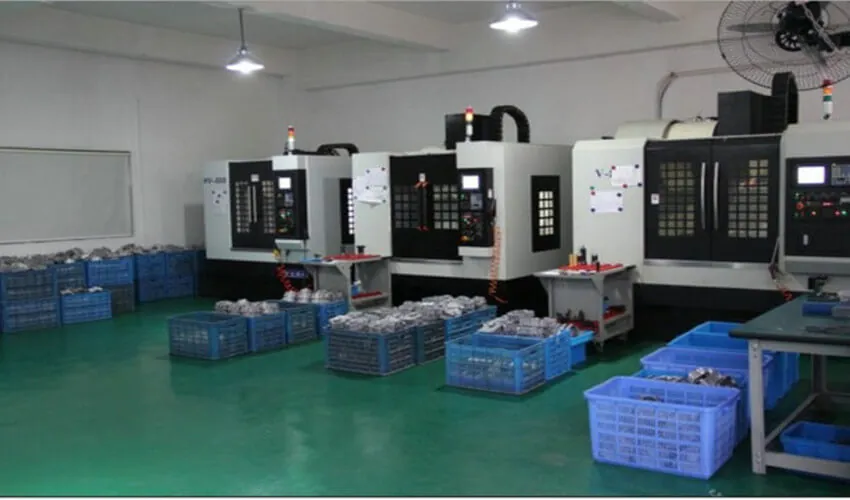
At Wuxi Lead Precision Machinery, we specialize in delivering CNC machined pharmaceutical parts that meet the most stringent industry demands. Our engineering approach integrates advanced multi-axis machining centers, real-time in-process metrology, and strict environmental controls to ensure every component performs reliably in sterile and high-purity environments. With over 15 years of experience in precision manufacturing, our expertise extends beyond commercial pharmaceutical applications into sectors where failure is not an option—such as aerospace, defense, and Olympic-grade sports technology. This cross-industry rigor informs our standards, enabling us to deliver pharmaceutical components with micron-level accuracy and repeatable consistency.

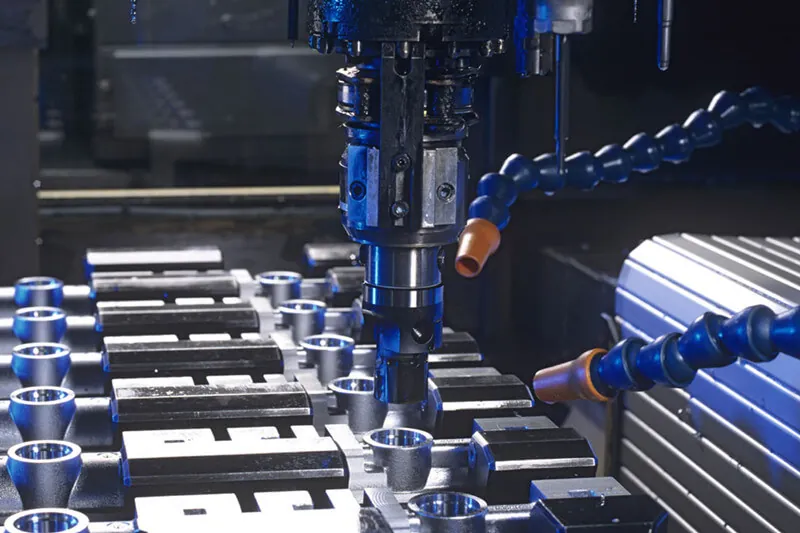
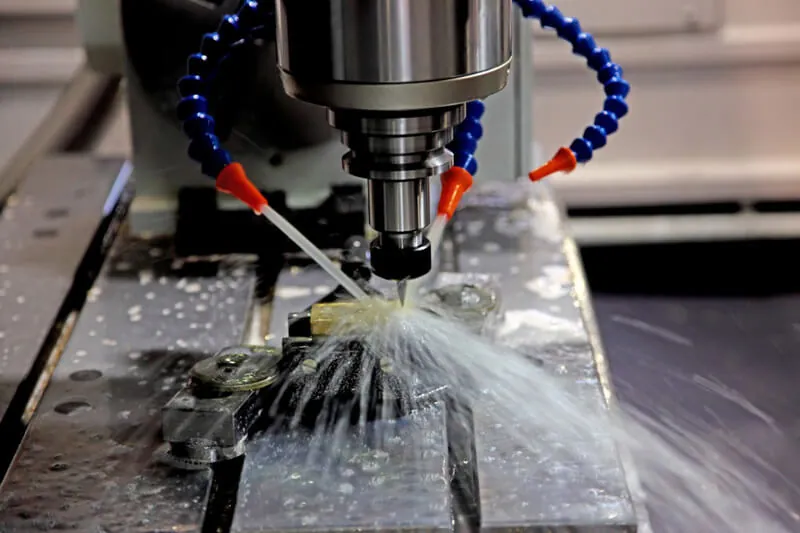
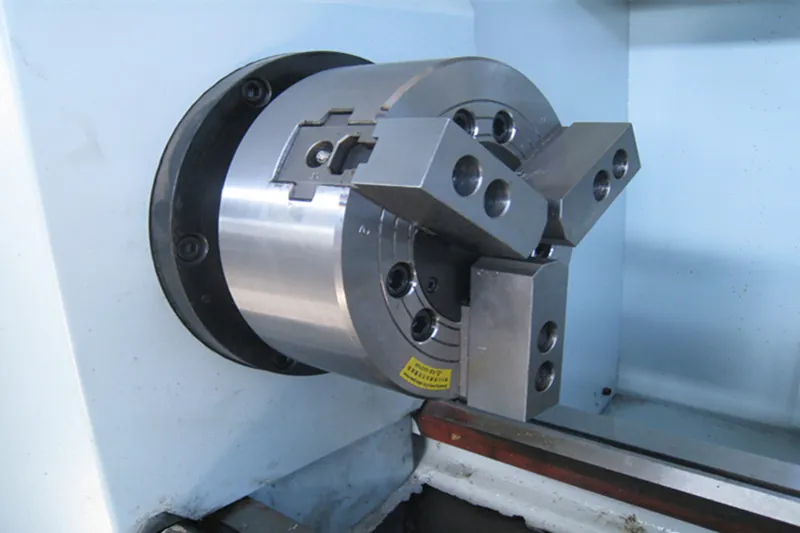
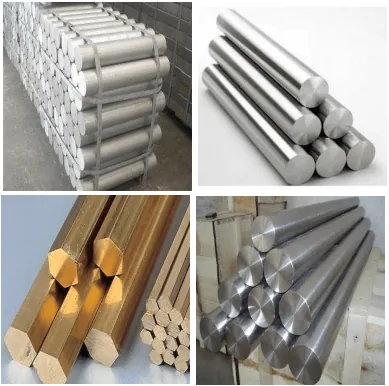
Pharmaceutical machinery often requires complex geometries, tight internal channels, and ultra-smooth surface finishes to prevent contamination and facilitate cleanability. Materials such as 316L stainless steel, titanium, PEEK, and specialized polymers are routinely machined in our facility, each selected for biocompatibility, corrosion resistance, and thermal stability. Our CNC processes—including milling, turning, and Swiss machining—are optimized to maintain material integrity while achieving tolerances as tight as ±0.001 mm.

Beyond machining, we implement full traceability protocols, adhering to ISO 13485 and GMP standards. Each part is documented with material certifications, inspection reports, and process validation data, ensuring compliance with FDA and EMA requirements. Our cleanroom-compatible finishing and passivation procedures further guarantee that components meet the hygiene standards essential for pharmaceutical use.

The convergence of advanced technology, rigorous quality systems, and deep engineering experience allows Wuxi Lead to support clients across the pharmaceutical value chain—from R&D prototyping to high-volume production. Whether producing fluid control manifolds, pump components, or automated filling system parts, we apply the same level of precision that defines our work in military and Olympic applications.

Specification Detail
Material Options 316L Stainless Steel, Titanium, PEEK, PTFE, Ultem, Aluminum Alloys
Tolerance Range ±0.001 mm to ±0.005 mm
Surface Finish Ra 0.2 µm to Ra 0.8 µm (custom finishes available)
Maximum Part Size Ø300 mm x 500 mm
Machining Capabilities 5-axis CNC milling, CNC turning, Swiss machining, micro-machining
Quality Standards ISO 9001, ISO 13485, GMP, FDA-compliant documentation
Lead Time (Typical) 15–25 days, expedited options available

Precision in pharmaceutical machining is not just about accuracy—it’s about trust, safety, and performance under real-world conditions. At Wuxi Lead Precision Machinery, we engineer every component as if lives depend on it—because in this industry, they often do.


Precision Specs & Tolerances

cnc machined pharmaceutical parts manufacturing

Technical Capabilities for Pharmaceutical CNC Machined Components

Wuxi Lead Precision Machinery delivers uncompromising precision for critical pharmaceutical applications where component integrity directly impacts drug efficacy, patient safety, and regulatory compliance. Our advanced manufacturing ecosystem is engineered specifically for the stringent demands of medical device and pharmaceutical production equipment components. Central to our capability is a dedicated fleet of state-of-the-art 5-axis CNC machining centers, primarily featuring DMG MORI and MAZAK platforms. These machines provide the simultaneous multi-axis motion essential for producing complex geometries—such as fluid manifolds, pump housings, valve bodies, and sterile connection interfaces—in a single setup. This eliminates cumulative error from multiple fixtures, ensuring geometric accuracy and superior surface integrity vital for biocompatibility and preventing fluid entrapment or bacterial growth. Material versatility is critical in pharma; we routinely machine high-purity stainless steels (316L, 17-4PH), titanium alloys (Grade 5), PEEK, and specialized polymers under controlled conditions to prevent contamination.

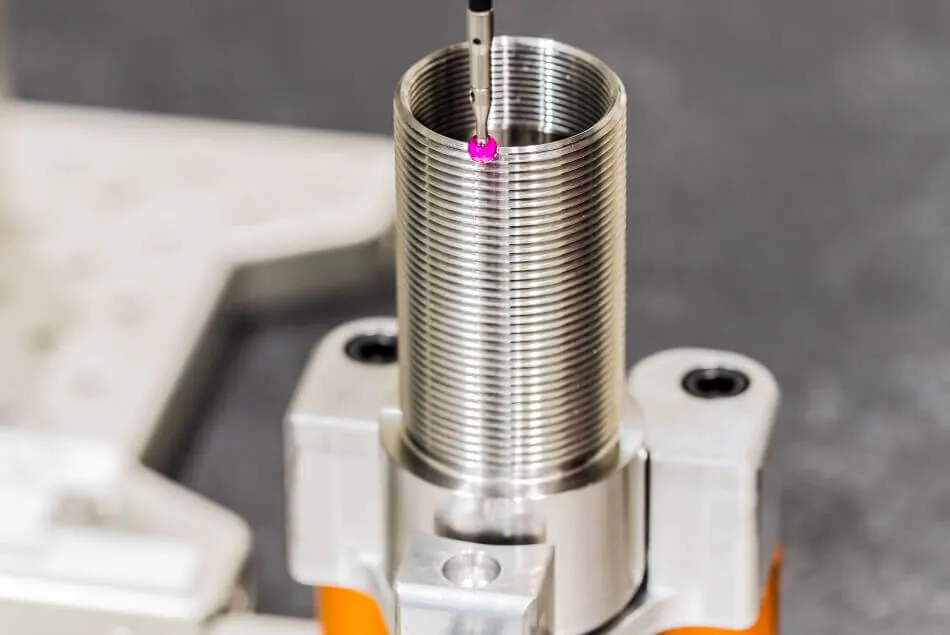
Rigorous quality control is non-negotiable. Every critical pharmaceutical component undergoes comprehensive inspection using calibrated Coordinate Measuring Machines (CMM), including Zeiss and Hexagon systems. Our inspection protocols extend beyond basic dimensional verification to include full geometric dimensioning and tolerancing (GD&T) analysis, surface roughness profiling (Ra, Rz), and critical feature validation against ASME Y14.5 standards. All inspection data is digitally traceable, generating detailed first-article inspection (FAI) reports and production part approval process (PPAP) documentation required by global regulatory bodies like the FDA and EMA. Our quality management system is ISO 13485 certified, with processes aligned to AS9100 for aerospace-grade traceability, ensuring material certifications, process parameters, and inspection results are meticulously recorded throughout the component lifecycle.

Achieving micron-level tolerances consistently requires machine stability, thermal compensation, and operator expertise. Our processes are optimized for the tightest permissible deviations in pharmaceutical contexts, where even microscopic variations can compromise seal integrity or flow dynamics. The table below specifies our standard achievable tolerances for critical pharmaceutical features, reflecting our production capability under controlled environmental conditions.

Feature Type Tolerance Range Surface Roughness (Ra) Material Compatibility Notes
Critical Dimensions ±0.001 mm 0.2 – 0.8 μm All stainless steels, titanium
Complex Geometries ±0.002 mm 0.4 – 1.6 μm Includes undercuts, contours
Bore Diameters H5 / h5 0.2 – 0.4 μm Sealing surfaces, critical fits
Flatness/Parallelism 0.0015 mm 0.2 – 0.8 μm Mating surfaces, sealing planes
Concentricity Ø0.003 mm N/A Multi-diameter shafts, hubs

These capabilities are sustained through continuous machine calibration, operator certification programs, and in-process gauging. We understand that in pharmaceutical manufacturing, precision is not merely a specification—it is a fundamental requirement for patient safety and process reliability. Wuxi Lead provides the technical rigor and documented quality assurance necessary for your most demanding applications.


Material & Finish Options

cnc machined pharmaceutical parts manufacturing

Material selection is a critical factor in the production of CNC machined pharmaceutical parts, where performance, reliability, and compliance with regulatory standards are non-negotiable. At Wuxi Lead Precision Machinery, we specialize in high-precision components that meet the stringent demands of the pharmaceutical industry. The choice between aluminum, steel, and titanium depends on the application’s requirements for strength, weight, corrosion resistance, and biocompatibility. Each material offers distinct advantages and must be paired with appropriate surface finishes such as anodizing to enhance durability and performance.

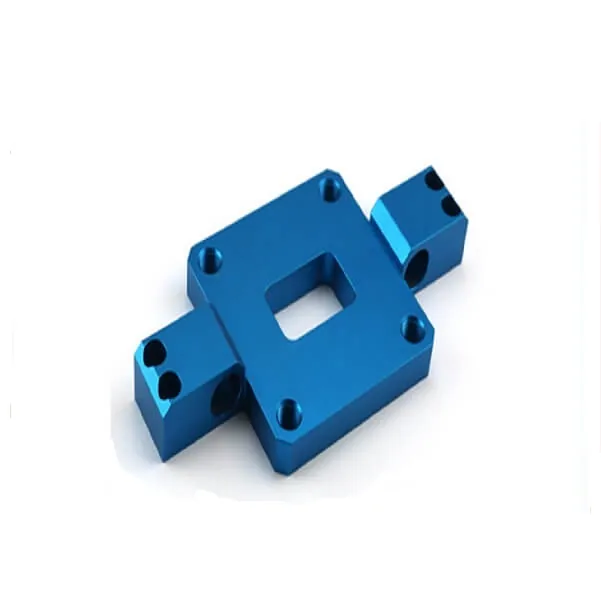
Aluminum is widely used in pharmaceutical equipment due to its excellent strength-to-weight ratio, thermal conductivity, and machinability. Grades such as 6061 and 7075 are common in structural and enclosure components where weight reduction is essential without compromising rigidity. Aluminum also responds well to anodizing, a process that increases surface hardness and corrosion resistance while providing a clean, non-reactive finish ideal for environments requiring frequent sterilization.

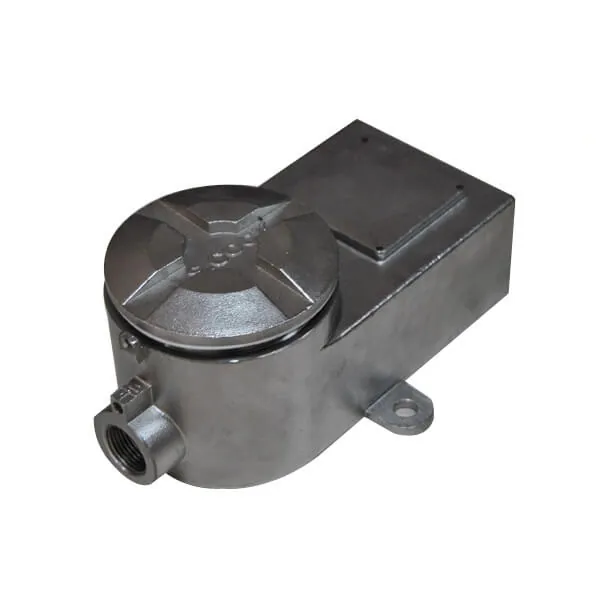
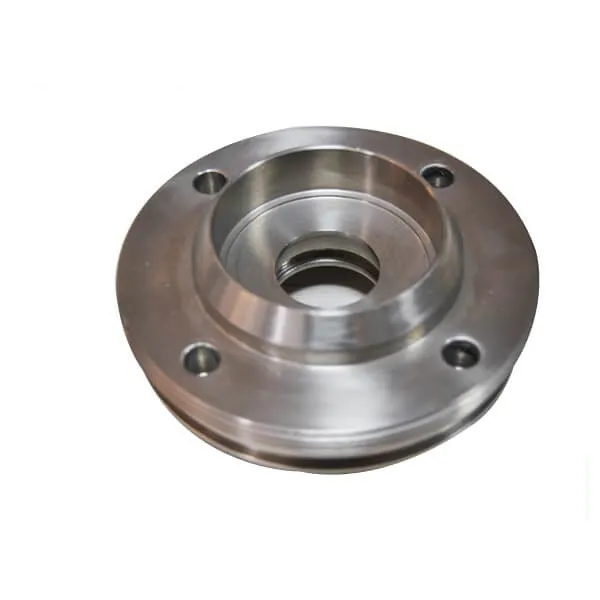
Stainless steel, particularly grades 316 and 316L, is often the material of choice for direct contact parts in pharmaceutical processing. Its superior corrosion resistance, especially against chlorides and cleaning agents, ensures long-term reliability in aggressive environments. The inherent biocompatibility and ease of passivation make stainless steel suitable for applications involving sensitive chemical or biological materials. While more challenging to machine than aluminum, our advanced CNC systems ensure tight tolerances and excellent surface finishes on steel components.

Titanium offers exceptional strength, corrosion resistance, and biocompatibility, making it ideal for high-performance or implantable applications within pharmaceutical devices. Its resistance to pitting and stress corrosion cracking in saline and chemical environments is unmatched. Though more expensive and difficult to machine, titanium’s performance in extreme conditions justifies its use in critical components. It is frequently employed in precision pumps, valves, and surgical instrument components.

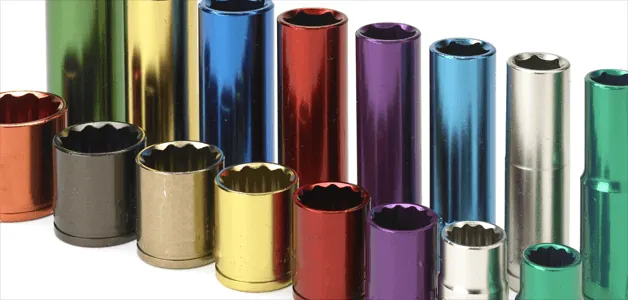
Anodizing is a key surface treatment for aluminum parts, creating a protective oxide layer that enhances wear resistance and prevents contamination. Type II (sulfuric acid) and Type III (hardcoat) anodizing are commonly applied, with Type III offering greater thickness and durability for high-wear applications. Anodized finishes can also be dyed for identification purposes without compromising integrity, supporting traceability in regulated environments.

The following table summarizes key mechanical and chemical properties of the primary materials used in CNC machined pharmaceutical components:

Material Tensile Strength (MPa) Corrosion Resistance Biocompatibility Common Applications Suitable Finishes
Aluminum 6061 310 Moderate Good Enclosures, frames Anodizing (Type II/III)
Stainless Steel 316L 570 Excellent Excellent Pumps, valves, contact surfaces Passivation, polishing
Titanium Grade 5 900 Excellent Excellent Implantable devices, sensors Anodizing, polishing

At Wuxi Lead Precision Machinery, we guide clients through material and finish selection to ensure optimal performance, regulatory compliance, and longevity of pharmaceutical components. Our engineering team supports every decision with data-driven insights and manufacturing expertise.


Manufacturing Process & QC

cnc machined pharmaceutical parts manufacturing

Pharmaceutical CNC Production Process: Zero Defects Execution

Achieving zero defects in pharmaceutical component manufacturing demands a rigorously controlled, phase-gated production process. At Wuxi Lead Precision Machinery, we integrate stringent engineering protocols at every stage, from initial concept to final shipment, ensuring absolute compliance with ISO 13485 and FDA requirements. This systematic approach eliminates variability and guarantees components perform flawlessly in critical drug delivery and processing systems.

The process begins with collaborative design engineering. Our team works directly with client specifications, focusing on material biocompatibility, sterilization compatibility, and functional tolerances. Utilizing advanced CAD/CAM simulation software, we validate part geometry, identify potential stress points, and optimize toolpaths before any material is cut. Critical factors like surface finish requirements for fluid dynamics or particulate generation are modeled and addressed during this phase. Material selection strictly adheres to USP Class VI or equivalent standards, primarily utilizing medical-grade 316L stainless steel, titanium alloys, or high-performance polymers like PEEK. This upfront engineering rigor prevents downstream non-conformances.

Prototyping serves as the critical validation bridge. Short-run prototypes are manufactured on the same production-grade CNC equipment intended for full-scale runs, using identical tooling, fixtures, and process parameters. Every prototype undergoes exhaustive metrology: CMM verification against CAD models, surface roughness testing (Ra), dimensional checks at multiple points, and material certification traceability. Functional testing, such as pressure cycling or flow assessment where applicable, is performed. Only after all prototypes meet or exceed specifications, with full documentation reviewed and approved by both engineering and quality teams, does the design lock for mass production. This step ensures the process is proven capable before scaling.

Mass production executes the validated process under continuous statistical process control (SPC). Each production cell operates with real-time in-process monitoring. Key parameters like spindle load, tool wear, coolant pressure, and temperature are tracked. Automated in-machine probing verifies critical dimensions after each operation or at defined intervals, feeding data directly into SPC charts. Full first-article inspection (FAI) is mandatory for every production batch, followed by rigorous AQL sampling per ANSI/ASQ Z1.4. Comprehensive traceability links every component to its specific material lot, machine, operator, and inspection records. Final inspection includes 100% visual examination under controlled lighting and magnification for surface defects, alongside dimensional re-verification of critical features. Non-conforming parts are immediately quarantined; root cause analysis triggers immediate process correction.

This unwavering commitment to process discipline, validated prototyping, and real-time quality control ensures consistent delivery of components meeting the extreme demands of pharmaceutical applications. Zero defects is not an aspiration but a measurable outcome of our integrated system.

Critical Pharmaceutical Component Specifications

Parameter Standard Requirement Wuxi Lead Precision Target Verification Method
Dimensional Tolerance ±0.01 mm ±0.005 mm CMM (Calibrated to ISO 17025)
Surface Roughness (Ra) ≤ 0.8 µm ≤ 0.4 µm (Typical ≤ 0.2 µm) Profilometer (Per ISO 4287)
Material Compliance USP Class VI / ISO 10993 Certified Mill Test Reports + In-House Verification Spectroscopy / Documentation Review
Particulate Generation Per Client Spec (e.g., ISO 14644 Class 5) Validated Cleaning Process + Particle Count Testing Laser Particle Counter (Per ISO 21501)
Traceability Full Batch Level Individual Part Level (Laser Etched ID) ERP System Audit Trail

Why Choose Wuxi Lead Precision

Partner with Lead Precision for Unmatched Excellence in CNC Machined Pharmaceutical Parts

In the highly regulated and precision-driven pharmaceutical industry, the integrity of every component matters. At Wuxi Lead Precision Machinery, we specialize in delivering CNC machined pharmaceutical parts that meet the strictest standards for accuracy, cleanliness, and repeatability. Our advanced manufacturing capabilities, combined with deep industry expertise, make us the ideal partner for OEMs, contract manufacturers, and pharmaceutical equipment developers seeking reliable, high-performance components.

We understand that pharmaceutical applications demand more than just tight tolerances. They require materials that are biocompatible, corrosion-resistant, and suitable for sterile environments. Our facility is equipped to work with medical-grade stainless steels, titanium, PEEK, and other engineered polymers, all processed under controlled conditions to ensure compliance with ISO 13485 and other relevant standards. Every part is manufactured with full traceability, documented process validation, and rigorous quality inspection protocols.

Our team of senior CNC engineers brings decades of experience in medical device and pharmaceutical system manufacturing. From fluid handling manifolds and pump components to surgical instrument housings and diagnostic equipment parts, we deliver solutions that perform consistently in critical applications. Whether you require low-volume prototypes or high-volume production runs, our flexible manufacturing systems adapt to your project’s scale and timeline—without compromising quality.

We invest continuously in state-of-the-art 3-, 4-, and 5-axis CNC machining centers, Swiss-type lathes, and automated inspection technologies including CMM and optical measurement systems. This technological foundation enables us to produce complex geometries with tolerances down to ±0.001 mm, surface finishes as fine as Ra 0.2 µm, and repeatable batch quality that meets the demands of global regulatory bodies.

When you partner with Wuxi Lead Precision Machinery, you gain more than a supplier—you gain a strategic manufacturing ally committed to your success. We provide comprehensive DFM support, rapid prototyping, and full documentation packages to accelerate your time to market. Our engineering team collaborates closely with your design and regulatory staff to ensure manufacturability, cost efficiency, and compliance from concept through production.

Below are key technical capabilities that define our service offering:

Specification Capability
Material Compatibility 316L/304L Stainless Steel, Titanium, PEEK, PTFE, Ultem, Acetal
Tolerance Range ±0.001 mm to ±0.005 mm
Surface Finish Ra 0.2 µm to Ra 1.6 µm (custom finishes available)
Maximum Part Size Ø600 mm x 400 mm (milling), Ø32 mm x 200 mm (Swiss turning)
Production Capacity Prototyping to high-volume series (10,000+ units/month)
Quality Standards ISO 9001, ISO 13485, RoHS, full FAI and PPAP support
Secondary Operations Passivation, polishing, laser marking, cleaning, packaging

Contact us today at [email protected] to discuss your next project. Let Wuxi Lead Precision Machinery become your trusted partner in precision CNC machining for the pharmaceutical industry.


⚙️ Precision Cost Estimator

Estimate relative manufacturing effort based on tolerance.

Cnc Machined Pharmaceutical Parts Manufacturer | Precision CNC Guide

Contents of Table

Contact [email protected] Whatsapp 86 15951276160