Sheet Steel Fabrication Manufacturer | Precision CNC Guide

Engineering Guide: Sheet Steel Fabrication

sheet steel fabrication manufacturing

Engineering Insight Precision in Sheet Steel Fabrication

Precision in sheet steel fabrication transcends mere dimensional accuracy; it is the foundational element determining structural integrity, assembly efficiency, and final product performance across aerospace, defense, and high-end industrial applications. Inadequate tolerances lead to costly rework, compromised weld integrity, and catastrophic field failures. At Wuxi Lead Precision Machinery, we recognize that micron-level deviations in cutting, bending, or forming propagate through entire assemblies, impacting load distribution, fatigue life, and operational safety. Modern manufacturing demands consistency where theoretical designs meet physical reality under exacting load conditions. This necessitates not only advanced machinery but also deep metallurgical understanding to manage material behavior during processing, particularly with high-strength steels prone to springback or thermal distortion.

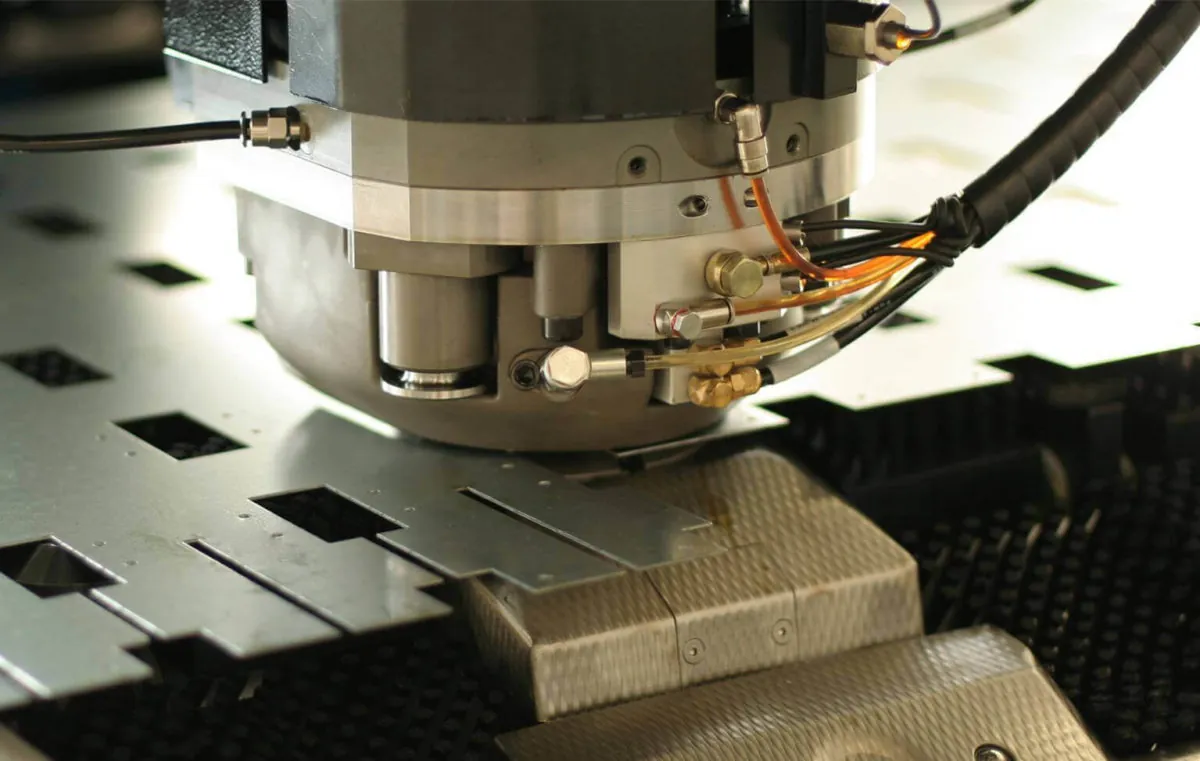
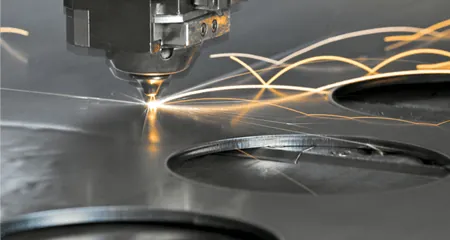
Our engineering approach integrates multi-axis CNC control with real-time process monitoring. Laser cutting systems utilize adaptive focal control and nitrogen assist gas to minimize heat-affected zones, ensuring clean edges free from dross that compromise corrosion resistance or paint adhesion. Press brakes employ CNC crowning compensation and angle measurement probes to counteract deflection across the bed, achieving consistent bend angles within ±0.25 degrees regardless of part length. Material handling utilizes non-marring grippers and automated warehouse systems to prevent surface damage on premium finishes. This systematic control is validated through our ISO 17025 accredited metrology lab, featuring CMMs and optical comparators performing first-article and in-process inspections against ASME Y14.5 standards.

Lead Precision’s commitment to precision is proven in mission-critical deployments. We supplied structurally certified steel components for Beijing Olympic venue infrastructure, where dimensional stability under seismic loads was non-negotiable. Our fabrication processes also meet stringent requirements for classified defense projects, producing armored vehicle sub-assemblies where ballistic performance hinges on exact material thickness and weld penetration. This experience translates directly to commercial clients demanding zero-defect output.

The table below illustrates key capability differentiators essential for high-integrity steel fabrication:

Parameter Typical Industry Standard Lead Precision Capability
Cutting Tolerance ±0.1 mm ±0.05 mm
Material Thickness Up to 25 mm Up to 30 mm (with laser)
Bend Angle Accuracy ±0.5 degrees ±0.25 degrees
Edge Quality (Ra) 6.3 µm ≤ 3.2 µm
Max. Part Size 3000 x 1500 mm 4000 x 2000 mm

Achieving this level of precision requires more than equipment; it demands engineering rigor applied from material certification through final inspection. At Lead Precision, every fabrication sequence undergoes thermal and stress simulation to predict and mitigate distortion. Our technicians are trained in geometric dimensioning and tolerancing principles, ensuring design intent is honored in metal. For industries where failure is not an option, partnering with a fabricator possessing demonstrable precision mastery—validated by Olympic and military applications—delivers not just parts, but assured performance and reduced total lifecycle cost. Precision is not a specification we meet; it is the standard we engineer.


Precision Specs & Tolerances

sheet steel fabrication manufacturing

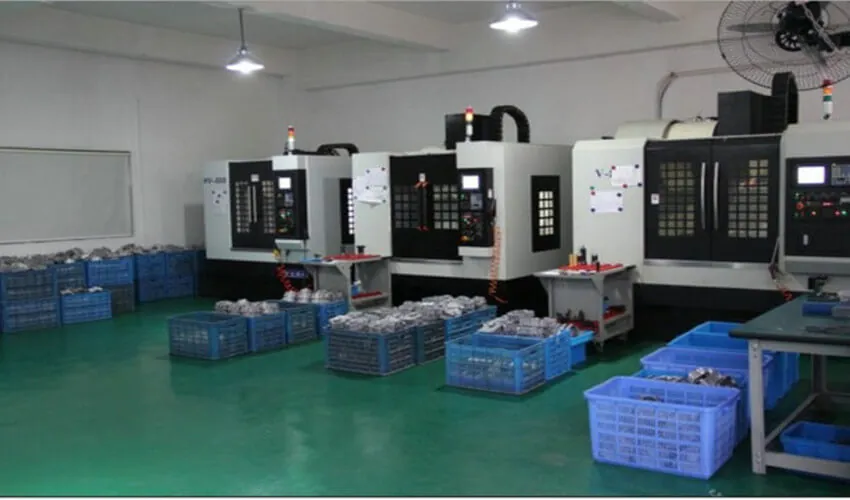
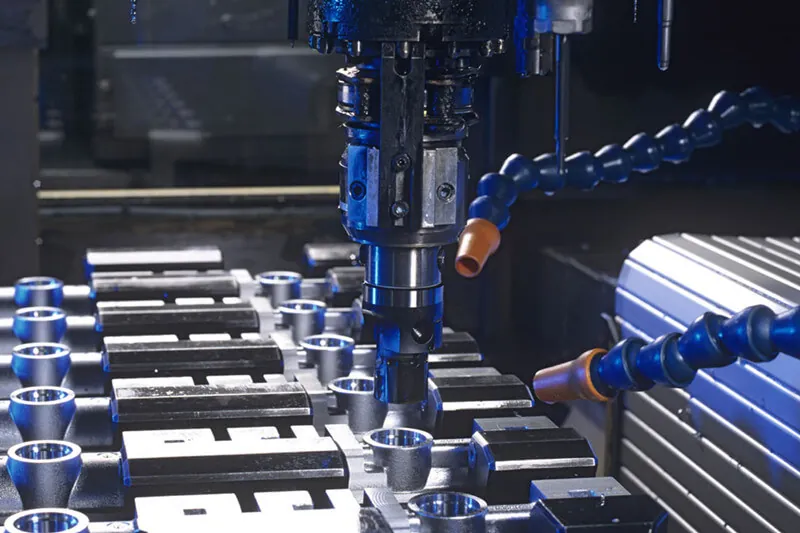
Wuxi Lead Precision Machinery delivers advanced sheet steel fabrication solutions tailored for high-precision industrial applications. Our technical capabilities are built around state-of-the-art 5-axis CNC machining systems, which enable complex geometries, tight tolerances, and superior surface finishes on a wide range of steel alloys. These multi-axis platforms provide simultaneous movement across five planes, allowing for intricate contouring, angled cuts, and reduced setup cycles—critical for producing mission-critical components in aerospace, medical, energy, and automation sectors.

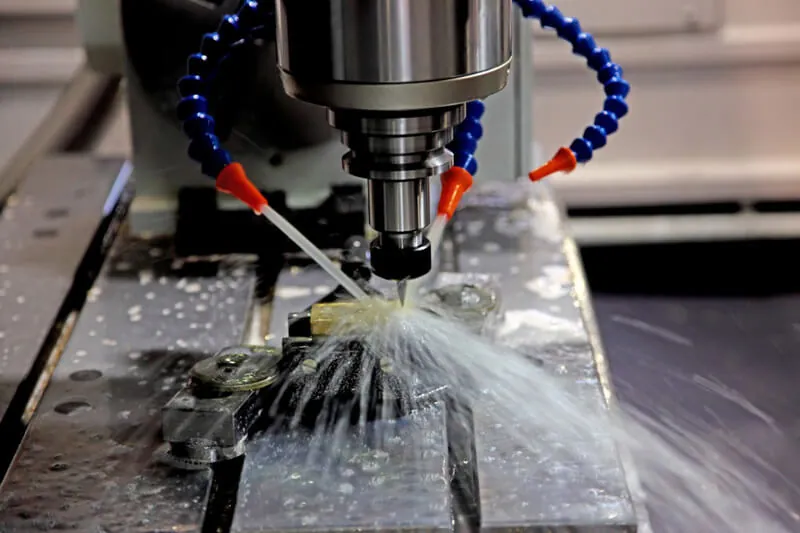
Our 5-axis CNC technology supports high-speed, high-accuracy processing of sheet steel up to 30 mm in thickness, with dynamic toolpath optimization that minimizes material stress and maximizes dimensional stability. This capability ensures that even the most complex sheet metal designs are executed with repeatable precision. The integration of automated tool changers and real-time spindle monitoring enhances process efficiency and reduces downtime, enabling rapid turnaround without compromising quality.

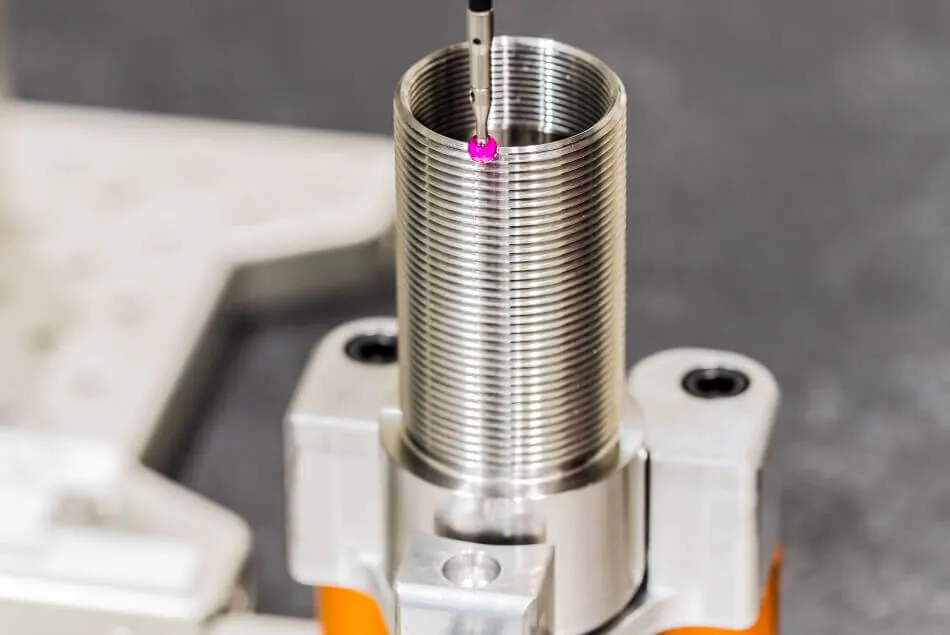
Quality control is central to our fabrication process. Every component undergoes comprehensive inspection using a Coordinate Measuring Machine (CMM) to validate geometric accuracy, feature alignment, and compliance with engineering specifications. Our CMM system operates with sub-micron resolution, ensuring that tolerances are verified across all critical dimensions. This metrology-grade verification is performed in a temperature-controlled environment to eliminate thermal drift, providing reliable and traceable inspection data for every production batch.

We support a full range of sheet steel materials, including low-carbon steel, high-strength low-alloy (HSLA) steel, and stainless steel grades such as 304, 316, and 430. Each material is processed using optimized cutting parameters and tooling strategies to maintain edge quality, minimize burring, and preserve material integrity. Secondary operations—including bending, tapping, welding, and surface finishing—are seamlessly integrated into the production workflow, ensuring end-to-end control over part quality.

The following table outlines our standard technical specifications and achievable tolerances for sheet steel fabrication:

Parameter Specification
Material Thickness Range 0.5 mm – 30 mm
Maximum Work Envelope 1200 mm × 800 mm × 600 mm
Positioning Accuracy (CNC) ±0.005 mm per axis
Repeatability (CNC) ±0.003 mm
Linear Dimensional Tolerance ±0.05 mm (standard), ±0.02 mm (precision)
Angular Tolerance ±0.1°
Surface Roughness (Ra) As low as 0.8 µm (machined), 3.2 µm (cut)
Feature-to-Feature Tolerance ±0.03 mm
CMM Measurement Uncertainty < 1.5 µm (at 95% confidence level)

All fabrication processes are governed by ISO 9001-certified quality management protocols, ensuring full documentation, traceability, and compliance with international standards. Wuxi Lead Precision Machinery combines advanced equipment, rigorous inspection, and deep engineering expertise to deliver sheet steel components that meet the most demanding technical requirements.


Material & Finish Options

sheet steel fabrication manufacturing

Strategic Material Selection for Precision Sheet Metal Fabrication

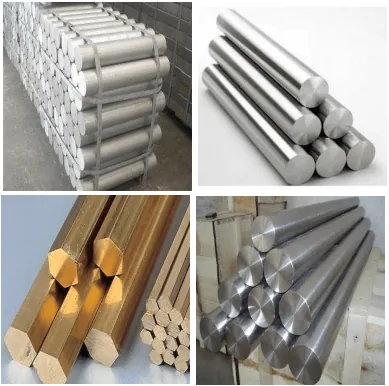
Material selection fundamentally determines the performance, cost, and longevity of fabricated sheet metal components. At Wuxi Lead Precision Machinery, we emphasize that the optimal choice aligns precisely with the application’s mechanical demands, environmental exposure, weight constraints, and budget. Understanding the core properties of aluminum, steel, and titanium is critical for high-integrity manufacturing outcomes. Aluminum alloys, particularly 5052 and 6061, offer an exceptional strength-to-weight ratio and inherent corrosion resistance, making them ideal for aerospace, transportation, and electronic enclosures where weight reduction is paramount. Mild steel (such as SPCC or DC01) provides high strength, excellent formability, and cost-effectiveness for structural frames, chassis, and general industrial housings, though it requires protective finishes against rust. For the most demanding environments—such as chemical processing, marine applications, or high-temperature aerospace systems—titanium alloys deliver unparalleled corrosion resistance, strength at elevated temperatures, and biocompatibility, justifying their higher material cost.

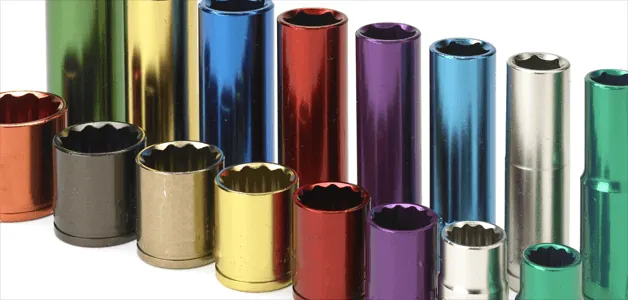
Surface finishing, particularly anodizing for aluminum, is not merely cosmetic but a vital engineering step. Anodizing creates a durable, non-conductive oxide layer that significantly enhances wear resistance and corrosion protection. Type II (sulfuric acid) anodizing is standard for general protection and dyeing, while harder Type III (hardcoat) anodizing is essential for components subjected to severe abrasion or electrical insulation requirements. Selecting the appropriate anodizing thickness and sealing process directly impacts component lifespan in harsh conditions. Steel components typically utilize powder coating, zinc plating, or painting for corrosion defense, while titanium often relies on its natural oxide layer or specialized passivation.

The interplay between base material and finish dictates final part functionality. Wuxi Lead Precision Machinery leverages advanced CNC laser cutting, precision bending, and robotic welding capabilities to process these diverse materials to exacting tolerances. Our engineering team collaborates closely with clients during the design phase to recommend the optimal material-finish combination, ensuring manufacturability and performance. Choosing incorrectly leads to premature failure, increased lifecycle costs, or unnecessary expenses. Below is a comparative overview of key material properties for informed decision-making.

Material Property Aluminum 6061-T6 Mild Steel SPCC Titanium Grade 5 (Ti-6Al-4V)
Tensile Strength (MPa) 310 270-380 900
Yield Strength (MPa) 276 140-280 830
Density (g/cm³) 2.7 7.85 4.43
Corrosion Resistance Very Good Poor (uncoated) Excellent
Typical Applications Enclosures, Brackets Frames, Panels Aerospace, Marine, Medical
Primary Fabrication Finish Anodizing Powder Coating Passivation/Natural Oxide

Material and finish selection is a strategic advantage, not a commodity decision. Partnering with Wuxi Lead ensures your sheet metal fabrication leverages the right material properties and surface engineering from the initial design concept through to final production, guaranteeing components meet the highest standards of performance and reliability. Our expertise transforms material science into your competitive edge.


Manufacturing Process & QC

sheet steel fabrication manufacturing

Sheet steel fabrication at Wuxi Lead Precision Machinery follows a rigorously controlled end-to-end process, engineered to deliver zero-defect components for high-performance industrial applications. Our methodology integrates precision engineering, advanced prototyping, and scalable mass production, all anchored in a culture of continuous quality assurance. From initial concept to final delivery, every stage is optimized for dimensional accuracy, material integrity, and long-term reliability.

The process begins with precision design, where our engineering team collaborates with clients to translate technical requirements into manufacturable designs. Utilizing advanced CAD/CAM software, we simulate material behavior, bending allowances, and weld integrity to preempt potential fabrication issues. Finite element analysis (FEA) ensures structural performance under operational loads, while design for manufacturability (DFM) principles minimize waste and cycle time. This phase establishes the foundation for defect-free production by resolving conflicts before metal is cut.

Prototyping follows design validation, serving as a physical benchmark for form, fit, and function. At Wuxi Lead, prototypes are produced using the same CNC-controlled equipment intended for mass production, ensuring process consistency. Laser cutting, precision bending, and robotic welding are deployed to fabricate sample batches, which undergo full metrological inspection using coordinate measuring machines (CMM) and 3D scanning. Any deviations are traced to root causes and corrected in real time, with feedback loops integrated into the digital workflow. This closed-loop system ensures that only fully validated processes advance to full-scale production.

Mass production leverages automated production cells, in-process inspection, and statistical process control (SPC) to maintain zero-defect output. Our facility employs real-time monitoring of critical parameters such as laser power, bending angle, and weld penetration. Every component is traceable through a digital twin, with quality data logged at each station. Final inspection includes dimensional verification, surface finish evaluation, and non-destructive testing (NDT) where required. Components are packaged using industry-specific protocols to prevent transit damage.

Throughout the process, Wuxi Lead adheres to international quality standards, including ISO 9001 and IATF 16949, ensuring consistency across production volumes. Our integrated approach—spanning design fidelity, prototype validation, and controlled scale-up—delivers sheet steel fabrications that meet the exacting demands of aerospace, medical, and advanced industrial sectors.

Specification Detail
Material Thickness Range 0.5 mm – 25 mm
Tolerance (Cutting) ±0.1 mm
Tolerance (Bending) ±0.2° / ±0.5 mm
Maximum Part Size 4000 mm × 2000 mm
Laser Cutting Power Up to 12 kW (Fiber)
Welding Processes MIG, TIG, Spot, Robotic Pulsed Arc
Surface Finishes As-welded, Ground, Powder-Coated, Galvanized
Quality Standards ISO 9001, IATF 16949, ASTM A653

Why Choose Wuxi Lead Precision

Partner with Lead Precision for Uncompromising Sheet Steel Fabrication

In high-stakes industrial manufacturing, the precision of your sheet steel components directly impacts product performance, assembly efficiency, and long-term reliability. Wuxi Lead Precision Machinery delivers engineered solutions where micron-level accuracy and material integrity are non-negotiable. We specialize in transforming complex sheet steel designs—from aerospace brackets to medical device housings—into reality with zero tolerance for deviation. Our integrated approach combines German-engineered machinery, ISO 9001-certified processes, and 15+ years of deep material science expertise to eliminate costly rework and supply chain delays. When your project demands repeatability within ±0.05mm across 1.5mm to 12mm steel gauges, Lead Precision becomes your strategic extension, not just a vendor.

Our technical capabilities are built on purpose-configured infrastructure optimized for industrial-grade steel. We handle everything from low-volume prototyping to high-volume production runs with equal rigor, ensuring consistent edge quality, burr-free bends, and weld-ready surfaces. Material traceability is embedded at every stage, with full certification documentation for ASTM A36, AISI 304/316 stainless, and high-strength low-alloy (HSLA) steels. This eliminates compliance risks in regulated sectors while accelerating your time-to-market.

Core Sheet Steel Fabrication Specifications

Parameter Capability Range Precision Standard
Laser Cutting Thickness 0.5mm – 25mm ±0.1mm positional
CNC Punching Thickness 0.8mm – 6.0mm ±0.05mm hole-to-hole
Press Brake Capacity 250T, 4m bed length ±0.25° angular
Max. Part Dimensions 4000mm x 2000mm Flatness ≤0.1mm/m
Material Handling Coil-fed or sheet stock AS9100-compliant

The true differentiator lies in our proactive engineering collaboration. Before cutting a single sheet, our team conducts Design for Manufacturability (DFM) analysis to optimize your geometry for minimal waste, reduced cycle times, and enhanced structural performance. We identify potential stress points in folded assemblies or laser kerf deviations in intricate contours—issues often overlooked until post-production. This prevents costly redesigns and ensures first-article approval on schedule. For projects requiring multi-stage fabrication, our in-house capabilities span precision bending, robotic welding, surface finishing, and laser marking under one roof, eliminating third-party quality variances.

Partnering with Lead Precision means aligning with an engineering-led organization where every process parameter is validated, not assumed. We invest in your success through real-time production transparency via our client portal, allowing you to track work-in-progress with live machine data and dimensional reports. When material costs and lead times dominate your P&L, our lean manufacturing systems consistently deliver 20% faster throughput and 15% less scrap versus industry averages.

Initiate a technical consultation today to validate how our sheet steel fabrication expertise solves your specific production challenges. Contact our engineering team directly at [email protected] with your part drawings and volume requirements. We will respond within 4 business hours with a detailed capability assessment and process plan—no generic quotes, only actionable engineering solutions. Your next precision component starts with a conversation grounded in manufacturing reality.


⚙️ Precision Cost Estimator

Estimate relative manufacturing effort based on tolerance.

Sheet Steel Fabrication Manufacturer | Precision CNC Guide

Contents of Table

Contact [email protected] Whatsapp 86 15951276160