Technical Contents
Engineering Guide: Liquid Rubber For Molding

Engineering Insight: Liquid Rubber for Molding – The Role of Precision in High-Performance Manufacturing
In the realm of advanced manufacturing, liquid rubber molding stands as a critical process for producing resilient, high-integrity components used across aerospace, defense, medical, and high-performance industrial applications. At Wuxi Lead Precision Machinery, we recognize that the success of liquid rubber molding hinges not only on material selection but on the precision of the metal tooling and molds that shape it. The behavior of liquid rubber—its flow, curing dynamics, and final dimensional stability—is profoundly influenced by the accuracy and surface integrity of the mold cavity.
Liquid rubber, typically silicone-based, is injected or poured into molds in a low-viscosity state before undergoing thermal curing. During this phase, even micron-level deviations in mold geometry can result in part warpage, flash, or inconsistent wall thickness—defects that compromise both function and reliability. This is especially critical in mission-critical applications such as military seals or Olympic-grade athletic equipment, where failure is not an option. Our engineering team at Lead Precision has repeatedly demonstrated mastery in this domain, having supplied precision tooling for components used in Olympic sporting systems and specialized defense hardware, where environmental resilience and exacting tolerances define performance.
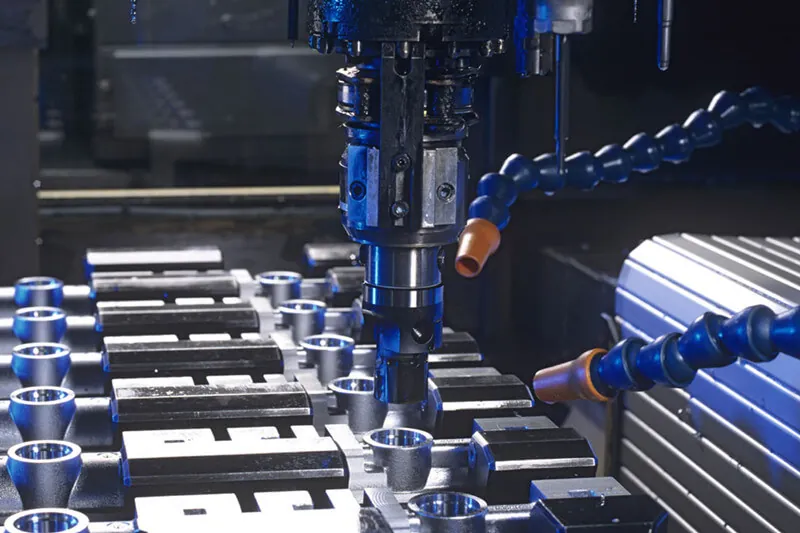
Our approach begins with advanced 3D modeling and finite element analysis (FEA) to predict rubber flow and thermal distribution during curing. This simulation-driven design ensures optimal gate placement, venting, and cooling channel integration—factors that directly affect cycle time and part quality. The molds themselves are machined using high-accuracy CNC equipment, with surface finishes tailored to the application, ranging from mirror-polished (Ra < 0.05 µm) to textured matte finishes for downstream bonding.
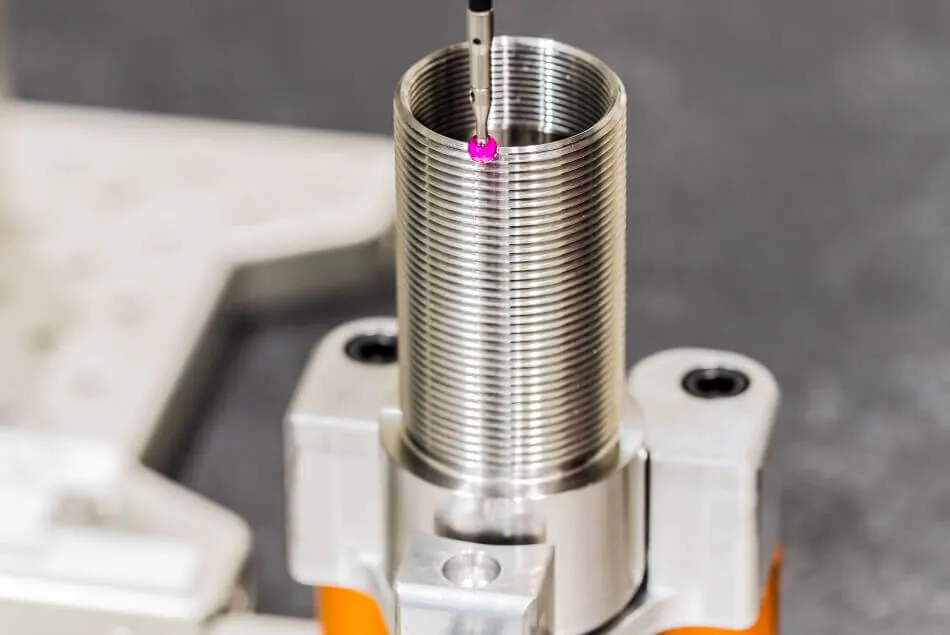
Material selection for the mold is equally critical. We employ hardened tool steels such as H13 or S136 stainless steel, chosen for their thermal stability, wear resistance, and corrosion protection—essential when exposed to repeated thermal cycling and reactive silicone compounds. Each mold undergoes rigorous metrology inspection using coordinate measuring machines (CMM) to verify conformity to GD&T specifications, ensuring repeatability across production runs.
The integration of precision metal manufacturing with polymer processing expertise positions Wuxi Lead as a trusted partner in liquid rubber molding solutions. Our track record with high-profile, performance-driven industries reflects our commitment to engineering excellence and operational precision.
| Parameter | Specification |
|---|---|
| Dimensional Tolerance | ±0.01 mm |
| Surface Finish Range | Ra 0.05 – 1.6 µm |
| Mold Materials | H13, S136, 420 Stainless Steel |
| Maximum Mold Size | 800 × 600 × 500 mm |
| Thermal Stability | Up to 300°C continuous |
| Production Repeatability | > 99.5% over 100,000 cycles |
| Lead Time (Standard) | 15–25 days based on complexity |
At Wuxi Lead Precision Machinery, we don’t just manufacture molds—we engineer performance.
Precision Specs & Tolerances

Technical Capabilities: Precision Metal Components for Liquid Rubber Molding Applications
Wuxi Lead Precision Machinery delivers mission-critical metal components engineered specifically for demanding liquid rubber injection and compression molding processes. Our core strength lies in transforming complex geometries into production-ready tooling, inserts, and fixtures with uncompromising dimensional accuracy and surface integrity. This precision is non-negotiable in liquid rubber molding, where microscopic deviations directly impact part flash, sealing performance, cycle time, and final product consistency. We achieve this through integrated advanced manufacturing and rigorous quality control systems centered on multi-axis CNC machining and metrology-grade inspection.
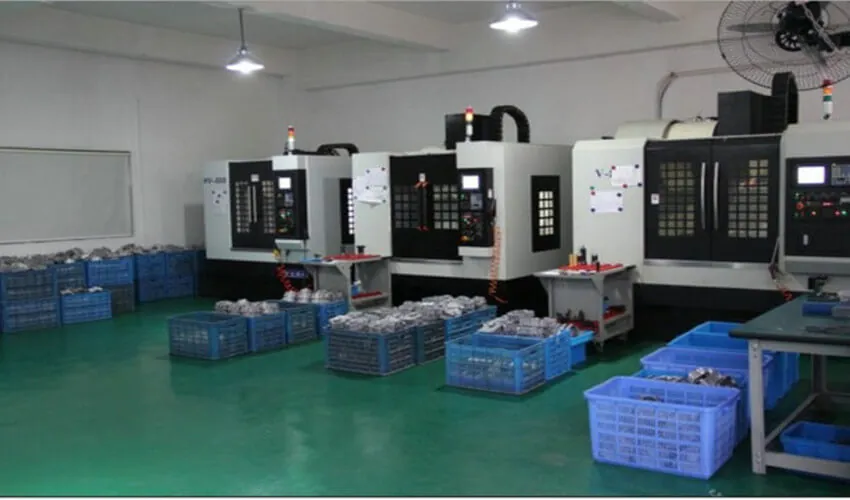
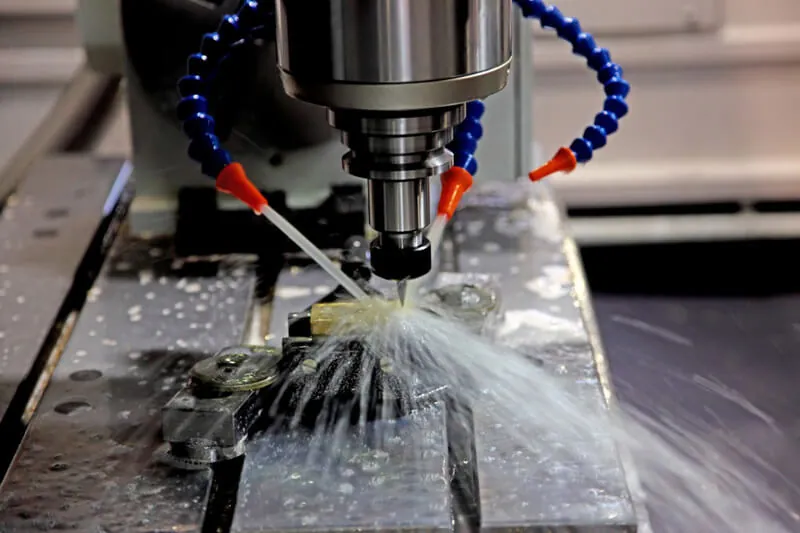
Our foundation is a modern fleet of high-precision 5-axis CNC machining centers, primarily DMG MORI CTX beta 2000 series and Makino D200Z models. These platforms enable simultaneous multi-axis interpolation, essential for producing the intricate contours, undercuts, and tight internal features common in liquid silicone rubber (LSR) and polyurethane (PU) molds. Capabilities include machining hardened tool steels (up to HRC 58), stainless alloys (e.g., 17-4PH, 420SS), and aluminum to exacting specifications. The 5-axis approach minimizes setups, ensuring superior part-to-part consistency and geometric accuracy critical for mold cavity/core alignment. We handle work envelopes up to Ø800mm x 600mm H, utilizing high-speed spindles and optimized toolpath strategies to achieve fine surface finishes that directly translate to the molded rubber part’s quality and release characteristics.
Quality assurance is embedded throughout our process, validated by Zeiss CONTURA G2 Coordinate Measuring Machines (CMM) operating under ISO 17025 accredited procedures. Every critical component undergoes full 3D dimensional verification against CAD models. Our CMM inspection protocol includes comprehensive geometric dimensioning and tolerancing (GD&T) analysis, surface profile validation, and critical feature reporting. This metrology-grade data provides full traceability and quantifiable proof of conformance, ensuring molds perform predictably from the first shot. Statistical process control (SPC) data is available for high-volume production runs, offering customers proactive insight into process stability.
The following table details our standard achievable tolerances for mold components used in liquid rubber molding applications. These specifications represent typical production capabilities under controlled workshop conditions (20±1°C) and are consistently verified by our CMM systems.
| Parameter | Specification | Application Relevance for Liquid Rubber Molding |
|---|---|---|
| Linear Dimension | ±0.005 mm | Ensures precise cavity/core fit, minimizing flash generation |
| Angular Tolerance | ±0.002° | Critical for sealing surfaces and parting line integrity |
| Geometric Tolerance (Flatness, Roundness) | 0.003 mm per 100 mm | Guarantees uniform compression and consistent material flow |
| Surface Roughness (Ra) | 0.4 µm (machined) | Optimizes rubber release and final part surface quality |
| Maximum Part Size | Ø800 mm x 600 mm H | Accommodates multi-cavity production molds |
This combination of 5-axis CNC mastery and metrology-backed quality control ensures Wuxi Lead delivers mold components that meet the stringent demands of high-performance liquid rubber molding. We translate engineering intent into reliable, high-yield production tooling, directly contributing to our customers’ operational efficiency and product excellence. Partner with us for technically complex metal solutions where precision is paramount.
Material & Finish Options

Material Selection for High-Precision Molding Components in Liquid Rubber Applications
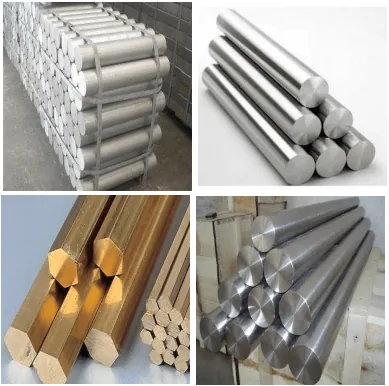
In the production of liquid rubber molding systems, the selection of appropriate materials for tooling and mold components is critical to ensuring performance, durability, and dimensional accuracy. At Wuxi Lead Precision Machinery, we specialize in custom metal manufacturing for high-end industrial applications, where material integrity directly impacts molding consistency and product quality. The primary materials used in this context—aluminum, steel, and titanium—each offer distinct advantages depending on production volume, cycle requirements, and environmental conditions.
Aluminum is widely used for prototyping and low-to-medium volume production due to its excellent machinability, lightweight nature, and superior thermal conductivity. These properties allow for faster heat dissipation during the curing phase of liquid rubber, reducing cycle times. However, aluminum’s lower hardness makes it less suitable for long production runs or abrasive rubber compounds. It is best employed in applications where rapid iteration and cost efficiency are priorities.
Steel, particularly tool steel variants such as H13 or P20, offers superior hardness, wear resistance, and longevity. This makes it ideal for high-volume manufacturing environments where molds undergo repeated thermal and mechanical stress. Steel molds maintain dimensional stability over thousands of cycles and are resistant to deformation, ensuring consistent part quality. While steel is heavier and more costly to machine than aluminum, its extended service life often justifies the investment for large-scale operations.
Titanium is selected for highly specialized applications requiring exceptional strength-to-density ratio, corrosion resistance, and performance at elevated temperatures. Though less common due to higher material and machining costs, titanium excels in aggressive chemical environments or when weight reduction is critical, such as in aerospace or medical device molding. Its biocompatibility and resistance to oxidation make it a strategic choice for niche, high-performance sectors.
Surface finish plays a pivotal role in mold release, surface quality of the molded rubber, and ease of cleaning. Anodizing is a preferred finish for aluminum molds, providing a hardened surface layer that enhances wear and corrosion resistance. Hard anodizing, in particular, significantly improves surface durability without compromising thermal performance. For steel molds, options such as polishing, chrome plating, or nitriding are more typical, though anodizing is not applicable. Titanium can be treated with oxidation or ceramic coatings to further enhance surface properties.
Below is a comparative overview of key material specifications relevant to liquid rubber molding applications.
| Material | Hardness (HB) | Thermal Conductivity (W/m·K) | Corrosion Resistance | Typical Use Case |
|---|---|---|---|---|
| Aluminum (6061-T6) | 95–105 | 167 | Moderate | Prototyping, low-volume runs |
| Steel (H13) | 230–255 | 35 | Good (with coating) | High-volume production |
| Titanium (Grade 5) | 330–360 | 7.2 | Excellent | High-temp, corrosive environments |
Material and finish selection must be aligned with the specific demands of the liquid rubber molding process. At Wuxi Lead Precision Machinery, we support clients in making informed decisions based on technical requirements, lifecycle costs, and performance goals.
Manufacturing Process & QC

Precision Liquid Rubber Molding: From Concept to Flawless Production
At Wuxi Lead Precision Machinery, we engineer liquid rubber molding processes where zero defects are non-negotiable. Our integrated approach leverages advanced CNC metal manufacturing to ensure every phase—from initial design through mass production—delivers uncompromising quality for demanding industrial applications. Success hinges on precision metal tooling, the foundation of consistent rubber part integrity.
The process begins with collaborative engineering design. Our team works directly with client specifications, material science data, and part functionality requirements to create optimized 3D models. Critical considerations include rubber flow dynamics, thermal management within the mold, ejection mechanics, and anticipated shrinkage rates. We prioritize mold cavity geometry and gate placement to eliminate air traps and ensure uniform fill. Finite element analysis (FEA) validates thermal stability and structural integrity of the proposed metal tool under production cycling, preventing defects like flash or incomplete cures before metal is cut. This phase establishes the blueprint for dimensional accuracy and surface finish.
Prototyping transforms digital models into tangible validation. Using our high-precision CNC machining centers, we fabricate single-cavity prototype molds from hardened tool steels like H13 or S136. These molds undergo rigorous testing with the client’s specified liquid silicone rubber (LSR) or polyurethane formulation under controlled press conditions. We meticulously measure first-article parts against GD&T callouts, verifying critical dimensions, material cure consistency, and surface quality. Any deviations trigger immediate design or process adjustments. This stage is not merely about the rubber part; it validates the metal tool’s performance under real thermal and mechanical stress, identifying potential wear points or cooling inefficiencies early.
Transitioning to mass production demands absolute process control. Our production molds, machined to micron-level tolerances on multi-axis CNC systems, feature optimized conformal cooling channels and hardened surfaces for extended life. Each mold cavity is individually monitored during the injection cycle. We implement automated in-process inspection using vision systems and coordinate measuring machines (CMM) at defined intervals, checking key features against the prototype baseline. Statistical process control (SPC) data is continuously analyzed. Strict adherence to ISO 9001 protocols governs material handling, press parameters, and environmental controls. This closed-loop system ensures every part meets the zero-defect standard, batch after batch.
Key specifications differentiate prototyping from production tooling capabilities
| Parameter | Prototype Tooling | Mass Production Tooling |
|---|---|---|
| Mold Material | Pre-hardened P20 Steel | Hardened H13/S136 Steel |
| Cavity Count | 1 | 2-16+ |
| Surface Finish | SPI-A2 (6-8 μin Ra) | SPI-A1 (1-2 μin Ra) |
| Tolerance Control | ±0.05 mm | ±0.01 mm |
| Expected Cycles | 10,000 – 50,000 | 500,000+ |
| Cooling System | Basic Linear Channels | Conformal Cooling |
The result is a seamless transition from validated prototype to high-volume output, where the precision of our metal manufacturing directly guarantees the reliability and performance of your liquid rubber components. Wuxi Lead’s integrated process eliminates guesswork, ensuring your critical parts perform flawlessly in the field.
Why Choose Wuxi Lead Precision
Partner with Lead Precision for Advanced Liquid Rubber Molding Solutions
At Wuxi Lead Precision Machinery, we specialize in delivering high-precision metal manufacturing systems engineered for the evolving demands of modern industrial applications. As a trusted partner in custom metal fabrication and molding automation, we extend our expertise into the specialized domain of liquid rubber for molding—offering integrated solutions that combine precision tooling, advanced material handling, and robust production scalability.
Liquid rubber molding, particularly with liquid silicone rubber (LSR), demands exacting control over material viscosity, curing dynamics, and mold integrity. Our engineered systems are designed to meet these challenges head-on, ensuring consistent part quality, minimal waste, and maximum throughput. Whether you are producing medical-grade seals, automotive gaskets, or consumer electronics components, our machinery delivers repeatable accuracy under high-volume production conditions.
We understand that no two molding applications are identical. That’s why we focus on custom-engineered solutions tailored to your material specifications, production volume, and quality standards. From initial concept and mold design to full-scale automation integration, our team collaborates closely with clients to optimize every phase of the manufacturing process. Our in-house R&D facility and advanced CNC machining capabilities allow us to fabricate molds with micron-level tolerances, ensuring perfect flow dynamics and part ejection for liquid rubber compounds.
Our commitment to precision is matched by our dedication to service. We provide comprehensive technical support, from installation and operator training to ongoing maintenance and process optimization. By partnering with Lead Precision, you gain more than machinery—you gain a long-term manufacturing ally focused on your operational success.
Below are key specifications of our liquid rubber molding systems, highlighting the performance standards we uphold:
| Specification | Detail |
|---|---|
| Clamping Force Range | 50 to 1,200 tons |
| Shot Size Accuracy | ±0.5% |
| Material Compatibility | LSR, HCR, PU, and fluoroelastomers |
| Mold Tolerance | ±0.005 mm |
| Cycle Time Optimization | Up to 30% reduction vs. standard systems |
| Automation Integration | Full robotic handling, inline inspection |
| Control System | Siemens S7-1500 with HMI interface |
| Cooling Efficiency | Dual-channel thermal regulation |
| Compliance Standards | ISO 9001, CE, and medical-grade cleanroom options |
We invite manufacturers seeking superior precision, reliability, and customization in liquid rubber molding to contact us directly. Let our engineering team evaluate your project requirements and deliver a solution that enhances your production capability and product quality.
For technical inquiries, collaboration opportunities, or custom project consultation, reach out to us at [email protected]. Partner with Wuxi Lead Precision Machinery—where advanced metal manufacturing meets intelligent molding innovation.
⚙️ Precision Cost Estimator
Estimate relative manufacturing effort based on tolerance.