Technical Contents
Engineering Guide: Custom Cut Steel

Engineering Insight: The Non-Negotiable Value of Precision in Custom Cut Steel
In high-stakes industrial applications, the precision of custom cut steel transcends mere specification; it is the fundamental determinant of structural integrity, assembly efficiency, and ultimate product performance. Tolerances measured in hundredths of a millimeter directly impact load distribution, fatigue life, and the seamless integration of complex components. For sectors like aerospace, defense, and advanced energy infrastructure, deviations beyond strict parameters are not merely quality issues—they represent critical failure risks and significant financial liabilities. Achieving true precision requires far more than advanced machinery; it demands a holistic engineering approach encompassing material science understanding, thermal dynamics management, and rigorous process validation at every stage from digital design to final inspection.
Material behavior under stress and during cutting processes introduces inherent challenges. High-strength steels, essential for demanding applications, exhibit unique thermal expansion and work-hardening characteristics that can distort cuts if not meticulously compensated for. Lead Precision’s engineering protocols integrate real-time thermal monitoring and adaptive path correction, ensuring dimensional stability even with complex geometries in materials like 4340 alloy or MIL-DTL-46100 armor plate. Our proprietary nesting algorithms optimize material yield while maintaining critical feature spacing, minimizing internal stress points that compromise part longevity. This level of control is not optional—it is the baseline requirement for systems where human safety and mission success are paramount.
Wuxi Lead Precision Machinery’s validation of this precision philosophy is etched into projects defining global engineering excellence. We engineered and delivered critical structural components for the Beijing 2022 Winter Olympic venue infrastructure, where sub-millimeter accuracy across vast steel frameworks was essential for both architectural integrity and rapid assembly under extreme weather constraints. Furthermore, our facility is a trusted supplier for mission-critical defense systems, producing precision-cut elements for land and maritime platforms where component failure is inconceivable. These engagements demanded—and received—certifiable adherence to AS9100 aerospace standards and MIL-STD-883 testing protocols, far exceeding typical industrial tolerances.
Our commitment manifests in quantifiable capabilities, consistently delivered across global supply chains:
| Critical Parameter | Lead Precision Standard | Industry Typical Standard | Application Impact |
|---|---|---|---|
| Linear Tolerance (per 1000mm) | ±0.02 mm | ±0.10 mm | Ensures zero-gap assembly in dynamic structures |
| Angular Tolerance | ±0.05° | ±0.25° | Critical for load-path alignment in frames |
| Material Thickness Range | 0.5 mm – 150 mm | 1.0 mm – 50 mm | Enables single-source solutions for complex builds |
| Certified Process Control | AS9100, ISO 139, MIL-STD | ISO 9001 only | Mandatory for aerospace/defense traceability |
Precision in custom cut steel is the invisible foundation upon which reliability is built. At Lead Precision, we engineer not just to meet specifications, but to guarantee that every cut steel component performs exactly as intended—decade after decade, under the most extreme operational demands. This is the standard demanded by Olympic legacies and national security, and it is the standard we deliver daily. Partner with us to transform your most exacting steel fabrication requirements into engineered reality.
Precision Specs & Tolerances

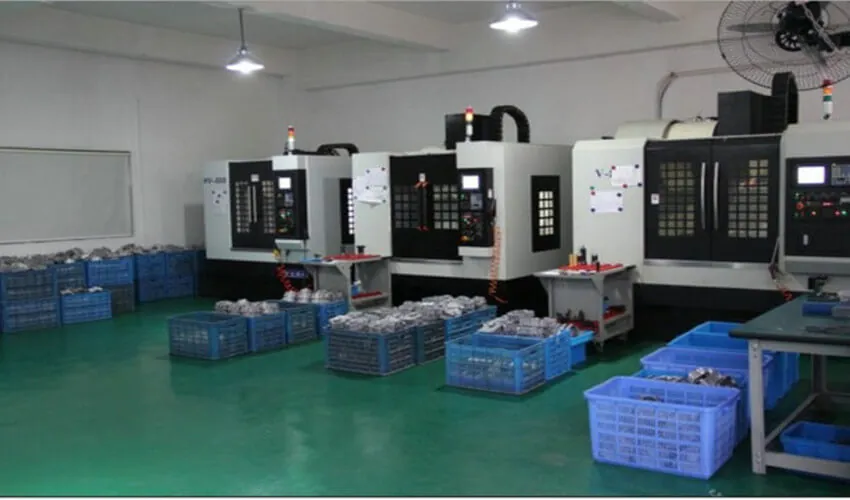
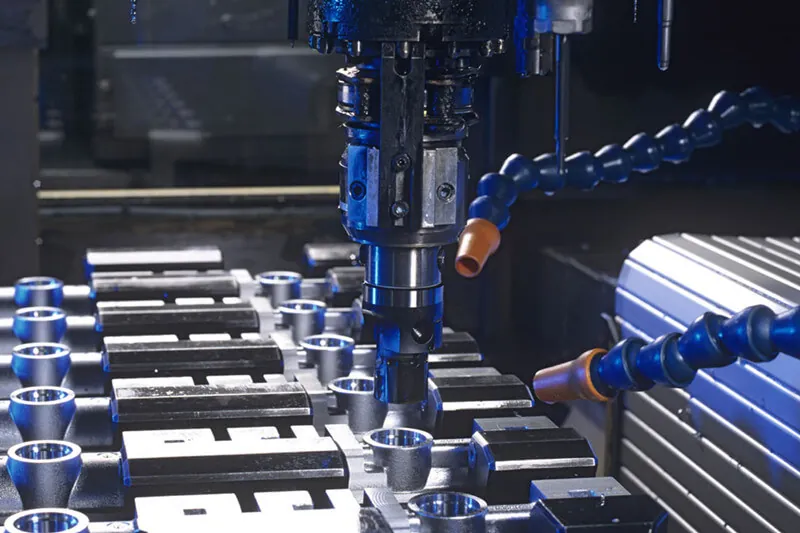
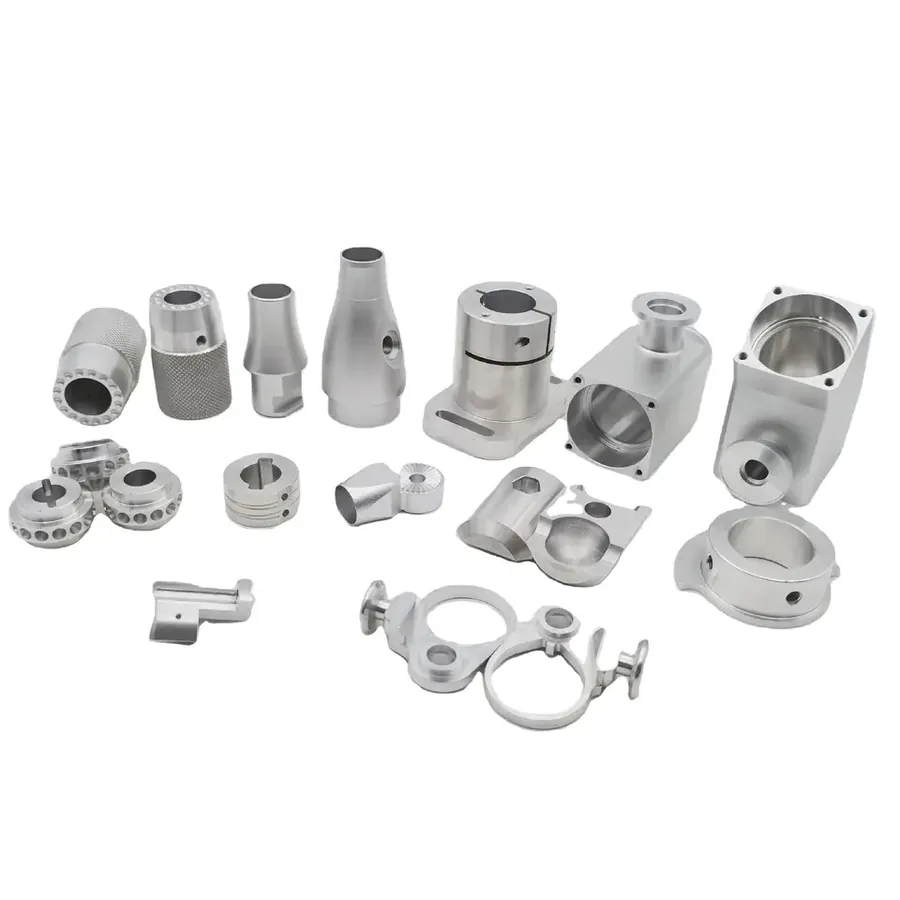
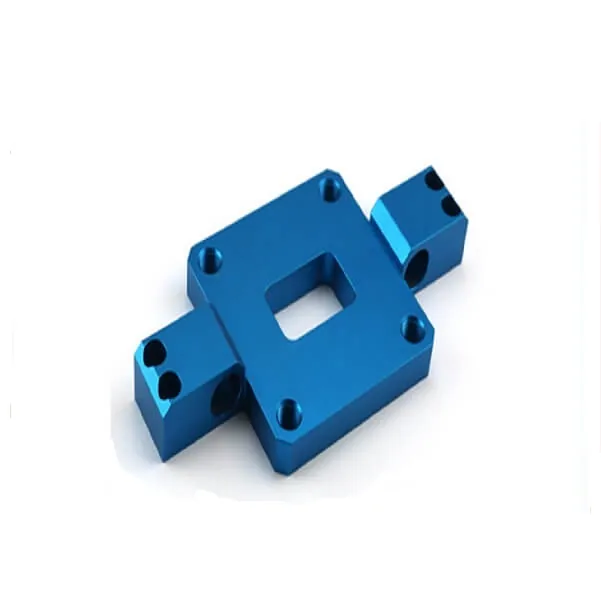
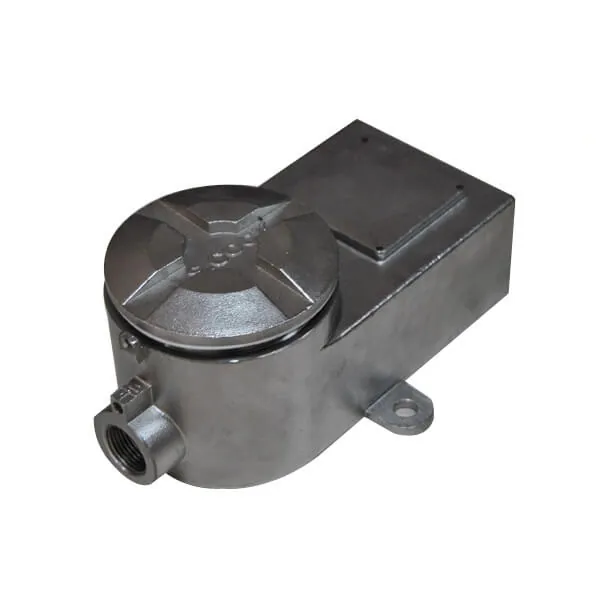
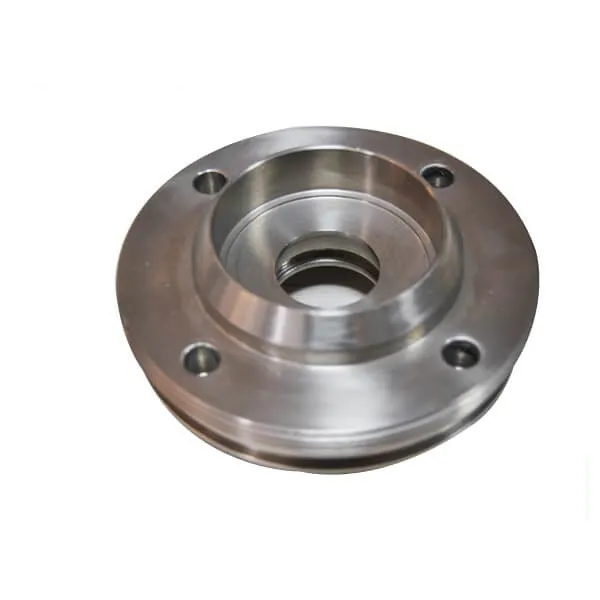
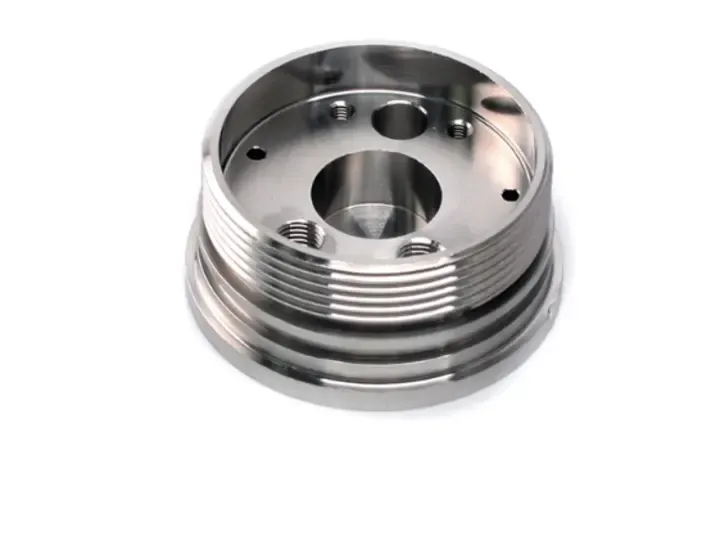
Wuxi Lead Precision Machinery delivers advanced custom cut steel solutions for high-performance industries including aerospace, automotive, energy, and medical device manufacturing. Our technical capabilities are built around precision engineering, state-of-the-art equipment, and rigorous quality assurance protocols to ensure every component meets exacting specifications. At the core of our machining services is a fleet of 5-axis CNC machining centers, which enable complex geometries, tight tolerances, and superior surface finishes on a wide range of steel alloys, including stainless, tool, and carbon steels.
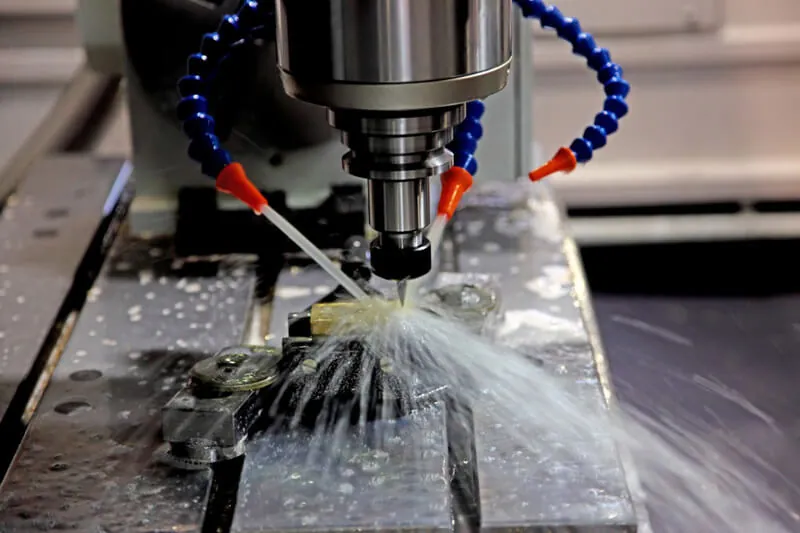
The integration of 5-axis CNC technology allows simultaneous multi-directional cutting, reducing setup times and enhancing dimensional accuracy. This capability is essential for producing intricate steel components with compound angles, deep cavities, and contoured surfaces that would be unachievable with conventional 3-axis systems. Our machines are operated by experienced CNC programmers and machinists who utilize advanced CAM software to optimize toolpaths, minimize material waste, and maintain consistency across production runs—from prototyping to high-volume manufacturing.
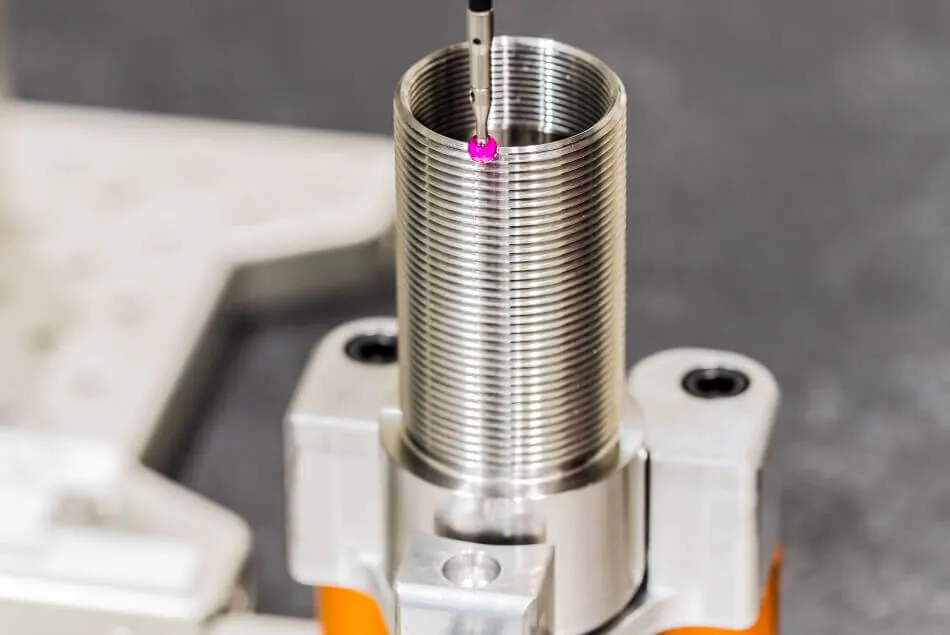
To ensure every custom cut steel part conforms to design intent, we implement a comprehensive quality control process anchored by Coordinate Measuring Machine (CMM) inspection. Each critical dimension is verified using Zeiss and Hexagon CMM systems, providing micron-level measurement accuracy and full traceability. Inspection reports are generated for every batch, documenting conformance to ISO 10360 standards and customer-specific requirements. This data-driven approach to quality supports regulatory compliance and provides assurance in mission-critical applications.
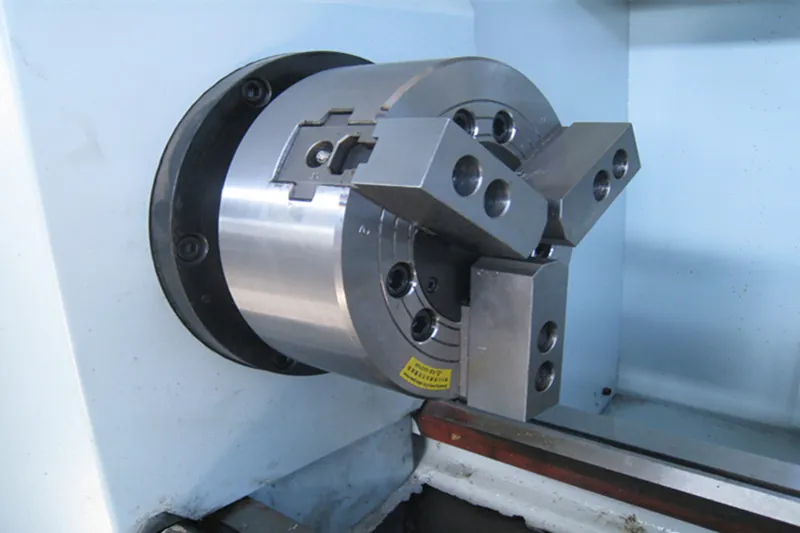
Material selection, process control, and inspection are unified under an ISO 9001-certified quality management system. From raw material certification to final packaging, every step is documented and auditable. Our facility supports bar feeding, plate cutting, and block machining, with maximum work envelopes accommodating parts up to 1,200 mm in length. High-speed spindles and automated tool changers ensure efficient material removal rates while maintaining precision.
The table below outlines the standard technical specifications and achievable tolerances for our custom cut steel services.
| Parameter | Specification |
|---|---|
| Machining Type | 5-Axis CNC Milling and Drilling |
| Material Types | Stainless Steel, Carbon Steel, Tool Steel |
| Maximum Work Envelope | 1200 mm × 800 mm × 700 mm |
| Spindle Speed | Up to 24,000 rpm |
| Positioning Accuracy | ±0.005 mm |
| Repeatability | ±0.003 mm |
| Surface Finish (Typical) | Ra 0.8 µm (can achieve Ra 0.4 µm with polishing) |
| Standard Tolerances | ±0.01 mm (machined features) |
| Geometric Tolerances | ±0.005 mm (flatness, concentricity, etc.) |
| Inspection Equipment | Zeiss & Hexagon CMM, Calipers, Micrometers |
| Quality Standards | ISO 9001, ISO 10360, GD&T compliant |
Wuxi Lead Precision Machinery combines engineering expertise with industrial-grade technology to deliver custom cut steel components that meet the highest standards of precision and reliability.
Material & Finish Options

Material Selection for Precision Custom Metal Fabrication
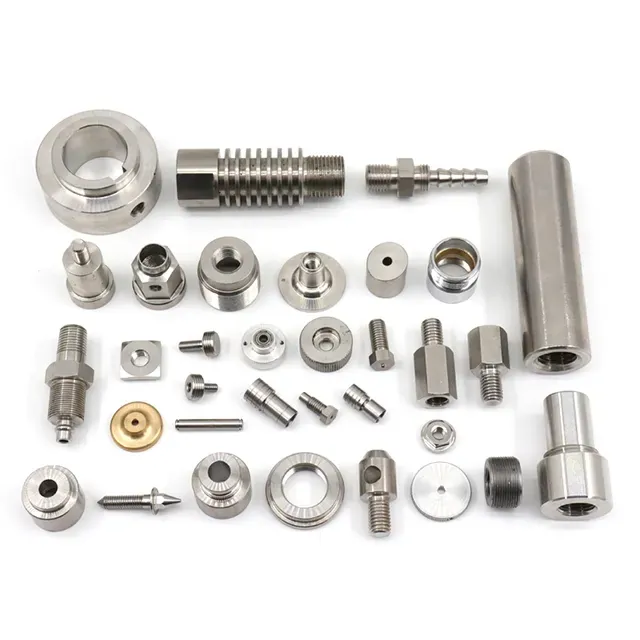
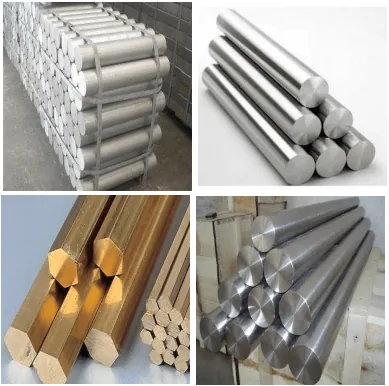
Selecting the optimal material is foundational to achieving performance, durability, and cost efficiency in custom metal components. At Wuxi Lead Precision Machinery, we prioritize steel for its unmatched strength-to-cost ratio in structural and high-load applications. Carbon steel grades like SAE 1045 offer excellent machinability and weldability for gears, shafts, and tooling, while stainless steels (304, 316) provide critical corrosion resistance for medical, marine, and chemical processing equipment. Steel’s versatility across CNC milling, turning, and laser cutting ensures dimensional accuracy within ±0.005mm, making it the default choice for 70% of industrial clients where tensile strength exceeding 500 MPa is non-negotiable.
Aluminum alloys (6061-T6, 7075-T6) excel where weight reduction is paramount without sacrificing rigidity. Aerospace brackets, heat sinks, and drone frames leverage aluminum’s 1/3 density versus steel, coupled with inherent corrosion resistance. However, its lower hardness demands specialized toolpaths to prevent burring during high-speed machining. Titanium (Grade 5, Ti-6Al-4V) enters the equation for extreme environments—think jet engine components or biomedical implants—withstanding temperatures up to 600°C and aggressive chemicals. Its high abrasiveness necessitates rigid CNC setups and carbide tooling, increasing lead times by 15–20% versus steel.
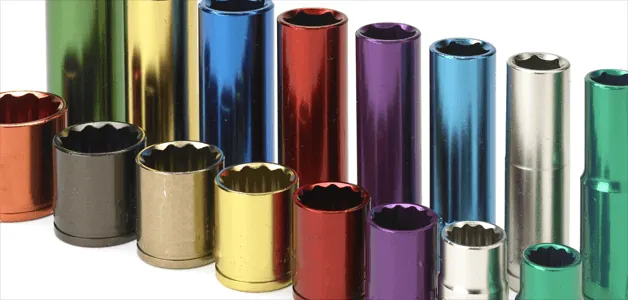
Surface finishes critically impact function and longevity. Anodizing is exclusively applicable to aluminum, creating a wear-resistant oxide layer that enhances corrosion resistance and allows color coding for part identification. For steel, we recommend electroplating (zinc, nickel) or powder coating to combat oxidation; titanium typically requires passivation. Misapplying anodizing to steel—a common oversight—yields no protective benefit. Our engineering team validates finish compatibility during the design phase to eliminate rework.
Material properties directly dictate machining strategy and cost. Below is a comparative reference for key alloys:
| Material Type | Common Grades | Tensile Strength (MPa) | Corrosion Resistance | Primary Applications |
|---|---|---|---|---|
| Carbon Steel | SAE 1045, A36 | 500–850 | Low (requires coating) | Structural frames, machinery bases |
| Stainless Steel | 304, 316 | 515–690 | High | Medical devices, food processing |
| Aluminum | 6061-T6, 7075-T6 | 310–570 | Moderate (anodized) | Aerospace, electronics |
| Titanium | Grade 5 (Ti-6Al-4V) | 900–950 | Exceptional | Defense, implantable devices |
Note: Anodizing applies solely to aluminum. Steel requires alternative coatings; titanium benefits from passivation.
Material choice must align with operational stressors, regulatory standards, and lifecycle costs. Wuxi Lead’s engineers conduct ASTM-compliant material testing and DFMA analysis to eliminate selection errors before cutting begins. Partner with us to transform material science into precision-engineered reality—where every micron and megapascal is accounted for.
Manufacturing Process & QC

The production process for custom cut steel at Wuxi Lead Precision Machinery is engineered for precision, consistency, and zero defects. Every stage—from initial design to mass production—is rigorously controlled to meet the highest standards in industrial manufacturing. Our integrated workflow ensures that each component not only meets but exceeds client specifications, delivering reliability across high-volume runs.
Design begins with a collaborative engineering review. Clients submit technical drawings, CAD models, or functional requirements, which our team analyzes for manufacturability, material suitability, and performance under load. Using advanced simulation software, we conduct structural and thermal stress analysis to optimize geometry and minimize material waste. This phase includes tolerance stack-up analysis and surface finish planning, ensuring compatibility with downstream assembly processes. Our engineers work in tandem with clients to refine designs for both performance and cost-efficiency, setting the foundation for defect-free production.
Prototyping follows design validation. We produce functional prototypes using the same CNC cutting, laser profiling, and forming equipment intended for full-scale production. This ensures process fidelity and allows for real-world testing under operational conditions. Prototypes undergo dimensional inspection via coordinate measuring machines (CMM), hardness testing, and visual surface analysis. Any deviations are traced to root causes using Six Sigma methodologies, and corrective actions are implemented before moving forward. Client feedback is incorporated at this stage, enabling final adjustments with minimal time-to-refinement.
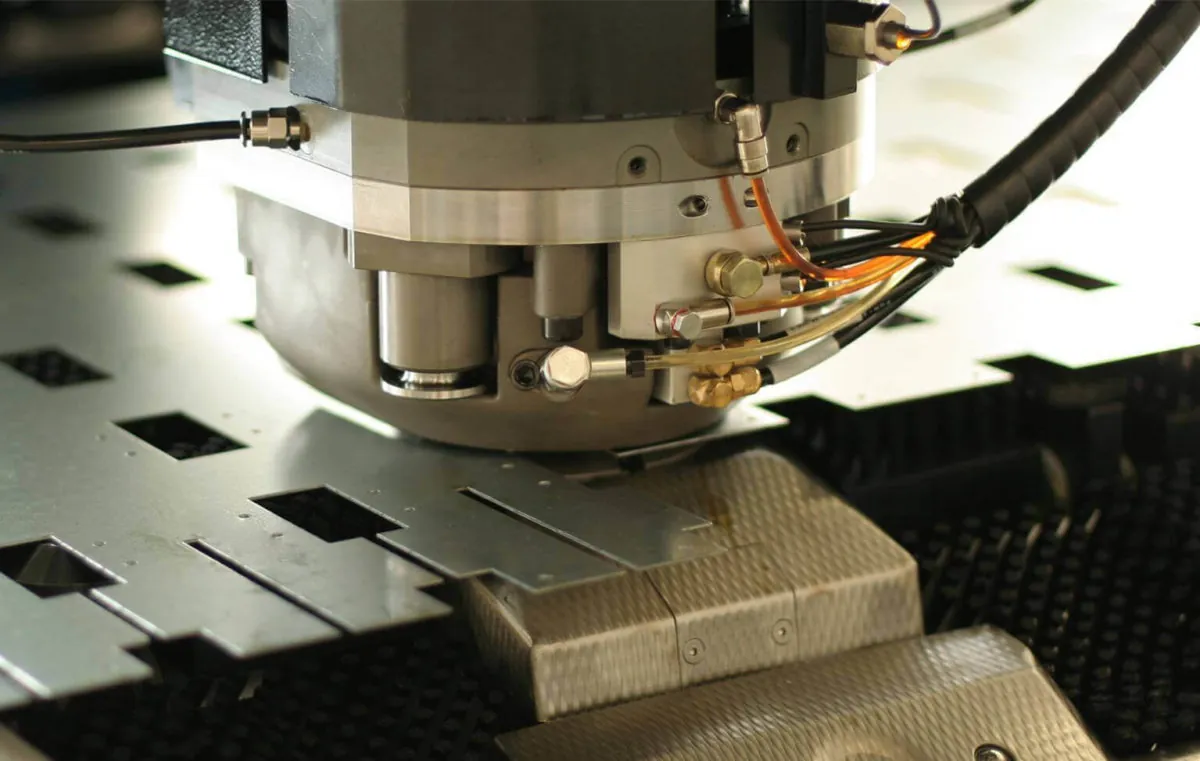
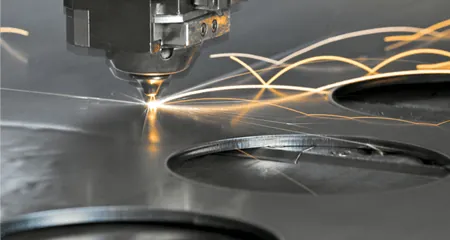
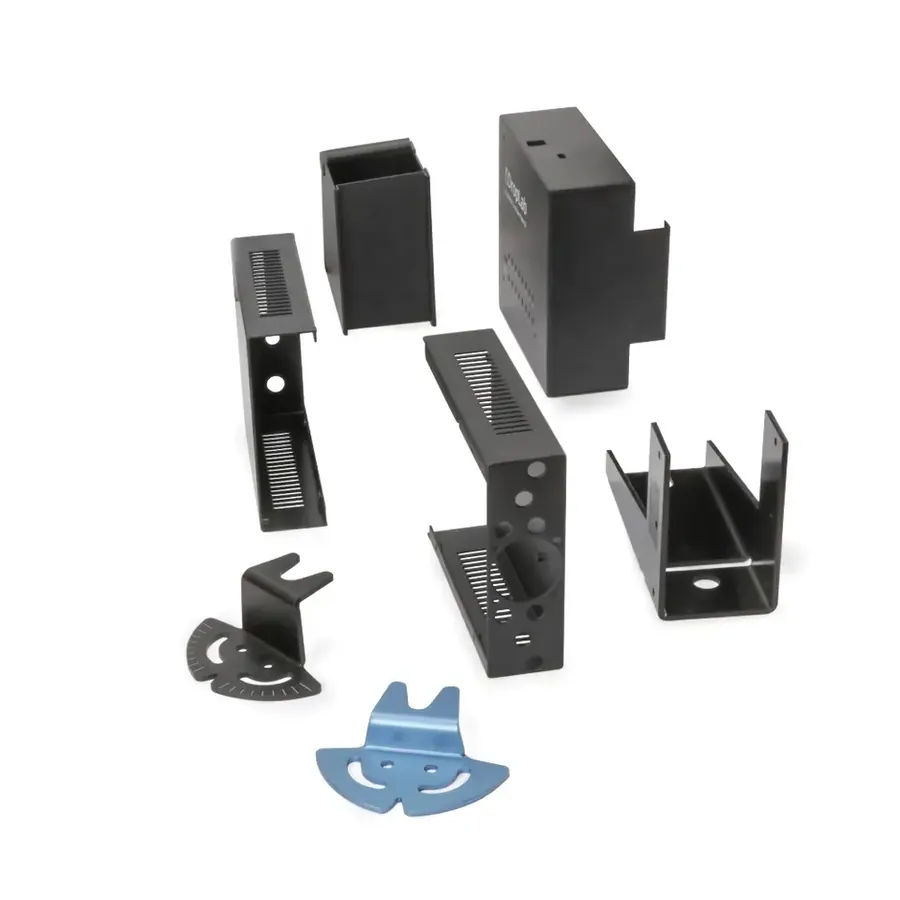
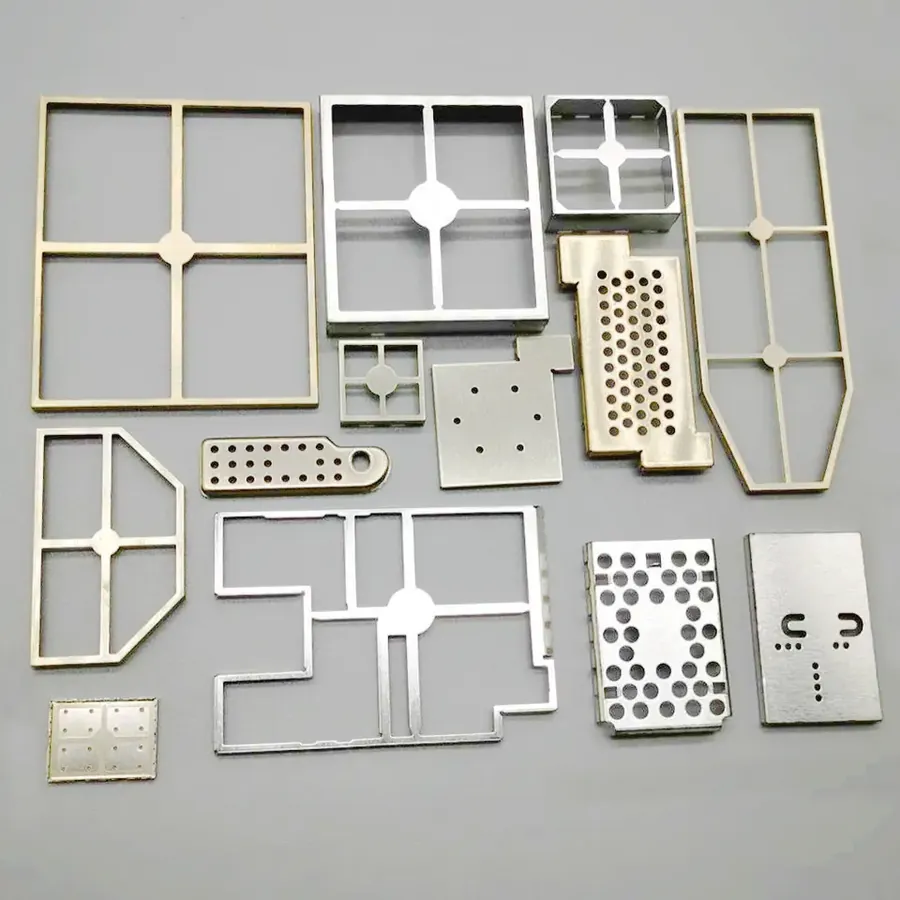
Mass production is executed on automated, monitored lines with real-time quality assurance. Each steel component is cut using high-precision fiber laser systems or CNC plasma cutting, depending on material thickness and edge quality requirements. Automated material handling reduces human error, while in-process sensors monitor cut accuracy, kerf width, and thermal distortion. Every 50th part undergoes full dimensional inspection, and statistical process control (SPC) charts track variation trends. Our zero-defect philosophy is enforced through 100% visual inspection on critical features and batch traceability via laser marking and digital logs.
All materials are sourced from certified mills, with full material test reports (MTRs) provided. Post-cutting operations—including bending, welding, and surface treatment—are performed in-house under the same quality framework, ensuring end-to-end control.
Below are key specifications for our custom steel cutting capabilities.
| Parameter | Specification |
|---|---|
| Material Types | Mild Steel, Stainless Steel, Tool Steel, Alloy Steel |
| Thickness Range | 0.5 mm – 25 mm |
| Tolerance (Cutting) | ±0.1 mm (standard), ±0.05 mm (precision) |
| Edge Quality | Burr height < 0.15 mm, Ra < 3.2 µm |
| Minimum Feature Size | 1.0 mm (laser), 2.0 mm (plasma) |
| Production Capacity | Up to 50,000 parts per week |
| Quality Standards | ISO 9001:2015, ISO 13920 (welding), GD&T compliant |
| Lead Time (Prototype) | 5–7 working days |
| Lead Time (Mass Production) | 10–15 working days (varies by volume) |
At Wuxi Lead Precision Machinery, we combine engineering rigor with industrial scale to deliver custom cut steel components that perform flawlessly in demanding applications.
Why Choose Wuxi Lead Precision
Partner with Lead Precision for Uncompromised Steel Fabrication Excellence
At Wuxi Lead Precision Machinery, we engineer custom cut steel solutions where precision isn’t optional—it’s the foundation. For 15 years, global OEMs in aerospace, medical device manufacturing, and heavy industrial equipment have relied on our CNC-controlled processes to transform complex steel specifications into mission-critical components. Our ISO 9001-certified facility in Wuxi integrates German-engineered machinery with proprietary thermal compensation algorithms, ensuring dimensional stability across carbon steel, stainless alloys, and tool steels—even in high-volume production runs. When your project demands tolerances tighter than industry standards or materials resistant to extreme operational stress, our engineering team collaborates from blueprint to batch delivery, eliminating the guesswork in precision steel fabrication.
Our technical capabilities are engineered for your most demanding applications. The table below details core specifications achievable across our HAAS and DMG MORI machining platforms:
| Parameter | Capability Range | Industry Benchmark |
|---|---|---|
| Material Thickness | 0.5 mm – 25 mm | 1.0 mm – 20 mm |
| Geometric Tolerance | ±0.02 mm (ISO 2768-mK) | ±0.05 mm |
| Max Work Envelope | 1300 mm × 2500 mm | 1000 mm × 2000 mm |
| Surface Finish (Ra) | 0.8 µm – 3.2 µm | 1.6 µm – 6.3 µm |
| Production Throughput | 200 parts/hour (avg.) | 120 parts/hour |
This performance isn’t accidental. Our closed-loop quality control system monitors tool wear, coolant dynamics, and ambient temperature in real time, adjusting feed rates microsecond-by-microsecond to prevent thermal drift. Unlike conventional workshops, we validate every batch with Zeiss coordinate measuring machines (CMM), providing full traceability reports compliant with AS9100 and ISO 13485 requirements. For projects requiring secondary operations—such as robotic welding, passivation, or precision grinding—our integrated workflow eliminates third-party handoffs, reducing lead times by 30% while maintaining material integrity.
Choosing a fabrication partner involves mitigating risk, not just sourcing parts. We protect your timeline through dual-source material procurement agreements with Baosteel and POSCO, ensuring steel certifications meet ASTM A36, AISI 304, or custom chemistries without supply chain delays. Our engineering team conducts pre-production feasibility reviews at no cost, identifying potential manufacturability issues in your CAD files before metal is cut—saving weeks in rework and six-figure cost overruns. When your reputation hinges on flawless steel components, trust a partner audited by Siemens and Bosch for 11 consecutive years.
Initiate a technical consultation today to discuss your custom cut steel requirements. Email Contact [email protected] with your project specifications, material grades, and target tolerances. Our engineering managers respond within 4 business hours with a process flow analysis and capacity assessment—not a generic quotation. Let us demonstrate how Wuxi Lead Precision Machinery becomes the invisible extension of your R&D and production teams, delivering steel components that perform exactly as designed, batch after batch. Your next breakthrough in steel fabrication starts with a single email.
⚙️ Precision Cost Estimator
Estimate relative manufacturing effort based on tolerance.