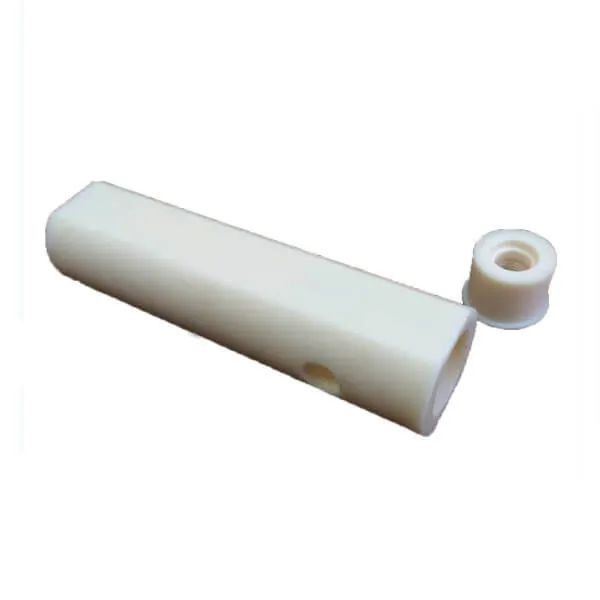
Acrylic Plastic Molding Manufacturer | Precision CNC Guide

Engineering Guide: Acrylic Plastic Molding

Engineering Insight Precision Imperatives in Acrylic Plastic Molding

Acrylic plastic molding demands exceptional precision engineering, far beyond standard thermoplastic processes. While acrylic offers optical clarity and structural versatility, its low thermal conductivity and high sensitivity to stress during cooling make dimensional stability and surface finish critically dependent on mold tooling accuracy. Minor deviations in mold geometry or thermal management directly manifest as internal stresses, warpage, or optical distortion in the final part—defects unacceptable in high-end applications like medical devices, aerospace components, or premium display systems. At Wuxi Lead Precision Machinery, we recognize that acrylic molding is fundamentally a metal tooling challenge. The mold’s thermal uniformity, cavity surface integrity, and alignment tolerances dictate success, requiring sub-micron machining capabilities typically reserved for aerospace-grade metal components.

Our expertise stems from decades of solving extreme precision problems for defense and Olympic projects. For the Beijing Winter Olympics, we engineered molds for crystal-clear acrylic display enclosures requiring 0.005mm flatness tolerance across 1.2-meter spans—achieving zero optical distortion under dynamic lighting. Similarly, military-grade sensor housings demanded CTE-matched mold inserts to prevent micro-cracking during rapid thermal cycling. These projects prove that acrylic molding precision hinges on the same metallurgical and kinematic rigor as cutting-edge metal manufacturing. Standard plastic molding shops often overlook how tool steel selection, cooling channel placement, and polishing techniques for acrylic must exceed ISO 2768-mK standards. A 0.002mm variation in cavity wall thickness can induce 15% higher residual stress, leading to catastrophic failure during post-molding machining or in-service use.

Wuxi Lead applies aerospace-grade metal fabrication discipline to acrylic mold construction. Below are non-negotiable parameters we enforce for critical acrylic components

Parameter Critical Value Engineering Impact
Mold Steel Grade H13 ESR (1.2344) Minimizes thermal distortion during 120+ cycle runs
Cavity Surface Finish SPI A1 (0.012µm Ra) Eliminates micro-hazing; critical for optical clarity
Thermal Stability ±0.5°C at 120°C Prevents sink marks and internal stress fractures
Alignment Tolerance ≤0.002mm per 100mm Ensures uniform wall thickness; avoids warpage
Cooling Channel Accuracy ±0.01mm positional Guarantees homogeneous solidification; reduces cycle time

This level of control transforms acrylic from a brittle liability into a high-performance engineering material. Our clients in semiconductor manufacturing and luxury retail rely on this precision for zero-defect production—where a single micron of variance can scrap $2,000 lens arrays or shatter brand trust in flagship displays. When your application demands acrylic that performs under stress, not just looks clear, partner with engineers who treat plastic molding as a metalcraft discipline. Wuxi Lead Precision Machinery delivers the thermal, geometric, and surface integrity required for mission-critical acrylic components—proven where perfection is non-negotiable.


Precision Specs & Tolerances

acrylic plastic molding manufacturing

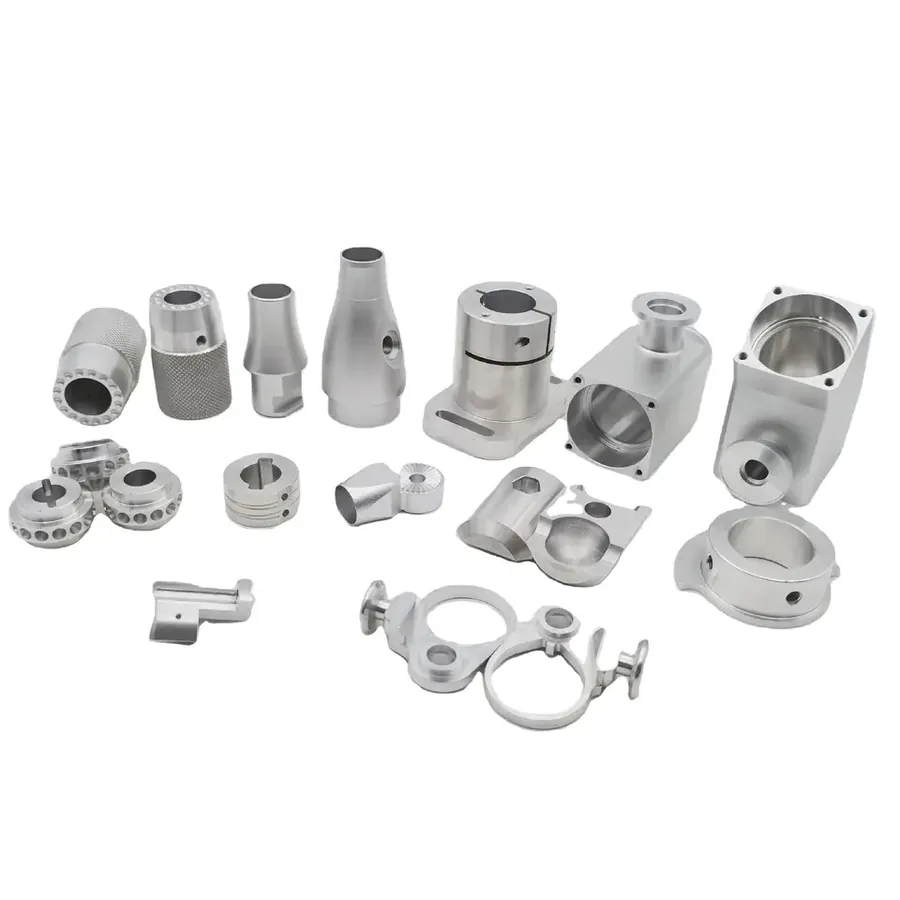
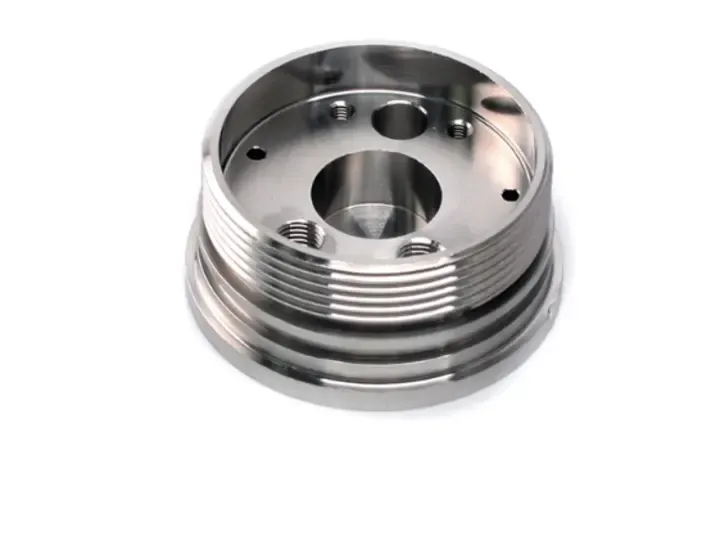
Wuxi Lead Precision Machinery delivers advanced technical capabilities in custom metal manufacturing, engineered to meet the rigorous demands of high-precision industries such as aerospace, medical devices, and advanced optics. Our expertise extends into specialized applications involving acrylic plastic molding, where dimensional accuracy, surface integrity, and material consistency are critical. Leveraging state-of-the-art 5-axis CNC machining centers, we produce complex geometries and tight-tolerance components that conventional molding techniques cannot achieve. This hybrid approach—combining precision CNC with controlled thermal forming and finishing processes—enables us to support clients requiring both prototyping and low-to-mid volume production of acrylic components with metal integration.

Our 5-axis CNC machining platforms provide full simultaneous motion control across all axes, allowing for single-setup machining of intricate 3D contours and undercuts. This capability is particularly advantageous for acrylic, where minimizing clamping forces and reducing residual stress are essential to avoid cracking or optical distortion. The machines operate with sub-micron repeatability and are equipped with high-speed spindles optimized for non-metallic materials, ensuring smooth surface finishes and precise edge definition. Advanced toolpath strategies and adaptive cutting parameters are employed to maintain thermal stability during machining, preventing localized melting or degradation of the acrylic substrate.

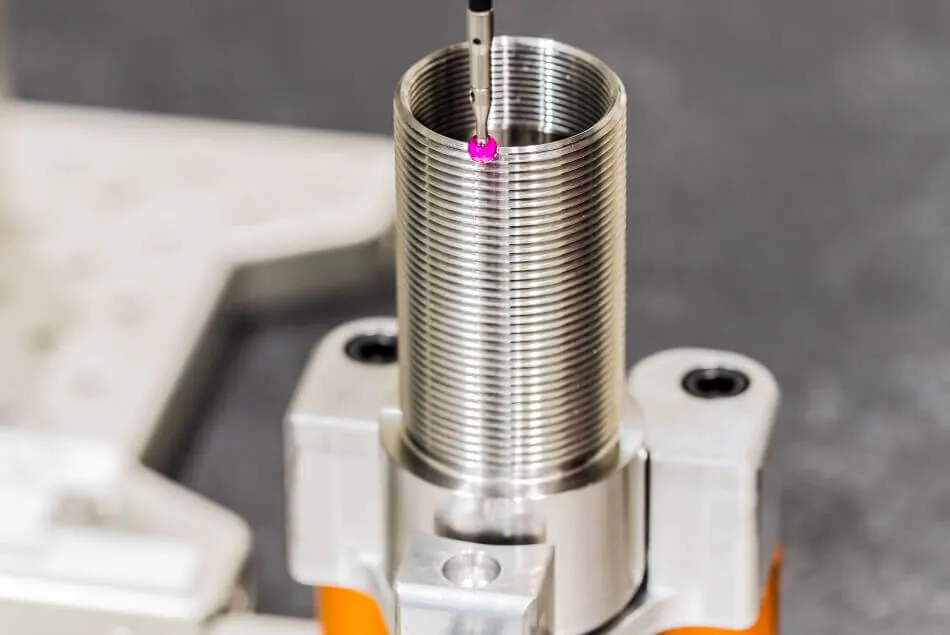
To ensure the highest level of quality assurance, every acrylic component undergoes comprehensive inspection using a Coordinate Measuring Machine (CMM) with tactile probing and optical scanning options. The CMM verifies geometric dimensions, form accuracy, and positional tolerances in full compliance with ISO 1101 and ASME Y14.5 standards. Data from each inspection is documented in a full traceability report, providing customers with verifiable proof of conformance. This metrology-backed quality process is integrated into our manufacturing workflow, enabling real-time adjustments and zero-defect delivery.

The following table outlines the standard technical specifications and achievable tolerances for acrylic plastic molding and machining operations at Wuxi Lead Precision Machinery:

Parameter Specification
Material Compatibility PMMA (acrylic), cast and extruded grades
Maximum Work Envelope 1200 mm × 800 mm × 600 mm
Positional Tolerance ±0.01 mm
Dimensional Tolerance ±0.05 mm (standard), ±0.025 mm (precision)
Surface Flatness 0.03 mm per 100 mm
Surface Finish (Ra) 0.8 – 3.2 µm (machined), polished options available
Edge Quality Burr-free, optically clear edges
Inspection Method CMM, optical comparator, laser scanning
Compliance Standards ISO 9001:2015, ISO 10110 (optical components)

All processes are supported by in-house engineering review, Design for Manufacturability (DFM) analysis, and material certification traceability. Wuxi Lead Precision Machinery is committed to delivering technically superior, fully validated acrylic components that meet the exacting needs of high-performance applications.


Material & Finish Options

acrylic plastic molding manufacturing

Material Selection for Acrylic Injection Molds: Metal Alloy & Finish Guidance

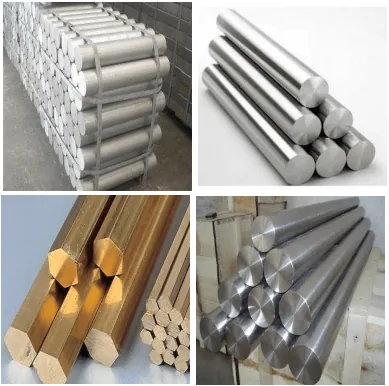
While acrylic is the molded polymer, the performance and longevity of your injection molds depend entirely on precise metal selection and surface engineering. At Wuxi Lead Precision Machinery, we engineer custom metal molds where material properties directly impact cycle time, part clarity, and tooling ROI. Aluminum, steel, and titanium each serve distinct roles in high-volume acrylic production, balancing thermal management, wear resistance, and cost. Choosing incorrectly risks part warpage, surface defects, or premature mold failure—especially critical for optical-grade acrylic requiring micron-level precision.

Key considerations include thermal conductivity for rapid cooling, hardness to resist abrasive acrylic additives, and corrosion resistance against residual monomers. Below is a comparative specification of industry-standard alloys we deploy for acrylic molding applications:

Material Thermal Conductivity (W/m·K) Hardness (HRC) Corrosion Resistance Typical Acrylic Application
Aluminum 7075-T6 130 15 Moderate Prototyping, low-volume optical parts
P20 Tool Steel 28–30 28–32 Good Medium-volume lighting lenses
Titanium 6Al-4V 7.2 36 Excellent High-corrosion medical/optical molds

Aluminum 7075-T6 excels in rapid prototyping due to its high thermal conductivity, reducing cycle times by 40% versus steel. However, its lower hardness limits use to under 100,000 cycles for non-abrasive acrylic grades. P20 steel remains the workhorse for production molds—offering balanced wear resistance and polishability for lenses or displays requiring <0.1µm surface finishes. For aggressive medical-grade acrylics with chemical additives, titanium 6Al-4V prevents pitting despite its lower thermal conductivity, though machining complexity increases cost.

Surface finish is non-negotiable for acrylic clarity. Anodizing aluminum molds is standard practice, but standard Type II anodizing risks micro-porosity that traps acrylic. We specify hardcoat Type III anodizing (50–75µm thickness) with post-sealing in nickel acetate. This creates a non-stick, pore-free barrier that extends mold life 3x while maintaining optical surface replication. For steel molds, electroless nickel plating with PTFE infusion achieves similar release properties without compromising dimensional stability. Titanium molds require specialized vapor polishing to eliminate micro-grooves that cause refractive defects in prismatic acrylic parts.

Always align material selection with your acrylic formulation’s processing temperature and abrasive filler content. At Wuxi Lead, we conduct thermal simulation analysis during mold design to match metal properties to your specific resin—ensuring zero sink marks and consistent light transmission. Contact our engineering team to optimize your alloy and finish strategy for acrylic molding efficiency.


Manufacturing Process & QC

acrylic plastic molding manufacturing

Design Phase: Precision Engineering for Acrylic Plastic Molding

At Wuxi Lead Precision Machinery, the acrylic plastic molding process begins with an advanced design phase grounded in precision engineering and material science. Our team collaborates closely with clients to translate conceptual requirements into technically feasible designs. Utilizing CAD/CAM software such as SolidWorks, AutoCAD, and Siemens NX, we develop 3D models that account for material behavior, thermal expansion, and mold flow dynamics specific to acrylic (PMMA). Finite Element Analysis (FEA) is applied to simulate stress points, ensuring optimal wall thickness and structural integrity. Design for Manufacturability (DFM) reviews are conducted to eliminate potential defects such as sink marks, warping, or flow lines. This phase establishes the foundation for zero-defect production by aligning design accuracy with manufacturing capability.

Prototyping: Validation and Iterative Refinement

Following design finalization, we move into the prototyping stage using high-precision CNC-machined molds or rapid tooling techniques. Prototypes are produced under near-production conditions to validate form, fit, and function. Acrylic’s sensitivity to temperature and pressure demands strict control during injection or compression molding, which we achieve through closed-loop monitoring systems. Each prototype undergoes rigorous metrological inspection using coordinate measuring machines (CMM) and optical comparators to verify dimensional accuracy within ±0.02 mm. Any deviations trigger immediate design or process adjustments. This iterative validation ensures that the final mold design is optimized for consistency, surface finish, and optical clarity—critical for high-end applications in medical, automotive, and consumer electronics sectors.

Mass Production: Automation and Zero-Defect Assurance

With prototype approval, we transition to full-scale production using automated molding cells integrated with real-time quality assurance systems. Our molding machines operate under tightly controlled parameters, including melt temperature (typically 230–270°C for acrylic), injection speed, and cooling cycles. Each production run is monitored via IoT-enabled sensors that detect anomalies in pressure, temperature, or cycle time, triggering automatic alerts or shutdowns to prevent defect propagation. In-line vision systems inspect every part for surface defects, ensuring optical-grade clarity. All molds are maintained under a preventive maintenance schedule to sustain precision over high-volume runs. Traceability is maintained through batch coding and digital logs, enabling full audit trails.

Key Production Specifications

Parameter Specification
Material Acrylic (PMMA), optical grade
Tolerance ±0.02 mm
Surface Finish SPI-S1 (high gloss), Ra < 0.8 µm
Production Capacity Up to 500,000 units/month
Mold Life 100,000+ cycles (steel molds, hardened)
Quality Standards ISO 9001:2015, PPAP, First Article Inspection
Lead Time (Mass Production) 4–6 weeks from mold approval

Wuxi Lead Precision Machinery ensures zero-defect outcomes through integrated design validation, precision tooling, and closed-loop manufacturing control—delivering acrylic components that meet the highest standards of performance and aesthetics.


Why Choose Wuxi Lead Precision

Partner with Lead Precision for Uncompromised Acrylic Plastic Molding Excellence

Acrylic plastic molding demands exceptional precision to achieve optical clarity, dimensional stability, and structural integrity—qualities non-negotiable in aerospace, medical, and high-end consumer applications. Generic suppliers often fail to control warpage, internal stress, or surface finish, leading to costly rework or field failures. At Wuxi Lead Precision Machinery, we engineer solutions where standard processes fall short. Our integrated approach combines advanced CNC-controlled molding with metrology-grade validation, ensuring every component meets the exacting standards of global innovators. We transform complex acrylic designs from concept to certified production, eliminating the guesswork that plagues conventional molding partnerships.

Why Partner With Lead Precision?
We specialize in the intersection of metal and polymer manufacturing, leveraging 15+ years of precision engineering to solve acrylic’s unique challenges. Unlike competitors reliant on off-the-shelf tooling, our in-house R&D team develops custom molds with thermal dynamics optimized for acrylic’s sensitivity. This prevents sink marks, residual stress, and refractive inconsistencies. Every part undergoes real-time cavity pressure monitoring and post-mold annealing in climate-controlled chambers, guaranteeing ±0.005mm tolerances and 99.5% light transmission retention. Our facility operates under ISO 9001-certified processes, with traceability from raw material batch to final inspection report.

Technical Capabilities for Acrylic Molding

Specification Performance Standard Verification Method
Dimensional Tolerance ±0.005 mm CMM (Zeiss METROTOM 800)
Surface Finish (Ra) 0.05 µm – 0.2 µm Profilometer (Mitutoyo SJ-410)
Optical Clarity ≥99.5% light transmission Spectrophotometer (Lambda 950)
Cycle Time Precision ±0.5 seconds Moldflow Simulation + IoT Sensors
Max Part Weight 2.5 kg Hydraulic Press (1,200T)

Our clients trust us because we deliver beyond specifications. When a Tier 1 medical device manufacturer required hermetically sealed acrylic housings with zero birefringence, we redesigned their cooling channels and implemented sequential valve gating—reducing scrap rates by 78%. For an aerospace client, we achieved Class 100 cleanroom molding of cockpit displays, meeting AS9100D requirements on first article submission. These outcomes stem from our obsession with material science: we test acrylic grades under simulated operational stress (UV exposure, thermal cycling, chemical resistance) before tooling cuts a single chip.

Your project demands a partner who treats acrylic not as a commodity, but as a performance-critical material. Submit your CAD file to [email protected] for a free tolerance analysis and mold flow simulation. Our engineering team will respond within 24 hours with actionable insights—no generic quotes, only data-driven solutions. Let us prove why global leaders in precision manufacturing choose Lead Precision for acrylic molding where failure is not an option. Contact [email protected] today to begin the partnership that delivers certainty.


⚙️ Precision Cost Estimator

Estimate relative manufacturing effort based on tolerance.

Acrylic Plastic Molding Manufacturer | Precision CNC Guide

Contents of Table

Contact [email protected] Whatsapp 86 15951276160