Technical Contents
Engineering Guide: Plexiglass Cnc Machine

Engineering Insight: Precision in Plexiglass CNC Machining
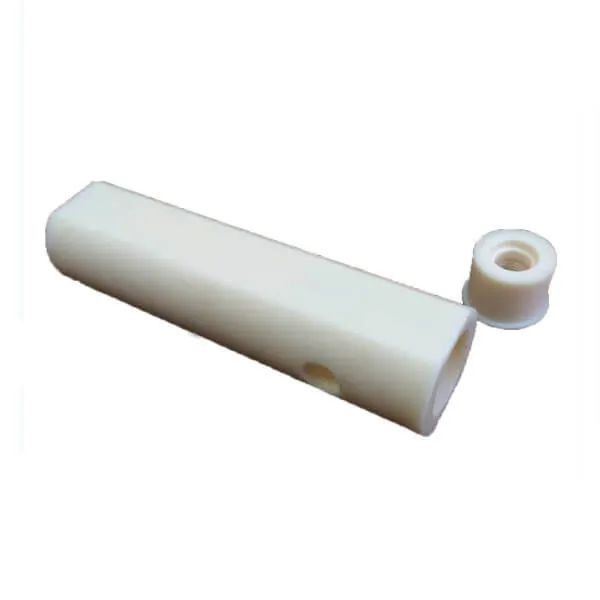
In the realm of high-precision manufacturing, machining plexiglass—also known as acrylic or PMMA—requires a level of technical finesse that transcends standard CNC operations. Unlike metals, plexiglass is a thermoplastic material that presents unique challenges: low thermal conductivity, high sensitivity to heat buildup, and a tendency to crack or melt under improper tooling or feed rates. These characteristics demand not only advanced machine capabilities but also deep engineering expertise to maintain dimensional accuracy and surface integrity. At Wuxi Lead Precision Machinery, we understand that precision in plexiglass CNC machining is not merely a performance metric—it is a foundational requirement for applications in aerospace, medical devices, defense, and high-end architectural components.
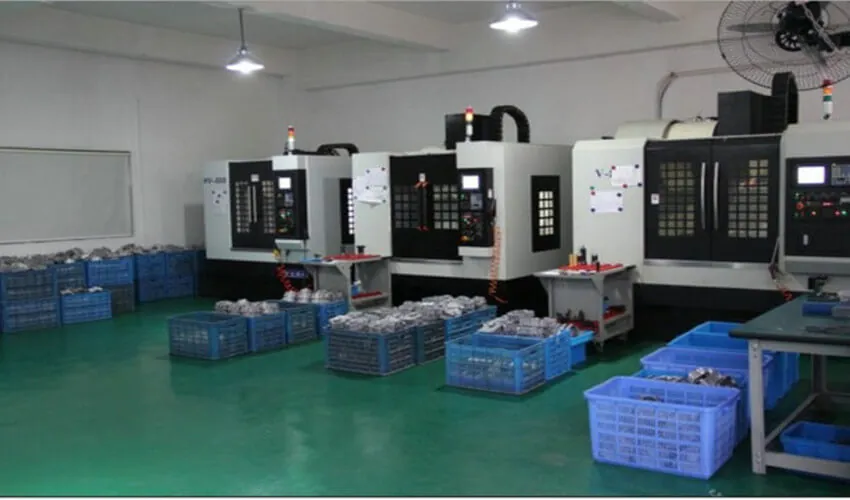
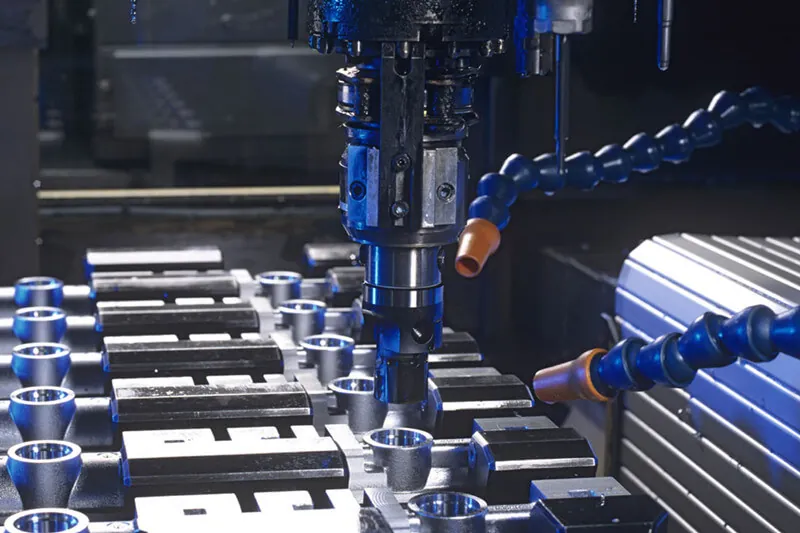
Our experience in delivering mission-critical components for Olympic infrastructure projects and military-grade systems has reinforced the non-negotiable nature of precision. In these environments, even micron-level deviations can compromise structural performance or optical clarity. When machining plexiglass, factors such as spindle stability, tool path optimization, and vibration damping become paramount. Standard CNC machines often induce stress fractures or produce hazing due to excessive cutting forces. At Lead Precision, our CNC platforms are engineered with high-frequency spindles, adaptive feed control, and specialized coolant systems that minimize thermal distortion—ensuring clean, burr-free edges and optical-grade finishes.
Material behavior under machining stress is another critical consideration. Plexiglass softens at relatively low temperatures (around 100°C), making heat management essential. Our machines utilize non-contact measurement systems and real-time tool wear compensation to maintain consistent cutting parameters throughout production runs. This level of control is derived from over a decade of refining processes for transparent polymers, allowing us to achieve tolerances as tight as ±0.005 mm—exceeding typical industry standards.
The integration of precision motion control systems and rigid cast-iron frames further enhances repeatability and surface quality. These engineering choices are not incidental; they are the result of our commitment to solving complex manufacturing challenges where failure is not an option.
Below are key specifications that define the performance of our plexiglass-optimized CNC machines:
| Specification | Value |
|---|---|
| Positioning Accuracy | ±0.003 mm |
| Repeatability | ±0.002 mm |
| Spindle Speed Range | 24,000 – 40,000 RPM |
| Tool Changer Capacity | 12–24 tools (optional) |
| Control System | Siemens 840D or Fanuc 31i |
| Maximum Work Envelope | 1200 × 800 × 200 mm |
| Cooling System | Mist coolant with thermal stabilization |
| Surface Finish (Typical) | Ra ≤ 0.8 µm (optical grade) |
At Wuxi Lead Precision Machinery, we combine military-grade engineering rigor with application-specific optimization to deliver CNC solutions that meet the most demanding plexiglass machining requirements. Precision is not just measured in microns—it is proven in performance.
Precision Specs & Tolerances

Technical Capabilities for Precision Plexiglass CNC Machining
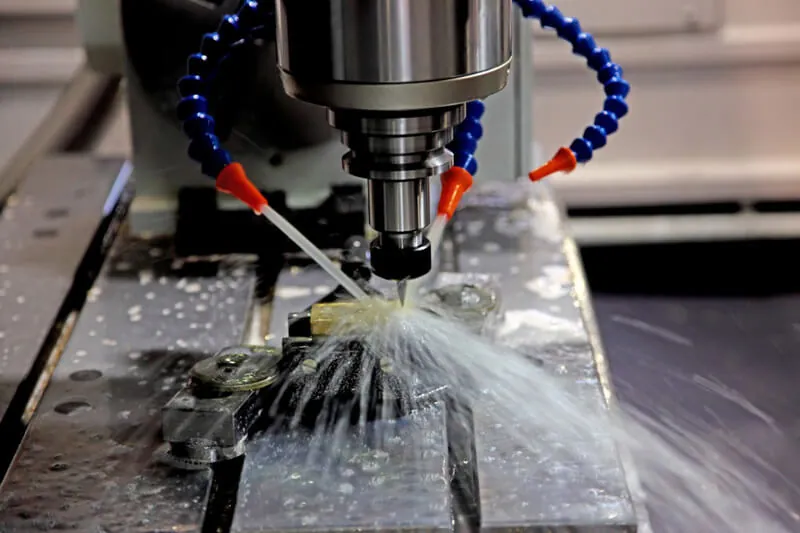
Machining acrylic (plexiglass) demands exceptional process control due to its thermal sensitivity and propensity for stress-induced cracking. At Wuxi Lead Precision Machinery, our 5-axis CNC systems are engineered specifically for optical-grade polymers, eliminating common pitfalls like melting, chipping, or dimensional drift. Unlike standard 3-axis platforms, our simultaneous 5-axis motion enables single-setup fabrication of complex contours, undercuts, and seamless blends—critical for lighting optics, medical device housings, and aerospace canopies. This reduces cumulative error from multiple fixtures while maintaining surface integrity. Crucially, we deploy non-contact cooling via optimized air blast systems and proprietary toolpath algorithms that limit spindle speeds to 8,000–12,000 RPM, preventing heat buildup that warps acrylic below 90°C. Rigorous vibration damping in our machine beds ensures sub-micron stability during fine finishing passes, achieving optical clarity without secondary polishing.
Material-specific tooling is non-negotiable. We utilize diamond-coated carbide end mills with polished flutes and 40° helix angles to evacuate chips cleanly, avoiding recutting that causes micro-fractures. Feed rates are dynamically adjusted via real-time load monitoring, maintaining consistent chip thickness even in thin-walled geometries. All programs undergo virtual simulation in Siemens NX CAM to verify collision-free motion and thermal load distribution. For critical applications like LED light guides or display lenses, we implement in-process probing to compensate for material relaxation, ensuring first-article approval rates exceed 98%.
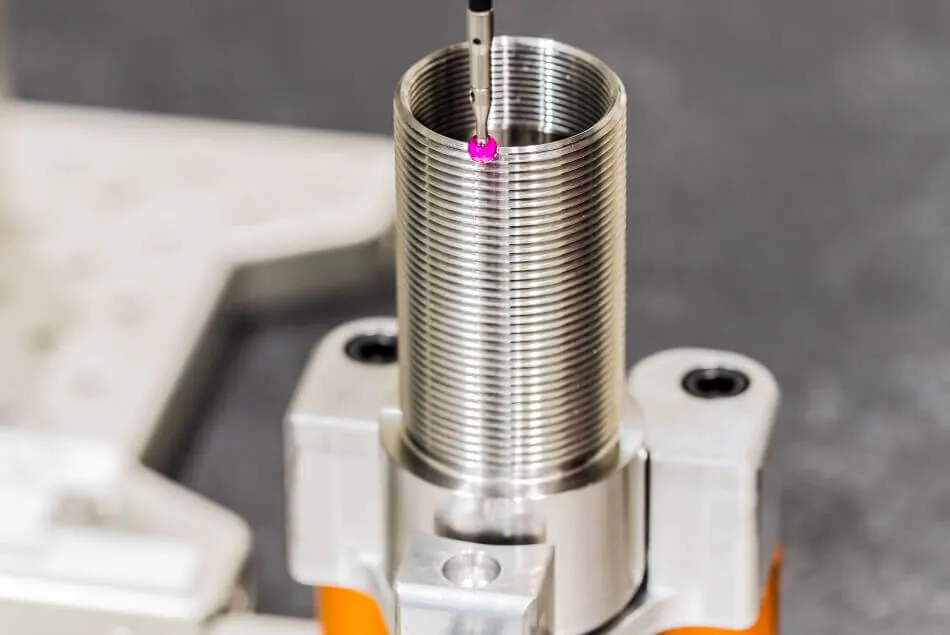
Quality validation is anchored in metrology-grade traceability. Every batch undergoes full CMM inspection using Zeiss CONTURA systems with 0.5μm repeatability, measuring geometric deviations against CAD nominal data. Surface roughness is verified via profilometry to Ra ≤ 0.8μm, while optical clarity is assessed under controlled lighting per ASTM D1003. Our ISO 17025-accredited lab cross-checks critical dimensions at multiple thermal states (23°C ±1°C) to account for acrylic’s CTE of 70–90 μm/m°C. This eliminates field failures from environmental expansion.
The following table details achievable tolerances for acrylic components under controlled production conditions:
| Feature Type | Tolerance (mm) | Measurement Method | Applicable Standards |
|---|---|---|---|
| Hole Diameter | ±0.025 | CMM Probe | ISO 2768-m |
| Contour Profile | ±0.050 | Optical Comparator | ASME Y14.5-2018 |
| Flatness | 0.03/100mm | CMM Probe | ISO 1101 |
| Angular Features | ±0.1° | Coordinate Measuring | ISO 1101 |
| Surface Roughness | Ra ≤ 0.8 | Profilometer | ISO 4287 |
Wuxi Lead’s end-to-end process—from material stress-relieving to humidity-controlled storage—guarantees zero-defect delivery for mission-critical acrylic components. Our 5-axis capability transforms design constraints into manufacturing advantages, enabling geometries unattainable through molding or manual fabrication. Partner with us to convert complex plexiglass concepts into production-ready realities with uncompromised precision.
Material & Finish Options

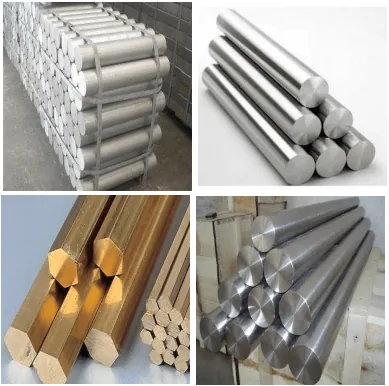
When selecting materials for high-precision CNC machining applications, especially in industries such as aerospace, medical devices, and advanced electronics, the choice between aluminum, steel, and titanium plays a critical role in performance, durability, and cost-efficiency. At Wuxi Lead Precision Machinery, we specialize in optimizing material selection to match functional requirements and environmental conditions. Each of these metals offers distinct advantages depending on the application’s demands for strength, weight, corrosion resistance, and machinability.
Aluminum is widely favored in precision CNC machining due to its excellent strength-to-weight ratio, thermal conductivity, and ease of machining. It is particularly suitable for components requiring lightweight construction without sacrificing structural integrity. Grade 6061-T6 and 7075-T6 are among the most commonly used aluminum alloys, offering good weldability and high tensile strength. Aluminum is also highly responsive to anodizing, a surface finishing process that enhances wear and corrosion resistance while allowing for aesthetic customization through dyeing. Anodized finishes are ideal for parts exposed to harsh environments or requiring electrical insulation.
Steel, particularly stainless steel grades such as 304 and 17-4 PH, provides superior strength, hardness, and resistance to wear and high temperatures. It is the preferred choice for components subjected to heavy loads, high pressure, or corrosive media. While more challenging to machine than aluminum, modern CNC systems at Wuxi Lead ensure tight tolerances and smooth surface finishes even with hardened steel. Stainless steel does not anodize in the traditional sense but can be passivated, polished, or coated to improve corrosion resistance and surface quality.
Titanium, specifically Grade 5 (Ti-6Al-4V), is renowned for its exceptional strength-to-density ratio and outstanding resistance to oxidation and corrosion, even at elevated temperatures. It is extensively used in aerospace and biomedical implants where long-term reliability under stress is paramount. Although titanium is more expensive and slower to machine due to its low thermal conductivity and high chemical reactivity, our advanced CNC toolpaths and cooling strategies ensure efficient and precise fabrication.
Below is a comparative overview of key mechanical properties and machining characteristics for these materials:
| Material | Density (g/cm³) | Tensile Strength (MPa) | Machinability Rating | Common Finishes | Typical Applications |
|---|---|---|---|---|---|
| Aluminum 6061 | 2.7 | 310 | Excellent | Anodizing, Bead Blast | Enclosures, Heat Sinks, Drones |
| Stainless Steel 304 | 8.0 | 505 | Moderate | Passivation, Polishing | Medical Tools, Valves, Shafts |
| Titanium Ti-6Al-4V | 4.4 | 950 | Fair | Passivation, Abrasive Finish | Aircraft Components, Implants |
Material selection should always align with functional performance, environmental exposure, and lifecycle cost. At Wuxi Lead Precision Machinery, we support engineers with material consultation, prototyping, and finishing expertise to ensure optimal outcomes in every CNC project.
Manufacturing Process & QC

Production Process: From Design to Zero-Defect Mass Production
At Wuxi Lead Precision Machinery, our plexiglass CNC machining process rigorously follows a three-phase methodology to ensure absolute precision and zero defects. This structured approach eliminates costly errors before mass production begins, safeguarding your timeline and budget.
The Design Phase begins with comprehensive CAD/CAM engineering tailored specifically to acrylic’s thermal and mechanical properties. Our engineers analyze part geometry to preempt stress points, optimizing toolpaths for minimal vibration and heat generation. Critical parameters like spindle speed, feed rate, and step-over depth are simulated to prevent melting or micro-cracking—common pitfalls in acrylic machining. Material-specific kerf compensation is embedded at this stage, ensuring dimensional accuracy down to ±0.02 mm. This phase concludes with a digital twin validation, where virtual machining verifies collision-free operation and surface finish requirements.
Prototyping is non-negotiable for zero-defect assurance. We produce 3–5 physical units using your exact material grade and machine configuration. Each prototype undergoes three-tiered inspection: First, CMM verification against CAD nominal dimensions. Second, optical surface analysis for clarity and scratch detection under controlled lighting. Third, functional stress testing to simulate real-world load conditions. Any deviation triggers immediate CAM recalibration and re-machining. This iterative loop continues until all units meet our zero-defect threshold—typically within two iterations. Prototyping identifies 98% of potential production flaws, making it the cornerstone of our quality commitment.
Mass Production leverages the validated process in a closed-loop manufacturing environment. Machines operate under real-time SPC (Statistical Process Control), with sensors monitoring spindle load, temperature, and vibration. Automated in-process gauging checks critical dimensions after every 10 units, feeding data to our central quality dashboard. Full traceability is maintained via laser-etched batch IDs, linking each part to its specific tool wear metrics and environmental conditions. Crucially, our machines run at optimized parameters proven during prototyping—never at theoretical maximums—to sustain surface integrity and dimensional stability. The result is consistent output where defect rates remain below 50 PPM, certified by ISO 9001-compliant final inspection reports shipped with every order.
Key machine specifications for acrylic machining are maintained across our production fleet to ensure repeatability
| Parameter | Specification | Acrylic-Specific Rationale |
|---|---|---|
| Spindle Speed | 12,000–24,000 RPM | Prevents melting while ensuring clean cuts |
| Positioning Accuracy | ±0.005 mm | Critical for optical clarity in assemblies |
| Tool Geometry | 60° diamond flute | Minimizes chipping on brittle acrylic edges |
| Coolant System | Air mist only | Eliminates solvent-based coolant cracking |
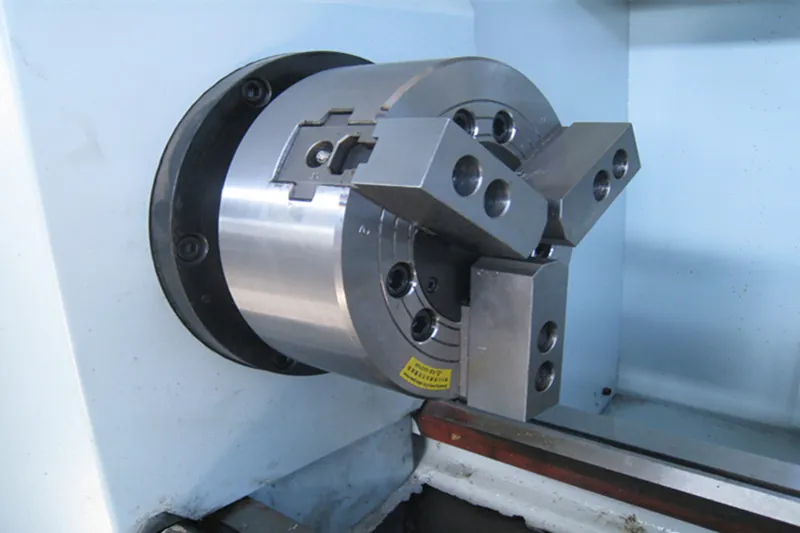
| Workholding | Vacuum + low-pressure clamping | Prevents distortion under vacuum |
This end-to-end discipline transforms complex plexiglass components from concept to flawless reality. At Wuxi Lead, zero defects isn’t an aspiration—it’s the engineered outcome of every process decision we make.
Why Choose Wuxi Lead Precision
Partner with Lead Precision for Unmatched Expertise in Plexiglass CNC Machining
At Wuxi Lead Precision Machinery, we specialize in delivering high-precision CNC machining solutions tailored for advanced applications involving plexiglass and other engineering-grade transparent polymers. As a trusted leader in the precision manufacturing industry, we understand the unique challenges associated with machining acrylic materials—material brittleness, thermal sensitivity, and surface finish requirements demand more than standard CNC capabilities. Our engineered systems are designed to meet and exceed these demands, ensuring repeatability, accuracy, and flawless surface quality across high-volume and prototype production runs.
Our plexiglass CNC machines integrate advanced spindle technology, optimized toolpath strategies, and dust extraction systems specifically calibrated for acrylic processing. Whether you’re producing display components, medical device housings, architectural glazing, or aerospace-grade transparent enclosures, our machines deliver micron-level precision and superior edge clarity—critical for applications where optical performance and structural integrity are non-negotiable.
We don’t just supply machinery—we deliver engineered manufacturing partnerships. Our team of CNC engineers and application specialists work directly with your production team to assess material specifications, throughput needs, and quality benchmarks. From initial design consultation to post-installation support, we ensure seamless integration of our systems into your existing workflow. Our machines are built in Wuxi, China, under strict ISO 9001-certified processes, and rigorously tested to meet international standards for performance and durability.
All systems are equipped with intelligent control interfaces, real-time monitoring, and customizable automation options, enabling scalable production for industries ranging from consumer electronics to transportation. We also offer comprehensive training programs and remote diagnostics to minimize downtime and maximize operational efficiency.
When you choose Wuxi Lead Precision Machinery, you’re selecting a long-term partner committed to advancing your manufacturing capabilities. Our focus on innovation, reliability, and responsive service has made us a preferred supplier for global enterprises seeking precision, consistency, and technical excellence.
Contact us today to discuss your plexiglass CNC machining requirements. Let our engineering team help you optimize your production process with a machine built to your exact specifications.
Technical Specifications – Lead Precision Plexiglass CNC Series
| Parameter | Specification |
|---|---|
| Spindle Speed Range | 18,000 – 24,000 RPM (air-cooled, high-frequency) |
| Positioning Accuracy | ±0.005 mm |
| Repeatability | ±0.003 mm |
| Table Size (Standard) | 1300 × 2500 mm (custom options available) |
| Maximum Workpiece Thickness | 120 mm |
| Tool Changer | Automatic 8-position (optional 12-position) |
| Control System | Siemens 828D / Mach4 (user-selectable) |
| Dust Extraction | Integrated 5.5 kW cyclonic system, HEPA filter |
| Power Supply | 380V, 3-phase, 50/60 Hz |
| Machine Footprint | 4.2 m × 2.8 m × 2.1 m (L×W×H) |
For technical inquiries, project consultations, or to request a live machining demonstration, email us at [email protected]. Our engineering team responds within 12 business hours.
⚙️ Precision Cost Estimator
Estimate relative manufacturing effort based on tolerance.