Technical Contents
Engineering Guide: Metal Casting Molds For Sale

Engineering Insight: The Critical Role of Precision in Metal Casting Molds for Sale
In the realm of custom metal manufacturing, the performance and longevity of metal casting molds are directly tied to the precision with which they are engineered and produced. At Wuxi Lead Precision Machinery, we understand that even the smallest deviation in mold geometry can lead to significant defects in cast components—ranging from dimensional inaccuracies to structural weaknesses. This is especially critical in high-stakes industries such as aerospace, defense, and advanced energy systems, where component failure is not an option.
Precision in metal casting molds begins with advanced CAD/CAM modeling and extends through every phase of production, including material selection, CNC machining, heat treatment, and surface finishing. Our engineering team employs multi-axis machining centers capable of tolerances within ±0.005 mm, ensuring that every cavity, runner, and ejection system aligns perfectly with the client’s design intent. Such tight control is not merely a technical achievement—it is a necessity for achieving repeatable, high-integrity castings in aluminum, steel, and specialty alloys.
Our expertise is proven through decades of delivering mission-critical tooling for clients in defense and large-scale infrastructure projects, including components used in Olympic-grade sports engineering systems and military-grade vehicle subsystems. These applications demand not only dimensional accuracy but also thermal stability and resistance to mechanical fatigue under extreme conditions. Our molds are designed with optimized cooling channels and stress-relieved tool steels to ensure consistent performance over thousands of cycles.
Beyond precision, we emphasize customization. Every mold we produce is tailored to the specific alloy, casting process (gravity, die, or low-pressure), and production volume requirements of our clients. This holistic approach ensures maximum efficiency, minimal scrap rates, and extended tool life—key factors in reducing the total cost of ownership for our customers.
At Wuxi Lead Precision Machinery, we treat every mold not as a commodity, but as a high-performance system integral to our clients’ manufacturing success. When sourcing metal casting molds for sale, buyers must look beyond initial cost and evaluate the engineering rigor behind the product. Precision is not an add-on—it is the foundation.
Typical Mold Specifications at Wuxi Lead Precision Machinery
| Parameter | Specification Range |
|---|---|
| Dimensional Tolerance | ±0.005 mm to ±0.02 mm |
| Surface Finish (RA) | 0.2 µm to 1.6 µm |
| Tool Steel Grades | H13, S7, 420 Stainless, P20, Custom |
| Cooling Channel Design | Conformal or Straight, CNC Drilled |
| Maximum Mold Size | 2,500 mm × 1,800 mm × 1,200 mm |
| Production Cycle Life | 50,000 to 200,000 cycles (varies by alloy) |
| Machining Equipment | 5-Axis CNC, Wire EDM, High-Speed Milling |
| Quality Assurance | CMM Inspection, Hardness Testing, 3D Scanning |
Precision Specs & Tolerances

Advanced Technical Capabilities for Precision Metal Casting Molds
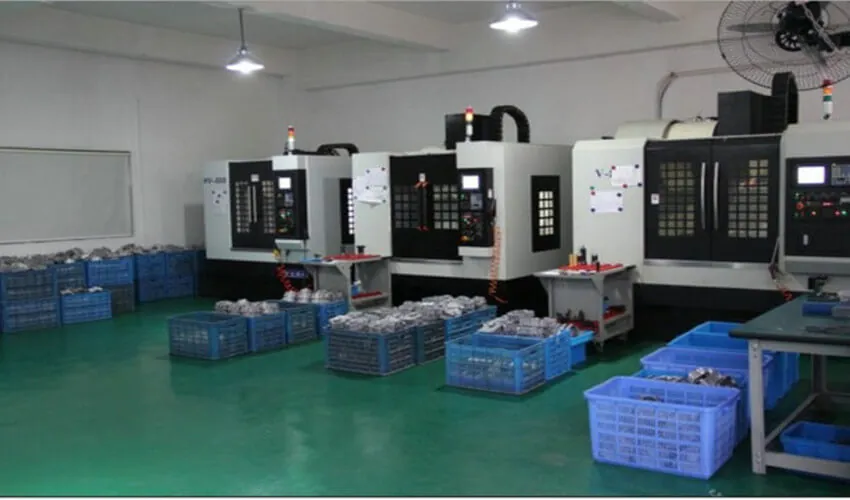
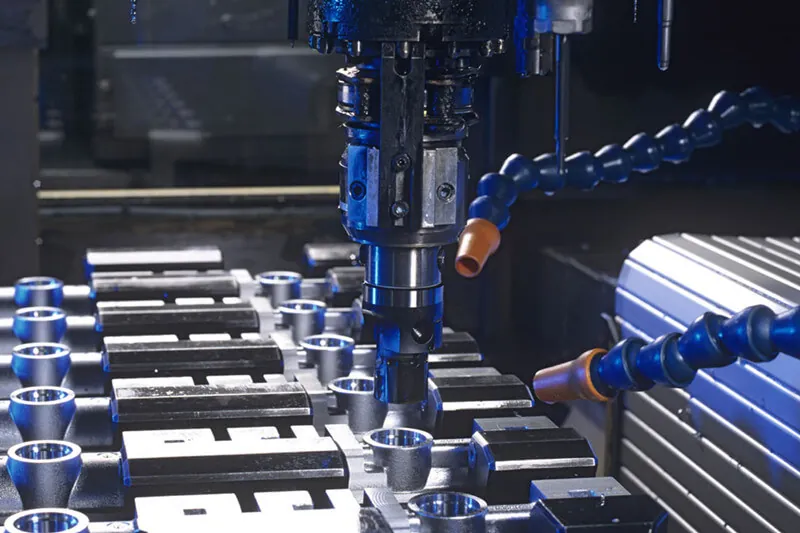
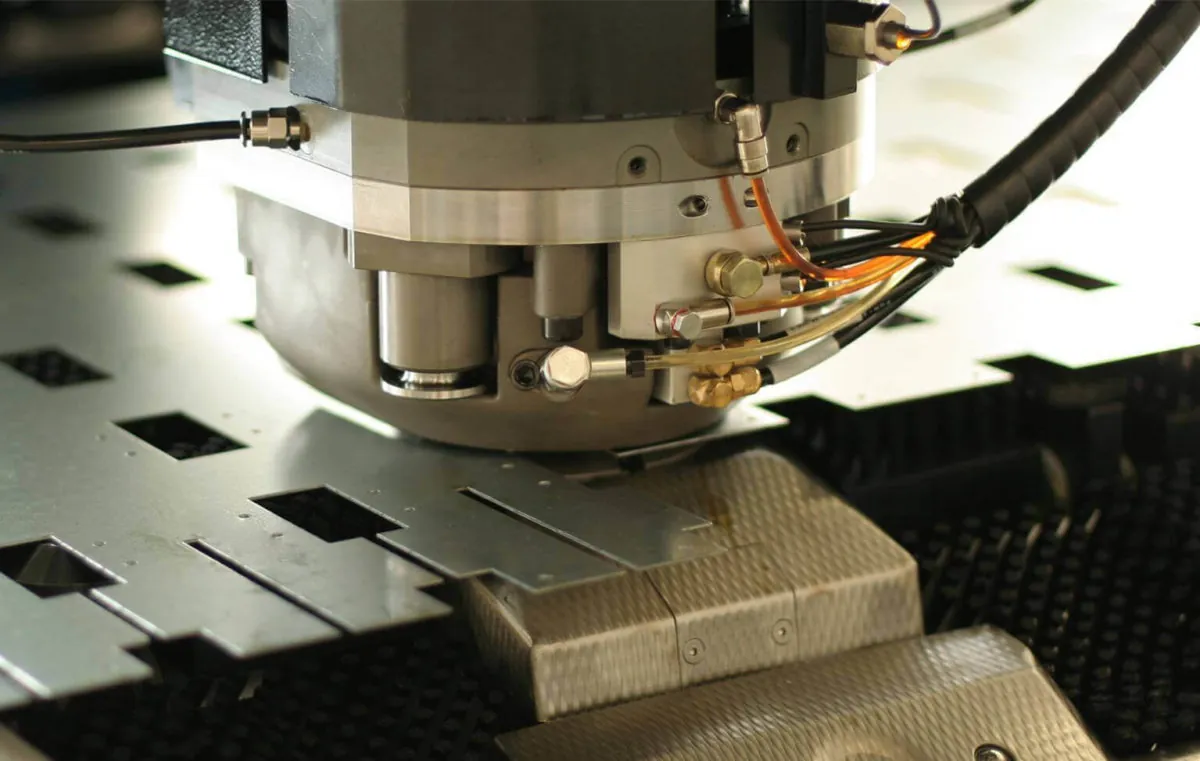
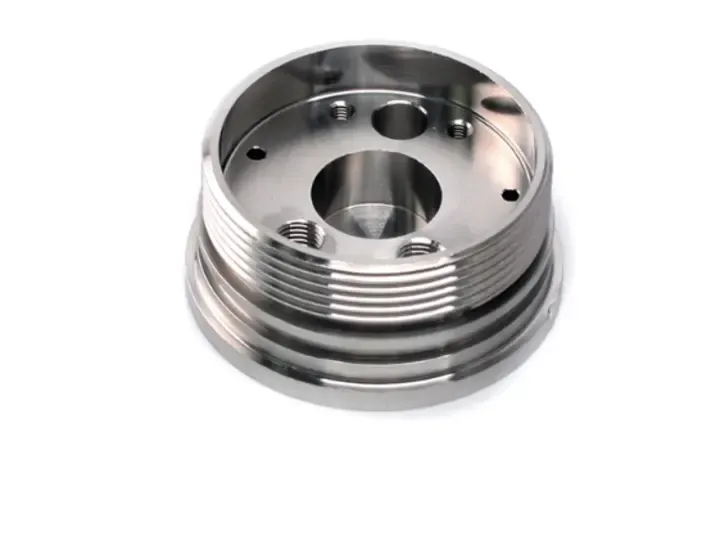
Wuxi Lead Precision Machinery delivers exceptional technical execution for custom metal casting mold production, leveraging integrated advanced manufacturing systems. Our core strength lies in the strategic deployment of 5-axis CNC machining centers, enabling the creation of highly complex mold cavities, cores, and intricate gating systems with unparalleled accuracy. This capability is essential for producing molds that meet the demanding geometric requirements of modern investment, die, and sand casting processes, particularly for aerospace, medical, and high-performance automotive components. Unlike conventional 3-axis systems, our 5-axis technology allows for single-setup machining of complex contours and undercuts, significantly reducing cumulative error, improving surface finish consistency, and ensuring perfect feature alignment critical for mold longevity and casting quality.
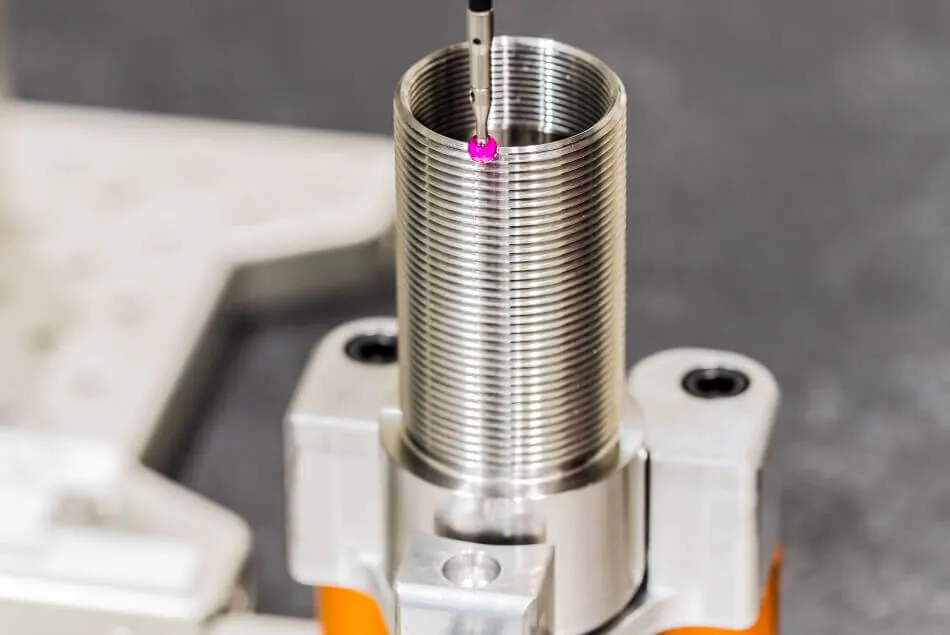
Rigorous quality control is non-negotiable in mold manufacturing. Every critical dimension and surface geometry undergoes comprehensive verification using state-of-the-art Coordinate Measuring Machines (CMM). Our Zeiss and Hexagon CMM systems provide micron-level measurement certainty across the entire mold assembly, validating dimensional integrity against the original CAD model. This systematic inspection process extends beyond final part verification; we implement in-process checks during machining stages to proactively identify and correct any potential deviations, ensuring consistent conformance from the first article through full production. We understand that mold precision directly dictates casting yield and secondary machining costs; our QC protocols are designed to eliminate costly rework and production delays for our clients.
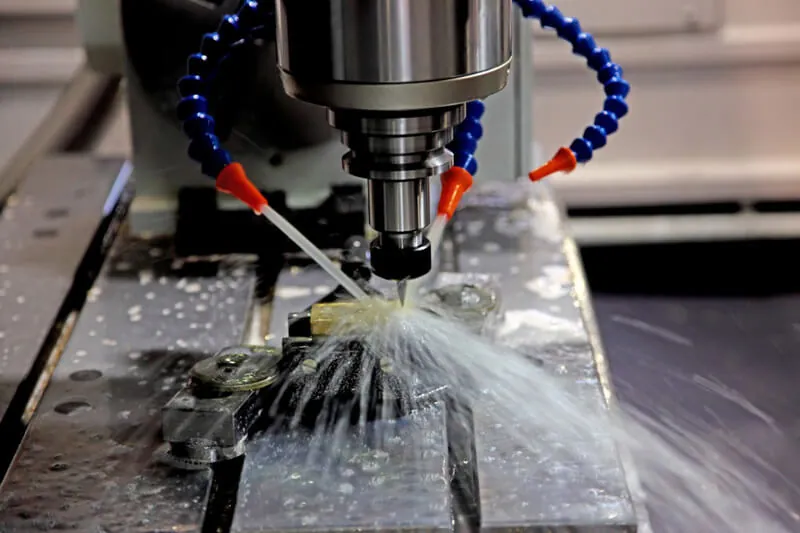
Material selection and thermal management during machining are equally critical to our process. We possess deep expertise in machining challenging mold alloys including H13 tool steel, P20, 420 stainless steel, and specialized nickel-based superalloys. Our engineers meticulously optimize cutting parameters, toolpath strategies, and coolant application to minimize thermal distortion and residual stress, preserving the material’s metallurgical properties and ensuring dimensional stability throughout the mold’s operational life. This holistic approach guarantees molds that maintain tight tolerances over thousands of casting cycles.
The following table details our standard achievable tolerances for critical mold features, reflecting our commitment to precision engineering:
| Feature Type | Standard Tolerance (Metric) | Standard Tolerance (Imperial) | Critical Application Notes |
|---|---|---|---|
| Core/Cavity Profile | ± 0.005 mm | ± 0.0002 in | Complex contours, sealing surfaces |
| Core Pin Location | ± 0.008 mm | ± 0.0003 in | Multi-cavity alignment, ejection systems |
| Parting Line Flatness | 0.010 mm / 100 mm | 0.0004 in / 4 in | Critical for preventing flash, mold sealing |
| General Surface Finish | Ra 0.4 µm (16 µin) | Ra 16 µin | As-machined, excluding polished cavities |
| Critical Hole Diameter | +0.005 / -0.000 mm | +0.0002 / -0.0000 in | Core pin bores, alignment sleeves |
This precision foundation, combined with our stringent material traceability and documented process controls, ensures Wuxi Lead molds consistently deliver the dimensional integrity required for high-yield, high-quality metal casting production. We partner with clients to define and exceed specific tolerance requirements based on casting process and end-part functionality.
Material & Finish Options

Material Selection for High-Performance Metal Casting Molds
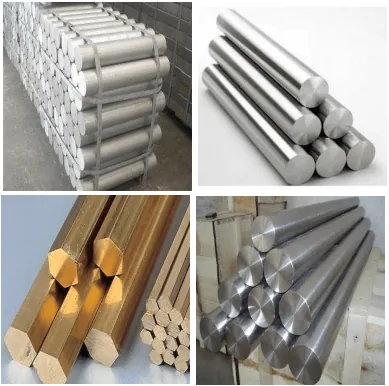
Selecting the appropriate material for metal casting molds is critical to achieving optimal performance, longevity, and cost-efficiency in high-volume or precision manufacturing environments. At Wuxi Lead Precision Machinery, we specialize in custom-engineered casting molds tailored to the exact thermal, mechanical, and dimensional demands of your production process. Among the most widely used materials are aluminum, steel, and titanium—each offering distinct advantages depending on application requirements.
Aluminum is favored for low to medium-volume production runs due to its excellent thermal conductivity and lightweight properties. It allows for faster cooling cycles, reducing cycle times and increasing throughput in die casting applications. Aluminum molds are easier to machine, which reduces lead time and tooling costs. However, they are less durable under high-pressure or high-temperature conditions, making them less suitable for long production runs involving ferrous metals.
Steel, particularly tool steel and hardened alloys, provides superior strength, wear resistance, and thermal stability. It is the preferred choice for high-volume casting operations, especially when working with materials such as iron, brass, or high-melting-point alloys. Steel molds maintain dimensional accuracy over thousands of cycles and resist deformation under extreme thermal cycling. While the initial machining cost is higher and lead times are longer, the extended service life often justifies the investment in demanding industrial applications.
Titanium stands at the premium end of mold material selection, offering exceptional strength-to-density ratio and corrosion resistance. Though less common due to high material and machining costs, titanium molds are ideal for specialized aerospace or medical applications where weight reduction, oxidation resistance, and performance under extreme conditions are paramount. Titanium’s low thermal conductivity requires careful process design but delivers unmatched durability in corrosive or high-stress environments.
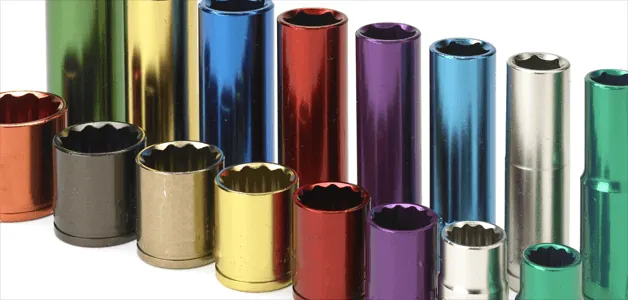
Surface finish plays a pivotal role in mold performance and part quality. Anodizing is a widely used finishing process for aluminum molds, enhancing surface hardness, wear resistance, and corrosion protection. Type II (sulfuric acid) anodizing provides a durable, decorative finish, while Type III (hardcoat anodizing) delivers a thick, abrasion-resistant layer suitable for high-wear applications. Anodized layers are electrically insulating and chemically stable, improving release characteristics and reducing maintenance frequency.
For steel and titanium molds, alternative surface treatments such as nitriding, chrome plating, or PVD coatings are typically recommended to maximize wear and thermal resistance.
Below is a comparative overview of key material properties for casting mold applications.
| Material | Thermal Conductivity (W/m·K) | Hardness (HRC) | Tensile Strength (MPa) | Typical Applications | Machinability |
|---|---|---|---|---|---|
| Aluminum (7075-T6) | 130 | 40–45 | 570 | Prototype, low-volume die casting | Excellent |
| Tool Steel (H13) | 30 | 48–52 | 1,700 | High-pressure die casting | Moderate |
| Titanium (Ti-6Al-4V) | 7 | 36–41 | 900 | Aerospace, medical, corrosive environments | Poor |
Choosing the right combination of material and finish ensures maximum mold life, part consistency, and operational efficiency. Wuxi Lead Precision Machinery supports clients in selecting and fabricating molds optimized for their specific casting process, volume, and environmental conditions.
Manufacturing Process & QC

Metal Casting Mold Production Process: Precision Engineering for Zero Defects
Defect-free casting output is fundamentally determined by the precision and rigor applied during mold creation. At Wuxi Lead Precision Machinery, our integrated production process eliminates risk through systematic validation, ensuring every mold meets the exacting demands of high-integrity applications. This disciplined approach spans three critical, interdependent phases.
Design Phase
Our process commences with comprehensive digital engineering. Utilizing advanced CAD/CAM suites and specialized casting simulation software (MAGMAsoft, AnyCasting), we model the mold geometry, gating system, and cooling channels with micron-level accuracy. Crucially, thermal gradient analysis and solidification modeling predict potential shrinkage, porosity, or distortion before metal flows. This virtual validation allows iterative refinement of core prints, draft angles, and venting, directly addressing the root causes of casting defects. Material selection—whether H13 tool steel for aluminum die casting, 42CrMo for gravity dies, or specialized alloys for superalloy investment patterns—is optimized for thermal fatigue resistance and dimensional stability under specific production parameters. Client collaboration is mandatory at this stage; we integrate your casting requirements and metallurgical data to lock in a defect-resistant design foundation.
Prototyping & Validation
Skipping prototyping risks catastrophic failure in mass production. We fabricate functional prototype molds using our high-speed CNC machining centers and precision EDM. These prototypes undergo rigorous physical trials with client-supplied alloys under simulated production conditions. Dimensional verification via CMM and optical scanning compares the actual cast part against the nominal CAD model, identifying deviations as small as 5µm. Any detected anomalies—such as minor flash lines or surface imperfections—trigger immediate mold geometry corrections. This phase validates not only the mold’s form but also its thermal management and ejection dynamics, confirming the simulation predictions. Only after achieving three consecutive defect-free casting runs does the mold design receive final sign-off. This step is non-negotiable for mission-critical components.
Zero-Defect Mass Production
Transitioning to series production, we implement closed-loop process control. Each production mold is machined on dedicated 5-axis CNC platforms with real-time tool wear compensation and in-process probing. Critical features undergo 100% CMM inspection against the validated prototype data. Statistical Process Control (SPC) monitors key parameters like cavity temperature uniformity and clamping force during operation. Our integrated quality management system mandates traceability from raw material certs through every machining operation. The result is consistent production of molds capable of sustaining 100,000+ cycles while maintaining dimensional integrity. Zero Defects is achieved not through aspiration, but through embedded metrology and relentless process discipline at every touchpoint.
Key Production Specifications
| Parameter | Capability | Tolerance/Standard | Verification Method |
|---|---|---|---|
| Material Grades | H13, 42CrMo, S7, P20, Invar, Custom | ASTM/AISI Certified | Mill Certificates + OES |
| Geometric Tolerance | Complex Cavities & Cores | ±0.02 mm (Critical Axes) | Zeiss CONTURA CMM |
| Surface Finish (Cavity) | Mirror Polish to Textured | Ra 0.2 µm – 3.2 µm | Perthometer + Visual Match |
| Lead Time (Prototype) | From Approved CAD Data | 15-25 Working Days | Project Management System |
| Production Cycle Life | High-Pressure Die Casting Molds | 100,000+ Shots | In-Process Wear Monitoring |
This seamless integration of predictive design, empirical validation, and controlled manufacturing delivers molds engineered for inherent quality—eliminating scrap, rework, and downtime for your casting operation. Wuxi Lead’s process is your assurance of casting perfection.
Why Choose Wuxi Lead Precision
Partner with Lead Precision for Unmatched Expertise in Metal Casting Mold Manufacturing
When precision, durability, and performance define your production requirements, partnering with Wuxi Lead Precision Machinery ensures you receive metal casting molds engineered to exceed industry standards. As a leading custom metal manufacturing solution provider based in China, we specialize in delivering high-performance molds tailored to the exact specifications of global industrial clients. Our advanced engineering capabilities, combined with rigorous quality control and deep metallurgical expertise, position us as the preferred partner for OEMs and Tier-1 suppliers across automotive, aerospace, energy, and heavy machinery sectors.
Our metal casting molds are not off-the-shelf products—they are precision-engineered systems designed for optimal thermal distribution, extended service life, and consistent repeatability. Whether you require gravity die casting molds, low-pressure casting tools, or high-integrity sand casting patterns, our team applies decades of foundry experience to optimize mold geometry, material selection, and cooling efficiency. We utilize premium-grade tool steels such as H13, 42CrMo, and SKD61, all treated with advanced heat treatment and surface coating processes to resist thermal fatigue, erosion, and wear.
At Wuxi Lead, we integrate cutting-edge CNC machining centers, 3D simulation software, and real-time mold testing to ensure every casting tool performs flawlessly under production conditions. Our in-house foundry collaboration allows us to validate mold performance before shipment, reducing your time-to-production and minimizing trial iterations.
We understand that every casting application presents unique challenges. That’s why our engineering team works closely with your design and manufacturing staff from concept through final delivery. We support full documentation packages, including 3D CAD models, material certifications, heat treatment reports, and mold flow analysis—ensuring complete traceability and compliance with international standards such as ISO 9001 and IATF 16949.
Below are key technical specifications for our standard custom metal casting molds:
| Specification | Detail |
|---|---|
| Mold Material Options | H13, 42CrMo, SKD61, QRO-90, customized alloys |
| Machining Tolerance | ±0.01 mm |
| Surface Finish | Ra 0.8 μm (standard), down to Ra 0.4 μm (polished) |
| Maximum Mold Weight | Up to 15,000 kg |
| Cooling Channel Design | Optimized via thermal simulation |
| Heat Treatment | Quenched & tempered, HRC 44–48 |
| Coating Options | Nitriding, PVD, ceramic coatings |
| Design Software | SolidWorks, UG/NX, AutoCAD, CATIA |
| Lead Time | 6–12 weeks (varies by complexity) |
Every mold we produce is a commitment to performance, longevity, and manufacturing excellence. If you are seeking a reliable, technically advanced partner for custom metal casting molds, we invite you to contact us directly. Reach out to our engineering team at [email protected] to discuss your project requirements, request a quotation, or schedule a technical consultation. Let Wuxi Lead Precision Machinery be the foundation of your next high-integrity casting solution.
⚙️ Precision Cost Estimator
Estimate relative manufacturing effort based on tolerance.