Acrylic Moulding Manufacturer | Precision CNC Guide

Engineering Guide: Acrylic Moulding

acrylic moulding manufacturing

Engineering Insight Precision in Acrylic Moulding

Acrylic moulding demands exceptional precision engineering far beyond standard plastic processing. Unlike commodity polymers, acrylic’s optical clarity, thermal sensitivity, and structural integrity are critically dependent on micron-level control during moulding. Variations in temperature uniformity, pressure distribution, or cooling rates as small as ±2°C induce internal stresses, causing warpage, hazing, or catastrophic failure under load. For high-value applications like aerospace canopies, medical device housings, or architectural glazing, these defects render parts unusable. At Wuxi Lead Precision Machinery, we treat acrylic not as a plastic but as an optical-grade engineering material requiring metal-machining discipline. Our CNC-controlled moulding systems maintain thermal stability within ±0.5°C across all zones, ensuring molecular alignment that preserves light transmission and mechanical strength.

This precision is non-negotiable in mission-critical sectors. Our experience includes producing acrylic components for Olympic venue safety barriers requiring distortion-free visibility at high impact loads and military-grade sensor windows operating in extreme thermal cycles. These projects demanded tolerances of ±0.05mm on critical dimensions—standards typically associated with titanium machining. Achieving this requires integrated expertise: mould design accounting for acrylic’s 5x higher thermal expansion than steel, real-time cavity pressure monitoring, and post-mould annealing protocols developed through 12,000+ production hours.

Wuxi Lead’s approach combines aerospace-grade process validation with custom machinery calibration. Every moulding cell undergoes NIST-traceable thermal mapping before client production begins. We implement closed-loop control systems that adjust injection velocity based on melt viscosity fluctuations, eliminating knit lines in large optical surfaces. Our clients consistently achieve 99.2% first-pass yield on complex geometries—a 30% reduction in scrap rates versus industry averages. This capability stems from treating acrylic as a zero-failure material, where process windows are defined by physics, not convention.

Key technical capabilities enabling this precision are summarized below:

Parameter Standard Industry Tolerance Wuxi Lead Precision Tolerance Critical Impact on Acrylic Parts
Melt Temperature Control ±5°C ±0.5°C Prevents yellowing and internal stress
Cavity Pressure Deviation ±8% ±1.5% Eliminates flow marks on optical surfaces
Cooling Rate Uniformity ±15°C/min ±2°C/min Avoids warpage in thin-walled structures
Dimensional Tolerance ±0.2mm ±0.05mm Meets aerospace optical alignment specs
Surface Roughness (Ra) 0.8μm 0.2μm Ensures >92% light transmission

Precision in acrylic moulding is the convergence of material science, thermal dynamics, and uncompromising process control. Wuxi Lead Precision Machinery applies the same rigor to acrylic that we deploy for titanium aerospace components—proven through projects where failure was never an option. Partner with us to transform acrylic from a commodity material into a high-performance engineered solution. Your application’s optical and structural demands dictate our tolerances; we deliver the repeatable precision that defines mission success.


Precision Specs & Tolerances

acrylic moulding manufacturing

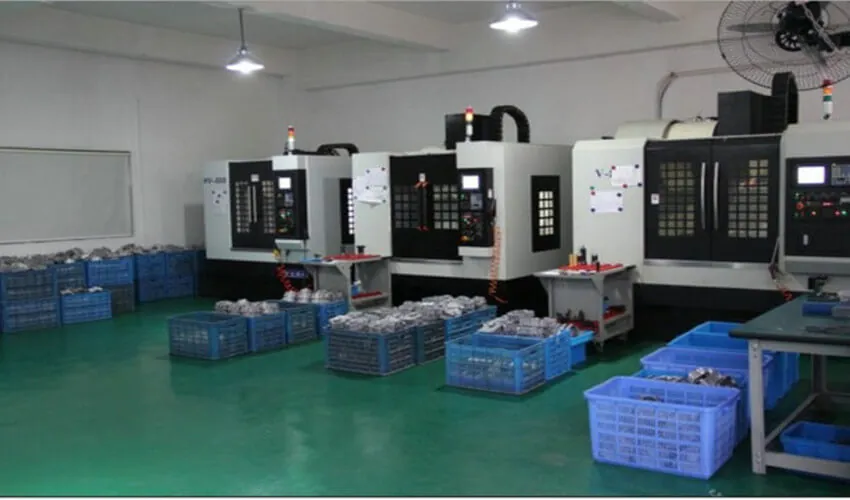
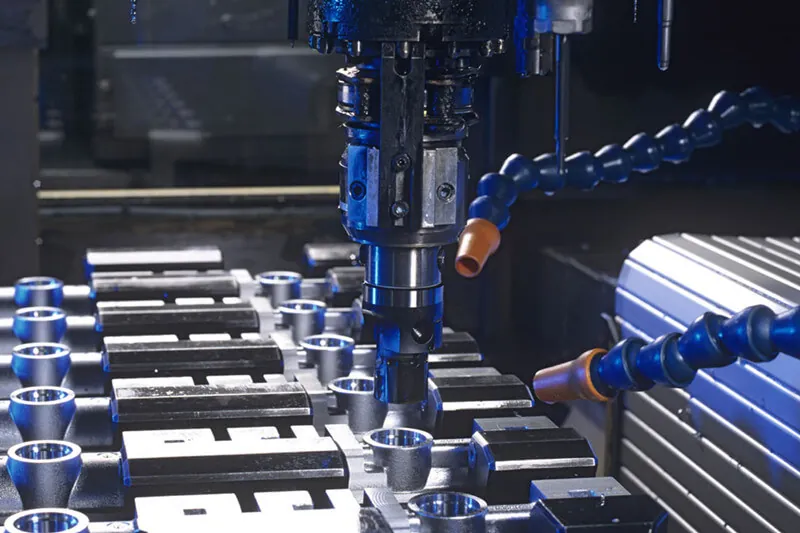
Wuxi Lead Precision Machinery delivers advanced technical capabilities in custom metal manufacturing, specializing in high-precision acrylic moulding for demanding industrial applications. Our expertise lies in integrating state-of-the-art machining technology with rigorous quality assurance protocols to produce components that meet the most exacting specifications. Central to our operation is the use of 5-axis CNC machining centers, which provide unparalleled flexibility and accuracy in shaping complex acrylic geometries. These machines enable simultaneous multi-directional cutting, allowing for intricate contours, undercuts, and tight-tolerance features that are difficult or impossible to achieve with conventional 3-axis systems.

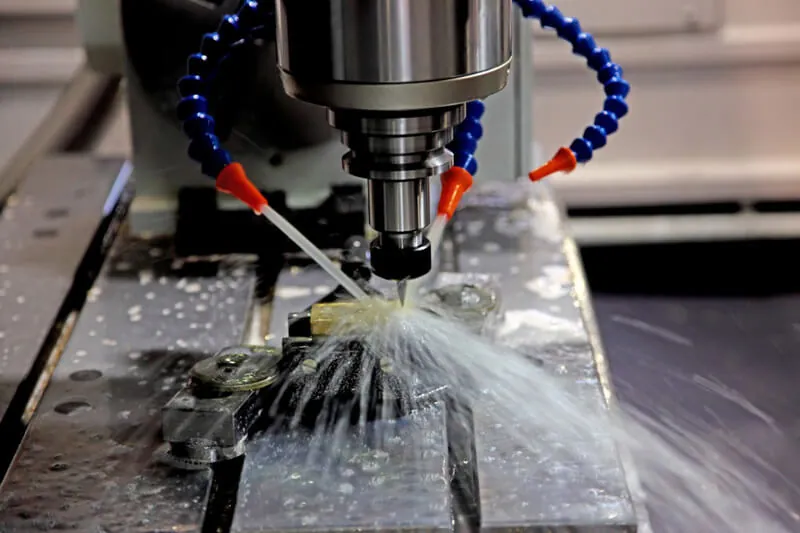
The 5-axis CNC platforms at Wuxi Lead are equipped with high-speed spindles, thermal compensation systems, and advanced tool management, ensuring dimensional stability and surface finish consistency across both prototyping and high-volume production runs. This capability is particularly critical in acrylic moulding, where optical clarity, edge quality, and geometric precision are paramount. Our machining processes are optimized to minimize stress on acrylic substrates, reducing the risk of cracking, warping, or internal strain during and after fabrication.

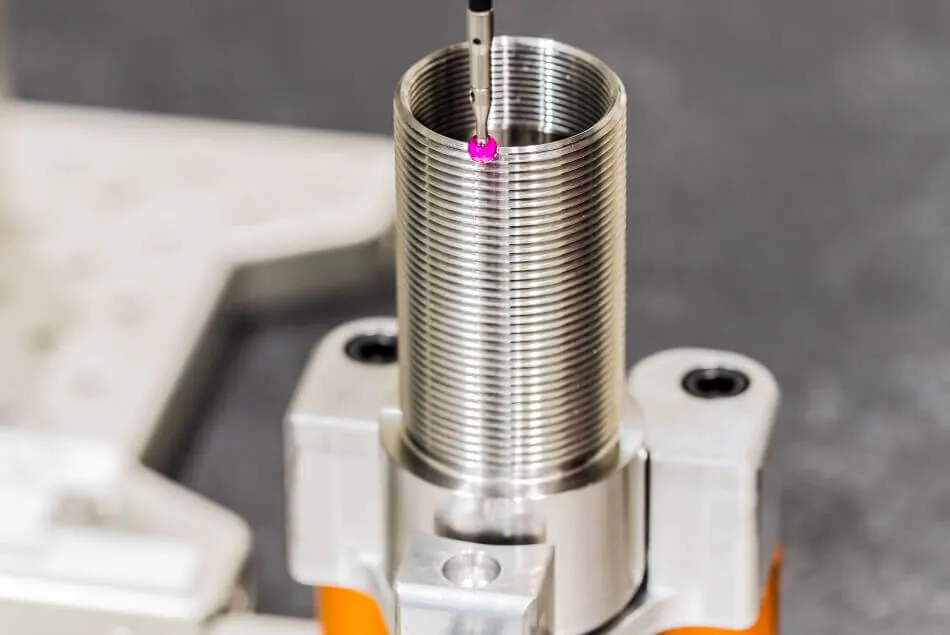
Quality control is embedded at every stage of production. All acrylic components undergo comprehensive inspection using a Zeiss coordinate measuring machine (CMM), which provides micron-level verification of critical dimensions, form accuracy, and feature alignment. The CMM system is programmed to match customer-specific inspection plans, ensuring full traceability and compliance with international standards such as ISO 2768 and ASME Y14.5. Data from each inspection is documented in detailed first-article inspection reports (FAIR) and available for customer review upon request.

In addition to dimensional accuracy, our technical team applies material-specific knowledge to optimize feed rates, tool paths, and fixturing methods tailored to acrylic’s unique thermal and mechanical properties. This ensures clean cuts, polished edges, and minimal post-processing requirements. All operators are trained in precision handling techniques to maintain surface integrity throughout the manufacturing cycle.

The following table outlines our standard technical specifications and achievable tolerances for acrylic moulding projects:

Parameter Standard Capability Tight Tolerance Option Notes
Dimensional Tolerance ±0.05 mm ±0.02 mm Based on feature size and geometry
Surface Flatness 0.05 mm over 100 mm 0.02 mm over 100 mm Measured via CMM and optical flat
Edge Straightness 0.03 mm per 50 mm 0.01 mm per 50 mm Critical for sealing and fitment
Hole Position Accuracy ±0.03 mm ±0.01 mm Includes reamed and drilled features
Surface Finish (Ra) 1.6 µm 0.8 µm Achieved with fine-tool finishing pass
Angular Accuracy ±0.1° ±0.05° Applies to chamfers and bevels
Maximum Work Envelope (5-axis) 1200 x 800 x 600 mm N/A Custom fixturing available

Wuxi Lead Precision Machinery combines engineering insight with advanced manufacturing technology to deliver acrylic moulded components that meet the highest standards of precision and reliability. Our capabilities are designed to support industries such as medical devices, aerospace, and high-end consumer electronics, where performance and appearance are inseparable.


Material & Finish Options

acrylic moulding manufacturing

Material Selection for Precision Acrylic Moulding Tooling

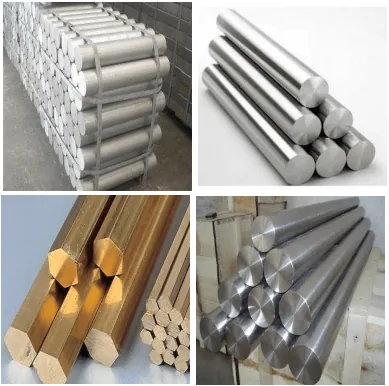
Selecting the optimal metal substrate for acrylic injection or compression moulding tooling is a critical engineering decision directly impacting part quality, production efficiency, and total cost of ownership. At Wuxi Lead Precision Machinery, we prioritize material properties aligned with your specific acrylic formulation, production volume, and geometric complexity. The thermal management, wear resistance, and dimensional stability of the mould base fundamentally dictate cycle times, surface finish fidelity, and tool longevity. Misalignment here leads to costly defects like sink marks, warpage, or premature tool failure.

Aluminum alloys, particularly 6061-T6 and 7075-T6, offer significant advantages for prototyping and medium-volume production. Their superior thermal conductivity accelerates cooling cycles, crucial for thermoplastics like acrylic where controlled solidification prevents internal stress. Aluminum machines rapidly, reducing lead times for complex cavities and cores. While less wear-resistant than hardened steels, modern anodizing processes significantly enhance surface hardness and release properties for acrylic. Aluminum excels when rapid iteration or moderate production runs (typically under 50,000 shots) are required, offering the best balance of speed and cost-effectiveness.

For high-volume acrylic production exceeding 100,000 cycles, tool steels become essential. Pre-hardened steels like P20 provide good machinability and adequate wear resistance for many applications. However, for demanding acrylic grades or extended runs, hardened tool steels such as H13 (air-hardening) or S136 (stainless) are superior. H13 offers exceptional toughness and thermal fatigue resistance under repeated heating and cooling cycles inherent in acrylic processing. S136 provides outstanding corrosion resistance against potential acidic residues from certain acrylic formulations and guarantees mirror-polish retention critical for optical-grade acrylic parts. The higher initial cost is justified by dramatically extended tool life and consistent part quality.

Titanium alloys represent a niche but valuable option for highly corrosive acrylic environments or extreme weight-sensitive applications, though cost and machining complexity limit widespread adoption. Its exceptional corrosion resistance surpasses even stainless steels, but thermal conductivity is significantly lower than aluminum, potentially increasing cycle times.

Anodizing is not merely a cosmetic finish for aluminum moulds; it is a functional necessity for acrylic processing. The hard anodized layer (typically Type III, hardcoat) increases surface hardness to 500-700 HV, drastically improving abrasion resistance against acrylic flow. It creates a non-stick, chemically inert barrier preventing acrylic adhesion and facilitating part ejection. Precise control of the anodizing pore structure and sealing process is vital to maintain the micron-level surface finish required for optical clarity in acrylic components. Wuxi Lead employs stringent anodizing protocols calibrated for optical-grade tooling.

Material performance characteristics are summarized below for key considerations:

Material Hardness (HB) Thermal Conductivity (W/mK) Corrosion Resistance Best For Applications
Aluminum 6061 95 167 Moderate Prototypes, low/medium volume, rapid cooling needs
Steel H13 200-230 35 Good High-volume production, thermal fatigue resistance
Steel S136 200-250 28 Excellent Optical acrylic, corrosive formulations, polish retention
Titanium Gr5 330 7.2 Exceptional Extreme corrosion, specialized aerospace/medical

Wuxi Lead Precision Machinery leverages decades of CNC expertise to machine and finish these materials to the exacting tolerances demanded by precision acrylic moulding. Our engineering team collaborates closely with clients to select the optimal material-finish combination, ensuring your mould maximizes production uptime and delivers flawless acrylic components. Contact us for a technical consultation tailored to your specific application.


Manufacturing Process & QC

acrylic moulding manufacturing

Design Phase: Precision Engineering for Acrylic Moulding

The foundation of flawless acrylic moulding begins with meticulous design engineering. At Wuxi Lead Precision Machinery, we initiate each project with a comprehensive analysis of the client’s technical specifications, functional requirements, and environmental operating conditions. Our in-house design team employs advanced CAD/CAM software—such as SolidWorks, AutoCAD, and Siemens NX—to develop 3D models that ensure dimensional accuracy, optimal wall thickness, and uniform material flow. Finite Element Analysis (FEA) is integrated into the design stage to simulate stress distribution, thermal behavior, and potential warping under injection conditions. This proactive approach eliminates design flaws before tooling begins, ensuring that every cavity and core geometry supports zero-defect production. Moldflow analysis further validates gate location, cooling channel layout, and ejection systems, minimizing sink marks, voids, and residual stress in the final acrylic component.

Prototyping: Validating Performance and Fit

Following design approval, we proceed to prototyping using high-precision CNC machining and EDM (Electrical Discharge Machining) to fabricate prototype molds from P20 or 718H hardened tool steels. These molds are used to produce initial batches of acrylic parts under near-mass-production conditions. Injection parameters—including melt temperature (typically 230–280°C for PMMA), injection pressure, cooling time, and clamp force—are tightly controlled and recorded. Prototypes undergo rigorous inspection using coordinate measuring machines (CMM), optical comparators, and surface roughness testers to verify conformance to ±0.02 mm tolerances. Functional testing, including optical clarity assessment, UV resistance, and mechanical load simulation, ensures the part meets both aesthetic and performance standards. Feedback from this phase is systematically incorporated into final mold modifications, guaranteeing process stability before scaling to full production.

Mass Production: Sustained Quality and Zero Defects

Once prototype validation is complete, we transition to high-volume acrylic moulding using fully automated, servo-driven injection molding machines. Each production run is executed under ISO 9001-certified processes, with real-time monitoring via SCADA systems that track temperature, pressure, cycle time, and defect rates. We implement Six Sigma methodologies and Statistical Process Control (SPC) to maintain process capability indices (Cp/Cpk > 1.67), ensuring consistent part quality across batches. In-line vision inspection systems automatically detect surface defects such as flow lines, bubbles, or gate blush, triggering immediate corrective actions. All molds are maintained through a preventive maintenance schedule, including ultrasonic cleaning and hardness testing, to extend tool life and sustain precision over millions of cycles.

Typical Acrylic Moulding Process Specifications

Parameter Value / Range
Material PMMA (Polymethyl methacrylate)
Melt Temperature 230–280°C
Injection Pressure 80–150 MPa
Clamping Force 50–1000 Tons
Tolerance ±0.02 mm
Surface Finish SPI-SPE (Glossy to Polished)
Cycle Time 20–60 seconds (part-dependent)
Tool Steel P20, 718H, or H13 (hardened)
Production Volume Capacity 1,000 – 500,000+ units/month

Through disciplined execution across design, prototyping, and mass production, Wuxi Lead Precision Machinery delivers acrylic moulded components with uncompromised clarity, dimensional integrity, and zero-defect reliability.


Why Choose Wuxi Lead Precision

Partner with Lead Precision for Uncompromised Acrylic Moulding Excellence

Acrylic moulding demands exceptional precision due to the material’s sensitivity to thermal gradients and propensity for internal stress. Standard manufacturing processes often yield parts with warpage, surface defects, or compromised optical clarity—critical failures in aerospace, medical, and high-end display applications. At Wuxi Lead Precision Machinery, we engineer solutions where others encounter limitations. Our proprietary CNC-driven moulding systems integrate real-time thermal monitoring and adaptive pressure control, ensuring dimensional stability within ±0.025 mm and optical clarity meeting ISO 10110-2 standards. This isn’t incremental improvement; it’s the elimination of scrap rates that erode your project margins.

Our facility operates under stringent ISO 9001:2015 protocols, with every moulding cycle validated through in-process metrology. We specialize in complex geometries—from seamless curved light guides to micro-structured lenses—leveraging 5-axis CNC machining to achieve undercuts and micron-level surface finishes unattainable with conventional tooling. Material science is central to our process: we optimize polymer crystallization kinetics through controlled cooling ramps, preventing haze and brittleness. This technical rigor translates to parts that perform reliably in extreme environments, whether UV-exposed architectural glazing or sterile medical housings.

Below are core specifications defining our acrylic moulding capability:

Parameter Specification Industry Standard Benchmark
Dimensional Tolerance ±0.025 mm ±0.05 mm
Surface Roughness (Ra) 0.05 µm 0.2 µm
Optical Clarity (Haze) <0.5% <1.5%
Max Part Weight 5 kg 2 kg
Cycle Time Reduction 22% vs. conventional processes Baseline

Partnering with Lead Precision means embedding our engineering expertise into your supply chain. We collaborate from concept validation through volume production, providing DFM analysis that identifies tooling optimizations before steel is cut. Our rapid prototyping cell delivers functional acrylic samples in 10 days—not weeks—accelerating your time-to-market. For high-mix, low-volume runs typical in medical device manufacturing, our modular tooling system reduces changeover time by 65%, ensuring cost efficiency without sacrificing quality.

When your project demands zero-defect acrylic components, settle for nothing less than engineered certainty. Contact our technical team at [email protected] to receive a process capability analysis tailored to your specific part geometry and material grade. Include your project timeline and volume requirements, and we will respond within 24 hours with a precision roadmap. Initiate your next-generation acrylic moulding project with the partner who measures success in microns, not margins. Wuxi Lead Precision Machinery: Where optical perfection is non-negotiable.


⚙️ Precision Cost Estimator

Estimate relative manufacturing effort based on tolerance.

Acrylic Moulding Manufacturer | Precision CNC Guide

Contents of Table

Contact [email protected] Whatsapp 86 15951276160