Technical Contents
Engineering Guide: Sac Sheet Metal

Engineering Insight Precision Sheet Metal Fabrication
In high-stakes sheet metal fabrication, precision is not merely a specification—it is the absolute foundation of functional integrity and operational safety. Components destined for aerospace, defense, or critical infrastructure cannot tolerate dimensional drift. A variance of 0.05 millimeters may seem negligible in isolation, but when compounded across assemblies or subjected to extreme thermal cycling and mechanical stress, it becomes the genesis of catastrophic failure. Precision sheet metal work demands unwavering control over material behavior, thermal dynamics during cutting and forming, and the cumulative effect of multi-axis machining operations. This requires more than advanced machinery; it necessitates deep metallurgical understanding and process discipline honed through exposure to the most demanding applications.
Wuxi Lead Precision Machinery operates at this uncompromising threshold. Our engineering protocols are forged in environments where error is not an option. We have delivered mission-critical sheet metal assemblies for Chinese military aerospace platforms, where components must withstand supersonic vibration and rapid altitude-induced pressure shifts. Similarly, our contribution to structural and service elements for the Beijing 2008 Olympic venues demanded dimensional stability across vast temperature fluctuations and seismic considerations. These projects ingrained a culture where tolerances are treated as inviolable constraints, not targets. Every laser cut, turret punch, and CNC bend is validated against real-world performance criteria, not just drawing annotations. Material grain orientation, springback prediction, and residual stress management are engineered variables, not afterthoughts.
Our facility leverages this hard-won expertise across all client engagements. The following specifications represent our standard capabilities for precision sheet metal work, reflecting the baseline rigor applied to every project regardless of sector:
| Process | Standard Tolerance | Material Thickness Range | Key Equipment Platforms |
|---|---|---|---|
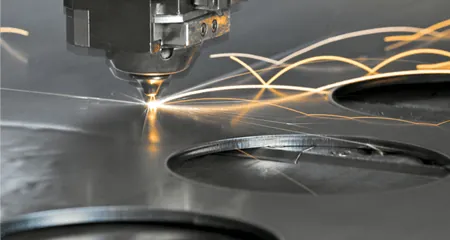
| Fiber Laser Cutting | ±0.05 mm | 0.5 mm – 25 mm | Amada LC Series |
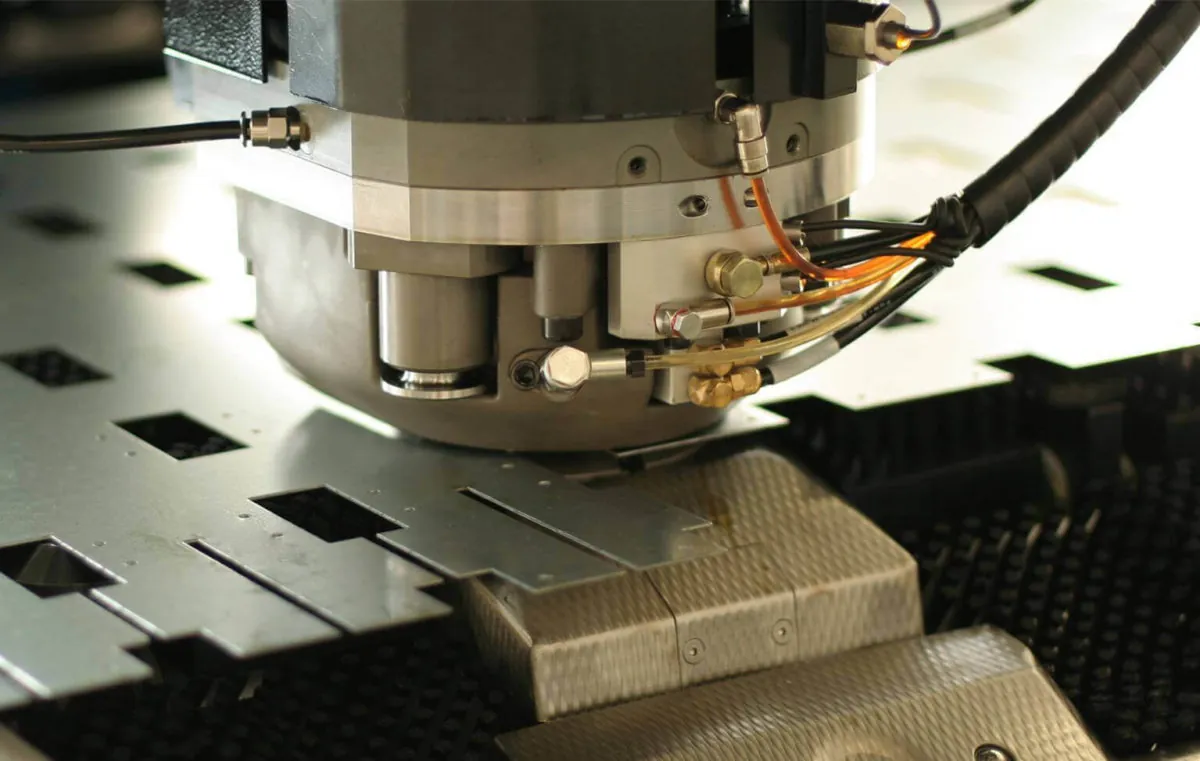
| CNC Turret Punching | ±0.08 mm | 0.8 mm – 6.0 mm | Amada EM Series |
| CNC Press Brake Forming | ±0.2° angular / ±0.1 mm linear | Up to 12 mm | Amada HG Series with Crowning System |
| Automated Welding | ±0.1 mm gap control | All compatible alloys | FANUC Robotic Cells |
This technical capability is meaningless without the institutional knowledge to deploy it effectively. We translate client performance requirements into actionable fabrication sequences, anticipating how micro-deformations during one process affect downstream operations. Our engineers collaborate from the design phase, identifying potential manufacturability risks that could compromise precision in service. When you specify precision sheet metal with Wuxi Lead, you are not purchasing machine time—you are engaging a proven engineering partner whose work has performed under the most exacting global scrutiny. The margin for error in your application may differ from a fighter jet, but our commitment to achieving your required precision never wavers. Contact us to discuss how our Olympic and military-grade process discipline ensures your components perform as designed, every time.
Precision Specs & Tolerances

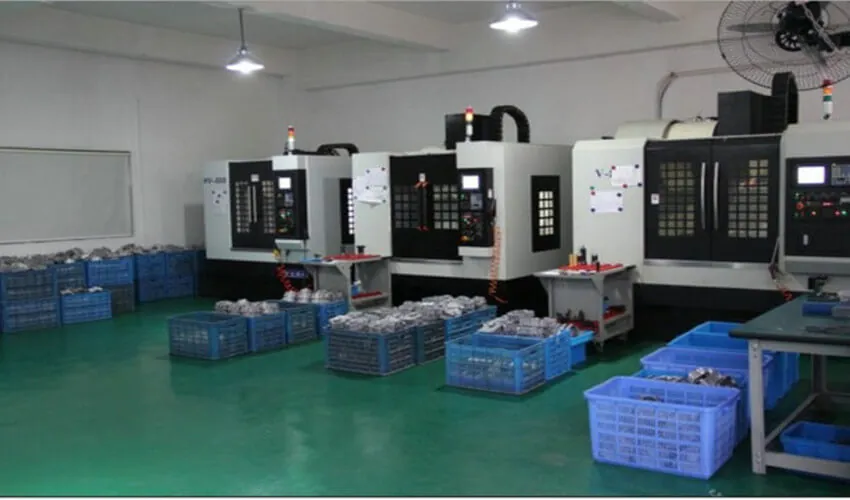
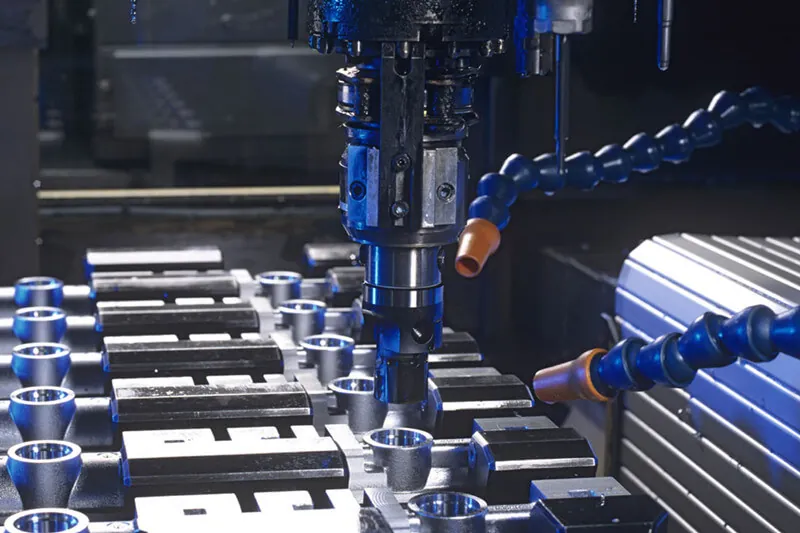
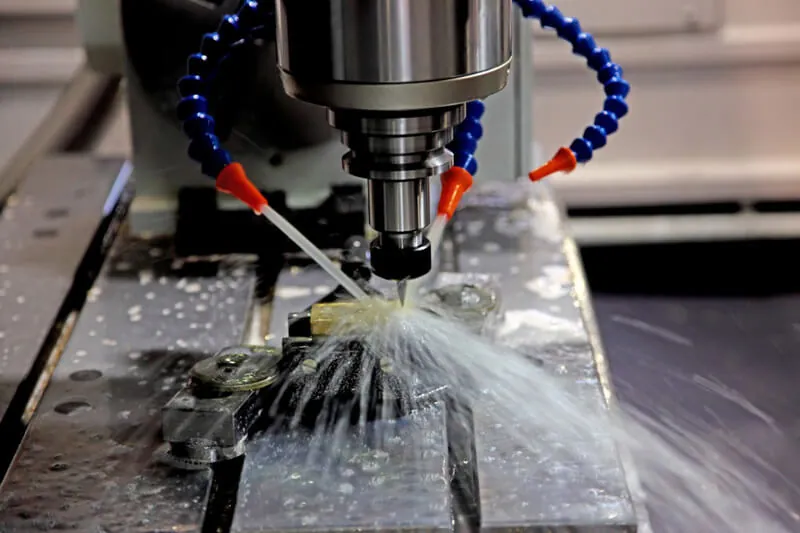
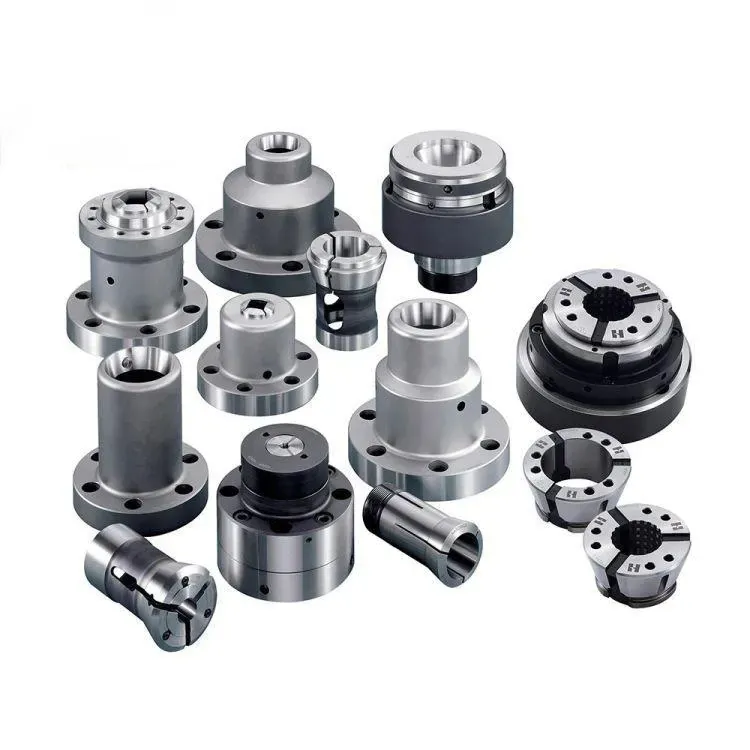
Wuxi Lead Precision Machinery delivers advanced sheet metal fabrication solutions tailored for high-precision industrial applications. Our technical capabilities are built around state-of-the-art equipment, rigorous quality control protocols, and a deep understanding of complex manufacturing requirements. At the core of our production floor is our 5-axis CNC machining technology, which enables us to process sheet metal components with exceptional accuracy, speed, and geometric flexibility. This advanced machining platform allows for simultaneous multi-directional cutting and forming operations, reducing setup time and minimizing cumulative tolerances that often arise in multi-stage processes.
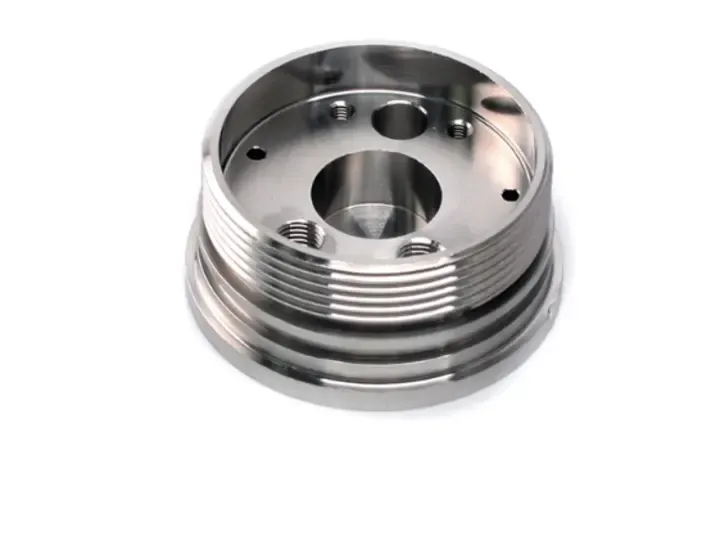
Our 5-axis CNC systems are optimized for handling a wide range of sheet metal materials, including stainless steel, aluminum, carbon steel, and specialty alloys. These machines support intricate contouring, beveled edge preparation, and complex hole patterns—features essential for aerospace, medical, and high-end industrial equipment applications. The integration of 5-axis technology ensures minimal material handling, improved surface finish, and consistent repeatability across production batches, making it ideal for both prototyping and high-volume manufacturing.
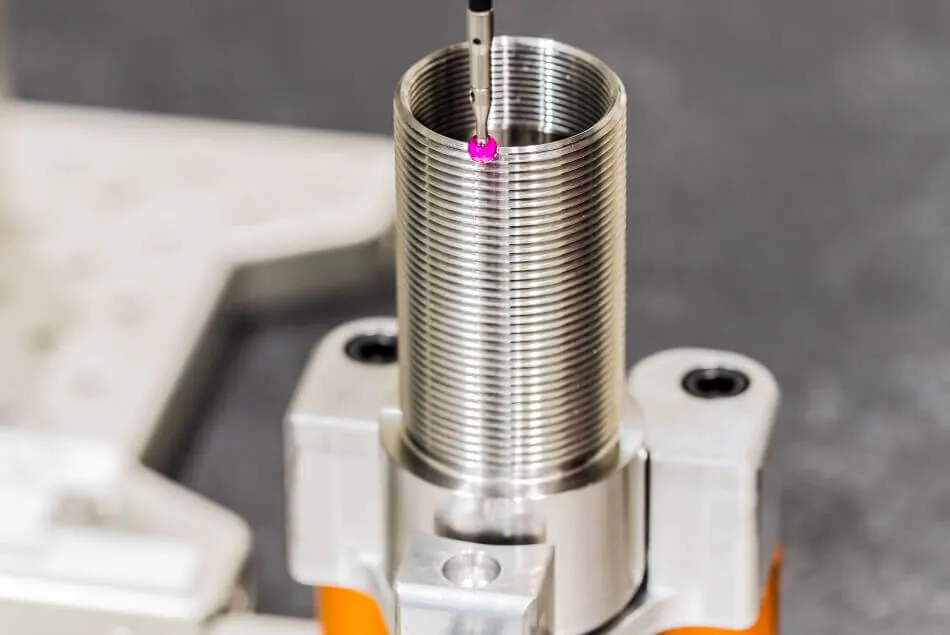
Quality assurance is embedded at every stage of our fabrication process. All critical dimensions and form features are verified using Coordinate Measuring Machine (CMM) inspection. Our CMM systems provide micron-level measurement accuracy, ensuring that every component conforms to design specifications. These inspections are performed in a climate-controlled metrology lab to eliminate environmental variables, and results are documented in detailed inspection reports available to customers upon request. In addition to CMM, we employ first-article inspection, in-process checks, and final batch validation to maintain full traceability and compliance.
We understand that precision is not just about achieving tight tolerances—it’s about consistency, reliability, and adherence to international standards. Our manufacturing processes follow ISO 9001 guidelines, and our engineering team works closely with clients during the design-for-manufacturability (DFM) phase to optimize part geometry, material selection, and production methodology.
The following table outlines our standard achievable tolerances for key sheet metal fabrication operations:
| Operation | Typical Tolerance | Notes |
|---|---|---|
| 5-Axis CNC Machining | ±0.005 mm | For critical dimensions, verified via CMM |
| Punching & Blanking | ±0.05 mm | Up to 6 mm material thickness |
| Laser Cutting | ±0.1 mm | CO2 and fiber laser systems |
| Bending / Press Brake | ±0.2° angular / ±0.1 mm | With CNC-controlled backgauging |
| Hole Positioning | ±0.08 mm | Relative to datum, multi-hit features |
| Surface Flatness | 0.1 mm per 100 mm | Measured via CMM and optical flatness |
With a foundation in precision engineering and a commitment to continuous improvement, Wuxi Lead Precision Machinery ensures that every sheet metal component meets the highest standards of quality and performance.
Material & Finish Options

Material Selection for Precision Sheet Metal Fabrication
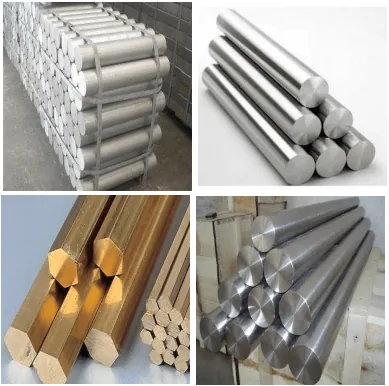
Choosing the correct material is a strategic decision impacting performance, cost, and longevity in sheet metal applications. At Wuxi Lead Precision Machinery, we prioritize aligning material properties with your functional requirements and environmental conditions. This guide outlines critical considerations for aluminum, steel, and titanium, alongside anodizing as a key finishing process.
Aluminum alloys like 5052 and 6061-T6 dominate aerospace, electronics, and transportation sectors due to their exceptional strength-to-weight ratio and corrosion resistance. With a density of 2.7 g/cm³, aluminum reduces component mass significantly versus steel while maintaining structural integrity. Its high thermal and electrical conductivity suits heat sinks and enclosures. Fabrication is efficient via laser cutting and CNC bending, though work hardening requires precise toolpath planning. Anodizing further enhances surface durability and electrical insulation.
Steel remains indispensable for structural and high-wear applications. Carbon steel (e.g., ASTM A36) offers high tensile strength at low cost but requires protective coatings like powder coating to combat rust. Stainless steel grades 304 and 316 provide inherent corrosion resistance through chromium content, making them ideal for medical, food processing, and marine environments. Note that 316’s molybdenum addition significantly improves pitting resistance in chloride-rich settings. Both types machine well but demand robust tooling due to higher hardness versus aluminum.
Titanium Grade 5 (Ti-6Al-4V) is reserved for extreme-performance applications in aerospace, defense, and chemical processing. Its 4.43 g/cm³ density balances weight savings against steel, while offering unparalleled corrosion resistance and strength retention up to 600°C. However, titanium’s high cost and challenging machinability—requiring lower speeds, rigid setups, and specialized coolants—necessitate careful cost-benefit analysis. It is rarely anodized; instead, passivation or specialized coatings are applied.
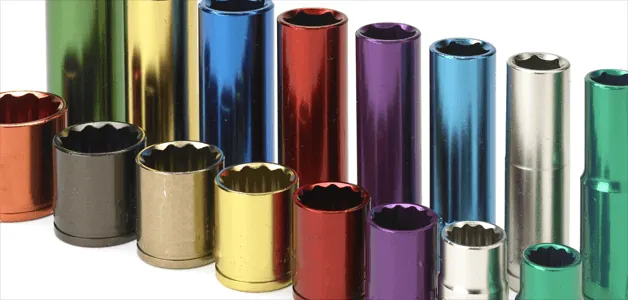
Anodizing is a critical electrochemical finish primarily for aluminum, converting the surface into a durable, non-conductive aluminum oxide layer. Type II (sulfuric acid) anodizing provides moderate wear resistance and dye compatibility for aesthetics. Type III (hardcoat) anodizing delivers superior abrasion resistance (up to 600 HV) and thickness (25–50 μm), essential for hydraulic fittings or military hardware. This process enhances corrosion protection without dimensional compromise, as the oxide layer grows inward and outward from the base material.
Material properties must be evaluated holistically. Below is a comparative overview of key specifications:
| Material | Density (g/cm³) | Tensile Strength (MPa) | Corrosion Resistance | Primary Fabrication Challenges |
|---|---|---|---|---|
| Aluminum 6061-T6 | 2.7 | 310 | High (with anodizing) | Work hardening, thermal expansion |
| Stainless 304 | 8.0 | 515 | Very High | Galling, high tool wear |
| Carbon Steel A36 | 7.8 | 400 | Low (uncoated) | Rust prevention, springback control |
| Titanium Grade 5 | 4.43 | 900 | Exceptional | Heat management, slow machining rates |
Wuxi Lead Precision Machinery leverages decades of metallurgical expertise to optimize your material and finish selection. We validate compatibility with your design tolerances, production volume, and operational environment through rigorous prototyping. Partner with us to transform material science into manufacturing advantage.
Manufacturing Process & QC

Sheet metal fabrication at Wuxi Lead Precision Machinery follows a rigorously controlled production process designed to deliver zero-defect components for high-end industrial applications. Our methodology integrates precision engineering, advanced prototyping, and scalable manufacturing to ensure consistency, reliability, and compliance with global quality standards.
The process begins with Design, where our engineering team collaborates closely with clients to translate conceptual requirements into manufacturable designs. Using advanced CAD/CAM software, we optimize geometries for material efficiency, structural integrity, and manufacturability. Finite element analysis (FEA) and design for manufacturability (DFM) reviews are conducted to anticipate potential stress points, deformation risks, and assembly challenges. This stage ensures that every design is not only functional but also optimized for high-precision fabrication.
Following design approval, we proceed to Prototyping. At Wuxi Lead, prototyping is not a simple proof-of-concept—it is a full-scale validation of the production process. We utilize CNC punching, laser cutting, bending, and welding on the same equipment intended for mass production, ensuring dimensional accuracy and process consistency. Each prototype undergoes comprehensive inspection using coordinate measuring machines (CMM) and 3D scanning to verify tolerances within ±0.05 mm. Functional testing, surface finish evaluation, and assembly verification are performed to confirm performance under real-world conditions. This iterative phase allows for rapid design refinement, reducing the risk of defects during scale-up.
Once the prototype is validated, we transition to Mass Production. Our automated production lines integrate real-time monitoring and statistical process control (SPC) to maintain tight tolerances across large batches. Each step—from material selection to final assembly—is governed by documented work instructions and quality checkpoints. In-process inspections are conducted at critical stages, including cutting, forming, welding, and surface treatment. Our ISO 9001-certified quality management system ensures full traceability, with batch records, material certifications, and inspection reports archived for every order.
To achieve zero defects, Wuxi Lead employs a closed-loop corrective action (CLCA) system. Any deviation triggers immediate root cause analysis and process adjustment, preventing recurrence. Final products undergo 100% visual inspection and抽样 testing per AQL Level II standards before shipment.
The following table outlines key process specifications and capabilities:
| Parameter | Specification |
|---|---|
| Material Thickness Range | 0.5 – 6.0 mm |
| Tolerance (Bending) | ±0.05 mm |
| Tolerance (Cutting) | ±0.03 mm |
| Minimum Hole Diameter | 1.0 mm (for mild steel) |
| Max Part Size | 1500 × 3000 mm |
| Surface Roughness (Ra) | ≤1.6 μm (after finishing) |
| Welding Processes | TIG, MIG, Spot Welding |
| Quality Standards | ISO 9001, ISO 14001, AQL 1.0 |
By integrating engineering precision with disciplined process control, Wuxi Lead Precision Machinery ensures that every sheet metal component meets the highest standards of quality, performance, and reliability.
Why Choose Wuxi Lead Precision
Elevate Your Precision Sheet Metal Fabrication Through Strategic Partnership
In the demanding landscape of high-precision sheet metal fabrication, selecting a manufacturing partner transcends transactional procurement. It requires a collaborator with unwavering technical mastery, scalable capacity, and a commitment to your project’s success from prototype to serial production. Wuxi Lead Precision Machinery delivers this strategic advantage, engineered specifically for global OEMs and tier-one suppliers where tolerances, repeatability, and on-time delivery define market leadership.
Our integrated facility in Wuxi operates at the nexus of advanced CNC engineering and rigorous quality management. We deploy state-of-the-art laser cutting, CNC punching, precision bending, and robotic welding systems, all governed by ISO 9001-certified processes. Every component undergoes multi-stage inspection using calibrated CMMs and optical comparators, ensuring adherence to ±0.05mm tolerances and strict material traceability. This systematic approach eliminates costly rework and supply chain disruptions, transforming fabrication from a risk point into a competitive asset.
Beyond equipment, our engineering team collaborates proactively during your design phase. We conduct DFM analysis to optimize manufacturability, reduce material waste, and accelerate time-to-market—without compromising structural integrity or aesthetic requirements. Whether your project involves complex stainless steel enclosures, lightweight aluminum assemblies, or multi-material hybrids, our process expertise guarantees consistency across volumes from 1 to 100,000+ units.
Core Capabilities & Technical Specifications
| Parameter | Specification Detail | Application Impact |
|---|---|---|
| Material Thickness Range | 0.5mm – 6.0mm (Steel/Stainless); 0.8mm – 8.0mm (Aluminum) | Versatile handling of thin-gauge to structural components |
| Laser Cutting Accuracy | ±0.03mm positional tolerance; <0.1mm kerf width | Precision edges for critical weld seams and tight-fit assemblies |
| CNC Bending Tolerance | ±0.1° angular; ±0.05mm linear | Complex geometries with repeatable 3D accuracy |
| Max. Press Brake Capacity | 300 tons; 3.2m bed length | Large-format panels without secondary splicing |
| Surface Finish Options | #4 Brush, BA, 2B, Anodized, Powder Coat | Compliance with medical, aerospace, and architectural standards |
Partnering with Lead Precision means accessing a single-source solution where engineering rigor meets operational agility. We mitigate your supply chain vulnerabilities through dedicated production cells, real-time progress tracking, and inventory management protocols tailored to your JIT or VMI requirements. Our clients consistently achieve 30% faster ramp-up cycles and 22% lower total fabrication costs by leveraging our end-to-end control.
Do not let suboptimal fabrication constrain your product’s potential. Contact our engineering team today to initiate a technical consultation. Email [email protected] with your design files and volume requirements. We will respond within 4 business hours with a detailed capacity assessment, DFM feedback, and a transparent cost breakdown. Transform your sheet metal challenges into a strategic advantage—partner with the precision standard in global manufacturing. Your next breakthrough begins with a single email.
⚙️ Precision Cost Estimator
Estimate relative manufacturing effort based on tolerance.