Technical Contents
Engineering Guide: All Metals Fabrication Llc
Engineering Insight Precision as the Non-Negotiable Foundation in Sheet Metal Fabrication
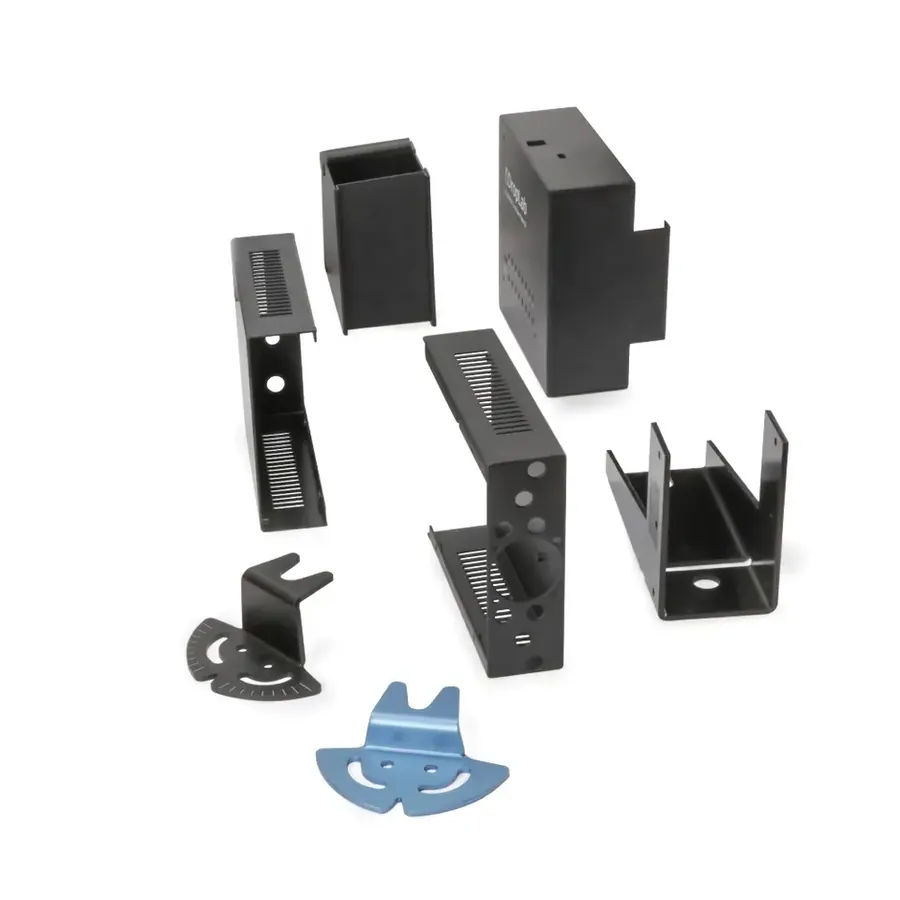
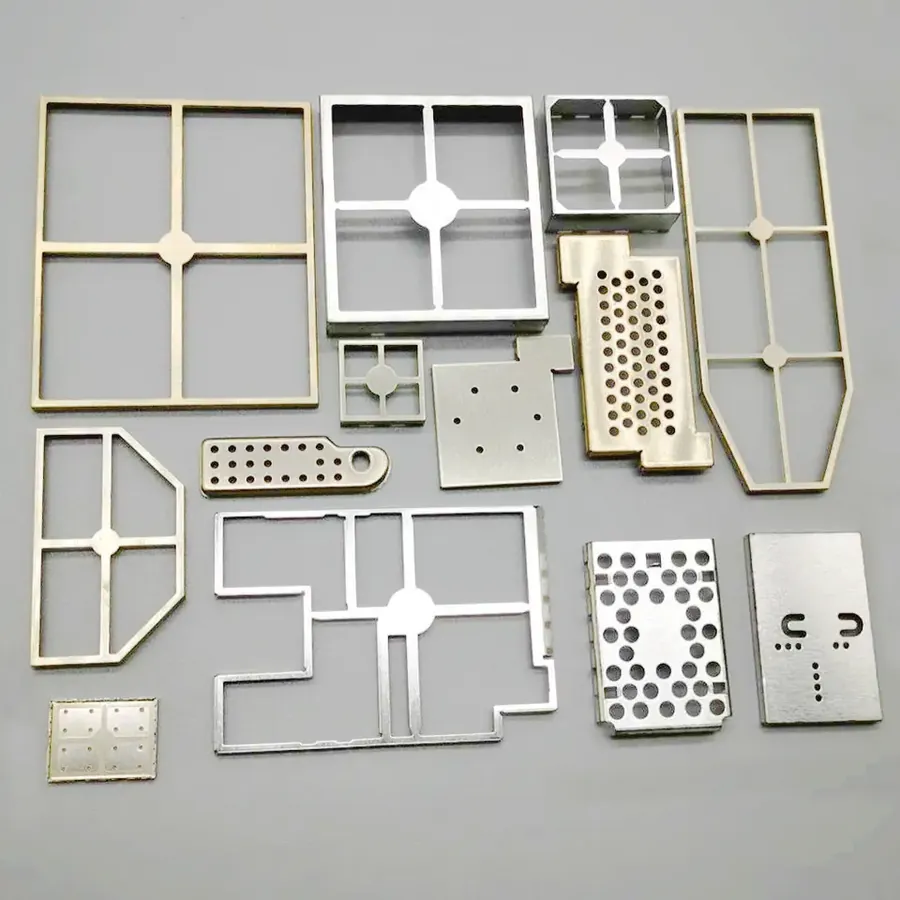
In high-stakes sheet metal fabrication, precision transcends mere specification adherence it is the absolute determinant of functional integrity, assembly success, and long-term reliability. For industries like aerospace, defense, and advanced medical equipment, where components interface within complex systems under extreme conditions, tolerances measured in thousandths of an inch are not optional. Sub-millimeter deviations cascade into catastrophic consequences: misaligned assemblies causing vibration failures, compromised structural integrity under load, or fluid leakage in sealed systems. The true cost of imprecision extends far beyond initial scrap rates; it manifests in costly field repairs, program delays, warranty claims, and irreparable damage to a manufacturer’s reputation. Achieving true precision demands more than capable machinery it requires ingrained engineering discipline, rigorous process control, and a culture where zero-defect outcomes are the baseline expectation, not the aspiration.
Wuxi Lead Precision Machinery operates at this uncompromising standard daily. Our engineering team possesses deep expertise in translating the most stringent requirements into flawless production reality, honed through critical projects where failure was never an option. We have delivered mission-critical components for Olympic venue infrastructure, where structural perfection ensured spectator safety under dynamic loads, and supplied precision-crafted elements for military platforms, meeting exacting MIL-STD and AS9100 compliance mandates. This experience instills a unique understanding of the non-negotiable nature of precision in environments where human safety and national security depend on every bend, cut, and weld meeting exact parameters without exception. It is this mindset, forged in the highest-pressure applications, that we bring to every partner, regardless of project scale.
Our commitment is validated through measurable performance. The table below illustrates the precision benchmarks consistently achieved across our CNC fabrication processes, directly addressing the tolerance challenges that derail standard production runs.
| Specification Category | Standard Industry Capability | Wuxi Lead Precision Capability | Impact on Client Production |
|---|---|---|---|
| Linear Dimensional Tolerance | ±0.1 mm | ±0.005 mm | Eliminates fit-up issues in multi-part assemblies reducing secondary machining by 40% |
| Angular Bend Tolerance | ±1.0° | ±0.25° | Ensures perfect mating surfaces critical for pressure vessels and structural frames |
| Positional Hole Tolerance | ±0.2 mm | ±0.05 mm | Guarantees seamless bolt-through assembly in complex sub-systems |
| Surface Finish (Ra) | 3.2 µm | 0.8 µm | Meets stringent requirements for fluid dynamics and corrosion resistance |
| Process Capability (CpK) | ≥1.33 | ≥1.67 | Delivers near-zero defect rates minimizing scrap and rework costs |
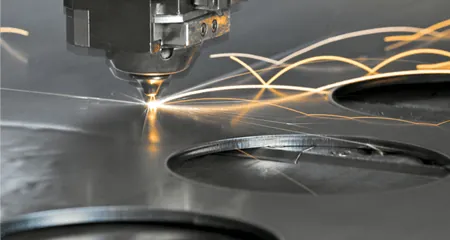
This level of control is not accidental. It stems from our integrated approach: advanced multi-axis CNC laser cutters and press brakes operating within climate-controlled environments, coupled with real-time in-process metrology using calibrated CMMs and vision systems. Every step, from raw material verification through final inspection, follows documented procedures exceeding ISO 9001:2015 and AS9100D standards. We treat your specifications as engineering imperatives, not suggestions. Partnering with Wuxi Lead means embedding Olympic and military-grade precision discipline into your supply chain, transforming tolerance requirements from a production hurdle into a competitive advantage. Contact us for a detailed tolerance analysis of your critical components.
Precision Specs & Tolerances

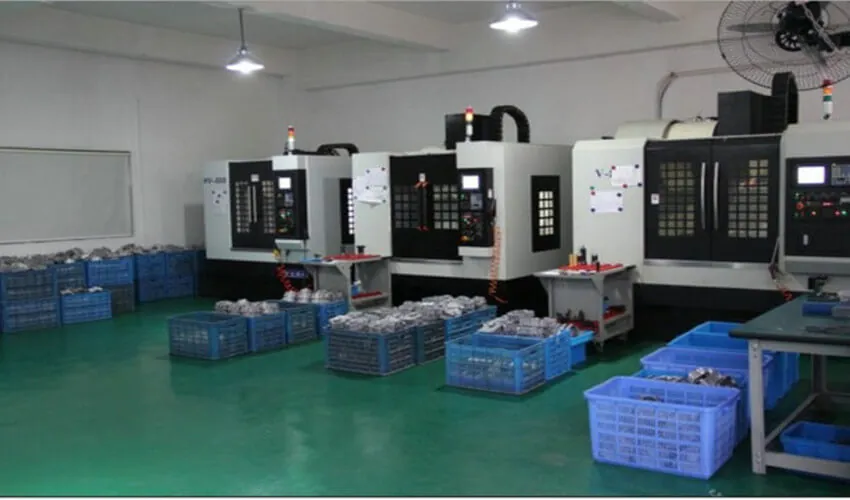
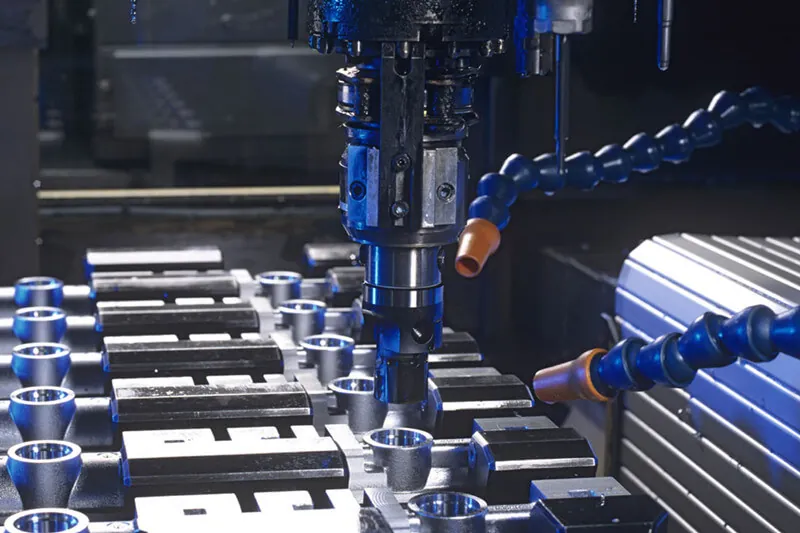
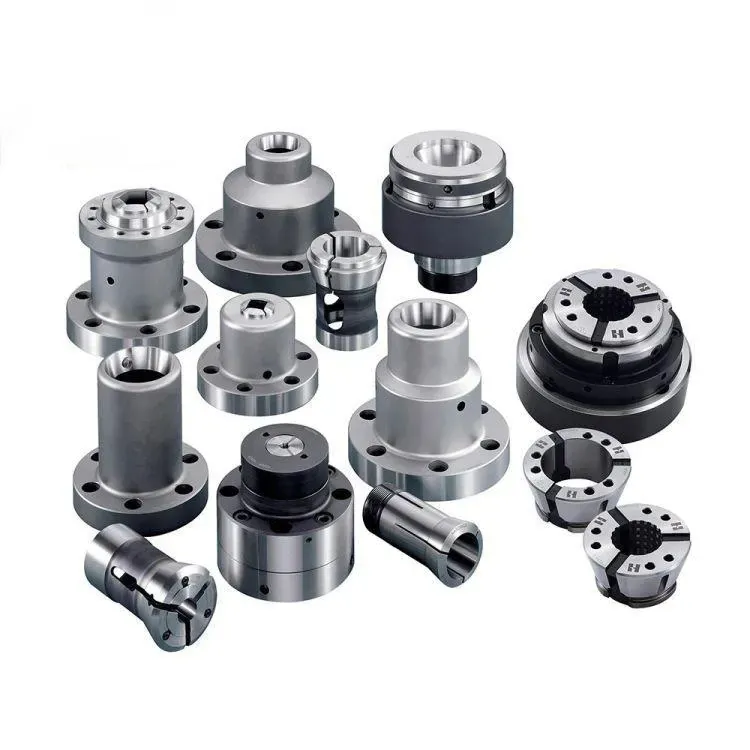
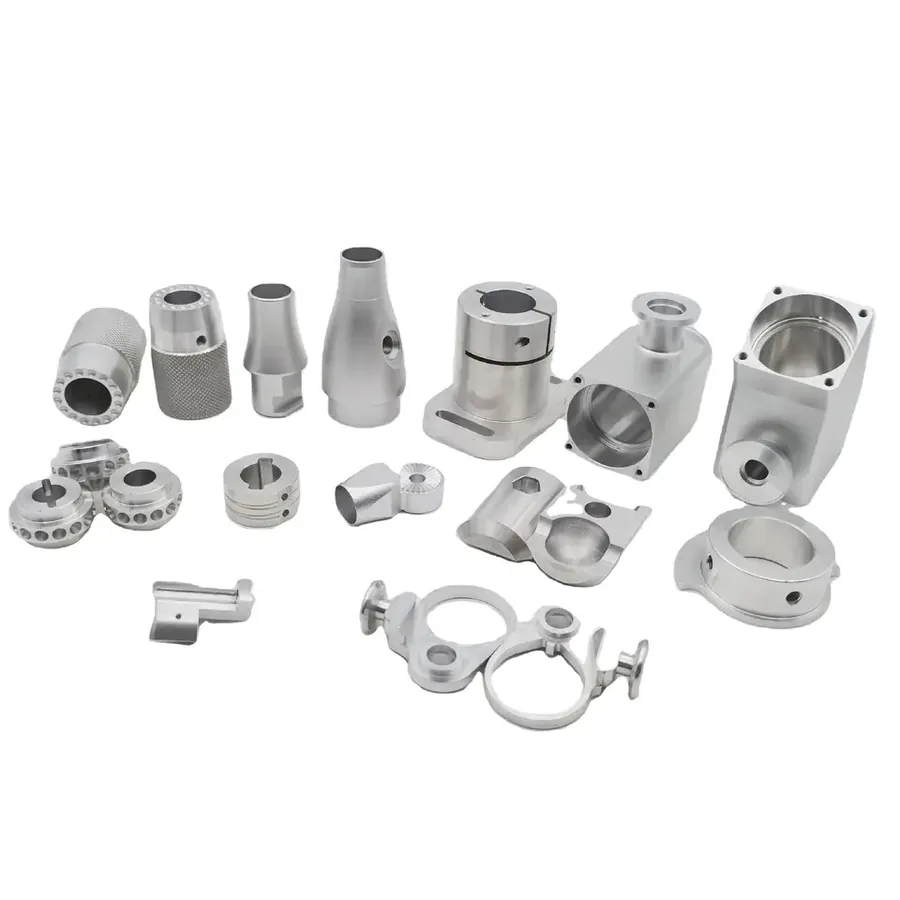
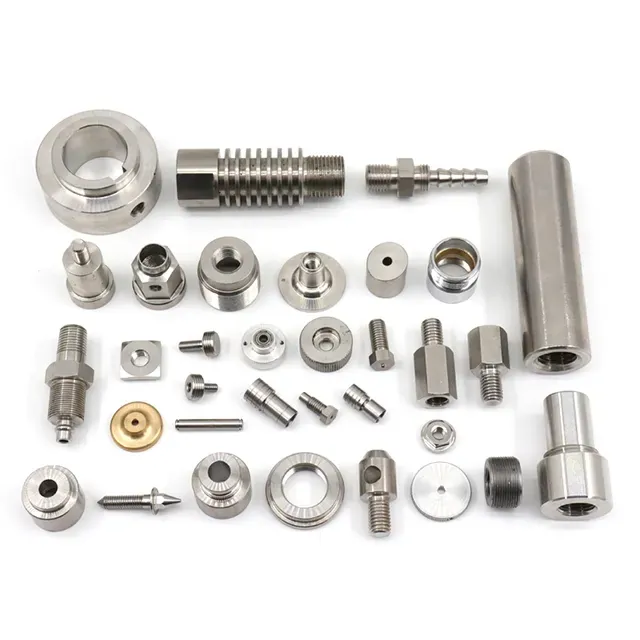
Wuxi Lead Precision Machinery delivers advanced sheet metal fabrication solutions tailored to the rigorous demands of high-end industrial applications. Our technical capabilities are engineered to support complex, precision-driven projects across aerospace, medical, energy, and automation sectors. At the core of our manufacturing excellence is a fully integrated 5-axis CNC machining platform, enabling us to produce intricate geometries with exceptional accuracy and repeatability. This advanced machining capability allows for simultaneous multi-directional cutting, reducing setup times and part handling while maintaining superior surface integrity and dimensional consistency.
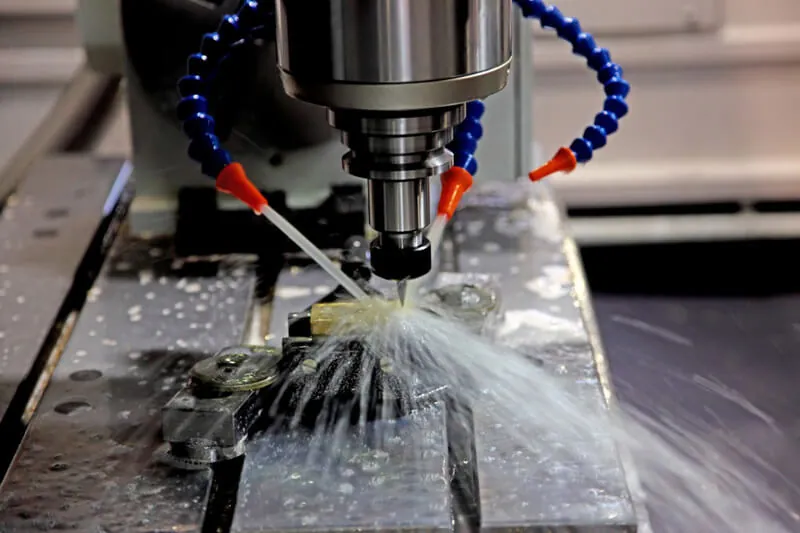
Our 5-axis CNC systems are programmed using industry-leading CAM software, ensuring optimized toolpaths and efficient material removal. This level of precision is essential for components requiring tight tolerances and complex contours, particularly in low-volume, high-mix production environments. By leveraging 5-axis technology, we minimize the need for secondary operations, reduce lead times, and enhance overall part quality. The result is a streamlined manufacturing process that supports rapid prototyping and scalable production runs without compromising accuracy.
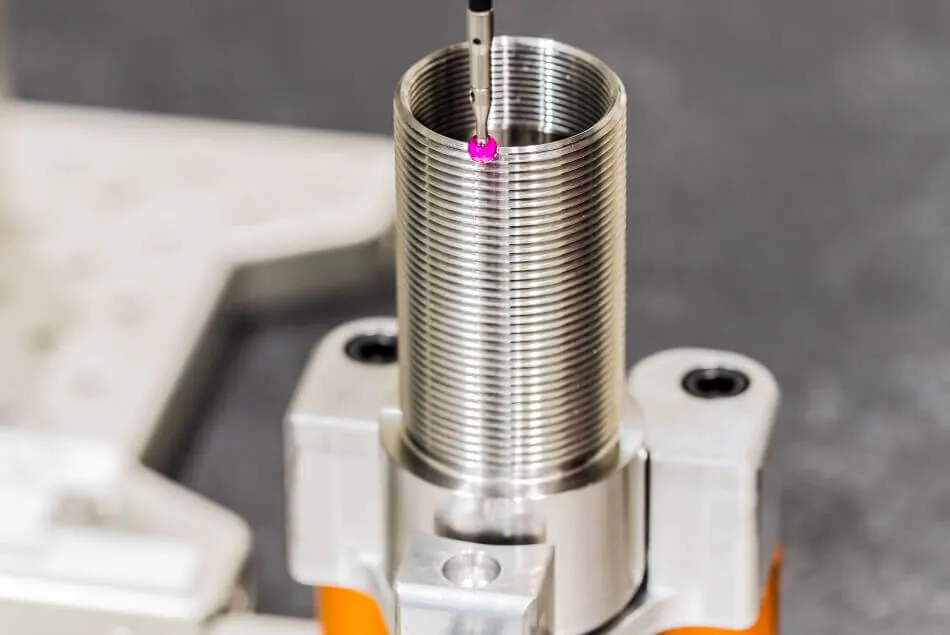
Quality control is embedded at every stage of our fabrication process. We employ a dedicated Coordinate Measuring Machine (CMM) inspection system to validate critical dimensions and geometric features with micron-level precision. Our CMM-equipped metrology lab ensures full compliance with ISO 10360 standards and supports first-article inspection, in-process verification, and final quality audits. All inspection data is documented and traceable, providing clients with comprehensive quality reports for each production batch.
We maintain strict environmental controls within our inspection area to eliminate thermal and vibrational interference, ensuring reliable and repeatable measurement outcomes. Our quality engineers are certified to interpret GD&T (Geometric Dimensioning and Tolerancing) specifications, allowing seamless alignment with international engineering drawings and customer-specific requirements.
The following table outlines our standard machining tolerances, reflecting the precision achievable through our integrated 5-axis CNC and CMM-controlled processes.
| Feature | Standard Tolerance | Precision Capability | Notes |
|---|---|---|---|
| Linear Dimensions | ±0.05 mm | ±0.02 mm | Up to 1000 mm length |
| Hole Diameter | ±0.03 mm | ±0.01 mm | Reamed or precision bored |
| Positional Tolerance | ±0.03 mm | ±0.015 mm | Relative to datum |
| Surface Flatness | 0.05 mm/m² | 0.02 mm/m² | For sheet substrates |
| Angular Tolerance | ±0.1° | ±0.05° | Critical for multi-face features |
| Surface Finish | Ra 3.2 µm | Ra 0.8 µm | As machined, polished available |
All capabilities are supported by a certified quality management system compliant with ISO 9001:2015 standards. At Wuxi Lead Precision Machinery, we combine cutting-edge technology with rigorous process control to deliver sheet metal components that meet the highest benchmarks in performance and reliability.
Material & Finish Options

Material Selection for Precision Sheet Metal Fabrication
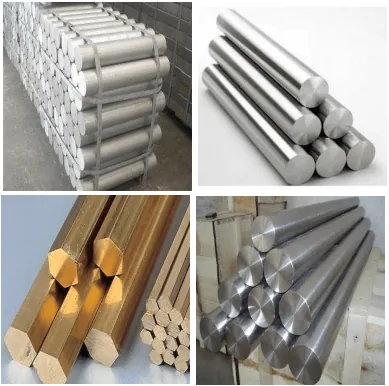
Selecting the optimal material is foundational to achieving performance, longevity, and cost-efficiency in demanding sheet metal applications. At Wuxi Lead Precision Machinery, our decades of experience machining complex components for aerospace, medical, and industrial sectors inform rigorous material evaluation. This guide outlines critical considerations for Aluminum, Steel, and Titanium, alongside essential insights on Anodizing finishes.
Aluminum alloys, particularly 5052, 6061-T6, and 7075-T6, dominate applications requiring an exceptional strength-to-weight ratio, inherent corrosion resistance, and excellent machinability. 5052 offers superior formability for deep draws, while 6061-T6 provides balanced strength and weldability for structural parts. 7075-T6 delivers near-steel strength but with lower corrosion resistance and weldability, making it ideal for high-stress, non-welded aerospace components. Aluminum’s natural oxide layer provides baseline protection, but anodizing significantly enhances surface durability and aesthetics.
Steel remains indispensable for structural integrity and wear resistance. Cold Rolled Steel (CRS) 1008/1010 offers excellent formability and weldability for enclosures and brackets. For enhanced strength and hardness, 4130 Chromoly steel is preferred in aerospace and racing applications, though it requires pre/post-weld heat treatment. Stainless Steel grades like 304 and 316 provide critical corrosion and heat resistance; 316’s molybdenum content makes it essential for marine or chemical exposure. Steel fabrication demands precise control over welding parameters and post-process treatments to prevent warpage and maintain properties.
Titanium, primarily Grade 2 (commercially pure) and Grade 5 (Ti-6Al-4V), is the material of choice for extreme environments demanding unparalleled strength-to-weight ratio, biocompatibility, and resistance to corrosion and high temperatures. Its use in medical implants, aerospace components, and chemical processing justifies the higher material and machining costs. Titanium’s low thermal conductivity necessitates specialized tooling, reduced cutting speeds, and rigid setups to manage heat generation and prevent galling during fabrication. A thorough cost-benefit analysis is essential.
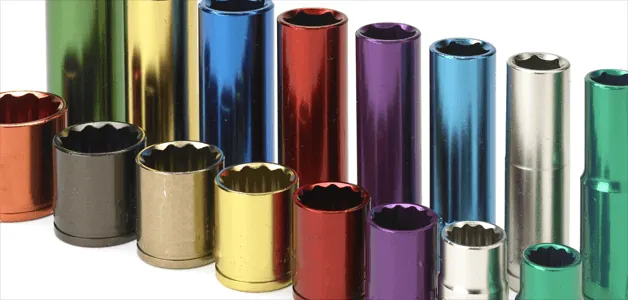
Anodizing is a critical electrochemical process exclusively for aluminum, transforming the surface into a durable, corrosion-resistant aluminum oxide layer. Type II (Sulfuric Acid) anodizing is standard for general protection and dyeing, while Type III (Hard Anodizing) creates a thicker, harder, wear-resistant surface essential for hydraulic components and military applications. Key considerations include dimensional impact (the oxide layer grows inward and outward), electrical insulation properties, and the necessity of masking critical interfaces or threads. Anodizing cannot be applied to steel or titanium; alternative finishes like plating or passivation are required.
Material performance characteristics directly impact manufacturability and final part function. The following table summarizes key specifications relevant to precision sheet metal fabrication:
| Material | Tensile Strength (MPa) | Corrosion Resistance | Key Fabrication Notes |
|---|---|---|---|
| Aluminum 6061-T6 | 310 | Good | Excellent machinability; weldable; anodizable |
| Steel 304 SS | 515 | Excellent | Good formability; requires passivation; weldable |
| Steel 4130 | 560 | Moderate | Requires pre/post-heat treatment; chromoly alloy |
| Titanium Grade 5 | 900 | Excellent | Low thermal conductivity; specialized tooling req. |
| Anodized Al (Type III) | Surface Hardness ~600 HV | Superior | Dimensional change; electrical insulator; wear res. |
Material selection must align precisely with functional requirements, environmental exposure, regulatory standards, and lifecycle costs. Wuxi Lead Precision Machinery leverages advanced CNC capabilities and deep metallurgical expertise to advise on optimal material and finish combinations, ensuring your fabricated components meet the highest standards of performance and reliability. Consult our engineering team early in the design phase for material-specific manufacturability analysis.
Manufacturing Process & QC

Precision Sheet Metal Fabrication: From Design to Zero-Defect Mass Production
At Wuxi Lead Precision Machinery, we execute a disciplined, closed-loop manufacturing process designed to deliver flawless sheet metal components at scale. Our methodology spans three core phases—Design, Prototyping, and Mass Production—each engineered to eliminate variability and ensure compliance with the highest international quality standards. This structured workflow enables All Metals Fabrication LLC to achieve consistent repeatability, superior dimensional accuracy, and zero-defect output across high-volume production runs.
The process begins with collaborative design engineering. Our team integrates with your CAD models and technical specifications to conduct thorough Design for Manufacturability (DFM) analysis. We evaluate material selection, bend allowances, tolerance stacking, and weld accessibility to preempt potential production issues. Using advanced simulation software, we validate forming sequences, predict springback, and optimize tooling paths—ensuring that every design is not only feasible but optimized for efficiency and precision.
Once the design is finalized, we move into the prototyping phase. A functional prototype is produced using the same materials, equipment, and process parameters intended for full-scale production. This ensures a true representation of the final part. Prototypes undergo rigorous inspection using Coordinate Measuring Machines (CMM), 3D scanning, and first-article inspection reports (FAIR) per AS9102 or PPAP requirements. Any deviations are addressed through corrective action loops, with engineering and quality teams jointly validating resolution before progression.
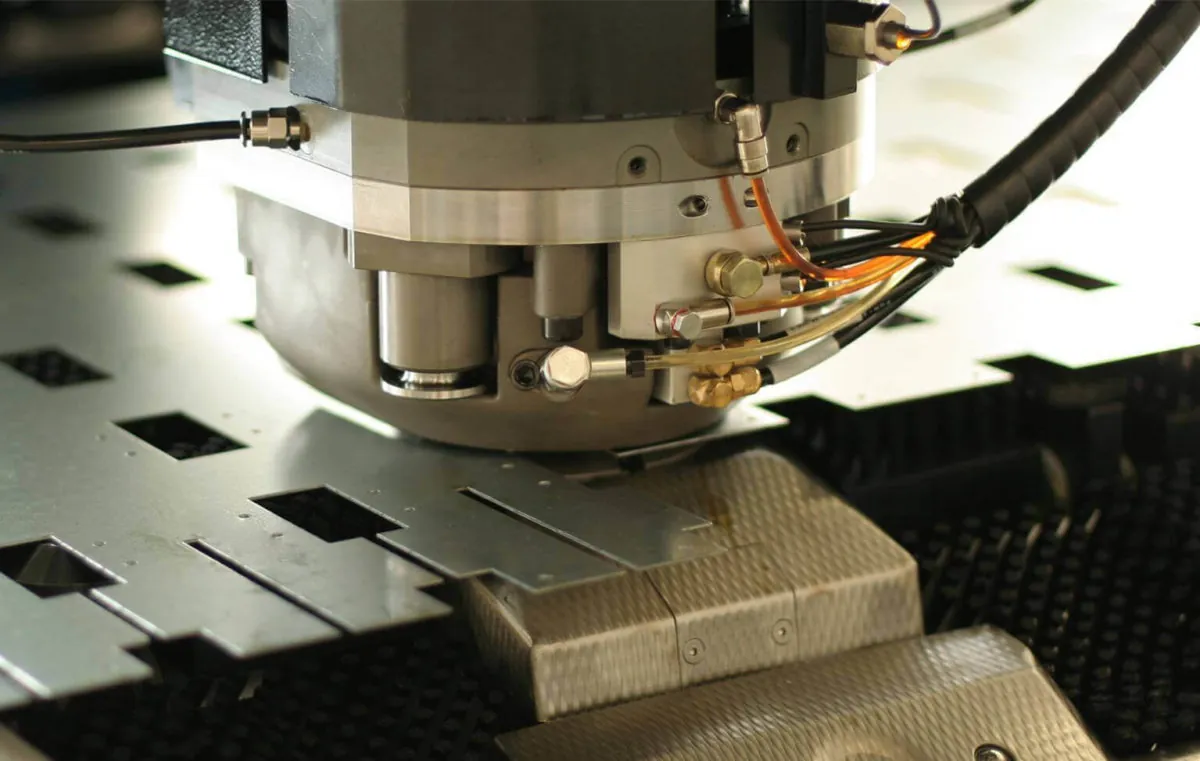
With prototype approval, we transition seamlessly into mass production. Our automated production lines—equipped with CNC turret presses, fiber laser cutters, robotic bending cells, and inline welding stations—deliver high throughput with micron-level consistency. Real-time process monitoring, statistical process control (SPC), and automated optical inspection (AOI) systems continuously verify quality at every stage. Every batch is traceable, with full documentation including material certifications, process logs, and final inspection data.
Our zero-defect philosophy is enforced through a combination of predictive maintenance, operator certification, and a closed-loop quality management system compliant with ISO 9001:2015 and IATF 16949 standards. Non-conforming material is immediately quarantined, and root cause analysis ensures permanent corrective action.
The following table outlines key capabilities supporting our production process:
| Parameter | Specification |
|---|---|
| Material Thickness Range | 0.5 mm – 12 mm |
| Tolerance (Standard) | ±0.1 mm (tighter on request) |
| Max Part Size | 4000 mm × 1500 mm |
| Cutting Methods | Fiber Laser, CNC Turret, Plasma |
| Bending Accuracy | ±0.25° angular, ±0.1 mm linear |
| Welding Processes | MIG, TIG, Spot, Robotic Pulsed Arc |
| Surface Finishes | Powder Coating, Anodizing, Passivation, Plating |
| Quality Standards | ISO 9001, IATF 16949, AS9100 (on request) |
Through integration of engineering rigor, advanced automation, and relentless quality focus, Wuxi Lead ensures that every component shipped meets the exact performance and reliability demands of All Metals Fabrication LLC—on time, every time.
Why Choose Wuxi Lead Precision
Elevate Your Metal Fabrication with Strategic Partnership
Selecting a precision sheet metal partner demands more than equipment capacity—it requires engineering synergy, uncompromising quality, and responsive collaboration. At Wuxi Lead Precision Machinery, we engineer partnerships for complex, high-tolerance projects where failure is not an option. Our ISO 9001-certified facility in Jiangsu, China, operates 24/7 with German-engineered CNC systems and a dedicated U.S.-facing engineering team. We eliminate geographic friction through real-time digital workflows, daily progress updates in your time zone, and DFMA optimization embedded in every quotation. When your aerospace, medical, or industrial clients demand ±0.05mm tolerances on 304L stainless steel or 6061-T6 aluminum, our process control ensures repeatability you can bank on.
Our technical foundation merges European precision with agile manufacturing economics. The table below details core capabilities for mission-critical sheet metal work:
| Specification | Capability Range |
|---|---|
| Max Sheet Size | 3050 x 1500 mm (120″ x 59″) |
| Material Thickness | 0.5 mm – 6.0 mm (0.020″ – 0.236″) |
| Tolerance Control | ±0.05 mm (±0.002″) for critical features |
| Primary Materials | Stainless Steel (304/316), Aluminum (5052/6061), Cold Rolled Steel, Brass |
| Lead Time (Prototype) | 7–10 business days from approved CAD |
| Lead Time (Production) | 15–20 business days for 500+ units |
Quality is non-negotiable. Every component undergoes first-article inspection with CMM validation, real-time SPC monitoring during production, and final packaging meeting MIL-STD-2073 standards. Our engineers proactively identify cost-saving design refinements—reducing your material waste by 18% on average—while maintaining structural integrity. Unlike transactional suppliers, we assign a single project lead from RFQ to shipment, ensuring technical continuity and accountability. This integrated approach has delivered 99.6% on-time delivery for Tier 1 automotive suppliers and defense contractors over the past 36 months.
The cost of supply chain disruption far exceeds initial savings. Partner with a manufacturer that treats your deadlines as our own, where engineering rigor meets operational transparency. Contact our U.S. technical sales team directly to initiate a capability assessment. Email Contact [email protected] with your project specifications and target timeline. Within 4 business hours, you will receive a detailed process map, capacity confirmation, and a dedicated engineer’s calendar link for a technical deep dive. Let us prove how Lead Precision becomes your competitive advantage—where precision isn’t promised, it’s engineered.
⚙️ Precision Cost Estimator
Estimate relative manufacturing effort based on tolerance.