Injection Molding Consultants Manufacturer | Precision CNC Guide

Engineering Guide: Injection Molding Consultants

injection molding consultants manufacturing

Engineering Insight: The Critical Role of Precision in Injection Moulding for High-Performance Applications

In the realm of injection moulding, particularly for industries demanding extreme reliability such as aerospace, defense, and high-end consumer goods, the importance of precision cannot be overstated. While many focus on polymer selection or cycle time optimization, the foundational element that determines part consistency, structural integrity, and long-term performance is the precision of the metal components used in mould construction. At Wuxi Lead Precision Machinery, we understand that even micron-level deviations in mould inserts, cores, or cavities can lead to part warpage, flash, or dimensional instability—failures that are unacceptable in mission-critical applications.

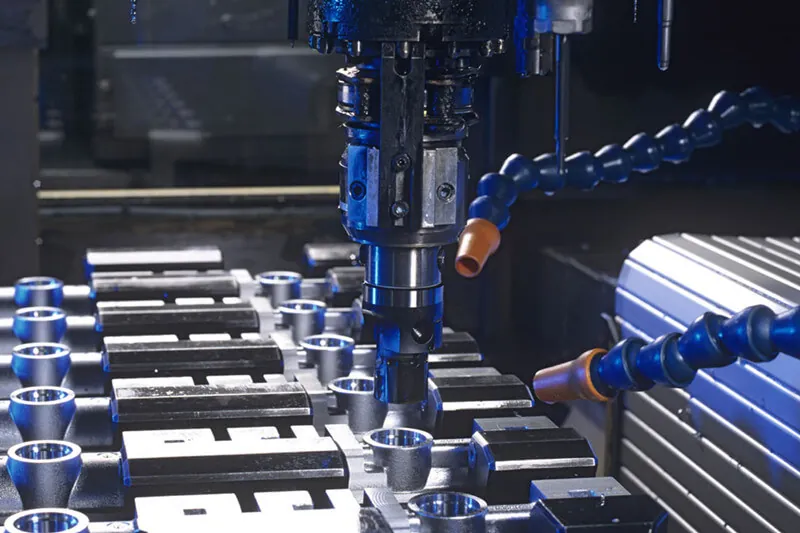
Precision in custom metal manufacturing for injection moulds begins with material selection and extends through every phase of design, machining, heat treatment, and surface finishing. High-strength tool steels, such as H13 or S136, must be machined with tight tolerances—typically ±0.002 mm or better—to ensure uniform cooling, consistent shrinkage, and repeatable ejection. At Lead Precision, our CNC machining centers operate under strict environmental controls to minimize thermal drift, and our engineers use advanced metrology systems, including coordinate measuring machines (CMM) and laser interferometry, to validate every critical dimension.

Our experience spans projects where failure is not an option. We have supplied precision-machined components for Olympic-grade sports equipment, where performance margins are measured in milliseconds, and for military-grade electronics housings, where environmental resilience under extreme conditions is mandatory. These projects demanded not only adherence to international standards such as ISO 2768-mK and AS9100 but also a deep understanding of how metal behaviour under high-pressure injection cycles affects final part quality.

One often overlooked aspect is the interaction between mould steel microstructure and surface finish. A poorly polished cavity may initiate premature wear or promote polymer adhesion, leading to downtime and scrap. Our proprietary polishing and coating processes, including mirror finishing and PVD treatments, extend tool life and improve part release—critical for high-volume production runs.

Below are key specifications that define our precision manufacturing capabilities for injection mould components:

Specification Performance Value
Dimensional Tolerance ±0.002 mm
Surface Roughness (Ra) 0.05 µm (mirror finish)
Material Options H13, S136, 1.2344, 1.2379, Invar
Maximum Part Weight 1,200 kg
Positional Accuracy ±0.001 mm (via laser calibration)
Lead Time (Complex Mould Base) 25–35 days
Quality Standards ISO 9001, ISO 14001, AS9100 (compliant)

At Wuxi Lead Precision Machinery, we view every mould component as a precision-engineered system, not just a metal part. Our collaboration with injection moulding consultants ensures that design intent is preserved from CAD model to final production, enabling our clients to achieve superior part quality, reduced cycle times, and extended tool longevity. When performance is paramount, precision is the foundation—and we build on it every day.


Precision Specs & Tolerances

injection molding consultants manufacturing

Technical Capabilities: Precision Engineered for Mold Excellence

Wuxi Lead Precision Machinery delivers the advanced metal manufacturing capabilities essential for producing high-performance, long-life injection molds and critical components. Our strategic investment in cutting-edge technology and rigorous quality control processes ensures dimensional accuracy, surface integrity, and functional reliability that directly translate to reduced cycle times, minimized scrap rates, and extended mold service life for your clients. Precision is not merely a specification at Wuxi Lead; it is the foundational element of our competitive advantage in the global mold manufacturing supply chain.

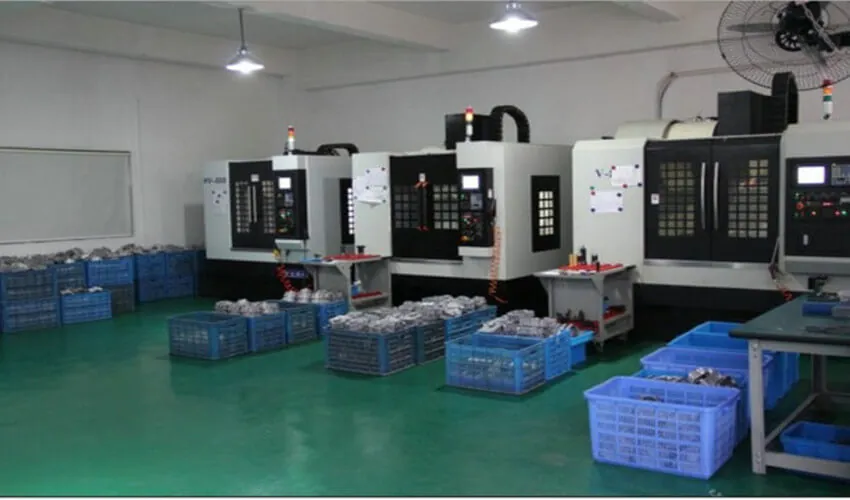
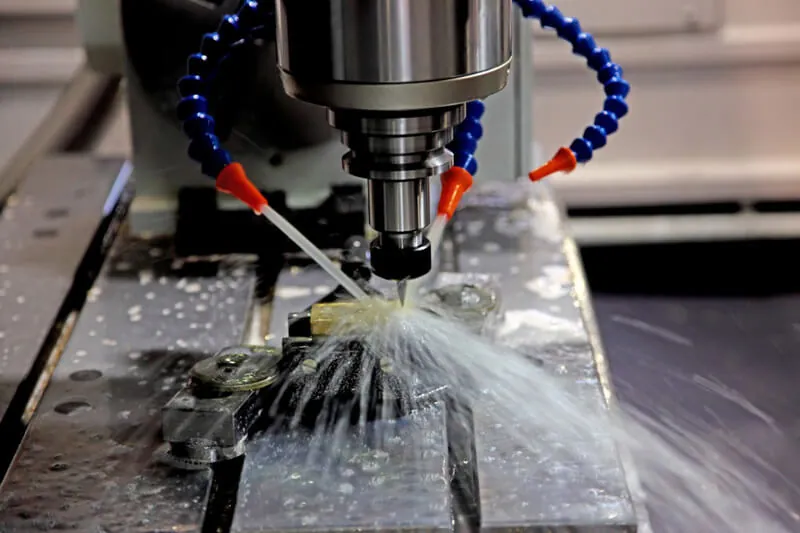
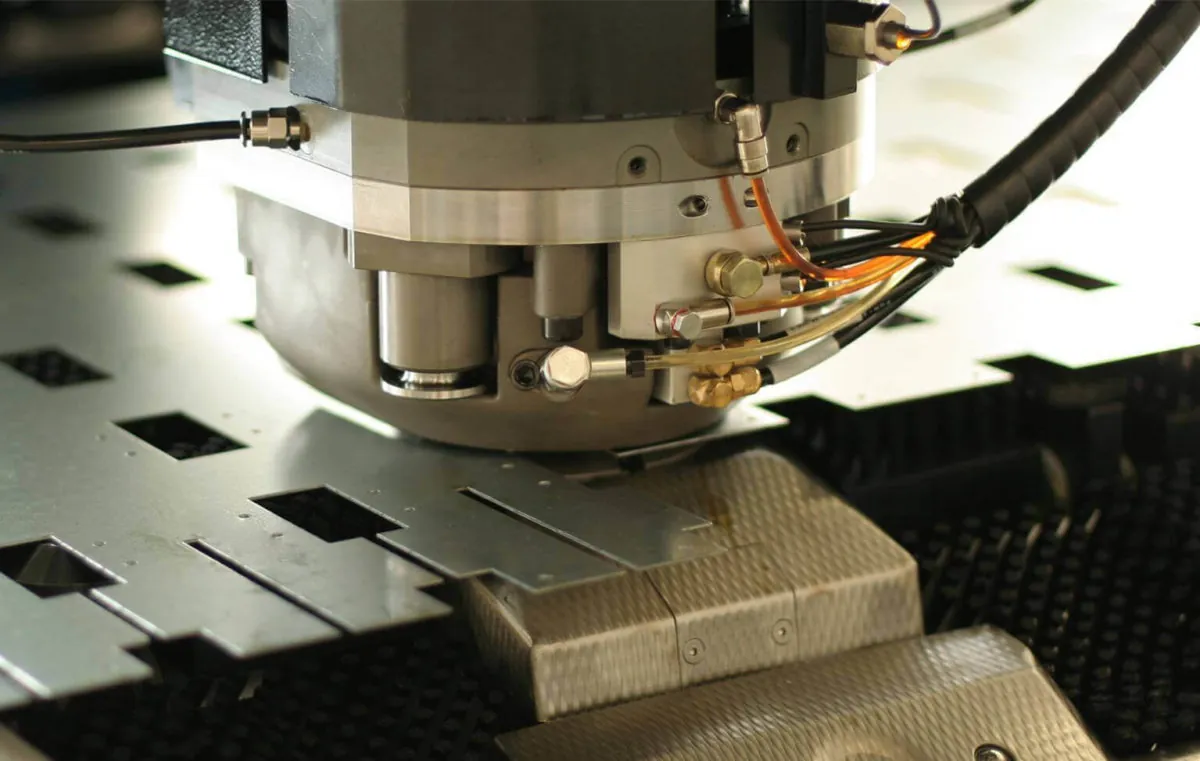
Our core machining capability centers on state-of-the-art 5-axis CNC milling technology. Utilizing Makino a51nx and DMG MORI CMX 600 V machines, we achieve exceptional geometric complexity and surface finish in a single setup. This eliminates cumulative errors inherent in multi-setup processes, critical for intricate mold cores, cavities, slides, and lifters featuring undercuts, deep ribs, and organic contours. High-speed machining capabilities coupled with advanced toolpath strategies ensure optimal material removal rates while maintaining micron-level positional accuracy across all rotational axes. This capability significantly reduces lead times and enhances part consistency, directly addressing the demanding geometric requirements of modern injection molding applications, particularly in automotive, medical, and consumer electronics.

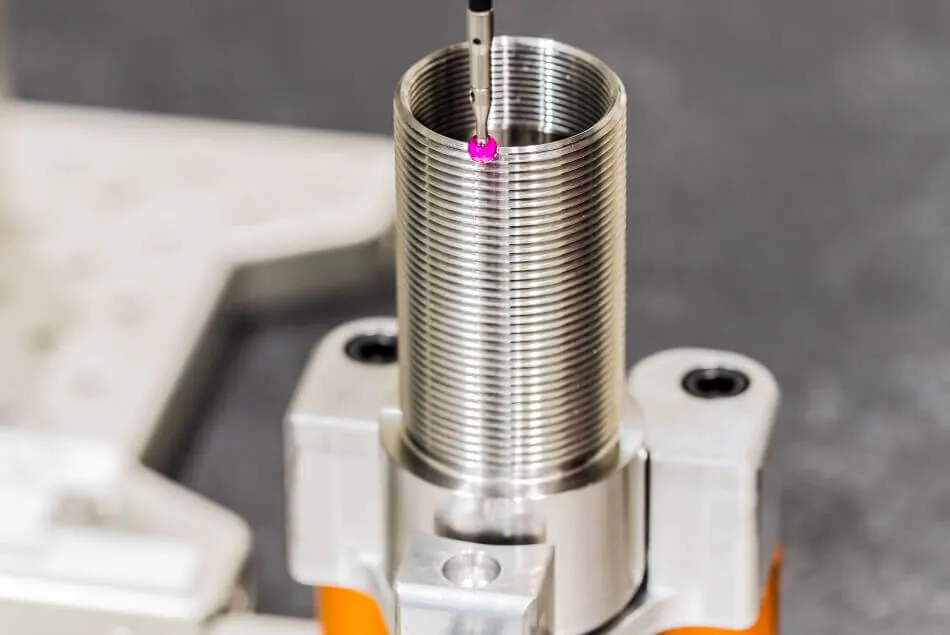
Quality assurance is seamlessly integrated into every manufacturing phase, anchored by comprehensive Coordinate Measuring Machine (CMM) inspection. Our Zeiss CONTURA and GLOBAL S series CMMs provide full 3D verification against CAD models, ensuring absolute conformance to design intent. Every critical feature undergoes rigorous measurement, with detailed inspection reports including GD&T analysis, surface profile verification, and comprehensive dimensional data. This traceable, data-driven QC process provides definitive proof of quality for critical mold components, mitigating risk during mold tryout and production ramp-up. Our ISO 9001-certified quality management system governs all procedures, from raw material certification through final inspection, guaranteeing consistent output that meets the most stringent international standards.

The achievable precision of our manufacturing and inspection systems is consistently demonstrated across production runs. Typical tolerances achieved under controlled environmental conditions are as follows:

Feature Type Typical Tolerance Measurement Method
Linear Dimensions ±0.005 mm CMM
Geometric Form (Flatness, Roundness) ±0.003 mm CMM / Optical Comparator
Positional Tolerance ±0.005 mm CMM
Angular Tolerance ±0.001° CMM / Precision Angle Gauge
Surface Roughness (Ra) 0.4 µm (Typical) Profilometer

These specifications represent routinely achieved production capabilities under standard operating conditions within our temperature-controlled facility. Wuxi Lead Precision Machinery provides injection molding consultants with the verifiable precision and process reliability necessary to de-risk mold procurement and ensure optimal performance on the production floor. Our technical capabilities are engineered to be your client’s guarantee of mold excellence.


Material & Finish Options

injection molding consultants manufacturing

Material selection is a critical phase in custom metal manufacturing for injection molding applications, directly influencing mold performance, longevity, and production efficiency. At Wuxi Lead Precision Machinery, we specialize in precision-engineered mold components and support systems tailored to high-demand industrial environments. Our expertise enables us to guide injection molding consultants in selecting optimal materials—primarily aluminum, steel, and titanium—based on project-specific requirements such as cycle volume, part complexity, thermal management, and corrosion resistance.

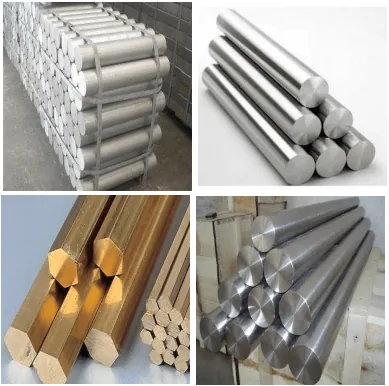
Aluminum alloys, particularly 7075 and 6061, offer excellent machinability and thermal conductivity, making them ideal for prototype molds and low-to-medium volume production. Their lightweight nature accelerates mold setup and reduces wear on molding machines. However, aluminum’s lower hardness compared to steel limits its use in high-cycle applications or with abrasive resins. For extended service life under high pressure and temperature, tool steels such as P20, H13, and S136 are preferred. These steels provide superior wear resistance, dimensional stability, and polishability, essential for optical or high-gloss finishes. H13 steel, with its excellent toughness and resistance to thermal fatigue, is frequently selected for hot-runner systems and high-cavity molds. Stainless variants like S136 further enhance corrosion resistance, crucial when processing PVC or other corrosive polymers.

Titanium alloys, while less common due to cost and machining complexity, offer exceptional strength-to-density ratios and corrosion resistance. They are typically reserved for specialized applications such as inserts in aggressive chemical environments or lightweight, high-strength components in aerospace-related molding systems. While titanium does not replace steel in mainstream mold bases, its strategic use in wear-prone areas can extend overall mold service life.

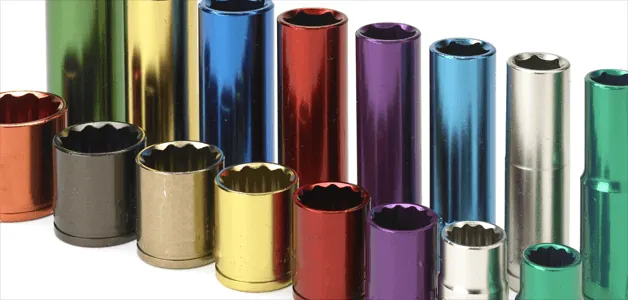
Surface finishing, particularly anodizing, plays a pivotal role in enhancing aluminum components. Anodizing creates a durable, corrosion-resistant oxide layer that improves surface hardness and wear performance. Type II (sulfuric acid) anodizing is commonly used for general protection and aesthetic finish, while Type III (hardcoat anodizing) delivers thicker, harder layers suitable for functional surfaces subject to friction or abrasion. Anodized finishes also provide electrical insulation and can be dyed for identification purposes. For steel components, alternative treatments such as nitriding, chrome plating, or PVD coatings are typically recommended, as anodizing is not applicable.

Understanding the interplay between material properties and processing conditions allows injection molding consultants to balance performance, cost, and lead time effectively. At Wuxi Lead, we support data-driven decisions with material testing, thermal analysis, and life-cycle evaluation to ensure optimal mold performance.

Below is a comparative overview of key material properties relevant to mold manufacturing:

Material Hardness (HRC) Tensile Strength (MPa) Thermal Conductivity (W/m·K) Typical Applications
Aluminum 7075 15–20 570 130 Prototypes, low-volume molds
P20 Steel 28–32 900 30 Medium-volume production molds
H13 Steel 48–52 1,600 25 High-temperature, high-wear molds
S136 Steel 50–54 1,700 22 Corrosion-resistant, high-polish molds
Titanium Ti-6Al-4V 35–40 950 7 Specialized inserts, aerospace molds

Manufacturing Process & QC

injection molding consultants manufacturing

Integrated Production Workflow for Zero Defect Metal Components

At Wuxi Lead Precision Machinery, we execute a rigorously controlled production sequence specifically engineered for the demanding requirements of injection molding consultants and their clients. Our core philosophy integrates Design for Manufacturability (DFM), precision prototyping, and statistically validated mass production to guarantee Zero Defects in every custom metal component. This seamless workflow eliminates costly downstream failures in mold construction and operation.

The process initiates with collaborative Design engineering. Our team works directly with consultants to analyze part geometry, material specifications, and functional demands. Advanced CAD/CAM software coupled with Mold Flow Analysis identifies potential stress points, cooling inefficiencies, or ejection challenges before metal is cut. This proactive DFM stage ensures the design is inherently manufacturable to micron-level tolerances, significantly reducing the risk of mold performance issues later. Critical parameters like thermal stability, wear resistance, and surface finish requirements are locked in during this phase, forming the unchangeable quality baseline.

Prototyping transitions the validated design into physical reality under full production conditions. We utilize the same multi-axis CNC machining centers, EDM equipment, and heat treatment processes planned for volume production. Each prototype undergoes exhaustive metrological verification against the original CAD model using calibrated CMMs and optical comparators. Dimensional accuracy, surface roughness, and critical feature alignment are measured to sub-micron levels. This isn’t merely a form check; it’s a functional validation proving the component will perform flawlessly within the mold assembly under operational loads and temperatures. Any deviation triggers immediate root cause analysis and process correction, never acceptance.

Mass Production leverages the perfected parameters from prototyping within a closed-loop quality system. Every machining cycle employs real-time SPC (Statistical Process Control), monitoring critical dimensions via in-process gauging and automated data collection. Cavity pressure monitoring during finishing operations ensures consistent surface integrity. Full material traceability, from certified alloy batch numbers to individual tooling offsets, is maintained digitally for every component. Our production floor operates under ISO 9001 and IATF 16949 standards, with mandatory first-article inspections and continuous in-line verification. This systematic approach ensures the 1,000th part meets the exacting specifications of the first, achieving true Zero Defects output essential for high-cavitation, long-run molds.

Critical Production Specifications

Parameter Capability Range Measurement Standard Target Tolerance
Dimensional Accuracy ±0.001 mm to ±0.005 mm ISO 2768-mK ±0.002 mm
Surface Roughness Ra 0.05 µm to Ra 0.8 µm ISO 1302 Ra 0.2 µm
Material Range Tool Steels (H13, S7, etc.), Stainless, Aluminum Alloys ASTM/EN Standards Certified Mill Certs
Max Component Size 800 mm x 600 mm x 500 mm Custom Fixturing Per Drawing
Process Validation 100% CMM First Article + SPC AS9102 Cpk ≥ 1.67

This disciplined progression from intelligent design through validated prototyping to statistically controlled mass production forms the bedrock of Wuxi Lead’s commitment. We deliver not just parts, but guaranteed mold performance and longevity, directly supporting our consultants’ success in delivering exceptional injection molding solutions.


Why Choose Wuxi Lead Precision

Partner with Lead Precision for Unmatched Expertise in Custom Metal Manufacturing

At Wuxi Lead Precision Machinery, we understand the critical role precision components play in the success of injection molding systems. As a trusted partner to injection molding consultants across global markets, we deliver engineered metal solutions that meet the most demanding performance, durability, and tolerance requirements. Our advanced manufacturing capabilities, combined with deep industry knowledge, enable us to support your projects from concept to completion—on time, to spec, and with uncompromised quality.

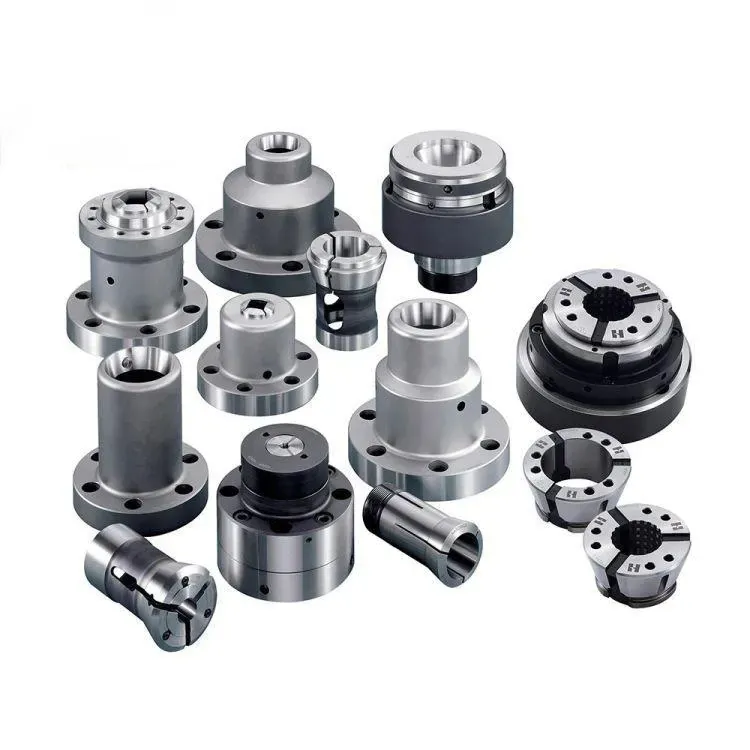
We specialize in custom metal manufacturing for high-pressure, high-wear environments typical in injection molding applications. Whether you require mold bases, ejector plates, tie bars, or custom cavity and core components, our in-house CNC machining, heat treatment, and surface finishing processes ensure dimensional accuracy down to ±0.002 mm. Our facility in Wuxi, China, operates under ISO 9001-certified quality management systems, with full traceability and rigorous inspection protocols using CMM, optical comparators, and hardness testing equipment.

What sets us apart is our consultative engineering approach. We don’t just manufacture parts—we collaborate. Our team of CNC engineers and manufacturing specialists works directly with injection molding consultants to optimize designs for manufacturability, reduce cycle times, and extend tool life. From material selection to finishing techniques such as nitriding, chrome plating, or PVD coating, we provide technical insight that enhances both performance and cost-efficiency.

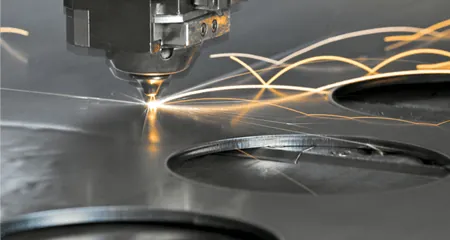
Our production capacity is built for scalability. With over 80 CNC machining centers, including 5-axis milling, wire EDM, and precision grinding, we support low-volume prototyping and high-volume production runs with equal proficiency. Lead times are consistently competitive, and our logistics network ensures reliable delivery to North America, Europe, and Southeast Asia.

When you partner with Wuxi Lead Precision Machinery, you gain more than a supplier—you gain a strategic manufacturing ally committed to your technical success.

Technical Specifications and Capabilities

Parameter Specification
Maximum Workpiece Size 2,500 mm × 1,800 mm × 1,200 mm
Tolerance Control ±0.002 mm (standard), ±0.001 mm (precision)
Surface Finish Ra 0.2 µm to Ra 1.6 µm (polishing available)
Materials Supported P20, 718, H13, S136, 420SS, Aluminum 7075, Brass
Heat Treatment Vacuum hardening, nitriding, induction hardening
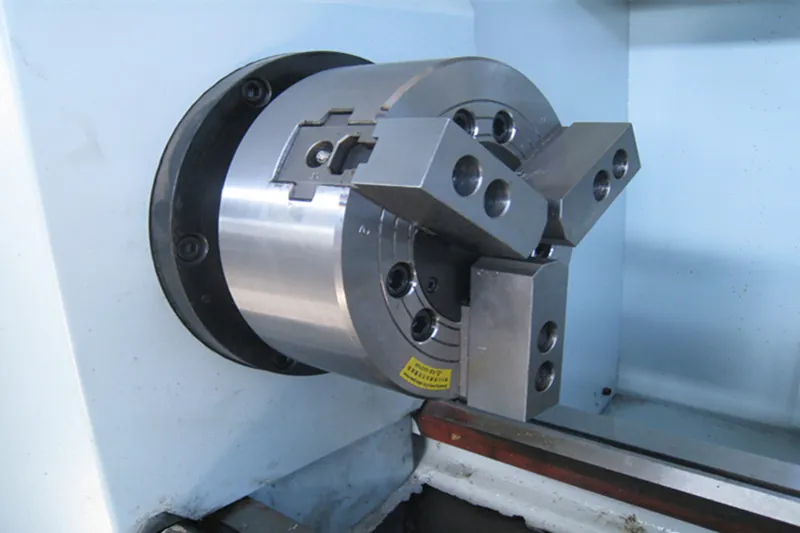
Machining Processes 3/5-axis milling, turning, wire EDM, grinding
Quality Standards ISO 9001:2015, Full FAI & PPAP documentation
Lead Time (Average) 15–25 days (varies by complexity and volume)

Contact us today to discuss your next project. Email [email protected] and connect with our engineering team for a detailed technical review and competitive quotation. Let Wuxi Lead Precision Machinery become your trusted partner in precision metal manufacturing.


⚙️ Precision Cost Estimator

Estimate relative manufacturing effort based on tolerance.

Injection Molding Consultants Manufacturer | Precision CNC Guide

Contents of Table

Contact [email protected] Whatsapp 86 15951276160