Liquid Silicone For Mold Making Manufacturer | Precision CNC Guide

Engineering Guide: Liquid Silicone For Mold Making

liquid silicone for mold making manufacturing

Engineering Insight Liquid Silicone for Mold Making Precision as Non Negotiable

Achieving dimensional accuracy in liquid silicone rubber LSR mold making demands uncompromising precision at every process stage. Unlike rigid thermoplastics LSR exhibits unique flow characteristics and post-cure shrinkage behaviors that magnify minor deviations in mold geometry or process parameters. A tolerance variance of even 0 05mm during mold cavity machining can propagate into significant part defects after vulcanization directly impacting sealing performance biocompatibility or mechanical function in critical applications. This isn’t theoretical; it manifests as flash on medical device housings inconsistent wall thickness in automotive sensors or failed compression sets in aerospace seals. The cost of imprecision extends far beyond scrap rates—it jeopardizes regulatory compliance field reliability and ultimately client trust.

The core challenge lies in managing LSR’s sensitivity. Material viscosity changes with temperature injection speed affects air entrapment and uneven cooling induces internal stresses leading to warpage. Precision mold making must therefore anticipate these variables through rigorous material science understanding and advanced process simulation. Mold cavity surfaces require mirror finishes Ra 0 05µm or better to prevent adhesion yet maintain micro-venting for air evacuation. Core pins and ejector systems demand micron level positional accuracy to avoid part damage during demolding. Any inconsistency in steel hardness or thermal conductivity across the mold assembly creates localized hot spots altering cure kinetics and part geometry.

Critical LSR Material Properties for Precision Molding
| Property | Typical Range | Precision Impact |
|———-|—————|——————|
| Shore A Hardness | 10 – 80 | Affects demolding force and sealing integrity |
| Tensile Strength | 4 0 – 12 0 MPa | Determines part durability under stress |
| Elongation at Break | 400 – 1000% | Influences flow into fine features |
| Linear Shrinkage | 2 0 – 3 5% | Must be compensated in CAD model |
| Thermal Conductivity | 0 15 – 0 35 W m·K | Dictates cooling uniformity and cycle time |

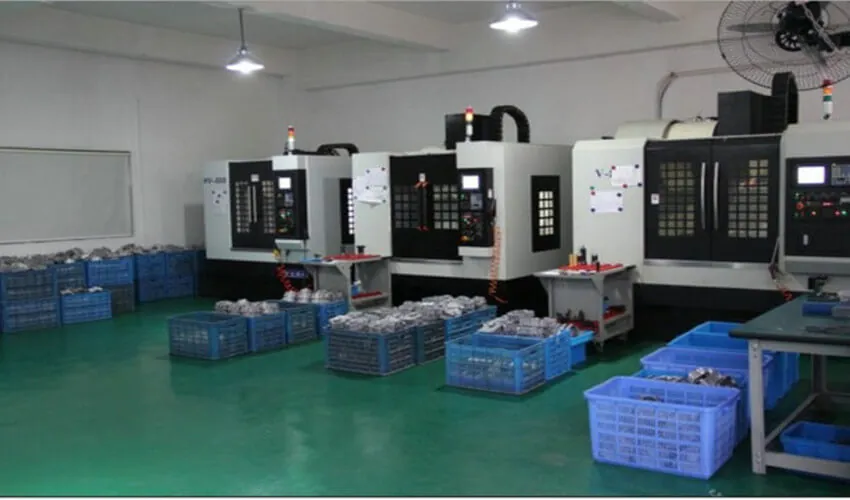
At Wuxi Lead Precision Machinery our CNC protocols treat LSR mold making as a metrology discipline not mere fabrication. Every cavity block undergoes iterative coordinate measuring machine CMM validation against compensated CAD models accounting for material-specific shrinkage curves. Our 5 axis grinding centers maintain thermal stability within ±0 005°C during finishing ensuring surface integrity down to the sub-micron level. This rigor isn’t academic—it’s battle tested. We engineered molds for Olympic venue lighting systems requiring 0 03mm positional tolerance across 2 meter assemblies and produced defense-grade sensor housings certified to MIL STD 810G where material consistency under extreme thermal cycling was non negotiable.

Precision in LSR molding separates functional prototypes from production ready solutions. It demands marrying material science with machine tool capability and process intelligence. When your application tolerates zero variation in biocompatible seals or aerospace gaskets the mold maker’s commitment to micron level execution becomes your primary risk mitigator. Lead Precision delivers this through engineered processes not promises—proven where failure is not an option. Let us apply this standard to your next critical LSR component.


Precision Specs & Tolerances

liquid silicone for mold making manufacturing

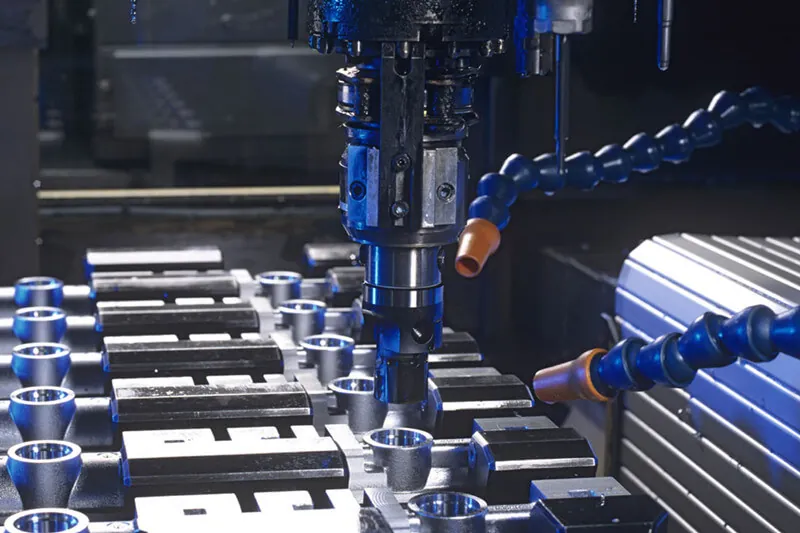
Wuxi Lead Precision Machinery delivers advanced technical capabilities in custom metal manufacturing, engineered to meet the stringent demands of high-performance industries such as aerospace, medical devices, and precision tooling. Our expertise extends into the production of molds for liquid silicone rubber (LSR) applications, where dimensional accuracy, surface integrity, and thermal stability are critical. Utilizing state-of-the-art 5-axis CNC machining centers, we produce complex mold geometries with exceptional precision and consistency, ensuring optimal performance in LSR injection and compression molding processes.

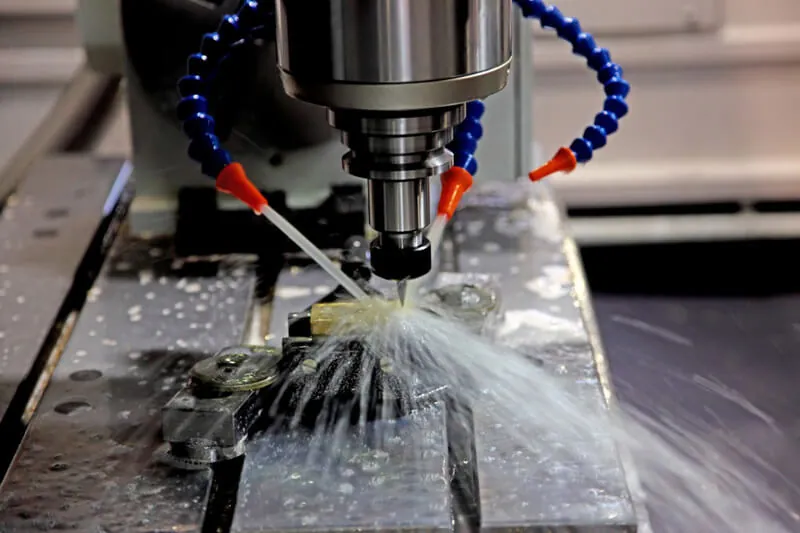
Our 5-axis CNC platforms enable simultaneous multi-directional cutting, allowing for the creation of intricate core and cavity designs, undercuts, and fine surface details without the need for multiple setups. This capability significantly reduces lead times while enhancing part accuracy and repeatability. The use of high-rigidity machines with sub-micron positioning accuracy ensures that even the most challenging mold features—such as micro-channels, venting systems, and conformal cooling circuits—are machined to exact specifications. All machining operations are supported by advanced CAM software and in-house toolpath optimization, enabling efficient material removal and superior surface finishes.

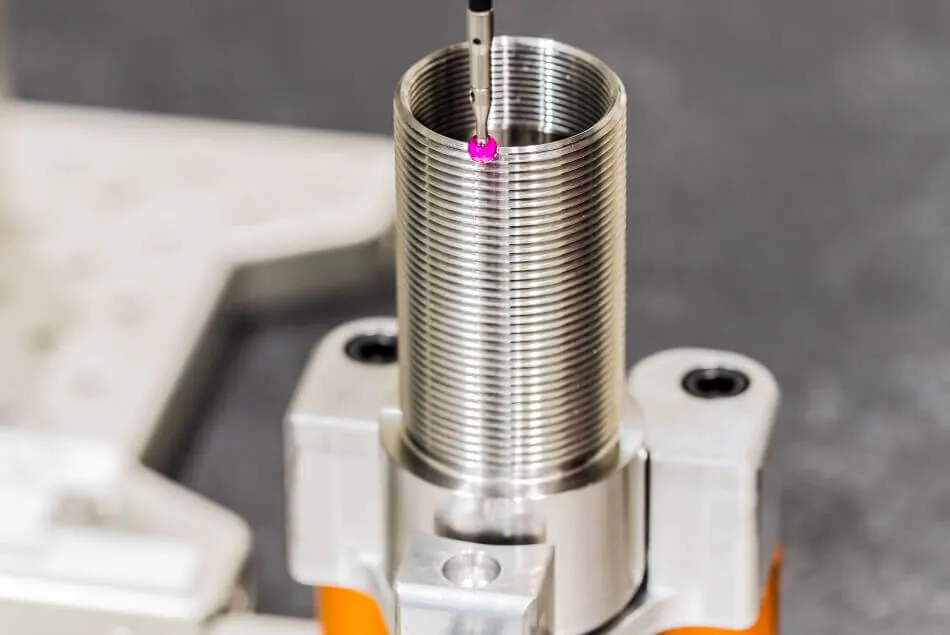
Quality control is integral to our manufacturing process. Every mold undergoes comprehensive inspection using a Zeiss DuraMax Bridge-type Coordinate Measuring Machine (CMM), providing full 3D verification of critical dimensions and geometric tolerances. This metrology-grade validation ensures compliance with international standards and customer-specific requirements. Our inspection protocols include first-article reporting (FAI), in-process checks, and final certification, all documented for full traceability.

The following table outlines the standard technical tolerances we consistently achieve in mold manufacturing for liquid silicone applications. These values reflect our process capability under controlled conditions and can be further tightened based on application needs.

Parameter Standard Tolerance Capability Range
Linear Dimensions (mm) ±0.01 mm Down to ±0.005 mm
Geometric Tolerances (GD&T) ±0.012 mm Down to ±0.008 mm
Surface Roughness (Ra) 0.4 µm (typical) As low as 0.1 µm
Flatness 0.01 mm over 100 mm 0.005 mm over 100 mm
Hole Diameter Tolerance H7 fit standard Up to H6 precision
Angular Accuracy ±0.05° ±0.02° with calibration
Repeatability (5-axis) ±0.008 mm Verified over 10 cycles

With a foundation built on precision engineering, advanced equipment, and rigorous quality assurance, Wuxi Lead Precision Machinery ensures that every liquid silicone mold meets the highest standards of performance and reliability. Our technical capabilities are tailored to support clients in developing robust, long-life tooling solutions for high-volume and mission-critical applications.


Material & Finish Options

liquid silicone for mold making manufacturing

Material Selection for Liquid Silicone Rubber (LSR) Molding Applications

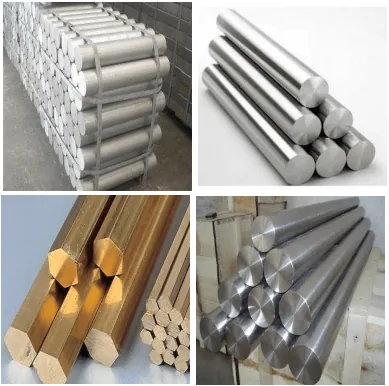
Selecting the optimal mold material is critical for achieving precision, longevity, and cost-efficiency in Liquid Silicone Rubber (LSR) production. The unique thermal and chemical properties of LSR demand molds capable of withstanding repeated high-temperature cycles while maintaining dimensional stability and surface integrity. At Wuxi Lead Precision Machinery, we prioritize material science to ensure your molds deliver consistent part quality across high-volume runs. Aluminum, tool steel, and titanium each present distinct advantages depending on production volume, part complexity, and budget constraints. Aluminum excels in rapid prototyping and low-to-medium volume production due to its superior thermal conductivity, enabling faster cycle times. However, its lower hardness makes it less suitable for highly abrasive fillers or extended high-volume runs. Tool steel, particularly pre-hardened or stainless variants, offers exceptional wear resistance and durability for million-plus cavity applications, especially with filled silicones. Titanium provides a niche solution where extreme corrosion resistance is paramount, though its cost and machining complexity require careful justification.

The following table summarizes key material properties relevant to LSR mold performance:

Material Property Aluminum (7075-T6) Tool Steel (P20, H13) Titanium (Grade 5)
Thermal Conductivity (W/m·K) 130 25-35 7
Hardness (HRC) 40-45 28-52 36-41
Tensile Strength (MPa) 500-570 900-1600 860-900
Corrosion Resistance Moderate Good (Stainless) Excellent
Typical Use Case Prototyping, Low/Med Volume High Volume, Filled LSR Aggressive Chemical Environments
Machinability Excellent Good Challenging

Surface finish directly impacts part release and final product aesthetics. Anodizing is a highly recommended post-machining process for aluminum molds. Type II (Sulfuric Acid) anodizing provides a standard wear-resistant layer, while hardcoat (Type III) anodizing delivers significantly enhanced surface hardness (up to 60 HRC) and abrasion resistance, crucial for prolonging mold life with abrasive LSR compounds. This electrochemical process creates a porous oxide layer that can also be sealed with PTFE or other low-friction coatings to further improve release characteristics and reduce silicone adhesion. For steel molds, nitriding or specialized chrome plating often provides the necessary surface hardness and release properties, though anodizing remains the optimal surface treatment solution for aluminum-based tooling due to its adhesion and thermal compatibility.

Material selection must align with your specific production goals. While aluminum with hardcoat anodizing offers the best balance of speed, cost, and performance for many applications, high-volume medical or automotive LSR production typically necessitates tool steel for maximum longevity. Wuxi Lead Precision Machinery leverages advanced CNC milling and EDM capabilities alongside precise surface engineering to transform your material choice into a robust, high-yielding molding solution. We collaborate closely with clients to analyze part geometry, silicone formulation, and volume requirements, ensuring the mold substrate and finish deliver optimal performance and return on investment.


Manufacturing Process & QC

liquid silicone for mold making manufacturing

Design Phase: Precision Engineering for Liquid Silicone Molding

At Wuxi Lead Precision Machinery, the foundation of flawless liquid silicone mold making begins with advanced design engineering. Our team of CNC specialists and industrial designers collaborates closely with clients to translate conceptual requirements into technically precise 3D models. Using high-fidelity CAD software and finite element analysis (FEA), we simulate flow dynamics, thermal distribution, and structural integrity under operational stress. This ensures optimal mold geometry, venting, and gate placement—critical factors in preventing voids, flash, and incomplete fills during silicone injection. Every design is reviewed for manufacturability, with tolerances specified to ±0.005 mm to support zero-defect production. Material compatibility, coefficient of thermal expansion, and ejection mechanics are rigorously evaluated to extend mold life and ensure repeatability.

Prototyping: Validating Performance Before Scale

Once the digital model is finalized, we proceed to rapid prototyping using CNC-machined aluminum or pre-hardened steel molds. These prototype tools are manufactured on our 5-axis precision machining centers, equipped with ISO-certified tooling and real-time probing systems for dimensional accuracy. The prototype phase allows clients to test form, fit, and function of the liquid silicone rubber (LSR) parts under actual processing conditions. We conduct iterative trials with medical-grade, food-safe, or high-temperature LSR materials, adjusting parameters such as injection speed, curing time, and mold temperature. Each prototype undergoes dimensional inspection via CMM (Coordinate Measuring Machine) and visual defect analysis using automated optical comparison. Feedback is integrated into the final design, minimizing risk before transitioning to full-scale production.

Mass Production: Zero-Defect Manufacturing Execution

With design and prototyping validated, Wuxi Lead initiates high-volume manufacturing using hardened steel molds built for durability and thermal stability. Our automated molding cells integrate robotic part removal, inline vision inspection, and real-time process monitoring to maintain consistency across production runs. Each mold is constructed from high-purity tool steel (e.g., H13 or S136) and treated with precision polishing or texture finishes as required. The entire process is governed by Six Sigma principles, with Statistical Process Control (SPC) tracking key variables such as shot weight, clamp force, and cure cycle. Preventive maintenance schedules and mold cleaning protocols are strictly enforced to eliminate contamination and wear-related defects.

Key technical specifications of our liquid silicone molding process are outlined below:

Parameter Specification
Material Compatibility Platinum-cure LSR, FDA-compliant, medical grade, conductive silicone
Mold Tolerance ±0.005 mm
Surface Finish Ra 0.05 µm to MT-11920 (textured)
Mold Life 500,000+ cycles (hardened steel)
Injection Pressure Up to 150 MPa
Curing Temperature Range 140°C – 200°C
Production Capacity 1,000 – 50,000 units/day (per line)
Quality Standards ISO 9001, IATF 16949, 100% in-process inspection

Through seamless integration of design intelligence, prototyping validation, and tightly controlled mass production, Wuxi Lead Precision Machinery delivers liquid silicone molded components with uncompromising quality—ensuring zero-defect performance for automotive, medical, and consumer electronics industries.


Why Choose Wuxi Lead Precision

Partner with Lead Precision for Uncompromising Liquid Silicone Mold Performance

Achieving flawless liquid silicone rubber (LSR) parts demands more than just high-quality material; it requires molds engineered to exacting standards where microscopic deviations translate directly into production failures, scrap, and costly downtime. At Wuxi Lead Precision Machinery, we understand that the mold is the foundation of your LSR manufacturing success. As specialists in custom metal manufacturing for demanding industrial applications, we bridge the critical gap between your LSR formulation and the final precision component you require. Our expertise lies not merely in machining cavities, but in creating thermally stable, dimensionally perfect metal frameworks that ensure consistent flow, cure, and part ejection cycle after cycle.

Generic mold suppliers often overlook the unique thermal expansion, pressure dynamics, and surface interaction challenges inherent in LSR processing. We integrate deep material science knowledge with advanced CNC capabilities to deliver molds that actively enhance your process. Our engineers collaborate with you from the initial concept stage, analyzing your part geometry, material properties, and production volume to select optimal mold materials, cooling strategies, and surface treatments. This proactive approach mitigates common pitfalls like flash, incomplete fills, or premature wear, directly boosting your yield and reducing total cost of ownership. We focus on the metal components that define mold longevity and precision – the core, cavity, inserts, and critical alignment features – ensuring they withstand the rigorous thermal cycling and chemical exposure of LSR injection molding.

Wuxi Lead Precision Machinery leverages state-of-the-art 5-axis milling, wire EDM, and precision grinding technologies, all operating within stringent environmental controls. Our quality management system, certified to ISO 9001:2015, governs every micron of material removal and surface finish. We deliver molds where tolerances are not just met, but guaranteed for the life of your production run. The table below outlines our core capabilities relevant to high-performance LSR mold construction:

Specification Category Lead Precision Standard Relevance to LSR Molds
Material Options H13, S136, 420SS, Custom Alloys Thermal stability, corrosion resistance against LSR additives
Dimensional Tolerance ±0.002 mm (±0.00008″) Critical for part fit, function & preventing flash
Surface Finish (Cavity) Ra 0.05 µm (Mirror Polish) Ensures clean part release, minimizes surface defects
Thermal Management Optimized conformal cooling channels Uniform cure, reduced cycle times, minimized warpage
Mold Base Precision H7/g6 Fit Tolerances Maintains alignment under high clamping pressure

Partnering with Lead Precision means gaining a manufacturing ally committed to the success of your LSR program. We move beyond simple component supply to become an extension of your engineering team, solving complex challenges before they reach your production floor. Our commitment is to deliver molds that are not just tools, but strategic assets driving your efficiency and product quality. Don’t let substandard mold performance limit your LSR capabilities. Contact our engineering team today at [email protected]. Provide your specific part requirements and production goals, and we will initiate a detailed technical consultation. Let us demonstrate how precision metal manufacturing, engineered specifically for liquid silicone, elevates your entire operation. Reach out now to engineer your next success with Lead Precision.


⚙️ Precision Cost Estimator

Estimate relative manufacturing effort based on tolerance.

Liquid Silicone For Mold Making Manufacturer | Precision CNC Guide

Contents of Table

Contact [email protected] Whatsapp 86 15951276160