Technical Contents
Engineering Guide: Who Sells Sheet Metal

Engineering Insight: The Critical Role of Precision in Sheet Metal Fabrication
In the world of industrial manufacturing, sheet metal is far more than a raw material—it is the foundation upon which complex machinery, structural systems, and high-performance equipment are built. For global buyers and OEMs, sourcing sheet metal is not simply a procurement decision; it is a strategic engineering choice that directly impacts product integrity, performance, and compliance. At Wuxi Lead Precision Machinery, we understand that precision in sheet metal fabrication is not an optional attribute—it is a non-negotiable standard.
Precision begins at the material level. The dimensional accuracy, flatness, and consistency of sheet metal directly influence downstream processes such as laser cutting, bending, welding, and assembly. Even minor deviations in thickness or surface tolerance can compound into significant errors in final assemblies, especially in high-stakes applications like aerospace, defense, and precision instrumentation. This is why Lead Precision adheres to ISO 9001-certified quality control systems and maintains tight tolerances across all production stages.
Our experience in delivering mission-critical components for Olympic infrastructure projects and military-grade equipment underscores our commitment to precision. These applications demand materials and fabricated parts that perform flawlessly under extreme conditions. For example, structural components used in Olympic venues required exact geometric conformity to ensure safety and architectural integrity, while military enclosures demanded electromagnetic shielding and environmental resilience—both achievable only through precise material selection and fabrication control.
At the core of our capability is a vertically integrated production ecosystem. We source high-grade cold-rolled, galvanized, and stainless steel sheets from certified mills, ensuring traceability and compliance with international standards such as ASTM, GB, and JIS. Each batch undergoes rigorous incoming inspection, including thickness verification, tensile testing, and surface defect analysis. Our CNC-controlled processing lines then maintain micron-level accuracy throughout cutting and forming operations.
Beyond material quality, our engineering team collaborates closely with clients during the design phase to optimize manufacturability. We conduct detailed DFM (Design for Manufacturability) reviews to identify potential issues related to bend allowances, grain direction, and weld distortion—ensuring that the final product meets both functional and aesthetic requirements.
Below are key specifications that define our sheet metal fabrication capabilities:
| Specification | Detail |
|---|---|
| Material Types | Cold-rolled steel, Galvanized steel, Stainless steel (304, 316), Aluminum (5052, 6061) |
| Thickness Range | 0.5 mm – 6.0 mm |
| Tolerance (Cutting) | ±0.1 mm |
| Tolerance (Bending) | ±0.2°, ±0.5 mm |
| Surface Flatness | ≤1 mm deviation per square meter |
| Max Processing Size | 4000 mm × 1500 mm |
| Finishing Options | Powder coating, Anodizing, Passivation, Sandblasting |
Precision in sheet metal fabrication is not achieved through machinery alone—it is the result of disciplined engineering, process control, and a culture of excellence. At Wuxi Lead Precision Machinery, we bring over 15 years of advanced manufacturing experience to every project, ensuring that the sheet metal we deliver is not just sold, but engineered to perform.
Precision Specs & Tolerances

Technical Capabilities: Precision Sheet Metal Fabrication
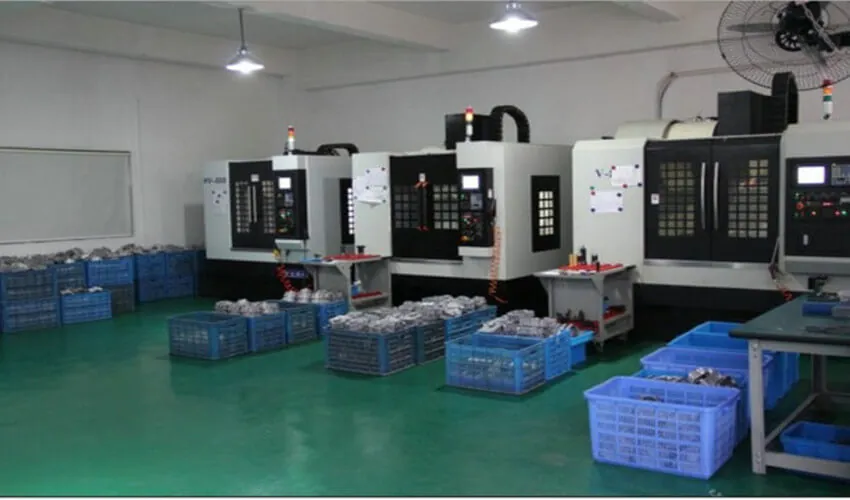
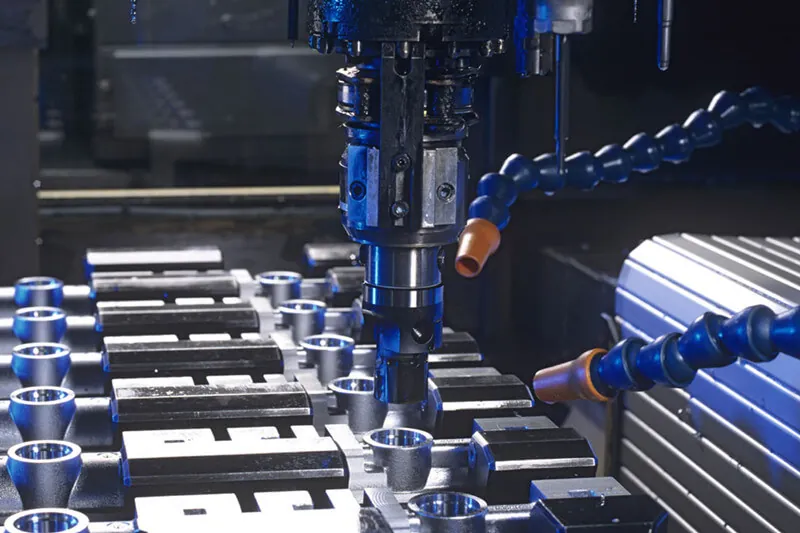
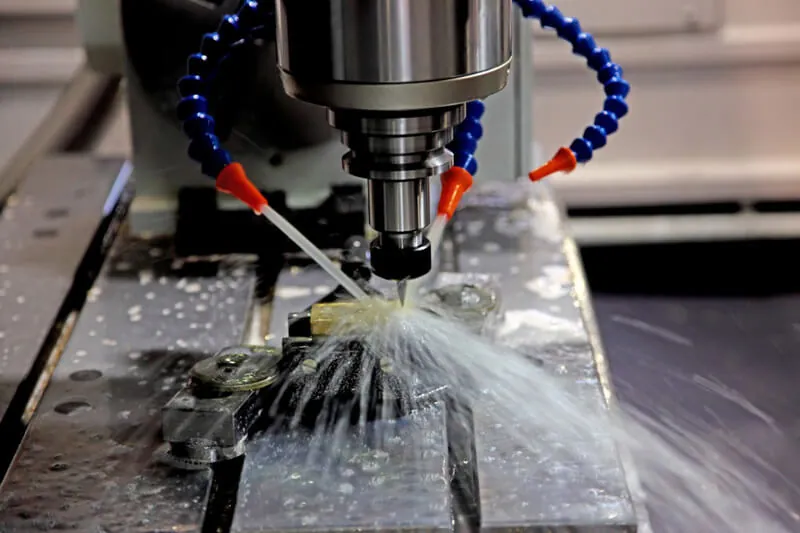
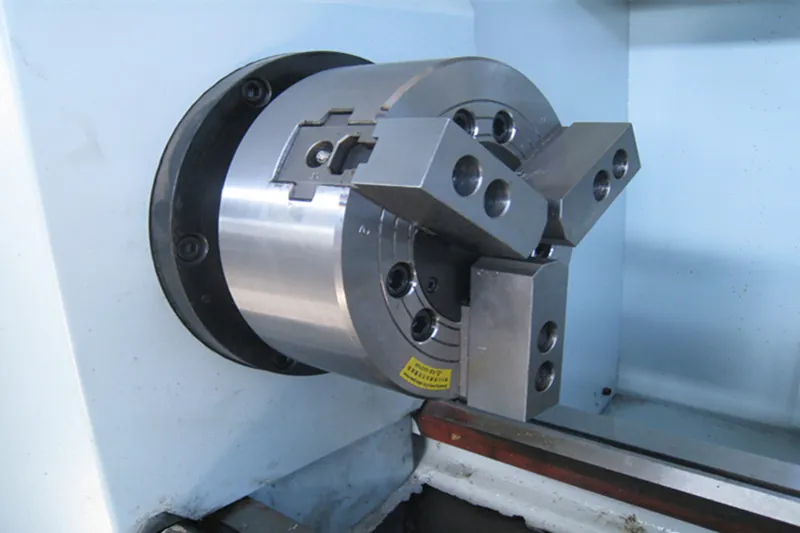
Wuxi Lead Precision Machinery delivers uncompromising precision in sheet metal fabrication through advanced 5-axis CNC machining and rigorous quality control. Our technical infrastructure is engineered to handle complex geometries, tight tolerances, and mission-critical components for aerospace, medical, and industrial automation sectors. The cornerstone of our capability is a fleet of state-of-the-art 5-axis CNC milling and turning centers, enabling simultaneous multi-directional machining. This eliminates secondary setups, reduces cumulative error, and achieves intricate features—such as deep undercuts, contoured surfaces, and compound angles—in a single operation. Material efficiency and part integrity are maximized, particularly for challenging alloys like titanium, Inconel, and hardened stainless steel.
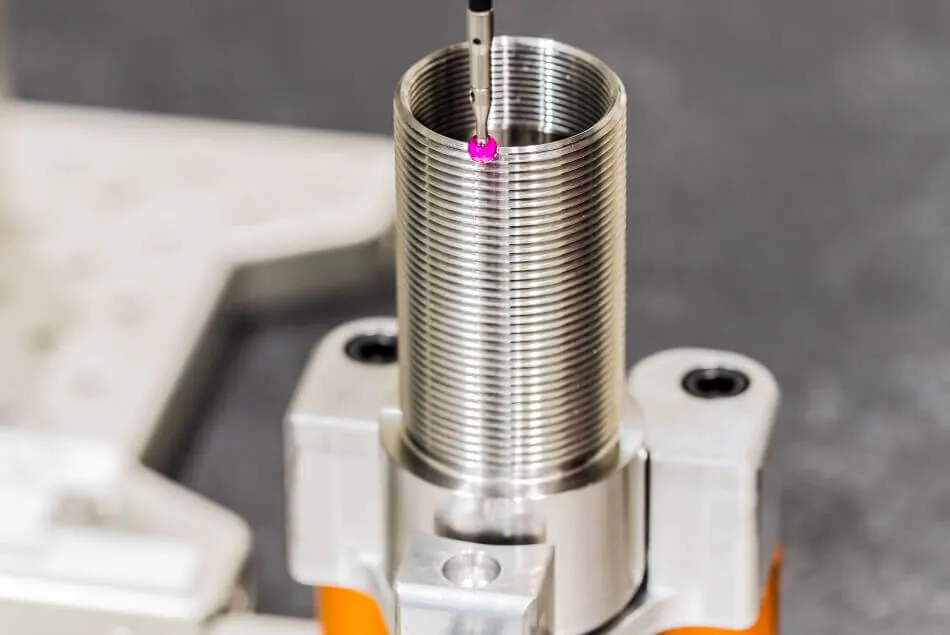
Critical to our process is integrated metrology. Every component undergoes comprehensive inspection via Zeiss CONTURA CMM systems, providing statistically validated dimensional verification against CAD models. Our inspection protocols include first-article reporting, in-process checks, and full-spectrum geometric dimensioning and tolerancing (GD&T) analysis. This ensures conformity to ASME Y14.5 standards and mitigates assembly failures or field defects. All inspection data is traceable, with digital reports accessible to clients for audit compliance.
The following table details our standard tolerance capabilities across common sheet metal fabrication processes. These values reflect our production floor’s repeatability under controlled environmental conditions and are validated through continuous SPC monitoring.
| Process | Material Thickness Range | Dimensional Tolerance | Feature Tolerance | Surface Finish (Ra) |
|---|---|---|---|---|
| 5-Axis CNC Milling | 0.5 mm – 100 mm | ±0.02 mm | ±0.01 mm (GD&T) | 0.8 – 3.2 µm |
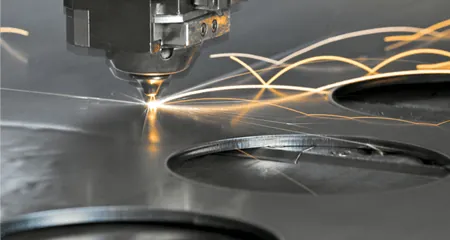
| Laser Cutting | 0.8 mm – 25 mm | ±0.05 mm | ±0.10 mm | 3.2 – 6.3 µm |
| Precision Bending | 0.5 mm – 6 mm | ±0.1° (angle) | ±0.05 mm (radius) | N/A |
| CMM Inspection (Final) | All thicknesses | ±0.0025 mm (probe) | ±0.005 mm (laser) | N/A |
Our technical workflow begins with DFM analysis to optimize manufacturability, followed by toolpath simulation in Siemens NX CAM to prevent collisions and ensure surface integrity. All CNC programs are dry-run verified offline, minimizing machine downtime. For thin-sheet applications (<1.0 mm), we deploy specialized vacuum chucks and low-force tooling to prevent deformation, achieving flatness within 0.05 mm per 100 mm. Post-processing includes deburring validation via optical comparators and, where required, coordinate-based assembly fixture validation.
This integrated approach—combining 5-axis agility, metrology-grade inspection, and material science expertise—translates to higher yield rates, reduced scrap costs, and components that perform flawlessly in final assembly. We partner with clients to validate tolerance stacks early in design, ensuring producibility without over-engineering. For projects demanding micron-level consistency, our engineering team provides pre-production tolerance studies and process capability (Cp/Cpk) documentation. Contact Wuxi Lead to discuss your most demanding sheet metal specifications and receive a detailed capability assessment.
Material & Finish Options

Material Selection in Precision Sheet Metal Fabrication
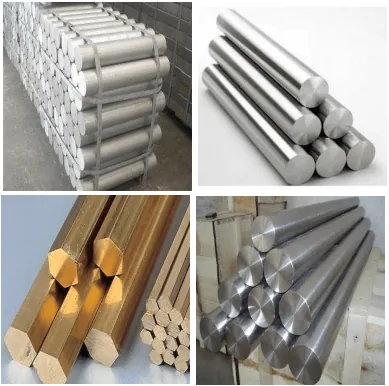
Selecting the appropriate material is a foundational step in high-performance sheet metal fabrication. At Wuxi Lead Precision Machinery, we prioritize material compatibility with design intent, environmental exposure, mechanical demands, and post-processing requirements. The most widely used materials in industrial applications are aluminum, steel, and titanium—each offering distinct advantages depending on the application.
Aluminum is favored for its excellent strength-to-weight ratio, corrosion resistance, and electrical conductivity. Grade 6061-T6 is particularly common in aerospace, transportation, and electronics enclosures due to its weldability and machinability. Its natural oxide layer provides inherent protection, but for enhanced durability and aesthetic control, anodizing is recommended. Type II sulfuric acid anodizing produces a decorative and moderately protective finish, while Type III hardcoat anodizing delivers superior wear and corrosion resistance for demanding environments.
Steel remains the backbone of structural and heavy-duty applications. Cold-rolled steel (CRS) offers tight dimensional tolerances and a smooth surface, ideal for precision components requiring painting or powder coating. Stainless steel, particularly grades 304 and 316, provides outstanding corrosion resistance and high-temperature performance. 316 stainless contains molybdenum, making it suitable for marine and chemical processing environments. While stainless steel does not anodize, it can be passivated, polished, or electropolished to enhance surface integrity and cleanliness.
Titanium, though more costly, is indispensable in aerospace, medical, and defense sectors due to its exceptional strength-to-density ratio and resistance to extreme temperatures and corrosive media. Grade 2 is commercially pure and offers good formability, while Grade 5 (Ti-6Al-4V) delivers higher strength for critical load-bearing components. Titanium naturally forms a stable oxide layer, providing excellent corrosion resistance without additional coating, though it can be treated for surface hardening or improved adhesion in specialized cases.
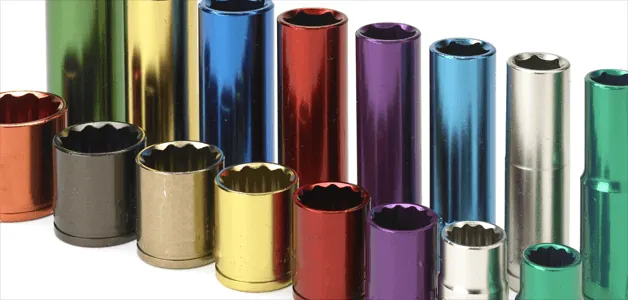
Surface finishing plays a critical role in both function and appearance. Anodizing aluminum not only enhances wear resistance but also allows for color coding and branding through dye integration. The process is electrolytic, growing the oxide layer uniformly without dimensional distortion—critical for precision parts.
The following table summarizes key mechanical and fabrication properties of commonly used sheet metals:
| Material | Typical Grades | Tensile Strength (MPa) | Density (g/cm³) | Key Applications | Common Finishes |
|---|---|---|---|---|---|
| Aluminum | 6061-T6, 5052-H32 | 310–325 | 2.7 | Enclosures, aerospace, heat sinks | Anodizing, powder coating, brushing |
| Carbon Steel | 1018, CR1045 | 400–550 | 7.85 | Frames, brackets, industrial chassis | Painting, zinc plating, powder coat |
| Stainless Steel | 304, 316 | 505–620 | 8.0 | Medical, food processing, marine | Passivation, polishing, bead blast |
| Titanium | Gr2, Gr5 (Ti-6Al-4V) | 345–1000 | 4.5 | Aerospace, defense, medical implants | Anodizing (color), grit blasting |
Material selection directly impacts manufacturability, lifecycle cost, and product performance. At Wuxi Lead Precision Machinery, we support clients in aligning material and finish choices with functional requirements, ensuring optimal outcomes in every fabrication project.
Manufacturing Process & QC

Sheet Metal Fabrication: The Zero Defect Production Process
Achieving true zero defects in sheet metal fabrication demands a rigorously controlled, phase-gated production process. At Wuxi Lead Precision Machinery, we integrate advanced engineering with stringent quality protocols across Design, Prototyping, and Mass Production stages. This systematic approach eliminates latent errors before they reach the customer, safeguarding your product integrity and brand reputation. Our methodology ensures dimensional accuracy, material integrity, and functional reliability are non-negotiable outcomes, not偶然 occurrences.
The process begins with collaborative Design engineering. Our team works directly with your specifications, utilizing advanced CAD/CAM software to model parts with precise geometric dimensioning and tolerancing. Critical factors like material grain direction, bend allowances, and tooling clearance are analyzed computationally. Finite element analysis (FEA) validates structural performance under load, while manufacturability reviews identify potential production risks early. This phase establishes the absolute baseline for zero defects; ambiguous designs cannot yield perfect parts. All design outputs undergo formal sign-off, locking the master specification before any metal is cut.
Prototyping transitions the digital model into physical reality under full production conditions. We fabricate initial units using the exact materials, tooling, and CNC programs intended for mass production. This is not a simplified trial run. Each prototype undergoes comprehensive metrology: Coordinate Measuring Machines (CMM) verify all critical dimensions against the CAD model, while surface finish, edge quality, and assembly fit are meticulously inspected. Any deviation triggers immediate root cause analysis and process correction. Only when prototypes consistently meet all specifications without rework is the process validated for scale. This stage is where theoretical perfection meets practical execution, proving the design is flawlessly manufacturable.
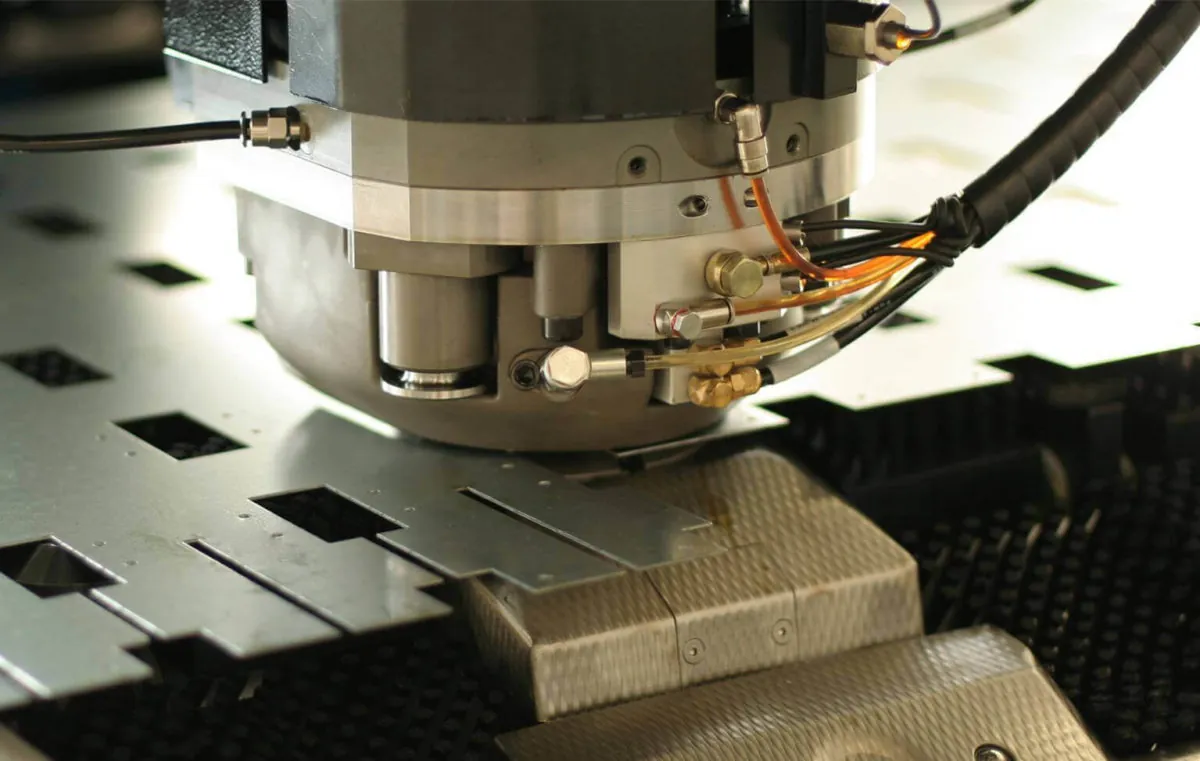
Mass Production executes the validated process with unwavering consistency. Our automated CNC punch presses, laser cutters, and press brakes operate under real-time monitoring systems tracking parameters like laser power, bend angle, and tool wear. In-process inspections occur at defined intervals using calibrated gauges and vision systems, ensuring drift is detected instantly. Final inspection employs AQL sampling plans exceeding industry standards, with 100% critical feature checks. Material traceability is maintained from coil to shipment. The table below summarizes key capabilities enabling this zero-defect outcome.
| Specification Category | Capability Range | Quality Control Method |
|---|---|---|
| Material Thickness | 0.5mm – 6.0mm | Incoming material certs + in-house verification |
| Tolerances | ±0.05mm (standard) ±0.02mm (precision) | CMM, laser scanners, calibrated hand tools |
| Materials | Mild Steel, Stainless (304, 316), Aluminum (5052, 6061), Galvanized | Material traceability logs, chemical spot tests |
| Max Part Size | 3000mm x 1500mm | Laser alignment checks, fixture validation |
Zero defects are achieved through relentless process discipline, not wishful thinking. By embedding quality checks at every phase and refusing to proceed without validation, Wuxi Lead ensures your sheet metal components arrive ready for assembly—every time. This eliminates costly scrap, rework, and production line stoppages downstream, delivering true operational value.
Why Choose Wuxi Lead Precision
Partner with Wuxi Lead Precision Machinery for unmatched expertise in high-precision sheet metal fabrication. As a trusted leader in advanced manufacturing solutions, we specialize in delivering engineered-to-order components that meet the rigorous demands of industries such as aerospace, automotive, energy, and industrial equipment. Our commitment to precision, quality, and on-time delivery makes us the preferred partner for global OEMs and tier-one suppliers who require consistency and reliability at every production stage.
At Wuxi Lead Precision, we combine state-of-the-art CNC technology with decades of engineering experience to transform raw sheet metal into mission-critical components. Our fully integrated production floor includes high-speed laser cutting systems, automated bending cells, robotic welding stations, and precision forming equipment—all calibrated to maintain tolerances within ±0.05 mm. Every process is governed by ISO 9001:2015-certified quality management protocols, ensuring traceability, repeatability, and compliance with international standards.
We understand that in high-end manufacturing, specifications are non-negotiable. That is why our engineering team collaborates directly with your design and procurement departments to optimize manufacturability, reduce lead times, and lower total cost of ownership. From prototype development to high-volume serial production, we offer scalable solutions tailored to your volume, material, and performance requirements.
Our facility in Wuxi, Jiangsu Province, spans over 15,000 square meters and operates with a lean manufacturing philosophy to maximize efficiency and minimize waste. We process a wide range of materials including cold-rolled steel, stainless steel, aluminum, and specialty alloys, supporting thicknesses from 0.5 mm to 12 mm. Whether your project involves intricate laser-cut enclosures, heavy-duty chassis frames, or complex welded assemblies, our team ensures every component meets your exact dimensional and functional criteria.
Below are key capabilities that define our sheet metal fabrication services:
| Specification | Detail |
|---|---|
| Laser Cutting Thickness Range | 0.5 – 12 mm |
| Maximum Laser Cutting Area | 1500 mm × 3000 mm |
| Bending Capacity | Up to 200 tons, 3200 mm bed length |
| Tolerance Accuracy | ±0.05 mm |
| Welding Processes | MIG, TIG, Spot, Robotic Arc Welding |
| Surface Finishing Options | Powder coating, anodizing, passivation, sandblasting |
| Quality Standards | ISO 9001:2015, ISO 14001, IATF 16949 (automotive) |
| Production Volume Support | Prototypes to 500,000+ units annually |
We invite global manufacturers to strengthen their supply chain with a partner built on precision, integrity, and performance. For project inquiries, technical collaboration, or supplier qualification documentation, contact us today at [email protected]. Let Wuxi Lead Precision Machinery become your strategic partner in advanced sheet metal fabrication—where engineering excellence meets industrial reliability.
⚙️ Precision Cost Estimator
Estimate relative manufacturing effort based on tolerance.