Technical Contents
Engineering Guide: Cube Silicone Mold
Engineering Insight: The Critical Role of Precision in Cube Silicone Mold Manufacturing
In high-end manufacturing, the performance and reliability of a cube silicone mold depend directly on the precision of its metal components. These molds are used across industries such as aerospace, medical devices, and advanced consumer electronics, where consistency in replication is non-negotiable. At Wuxi Lead Precision Machinery, we understand that even micrometer-level deviations in mold cavity geometry can result in significant product defects, reduced yield, or shortened mold life. Our engineering philosophy centers on ultra-precision metal fabrication to ensure that every cube silicone mold we produce meets the most stringent dimensional and thermal stability requirements.
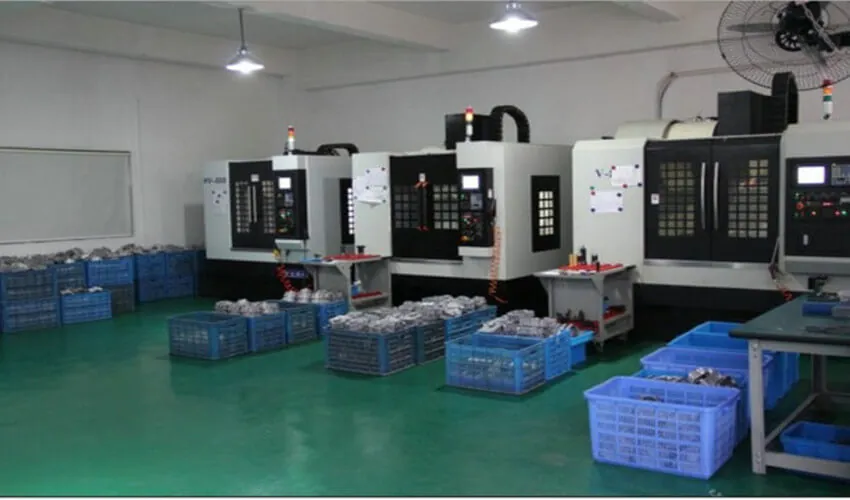
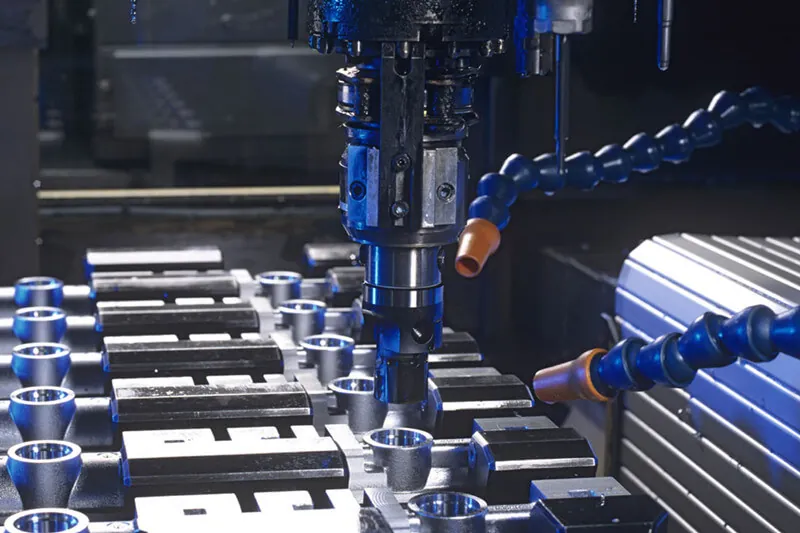
The foundation of a high-performance cube silicone mold lies in its steel or aluminum core structure. These metal components must be machined with exacting tolerances to maintain uniform wall thickness, optimal heat distribution, and precise part ejection. Any inconsistency in surface finish or cavity alignment can lead to uneven curing, flash formation, or part warpage in the final silicone product. Our CNC machining centers, operating under ISO 13485 and AS9100 quality standards, deliver tolerances as tight as ±0.002 mm, ensuring repeatable accuracy across production batches.
Wuxi Lead Precision Machinery brings over 15 years of experience in mission-critical metal manufacturing, including components used in Olympic-grade athletic equipment and military defense systems. These applications demand absolute reliability under extreme conditions—standards we apply to every mold we produce. Our engineers utilize 5-axis machining, EDM (Electrical Discharge Machining), and laser measurement systems to validate form, fit, and function before final assembly. This rigorous process ensures that each cube silicone mold performs consistently over thousands of cycles.
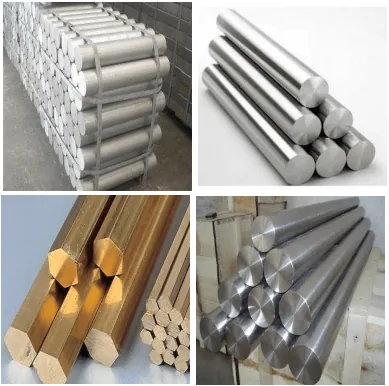
Material selection is another key factor in mold longevity and performance. We specialize in hardened tool steels, aluminum alloys with thermal coatings, and stainless steel variants, chosen based on production volume, silicone compound type, and operating environment. Our in-house metallurgical analysis allows us to match material properties precisely to customer requirements, minimizing wear and maximizing thermal conductivity.
Below are typical specifications achieved in our cube silicone mold production:
| Specification | Standard Capability | High-Precision Option |
|---|---|---|
| Dimensional Tolerance | ±0.01 mm | ±0.002 mm |
| Surface Finish (Ra) | 0.8 µm | 0.2 µm |
| Cavity Alignment | < 0.01 mm deviation | < 0.005 mm deviation |
| Material Options | P20, H13, 7075 Al, 316L SS | Custom hardened alloys, coated substrates |
| Machining Process | 3-axis CNC, EDM | 5-axis CNC, micro-EDM |
| Quality Certification | ISO 9001 | ISO 13485, AS9100 |
Precision in cube silicone mold manufacturing is not merely a technical requirement—it is a commitment to performance, safety, and long-term value. At Wuxi Lead Precision Machinery, we combine advanced metalworking technology with proven expertise from elite engineering domains to deliver molds that perform under the most demanding conditions.
Precision Specs & Tolerances
Technical Capabilities: Precision Manufacturing for Cube Silicone Molds
Wuxi Lead Precision Machinery delivers uncompromising geometric integrity for cube silicone molds, where dimensional accuracy directly dictates the performance and surface quality of the final silicone part. Our specialized focus on high-precision metal tooling ensures consistent replication of critical cube features—sharp edges, perfect flatness, and absolute parallelism—essential for applications demanding optical clarity, structural fidelity, or seamless assembly in medical, optical, and electronics manufacturing. Achieving these standards requires capabilities far beyond conventional machining.
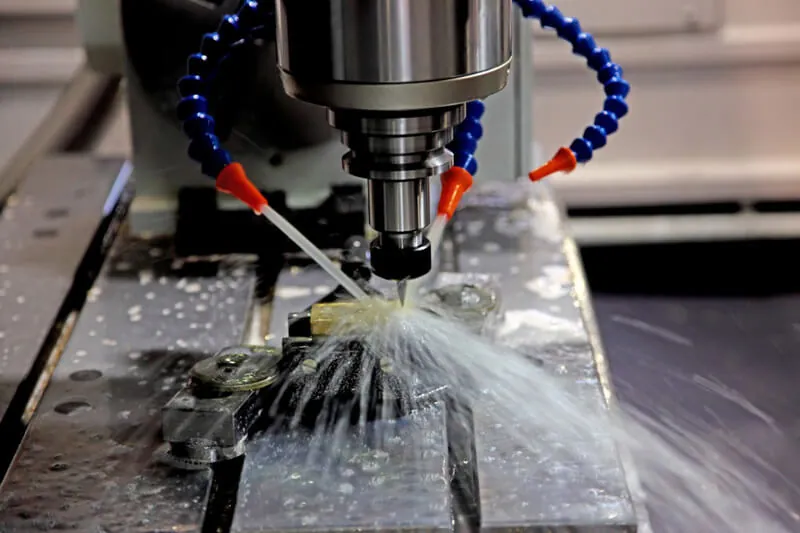
Our core strength lies in advanced 5-axis CNC milling technology. Utilizing DMG MORI and MAZAK dual-spindle machining centers with sub-micron resolution, we execute complex, single-setup operations on hardened tool steels (e.g., H13, S136) and aluminum alloys. This eliminates cumulative errors inherent in multi-setup processes, guaranteeing the critical alignment of all six cube faces within a single datum structure. Simultaneous 5-axis contouring achieves the stringent surface finishes required for defect-free silicone release, particularly on internal radii and parting lines, while minimizing manual polishing that can introduce inconsistencies. Integrated high-frequency spindles (up to 42,000 RPM) enable micro-machining of intricate venting and gating systems without compromising core structural rigidity.
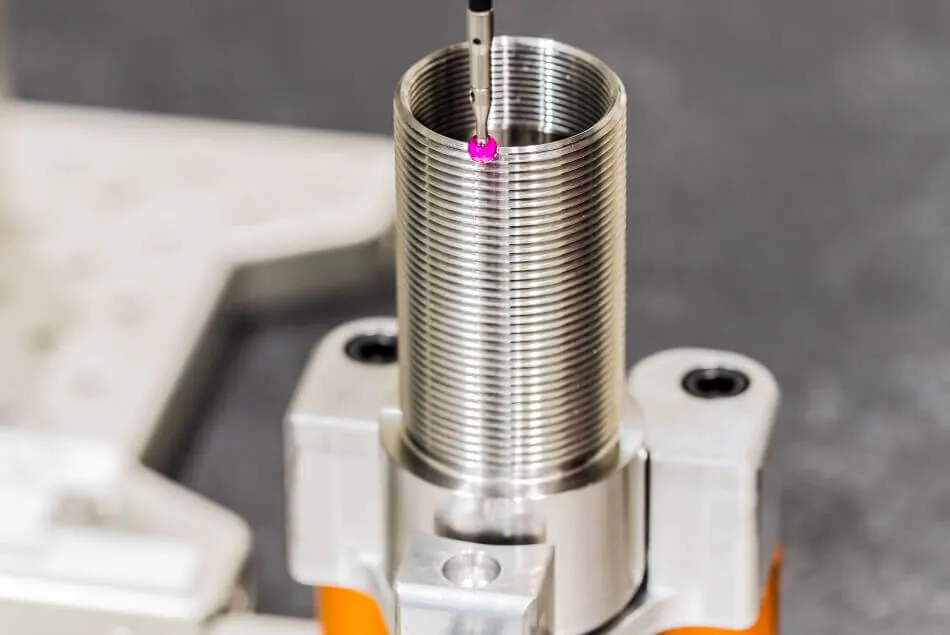
Rigorous quality control is non-negotiable. Every cube mold cavity undergoes comprehensive metrology-grade verification using Zeiss CONTURA G2 Coordinate Measuring Machines (CMM) with active scanning probes. Our inspection protocol, aligned with ISO 10360-2 standards, validates all critical dimensions against the original CAD model, including flatness, parallelism, angularity, and linear tolerances across the entire cube geometry. This data-driven approach provides full traceability and ensures adherence to the most demanding client specifications before mold assembly and silicone validation. We implement strict process controls, including temperature-stable machining environments and post-machining stress relief cycles, to mitigate thermal distortion and guarantee long-term dimensional stability under production conditions.
The following table details our standard and achievable tolerance capabilities for cube silicone mold cavities and cores, reflecting our commitment to exceeding industry benchmarks for high-cavitation tooling:
| Feature Type | Standard Capability | Achievable Capability | Measurement Standard |
|---|---|---|---|
| Linear Dimensions | ±0.010 mm | ±0.005 mm | ISO 2768-m |
| Flatness | 0.010 mm | 0.005 mm | Per 100 mm² |
| Parallelism | 0.010 mm | 0.005 mm | Total Indicator Reading |
| Angularity | ±0.05° | ±0.02° | Per Feature |
| Surface Roughness (Ra) | 0.4 µm | 0.2 µm | ISO 1302 |
This combination of cutting-edge 5-axis machining, metrology-grade CMM validation, and disciplined process engineering positions Wuxi Lead Precision Machinery as the definitive partner for cube silicone molds where microscopic deviations are unacceptable. We translate complex geometric requirements into flawless metal tooling, ensuring your silicone production yields perfect cubes, batch after batch.
Material & Finish Options
Material Selection for High-Precision Cube Silicone Molds
When manufacturing high-performance cube silicone molds, material selection is a critical factor that directly impacts mold longevity, surface quality, production efficiency, and overall part consistency. At Wuxi Lead Precision Machinery, we specialize in custom metal manufacturing solutions tailored for demanding industrial applications. For cube silicone molds, the primary material options are aluminum, steel, and titanium—each offering distinct advantages depending on production volume, thermal requirements, and environmental conditions.
Aluminum is widely used for low- to medium-volume production due to its excellent thermal conductivity, lightweight nature, and machinability. It allows for rapid heat transfer during the curing process, reducing cycle times and improving productivity. 6061-T6 and 7075-T6 aluminum alloys are particularly favored for their strength-to-weight ratio and corrosion resistance. However, aluminum’s lower hardness makes it less suitable for prolonged use under abrasive conditions or with high-durometer silicones.
Steel, particularly tool steels such as H13, P20, and 420 stainless, is the preferred choice for high-volume production. These materials offer superior hardness, wear resistance, and dimensional stability under repeated thermal cycling. H13 tool steel, for instance, provides excellent toughness and resistance to thermal fatigue, making it ideal for molds subjected to frequent heating and cooling. Stainless variants like 420 also offer enhanced corrosion resistance, essential when processing silicone compounds with reactive additives.
Titanium alloys, while less common due to higher cost and machining complexity, are selected for specialized applications requiring extreme durability, lightweight construction, and resistance to both corrosion and high temperatures. Grade 5 titanium (Ti-6Al-4V) exhibits exceptional strength and maintains structural integrity in aggressive environments, making it suitable for aerospace or medical-grade silicone molding where contamination and performance are critical concerns.
Surface finish plays an equally important role in mold performance. Anodizing is a widely used post-processing treatment for aluminum molds. This electrochemical process enhances surface hardness, improves wear resistance, and increases corrosion protection. Hard anodizing (Type III) can produce a wear-resistant layer up to 50–100 µm thick, significantly extending mold life. Additionally, anodized surfaces can be polished to achieve mirror finishes, ensuring clean release of silicone parts and minimizing post-processing.
For steel and titanium molds, alternative surface treatments such as nitriding, chrome plating, or PVD coatings are typically employed to achieve similar performance benefits.
The following table summarizes key mechanical and thermal properties of the primary materials used in cube silicone mold manufacturing:
| Material | Hardness (HRC) | Thermal Conductivity (W/m·K) | Tensile Strength (MPa) | Typical Use Case |
|---|---|---|---|---|
| 6061-T6 Aluminum | 15–20 | 167 | 310 | Prototyping, low-volume production |
| 7075-T6 Aluminum | 15–20 | 130 | 570 | High-strength aluminum applications |
| H13 Tool Steel | 48–52 | 35 | 1,500 | High-volume, high-temperature cycles |
| P20 Steel | 28–32 | 28 | 900 | Medium-volume production |
| 420 Stainless | 48–54 | 25 | 1,200 | Corrosion-resistant environments |
| Ti-6Al-4V | 36–40 | 6.7 | 950 | Aerospace, medical, extreme conditions |
Selecting the optimal material and finish requires a comprehensive understanding of the production environment and performance expectations. Wuxi Lead Precision Machinery provides expert consultation and precision manufacturing to ensure each cube silicone mold meets exacting industrial standards.
Manufacturing Process & QC
Precision Cube Silicone Mold Production: Zero Defects Execution
At Wuxi Lead Precision Machinery, our cube silicone mold manufacturing process integrates advanced metal fabrication with stringent quality protocols to eliminate defects from inception to volume output. We treat each mold as a critical component in your supply chain, where geometric perfection directly impacts your end-product yield. Our three-phase workflow ensures dimensional stability, surface integrity, and process repeatability, adhering to aerospace and medical-grade standards.
Design Phase: Engineering for Zero Tolerance Deviation
Design initiates with collaborative CAD analysis, where our engineers dissect your cube geometry for manufacturability. We prioritize thermal flow simulation and stress distribution modeling to preempt silicone shrinkage or warpage. Critical features—such as edge radii, venting channels, and parting lines—are optimized using GD&T principles to achieve ±0.005 mm tolerance in the final metal tool. Material selection focuses on hardened P20 or H13 steel, chosen for thermal conductivity and abrasion resistance during high-cycle silicone curing. Finite element analysis validates structural rigidity, ensuring zero deflection under 150+ ton clamping pressures.
Prototyping Phase: Metrology-Driven Validation
Prototyping leverages 5-axis CNC milling and wire EDM to machine the master cavity and core from a single steel billet, eliminating assembly-induced errors. Each prototype undergoes full-spectrum metrology:
3D laser scanning verifies all 6 cube faces against nominal CAD within 2µm.
Surface profilometry confirms Ra ≤ 0.4 µm finish to prevent silicone adhesion.
Thermal cycle testing at 180°C simulates 10,000 production shots, monitoring for micro-distortion.
Defect root-cause analysis occurs within 24 hours of non-conformance, with corrective actions implemented before mass production sign-off.
Mass Production: Closed-Loop Quality Control
Volume manufacturing deploys automated SPC (Statistical Process Control) across 20+ process parameters. In-line vision systems scan every cavity post-machining, rejecting deviations beyond 3σ limits. Key controls include:
Real-time coolant temperature monitoring to stabilize thermal growth.
Tool wear compensation via laser tool setters after every 500 cycles.
Full traceability from steel lot to final inspection report.
This closed-loop system sustains a defect rate below 50 PPM, validated by quarterly第三方 audits.
Critical Process Specifications
| Parameter | Specification | Validation Method | Target Defect Rate |
|---|---|---|---|
| Dimensional Tolerance | ±0.005 mm | 3D Laser Scanning | < 30 PPM |
| Surface Roughness | Ra ≤ 0.4 µm | Profilometer (ISO 4287) | < 20 PPM |
| Thermal Stability | Δ ≤ 2µm @ 180°C | CTA Thermal Imaging | < 50 PPM |
| Cavity Alignment | ≤ 0.002 mm offset | Coordinate Measuring Machine | < 15 PPM |
Our zero-defect commitment stems from treating mold production as a science—not an art. By fusing precision metal machining with predictive quality analytics, Wuxi Lead delivers cube silicone molds that consistently exceed 500,000 cycles without rework. This rigor ensures your silicone parts meet first-article approval on day one of production, safeguarding your time-to-market and brand integrity. Contact our engineering team to initiate a defect-proof mold workflow for your application.
Why Choose Wuxi Lead Precision
Partner with Lead Precision for Precision-Engineered Solutions in Custom Metal Manufacturing
At Wuxi Lead Precision Machinery, we specialize in delivering high-precision metal components tailored to the exacting demands of advanced manufacturing sectors, including medical devices, aerospace, automotive, and industrial tooling. While our expertise lies in custom metal parts, our engineering capabilities extend to supporting complex applications such as tooling for silicone molding—including cube-shaped silicone molds—where dimensional accuracy, surface finish, and thermal stability are critical. Our CNC machining, EDM, and multi-axis milling technologies ensure that every mold base, insert, or cavity block meets micron-level tolerances, providing your silicone molding process with the consistency and repeatability required for high-volume production.
Choosing the right manufacturing partner is not just about equipment—it’s about engineering insight, process control, and long-term reliability. At Lead Precision, we integrate advanced metrology, strict quality assurance protocols (ISO 9001:2015 certified), and material expertise to deliver components that perform under real-world conditions. Whether you require hardened tool steels, aluminum alloys for rapid prototyping, or stainless steel for corrosion resistance, we source and machine materials to match your operational environment.
Our team works collaboratively with global clients to optimize part design for manufacturability, reduce cycle times, and enhance mold longevity. From initial concept review to final inspection, we maintain full traceability and provide detailed quality reports, including CMM inspection data and surface roughness analysis. This end-to-end accountability ensures that every component we produce contributes directly to the efficiency and quality of your silicone molding operations.
We understand that in high-end manufacturing, even minor deviations can lead to significant downstream issues. That’s why our engineers apply precision compensation techniques and thermal deformation modeling to anticipate performance under molding conditions. Whether you are developing a single-cavity prototype mold or a multi-cavity production system, our tooling solutions are built to support consistent part geometry, minimal flash, and extended service life.
For projects involving cube silicone molds or related precision tooling, partnering with Lead Precision means access to advanced manufacturing infrastructure backed by responsive engineering support. We are equipped to handle tight-tolerance features such as venting channels, cooling circuits, and alignment systems, all machined to ensure seamless integration into your molding workflow.
Reach out to us today to discuss your requirements. Our engineering team is ready to assist with design evaluation, material selection, and process optimization to ensure your project meets the highest standards of performance and reliability.
Contact us at [email protected] to begin the conversation.
| Specification | Detail |
|---|---|
| Manufacturing Processes | CNC Milling, CNC Turning, Wire EDM, Sinker EDM, Surface Grinding |
| Materials | P20, 718H, NAK80, S136, H13, Aluminum 6061/7075, Stainless Steel 304/316 |
| Tolerance | ±0.002 mm (standard), down to ±0.001 mm (high-precision) |
| Surface Finish | Ra 0.1 µm to Ra 0.8 µm (polishing available up to mirror finish) |
| Max Work Envelope | 1200 x 600 x 500 mm (3-axis), 800 x 500 x 400 mm (5-axis) |
| Quality Standards | ISO 9001:2015, Full CMM Reporting, First Article Inspection (FAI) |
| Lead Time | 15–25 days (depending on complexity and finishing requirements) |
⚙️ Precision Cost Estimator
Estimate relative manufacturing effort based on tolerance.