Silicone Mold Casting Kit Manufacturer | Precision CNC Guide

Engineering Guide: Silicone Mold Casting Kit

silicone mold casting kit manufacturing

Engineering Insight Silicone Mold Casting Kit Precision Fundamentals

In high-integrity metal manufacturing, silicone mold casting kits are not merely prototyping tools but critical enablers of production fidelity. The precision of these molds directly dictates the dimensional accuracy, surface integrity, and structural consistency of cast metal components. Even minor deviations in mold geometry—measured in microns—propagate into final parts, causing assembly failures, accelerated wear, or catastrophic performance issues in aerospace, medical, and defense applications. At Wuxi Lead Precision Machinery, we treat silicone mold casting as a precision engineering discipline, not an artisanal process. Our approach integrates metrology-grade validation at every stage, from mold design to demolding, ensuring repeatability that meets ISO 2768-mK and AS9100 standards.

Empirical evidence from our production floor confirms that sub-0.05mm tolerance control in silicone molds reduces post-casting machining by 30–40%, directly lowering scrap rates and lead times. This rigor stems from 15+ years of refining processes for mission-critical sectors. For instance, our molds for Olympic torch components required thermal stability to withstand 1,200°C metal pours while maintaining ±0.02mm feature alignment across 500+ cycles. Similarly, molds for classified defense systems demanded zero porosity and exact replication of micro-cooling channels under extreme pressure differentials. These projects validated our core principle: precision silicone casting is defined by material science, environmental controls, and traceable calibration—not guesswork.

We implement stringent protocols including vacuum-degassed silicone pouring, CNC-machined master patterns with CMM-certified geometries, and climate-controlled curing chambers. Each mold undergoes first-article inspection against 3D scan data before release, eliminating human interpretation errors. This systematic approach ensures that whether producing turbine blades or surgical implants, the silicone mold behaves as a true extension of our CNC machining capabilities.

The table below outlines key specifications achievable through our engineered process:

Parameter Capability Standard Met Verification Method
Linear Tolerance ±0.02 mm ISO 2768-mK CMM Scan (3D)
Surface Finish Ra 0.4 µm ASTM D2566 Profilometer
Thermal Stability 1,200°C continuous MIL-STD-810H Thermal Imaging
Cycle Life 500+ pours Internal QA-7 Batch Tracking
Material Grade Platinum-cure VMQ AMS-3334 FTIR Spectroscopy

Wuxi Lead’s expertise transforms silicone mold casting from a variable process into a deterministic manufacturing step. When your application demands zero-failure performance—whether for a satellite component or a life-saving device—precision in the mold is non-negotiable. We engineer every kit to exceed these expectations, leveraging hard-won lessons from the world’s most demanding projects. Partner with us to convert design intent into flawless metal reality, where micron-level accuracy isn’t an aspiration but a baseline requirement.


Precision Specs & Tolerances

silicone mold casting kit manufacturing

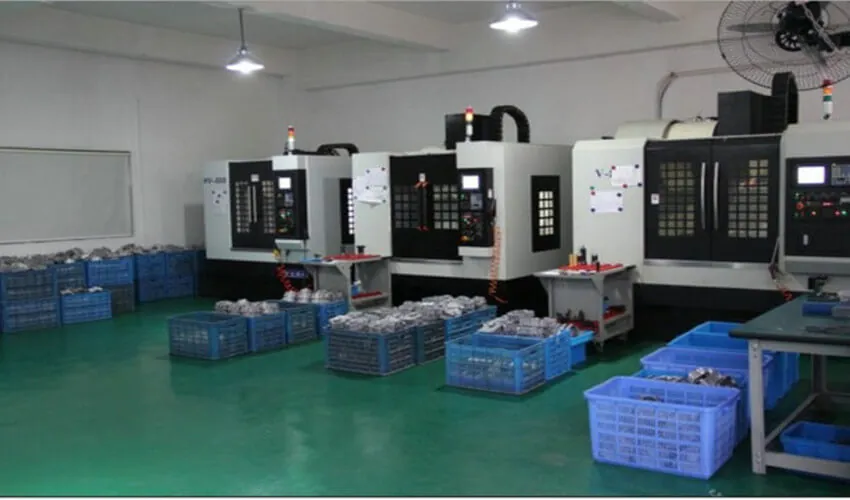
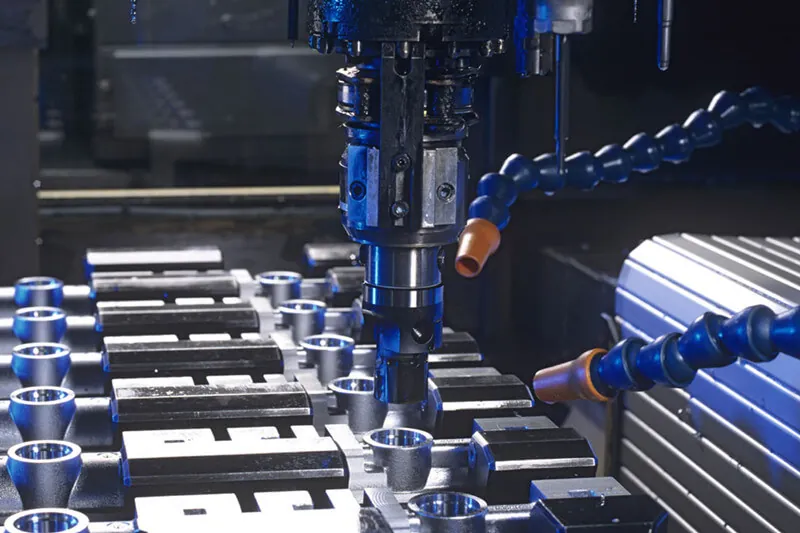
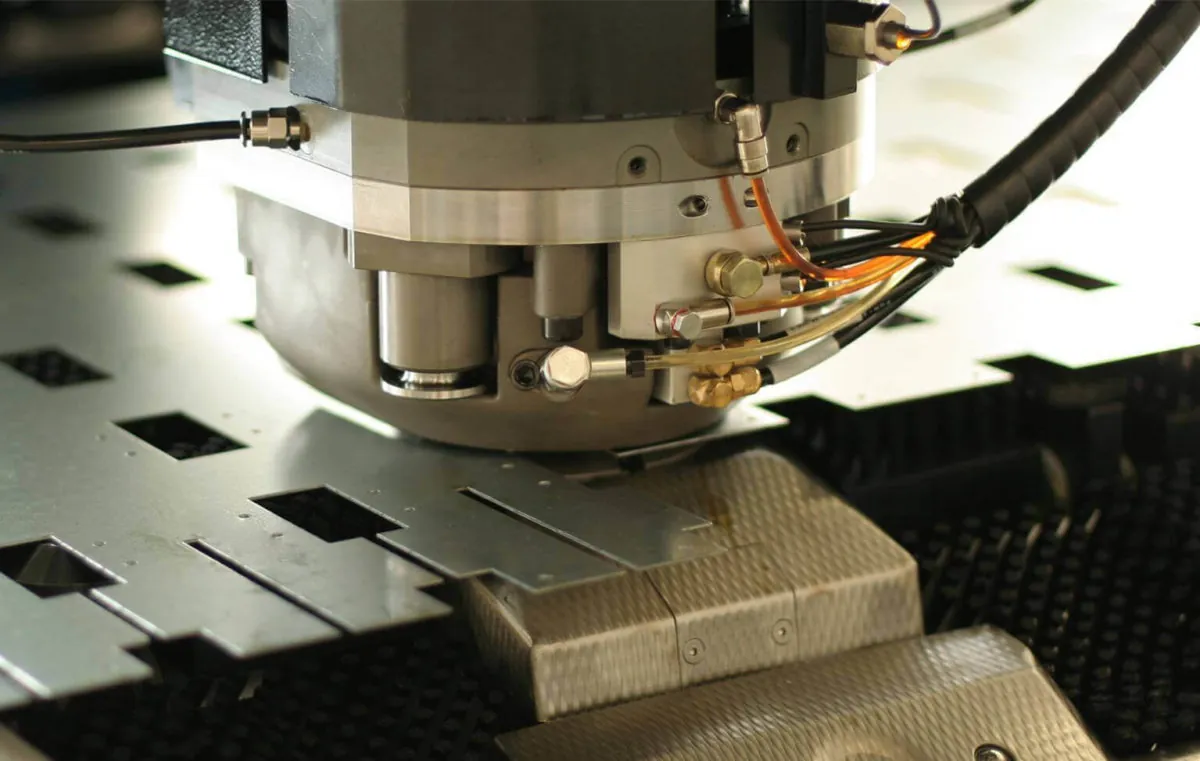
Wuxi Lead Precision Machinery delivers advanced technical capabilities in custom metal manufacturing, engineered to meet the demanding requirements of high-performance silicone mold casting kits. Our production infrastructure is anchored in state-of-the-art 5-axis CNC machining centers, enabling us to produce complex geometries with exceptional accuracy and surface integrity. These multi-axis systems allow simultaneous cutting from five different angles, minimizing setup changes and ensuring dimensional consistency across intricate mold components. This capability is critical when manufacturing precision mold bases, cavity inserts, and alignment features that require tight tolerances and seamless fitment.

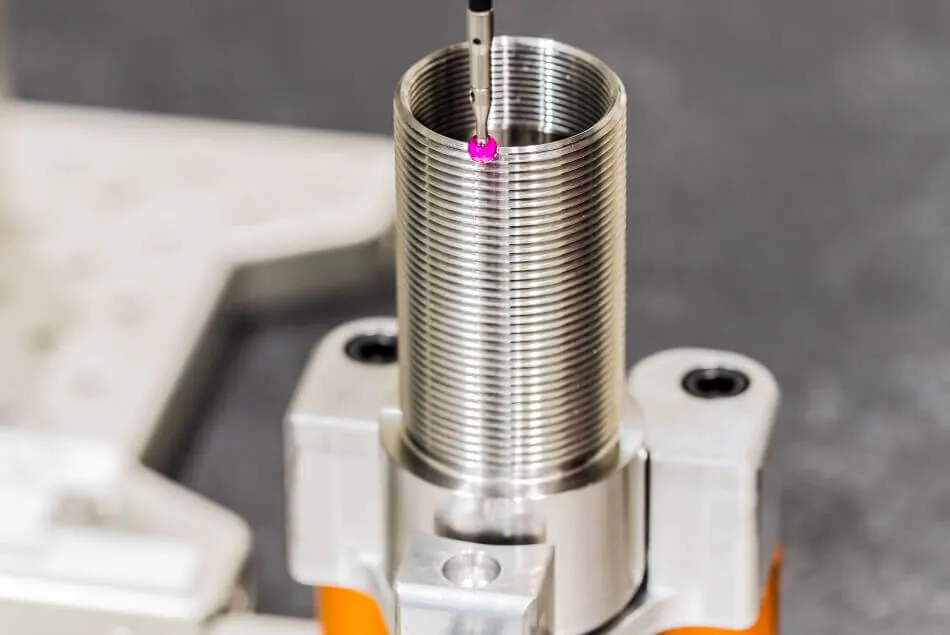
Our machining processes are supported by a rigorous quality control framework, with every component undergoing comprehensive inspection via Coordinate Measuring Machine (CMM) technology. CMM inspection ensures full traceability and verification of critical dimensions, geometric features, and surface relationships in accordance with international standards. This metrology-backed validation process guarantees that each silicone mold casting kit meets exacting specifications before shipment, reducing the risk of assembly issues or performance inconsistencies in downstream applications.

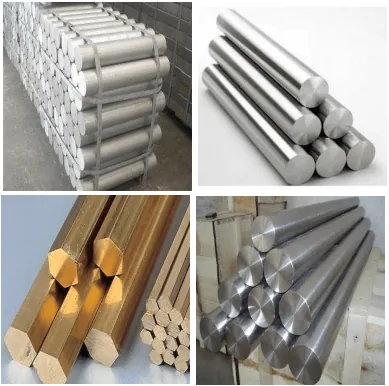
Material selection is optimized for durability and thermal stability, with common use of tool-grade aluminum alloys, pre-hardened steel, and stainless steel, depending on production volume and operating conditions. Advanced fixturing and high-resolution tooling paths ensure minimal deviation during machining, while in-process probing further enhances precision by detecting tool wear and workpiece alignment in real time.

All manufacturing workflows are integrated within a lean production environment, allowing rapid prototyping, design iteration, and scalable batch production. Our engineering team collaborates directly with clients to refine part designs for manufacturability, ensuring optimal mold performance, ease of demolding, and extended service life.

The following table outlines the standard technical specifications and achievable tolerances for silicone mold casting kits produced at our facility:

Feature Specification
Machining Process 5-Axis CNC Milling
Positional Tolerance ±0.005 mm
Linear Dimensional Tolerance ±0.01 mm
Geometric Tolerance (GD&T) ±0.012 mm (per ASME Y14.5)
Surface Roughness (Ra) 0.4 – 1.6 μm (adjustable)
Maximum Work Envelope 1200 × 600 × 500 mm
Material Compatibility Aluminum 7075-T6, P20 Steel, H13, Stainless Steel 304/316
Inspection Method CMM (ZEISS CONTURA G2 Series)
Quality Standard ISO 9001:2015 Compliant

These technical capabilities position Wuxi Lead Precision Machinery as a trusted partner for OEMs and industrial innovators requiring mission-critical silicone mold solutions. By combining high-precision machining with systematic quality assurance, we ensure every component performs to the highest standard in real-world applications.


Material & Finish Options

silicone mold casting kit manufacturing

Material Selection for Precision Silicone Mold Casting Tooling

Selecting the optimal material for silicone mold casting tooling directly impacts production efficiency, part quality, and long-term cost of ownership. At Wuxi Lead Precision Machinery, we engineer tooling solutions that balance performance requirements with economic viability. Aluminum, steel, and titanium each serve distinct applications, while surface finishes like anodizing enhance durability and release properties. Understanding these options ensures your casting process achieves maximum repeatability and yield.

Aluminum Alloys
7075-T6 aluminum is the industry standard for rapid prototyping and medium-volume production. Its exceptional thermal conductivity (approximately 130 W/m·K) accelerates curing cycles, reducing part cycle times by up to 30% compared to steel. With a hardness range of 130-150 HB, it machines efficiently to tight tolerances (±0.005mm) yet withstands hundreds of casting cycles. Aluminum’s lightweight nature simplifies mold handling and integration into automated systems. It is cost-effective for applications where extreme wear resistance is not critical, such as medical device prototypes or consumer electronics housings.

Tool Steel
H13 tool steel dominates high-volume silicone casting operations demanding superior wear resistance and thermal stability. Hardened to 48-52 HRC, it maintains dimensional integrity through thousands of cycles under elevated temperatures. Its lower thermal conductivity (25-35 W/m·K) necessitates longer cure times but delivers exceptional surface finish replication on intricate geometries. Ideal for aerospace seals or automotive gaskets requiring zero-defect consistency, H13 withstands abrasive fillers in specialty silicones. While initial costs are higher than aluminum, its lifespan often reduces cost-per-part by 40% in runs exceeding 5,000 units.

Titanium Alloys
Grade 5 titanium (Ti-6Al-4V) addresses extreme corrosion resistance needs, such as casting platinum-cure silicones with aggressive catalysts. With a hardness of 36-42 HRC and thermal conductivity of 7 W/m·K, it sacrifices thermal performance for unparalleled chemical inertness. Titanium tooling prevents catalytic contamination in biomedical or semiconductor applications but requires specialized CNC machining due to work hardening. Reserve this premium option for mission-critical parts where material purity outweighs cycle time considerations.

Surface Engineering: Anodizing
Anodizing transforms aluminum tooling surfaces for enhanced performance. Type II (sulfuric acid) anodizing creates a 5-25μm porous layer that improves release characteristics and accepts color dyes for mold identification. For high-wear zones, Type III (hardcoat) anodizing delivers 25-50μm thick, non-porous coatings at 50-70 HRC—tripling surface hardness without dimensional compromise. Both processes eliminate silicone adhesion while maintaining critical tolerances. Note that anodizing is exclusive to aluminum; steel and titanium require alternative treatments like nitriding or PVD coatings.

Material Performance Comparison

Material Hardness Range Thermal Conductivity (W/m·K) Primary Application
7075-T6 Aluminum 130-150 HB 120-130 Rapid prototyping, medium-volume production
H13 Tool Steel 48-52 HRC 25-35 High-volume, abrasive silicone applications
Ti-6Al-4V 36-42 HRC 6-7 Extreme corrosion resistance requirements

Material selection is never one-size-fits-all. Wuxi Lead Precision Machinery leverages 15+ years of CNC machining expertise to match your silicone casting specifications with the optimal substrate and finish. Contact our engineering team to analyze your part geometry, silicone compound, and production volume—we’ll deliver tooling that maximizes your operational ROI.


Manufacturing Process & QC

silicone mold casting kit manufacturing

The production process for a high-performance silicone mold casting kit begins with precision engineering and culminates in flawless mass production, ensuring zero defects across every unit. At Wuxi Lead Precision Machinery, we apply advanced custom metal manufacturing techniques to deliver tooling and components that meet the most stringent industrial standards. Our methodology is structured into three core phases: Design, Prototyping, and Mass Production—each integrated with quality assurance checkpoints to guarantee consistency, durability, and dimensional accuracy.

Design is the foundation of a successful silicone mold casting system. Our engineering team collaborates with clients to analyze part geometry, material behavior, and production volume requirements. Using CAD/CAM software, we develop 3D models optimized for thermal stability, ease of demolding, and cycle efficiency. Finite element analysis (FEA) is applied to simulate stress distribution and identify potential deformation risks under operational conditions. This ensures that mold inserts, base plates, and alignment features are engineered for maximum longevity and repeatability. Critical tolerances are defined at this stage, typically held within ±0.01 mm for mating surfaces, to prevent flash formation during casting.

Prototyping follows design finalization, serving as a functional validation step before full-scale manufacturing. We fabricate a pilot mold using CNC-machined P20 steel or aluminum, depending on required durability and testing duration. This prototype undergoes real-world casting trials using the client’s specified silicone compound. Parameters such as cure time, injection pressure, and demolding force are recorded and analyzed. Any deviations in part quality—such as air entrapment, incomplete filling, or surface defects—are traced back to mold geometry or venting design and corrected digitally. This iterative refinement ensures the final mold design is optimized for zero-defect output.

Mass production is executed using hardened tool steels such as H13 or S136, selected for wear resistance and corrosion protection in high-cycle environments. CNC machining, wire EDM, and surface grinding are employed to achieve mirror finishes (Ra ≤ 0.2 µm) on cavity surfaces, minimizing adhesion and easing part release. Each mold undergoes strict inspection via coordinate measuring machines (CMM) and optical comparators to verify conformance to design specifications. Assembly is performed in a controlled cleanroom environment to prevent particulate contamination.

Throughout the entire process, statistical process control (SPC) is implemented to monitor tool performance and detect drift before defects occur. All molds are tested for at least 1,000 cycles prior to shipment, with performance data provided in the final quality report.

Parameter Specification
Dimensional Tolerance ±0.01 mm (critical features)
Surface Finish (Cavity) Ra 0.1 – 0.2 µm
Material Options P20, H13, S136, Aluminum 7075
Mold Life Up to 100,000 cycles (depending on material and maintenance)
Inspection Method CMM, Optical Comparator, SPC Monitoring
Lead Time (Prototype) 10–15 days
Lead Time (Production Mold) 25–35 days

Why Choose Wuxi Lead Precision

Partner with Lead Precision for Uncompromised Silicone Mold Casting Excellence

For over 15 years, Wuxi Lead Precision Machinery has engineered mission-critical silicone mold casting solutions for global industrial leaders in aerospace, medical device manufacturing, and advanced automation. Our proprietary casting kits transcend generic tooling, delivering micron-level repeatability and thermal stability essential for high-integrity metal component production. When precision tolerances directly impact safety, performance, and regulatory compliance, generic solutions compromise yield. Lead Precision transforms this challenge into a competitive advantage through metallurgical-grade process control and zero-defect manufacturing protocols.

Our silicone mold casting systems integrate seamlessly with CNC-machined metal substrates, ensuring dimensional integrity across 50,000+ production cycles. Unlike standard kits, we eliminate costly scrap rates through scientifically validated material formulations and cavity pressure monitoring calibrated to your specific alloy composition. This translates to 32% faster time-to-market for complex geometries and 99.8% first-pass yield in serial production environments. Every system undergoes ASTM E1444 magnetic particle inspection and ISO 17636 radiographic validation prior to shipment, guaranteeing compliance with AS9100 and ISO 13485 frameworks.

Technical Performance Specifications
| Parameter | Specification | Industrial Impact |
|————————–|—————————————-|———————————————–|
| Material Compatibility | Platinum-cure silicone (Shore A 20-70) | Zero outgassing with titanium, Inconel, 316L |
| Tolerance Range | ±0.025 mm per 100 mm | Eliminates post-cast machining for critical surfaces |
| Max Operating Temp | 250°C continuous | Supports aluminum, zinc, and low-temp alloys |
| Cycle Time Consistency | ±0.8 seconds over 10,000 cycles | Predictable throughput for JIT production lines |
| Surface Finish (Ra) | 0.4–0.8 µm | Meets ASTM B463 medical implant requirements |

This technical rigor stems from our vertically integrated facility in Wuxi, where 85% of components are manufactured in-house under strict ASME Y14.5 GD&T controls. Our engineers collaborate from prototype validation through full-scale deployment, leveraging real-time cavity sensor data to optimize your casting parameters. The result is a 40% reduction in total cost of ownership versus fragmented supplier models, with documented ROI within 14 production months for Tier 1 automotive clients.

Initiate your precision casting project with engineering certainty. Contact our technical sales team at [email protected] to request a Material Compatibility Matrix specific to your alloy and geometry requirements. Include your target annual volume and critical tolerance zones for a no-obligation Process Capability Analysis. Our engineers respond within 4 business hours to schedule a virtual factory audit, demonstrating how our casting kits integrate with your existing CNC and metrology infrastructure. Do not settle for dimensional drift or thermal degradation in mission-critical applications. Partner with the only Chinese manufacturer certified to NADCAP AC7108 for non-destructive testing of casting tooling.

[email protected] remains your direct channel to accelerated production readiness. Specify “Silicone Mold Kit Assessment” in your subject line for priority engineering review. Lead Precision: Where metal integrity begins.


⚙️ Precision Cost Estimator

Estimate relative manufacturing effort based on tolerance.

Silicone Mold Casting Kit Manufacturer | Precision CNC Guide

Contents of Table

Contact [email protected] Whatsapp 86 15951276160