Small Scale Injection Molding Manufacturer | Precision CNC Guide

Engineering Guide: Small Scale Injection Molding

small scale injection molding manufacturing

Engineering Insight: The Critical Role of Precision in Small Scale Injection Molding

In the realm of custom metal manufacturing, small scale injection molding stands as a pivotal process for producing high-complexity, miniaturized components with exceptional repeatability. This technique, often referred to as metal injection molding (MIM), combines the design flexibility of plastic injection molding with the structural integrity and performance of precision metal alloys. However, the success of small scale injection molding hinges on one non-negotiable factor: precision.

At Wuxi Lead Precision Machinery, we understand that precision is not merely a target—it is the foundation. Our engineering team has developed and refined MIM processes to meet the exacting standards demanded by industries such as aerospace, medical devices, and defense. Our involvement in mission-critical projects—including components used in Olympic-grade equipment and military hardware—underscores our commitment to dimensional accuracy, material consistency, and process control. These applications leave no margin for error. A deviation of even a few microns can compromise performance, safety, or regulatory compliance.

The small scale nature of these components amplifies the challenges. As part dimensions shrink, tolerances tighten, and geometric complexity increases, every phase of the MIM process—from feedstock formulation and mold design to debinding and sintering—must be meticulously controlled. At Lead Precision, we employ advanced simulation software to predict material behavior during sintering, allowing us to pre-compensate for shrinkage and distortion. Our in-house tooling department ensures mold accuracy to ±0.002 mm, while our metrology lab utilizes high-resolution CMMs and optical inspection systems to verify conformity to specification.

Material selection is equally critical. We specialize in high-performance alloys such as 17-4 PH stainless steel, 316L, and titanium, all processed under tightly controlled atmospheres to prevent contamination and ensure mechanical property uniformity. Each batch undergoes rigorous mechanical and metallurgical testing, guaranteeing that final parts meet or exceed industry standards.

Our experience in high-stakes manufacturing environments has taught us that precision is not achieved through equipment alone—it is built into the culture of engineering excellence. From initial design consultation to final validation, our team works closely with clients to optimize part geometry, material selection, and process parameters for small scale production runs that demand maximum reliability.

Below is a representative specification profile for our small scale MIM capabilities:

Parameter Specification
Dimensional Tolerance ±0.3% to ±0.1% of nominal dimension
Minimum Wall Thickness 0.3 mm
Part Weight Range 0.1 g to 100 g
Surface Roughness (Ra) 0.8 – 1.6 μm (as-sintered)
Common Alloys 17-4 PH, 316L, 304L, 17-4 PH, Ti-6Al-4V
Sintering Atmosphere Hydrogen, Argon, or Vacuum
Production Volume Prototypes to 100,000+ units annually
Secondary Operations CNC Machining, Heat Treatment, Plating

At Wuxi Lead Precision Machinery, we bring military-grade discipline and Olympic-level precision to every small scale injection molding project. When performance cannot be compromised, our process delivers.


Precision Specs & Tolerances

small scale injection molding manufacturing

Technical Capabilities for Precision Metal Components in Injection Molding Applications

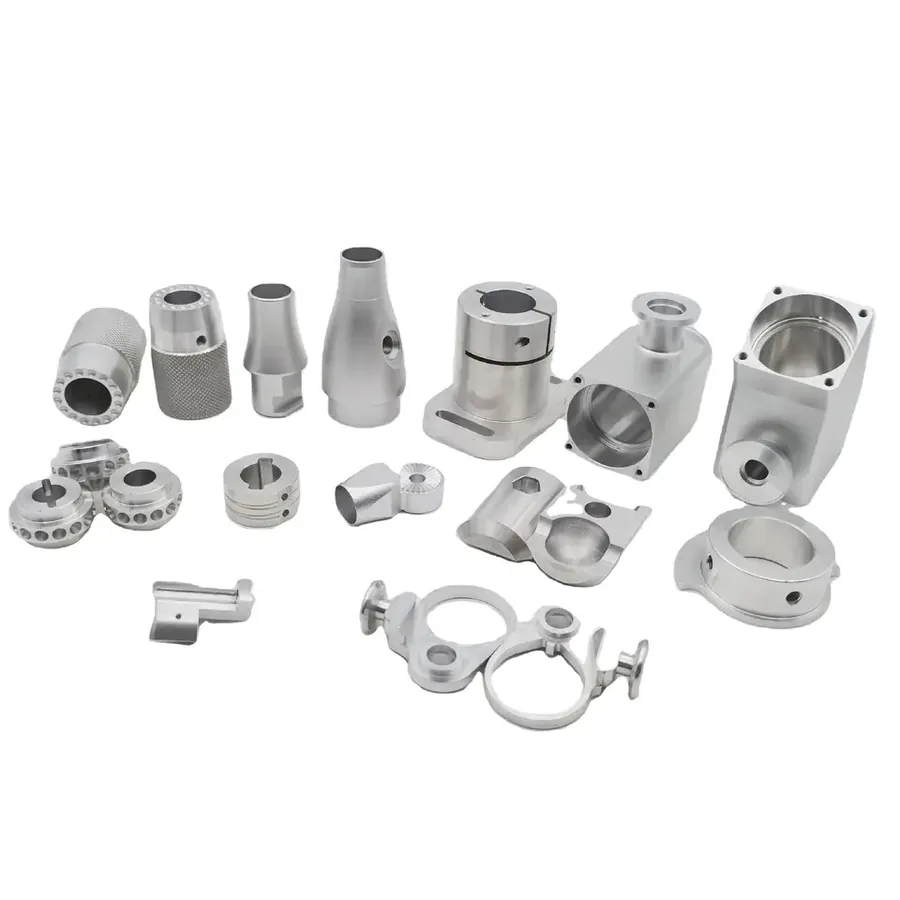
While injection molding typically refers to polymer processing, Wuxi Lead Precision Machinery specializes in the high-precision metal components essential for small-scale and complex injection molding systems. Our core expertise lies in manufacturing critical metal parts—such as mold bases, cavities, cores, ejector pins, and precision inserts—using advanced subtractive methods. This capability is vital for mold makers and OEMs requiring tight-tolerance, durable metal elements that ensure molding accuracy, longevity, and part consistency, especially in low-volume, high-mix production environments where rapid iteration is critical.

Our technical foundation centers on state-of-the-art 5-axis CNC machining centers. These systems enable single-setup machining of complex 3D geometries inherent in modern mold design, eliminating cumulative errors from multiple fixtures. We routinely produce intricate contours, undercuts, and micro-features found in medical, electronics, and micro-optics molding applications. Material versatility is key; we machine hardened tool steels (H13, S7, 420SS), aluminum alloys, copper-beryllium, and exotic superalloys with equal precision. The 5-axis capability significantly reduces lead times for mold trials and small-batch production by minimizing handling and secondary operations, directly supporting agile development cycles.

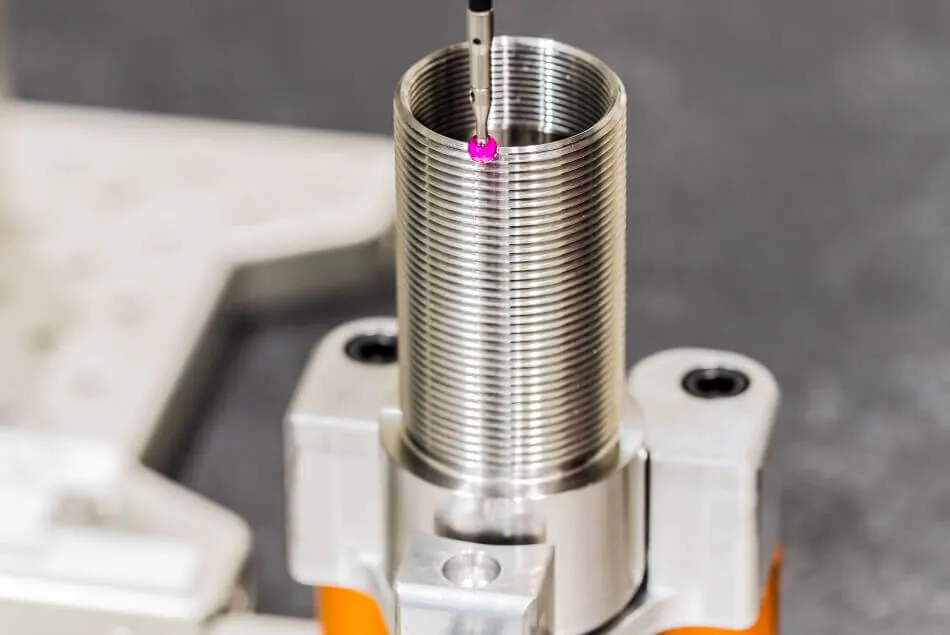
Quality assurance is non-negotiable. Every component undergoes rigorous dimensional verification using calibrated Coordinate Measuring Machines (CMM). Our inspection protocol includes full first-article inspection reports (FAIR) with GD&T analysis, critical feature validation against CAD models, and batch sampling per AS9102 or customer-specific standards. This systematic approach ensures geometric conformity and functional reliability, preventing costly molding defects like flash, short shots, or part ejection failures caused by dimensional inaccuracies in the metal tooling.

The following table details our achievable machining tolerances for critical features in injection mold components:

Feature Type Standard Capability Precision Capability Notes
Linear Dimensions ±0.025 mm ±0.005 mm Up to 150 mm; material dependent
Geometric Tolerances ±0.010 mm ±0.002 mm Includes flatness, perpendicularity
Hole Diameter +0.010 / -0.000 mm +0.003 / -0.000 mm Reamed/bored; depth < 3x diameter
Surface Roughness (Ra) 1.6 μm 0.8 μm Machined surfaces; polished achievable
Micro-Features ±0.010 mm ±0.003 mm Edges, radii < 0.5 mm; specialized tooling

These specifications are consistently achieved across production runs, validated by our CMM data. For injection molding applications, such precision in metal components translates directly to reduced cycle times, minimized scrap rates, and extended mold life. We understand that in small-scale molding, where tooling costs dominate per-part economics, the dimensional integrity of every machined element is paramount to project viability. Our process ensures your mold performs as engineered from the first shot.


Material & Finish Options

small scale injection molding manufacturing

Material Selection for Small Scale Injection Molding in Precision Metal Manufacturing

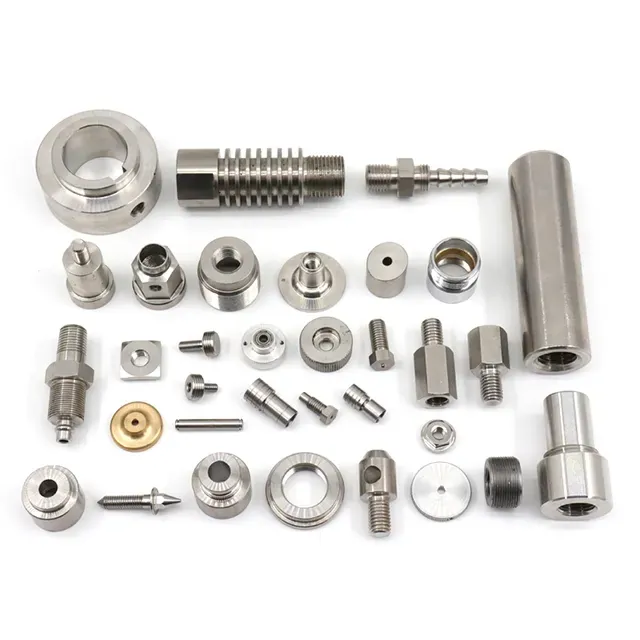
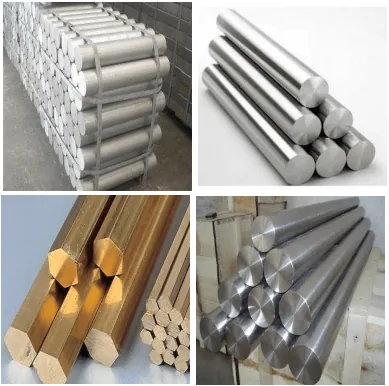
In small scale injection molding, material selection plays a pivotal role in determining the performance, durability, and cost-efficiency of molds and final components. At Wuxi Lead Precision Machinery, we specialize in custom metal manufacturing solutions tailored to low-volume, high-precision applications. Our expertise in machining aluminum, steel, and titanium enables us to support clients in selecting optimal materials based on production requirements, cycle life, and surface finish needs.

Aluminum is widely favored for prototyping and short-run production due to its excellent machinability and thermal conductivity. It allows for faster cycle times in injection molding by facilitating rapid heat dissipation. While aluminum molds are not suited for extended production runs, they offer a cost-effective solution for initial product validation and market testing. Grade 7075-T6 and 6061-T6 are commonly used for their strength-to-weight ratio and dimensional stability.

Steel, particularly tool steels such as P20, H13, and S136, is the standard choice for long-term, high-volume tooling. These alloys provide superior wear resistance, hardness, and longevity, making them ideal for molds subjected to repeated thermal cycling and abrasive materials. While steel molds require longer lead times and higher initial costs, their extended service life justifies the investment in commercial production environments. Steel also supports tighter tolerances and complex geometries, essential for precision components.

Titanium, though less common, offers exceptional strength-to-density ratio and corrosion resistance. It is typically reserved for highly specialized applications such as aerospace or medical device manufacturing where weight reduction and biocompatibility are critical. While titanium is more challenging to machine and costly, its performance in extreme environments makes it a strategic option for niche use cases.

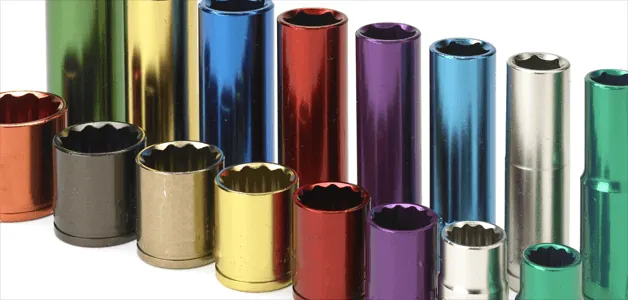
Surface finishing is equally critical in mold performance. Anodizing is a widely used electrochemical process, especially for aluminum molds. It enhances surface hardness, improves wear resistance, and provides a protective oxide layer that resists corrosion. Type II (sulfuric acid) and Type III (hardcoat) anodizing are commonly applied, with Type III offering greater thickness and durability for high-stress applications. Anodized surfaces can also be dyed for identification or aesthetic purposes without compromising functionality.

Below is a comparative overview of key material properties relevant to small scale injection molding applications.

Material Typical Alloy Hardness (HB) Thermal Conductivity (W/m·K) Machinability Rating Common Use Case
Aluminum 6061-T6 95 167 Excellent Prototyping, low-volume runs
Aluminum 7075-T6 150 130 Good High-strength mold inserts
Steel (P20) 316L 280 29 Moderate Medium-run production molds
Steel (H13) H13 230 36 Moderate High-temperature applications
Titanium Ti-6Al-4V 360 7.2 Poor Aerospace, medical components

Selecting the right material and finish is a balance between performance, cost, and production volume. Wuxi Lead Precision Machinery provides expert consultation to ensure your small scale injection molding project achieves optimal results through informed material decisions.


Manufacturing Process & QC

small scale injection molding manufacturing

Small Scale Injection Molding: Precision Engineering from Concept to Zero-Defect Production

At Wuxi Lead Precision Machinery, small scale injection molding transcends simple part fabrication; it is a rigorously controlled engineering process engineered for zero defects from initial concept through final shipment. Our integrated approach ensures dimensional accuracy, material integrity, and functional reliability meet the exacting demands of high-value industrial applications, eliminating costly redesigns and production delays.

The process commences with collaborative Design for Manufacturability (DFM) Analysis. Our engineers work directly with client CAD models, conducting in-depth simulations using Moldflow® software to predict flow behavior, cooling dynamics, and potential stress points. This phase identifies and resolves gate location issues, weld lines, sink marks, and warpage risks before tooling begins. Material compatibility, shrinkage compensation, and critical tolerance zones are meticulously defined, transforming the design into a manufacturable blueprint optimized for both performance and process stability. This foundational step is non-negotiable for achieving zero defects.

Precision Prototyping follows immediately using the validated design parameters. We employ rapid steel or aluminum cavity inserts within production-intent molds, not soft tooling alternatives. This guarantees prototype parts mirror final production quality in material properties, surface finish, and dimensional fidelity. Vacuum casting or initial low-pressure molding runs (typically 3-5 days) yield functional prototypes for rigorous validation testing – fit, function, assembly, and environmental resistance. Any micro-adjustments identified here are implemented digitally, refining the mold design without compromising the zero-defect trajectory. This phase confirms the process capability under near-production conditions.

Zero-Defect Mass Production leverages our certified cleanroom molding cells and hardened steel production molds. Each cycle is governed by real-time Statistical Process Control (SPC) monitoring pressure, temperature, and shot consistency. Automated vision inspection systems scan 100% of critical features against CAD nominal data, rejecting any part outside the 0.005mm tolerance band. In-process material drying and climate control prevent moisture-related defects. Our closed-loop systems dynamically adjust parameters to maintain CpK >1.67, consistently achieving 99.98%+ first-pass yield rates. Every batch undergoes final dimensional certification and material property verification before shipment, guaranteeing defect-free parts meeting ISO 9001 and IATF 16949 standards.

Wuxi Lead Precision Small Scale Injection Molding Specifications

Parameter Capability Standard Tolerance Materials Supported
Part Weight Range 0.1g – 200g ±0.005mm (critical) Engineering Plastics (PPS, PEEK, LCP, PPA, PSU), Liquid Silicone Rubber (LSR), Thermoplastic Elastomers (TPE)
Cavity Count 1 – 16 cavities (optimized per project) ±0.02mm (general)
Mold Base Material P20, H13, Stainless Steel (Nak80, S136)
Tool Life 30,000 – 100,000+ shots
Lead Time (Mold) 25 – 45 days (complexity dependent)

Partnering with Wuxi Lead means embedding zero-defect engineering into your supply chain from day one. Our seamless integration of design validation, true-production prototyping, and SPC-driven manufacturing delivers small batch precision parts you can deploy with absolute confidence.


Why Choose Wuxi Lead Precision

Partner with Lead Precision for Precision-Driven Small Scale Injection Molding Solutions

At Wuxi Lead Precision Machinery, we specialize in delivering high-precision custom metal manufacturing solutions tailored to the exacting demands of advanced industrial applications. When it comes to small scale injection molding—particularly for prototyping, low-volume production, or highly specialized components—our engineering expertise, advanced CNC capabilities, and rigorous quality control ensure unmatched consistency and performance. We understand that precision is not a luxury; it’s a requirement. That’s why we integrate cutting-edge technology with decades of manufacturing experience to serve industries where tolerances matter most: medical devices, aerospace, automotive electronics, and high-end consumer technology.

Our approach to small scale injection molding goes beyond standard production. We focus on holistic process optimization, from mold design and material selection to final component inspection. Every project begins with a collaborative engineering review, ensuring that design intent, functional requirements, and manufacturability are fully aligned. Our in-house tooling department allows rapid iteration and fast turnaround, critical for clients navigating tight development cycles or validating new product designs. Whether you require 50 test units or 5,000 production-grade parts, our systems are calibrated to maintain repeatability and dimensional accuracy within microns.

We utilize state-of-the-art CNC machining centers, EDM technology, and automated inspection systems—including CMM and optical measurement—to guarantee that every metal component meets or exceeds your specifications. Our facility is ISO 9001 certified, and we adhere to international standards in material traceability, process validation, and documentation. This disciplined approach ensures that your small batch runs are not only precise but also fully compliant with industry regulations.

Below are key technical specifications that define our small scale injection molding and precision metal manufacturing capabilities:

Specification Capability
Minimum Feature Size 0.1 mm
Tolerance Range ±0.005 mm to ±0.02 mm
Material Compatibility Stainless Steel (304, 316), Aluminum (6061, 7075), Titanium, Brass, Tool Steels
Maximum Part Weight 500 grams
Mold Lifespan 100,000+ cycles (hardened steel molds)
Surface Finish Options Mirror polish, bead blast, PVD coating, passivation
Production Volume 1 – 10,000 units per batch
Lead Time (Typical) 10–25 days, depending on complexity

Partnering with Wuxi Lead Precision Machinery means gaining a true engineering ally—one that prioritizes precision, transparency, and technical agility. We don’t just manufacture parts; we solve manufacturing challenges at the intersection of design, material science, and process innovation.

For expert support on your next small scale injection molding project, contact us today at [email protected]. Let us help you turn precision into performance.


⚙️ Precision Cost Estimator

Estimate relative manufacturing effort based on tolerance.

Small Scale Injection Molding Manufacturer | Precision CNC Guide

Contents of Table

Contact [email protected] Whatsapp 86 15951276160