Technical Contents
Engineering Guide: Injection Moulding Automotive Parts

Engineering Insight Precision Imperatives in Automotive Injection Moulding
Achieving dimensional stability and functional reliability in automotive injection moulded components demands uncompromising precision engineering. Modern vehicles integrate hundreds of polymer parts where microscopic deviations directly impact safety critical systems like braking modules, fuel delivery components, and sensor housings. Thermal cycling during operation subjects these parts to significant stress; inconsistent wall thickness or internal stresses from imprecise moulding create failure points under sustained load. Material science further complicates this: advanced composites and engineering polymers require exact temperature control and flow dynamics to maintain structural integrity and chemical resistance. A tolerance variance of mere 0.05mm can disrupt sealing surfaces in transmission assemblies or compromise the optical clarity of sensor lenses, leading to catastrophic system failures. The automotive sector’s shift toward electrification intensifies these demands, as battery enclosures and power electronics housings must simultaneously ensure thermal management, electrical isolation, and structural rigidity under extreme conditions.
Wuxi Lead Precision Machinery operates at this precision frontier, leveraging 15+ years of specialized experience in high-stakes manufacturing environments. Our engineering protocols were rigorously validated through projects supplying components for Olympic infrastructure systems and military-grade equipment, where failure is not an option. These engagements required adherence to AS9100 aerospace standards and MIL-STD-810 environmental testing far exceeding typical automotive requirements. This background directly translates to automotive applications: our mould design incorporates multi-cavity balancing analysis and real-time cavity pressure monitoring to eliminate part-to-part variation. We implement closed-loop thermal control systems maintaining mould temperatures within ±0.5°C, critical for crystalline polymer consistency. Material drying processes follow stringent ISO 13000 protocols, preventing hydrolysis that causes micro-fractures in nylon 6/6 used for under-hood components.
Our commitment to precision is quantifiable across key parameters. The following table contrasts industry standard practices with Wuxi Lead’s engineered specifications for automotive applications:
| Parameter | Industry Standard Tolerance | Wuxi Lead Precision Specification |
|---|---|---|
| Dimensional Tolerance | ±0.10 mm | ±0.025 mm (Critical Features) |
| Surface Finish (Ra) | 1.6 – 3.2 µm | 0.4 – 0.8 µm (Optical Grade) |
| Warpage Control | ≤ 0.5% | ≤ 0.15% (Flatness Critical) |
| Material Consistency | ±5% Moisture Content | ≤ ±0.02% (Pre-Processing) |
| Cavity Balance Variation | ≤ 5% | ≤ 1.5% (Multi-Cavity Tools) |
This precision foundation enables automotive manufacturers to achieve zero-defect production lines and extended component lifespans. At Wuxi Lead, we treat every automotive moulding project with the same uncompromising standards applied to defense and Olympic projects, transforming material science challenges into reliable, high-performance components. Our engineering team collaborates from initial DFM analysis through production validation, ensuring dimensional accuracy meets the evolving safety and performance benchmarks of next-generation vehicles. Precision isn’t merely a specification—it is the non-negotiable cornerstone of automotive safety and innovation.
Precision Specs & Tolerances

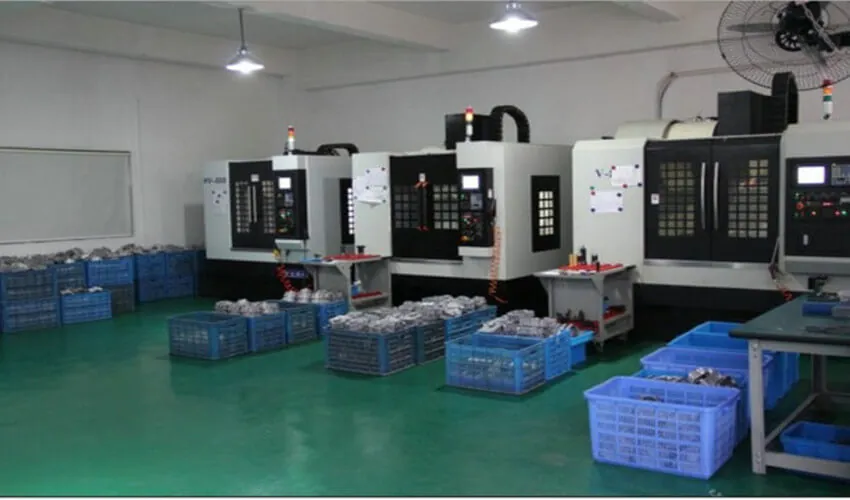
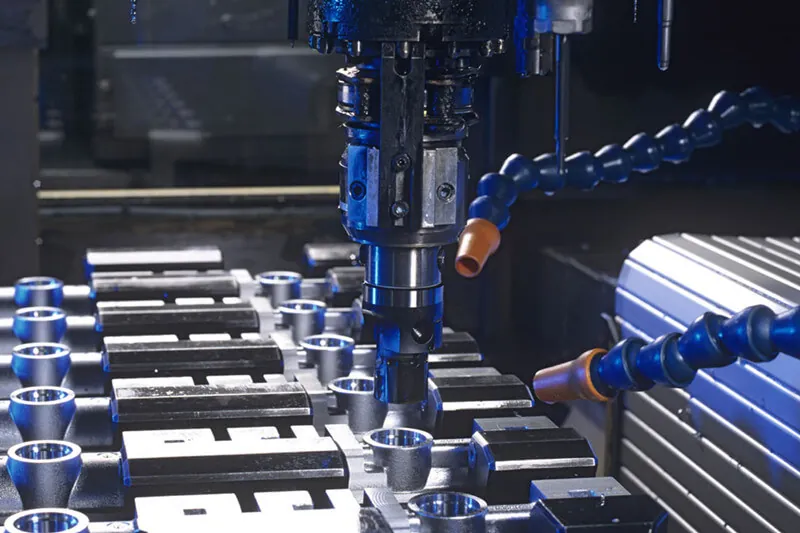
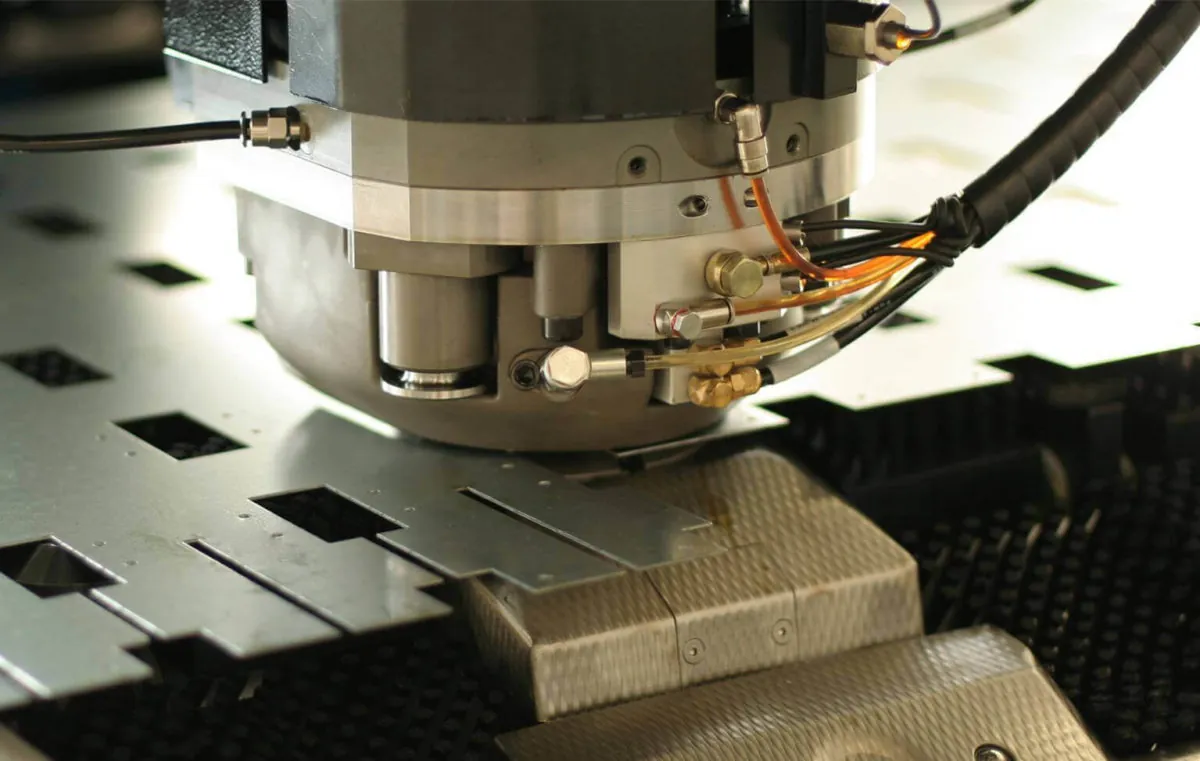
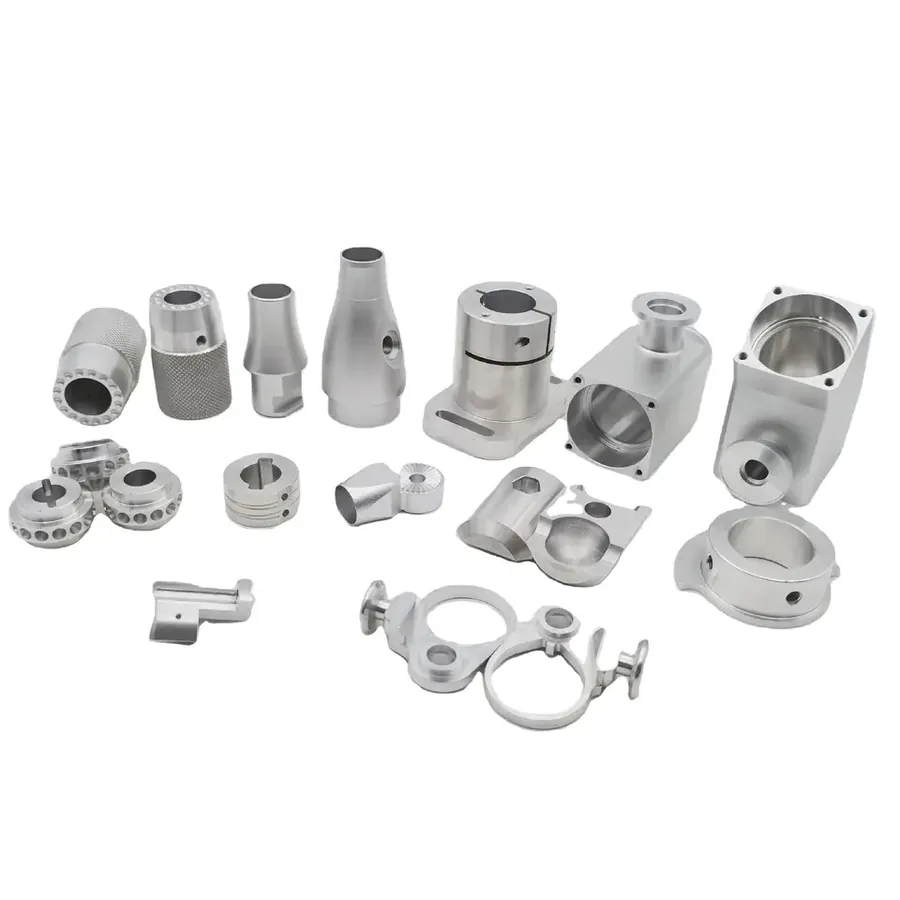
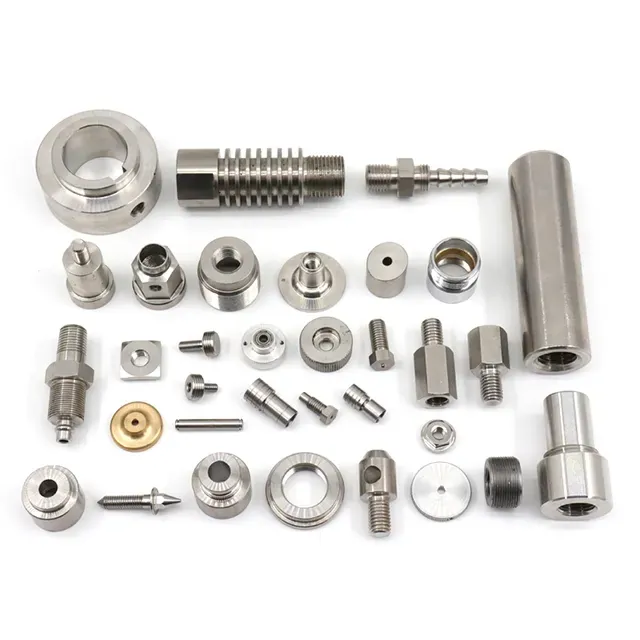
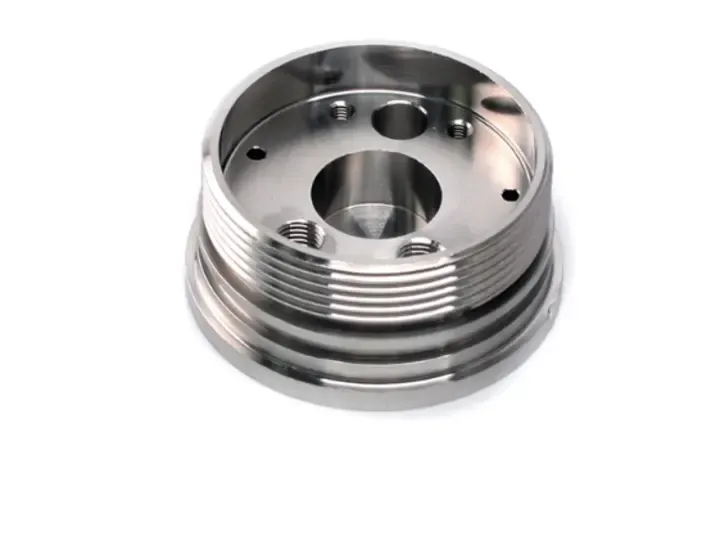
Wuxi Lead Precision Machinery delivers advanced technical capabilities in custom metal manufacturing, specifically engineered to meet the stringent demands of injection moulding automotive parts. Our facility integrates state-of-the-art 5-axis CNC machining technology, enabling us to produce highly complex geometries with superior surface finishes and dimensional accuracy. This level of precision is critical in the automotive sector, where mould components must consistently perform under high-pressure cycles and elevated temperatures. Our 5-axis machining centers allow simultaneous multi-directional cutting, reducing setup times, improving part integrity, and ensuring tight tolerances across intricate contours and undercuts commonly found in injection mould tooling.
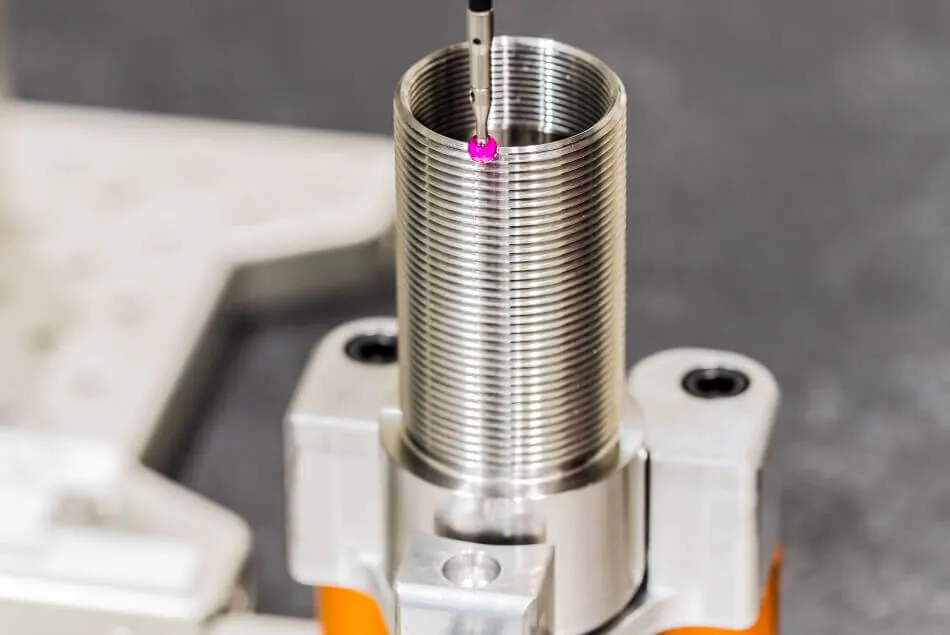
All machining operations are supported by a robust quality control framework anchored in CMM (Coordinate Measuring Machine) inspection. Every component undergoes rigorous metrological validation to confirm compliance with design specifications. Our CMM systems provide 3D measurement accuracy down to micrometre levels, ensuring repeatability and traceability across production batches. Data from each inspection is documented and archived, offering full transparency and audit readiness for automotive OEMs and Tier-1 suppliers who require certified quality assurance.
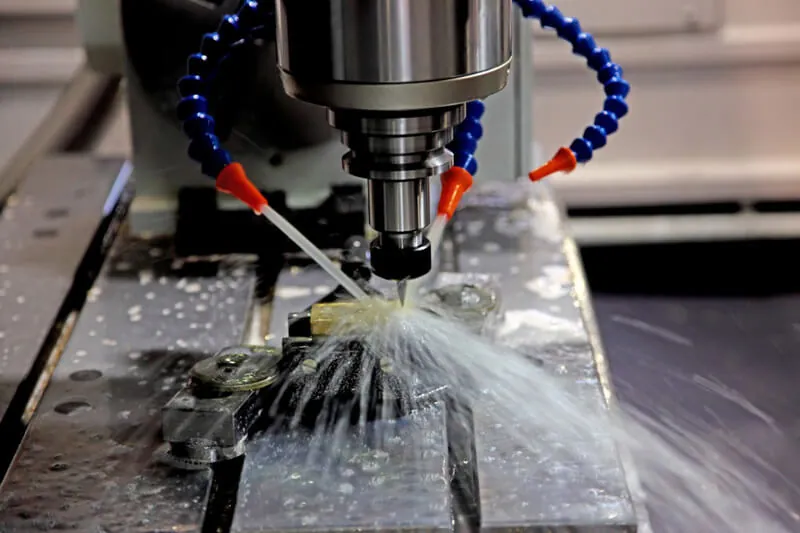
Our technical expertise spans the full lifecycle of mould component manufacturing—from prototype development to high-volume production. We specialize in machining hardened steels, aluminium alloys, and specialty tool steels commonly used in injection moulds, including P20, 718H, H13, and S136. Advanced coolant delivery systems and high-speed spindles ensure optimal tool life and surface integrity, minimizing post-processing requirements while maximizing efficiency.
The integration of 5-axis CNC with real-time tool monitoring and adaptive machining strategies allows us to maintain consistent quality even on the most demanding features, such as cooling channels, gate systems, and parting line details. This capability directly translates into longer mould life, reduced cycle times, and improved part consistency for our clients in the automotive industry.
The following table outlines the standard technical specifications and tolerances achievable through our manufacturing process:
| Parameter | Standard Capability | Tight Tolerance Option |
|---|---|---|
| Linear Dimensional Tolerance | ±0.01 mm | ±0.005 mm |
| Geometric Tolerance (GD&T) | ±0.02 mm | ±0.01 mm |
| Surface Roughness (Ra) | 0.8 µm | 0.4 µm |
| Positional Accuracy | ±0.01 mm | ±0.005 mm |
| Angular Accuracy | ±0.1° | ±0.05° |
| Feature Repeatability | ±0.01 mm (over 100 cycles) | ±0.005 mm (over 100 cycles) |
| Maximum Work Envelope | 1200 x 800 x 600 mm | Custom setups available |
These specifications reflect our commitment to precision and reliability in every component we manufacture. By combining advanced equipment, expert programming, and systematic quality control, Wuxi Lead Precision Machinery ensures that our injection moulding solutions meet the highest standards of the global automotive industry.
Material & Finish Options

Material Selection for High-Performance Automotive Injection Molding Components
Selecting the optimal material for injection molding automotive components is critical for balancing performance, durability, and production efficiency. At Wuxi Lead Precision Machinery, we leverage decades of precision engineering expertise to guide clients through this decision, ensuring parts meet stringent automotive safety, thermal, and structural demands. Material choice directly impacts mold longevity, part consistency, and end-product reliability—factors non-negotiable in modern vehicle manufacturing.
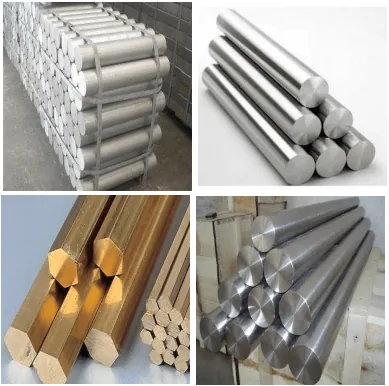
Aluminum alloys, particularly 7075-T6, dominate lightweight structural applications like interior brackets and sensor housings. Its high strength-to-weight ratio reduces vehicle mass, enhancing fuel efficiency without compromising rigidity. Aluminum also offers superior thermal conductivity, accelerating cycle times in high-volume production. However, it requires protective finishes for extended corrosion resistance in under-hood environments. Steel, especially H13 tool steel, remains the benchmark for high-wear molds and safety-critical components such as transmission housings. With hardness ratings of 50–60 HRC, it withstands extreme pressure and thermal cycling, ensuring dimensional stability over millions of cycles. For extreme-performance applications—think turbocharger housings or aerospace-derived subsystems—titanium alloys (e.g., Ti-6Al-4V) deliver unmatched strength at elevated temperatures and exceptional corrosion resistance, though at a higher initial cost.
Anodizing is the finish of choice for aluminum components, transforming the surface into a hard, non-conductive oxide layer. Type II (sulfuric acid) anodizing provides robust corrosion and wear resistance for interior parts, while Type III (hardcoat) anodizing achieves thicknesses of 50–125 µm for under-hood components exposed to abrasives or chemicals. This process enhances adhesion for secondary coatings and maintains tight tolerances—critical for precision-fit automotive assemblies. Wuxi Lead’s in-house anodizing facilities ensure controlled pore sealing and color consistency, eliminating batch variations that compromise part functionality.
The table below summarizes key material properties for automotive injection molding:
| Material | Key Automotive Applications | Critical Properties | Recommended Finishes |
|---|---|---|---|
| Aluminum 7075-T6 | Interior brackets, sensor mounts | Density: 2.81 g/cm³; Tensile Strength: 572 MPa | Type II/III Anodizing |
| H13 Tool Steel | Transmission housings, molds | Hardness: 50–60 HRC; Thermal Conductivity: 36 W/m·K | Nitriding, PVD Coatings |
| Titanium Ti-6Al-4V | Turbocharger components | Density: 4.43 g/cm³; Max Service Temp: 600°C | Anodizing, Plasma Spraying |
Material selection must align with production volume, environmental exposure, and lifecycle costs. Aluminum suits high-volume, weight-sensitive builds; steel delivers unmatched durability for mass production; titanium justifies its cost in mission-critical, high-stress systems. Wuxi Lead Precision Machinery integrates material science with precision CNC machining and finishing to eliminate compromise. Our engineering team collaborates early in your design phase to optimize material-finish combinations, ensuring parts exceed OEM specifications while minimizing total cost of ownership. Partner with us to transform material potential into automotive excellence.
Manufacturing Process & QC

The production process for injection moulding automotive parts at Wuxi Lead Precision Machinery follows a disciplined, end-to-end methodology designed to ensure precision, repeatability, and zero defects. Rooted in advanced custom metal manufacturing practices, our workflow integrates engineering excellence with rigorous quality assurance across three core phases: Design, Prototyping, and Mass Production.
Design begins with a detailed analysis of the client’s technical specifications, including part geometry, material requirements, and performance conditions within automotive systems. Our engineering team employs CAD/CAM software and finite element analysis (FEA) to simulate structural integrity, thermal behavior, and flow dynamics during injection. This digital validation ensures optimal gate placement, cooling channel design, and ejection mechanisms, minimizing warpage and internal stress. Concurrently, we conduct Design for Manufacturability (DFM) reviews to refine tolerances, reduce cycle time, and enhance tool longevity. All design data is version-controlled and shared transparently with the client for approval prior to progression.
Prototyping follows a high-fidelity approach using precision CNC-machined pre-series moulds. These soft-tooling or bridge tooling solutions replicate production conditions, enabling functional testing of parts under real-world loads, temperatures, and assembly sequences. We produce 50–200 prototype units per batch, subjecting them to dimensional inspection via coordinate measuring machines (CMM), optical scanning, and material property testing. Any deviations are traced using root cause analysis, and design or process adjustments are implemented before final sign-off. This phase not only validates form, fit, and function but also certifies process capability with statistical process control (SPC) metrics.
Mass Production leverages hardened steel moulds built in-house using multi-axis CNC, EDM, and surface grinding technologies, achieving tolerances down to ±0.005 mm. Each mould undergoes rigorous pre-production trials, including mould flow analysis verification and first article inspection (FAI). Once approved, production runs are executed on fully automated electric or hybrid injection machines with real-time monitoring of pressure, temperature, and cycle time. Our zero-defect strategy is enforced through inline vision systems, automated part handling, and 100% critical dimension checks. Every batch is supported by material traceability, process logs, and PPAP documentation compliant with IATF 16949 standards.
Throughout the process, Wuxi Lead maintains closed-loop feedback between engineering, production, and quality departments, ensuring continuous improvement and full alignment with automotive OEM requirements.
| Parameter | Specification |
|---|---|
| Tolerance Range | ±0.005 mm to ±0.02 mm |
| Material Compatibility | PA6, PA66, PBT, PP, ABS, PPS, and engineering-grade filled polymers |
| Mould Life | 500,000 to 1,000,000 cycles (hardened steel) |
| Production Capacity | Up to 500 tonnes clamping force machines; 24/7 operation |
| Quality Standards | IATF 16949, ISO 9001, PPAP Level 3, SPC, FAI |
| Lead Time (Prototype) | 4–6 weeks |
| Lead Time (Mass Production) | 8–12 weeks after final approval |
Why Choose Wuxi Lead Precision
Partner with Lead Precision for Mission-Critical Automotive Injection Molding Components
The automotive sector demands uncompromising precision in metal components for injection molding systems. Tooling failures, dimensional inaccuracies, or material inconsistencies directly impact production uptime, part quality, and ultimately, vehicle safety. Wuxi Lead Precision Machinery exists to eliminate these risks through engineered metal solutions built for the rigors of high-volume automotive manufacturing. We transform complex design challenges into reliable, high-performance tooling and structural components, ensuring your injection molding operations achieve maximum efficiency and repeatability.
Our foundation lies in advanced CNC machining capabilities, specifically calibrated for the tight tolerances and robust material requirements of automotive mold bases, inserts, ejector systems, and precision guides. We operate a fully integrated facility in Wuxi, China, housing state-of-the-art equipment capable of handling hardened tool steels, aluminum alloys, and specialty materials to exacting automotive specifications. Every process—from initial material certification through final inspection—is governed by ISO 9001:2015 standards and rigorously documented for full traceability. This systematic approach guarantees components that withstand extreme thermal cycling, high clamping forces, and millions of cycles without degradation.
Technical Capabilities for Automotive Injection Molding Systems
| Parameter | Specification Range |
|---|---|
| Machine Types | 5-Axis Milling, High-Speed Machining, Precision Grinding |
| Max Work Envelope | 2000 x 1500 x 1000 mm |
| Tolerance Capability | ±0.002 mm (Critical Features) |
| Surface Finish (Ra) | 0.2 µm to 1.6 µm (Mirror to Functional) |
| Materials Processed | P20, H13, S136, 718HH, Aluminum 7075-T6, Stainless 420 |
| Quality Documentation | Full CMM Reports, Material Certificates, Process FMEA |
Beyond machining, our value emerges in proactive engineering collaboration. We engage early in your design phase to identify manufacturability improvements, thermal management optimizations, and lifecycle cost reductions—preventing costly revisions downstream. Our quality control extends beyond dimensional checks; we validate hardness profiles, stress-relief integrity, and coating adhesion (where applicable) to ensure components perform under real-world molding conditions. This holistic view minimizes your total cost of ownership through extended tool life and reduced scrap rates.
Choosing Lead Precision means partnering with a supplier who understands the zero-defect mandate of automotive Tier 1s and OEMs. We integrate seamlessly into your supply chain with real-time production tracking, dedicated project management, and rapid response protocols for urgent requirements. Our facility’s strategic location in China’s industrial heartland ensures efficient logistics while maintaining stringent IP protection protocols demanded by global automotive leaders.
Initiate a technical consultation to discuss how our precision metal manufacturing expertise can enhance your injection molding performance. Contact our engineering sales team directly at Contact [email protected]. Provide your component specifications or challenge, and we will deliver a detailed capability assessment and timeline within 48 hours. Let us become your trusted partner in building the foundation for flawless automotive part production. Engineering excellence starts with the right metal. Partner with Lead Precision.
⚙️ Precision Cost Estimator
Estimate relative manufacturing effort based on tolerance.