Technical Contents
Engineering Guide: Tin Molds

Engineering Insight: The Critical Role of Precision in Tin Mold Manufacturing
In the realm of custom metal manufacturing, tin molds represent a cornerstone technology for industries demanding repeatable accuracy, structural integrity, and flawless surface finishes. These molds are not merely tools—they are engineered systems where micron-level tolerances directly influence product quality, production efficiency, and long-term tooling lifespan. At Wuxi Lead Precision Machinery, we approach tin mold development as a fusion of advanced metallurgy, precision engineering, and rigorous quality control, ensuring every component meets the highest industrial standards.
Precision in tin mold manufacturing begins with material selection and extends through every phase of design, machining, heat treatment, and finishing. Even minor deviations—measured in microns—can result in part warping, inconsistent wall thickness, or premature mold failure. This is especially critical in high-volume production environments, where molds may undergo thousands of cycles under thermal and mechanical stress. Our engineering team employs finite element analysis (FEA) and 3D simulation tools to predict deformation and optimize cooling channels, ensuring uniform heat dissipation and dimensional stability.
Wuxi Lead Precision Machinery brings over two decades of experience in high-precision tooling, with a proven track record in mission-critical applications. Our involvement in projects supporting Olympic-grade equipment and military hardware underscores our commitment to reliability under extreme conditions. These applications demand zero tolerance for failure—principles we apply rigorously to every tin mold we produce, regardless of industry.
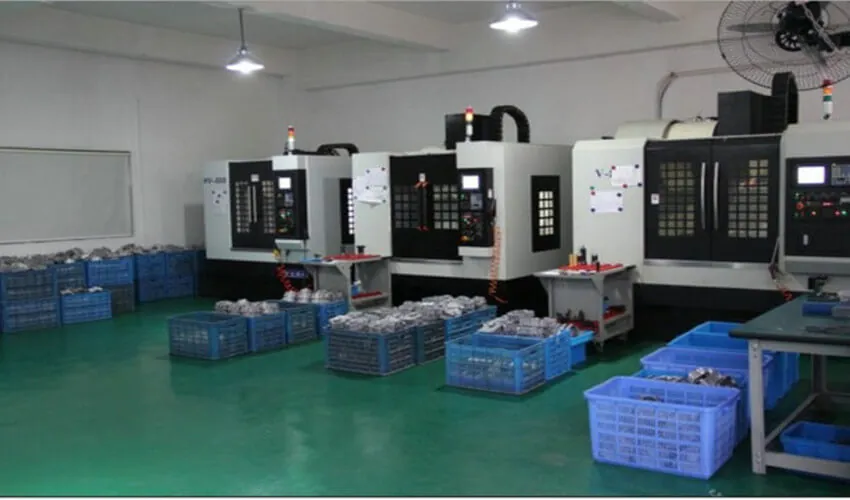
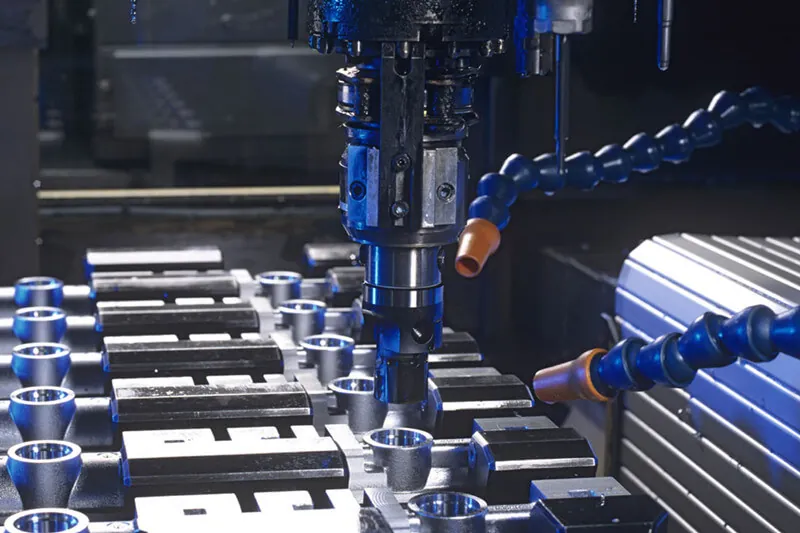
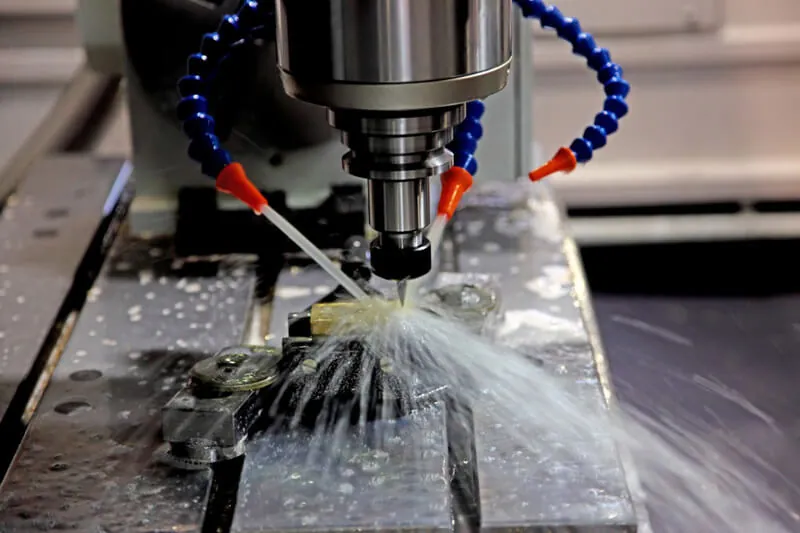
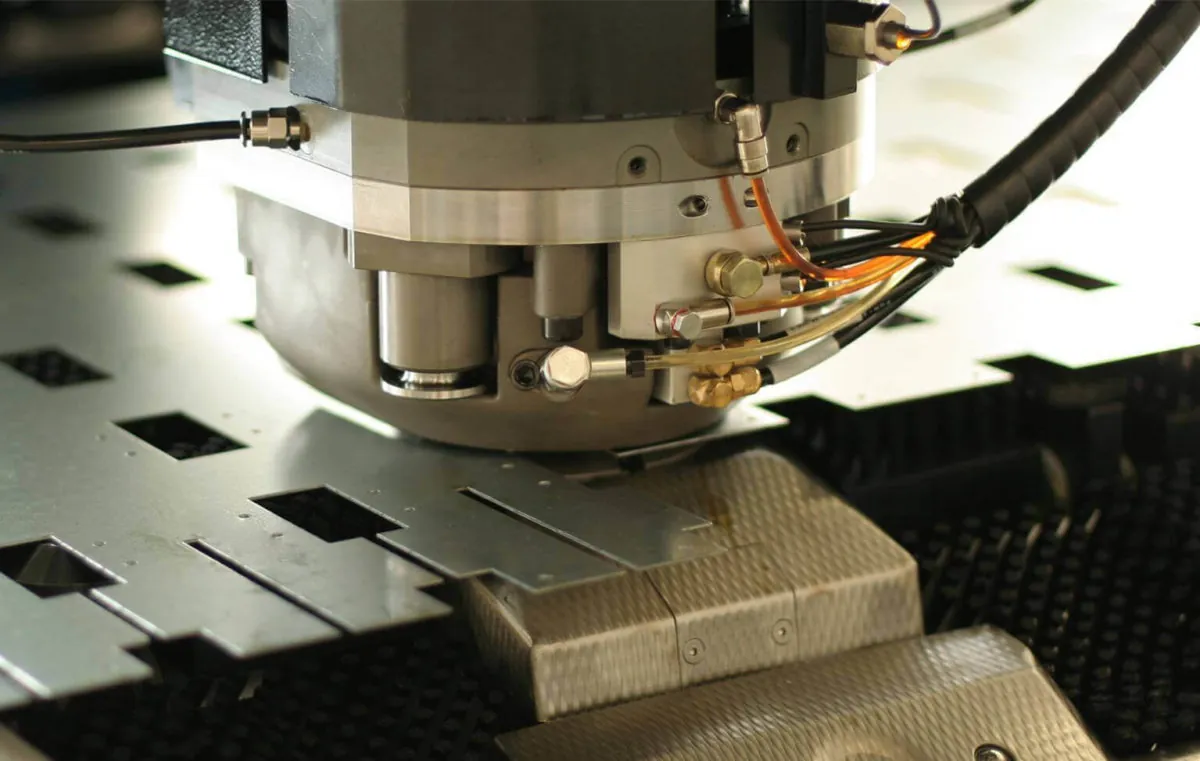
Our in-house capabilities include 5-axis CNC machining, wire EDM, and surface grinding, all performed within a climate-controlled environment to minimize thermal drift. Each mold undergoes comprehensive metrology validation using coordinate measuring machines (CMM) and laser scanning to verify conformity to design specifications. This end-to-end control ensures that our clients receive molds that deliver consistent performance from the first cycle to the last.
The following table outlines key technical specifications that define our tin mold performance standards:
| Specification | Value | Testing Method |
|---|---|---|
| Dimensional Tolerance | ±0.005 mm | CMM Inspection |
| Surface Roughness (Ra) | 0.2–0.4 µm | Profilometer Analysis |
| Hardness Range | 52–58 HRC | Rockwell Hardness Test |
| Parallelism | ≤0.003 mm/m | Optical Flat Measurement |
| Mold Life Expectancy | 500,000+ cycles | Accelerated Life Testing |
| Cooling Uniformity | ΔT ≤ 2°C across mold | Infrared Thermography |
This level of precision is not accidental—it is the result of disciplined engineering, advanced equipment, and a culture of continuous improvement. Whether serving aerospace, defense, or consumer goods manufacturers, Wuxi Lead Precision Machinery delivers tin molds that set the benchmark for performance and reliability in modern metal forming.
Precision Specs & Tolerances

Technical Capabilities: Precision Engineering for Advanced Tin Mold Manufacturing
Wuxi Lead Precision Machinery delivers uncompromising precision in custom tin mold production, leveraging cutting-edge 5-axis CNC machining and rigorous quality control to meet the exacting demands of high-performance applications. Our expertise spans complex geometries required for tin-plated electrical contacts, semiconductor packaging, and specialized industrial components where dimensional stability and surface integrity are critical. Unlike standard fabrication, tin mold manufacturing demands exceptional control over thermal expansion, microstructure, and plating adhesion—challenges our integrated processes systematically address.
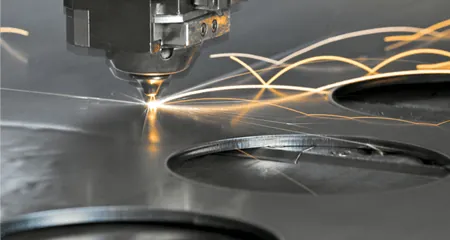
Our core strength lies in multi-axis simultaneous machining, eliminating cumulative errors from multiple setups. The DMG MORI CTX beta 1250 5-axis CNC centers enable single-setup completion of intricate mold cavities, cooling channels, and ejection systems with micron-level accuracy. This capability is essential for maintaining critical wall thickness tolerances in thin-walled tin components, preventing warpage during plating or thermal cycling. High-speed machining with specialized carbide tooling ensures optimal surface finishes (Ra ≤ 0.4 μm) directly off the machine, minimizing post-processing that could compromise dimensional repeatability. Material expertise extends to oxygen-free copper alloys, beryllium-copper preforms, and engineered steels optimized for tin compatibility, all processed under strict environmental controls to prevent oxidation.
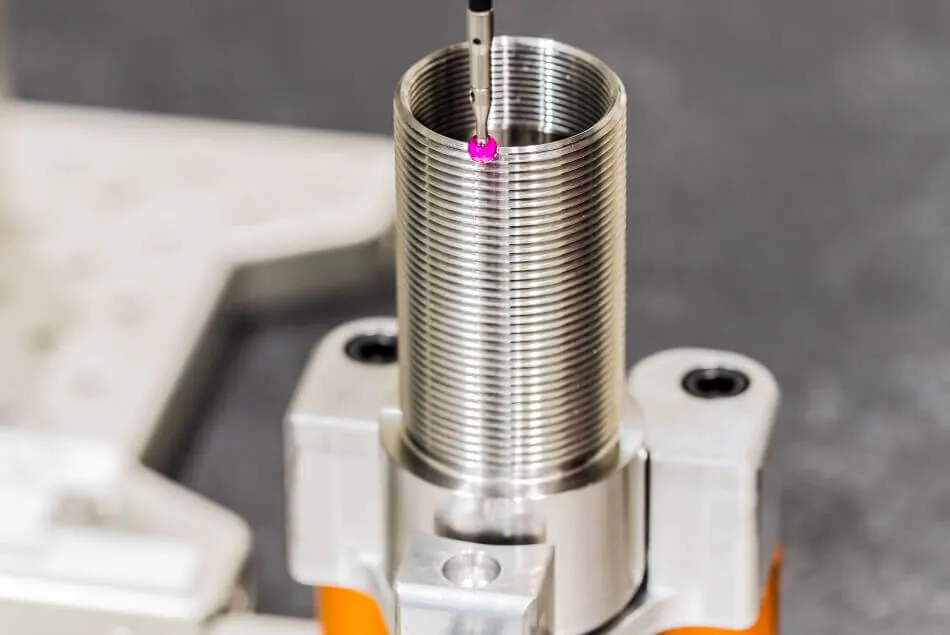
Quality assurance is non-negotiable. Every mold undergoes comprehensive Coordinate Measuring Machine (CMM) inspection using Zeiss CONTURA systems, validating 100% of critical features against CAD models. Our 15+ years of metrology experience focuses specifically on mold release angles, parting line alignment, and plating draft tolerances—factors often overlooked but vital for production yield. Statistical Process Control (SPC) data is documented per ISO 9001, providing traceability from raw material to final certification. This disciplined approach ensures molds consistently produce parts within specification across thousands of cycles, directly reducing our clients’ scrap rates and rework costs.
The following table details our standard and precision tolerance capabilities for tin mold features, reflecting achievable results under controlled production conditions:
| Feature Type | Standard Tolerance (mm) | Precision Tolerance (mm) | Measurement Method |
|---|---|---|---|
| Cavity Dimensions | ±0.025 | ±0.008 | CMM |
| Core Pin Diameter | +0.015 / -0.005 | +0.005 / -0.002 | Optical Comparator |
| Parting Line Flatness | 0.03 | 0.01 | CMM |
| Cooling Channel | ±0.05 | ±0.02 | CMM |
| Surface Roughness (Ra) | 0.8 μm | 0.4 μm | Profilometer |
| Hole Position | ±0.02 | ±0.005 | CMM |
These specifications are validated through our in-house metrology lab, which operates under ISO/IEC 17025 standards. We proactively collaborate with clients during Design for Manufacturability (DFM) reviews to optimize mold geometry for tin’s unique thermal and flow characteristics, ensuring manufacturability without compromising performance. By integrating 5-axis precision, material science, and closed-loop quality verification, Wuxi Lead transforms complex tin mold requirements into reliable, high-yield production assets. Contact our engineering team to discuss tolerance-critical applications requiring sub-10μm repeatability.
Material & Finish Options

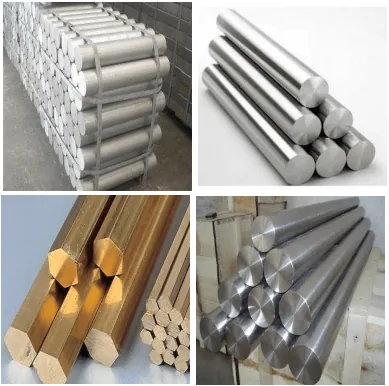
Material selection is a critical factor in the performance, longevity, and cost-efficiency of tin molds used in high-precision manufacturing. At Wuxi Lead Precision Machinery, we specialize in custom metal solutions tailored to exact industrial requirements. When fabricating tin molds, the choice between aluminum, steel, and titanium depends on production volume, thermal performance, mechanical stress, and environmental exposure. Each material offers distinct advantages, and pairing the right base metal with an appropriate surface treatment such as anodizing ensures optimal mold life and product quality.
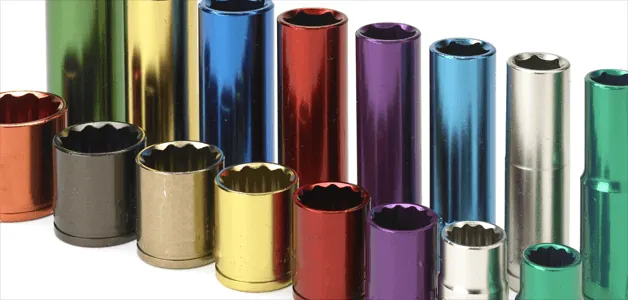
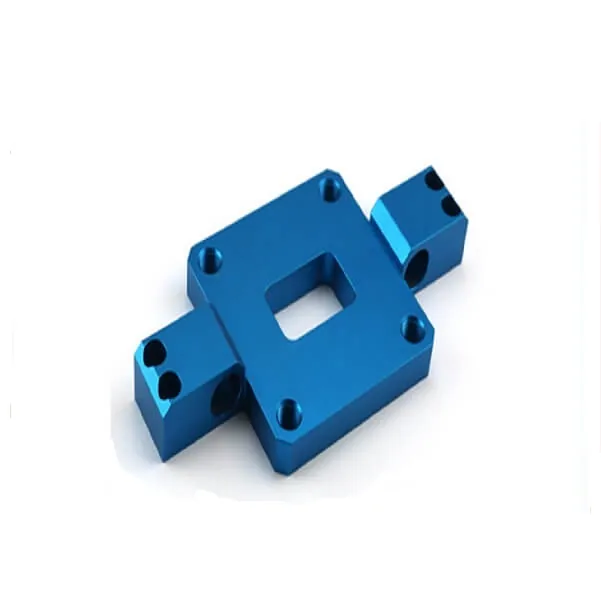
Aluminum is widely used in low- to medium-volume production due to its excellent thermal conductivity and lightweight properties. It allows for rapid heat dissipation, reducing cycle times in molding operations. Aluminum is also easier to machine, which reduces lead time and manufacturing costs. However, its lower hardness makes it more susceptible to wear under high-pressure or abrasive conditions. For enhanced durability, aluminum molds are often treated with hard anodizing, which increases surface hardness and improves resistance to corrosion and wear.
Steel, particularly tool steels such as P20 or H13, is the preferred choice for high-volume production runs. It offers superior strength, wear resistance, and dimensional stability under repeated thermal cycling. While steel has lower thermal conductivity than aluminum, its robustness ensures long service life in demanding environments. Steel molds are ideal for applications requiring tight tolerances and fine surface detail. Surface treatments such as nitriding or chrome plating are commonly applied to further enhance performance, though these are not substitutes for anodizing, which is specific to aluminum.
Titanium is less common but offers exceptional strength-to-density ratio and outstanding corrosion resistance. It is typically reserved for specialized applications where weight reduction and resistance to aggressive chemicals are paramount. While titanium molds are expensive and challenging to machine, their longevity in corrosive or high-temperature environments can justify the investment. Titanium does not undergo anodizing in the same way as aluminum, but it can be anodized for color coding or mild surface enhancement, though this does not significantly improve wear resistance.
The decision between these materials should be guided by production needs, environmental conditions, and lifecycle cost analysis. Below is a comparative overview of key properties.
| Material | Hardness (HB) | Thermal Conductivity (W/m·K) | Corrosion Resistance | Typical Use Case | Suitable for Anodizing |
|---|---|---|---|---|---|
| Aluminum | 90–120 | 180–220 | Moderate | Low to medium volume, fast cycling | Yes (Hard Anodizing) |
| Steel | 200–300 | 25–40 | Low to Moderate | High volume, high precision | No |
| Titanium | 250–350 | 7–12 | Excellent | Specialized, corrosive environments | Limited (decorative) |
At Wuxi Lead Precision Machinery, we support clients in selecting the optimal material and finish combination based on application specifics. Our engineering team evaluates thermal load, cycle frequency, and part complexity to deliver molds that balance performance, durability, and cost. For aluminum-based molds, we recommend hard anodizing to extend service life and maintain surface integrity over extended production runs.
Manufacturing Process & QC

Precision Tin Mold Manufacturing: Zero Defects Through Engineered Process Control
At Wuxi Lead Precision Machinery, we execute tin mold production under a non-negotiable Zero Defects mandate. Our integrated process—spanning Design, Prototyping, and Mass Production—leverages advanced CNC engineering and statistical process control to eliminate variability. This ensures every mold meets micron-level tolerances while adhering to your functional and longevity requirements.
Design: Computational Precision from Concept
Design initiates with collaborative engineering sessions to translate your application demands into actionable specifications. Our team employs CAD/CAM suites (Siemens NX, Mastercam) for 3D modeling, incorporating GD&T standards and rigorous thermal deformation modeling specific to tin’s low melting point (232°C). Finite element analysis (FEA) validates structural integrity under thermal cycling, while mold flow simulation optimizes gate placement and cooling channels. This phase concludes with a digitally signed-off blueprint, where every radius, draft angle, and ejection point is defined to prevent defects like warpage or flash.
Prototyping: Validation Before Commitment
We fabricate functional prototypes using 5-axis CNC milling on hardened P20 or H13 tool steel, replicating production toolpaths. Each prototype undergoes metrological verification via Zeiss coordinate measuring machines (CMM), comparing 100+ critical dimensions against CAD data. Dimensional accuracy is cross-checked with 3D scanning to detect micro-deformations. Crucially, we conduct trial runs with actual tin alloys under your specified parameters, measuring fill consistency, cycle time, and part ejection forces. Only when thermal performance and dimensional stability achieve Cpk >1.67 do we approve the design for scale-up.
Mass Production: Sustained Perfection Through Closed-Loop Control
Full-scale production deploys our ISO 9001-certified workflow, where every machine (DMG MORI, Makino) operates under real-time SPC monitoring. In-process gauging checks critical features after every 50 cycles, with automatic tool compensation for wear. All molds undergo 100% post-machining inspection: surface roughness verified to Ra 0.4µm via profilometry, hardness tested to 48-52 HRC, and vacuum leak testing at 0.1 mbar. Defect root causes are addressed within 30 minutes using our Andon system, ensuring non-conforming units never progress.
Tin Mold Technical Specifications
| Parameter | Standard Tolerance | Precision Option | Material Standard |
|——————–|——————–|——————|——————-|
| Dimensional Accuracy | ±0.02 mm | ±0.005 mm | P20/H13 Tool Steel |
| Surface Roughness | Ra 0.8 µm | Ra 0.4 µm | Mirror Polished |
| Hardness | 42-46 HRC | 48-52 HRC | Vacuum Hardened |
| Thermal Stability | 150 cycles @ 250°C| 500+ cycles | Stress Relieved |
This phased rigor—grounded in predictive design, empirical validation, and statistical discipline—delivers tin molds that consistently produce defect-free castings. By controlling variation at every node, we reduce your scrap rates by ≥35% and ensure on-time delivery of molds engineered for 500,000+ cycles. Your specifications become our blueprint; Zero Defects is our baseline.
Why Choose Wuxi Lead Precision
Partner with Lead Precision for Unmatched Expertise in Custom Tin Mold Manufacturing
At Wuxi Lead Precision Machinery, we specialize in delivering high-precision, custom-engineered tin molds designed for performance, durability, and repeatability in demanding industrial environments. With over a decade of experience in advanced metal manufacturing, we serve global clients across the packaging, food and beverage, automotive, and electronics industries who demand excellence in every component. When you partner with us, you are not just sourcing a product—you are gaining a strategic manufacturing ally committed to precision, innovation, and on-time delivery.
Our engineering team works closely with clients from concept to completion, ensuring that every tin mold is tailored to exact specifications and application requirements. Utilizing state-of-the-art CNC machining, CAD/CAM design, and rigorous quality control protocols, we produce molds that meet the tightest tolerances and longest service life. Whether you require single-cavity prototypes or high-volume multi-cavity production molds, our facility in Wuxi, China is equipped with the technology and expertise to exceed expectations.
We understand that consistency and reliability are non-negotiable in modern manufacturing. That’s why every tin mold we produce undergoes comprehensive inspection using coordinate measuring machines (CMM) and 3D metrology systems. Material selection, surface finish, cooling efficiency, and structural integrity are all optimized to ensure seamless integration into your production line. From initial design validation to final packaging and global shipping, we manage every stage with meticulous attention to detail.
Our commitment extends beyond manufacturing. We offer full technical support, mold maintenance guidance, and rapid response times to ensure minimal downtime for your operations. Clients trust us not only for our precision but for our transparency, responsiveness, and dedication to long-term partnership.
Below are the key technical specifications we support for custom tin mold manufacturing:
| Specification | Capability |
|---|---|
| Material Types | SPCC, MR, TFS, Aluminum, Stainless Steel |
| Tolerance | ±0.005 mm |
| Mold Life | Up to 1,000,000 cycles (depending on design and material) |
| Surface Finish | Ra 0.1 – 1.6 μm (polished, satin, or custom) |
| Max Mold Size | 1200 mm × 800 mm × 600 mm |
| Production Lead Time | 25–45 days (based on complexity) |
| Quality Standards | ISO 9001:2015 certified, full traceability |
| Applications | Food cans, aerosol containers, cosmetic tins, electronic enclosures |
When performance matters, choose a partner built on precision engineering and proven results. Contact us today to discuss your next custom tin mold project. Our team is ready to support your technical requirements, provide detailed quotations, and guide you through the development process.
Email us at [email protected] and experience the Lead Precision advantage—where engineering excellence meets industrial reliability.
⚙️ Precision Cost Estimator
Estimate relative manufacturing effort based on tolerance.