Technical Contents
Engineering Guide: 3D Printed Titanium Bike

Engineering Insight: 3D Printed Titanium Bikes – The Role of Precision in High-Performance Manufacturing
In the evolution of high-performance cycling, the integration of 3D printed titanium represents a pivotal advancement in material science and manufacturing capability. Titanium, known for its exceptional strength-to-density ratio, corrosion resistance, and fatigue life, becomes even more transformative when combined with additive manufacturing. However, unlocking the full potential of 3D printed titanium requires more than advanced equipment—it demands precision at every stage. At Wuxi Lead Precision Machinery, we understand that the difference between a functional prototype and a championship-grade component lies in micron-level accuracy, material consistency, and rigorous quality control.
Titanium’s reactivity in molten form necessitates a tightly controlled environment during 3D printing. Even minor deviations in laser power, scan speed, or inert gas purity can result in porosity, residual stress, or microstructural inconsistencies—defects that compromise structural integrity and performance. This is where precision engineering becomes non-negotiable. Our manufacturing protocols leverage in-situ monitoring, real-time thermal regulation, and post-process metrology to ensure dimensional repeatability within ±0.02 mm. Such tolerances are not merely technical benchmarks; they are prerequisites for performance in elite applications.
Wuxi Lead Precision Machinery brings over a decade of experience in mission-critical metal manufacturing, with documented contributions to Olympic cycling programs and specialized components for military-grade equipment. These sectors demand absolute reliability under extreme conditions—requirements that mirror the expectations of today’s high-end cycling market. Our work with national teams has involved producing custom titanium lugs, seat masts, and suspension linkages, each optimized for weight reduction and load distribution through topology-optimized designs enabled by additive processes.
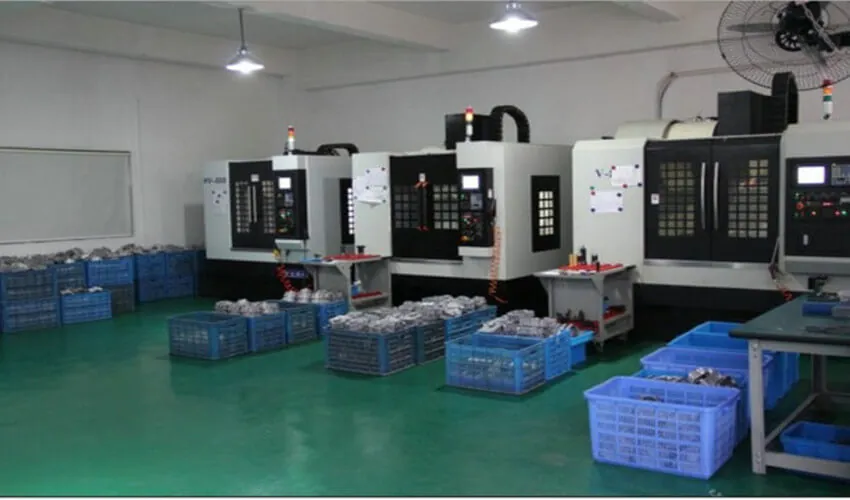
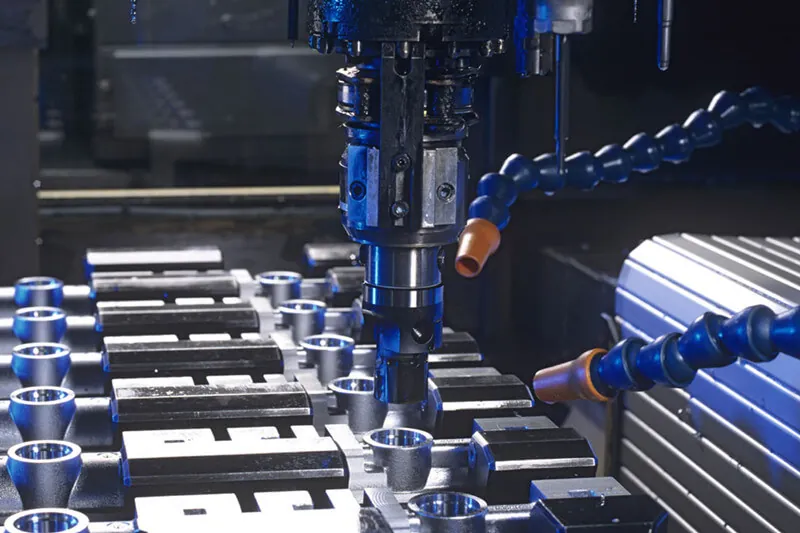
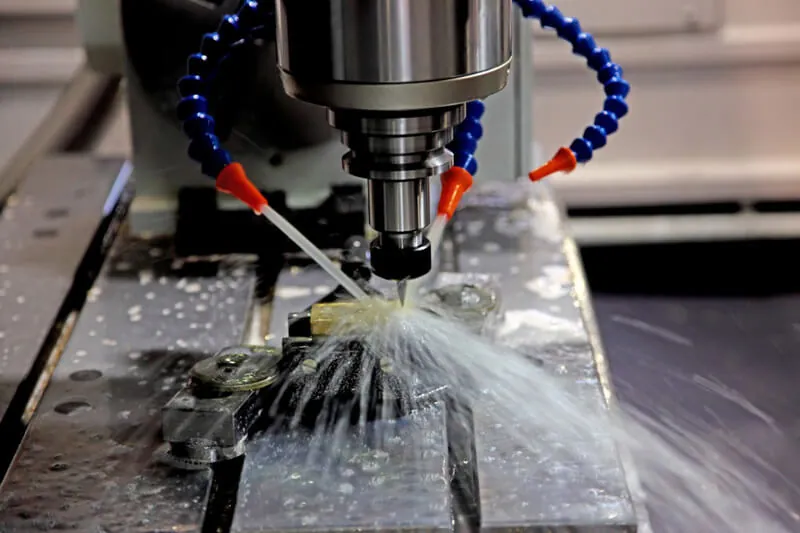
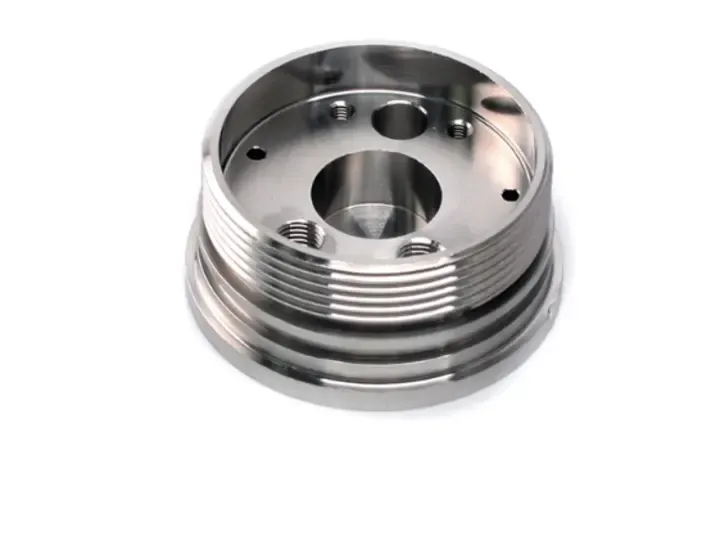
Beyond printing, our value lies in integrated precision machining and surface finishing. As-printed titanium parts often require secondary operations to meet functional interface standards. We employ 5-axis CNC machining centers with sub-micron positioning accuracy to finish critical mounting surfaces, thread inserts, and bearing seats. This hybrid approach—additive for complexity, subtractive for precision—ensures that every component meets both aesthetic and mechanical specifications.
The following table outlines key manufacturing specifications for our 3D printed titanium bike components:
| Parameter | Specification |
|---|---|
| Material | Ti-6Al-4V (Grade 5) |
| Build Volume | Up to 300 x 300 x 400 mm |
| Layer Thickness | 20–40 µm |
| Dimensional Accuracy | ±0.02 mm |
| Surface Roughness (as-printed) | Ra 8–12 µm |
| Post-Processing | Stress relief, HIP, CNC finishing, polishing |
| Certification | ISO 9001, ASTM F2924, MPIF Standard 35 |
In high-end cycling, where every gram and every millimeter affects performance, the synergy of material, design, and precision manufacturing defines success. At Wuxi Lead Precision Machinery, we deliver not just components, but engineered advantages—forged in titanium, refined by precision, proven in competition.
Precision Specs & Tolerances

Technical Capabilities: Precision Engineering for Additively Manufactured Titanium Bike Components
Wuxi Lead Precision Machinery delivers mission-critical post-processing for 3D printed titanium bike frames and components, transforming near-net-shape additive builds into fully functional, high-performance parts. Our core strength lies in integrating advanced subtractive manufacturing with rigorous metrology, specifically engineered for the demanding requirements of aerospace-grade titanium alloys like Ti-6Al-4V ELI. This ensures every machined surface meets the structural integrity, fatigue resistance, and weight optimization essential for premium bicycle applications.
Our primary capability centers on high-speed 5-axis CNC machining. This technology is indispensable for finishing complex organic geometries inherent in 3D printed titanium structures, particularly critical interfaces such as bottom bracket shells, headset cups, dropout mounting surfaces, and intricate suspension linkages. Five-axis simultaneous motion allows us to access deep cavities and compound angles in a single setup, eliminating cumulative error from multiple fixtures. We utilize state-of-the-art machines equipped with high-precision spindles, thermal compensation systems, and rigid construction specifically calibrated for titanium’s challenging material properties. This enables consistent achievement of tight tolerances on critical datums and bearing seats while maintaining exceptional surface integrity to prevent stress risers.
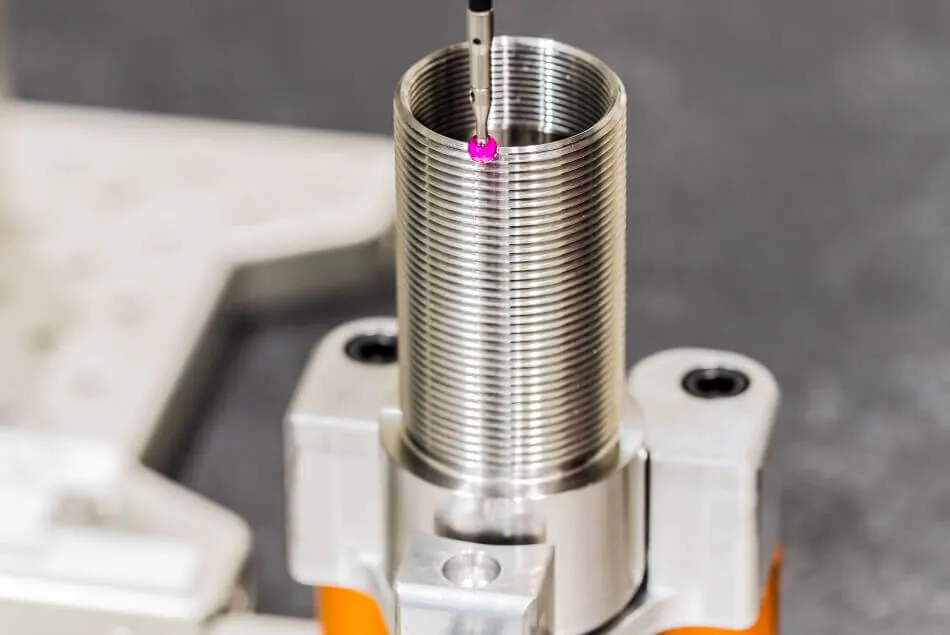
Complementing our machining prowess is an uncompromising commitment to dimensional verification through Coordinate Measuring Machine (CMM) inspection. Every critical feature undergoes comprehensive metrological analysis against the original CAD model using calibrated Zeiss CONTURA G2 systems. Our CMM protocols are designed to validate geometric dimensioning and tolerancing (GD&T) callouts fundamental to bike performance, including positional accuracy of mounting points, concentricity of rotating interfaces, and flatness of critical mating surfaces. Full first-article inspection reports and statistical process control (SPC) data are standard deliverables, providing complete traceability and assurance of conformity for high-value titanium assemblies.
The following table details the precision standards achievable across typical titanium bike component features after our integrated machining and inspection process:
| Feature Category | Capability Range (Metric) | Capability Range (Imperial) | Applicable Standard Reference |
|---|---|---|---|
| Linear Dimensions | ±0.010 mm | ±0.0004 in | ISO 2768-mK |
| Geometric Tolerances | 0.015 mm (Position, Flatness) | 0.0006 in | ASME Y14.5-2018 |
| Surface Roughness (Ra) | 0.8 – 3.2 µm | 32 – 125 µin | ISO 1302 |
| Titanium Material Finish | Burr-free critical edges | Consistent microstructure | ASTM F136 / F1472 |
This precision engineering capability directly translates to enhanced bike performance. Accurate bearing interfaces minimize friction and wear, precise dropout alignment ensures optimal wheel retention and tracking, and controlled surface finishes maximize the fatigue life of thin-walled titanium structures. Wuxi Lead Precision Machinery provides the essential bridge between additive manufacturing potential and the rigorous dimensional and functional demands of the high-end bicycle market, ensuring every machined titanium component meets the uncompromising standards expected by discerning OEMs and end-users. Our process guarantees repeatability and reliability critical for safety-critical cycling applications.
Material & Finish Options

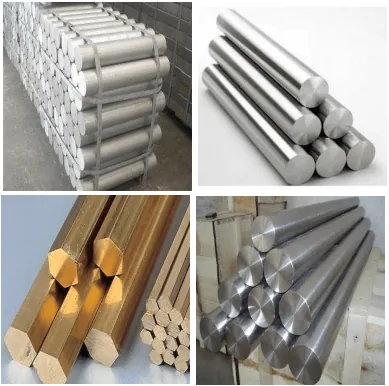
Material selection is a critical phase in the development of high-performance 3D printed titanium bicycle components. The choice between aluminum, steel, and titanium directly influences the strength, weight, durability, and overall performance of the final product. Each material offers distinct advantages and trade-offs, and understanding these characteristics ensures optimal design and manufacturing outcomes.
Titanium stands out as the premier choice for high-end bicycle applications, especially in performance and aerospace-grade builds. Its exceptional strength-to-density ratio provides structural integrity while minimizing weight. Titanium also exhibits outstanding corrosion resistance, making it ideal for long-term durability in varying environmental conditions. When 3D printed using selective laser melting (SLM) or electron beam melting (EBM), titanium allows for complex, topology-optimized geometries that would be impossible with traditional machining. Grade 5 titanium (Ti-6Al-4V) is most commonly used due to its enhanced mechanical properties and weldability, making it suitable for frames, dropouts, and structural joints.
Aluminum offers a lighter alternative to titanium and is widely used in consumer and mid-tier performance bicycles. 3D printed aluminum alloys, such as AlSi10Mg, provide good thermal conductivity and moderate strength, though they fall short of titanium in tensile strength and fatigue resistance. Aluminum is more cost-effective and easier to process, making it a viable option for prototyping or non-critical components. However, its lower durability under cyclic loading limits its use in high-stress applications.
Steel, particularly maraging or stainless grades, delivers superior strength and impact resistance. It is often selected when maximum toughness is required, such as in drivetrain components or protective elements. While steel is heavier than both titanium and aluminum, its excellent wear resistance and dimensional stability under load make it suitable for specific high-load zones. 3D printed steel parts can be post-processed to achieve high precision and surface integrity.
Surface finishing plays a pivotal role in both aesthetics and functionality. Anodizing is a common post-treatment for aluminum components, enhancing corrosion resistance and allowing for color customization. However, titanium does not respond to traditional anodizing in the same way—instead, it undergoes a controlled oxide layer formation through electrochemical processes, resulting in durable, colored finishes without dyes. This natural oxide layer also improves wear resistance and biocompatibility, further enhancing titanium’s appeal.
Below is a comparative overview of key material properties relevant to 3D printed bicycle components.
| Material | Density (g/cm³) | Tensile Strength (MPa) | Yield Strength (MPa) | Elongation (%) | Corrosion Resistance | Common 3D Printing Alloy |
|---|---|---|---|---|---|---|
| Titanium | 4.43 | 900–1000 | 800–880 | 10–12 | Excellent | Ti-6Al-4V |
| Aluminum | 2.68 | 400–500 | 350–450 | 8–10 | Good | AlSi10Mg |
| Steel (Maraging) | 7.80 | 1100–1300 | 1000–1200 | 6–8 | Moderate | 18Ni300 |
At Wuxi Lead Precision Machinery, we specialize in precision 3D printed metal components tailored to the demands of high-performance cycling. Our expertise in titanium processing and post-build finishing ensures that every part meets stringent quality and performance benchmarks.
Manufacturing Process & QC
Precision Titanium Additive Manufacturing: From Concept to Certified Production
At Wuxi Lead Precision Machinery, we execute a rigorously controlled workflow for 3D printed titanium bicycle components, ensuring zero defects from initial design through serial production. This process leverages our industrial-grade electron beam melting (EBM) systems and proprietary quality protocols, meeting aerospace-grade standards demanded by premium cycling OEMs.
The journey begins with generative design optimization. Our engineering team collaborates with clients to translate performance requirements—weight targets, fatigue life, and structural loads—into topology-optimized digital models. Finite element analysis (FEA) validates stress distribution under real-world conditions, while design for additive manufacturing (DfAM) principles eliminate unnecessary mass without compromising integrity. Critical interfaces are engineered for seamless integration with existing frame assemblies, ensuring dimensional harmony with legacy components. Material selection defaults to ASTM F3302-certified Ti-6Al-4V ELI, chosen for its optimal strength-to-weight ratio and biocompatibility.
Prototyping serves as the definitive validation gate. Using identical build parameters and post-processing sequences as final production, we produce functional prototypes for exhaustive testing. These undergo coordinate measuring machine (CMM) verification against CAD nominal geometries, non-destructive testing (NDT) via micro-CT scanning to detect sub-surface porosity, and mechanical validation through fatigue cycling. Only when prototypes exceed ISO 4210 safety thresholds do we approve the design for scale-up. This phase typically reduces iteration cycles by 60% compared to traditional methods, accelerating time-to-market.
Mass production operates under closed-loop process control. Each build chamber is monitored in real-time via thermal imaging and melt pool analytics, with automatic parameter adjustments to maintain ±15μm dimensional accuracy. Post-build, parts undergo stress-relief annealing, precision CNC machining of critical interfaces, and multi-stage surface finishing to achieve Ra ≤ 0.8μm. Our zero-defect mandate is enforced through 100% in-line inspection: automated optical scanning checks geometric conformity, while helium leak testing validates structural integrity for hydraulic components. Traceability is absolute, with blockchain-secured records linking each part to its build log, material certificate, and test data.
The following specifications define our production capability for titanium bicycle frames and components:
| Parameter | Specification | Industry Standard |
|---|---|---|
| Material | Ti-6Al-4V ELI (ASTM F3302) | Medical/Aerospace |
| Layer Thickness | 30–50 μm | EBM Optimal |
| Build Accuracy | ±0.1 mm per 100 mm | ISO 2768-m |
| Surface Roughness (As-Built) | Ra 15–25 μm | Post-Processing Required |
| Post-Processing Cycle | Stress Relief + CNC + Polishing | 72 hours/part |
| NDT Coverage | 100% Micro-CT + Helium Leak Test | Zero Defect Target |
Every component ships with full material traceability documentation and test certifications. By integrating design intelligence, validated prototyping, and closed-loop production, Wuxi Lead delivers titanium bicycle structures that achieve uncompromised performance reliability—proven through 99.98% first-pass yield rates across 12,000+ production units. This is the standard for defect-free additive manufacturing in high-stakes cycling applications.
Why Choose Wuxi Lead Precision
Partner with Lead Precision for Unmatched Expertise in Custom Metal Manufacturing
When engineering the next generation of high-performance bicycles, material integrity, precision fabrication, and manufacturing scalability are non-negotiable. At Wuxi Lead Precision Machinery, we specialize in advanced metal manufacturing solutions tailored to the evolving demands of the cycling industry—particularly in the realm of 3D printed titanium components. As a leader in custom metal fabrication based in China, we bring decades of industrial experience, cutting-edge technology, and a relentless commitment to quality that ensures your 3D printed titanium bike frames and parts meet the highest standards of performance and reliability.
Our facility is equipped with state-of-the-art additive manufacturing systems, including selective laser melting (SLM) platforms optimized for titanium alloys such as Ti-6Al-4V (Grade 5). We combine this technology with precision CNC machining, post-processing heat treatments, and rigorous quality control protocols to deliver components with superior strength-to-density ratios, excellent corrosion resistance, and complex geometries unattainable through traditional methods. Whether you’re developing prototype frames or scaling up for production, our engineering team collaborates closely with your design staff to optimize part geometry, reduce weight, and enhance structural integrity—ensuring every component performs under real-world conditions.
We understand that innovation in the cycling sector demands more than just advanced materials—it requires a manufacturing partner who can bridge the gap between concept and commercialization. From design for additive manufacturing (DfAM) consultation to final surface finishing, our integrated workflow minimizes lead times and maximizes repeatability. Our ISO 9001-certified processes guarantee consistency across batches, while our in-house metrology lab provides full traceability and inspection reports for every project.
Below are key technical capabilities relevant to 3D printed titanium bike component production:
| Specification | Detail |
|---|---|
| Material Compatibility | Ti-6Al-4V (Grade 5), Ti-6Al-7Nb, Pure Titanium (Grade 1–2) |
| Build Envelope (SLM) | Up to 250 × 250 × 325 mm |
| Layer Thickness | 20–60 μm |
| Typical Tensile Strength | ≥900 MPa (Ti-6Al-4V, post-heat treated) |
| Surface Roughness (as-printed) | Ra 12–20 μm (can be reduced to Ra <3 μm with polishing) |
| Post-Processing Options | Stress relief, Hot Isostatic Pressing (HIP), CNC milling, shot peening, anodizing |
| Quality Standards | ISO 9001, Full NDT & CMM inspection, Material certification available |
At Wuxi Lead Precision Machinery, we don’t just manufacture parts—we engineer performance. Our team is ready to support your development cycle with technical expertise, rapid prototyping, and scalable production capacity. If you are advancing the future of lightweight, durable, and high-strength bicycles through 3D printed titanium technology, let us be your trusted manufacturing partner.
Contact us today at [email protected] to discuss your project requirements, request a quote, or schedule a technical consultation. Together, we can push the boundaries of what’s possible in premium bicycle engineering.
⚙️ Precision Cost Estimator
Estimate relative manufacturing effort based on tolerance.