Technical Contents
Engineering Guide: Sheet Metal Experts

Engineering Insight: The Uncompromising Role of Precision in Sheet Metal Fabrication
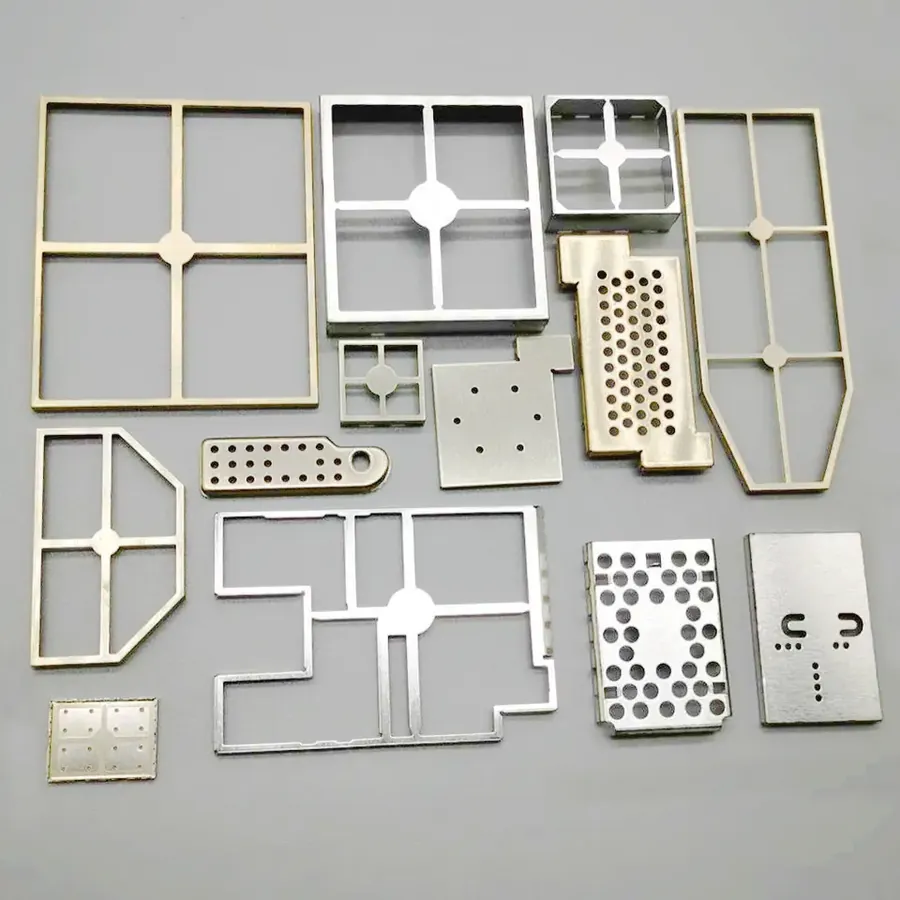
In the realm of advanced manufacturing, precision is not merely a performance metric—it is the foundation upon which reliability, functionality, and innovation are built. For sheet metal experts operating at the forefront of aerospace, defense, and high-performance industrial sectors, tolerances measured in thousandths of an inch can determine the success or failure of a mission-critical component. At Wuxi Lead Precision Machinery, we understand that precision transcends equipment capability; it reflects engineering discipline, process control, and a culture of excellence cultivated over decades.
Our journey in precision sheet metal fabrication has been shaped by some of the most demanding projects in modern engineering. From supplying components for Olympic-grade sporting infrastructure to delivering mission-ready parts for military-grade systems, Lead Precision has consistently operated where failure is not an option. These applications demand more than accurate cutting or bending—they require end-to-end traceability, material integrity assurance, and repeatable consistency across production runs. Every stage, from digital prototyping to final inspection, must adhere to uncompromising standards.
Precision in sheet metal begins with design for manufacturability (DFM). Our engineering team collaborates closely with clients to optimize geometries, minimize stress concentrations, and ensure that every bend, notch, and hole aligns with both functional intent and fabrication reality. We utilize advanced 3D modeling and simulation tools to anticipate material behavior under load, thermal variation, and fatigue cycles—ensuring that the final product performs as intended in its operational environment.
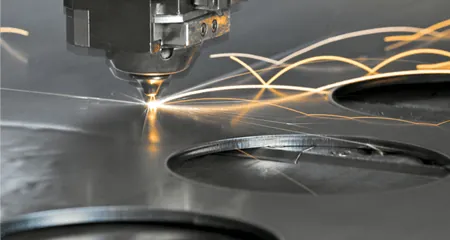
Equally critical is our investment in state-of-the-art machinery calibrated to maintain micron-level accuracy. Our CNC-controlled press brakes, fiber laser cutters, and automated forming systems are maintained under strict environmental and operational protocols. This infrastructure, combined with our ISO 9001-certified quality management system, enables us to deliver components with exceptional dimensional stability and surface integrity.
The following table outlines key precision capabilities that define our manufacturing excellence:
| Parameter | Specification |
|---|---|
| Laser Cutting Tolerance | ±0.05 mm |
| CNC Bending Accuracy | ±0.1° angular, ±0.1 mm linear |
| Minimum Feature Size | 0.8 mm (laser cut, stainless steel) |
| Material Thickness Range | 0.5 mm – 25 mm |
| Positional Repeatability | ±0.02 mm (automated handling systems) |
| Surface Roughness (Ra) | As low as 0.8 µm (post-processing optional) |
| Quality Standards | ISO 9001, MIL-STD-810, ISO 13920 compliant |
Our experience with Olympic and military programs has instilled a mindset where every component is treated as mission-critical. Whether supporting national defense systems or high-precision industrial platforms, Wuxi Lead Precision Machinery delivers not just parts—but engineered confidence. For sheet metal experts who demand nothing less than perfection, precision is not a goal. It is the standard.
Precision Specs & Tolerances

Technical Capabilities: Precision Sheet Metal Fabrication at Wuxi Lead Precision Machinery
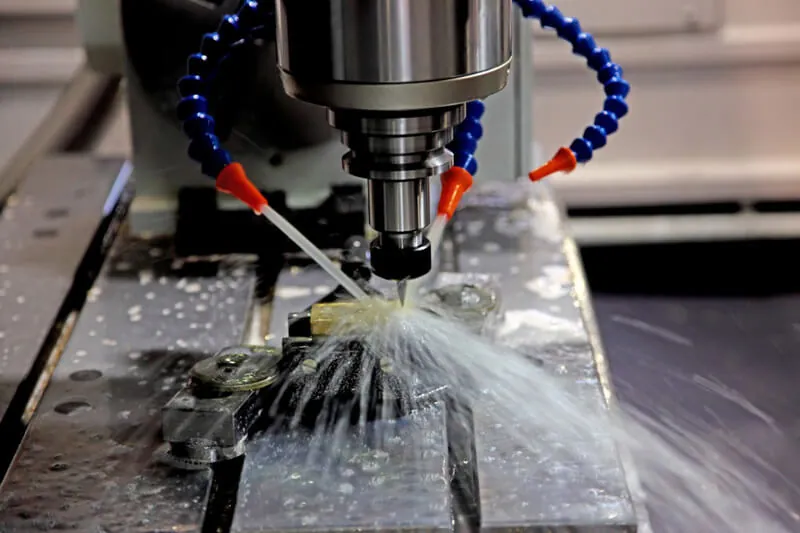
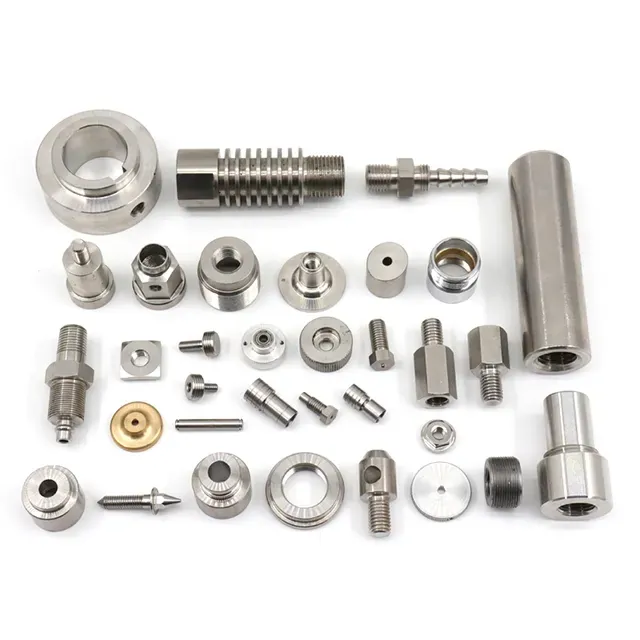
Wuxi Lead Precision Machinery delivers uncompromising precision in complex sheet metal fabrication, engineered specifically for demanding aerospace, medical, and industrial hydronics applications. Our core strength lies in advanced 5-axis CNC machining capabilities, enabling the production of intricate geometries and tight-tolerance features impossible with conventional 3-axis systems. Utilizing state-of-the-art DMG MORI CTX beta 1250 and Hermle C 850 U milling centers, we achieve exceptional accuracy on formed and milled components within a single setup. This integrated approach eliminates cumulative errors from multiple fixturing stages, significantly enhancing part consistency and dimensional integrity for critical assemblies. Our machines handle materials ranging from thin-gauge aluminum alloys and stainless steels (up to 6mm) to specialized composites and titanium, maintaining micron-level control throughout the machining cycle.
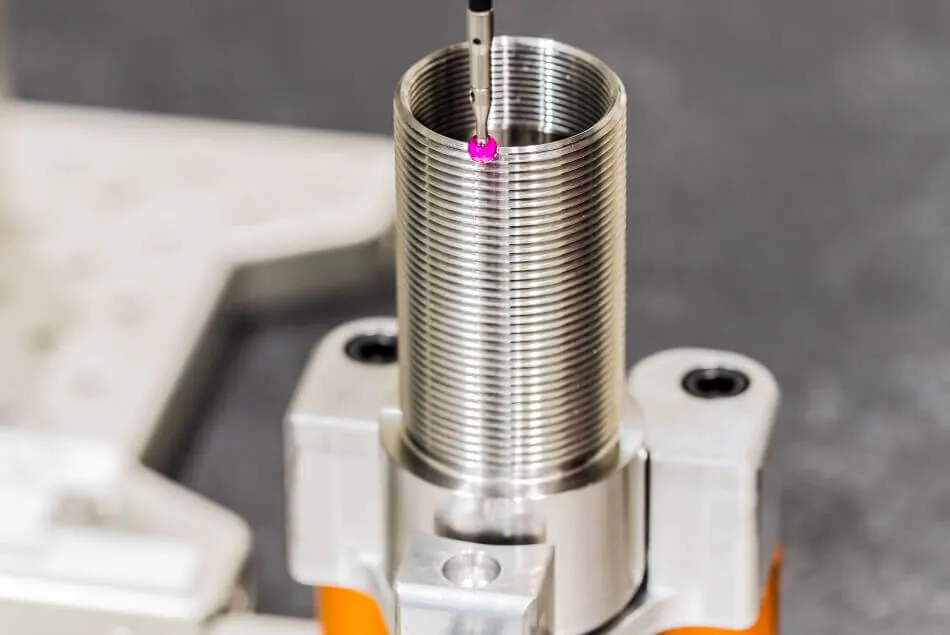
Rigorous quality control is non-negotiable. Every critical feature undergoes comprehensive verification using Zeiss CONTURA G2 Coordinate Measuring Machines (CMM), operating under ISO 17025 accredited procedures within our climate-controlled metrology lab. Our inspection protocols extend beyond final part validation; we implement in-process checks at key manufacturing stages, ensuring deviations are identified and corrected immediately. This proactive quality management, combined with full traceability of materials and processes, guarantees that every component shipped meets or exceeds the stringent requirements of high-reliability sectors. Our engineering team collaborates directly with client design specifications during the quoting phase to identify potential manufacturability challenges and optimize tolerances for cost-effective precision.
The following table details our standard and achievable tight-tolerance capabilities for critical sheet metal features, reflecting the performance envelope consistently delivered through our integrated 5-axis machining and metrology systems:
| Feature | Standard Tolerance | Tight Tolerance Capability |
|---|---|---|
| Linear Dimension | ±0.10 mm | ±0.025 mm |
| Hole Diameter | ±0.08 mm | ±0.015 mm (reamed/ground) |
| Hole Position | ±0.10 mm | ±0.03 mm |
| Bend Angle | ±0.5° | ±0.25° |
| Bend Radius | ±0.20 mm | ±0.05 mm |
| Flatness | 0.10 mm / 100 mm | 0.03 mm / 100 mm |
| Surface Roughness | Ra 1.6 µm | Ra 0.4 µm (machined) |
This precision foundation allows us to tackle projects requiring complex multi-axis milling on formed sheet structures, deep cavity machining, and seamless integration of machined details with fabricated features. We specialize in low-to-medium volume production where dimensional stability and repeatability are paramount. Partner with Wuxi Lead to transform intricate sheet metal designs into certified, high-performance components, backed by verifiable data from our CMM-inspected processes and decades of precision engineering expertise in the Chinese manufacturing landscape.
Material & Finish Options

Material Selection in Precision Sheet Metal Fabrication
Selecting the appropriate material and surface treatment is critical in high-performance sheet metal fabrication, particularly for industries such as aerospace, medical devices, and advanced electronics. At Wuxi Lead Precision Machinery, we emphasize material integrity, dimensional stability, and long-term durability in every fabrication process. The three most widely used metals—aluminum, steel, and titanium—each offer distinct mechanical and chemical properties that align with specific application demands.
Aluminum is favored for its excellent strength-to-weight ratio, corrosion resistance, and electrical conductivity. It is particularly suitable for lightweight structural components and enclosures where thermal management and shielding are essential. Grade 6061-T6 is commonly used due to its weldability and machinability, while 5052-H32 excels in applications requiring superior formability and resistance to marine environments. Aluminum’s natural oxide layer provides inherent corrosion protection, but for enhanced surface performance, anodizing is recommended.
Steel remains the backbone of industrial fabrication due to its high tensile strength, durability, and cost efficiency. Cold-rolled steel (CRS) and stainless steel (particularly grades 304 and 316) are standard choices. 304 stainless offers balanced corrosion resistance and formability, while 316 provides superior resistance to chlorides and acidic environments, making it ideal for pharmaceutical and marine applications. Although steel is more susceptible to oxidation than aluminum, proper finishing mitigates this limitation effectively.
Titanium stands at the pinnacle of performance materials, offering exceptional strength-to-density ratio and unparalleled resistance to extreme temperatures and corrosive media. Grade 2 (commercially pure) and Grade 5 (Ti-6Al-4V) are frequently used in aerospace and medical implants. While titanium is more challenging to form and cut due to work hardening, its longevity in harsh environments justifies its use in mission-critical components.
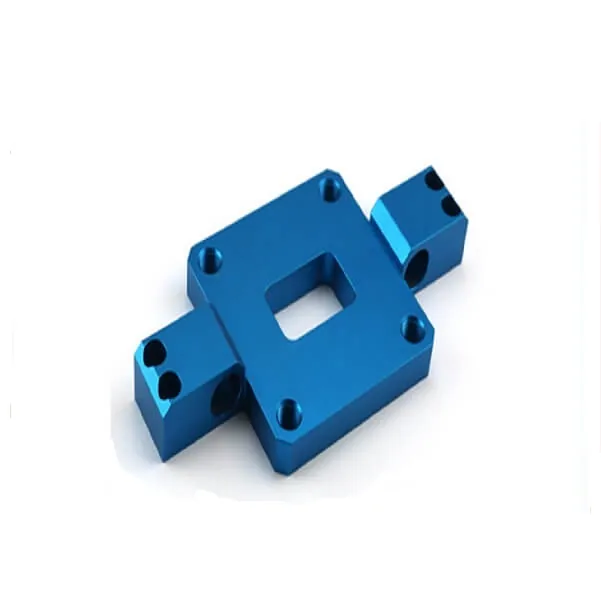
Anodizing is a key surface treatment for aluminum, enhancing wear resistance, corrosion protection, and aesthetic consistency. The electrochemical process thickens the natural oxide layer, allowing for dye integration (Type II) or extreme durability (Type III/hard anodizing). Hard anodized finishes can achieve surface hardness approaching that of sapphire, making them suitable for high-abrasion environments.
Below is a comparative overview of key material properties:
| Material | Typical Grades | Density (g/cm³) | Tensile Strength (MPa) | Corrosion Resistance | Common Applications |
|---|---|---|---|---|---|
| Aluminum | 6061-T6, 5052-H32 | 2.7 | 290–320 | High (with oxide layer) | Enclosures, heat sinks, transport |
| Stainless Steel | 304, 316 | 7.9–8.0 | 505–620 | Very High | Medical, food processing, marine |
| Titanium | Grade 2, Grade 5 | 4.5 | 345–1000 | Exceptional | Aerospace, defense, medical implants |
At Wuxi Lead, we support material selection with in-house testing and prototyping, ensuring optimal performance under real-world conditions. Partnering early in the design phase allows us to recommend the most cost-effective and technically sound solutions for your fabrication needs.
Manufacturing Process & QC

Precision Sheet Metal Fabrication: The Zero Defects Production Pathway
At Wuxi Lead Precision Machinery, we recognize that true manufacturing excellence in sheet metal fabrication is defined by predictable, flawless output. Our rigorously controlled production pathway – spanning Design, Prototyping, and Mass Production – is engineered specifically to achieve Zero Defects, minimizing client risk and maximizing component reliability. This integrated approach is non-negotiable for high-stakes industrial applications.
The process begins with Design for Manufacturability (DFM) Integration. Our engineering team collaborates directly with client CAD models, conducting exhaustive DFM analysis before any material is cut. We scrutinize bend radii, material grain direction, tooling constraints, and weld accessibility using advanced simulation software. This proactive step identifies potential weaknesses in the design phase, preventing costly errors downstream and ensuring the design is inherently manufacturable to micron-level tolerances. Clear communication on material suitability and geometric feasibility is paramount.
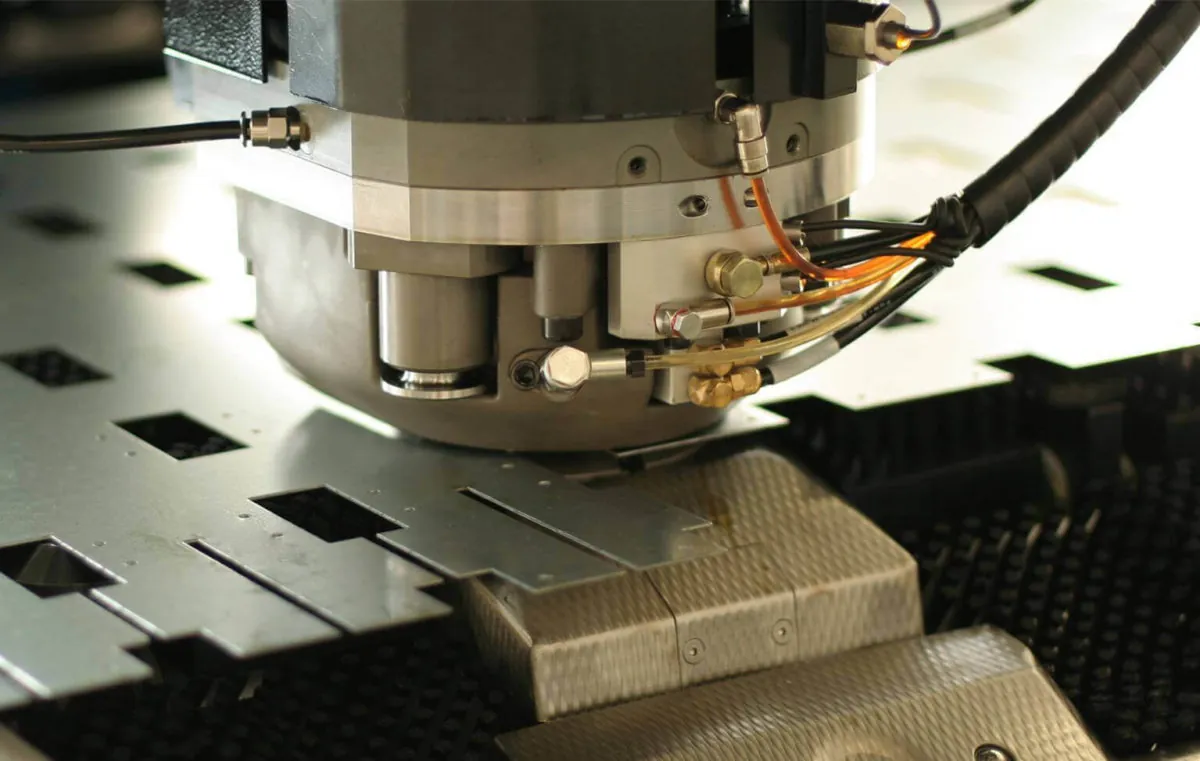
Rigorous Prototyping & Validation forms the critical bridge to volume production. Utilizing our high-precision CNC turret presses, laser cutters, and brake presses, we produce functional prototypes from the exact production-grade material specified. Every prototype undergoes comprehensive First Article Inspection (FAI) against all critical dimensions and GD&T callouts. Dimensional reports, material certifications, and surface finish validation are provided. This stage is not merely a sample check; it is a full process validation under production conditions, confirming that the DFM adjustments are correct and the manufacturing sequence is locked. Client sign-off on the validated prototype is mandatory before proceeding.
Statistical Process Control in Mass Production is where Zero Defects becomes reality. Leveraging real-time data from integrated sensors on our CNC equipment, we implement continuous Statistical Process Control (SPC). Key parameters like laser power stability, press brake tonnage, and tool wear are monitored against tight control limits. Automated in-process gauging at critical stations provides immediate feedback. Our operators, certified to ISO 9001 standards, conduct frequent first-piece and in-batch inspections using calibrated CMMs and optical comparators. Any deviation triggers immediate process correction, not just part rejection. This closed-loop system ensures every component, from the first to the last, meets the stringent quality standard established during prototyping.
Wuxi Lead’s commitment transcends simple part production; we deliver guaranteed process integrity. The table below outlines the core specifications underpinning our Zero Defects capability across the production pathway.
| Process Stage | Critical Parameters | Wuxi Lead Precision Standards |
|---|---|---|
| Design (DFM) | Material Utilization, Bend Sequencing | >95% Nesting Efficiency, Full CAD Simulation |
| Prototyping | Dimensional Accuracy, Material Match | ±0.05mm Tolerance, Exact Production Grade |
| Mass Production | SPC Control Limits, In-Process Gauging | CpK >1.67, 100% Critical Dimension Checks |
This seamless transition from validated design through proven prototyping to statistically controlled mass production is the foundation of our Zero Defects promise. Partner with Wuxi Lead for sheet metal components where failure is never an option.
Why Choose Wuxi Lead Precision
Partner with Wuxi Lead Precision Machinery for precision-driven, large-scale sheet metal fabrication solutions engineered to meet the most demanding industrial standards. As a trusted name in advanced metalworking, we specialize in delivering CNC precision, structural integrity, and repeatable accuracy across high-mix, low-volume to high-volume production runs. Our facility in Wuxi, China, is equipped with state-of-the-art machinery and staffed by engineers with decades of cumulative experience in complex sheet metal systems for global OEMs and tier-one suppliers.
Our commitment begins with understanding your design intent and extends through material sourcing, prototyping, production, and final inspection. Whether you require intricate laser-cut enclosures, precision-formed control panels, or heavy-duty chassis assemblies, our process ensures dimensional consistency, clean edge quality, and superior surface finishes. We work across a broad range of materials including cold-rolled steel, stainless steel, aluminum, and galvanized sheet metal, supporting gauges from 0.5 mm to 6.0 mm with tight tolerance control.
We integrate lean manufacturing principles with real-time quality monitoring, ensuring every component meets ISO 9001-certified standards. Our production ecosystem includes automated fiber laser cutting, high-tonnage press brakes with CNC backgauging, robotic welding cells, and in-line metrology stations. This enables us to scale from rapid prototypes to full serial production with zero compromise on precision or delivery timelines.
For engineering teams seeking a reliable offshore partner, Wuxi Lead Precision Machinery offers full transparency, responsive communication, and technical collaboration at every stage. We support STEP, DXF, and DWG file integration, provide detailed first-article inspection reports, and offer DFM feedback within 24 hours of project submission. Our goal is not only to manufacture parts but to become an extension of your engineering and supply chain strategy.
| Specification | Capability |
|---|---|
| Laser Cutting Thickness | 0.5 – 25 mm (steel), 0.5 – 20 mm (aluminum) |
| Press Brake Capacity | Up to 800 tons, bending lengths to 6 meters |
| Material Gauge Range | 0.5 – 6.0 mm (standard production) |
| Tolerance Control | ±0.1 mm (forming), ±0.05 mm (cutting) |
| Surface Treatments | Powder coating, anodizing, passivation, plating |
| Certifications | ISO 9001:2015, ISO 14001, ISO 45001 |
| Lead Times | 7–15 days (prototypes), 15–30 days (production) |
Collaborate with a partner who speaks the language of precision, efficiency, and reliability. Contact us today at [email protected] to discuss your next sheet metal project with our engineering team.
⚙️ Precision Cost Estimator
Estimate relative manufacturing effort based on tolerance.