Technical Contents
Engineering Guide: Injection Mold Silicone
Engineering Insight: Precision Imperatives in Injection Mold Silicone Manufacturing
Achieving flawless performance in silicone injection molding demands uncompromising precision at every engineering tier. Silicone’s unique viscoelastic properties—expanding during curing yet contracting upon cooling—create inherent challenges for dimensional stability. Microscopic deviations in mold geometry or thermal control directly translate to part failure: sealing surfaces leak, medical components compromise sterility, and aerospace gaskets lose critical pressure integrity. At Wuxi Lead Precision Machinery, we recognize that tolerances measured in microns dictate functional success, not mere cosmetic acceptance.
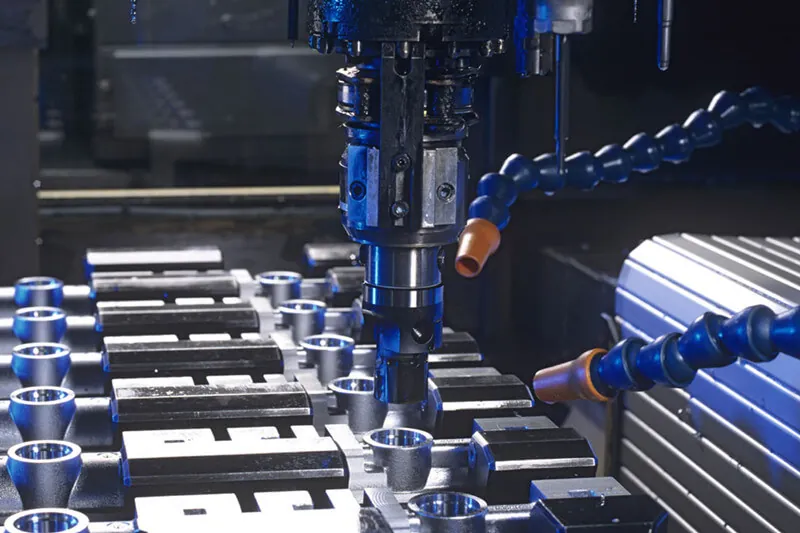
Our CNC-engineered molds counteract silicone’s behavior through deterministic thermal management and cavity symmetry. Precision-machined conformal cooling channels—held to ±0.005 mm positional accuracy—ensure uniform heat extraction, eliminating warpage from uneven shrinkage. Multi-cavity molds maintain synchronization through hardened P20 steel cores ground to Ra 0.05 µm surface finishes, preventing flash at parting lines even under 150 MPa injection pressures. This level of control is non-negotiable for applications where failure carries catastrophic consequences, such as life-support seals or hypersonic vehicle thermal barriers.
Wuxi Lead’s validation extends beyond commercial benchmarks. Our molds supported Beijing Winter Olympics biomedical sensor production, where sub-zero flexibility and biocompatibility required cavity tolerances tighter than ISO 2768-mK. Similarly, military-grade electromagnetic shielding components for stealth systems demanded RF-transparent silicone parts with 0.01 mm flatness across 300 mm² surfaces—a specification met through our 5-axis micro-milling protocols and real-time cavity pressure monitoring. These projects cement our philosophy: precision isn’t a feature; it’s the foundation of reliability.
The table below details critical specifications achievable with our custom metal molds, reflecting aerospace and medical industry mandates:
| Parameter | Industry Standard | Wuxi Lead Precision Capability | Measurement Method |
|---|---|---|---|
| Cavity Dimensional Tolerance | ±0.05 mm | ±0.002 mm | CMM (ISO 10360-2) |
| Surface Roughness (Ra) | 0.8 µm | 0.05 µm | Profilometer (ISO 4287) |
| Thermal Uniformity | ±2.0°C | ±0.5°C | Infrared Thermography |
| Parting Line Flash | ≤0.05 mm | ≤0.005 mm | Optical Comparator |
| Mold Lifespan (Cycles) | 500,000 | 1,200,000+ | ASTM D3161 |
This precision stems from integrated engineering rigor: finite element analysis predicts silicone flow-induced stresses, while hardened tool steels resist abrasive fillers in conductive silicones. Every mold undergoes 72-hour validation cycles simulating extreme thermal shock—from -60°C cryogenic exposure to 250°C vulcanization—ensuring performance parity with Olympic and defense-grade requirements.
For mission-critical silicone components, tolerances define trust. Wuxi Lead Precision Machinery delivers the dimensional certainty that transforms material science into engineered reliability. Contact our engineering team to discuss validation protocols for your next high-stakes application.
Precision Specs & Tolerances
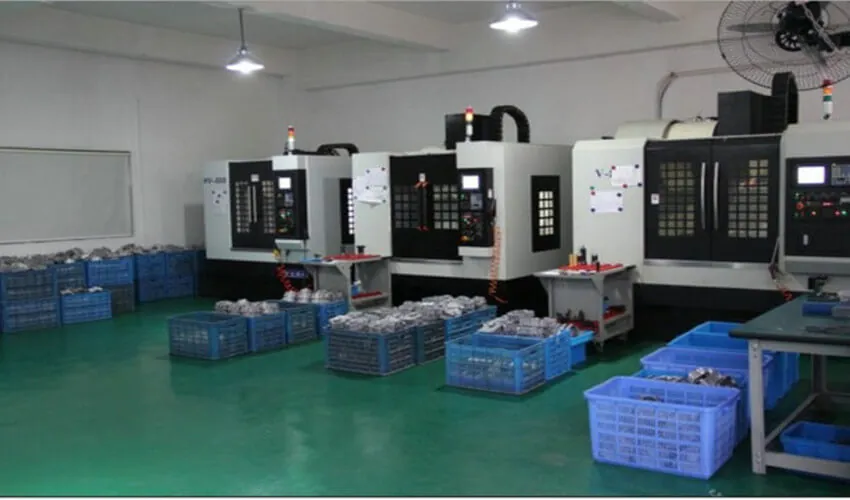
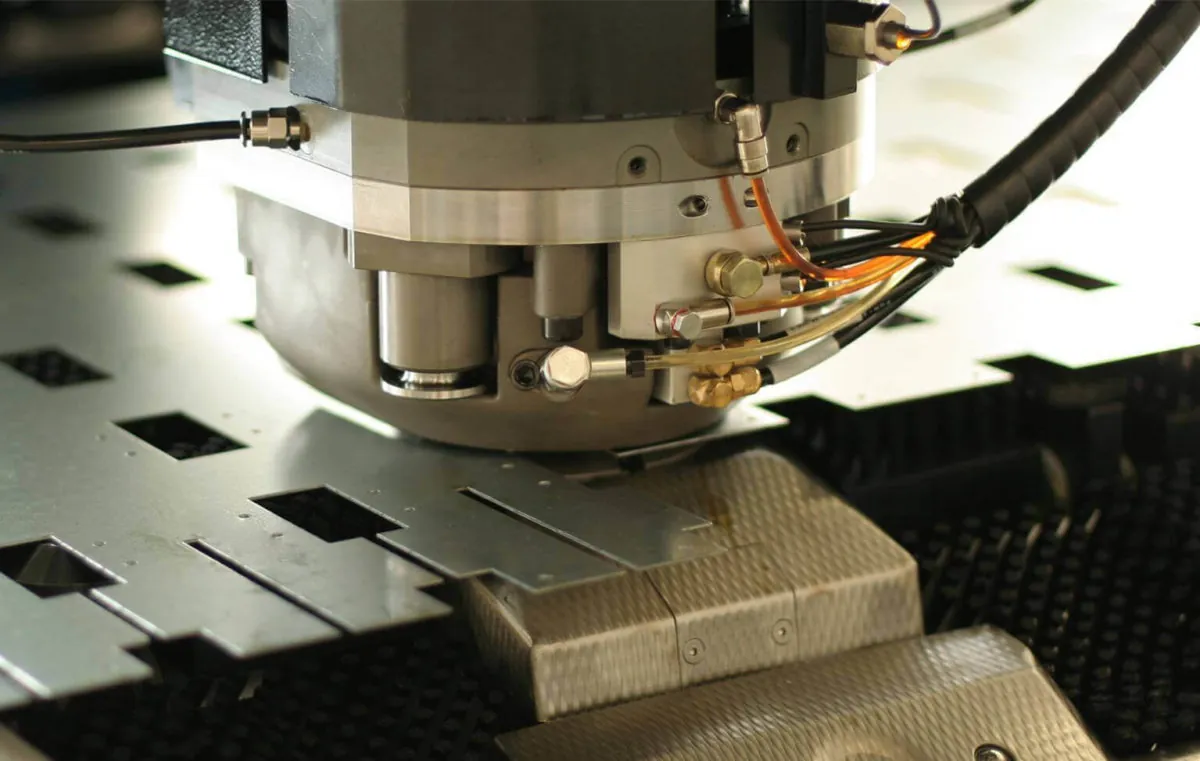
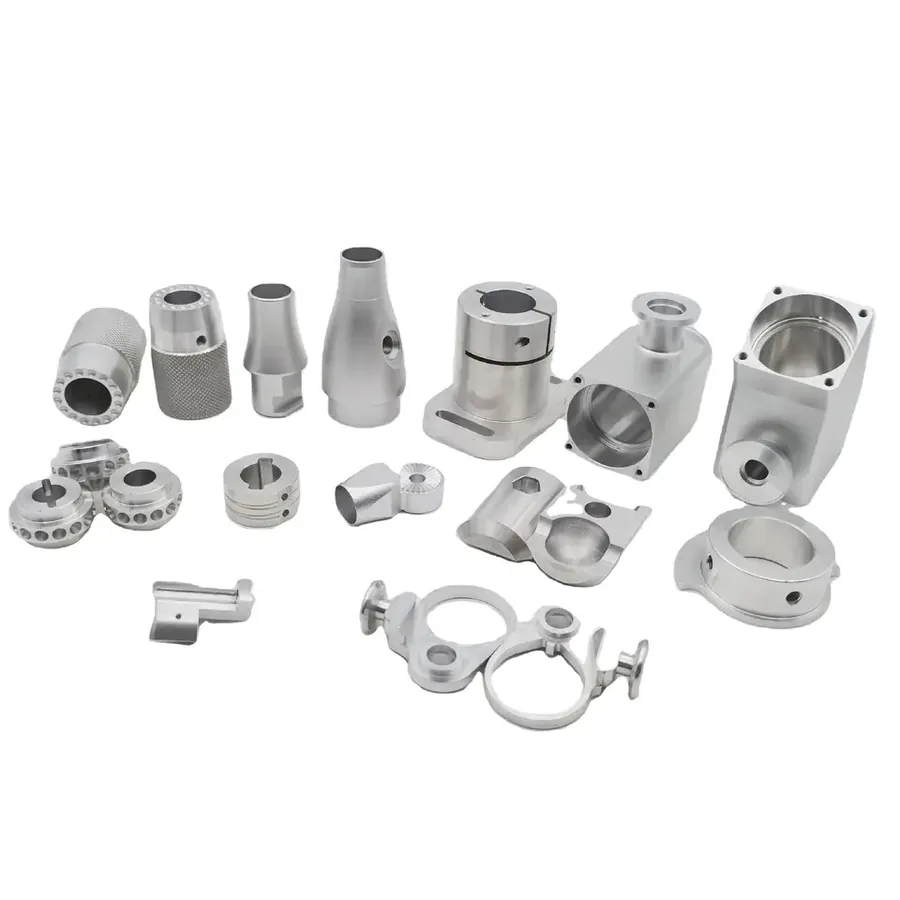
Wuxi Lead Precision Machinery delivers advanced technical capabilities in custom metal manufacturing, engineered to meet the stringent demands of high-performance applications, including precision components for injection mold silicone systems. Our integrated production environment combines state-of-the-art 5-axis CNC machining with comprehensive quality control protocols to ensure every component meets exacting dimensional and functional standards. This level of precision is critical in mold manufacturing, where even micron-level deviations can compromise sealing integrity, part consistency, and production efficiency.
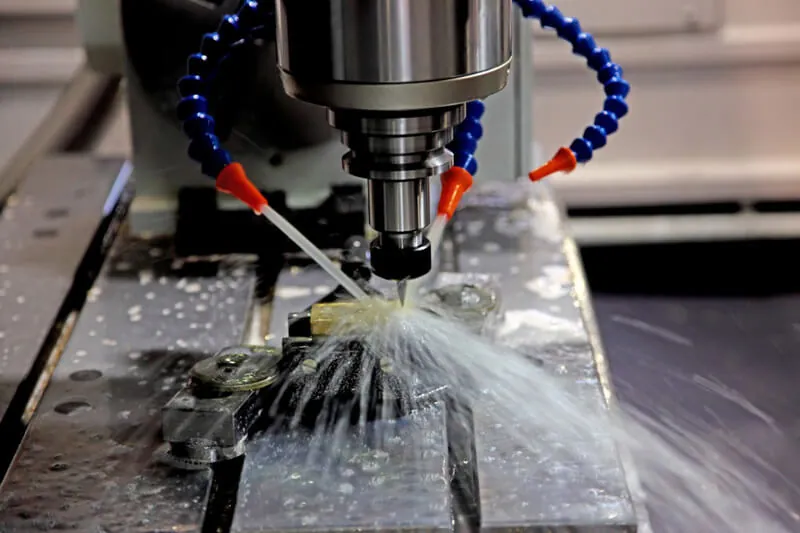
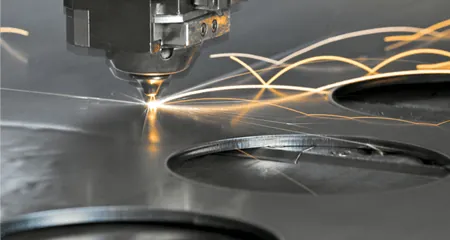
Our 5-axis CNC machining centers enable complex geometries to be produced in a single setup, minimizing cumulative tolerances and enhancing repeatability. With simultaneous multi-axis movement, we achieve intricate contours, undercuts, and fine surface finishes required in mold cavities, cores, and support structures. These machines are equipped with high-speed spindles, automated tool changers, and real-time monitoring systems to maintain cutting accuracy and thermal stability throughout extended production runs. Materials commonly processed include P20 and H13 tool steels, stainless steels, aluminum alloys, and specialty hardened materials tailored to mold longevity and thermal performance.
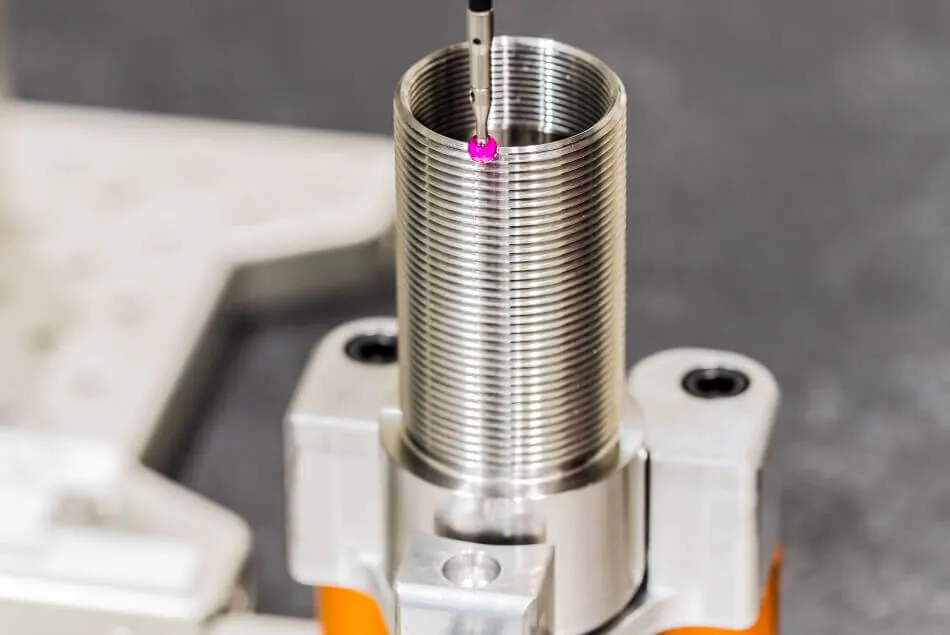
Quality assurance is embedded at every stage of production. All critical dimensions are verified using Coordinate Measuring Machine (CMM) inspection, ensuring traceable, repeatable measurement accuracy down to ±0.002 mm. Our CMM systems utilize tactile and optical probes to inspect complex 3D forms, hole patterns, and surface profiles with full GD&T analysis. Data from each inspection is documented and archived, providing full traceability for aerospace, medical, and high-precision industrial clients. In addition, first-article inspections and in-process checks are standard practice, allowing immediate correction and process optimization.
The following table outlines the standard technical specifications and achievable tolerances for our 5-axis CNC machining services:
| Parameter | Specification |
|---|---|
| Positioning Accuracy (X, Y, Z) | ±0.005 mm |
| Repeatability | ±0.002 mm |
| Surface Finish (Ra) | 0.4 – 1.6 µm (standard), down to 0.2 µm |
| Maximum Work Envelope | 1,200 × 800 × 600 mm |
| Spindle Speed Range | Up to 24,000 rpm |
| Tool-to-Part Tolerance (±) | ±0.01 mm (standard), ±0.005 mm (tight) |
| Angular Tolerance (5-axis) | ±0.02° |
| CMM Measurement Uncertainty | ±1.5 + L/300 µm (L in mm) |
These capabilities position Wuxi Lead Precision Machinery as a trusted partner for manufacturers requiring high-integrity metal components for silicone injection molding systems. Our technical expertise ensures molds perform reliably under repeated thermal cycling and high clamping forces, delivering consistent part quality across large production volumes.
Material & Finish Options
Strategic Material Selection for High-Performance Silicone Injection Molds
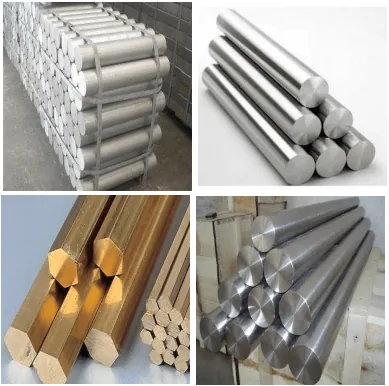
Material selection is a critical determinant of cycle time, part quality, and mold longevity in silicone injection molding. Silicone’s low viscosity and high thermal expansion demand exceptional thermal management and dimensional stability from mold tooling. At Wuxi Lead Precision Machinery, we engineer molds using Aluminum, Steel, and Titanium alloys, each optimized for specific production volumes and silicone formulations. Aluminum alloys like 6061-T6 offer superior thermal conductivity for rapid heat dissipation, accelerating cure cycles by up to 40% compared to steel. This makes aluminum ideal for prototyping and low-to-medium volume runs where thermal efficiency outweighs wear resistance requirements. However, its lower hardness necessitates protective surface treatments for abrasive silicone compounds.
For high-volume production exceeding 100,000 cycles, tool steels such as P20 or H13 provide essential durability. These materials withstand repeated thermal cycling and mechanical stress, maintaining tight tolerances despite silicone’s significant shrinkage characteristics. Steel molds excel with high-temperature vulcanizing (HTV) silicones but require precise thermal management to avoid uneven curing. Titanium alloys (e.g., Ti-6Al-4V) present a niche solution for corrosive liquid silicone rubber (LSR) applications, leveraging exceptional chemical resistance where platinum-cure silicones degrade conventional tooling. Titanium’s lower thermal conductivity demands integrated cooling channel design expertise to compensate.
Surface finishing is equally vital. Anodizing aluminum molds (Type II or hardcoat) enhances wear resistance and release properties, directly reducing silicone adhesion and part ejection force. Hardcoat anodizing achieves 50-70 μm thickness with 500+ HV surface hardness, extending mold life in abrasive silicone applications. Crucially, anodizing is exclusive to aluminum; steel requires nitriding or electroless nickel plating, while titanium benefits from specialized passivation. Our 5-axis CNC machining ensures uniform anodizing adhesion by eliminating micro-porosity in critical cavity surfaces.
The following specifications guide optimal material pairing:
| Material | Thermal Conductivity (W/mK) | Hardness (HRC) | Cost Factor | Primary Applications |
|---|---|---|---|---|
| Aluminum 6061-T6 | 167 | 30-35 | 1.0x | Prototypes, low-volume production |
| P20 Tool Steel | 28-40 | 28-32 | 1.8x | Medium/high-volume HTV silicone |
| H13 Tool Steel | 25-30 | 48-52 | 2.5x | High-stress LSR, complex geometries |
| Ti-6Al-4V | 7 | 36-41 | 4.0x | Corrosive LSR, medical-grade molds |
Wuxi Lead Precision Machinery integrates material science with precision CNC fabrication to eliminate warpage and sink marks inherent in silicone molding. Our engineering team collaborates to match your silicone formulation, volume, and tolerance requirements with the optimal material-finish combination—ensuring thermal stability, release performance, and maximum ROI. Contact us for a technical consultation to validate your mold material strategy against production realities.
Manufacturing Process & QC
The production process for injection mold silicone components at Wuxi Lead Precision Machinery follows a rigorously controlled sequence: Design, Prototyping, and Mass Production. Each phase is engineered to ensure zero defects, superior repeatability, and full compliance with high-end manufacturing standards in industries such as medical devices, automotive, and consumer electronics.
Design begins with a detailed engineering review, where our team collaborates with clients to analyze part geometry, material selection, and functional requirements. Finite Element Analysis (FEA) and mold flow simulation are employed to predict material behavior under injection conditions, identifying potential stress points, warpage risks, or air entrapment zones. This data-driven approach ensures optimal gate placement, cooling channel layout, and parting line definition. All designs are validated using 3D CAD software with GD&T annotations, ensuring full traceability and alignment with international standards such as ISO 2768 and ASME Y14.5.
Prototyping follows design approval, utilizing high-precision CNC-machined aluminum or pre-hardened steel molds. These prototype tools replicate the final production environment, enabling functional testing under real-world conditions. Silicone materials—typically medical-grade or high-consistency silicone (HCR)—are injection molded using controlled temperature and pressure profiles. Each prototype undergoes comprehensive inspection, including dimensional verification via coordinate measuring machines (CMM), hardness testing, and visual inspection under magnification. Any deviations trigger immediate design or process refinement, ensuring all performance criteria are met before transitioning to full-scale production.
Mass Production leverages fully automated, high-tonnage electric injection molding presses with closed-loop process control. Tooling is constructed from hardened stainless steel or tool steel, optimized for thermal stability and wear resistance. Each mold is equipped with real-time sensors monitoring cavity pressure, melt temperature, and cycle time. The production line integrates 100% inline optical inspection and automated defect rejection systems, eliminating human error. All parts are batch-traceable, with material certificates, process logs, and inspection reports archived for full quality auditability. Cleanroom environments (Class 10,000 or better) are maintained for medical and semiconductor applications.
Throughout all stages, our Six Sigma methodology ensures process capability indices (Cp/Cpk) exceed 1.67, with defect rates consistently below 10 PPM. This disciplined approach enables Wuxi Lead to deliver injection mold silicone components with unmatched precision, reliability, and consistency.
| Parameter | Specification |
|---|---|
| Material Types | HCR Silicone, LSR (Liquid Silicone Rubber), Medical-Grade Silicone |
| Hardness Range | 10 to 80 Shore A |
| Tolerance | ±0.05 mm (standard), ±0.02 mm (tight-tolerance) |
| Mold Materials | NAK80, 420SS, H13, S136 |
| Production Capacity | Up to 500,000 pcs/month per mold |
| Quality Standard | ISO 9001, ISO 13485 (medical), IATF 16949 (automotive) |
| Inspection Tools | CMM, Vision Systems, Hardness Tester, Pull Testers |
Why Choose Wuxi Lead Precision
Strategic Partnership for Injection Mold Silicone Excellence
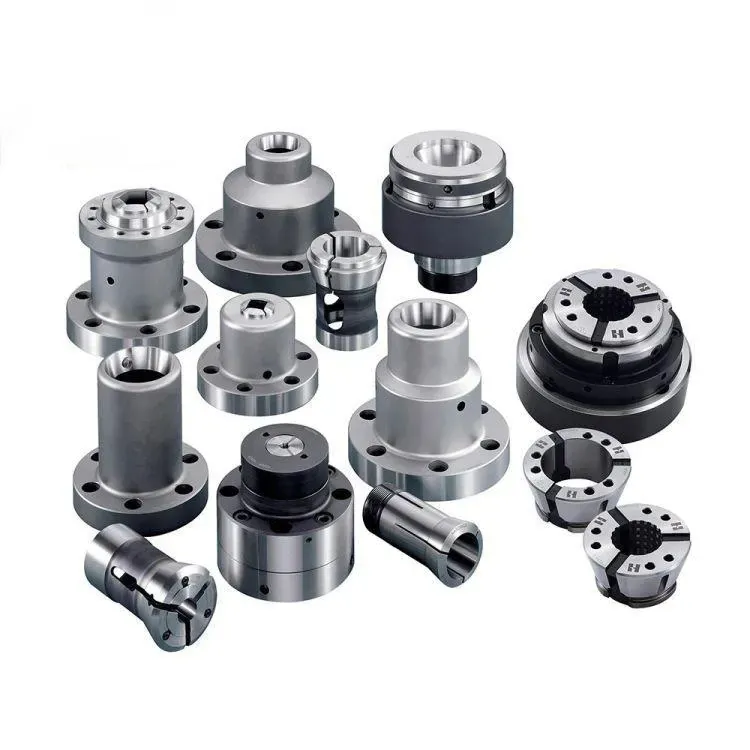
Wuxi Lead Precision Machinery delivers engineered solutions where precision meets production reality for injection mold silicone applications. As a specialized custom metal manufacturer with 20+ years in high-tolerance tooling, we transform complex silicone part requirements into reliable, high-yield manufacturing processes. Our CNC-machined mold bases, cavities, and cores are engineered to withstand silicone’s unique flow characteristics and thermal demands, ensuring consistent part integrity across millions of cycles. Partnering with Lead Precision means eliminating costly iterations through upfront material science collaboration and metrology-driven validation. We prioritize dimensional stability under thermal cycling, surface replication accuracy, and ejection reliability—critical factors often overlooked by generic machine shops. Your success hinges on mold performance; ours is measured by your reduced scrap rates and accelerated time-to-market.
Our technical capabilities are anchored in proprietary machining protocols for challenging materials like hardened P20, H13, and stainless steel alloys optimized for silicone molding. Every component undergoes rigorous in-process inspection using Zeiss CMMs and optical comparators, guaranteeing adherence to micron-level tolerances. Below are key specifications defining our mold manufacturing standards:
| Specification Category | Standard Capability | Premium Capability |
|---|---|---|
| Tolerance Range | ±0.005 mm | ±0.002 mm |
| Surface Finish (Cavity/Core) | Ra 0.2 µm | Ra 0.05 µm (Mirror Polish) |
| Material Hardness Range | 28-32 HRC | 48-52 HRC (Pre-Hardened Steels) |
| Maximum Mold Base Size | 600 x 800 mm | 1200 x 1500 mm |
| Lead Time (Complex Mold) | 25-30 Days | 18-22 Days (Expedited) |
This precision foundation enables seamless integration with liquid silicone rubber (LSR) and high-consistency rubber (HCR) processes, directly impacting your part consistency and tool longevity. We collaborate from initial design review through pilot production, applying finite element analysis (FEA) to predict and mitigate warpage, flash, or incomplete fills. Our engineers speak the language of material viscosity, cure kinetics, and thermal management—translating your silicone formulation into optimal mold geometry.
Initiate your next high-complexity silicone molding project with a partner who treats your tolerances as non-negotiable. Submit your technical dossier—including 3D models, material specs, and production targets—to [email protected]. Our applications engineering team will respond within 4 business hours with a detailed capability assessment and process validation roadmap. Do not compromise on mold performance when silicone demands absolute precision. Contact [email protected] today to convert design intent into precision-engineered reality.
⚙️ Precision Cost Estimator
Estimate relative manufacturing effort based on tolerance.