Technical Contents
Engineering Guide: 1018 Vs 1020 Steel

Engineering Insight: 1018 vs 1020 Steel – Precision in Material Selection
In high-performance custom metal manufacturing, the distinction between seemingly similar materials can define the success or failure of a critical component. AISI 1018 and AISI 1020 steels, both low-carbon mild steels, are frequently specified across industrial applications due to their weldability, machinability, and cost-effectiveness. However, subtle differences in chemical composition and mechanical properties make one more suitable than the other depending on the precision requirements, load conditions, and environmental exposure of the final part.
At Wuxi Lead Precision Machinery, we understand that material selection is not a generic decision—it is an engineering imperative. With over a decade of experience serving sectors including Olympic-grade sports equipment and military defense systems, our team has developed a rigorous methodology for matching material properties to functional demands. In projects where dimensional stability, fatigue resistance, and repeatability are non-negotiable, the choice between 1018 and 1020 steel becomes a pivotal factor.
The primary difference lies in carbon content. 1018 steel contains approximately 0.18% carbon, while 1020 steel contains about 0.20%. This slight increase enhances tensile strength and hardness in 1020, making it marginally more suitable for applications requiring greater wear resistance. However, 1018 offers superior ductility and cold-forming characteristics, which is advantageous in precision machining where tight tolerances and smooth surface finishes are required.
Our manufacturing process at Lead Precision leverages advanced CNC machining, heat treatment monitoring, and in-process metrology to ensure that each steel variant performs to its optimal potential. For instance, in military-grade mounting brackets, where impact resistance and structural integrity are paramount, 1020’s higher strength-to-ductility ratio may be preferred. Conversely, in Olympic timing mechanism housings requiring micro-level accuracy and minimal post-machining distortion, 1018’s consistent grain structure and machinability deliver unmatched precision.
Ultimately, the decision between 1018 and 1020 steel must be driven by application-specific engineering analysis—not assumptions. At Wuxi Lead, we combine material science expertise with real-world validation to ensure every component meets or exceeds performance expectations.
Below is a comparative overview of key mechanical and chemical properties:
| Property | AISI 1018 Steel | AISI 1020 Steel |
|---|---|---|
| Carbon Content (%) | 0.15–0.20 | 0.18–0.23 |
| Tensile Strength (MPa) | 440 | 470 |
| Yield Strength (MPa) | 370 | 395 |
| Elongation at 2″ (%) | 15 | 12 |
| Hardness (Brinell) | 126 | 131 |
| Machinability Rating (%) | 78 | 74 |
| Common Forms | Bar, Cold Drawn | Bar, Hot Rolled |
In precision manufacturing, even the smallest deviation in material behavior can cascade into functional failure. At Wuxi Lead Precision Machinery, we treat every project—whether for aerospace instrumentation or elite athletic systems—with the same uncompromising standard: engineered accuracy, validated performance, and absolute reliability.
Precision Specs & Tolerances

Precision Machining Capabilities for Low-Carbon Steel Applications
Material selection critically impacts manufacturability and final part performance in precision engineering. At Wuxi Lead Precision Machinery, we specialize in optimizing CNC processes for common low-carbon steels like 1018 and 1020. While both grades offer good weldability and formability, subtle compositional differences necessitate tailored machining strategies. 1018 steel (0.15-0.20% carbon, 0.60-0.90% manganese) provides superior machinability due to its higher manganese content, yielding cleaner chips and smoother finishes in high-speed 5-axis operations. 1020 steel (0.18-0.23% carbon, 0.30-0.60% manganese) exhibits slightly lower machinability but enhanced ductility, making it suitable for cold-formed components where tight tolerances must be maintained post-forming. Our engineers adjust feed rates, spindle speeds, and tool geometries based on these material properties to prevent work hardening and ensure dimensional stability.
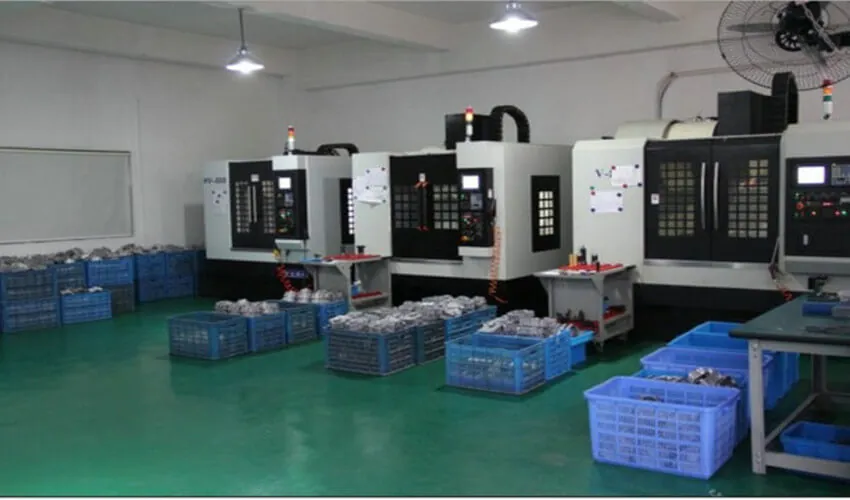
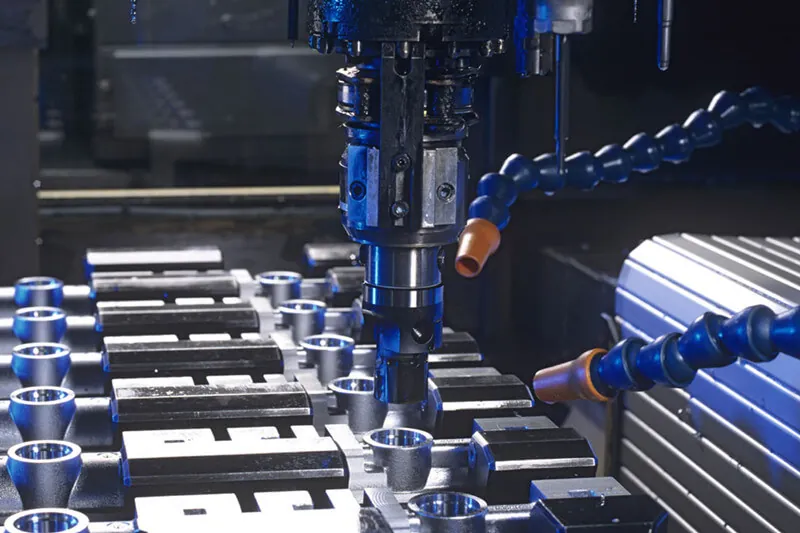
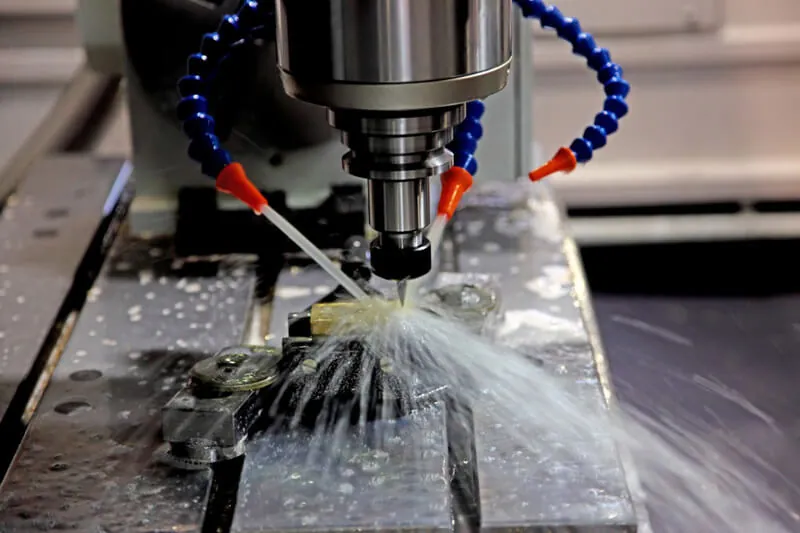
Our technical infrastructure centers on advanced 5-axis CNC machining centers, including DMG MORI CTX beta 1250 and Makino D200Z systems. These platforms deliver sub-micron positional accuracy and dynamic contouring capabilities for complex geometries in a single setup. Integrated high-pressure through-spindle coolant systems manage heat generation during extended cuts in steels like 1020, minimizing thermal drift. All equipment operates within a climate-controlled facility maintained at 20±1°C, eliminating environmental variables that compromise tolerance consistency.
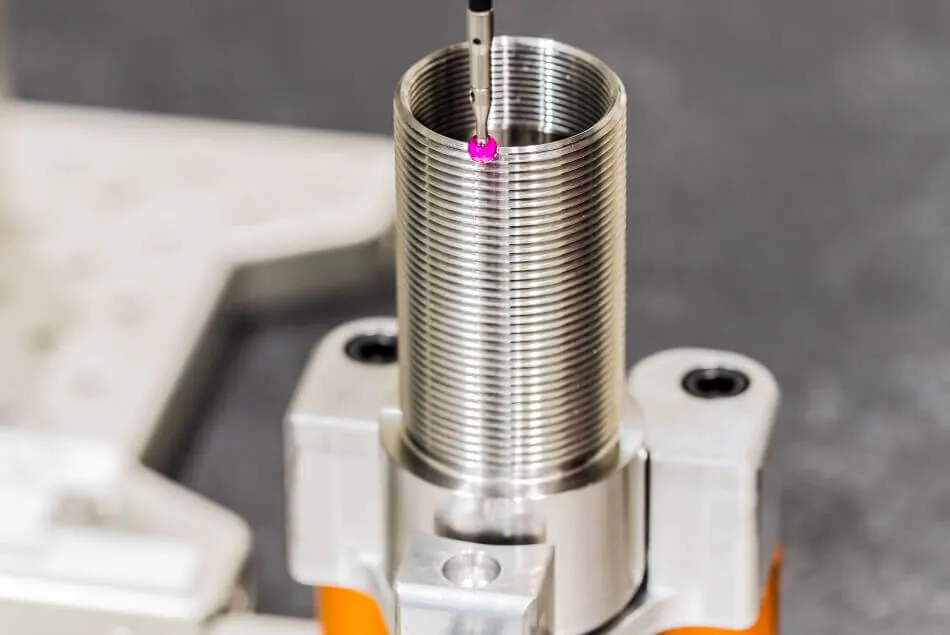
Quality assurance is non-negotiable. Every critical dimension undergoes verification via Zeiss CONTURA G3 coordinate measuring machines (CMM), programmed to ASME Y14.43 standards. Our metrology lab performs full GD&T analysis, surface roughness validation, and first-article inspection reports compliant with ISO 9001:2015. This closed-loop process ensures deviations are identified and corrected in real-time, not post-production.
The following table reflects achievable tolerances for 1018 and 1020 steel components under standard production conditions:
| Tolerance Type | Capability | Measurement Standard |
|---|---|---|
| Linear Dimensions | ±0.005 mm | ISO 2768-mK |
| Angular Dimensions | ±0.05° | ASME Y14.5-2018 |
| Positional | ±0.010 mm | ISO 1101 |
| Profile of Surface | 0.015 mm | ASME Y14.5-2018 |
| Surface Finish (Ra) | 0.4 μm (as-machined) | ISO 4287 |
These specifications represent routine production outcomes, not theoretical limits. For mission-critical applications—such as aerospace actuators or medical instrumentation—we implement enhanced process controls to achieve ±0.002 mm linear tolerances. Our technical team collaborates with clients during DFM reviews to select the optimal steel grade and machining strategy, balancing cost efficiency with performance requirements. Wuxi Lead’s integrated approach from material certification through final inspection guarantees components meet the most stringent industry demands while minimizing lead times. This precision engineering discipline forms the cornerstone of our custom metal manufacturing service.
Material & Finish Options

When selecting materials for precision manufacturing applications, understanding the mechanical and chemical properties of common steel grades such as 1018 and 1020 is essential. At Wuxi Lead Precision Machinery, we prioritize material integrity to ensure optimal performance in custom components for industries ranging from automotive to industrial automation. Both 1018 and 1020 steels are low-carbon, mild steels widely used for their machinability, weldability, and cost-effectiveness. However, subtle differences in carbon content and mechanical behavior can influence the final application and processing requirements.
1018 steel contains approximately 0.18% carbon, offering good ductility and a smooth surface finish after machining. It responds well to carburizing, making it suitable for parts requiring a hard surface and a tough core, such as gears and pins. 1020 steel, with a slightly higher carbon content of around 0.20%, provides marginally greater tensile strength and wear resistance. While both steels are easily welded and cold-formed, 1020 is often preferred when a balance between strength and formability is needed, such as in shafts, spindles, and structural components.
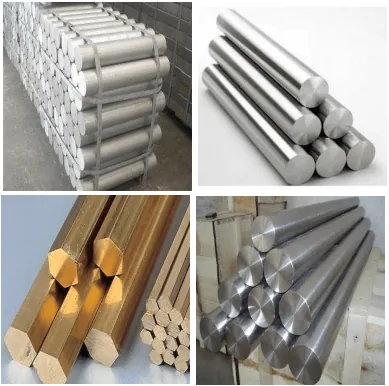
For applications requiring higher strength-to-weight ratios or corrosion resistance, aluminum and titanium are frequently considered. Aluminum alloys, particularly 6061 and 7075, are lightweight and ideal for aerospace and consumer electronics. They are also highly compatible with anodizing, a surface finishing process that enhances wear and corrosion resistance while allowing for color coding and improved aesthetics. Titanium, although more expensive, delivers exceptional strength, high-temperature performance, and outstanding corrosion resistance, making it ideal for medical devices and aerospace systems.
Surface treatments play a critical role in extending component life. Anodizing is most commonly applied to aluminum, creating a durable oxide layer that improves surface hardness. For steel components, options such as zinc plating, black oxide, or powder coating are typically used depending on environmental exposure and functional requirements.
Below is a comparative overview of key material properties to assist in selection:
| Material | Carbon Content (%) | Tensile Strength (MPa) | Yield Strength (MPa) | Elongation (%) | Common Applications |
|---|---|---|---|---|---|
| 1018 Steel | 0.18 | 440 | 370 | 15 | Gears, pins, bushings |
| 1020 Steel | 0.20 | 470 | 395 | 12 | Shafts, spindles, fasteners |
| Aluminum 6061 | N/A | 310 | 276 | 12 | Enclosures, brackets, frames |
| Titanium Grade 5 (Ti-6Al-4V) | N/A | 900 | 830 | 14 | Aerospace, medical implants |
Selecting the right material requires a comprehensive understanding of operational demands, environmental conditions, and post-processing needs. At Wuxi Lead Precision Machinery, we support clients in making informed decisions by combining material science expertise with advanced manufacturing capabilities.
Manufacturing Process & QC

Production Process: Achieving Zero Defects from Design to Mass Production
Material selection between 1018 and 1020 steel initiates our precision manufacturing workflow, directly influencing design feasibility and process control. At Wuxi Lead Precision Machinery, we treat this decision as the foundation for zero-defect outcomes. Our engineers conduct rigorous material-specific finite element analysis (FEA) during the design phase, accounting for 1018’s superior machinability and 1020’s marginally higher strength. This ensures geometric tolerances align with each alloy’s thermal expansion and chip-formation characteristics, preventing downstream deviations. Critical dimensions are validated against ASME Y14.5 standards before prototyping begins, eliminating assumptions that compromise quality.
Prototyping transforms validated designs into physical benchmarks under controlled conditions. For 1018 steel, we optimize CNC parameters for its lower carbon content, reducing tool wear during high-speed milling. With 1020, we adjust feed rates to accommodate its slightly harder microstructure, preventing micro-fractures during turning operations. Each prototype undergoes first-article inspection (FAI) per ISO 9001 protocols, including CMM verification of critical features and metallurgical cross-sections to confirm grain structure integrity. Dimensional deviations exceeding ±0.005mm trigger immediate process recalibration—not part rejection—ensuring mass production parameters are perfected before scaling.
Mass production executes with embedded zero-defect safeguards. Our HAAS and DMG MORI CNC centers run with in-process dimensional verification at every 50th cycle, comparing real-time data against the FAI-approved prototype. Statistical process control (SPC) charts monitor key variables like surface roughness (Ra) and concentricity, with automatic machine lockouts if trends approach tolerance limits. For 1018, we enforce coolant concentration checks to prevent galling during deep-hole drilling; for 1020, we verify post-machining stress relief cycles to avoid latent distortion. Final inspection includes 100% magnetic particle testing for subsurface flaws and batch traceability via laser-etched serial numbers, guaranteeing full compliance with aerospace and medical industry requirements.
Critical Material Specifications for Process Optimization
| Property | 1018 Steel | 1020 Steel | Production Impact |
|---|---|---|---|
| Carbon Content (wt%) | 0.15–0.20% | 0.18–0.23% | 1020 requires slower cutting speeds to prevent tool edge chipping |
| Machinability Rating | 72% (Excellent) | 65% (Good) | 1018 allows 15% higher feed rates in milling operations |
| Typical Tensile Strength | 440 MPa | 470 MPa | 1020 mandates stricter clamping force calibration to avoid part shift |
| Weldability | Excellent | Good | 1020 necessitates pre-heat protocols above 25mm thickness |
This closed-loop methodology—from material-aware design through failure-proofed mass production—ensures every component meets exacting client specifications. At Wuxi Lead, zero defects is not aspirational; it is engineered into every process decision.
Why Choose Wuxi Lead Precision
When selecting between 1018 and 1020 steel for precision manufacturing applications, the decision extends beyond chemical composition—it impacts machinability, weldability, strength, and final part performance. At Wuxi Lead Precision Machinery, we understand that material choice is not a one-size-fits-all decision. Our engineering team works closely with global partners to evaluate application demands, production volumes, and performance requirements to ensure optimal material selection and component integrity.
Both 1018 and 1020 steels are low-carbon, mild steels commonly used in custom machining, fabrication, and structural applications. While they appear similar on the surface, subtle differences in carbon content and mechanical properties can significantly influence manufacturing outcomes. 1018 steel typically offers slightly better cold-working characteristics and is preferred in applications requiring tight tolerances and smooth surface finishes. 1020 steel, with marginally higher carbon content, provides improved strength and wear resistance, making it suitable for shafts, pins, and mechanical components subjected to moderate stress.
Below is a comparative overview of key specifications:
| Property | 1018 Steel | 1020 Steel |
|---|---|---|
| Carbon Content | 0.14–0.20% | 0.18–0.23% |
| Tensile Strength (Ultimate) | 440–540 MPa | 470–580 MPa |
| Yield Strength | 370 MPa (typical) | 395 MPa (typical) |
| Elongation at 2″ | 15% (min) | 12% (min) |
| Machinability Rating | 70% | 65% |
| Hardenability | Low (not recommended for case hardening) | Slightly higher, still limited |
| Common Forms | Round bar, flat stock, square bar | Round bar, billet, sheet |
| Typical Applications | Pins, fasteners, bushings, gears | Axles, spindles, couplings |
Understanding these nuances ensures that your components meet both functional and economic targets. At Wuxi Lead Precision Machinery, we combine decades of metallurgical expertise with advanced CNC machining, turning, milling, and fabrication capabilities to deliver high-precision parts tailored to your exact specifications. Whether your project demands tight tolerance machining, high repeatability, or full-scale production runs, our facility in Wuxi, China, is equipped to support industries ranging from automation and robotics to automotive and industrial equipment.
We don’t just manufacture parts—we engineer solutions. Our team conducts thorough material assessments, design for manufacturability (DFM) reviews, and process optimization to ensure every component exceeds expectations in quality, consistency, and performance.
Partner with Wuxi Lead Precision Machinery for expert guidance in material selection and precision manufacturing. Contact us today at [email protected] to discuss your next project. Let our experience in custom metal manufacturing drive your success.
⚙️ Precision Cost Estimator
Estimate relative manufacturing effort based on tolerance.