Technical Contents
Engineering Guide: Minneapolis Sheet Metal

Engineering Insight Precision as the Non-Negotiable Foundation in Sheet Metal Fabrication
In the demanding landscape of modern sheet metal fabrication serving industries like aerospace, medical device manufacturing, and advanced industrial equipment, precision transcends mere specification—it is the absolute cornerstone of functional integrity, safety, and cost efficiency. For Midwest manufacturers, including those in Minneapolis supplying critical components, tolerances measured in fractions of a millimeter directly dictate assembly success, product lifespan, and ultimately, brand reputation. An imprecise bend or a laser cut exceeding tolerance by even 0.1mm can cascade into catastrophic field failures, costly rework, production line stoppages, and significant warranty liabilities. The true cost of imprecision extends far beyond scrap material; it erodes profit margins through wasted labor, delayed shipments, and damaged client trust. Achieving and consistently maintaining micron-level accuracy requires more than advanced machinery; it demands deep engineering expertise, rigorous process control, and an uncompromising culture of quality embedded at every stage from design validation through final inspection.
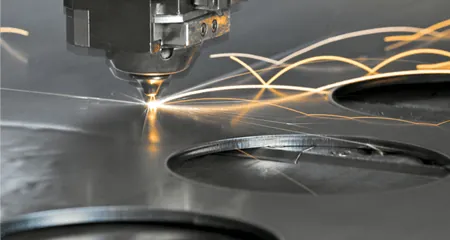
Wuxi Lead Precision Machinery has honed this precision-centric philosophy through direct engagement in projects where failure is not an option. Our engineering teams have delivered critical structural and enclosure components validated for zero-failure performance in high-profile environments, including permanent installations for the Beijing Olympic infrastructure and precision subsystems for advanced military unmanned aerial vehicles. These projects demanded adherence to AS9100 aerospace standards and stringent military specifications, where geometric dimensioning and tolerancing (GD&T) compliance was non-negotiable. This experience forged our systematic approach: leveraging high-end CNC laser cutting, press braking with real-time angle feedback, and automated inspection protocols to transform complex 3D models into physically perfect components, batch after batch. We understand that Minneapolis sheet metal fabricators competing in global supply chains require partners capable of delivering this level of repeatability and documentation.
Our core capabilities are engineered to meet and exceed the precision demands of the most sophisticated applications. The following table outlines key performance specifications achievable across our standard production envelope:
| Process | Typical Tolerance | Maximum Material Thickness | Key Technology Used |
|---|---|---|---|
| Fiber Laser Cutting | ±0.05 mm | 25 mm (Mild Steel) | 12kW IPG Resonator, Precitec |
| CNC Press Brake Forming | ±0.1° / ±0.1 mm | 6 mm (Stainless Steel) | Delem DA66T, Crowning System |
| Automated Inspection | ±0.02 mm (CMM) | N/A | Zeiss CONTURA G2 CMM |
This precision is not accidental. It is the result of continuous investment in metrology-grade equipment, certified operator training programs, and a closed-loop quality management system that traces every parameter from raw material certification through final shipment. For Minneapolis sheet metal fabricators seeking to elevate their output quality, reduce waste, and secure contracts in high-value sectors, partnering with a supplier possessing proven, documented precision engineering capability is not just advantageous—it is essential for sustainable growth and market leadership. Wuxi Lead delivers this capability as a standard, not an exception.
Precision Specs & Tolerances

Advanced Technical Capabilities in Precision Sheet Metal Fabrication
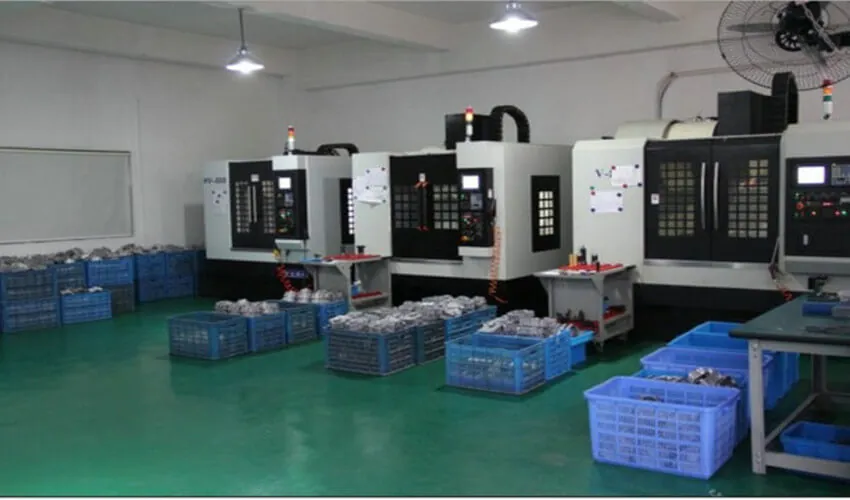
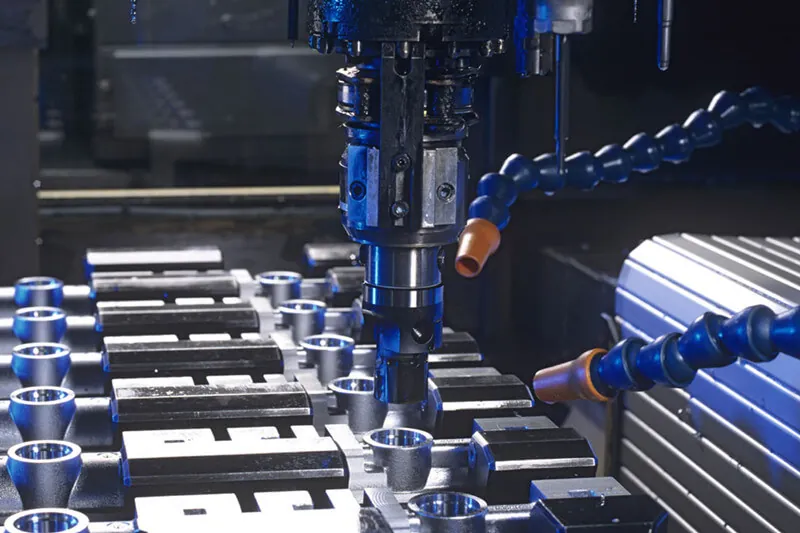
Wuxi Lead Precision Machinery delivers high-precision sheet metal fabrication services engineered to meet the demanding requirements of global industries, including aerospace, medical, energy, and advanced industrial equipment. Our technical capabilities are anchored in state-of-the-art 5-axis CNC machining systems, which enable complex geometries, tight tolerances, and superior surface finishes on a wide range of sheet metal materials. These multi-axis platforms provide simultaneous movement across five axes, allowing for intricate contouring and reduced setup times—critical for producing high-complexity components with minimal human intervention.
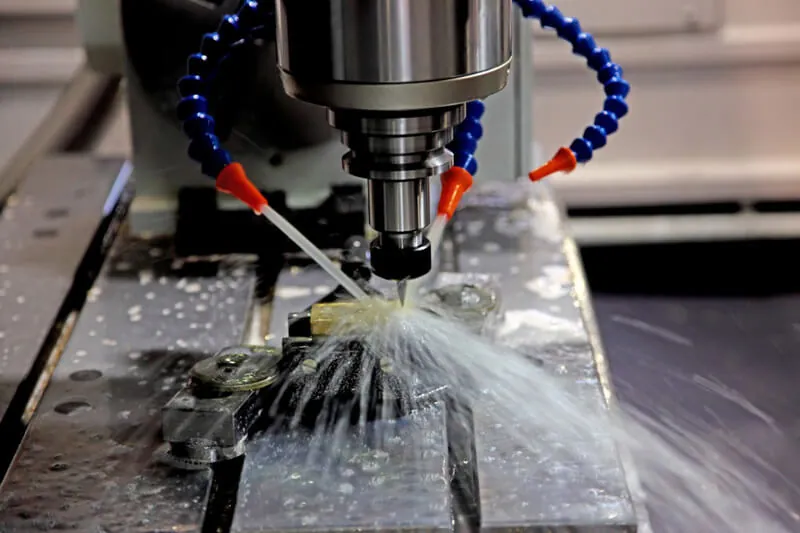
Our 5-axis CNC technology supports a broad spectrum of operations, including milling, drilling, and precision cutting, all performed on thin-gauge to medium-thickness sheet metal substrates. This flexibility ensures that we can accommodate both prototyping and high-volume production runs without compromising accuracy or consistency. Materials commonly processed include stainless steel, aluminum alloys, carbon steel, and specialty alloys such as titanium and Inconel, all handled with optimized toolpaths and adaptive fixturing strategies.
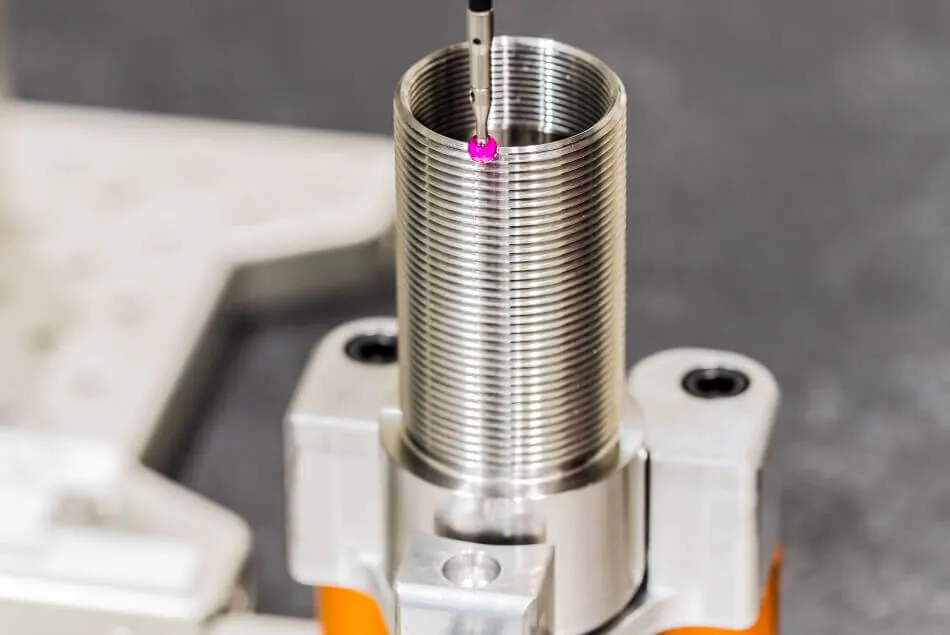
To maintain the highest standards of dimensional accuracy and part integrity, every production phase is supported by rigorous quality control protocols. A cornerstone of our QC system is the use of Coordinate Measuring Machine (CMM) inspection. Our CMM stations are integrated into both in-process and final inspection workflows, enabling real-time verification of critical dimensions, geometric tolerances, and form accuracy. These metrology-grade systems ensure full traceability and compliance with international standards such as ISO 2768 and ASME Y14.5.
All inspection data is documented and archived for each production batch, providing customers with comprehensive quality reports. This level of scrutiny is particularly vital for clients in regulated industries where component failure is not an option. Our quality management system is ISO 9001 certified, reinforcing our commitment to continuous improvement and defect prevention.
The following table outlines the standard tolerances we consistently achieve across key fabrication parameters:
| Parameter | Standard Tolerance | Notes |
|---|---|---|
| Linear Dimensions (machined) | ±0.025 mm | For features under 100 mm |
| Angular Tolerance | ±0.1° | Verified via CMM and optical alignment |
| Positional Tolerance | ±0.03 mm | Critical for hole patterns and mating surfaces |
| Surface Roughness (Ra) | 0.8 – 3.2 µm | Adjustable based on application requirements |
| Form Tolerance (Flatness) | 0.05 mm per 100 mm | Measured across planar surfaces |
| Sheet Thickness Range | 0.5 – 10 mm | Supported across all compatible materials |
Wuxi Lead Precision Machinery combines advanced 5-axis CNC processing with disciplined quality assurance to deliver sheet metal components that meet the most demanding technical specifications. Our capabilities are designed to support Minneapolis-based manufacturers seeking reliable, high-precision offshore production with full transparency and engineering collaboration.
Material & Finish Options

Material Selection for Precision Sheet Metal Fabrication
Selecting the optimal material is foundational to achieving performance, cost efficiency, and longevity in sheet metal components. For Minneapolis manufacturers serving aerospace, medical, and industrial equipment sectors, understanding the nuanced properties of aluminum, steel, and titanium is critical. Each material offers distinct advantages under specific operational demands, including load requirements, environmental exposure, and regulatory compliance. Wuxi Lead Precision Machinery emphasizes data-driven selection to minimize waste and maximize part functionality in demanding Midwest applications.
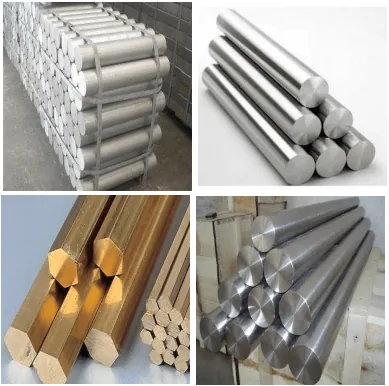
Aluminum alloys, particularly 6061-T6, dominate applications requiring lightweight strength and corrosion resistance. Its excellent machinability and thermal conductivity suit enclosures, brackets, and structural frames exposed to Minnesota’s variable climate. However, aluminum’s lower hardness necessitates careful handling to avoid surface marring during fabrication. Steel remains indispensable for high-strength, cost-sensitive projects. 304 stainless steel excels in corrosive environments like medical sterilization or outdoor infrastructure, while mild steel (A36) provides economical solutions for non-exposed structural elements. Titanium alloys, notably Ti-6Al-4V, deliver unparalleled strength-to-weight ratios and biocompatibility for aerospace and surgical implants but require specialized tooling due to work hardening tendencies.
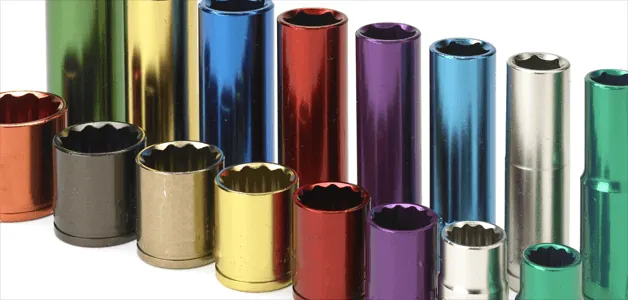
Anodizing is the premier finish for aluminum, enhancing surface durability and aesthetics. Type II (sulfuric acid) anodizing creates decorative, corrosion-resistant layers up to 25µm thick, ideal for visible components. For extreme wear resistance, Type III (hardcoat) anodizing achieves 50µm+ coatings, critical for hydraulic manifolds or rail components facing abrasive conditions. Note that anodizing thickness directly impacts dimensional tolerance; Wuxi Lead applies precise masking and process controls to maintain critical feature accuracy. Steel typically utilizes powder coating or passivation, while titanium benefits from bead blasting or chemical passivation for adhesion without compromising fatigue strength.
The following table compares key material specifications for informed decision-making:
| Material | Typical Grade | Tensile Strength (MPa) | Density (g/cm³) | Key Fabrication Consideration |
|---|---|---|---|---|
| Aluminum | 6061-T6 | 310 | 2.7 | Low melting point; requires sharp tooling to prevent built-up edge |
| Stainless Steel | 304 | 515 | 8.0 | High work hardening; needs rigid setups and lower RPM |
| Titanium | Ti-6Al-4V | 900 | 4.4 | Low thermal conductivity; demands high-pressure coolant |
Material choice directly impacts CNC machining parameters, weldability, and finishing success. In Minneapolis’ competitive manufacturing landscape, overlooking thermal expansion differences between aluminum and steel during assembly can lead to field failures. Wuxi Lead Precision Machinery leverages decades of metallurgical expertise to guide clients through these complexities. We conduct joint feasibility reviews to match material properties with your functional requirements, environmental challenges, and total cost of ownership—ensuring your sheet metal components perform flawlessly from the Upper Midwest to global deployments. Partner with us to transform material selection from a cost center into a strategic advantage.
Manufacturing Process & QC

Design: Precision Engineering at the Foundation
At Wuxi Lead Precision Machinery, the sheet metal fabrication process begins with meticulous design engineering, tailored specifically for high-performance applications relevant to industrial clients in regions such as Minneapolis. Our engineering team collaborates closely with client specifications, utilizing advanced CAD software including SolidWorks, AutoCAD, and Siemens NX to develop dimensionally accurate 3D models. Design for Manufacturability (DFM) analysis is conducted upfront to identify potential structural, material, or assembly issues before any physical work begins. This proactive approach ensures optimal material utilization, minimizes waste, and aligns the design with the capabilities of our CNC-driven production floor. Sheet metal thickness, bend allowances, weld accessibility, and surface finish requirements are all factored into the digital prototype, forming a blueprint for flawless execution.
Prototyping: Validating Performance Before Scale
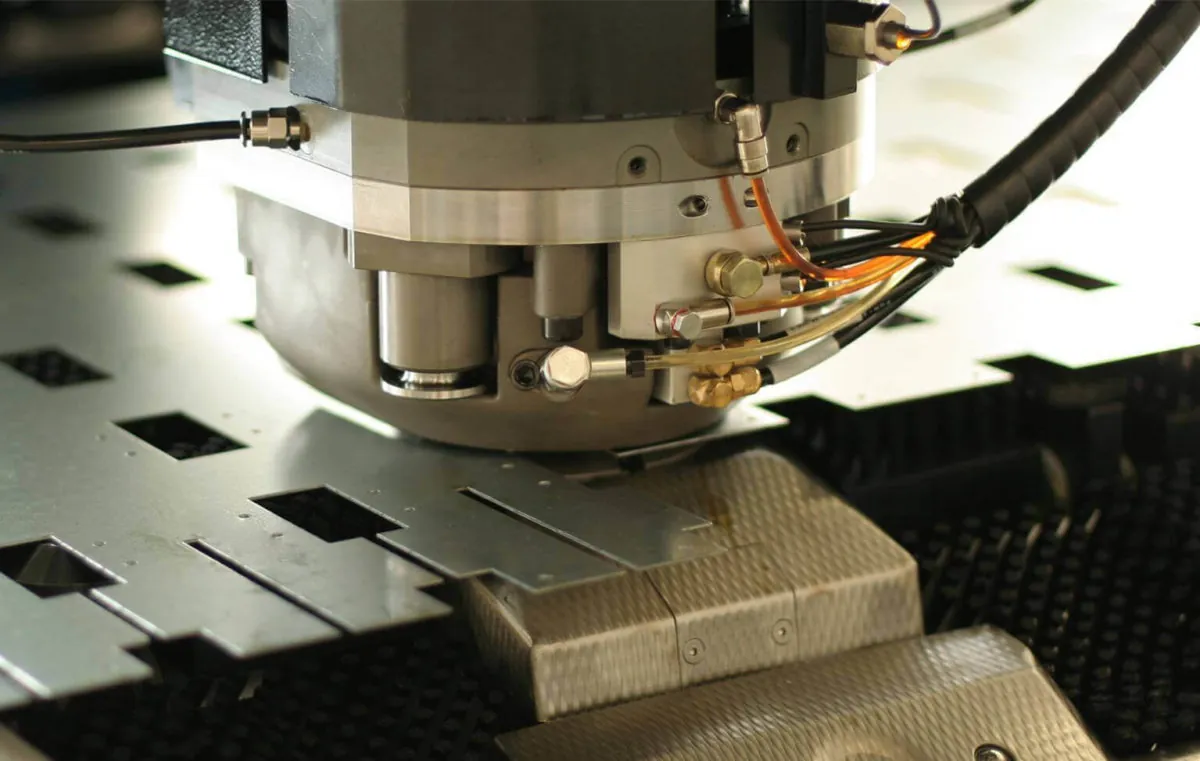
Once the design is finalized, we proceed to rapid prototyping using precision laser cutting, CNC punching, and automated bending systems. Our prototyping phase is not a simple mock-up—it is a fully functional validation model built to production-grade standards. Components are fabricated using the same materials and processes intended for mass production, allowing clients to evaluate fit, form, and function under real-world conditions. In Minneapolis sheet metal applications—where durability and precision are critical in sectors like industrial equipment, medical devices, and transportation—this phase ensures compliance with ANSI, ASTM, and ISO standards. Feedback from client testing is integrated swiftly, with revised iterations produced in as little as 72 hours. This agile loop reduces time-to-market while eliminating downstream risks.
Mass Production: Zero Defects Through Automation and Control
With client-approved prototypes, we transition to high-volume manufacturing under a Zero Defects framework. Our production line integrates automated laser cutting cells, robotic bending units, and in-process inspection systems to maintain micron-level accuracy across thousands of parts. Each stage is monitored via Statistical Process Control (SPC), with real-time data feeding into our quality management system. Every component undergoes dimensional verification using coordinate measuring machines (CMM), ensuring conformity to tolerances as tight as ±0.05 mm. Weld integrity is confirmed through visual and penetrant testing, while surface finishes are inspected under controlled lighting conditions.
| Specification | Detail |
|---|---|
| Material Thickness Range | 0.5 – 10 mm |
| Tolerance Accuracy | ±0.05 mm |
| Max Part Size | 3000 × 1500 mm |
| Compatible Materials | Mild Steel, Stainless Steel, Aluminum, Galvanized Steel |
| Finishing Options | Powder Coating, Anodizing, Passivation, Sandblasting |
| Production Capacity | Up to 50,000 units/month |
Throughout production, traceability is maintained via barcode tracking, linking each part to its material lot, machine settings, and inspection records. This end-to-end control guarantees consistency, supports full audit readiness, and ensures that every shipment meets the uncompromising standards expected by leading Minneapolis industrial manufacturers.
Why Choose Wuxi Lead Precision
Partner with Lead Precision for Uncompromised Sheet Metal Excellence
Minneapolis sheet metal fabricators demand precision, scalability, and unwavering reliability to meet stringent industrial deadlines and quality benchmarks. At Wuxi Lead Precision Machinery, we engineer solutions specifically for North American manufacturers facing complex production challenges. Our ISO 9001-certified facility in China operates as your strategic offshore extension, merging advanced automation with rigorous quality control to deliver components that exceed ASTM and MIL-SPEC standards. We eliminate supply chain vulnerabilities through dedicated project management and real-time production tracking, ensuring your critical path stays on schedule.
Why Minneapolis Fabricators Choose Lead Precision:
Our technical mastery spans laser cutting, CNC bending, welding, and finishing for low-to-high volume runs. Unlike generic offshore suppliers, we invest in U.S.-trained engineering teams who speak your technical language and adhere to your documentation protocols. Every part undergoes first-article inspection and in-process validation, with full material traceability from SAE-certified mills. We specialize in turning complex 3D models into production-ready sheet metal components—whether aerospace brackets requiring ±0.05mm tolerances or heavy-duty enclosures demanding structural integrity under extreme loads.
Core Sheet Metal Capabilities
| Process | Capacity | Tolerance | Material Range |
|---|---|---|---|
| Fiber Laser Cutting | 4000W, 3000x1500mm bed | ±0.05mm | Mild Steel, SS 304/316, Aluminum 6061 |
| CNC Press Braking | 300T, 3000mm length | ±0.5° angle | Up to 6mm steel, 8mm aluminum |
| Robotic Welding | MIG/TIG, 6-axis automation | Full penetration | SS, Aluminum, Carbon Steel |
| Finishing | Deburring, Powder Coating | Ra ≤1.6μm | Custom RAL/Pantone matching |
This technical foundation is backed by proactive risk mitigation. We maintain dual-source material agreements with Tier-1 Chinese mills and hold 30-day buffer stocks for critical alloys, insulating you from regional disruptions. Our engineers collaborate during your design phase to optimize manufacturability—reducing lead times by up to 25% through DFM insights specific to sheet metal workflows. For Minneapolis operations scaling capacity or managing peak demand, we provide seamless volume ramp-up without quality trade-offs.
Your Next Step Toward Precision Partnership
Stop compromising between cost efficiency and uncompromised quality. Contact our engineering team directly to discuss your current sheet metal project requirements. Email [email protected] with your CAD files or specifications, referencing “Minneapolis Sheet Metal Project” in the subject line. Our U.S.-based technical liaison will respond within 4 business hours (7:00 AM–5:00 PM CST) to schedule a confidential consultation. We’ll deliver a detailed capability analysis, competitive quote, and production timeline within 48 hours—proving how Lead Precision becomes your most reliable asset in the global supply chain. Trust precision engineered for your success.
⚙️ Precision Cost Estimator
Estimate relative manufacturing effort based on tolerance.