Technical Contents
Engineering Guide: Sheet Metal Workshop Tools

Engineering Insight: The Critical Role of Precision in Sheet Metal Workshop Tools
In the realm of industrial manufacturing, sheet metal workshop tools are the backbone of structural integrity, dimensional accuracy, and production efficiency. At Wuxi Lead Precision Machinery, we understand that precision is not merely a performance metric—it is a foundational requirement for success in high-stakes applications, from aerospace to defense and large-scale infrastructure. Our decades of engineering expertise have been rigorously tested in projects demanding the highest standards, including components used in Olympic venue construction and military-grade equipment fabrication. These experiences underscore the non-negotiable nature of precision in every tool we design and every process we optimize.
Sheet metal fabrication involves a sequence of operations—cutting, bending, punching, and forming—each of which must maintain tight tolerances to ensure final part consistency. Even minor deviations in tool alignment or force distribution can cascade into significant quality issues, such as warping, misalignment, or assembly failure. This is particularly critical when working with advanced alloys or ultra-thin gauge materials, where material behavior under stress must be precisely predicted and controlled.
At Lead Precision, our engineering philosophy centers on integrating metrology-grade accuracy into the core design of our workshop tools. We employ finite element analysis (FEA) and real-time feedback systems to simulate stress points and optimize tool geometry before deployment. This proactive approach minimizes trial-and-error in production environments, reducing downtime and material waste. Our tools are built not only to perform, but to perform consistently across thousands of cycles, ensuring long-term reliability under demanding operational loads.
The integration of precision extends beyond individual tools to the entire workflow ecosystem. Tool-to-machine interface alignment, repeatability of stroke depth, and synchronization with automation systems all depend on micron-level accuracy. In military applications, for example, where environmental resilience and operational readiness are paramount, our tools are engineered to maintain performance under extreme temperatures and continuous operation. Similarly, in the construction of Olympic facilities, where architectural complexity meets stringent safety codes, our solutions enabled flawless execution of curved and load-bearing sheet metal assemblies.
To illustrate the performance benchmarks we achieve, consider the specifications of our flagship hydraulic press brake tooling system:
| Specification | Value |
|---|---|
| Maximum Load Capacity | 300 tons |
| Positioning Accuracy | ±0.02 mm |
| Repeatability | ±0.01 mm |
| Stroke Control Resolution | 0.005 mm |
| Tool Material | High-strength alloy steel (HRC 58-62) |
| Surface Finish | Ra ≤ 0.8 µm |
| Operating Temperature Range | -20°C to +80°C |
These figures reflect our commitment to engineering excellence. At Wuxi Lead Precision Machinery, we do not manufacture tools—we engineer solutions that uphold the integrity of every fabricated component. Precision is not an add-on; it is the standard.
Precision Specs & Tolerances

Technical Capabilities: Precision Sheet Metal Fabrication
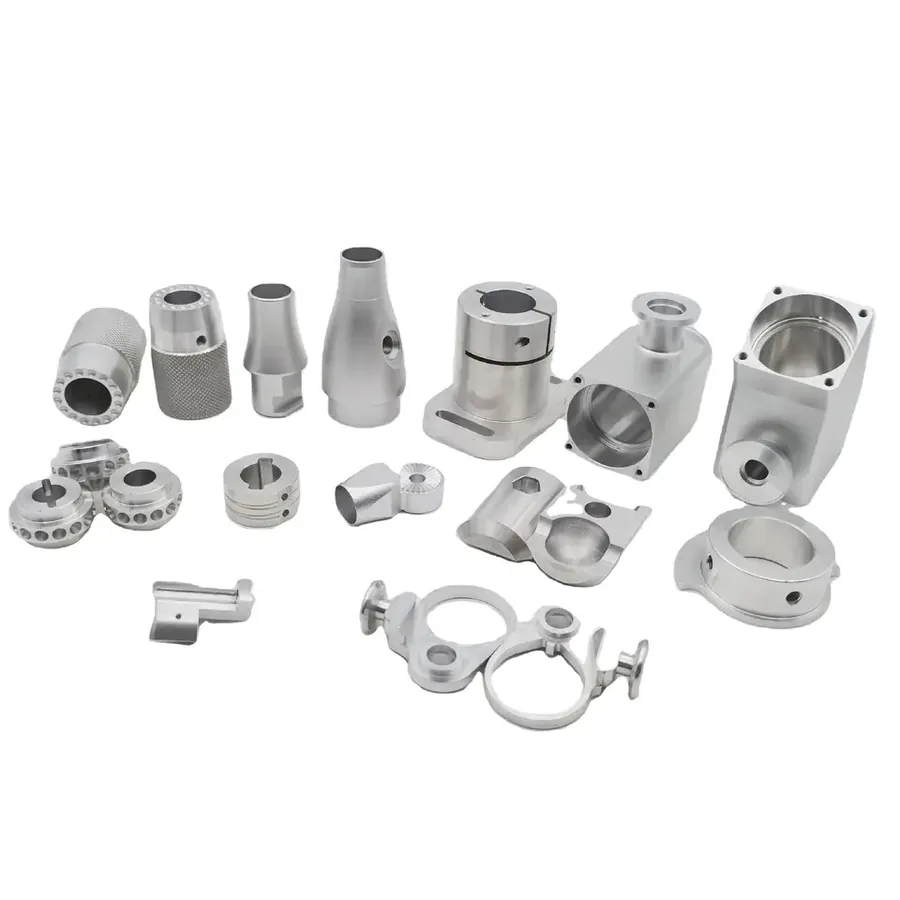
Wuxi Lead Precision Machinery delivers uncompromising precision in sheet metal fabrication through integrated 5-axis CNC technology. Our advanced machining centers handle complex geometries—including deep-drawn enclosures, contoured brackets, and multi-faceted structural components—without requiring secondary operations. This capability eliminates cumulative alignment errors inherent in traditional 3-axis processes, ensuring seamless feature integration across materials ranging from 0.5mm aluminum to 6.0mm stainless steel. The 5-axis platform achieves ±0.02mm positional accuracy on critical datums, enabling single-setup production of parts with intersecting angles, compound curves, and tight internal radii. This reduces lead times by up to 40% while maintaining repeatability across high-volume runs.
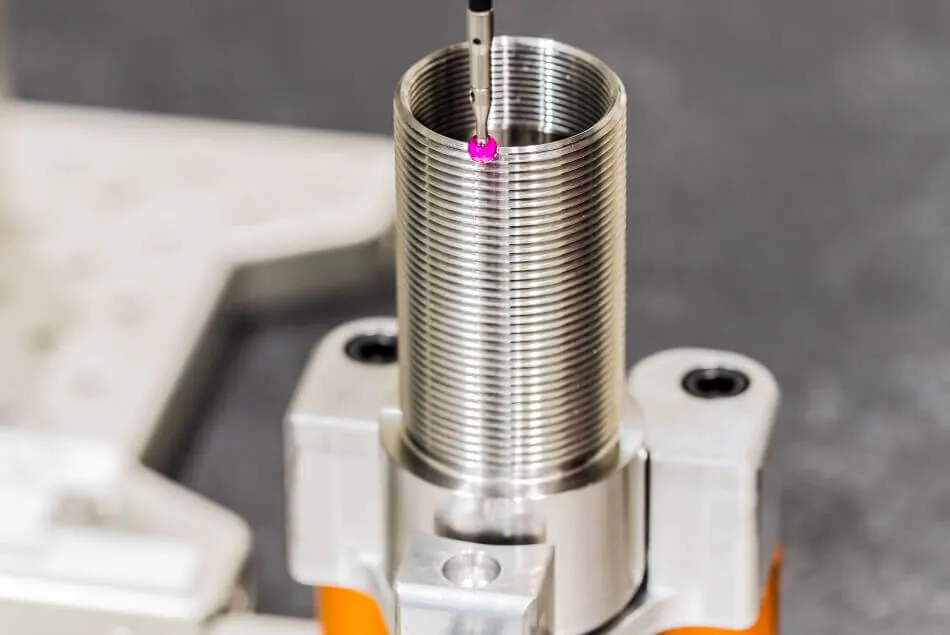
Quality assurance is anchored by Zeiss CONTURA CMM systems operating in a climate-controlled metrology lab (20±0.5°C). Every critical feature undergoes 100% first-article inspection against 3D CAD models, with statistical process control (SPC) monitoring applied to production batches. Our AS9100-certified workflow includes in-process laser scanning for warpage detection on thin-gauge assemblies and cross-verified surface roughness measurements (Ra ≤ 0.8µm on machined edges). Material certifications and heat-treat documentation are traceable to batch level, ensuring compliance with aerospace, medical, and semiconductor industry standards.
The following table defines our standard tolerance capabilities for sheet metal components post-finishing:
| Feature Type | Standard Tolerance | Tight Tolerance Option | Measurement Method |
|---|---|---|---|
| Linear Dimensions | ±0.10 mm | ±0.03 mm | CMM / Optical Comparator |
| Hole Position | ±0.08 mm | ±0.02 mm | CMM |
| Angular Features | ±0.2° | ±0.05° | CMM / Sine Bar |
| Flatness (per 100mm) | 0.15 mm | 0.05 mm | Surface Plate / CMM |
| Repeatability (CPK) | ≥1.33 | ≥1.67 | SPC Analysis |
These specifications apply to materials including 5052/6061-T6 aluminum, 304/316 stainless steel, and SPCC cold-rolled steel after deburring and stress-relief annealing. For critical applications such as optical mounts or fluidic manifolds, we implement custom inspection plans with GD&T callouts verified through iterative CMM reporting. Our engineering team collaborates with clients during DFM reviews to optimize toolpaths for minimal springback and thermal distortion—particularly vital for sub-1mm thin-wall structures.
This integrated approach ensures dimensional integrity from prototype to serial production. By combining 5-axis flexibility with metrology-grade validation, Wuxi Lead transforms complex sheet metal designs into functionally precise components that meet the most demanding assembly and performance criteria. Contact our applications engineers to discuss tolerance-critical projects requiring certified dimensional stability.
Material & Finish Options

Material Selection in Sheet Metal Fabrication: A Precision Engineering Guide
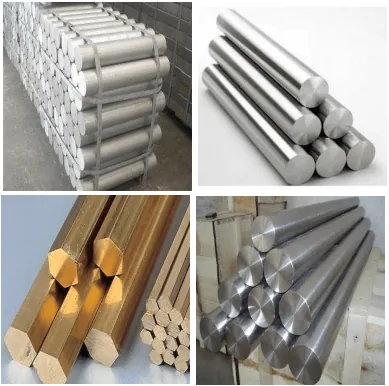
Selecting the appropriate material for sheet metal fabrication is a critical step in ensuring the performance, durability, and cost-efficiency of the final component. At Wuxi Lead Precision Machinery, we emphasize material compatibility with both design intent and manufacturing processes. The most widely used materials in high-precision sheet metal workshops are aluminum, steel, and titanium, each offering distinct mechanical and chemical properties suited to specific industrial applications.
Aluminum is favored for its excellent strength-to-weight ratio, corrosion resistance, and machinability. It is particularly suitable for aerospace, electronics, and transportation applications where weight reduction is paramount. The 5000 and 6000 series aluminum alloys, such as 6061-T6, are commonly used due to their weldability and moderate strength. Aluminum’s natural oxide layer provides inherent corrosion resistance, but for enhanced surface performance, anodizing is often applied.
Steel remains the backbone of industrial fabrication due to its high strength, affordability, and versatility. Cold-rolled steel (CRS) and stainless steel (particularly 304 and 316 grades) are standard choices. While CRS offers superior surface finish and dimensional accuracy, stainless steel provides excellent resistance to oxidation and chemical exposure, making it ideal for medical, food processing, and outdoor applications. However, steel’s susceptibility to rust in untreated forms necessitates protective finishes when used in harsh environments.
Titanium, though more costly, delivers exceptional strength-to-density performance and unparalleled resistance to extreme temperatures and corrosive environments. Grade 2 and Grade 5 (Ti-6Al-4V) titanium are frequently used in aerospace, defense, and high-performance automotive sectors. Its low thermal conductivity and high reactivity during machining require specialized tooling and process control, which Wuxi Lead Precision Machinery manages through advanced CNC systems and expert operator training.
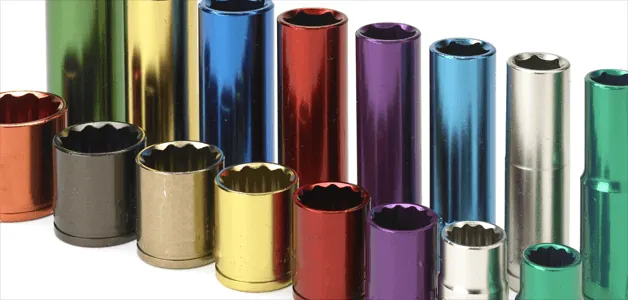
Surface finishing, particularly anodizing, plays a pivotal role in enhancing material performance. Anodizing is an electrochemical process that thickens the natural oxide layer on aluminum, significantly improving wear resistance, corrosion protection, and aesthetic quality. It also allows for color coding through dye integration, beneficial for product identification in assembly lines. While primarily used on aluminum, anodizing is not applicable to steel or titanium in standard fabrication settings.
Below is a comparative overview of key material properties relevant to sheet metal fabrication.
| Material | Typical Alloys | Tensile Strength (MPa) | Density (g/cm³) | Corrosion Resistance | Common Applications |
|---|---|---|---|---|---|
| Aluminum | 6061-T6, 5052-H32 | 310 | 2.7 | High | Aerospace, electronics, enclosures |
| Stainless Steel | 304, 316 | 505–585 | 8.0 | Very High | Medical, food processing, marine |
| Carbon Steel | 1018, CR1080 | 370–440 | 7.8 | Low (without coating) | Industrial frames, machinery |
| Titanium | Grade 2, Grade 5 | 345–1000 | 4.5 | Exceptional | Aerospace, defense, motorsports |
Material selection must be guided by functional requirements, environmental exposure, lifecycle expectations, and fabrication complexity. At Wuxi Lead Precision Machinery, we support clients in making informed decisions through material testing, prototyping, and process optimization, ensuring that every fabricated component meets the highest standards of precision and reliability.
Manufacturing Process & QC

Sheet Metal Production Process: Achieving Zero Defects from Concept to Volume
At Wuxi Lead Precision Machinery, we recognize that consistent excellence in sheet metal fabrication demands an integrated, rigorously controlled production process. Our methodology transcends simple task sequencing; it embeds quality assurance at every critical juncture to eliminate defects before they occur, ensuring your final product meets exacting specifications without compromise. This disciplined approach spans three interconnected phases: Design, Prototyping, and Mass Production.
The foundation is meticulous Design. We initiate every project with comprehensive Design for Manufacturability (DFM) analysis, collaborating closely with your engineering team. Our specialists scrutinize CAD models for potential fabrication challenges, including material selection suitability, bend allowances, minimum flange lengths, and hole-to-edge clearances. This proactive review identifies and resolves geometric conflicts or tolerance stack-up risks inherent in complex assemblies. We validate all designs against ISO 2768 medium tolerance standards as a baseline, often exceeding them based on your specific functional requirements. This phase ensures the digital blueprint is inherently producible with minimal waste and maximum accuracy, preventing costly errors downstream.
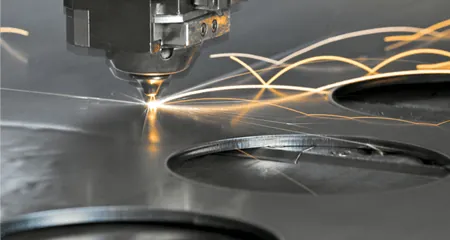
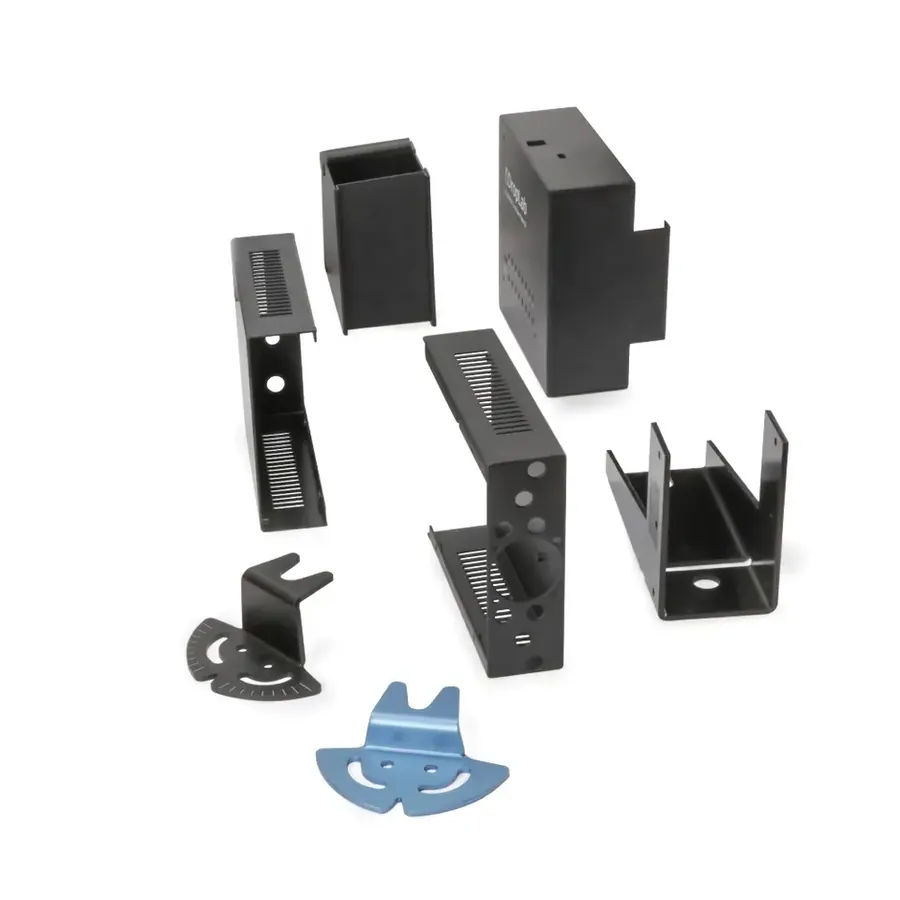
Prototyping transforms validated designs into tangible reality for critical verification. Utilizing our high-precision laser cutting and CNC turret systems, we produce functional prototypes with the same process parameters intended for volume production. This is not merely a visual check; it is a rigorous functional and dimensional validation step. Every critical feature undergoes metrology-grade inspection using CMMs and optical comparators against your original CAD data. We assess form, fit, function, weld integrity, and surface finish under real-world conditions. Any deviation triggers immediate root cause analysis and design or process refinement. This stage is indispensable for confirming manufacturability and catching nuances missed in pure digital simulation, guaranteeing the production process blueprint is flawless.
Mass Production executes the perfected process with unwavering discipline. Our automated production cells, featuring state-of-the-art CNC press brakes with real-time angle feedback and robotic welding stations, operate under strict Statistical Process Control (SPC). Every machine cycle is monitored; critical dimensions are sampled at defined intervals using calibrated gauges, with data fed directly into our quality management system. Process parameters are locked down and deviation triggers automatic alerts for immediate corrective action. Operator training emphasizes zero-defect mindset and adherence to standardized work instructions. This systematic control, built upon the validated prototype, ensures batch-to-batch consistency and eliminates process drift.
The result is demonstrable Zero Defects performance. Our integrated process transforms quality from an inspection outcome into an engineered characteristic. Below are key capabilities enabling this standard:
| Process Parameter | Capability Specification | Quality Impact |
|---|---|---|
| Laser Cutting Accuracy | ±0.05 mm per 100 mm | Ensures precise blank geometry |
| CNC Bending Tolerance | ±0.1° angular repeatability | Guarantees consistent fold angles |
| Hole Position Tolerance | ±0.08 mm | Critical for assembly fit |
| Surface Finish Control | Ra ≤ 0.8 µm (stainless) | Meets aesthetic & functional requirements |
| In-Process Inspection | 100% critical features | Prevents defect escape to next stage |
This seamless integration of Design validation, Prototyping verification, and tightly controlled Mass Production execution is the Wuxi Lead Precision Machinery standard. We deliver not just parts, but guaranteed process stability and absolute confidence in your supply chain.
Why Choose Wuxi Lead Precision
When it comes to precision sheet metal fabrication, the tools you use define the quality, consistency, and efficiency of your output. At Wuxi Lead Precision Machinery, we understand that modern manufacturing demands more than just machinery — it requires intelligent integration, unwavering reliability, and engineering excellence. As a trusted partner in advanced sheet metal workshop solutions, we deliver high-performance equipment engineered to meet the rigorous standards of global industries including aerospace, automotive, energy, and industrial equipment.
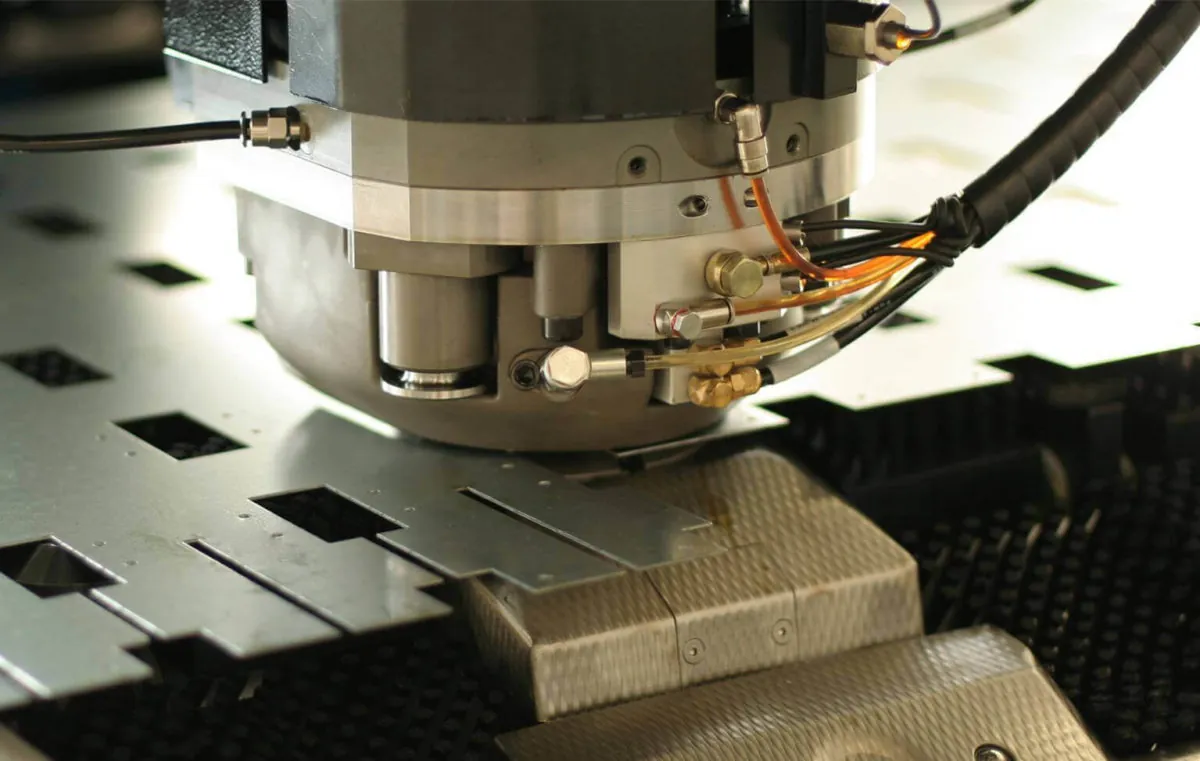
Our comprehensive range of sheet metal workshop tools is designed with precision at the core. From high-speed turret punch presses and fiber laser cutting systems to automated bending cells and panel forming lines, every machine is built to optimize throughput, reduce waste, and ensure micron-level accuracy. We combine decades of mechanical expertise with cutting-edge control systems, enabling seamless integration into smart factory environments. Our machines are not just tools — they are long-term investments in productivity and competitive advantage.
Partnering with Wuxi Lead Precision Machinery means gaining access to more than just equipment. It means working with a team that understands the challenges of high-mix, low-volume, and high-volume production environments. Our engineering support team provides full lifecycle assistance — from initial process analysis and machine selection to installation, training, and ongoing maintenance. We customize solutions based on your production volume, material mix, and precision requirements, ensuring you get the right configuration for maximum ROI.
All our machines are manufactured under strict ISO 9001-certified quality systems, with rigorous testing protocols to guarantee performance and durability. We use premium components from trusted global suppliers, including Siemens, Schneider, and Beckhoff, to ensure long-term reliability even under continuous operation. Whether you are upgrading an existing line or building a new fabrication facility, our turnkey solutions are designed to scale with your business.
Below are key specifications from our flagship sheet metal fabrication systems:
| Machine Type | Max. Processing Speed | Material Thickness Range | Positioning Accuracy | Control System | Automation Ready |
|---|---|---|---|---|---|
| Fiber Laser Cutting | 120 m/min | 0.5 – 30 mm (steel) | ±0.03 mm | Siemens 840D SL | Yes |
| CNC Turret Punch Press | 1200 strokes/min | 0.5 – 6.0 mm | ±0.05 mm | CYBELEC DNC 600 | Yes |
| CNC Press Brake | 15 mm/s (ram speed) | 0.5 – 12 mm | ±0.02 mm | ESA 6+1 Axis | Yes |
| Panel Forming Line | 30 m/min | 0.4 – 1.5 mm | ±0.1 mm | Allen-Bradley PLC | Yes |
We invite forward-thinking manufacturers to experience the Lead Precision difference. Contact us today at [email protected] to discuss your specific fabrication needs, request a machine demo, or receive a tailored solution proposal. Let Wuxi Lead Precision Machinery be your strategic partner in building the future of precision manufacturing.
⚙️ Precision Cost Estimator
Estimate relative manufacturing effort based on tolerance.