Moulding Silicone Rubber Manufacturer | Precision CNC Guide

Engineering Guide: Moulding Silicone Rubber

moulding silicone rubber manufacturing

Engineering Insight: Moulding Silicone Rubber with Precision

In the realm of advanced manufacturing, silicone rubber moulding stands as a critical process for producing components that demand thermal stability, chemical resistance, and long-term durability. From medical devices to aerospace systems, the performance of silicone-moulded parts hinges not only on material selection but, more importantly, on the precision of the metal tooling used in the process. At Wuxi Lead Precision Machinery, we understand that achieving consistent, high-integrity silicone components begins with exacting standards in custom metal manufacturing.

Silicone rubber behaves differently than thermoplastics during the moulding process. It requires precise temperature control, uniform cavity filling, and minimal flash formation—challenges that can only be addressed through tightly controlled tool geometry and surface finish. Even micron-level deviations in mould dimensions can lead to part warpage, incomplete curing, or sealing failure in final applications. This is where precision engineering becomes non-negotiable.

Our experience in delivering mission-critical metal components for Olympic-standard equipment and military-grade systems has instilled a culture of zero tolerance for error. These high-stakes applications demand not only compliance with international standards but also the foresight to anticipate real-world operational stress. We apply the same rigor to silicone rubber mould tooling, ensuring that every cavity, runner, and vent is machined to exact specifications using CNC processes capable of ±0.002 mm accuracy.

Material selection for the mould itself is equally vital. We utilize high-grade tool steels such as H13 and S136, hardened and polished to mirror finishes when required, to ensure longevity and repeatable release properties. Surface treatments like nitriding further enhance wear resistance, especially critical in high-volume production runs. Our in-house metrology lab validates each tool using CMM (Coordinate Measuring Machine) and optical inspection systems, guaranteeing conformity before deployment.

Below are key technical specifications that define our silicone rubber moulding tooling capabilities:

Parameter Specification
Machining Tolerance ±0.002 mm
Surface Roughness (Ra) As low as 0.05 μm (polished cavities)
Tool Steel Options H13, S136, 420 Stainless, P20
Hardness Range 48–54 HRC (post-treatment)
Temperature Control Multi-zone heated platens (±1°C control)
Mould Life Expectancy 500,000+ cycles (depending on design)
Lead Time (Average) 4–6 weeks (complex tooling)
Compliance Standards ISO 9001, GD&T ASME Y14.5

Wuxi Lead Precision Machinery leverages decades of metallurgical expertise and advanced CNC infrastructure to deliver silicone rubber moulds that exceed performance expectations. Whether supporting prototyping or full-scale industrial production, our engineering-first approach ensures reliability, repeatability, and unmatched precision—hallmarks of a trusted partner in high-end manufacturing.


Precision Specs & Tolerances

moulding silicone rubber manufacturing

Precision Manufacturing Capabilities for Silicone Rubber Molding Tooling

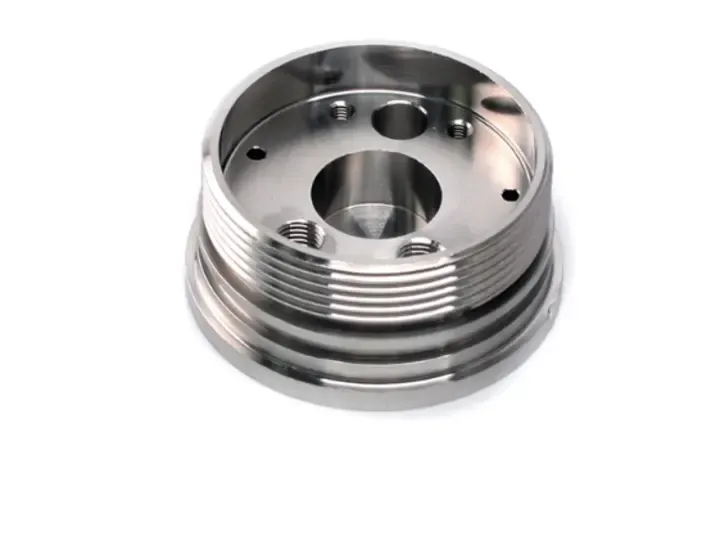
Wuxi Lead Precision Machinery delivers engineered excellence in the production of high-integrity tooling for silicone rubber molding applications. Our core competency lies in transforming complex design specifications into dimensionally stable, durable metal molds and components essential for consistent, high-yield silicone part production. We specialize in the stringent requirements inherent to medical, aerospace, and optical silicone components where material biocompatibility, optical clarity, and exacting form, fit, and function are non-negotiable. Our integrated manufacturing approach ensures every mold core, cavity, insert, and electrode meets the thermal stability and surface finish demands critical for silicone flow, release, and final part quality.

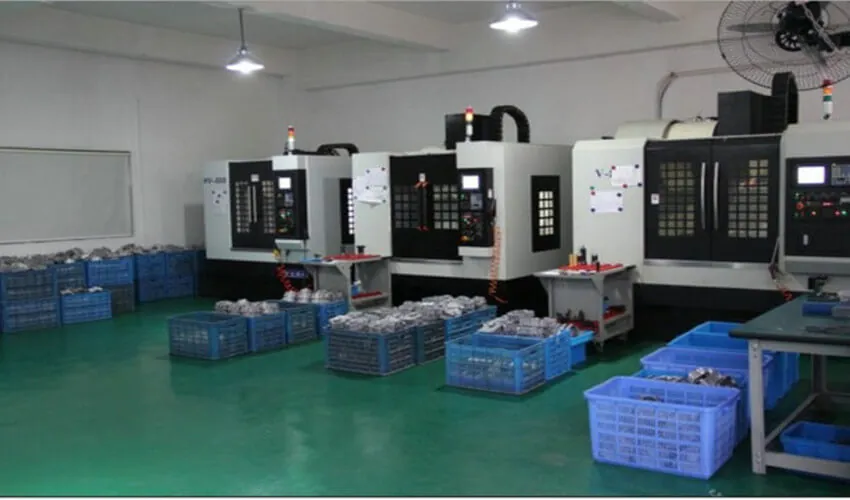
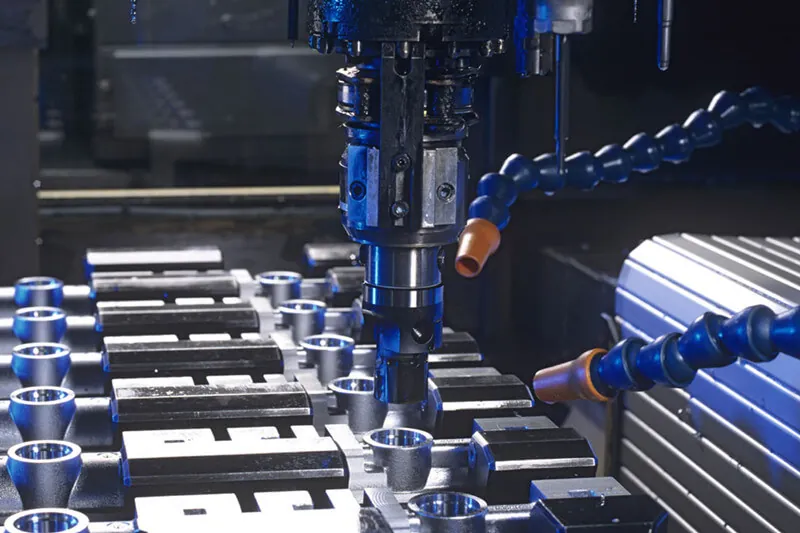
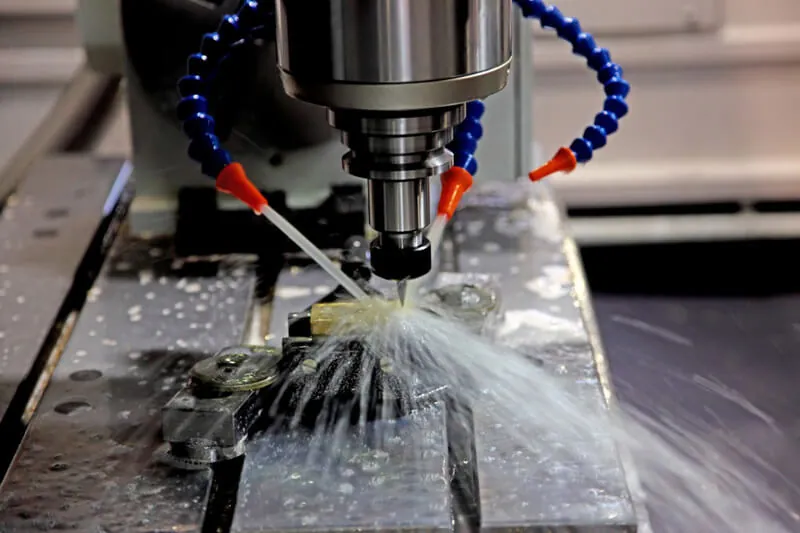
Central to our capability is a modern fleet of multi-axis CNC machining centers. Our advanced 5-axis CNC milling systems provide the necessary flexibility and precision to machine intricate geometries, deep cavities, and undercuts common in sophisticated silicone molds. Simultaneous 5-axis motion eliminates the need for multiple setups, significantly reducing cumulative error and ensuring exceptional positional accuracy across complex 3D surfaces. This capability is vital for producing molds that maintain tight tolerances throughout the entire cavity geometry, directly impacting the dimensional consistency of the molded silicone parts. We utilize high-rigidity machines with thermal compensation systems and execute processes under strict environmental controls to minimize thermal drift during extended machining cycles.

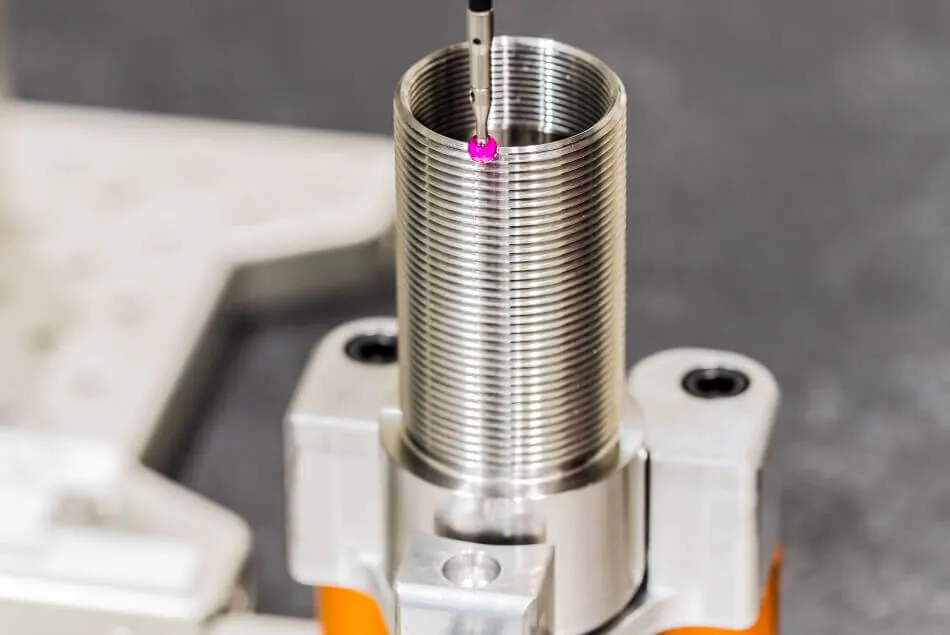
Quality assurance is embedded at every stage, culminating in comprehensive Coordinate Measuring Machine (CMM) inspection. All critical mold components undergo full 3D dimensional verification against the original CAD model using calibrated Zeiss and Hexagon CMMs. This metrology-grade inspection validates not only linear dimensions but also complex form tolerances, surface profiles, and positional relationships with micron-level accuracy. Our inspection protocols are designed to exceed typical industry standards for silicone molding tooling, providing documented evidence of conformance before mold assembly and shipment. This rigorous QC process is fundamental to preventing costly production delays and scrap rates downstream for our clients.

The following table details our standard achievable tolerance specifications for critical mold features, reflecting the precision attainable through our combined 5-axis machining and CMM validation processes. These tolerances represent our standard capability for production tooling in hardened tool steels and aluminum alloys under controlled conditions.

Feature Type Standard Tolerance Precision Capability Measurement Method
Linear Dimensions ±0.010 mm ±0.005 mm CMM
Hole Diameter +0.010 / -0.000 mm +0.005 / -0.000 mm CMM / Air Gage
Flatness 0.010 mm 0.005 mm CMM / Optical Flat
Parallelism 0.010 mm 0.005 mm CMM
Perpendicularity 0.015 mm 0.010 mm CMM
Surface Roughness (Ra) 0.4 µm 0.2 µm Profilometer

This level of precision engineering ensures Wuxi Lead molds consistently produce silicone rubber parts meeting the most demanding application requirements, minimizing post-mold processing and maximizing client production uptime. Our technical capabilities form the foundation for reliable, high-performance silicone molding solutions.


Material & Finish Options

moulding silicone rubber manufacturing

Material Selection for Silicone Rubber Moulding in Precision Manufacturing

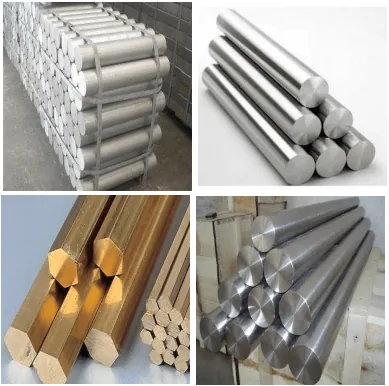
In the production of high-performance silicone rubber components, the selection of mould materials plays a critical role in determining part quality, production efficiency, and tool longevity. At Wuxi Lead Precision Machinery, we specialize in custom metal manufacturing for advanced industrial applications, and our expertise in mould material engineering ensures optimal performance in silicone rubber processing environments. The three primary metals used in this context—aluminum, steel, and titanium—each offer distinct advantages depending on production volume, part complexity, and environmental conditions.

Aluminum is widely favored for prototyping and low-to-medium volume production due to its excellent thermal conductivity and ease of machining. Its ability to rapidly transfer heat allows for shorter curing cycles in silicone moulding, improving throughput. Additionally, aluminum’s lightweight nature reduces handling difficulty during mould changes. However, its lower hardness compared to steel makes it less suitable for long production runs or abrasive silicone compounds.

Steel, particularly tool steels such as H13 or P20, provides superior durability and wear resistance. This makes it ideal for high-volume manufacturing where dimensional stability and surface consistency are paramount. Steel moulds maintain their integrity over thousands of cycles, even under high clamping forces and elevated processing temperatures. While slower to machine and heavier than aluminum, steel offers the longest service life and is often the choice for mission-critical components in automotive, medical, and aerospace sectors.

Titanium, though less conventional, is gaining traction in specialized applications where extreme corrosion resistance and high strength-to-density ratio are required. Its biocompatibility and inertness make it suitable for medical-grade silicone processing, where contamination risks must be minimized. While titanium is more expensive and challenging to machine, its performance in aggressive chemical environments justifies its use in niche, high-value production.

Surface finish is equally critical in silicone rubber moulding. Anodizing is a common post-processing treatment for aluminum moulds, enhancing surface hardness and corrosion resistance. Type II (sulfuric acid) anodizing provides a protective oxide layer and allows for dyeing, which aids in visual inspection and part identification. For steel, options such as polishing, nitriding, or chrome plating are typically used, though anodizing remains exclusive to aluminum.

Below is a comparative overview of key material properties relevant to silicone rubber moulding:

Material Hardness (HRC) Thermal Conductivity (W/m·K) Typical Use Case Anodizing Compatible
Aluminum (6061-T6) 30–35 167 Prototyping, low-volume production Yes
Steel (H13) 48–52 36 High-volume, durable tooling No
Titanium (Grade 5) 35–40 7.2 Corrosion-resistant, medical moulds No

Selecting the right material and finish requires a balanced assessment of production demands and performance requirements. At Wuxi Lead Precision Machinery, we support our clients in making informed decisions through engineering consultation and precision manufacturing tailored to the rigors of silicone rubber processing.


Manufacturing Process & QC

moulding silicone rubber manufacturing

Silicone Rubber Molding: Precision Engineering from Concept to Volume Production

Achieving zero defects in silicone rubber molding demands rigorous process control rooted in advanced metal manufacturing expertise. At Wuxi Lead Precision Machinery, we integrate precision CNC engineering with deep material science understanding to deliver flawless silicone components for demanding aerospace, medical, and automotive applications. Our methodology spans three critical, interlocked phases ensuring uncompromising quality.

The Design phase transcends basic CAD modeling. Our engineers conduct comprehensive Design for Manufacturability (DFM) analysis, scrutinizing part geometry, gate locations, and venting strategies against silicone flow dynamics and thermal behavior. Material selection is validated through accelerated aging simulations and biocompatibility assessments where required. Finite Element Analysis (FEA) predicts potential flash points, knit lines, and residual stress, enabling preemptive mold corrections. This stage establishes the foundational blueprint where 90% of potential defects are eliminated before metal is cut.

Prototyping leverages our high-speed CNC milling and wire EDM capabilities to produce functional mold inserts in hardened tool steels or aluminum. We utilize rapid iterative cycles, molding physical samples under production-intent parameters. Each prototype batch undergoes metrology-grade verification against CAD data using CMM and optical comparators, measuring critical dimensions, surface finish (Ra ≤ 0.8 µm), and material consistency. Client feedback is incorporated immediately, with mold modifications executed within 72 hours. This phase validates the design’s manufacturability and confirms process stability, reducing mass production risk by eliminating unforeseen variables.

Mass Production executes the perfected process under strict statistical process control (SPC). Our automated molding cells feature closed-loop temperature and pressure monitoring, with real-time data logging for full traceability. Every cycle is validated against the established zero-defect baseline. In-process inspections occur at defined intervals, supplemented by 100% automated vision inspection for critical features like seal beads or micro-channels. Final validation includes destructive testing per ASTM D2240 for durometer consistency and ISO 10993 biocompatibility where applicable. Our integrated CNC infrastructure ensures mold maintenance is performed to micron-level tolerances, sustaining cavity integrity over millions of cycles.

Critical process parameters are maintained within these specifications:

Parameter Standard Specification Precision Tier Specification
Dimensional Tolerance ±0.10 mm ±0.02 mm
Surface Roughness (Ra) ≤ 1.6 µm ≤ 0.4 µm
Flash Limit ≤ 0.15 mm ≤ 0.05 mm
Cavity Count 1-16 1-32
Cycle Time Range 30-180 seconds 30-120 seconds
Material Waste < 5% < 2%

Zero defects are not an aspiration but a measurable outcome of this disciplined workflow. By anchoring silicone molding in precision metal manufacturing rigor—from the initial DFM review through to SPC-monitored volume production—we guarantee components that meet the most stringent functional and regulatory demands. Wuxi Lead transforms complex silicone rubber requirements into consistently perfect physical realities.


Why Choose Wuxi Lead Precision

Partner with Lead Precision for Advanced Moulding Silicone Rubber Solutions

At Wuxi Lead Precision Machinery, we specialize in high-precision custom metal manufacturing tailored to support complex applications in the silicone rubber moulding industry. Our engineering expertise and advanced CNC capabilities ensure that every mould, insert, and cavity plate we produce meets the exact thermal, dimensional, and surface finish requirements critical for high-performance silicone processing. Whether you are producing medical-grade seals, automotive gaskets, or consumer electronics components, partnering with us means gaining access to a manufacturing ally committed to precision, reliability, and innovation.

Silicone rubber moulding demands exceptional tooling integrity. Unlike general-purpose elastomers, liquid and high-consistency silicone rubbers require moulds with tight tolerances, superior thermal conductivity, and resistance to high-pressure and high-temperature cycles. At Lead Precision, we design and manufacture mould bases, cavity blocks, and core components using premium-grade tool steels such as H13, S136, and 420 stainless steel, all processed through multi-axis CNC machining, EDM, and precision grinding. Our in-house quality control systems, including CMM inspection and surface roughness testing, guarantee repeatability down to ±0.002 mm, ensuring consistent part quality across large production runs.

We understand that every client’s application presents unique challenges. That’s why we offer fully customized engineering consultations from the design phase through to production support. Our team collaborates closely with your engineers to optimize cooling channel layouts, ejection systems, and parting line geometry—critical factors in minimizing cycle times and reducing flash formation in silicone moulding. With ISO 9001-certified processes and a 12,000 m² manufacturing facility in Wuxi, China, we deliver scalable solutions without compromising on precision or lead time.

Our clients span industries where failure is not an option—medical device manufacturing, aerospace, and high-end industrial automation. By integrating advanced materials, precision machining, and deep process knowledge, we enable our partners to achieve higher yields, lower maintenance costs, and faster time-to-market.

Below are key technical specifications we support for silicone rubber moulding components:

Specification Capability
Material Options H13, S136, 420SS, P20, Be-Cu, Aluminum 7075
Machining Tolerance ±0.002 mm
Surface Finish Ra 0.05–0.8 μm (polishing up to mirror finish)
Maximum Part Size 800 × 600 × 500 mm
Processing Methods 5-axis CNC, Wire EDM, Surface Grinding, CMM Inspection
Secondary Operations Nitriding, PVD Coating, Texturing, Hardening

When you choose Wuxi Lead Precision Machinery, you are not just sourcing components—you are gaining a technical partner invested in your long-term manufacturing success. Contact us today at [email protected] to discuss your next silicone rubber moulding project. Let our precision engineering elevate your production standards.


⚙️ Precision Cost Estimator

Estimate relative manufacturing effort based on tolerance.

Moulding Silicone Rubber Manufacturer | Precision CNC Guide

Contents of Table

Contact [email protected] Whatsapp 86 15951276160