Technical Contents
Engineering Guide: Rubber Molders

Engineering Insight: The Critical Role of Precision in Rubber Molding Tooling
In the realm of high-performance rubber molding, precision is not merely a quality metric—it is the foundation upon which reliability, repeatability, and product integrity are built. For rubber molders operating in mission-critical industries such as aerospace, defense, and advanced industrial equipment, even micron-level deviations can result in part failure, costly downtime, or compromised safety. At Wuxi Lead Precision Machinery, we understand that the performance of a rubber molding tool directly reflects the accuracy and consistency of its metal components. Our engineering philosophy centers on delivering tooling solutions where geometric fidelity, thermal stability, and surface finish meet the most stringent international standards.
Rubber molding processes—whether compression, transfer, or injection—place extreme demands on tooling. The mold must withstand repeated thermal cycling, high clamping forces, and aggressive material flow while maintaining dimensional stability over thousands of cycles. Any inconsistency in cavity geometry, parting line alignment, or venting precision can lead to flash, incomplete fills, or post-cure warpage. These defects are not just cosmetic; in high-specification environments, they can invalidate entire production batches. This is why our custom metal manufacturing process integrates multi-axis CNC machining, coordinate measuring machine (CMM) inspection, and finite element analysis (FEA) simulation to ensure every mold performs as engineered.
With over a decade of specialized experience, Wuxi Lead Precision Machinery has supplied precision components and complete mold systems for applications where failure is not an option. Our work has supported projects associated with Olympic-standard equipment manufacturing and military-grade sealing solutions, where environmental resilience and absolute performance consistency are non-negotiable. These engagements have reinforced our commitment to engineering excellence and reinforced our capabilities in materials selection, tolerance control, and long-term wear resistance.
We partner with rubber molders not just as a supplier, but as an engineering extension—offering design for manufacturability (DFM) feedback, rapid prototyping, and full documentation traceability. Whether producing small-batch, high-complexity molds or scalable production tooling, our facility maintains ISO 9001-certified quality systems and employs only trained machinists with expertise in mold-specific alloys such as H13, P20, and stainless tool steels.
The future of rubber molding lies in tighter tolerances, longer tool life, and smarter integration with automation. At Wuxi Lead, we are positioned at the forefront of this evolution, combining advanced manufacturing technology with deep domain experience to deliver tooling that performs under the most demanding conditions.
| Specification | Detail |
|---|---|
| Material Options | H13, P20, 420SS, S136, Custom Alloys |
| Tolerance Range | ±0.002 mm to ±0.005 mm |
| Surface Finish | Ra 0.1 µm to Ra 0.8 µm (polished or texture-coated) |
| Max Workpiece Size | 800 mm × 600 mm × 500 mm |
| Machining Capabilities | 5-Axis CNC, Wire EDM, CMM Inspection, Hard Milling |
| Quality Standards | ISO 9001:2015, Full First Article Inspection (FAI) Reports |
Precision Specs & Tolerances

Technical Capabilities: Precision Engineered for Rubber Molding Excellence
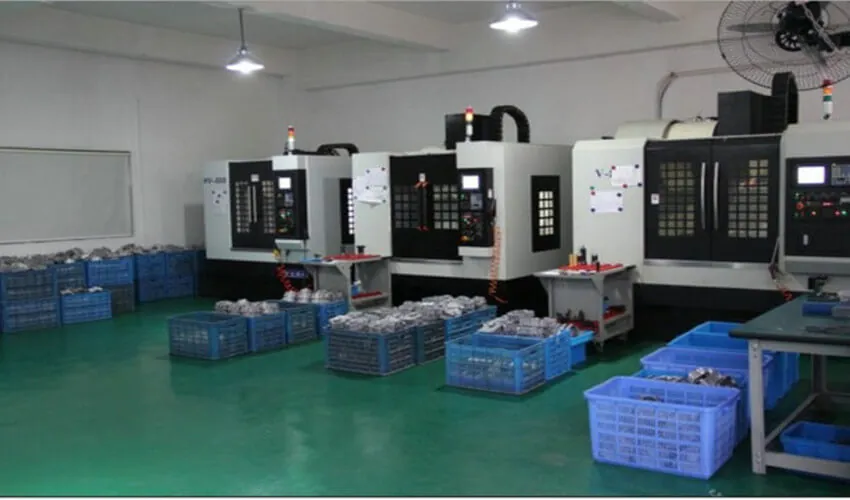
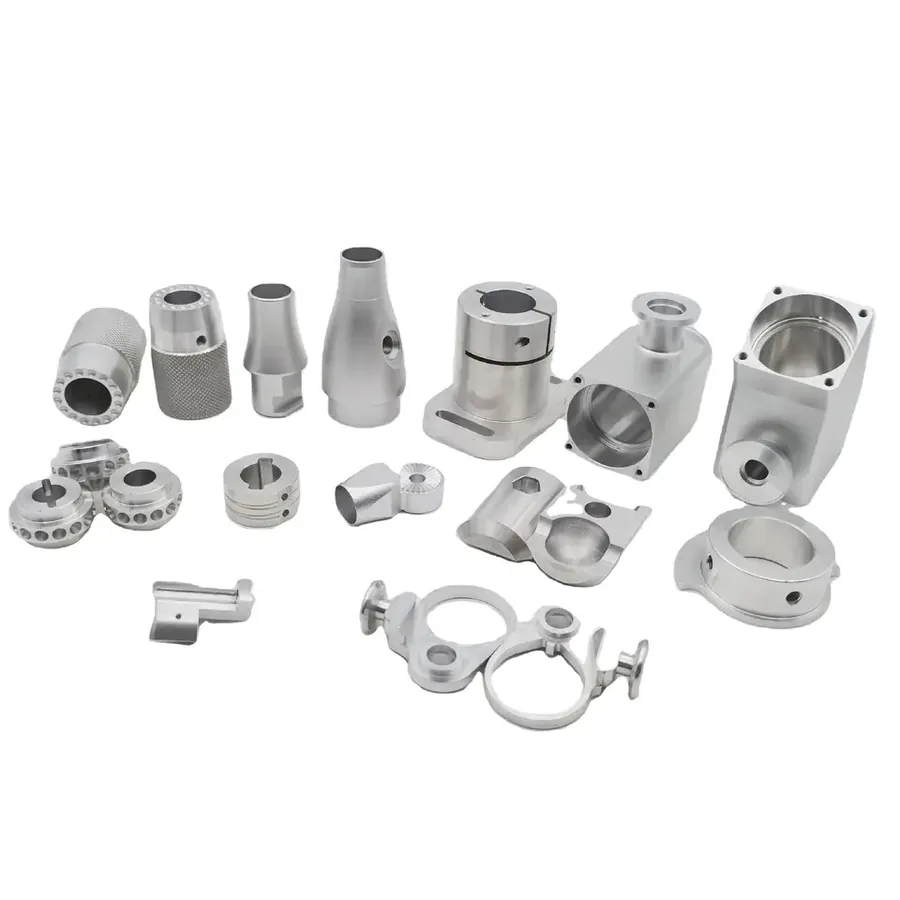
At Wuxi Lead Precision Machinery, we deliver mission-critical metal components engineered specifically for the demanding requirements of rubber molding applications. Our integrated manufacturing ecosystem combines advanced 5-axis CNC machining with rigorous quality control protocols to ensure every mold plate, cavity insert, core pin, and venting system meets the exacting standards essential for high-volume rubber production.
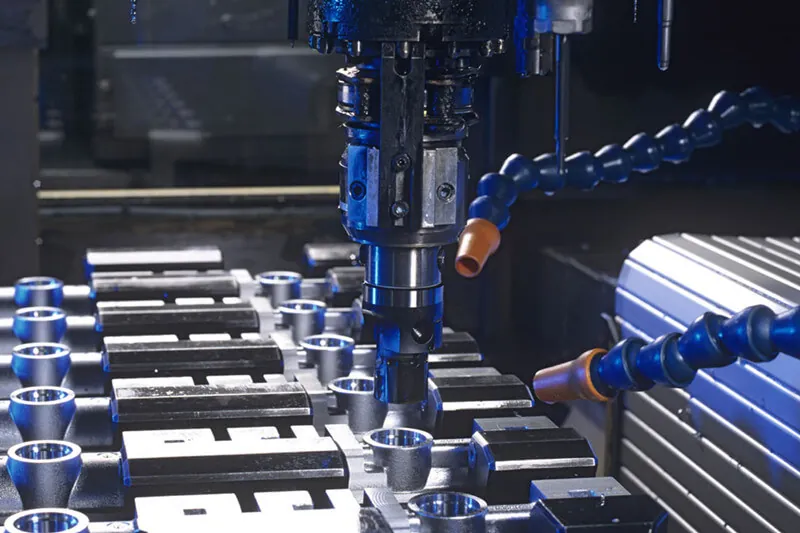
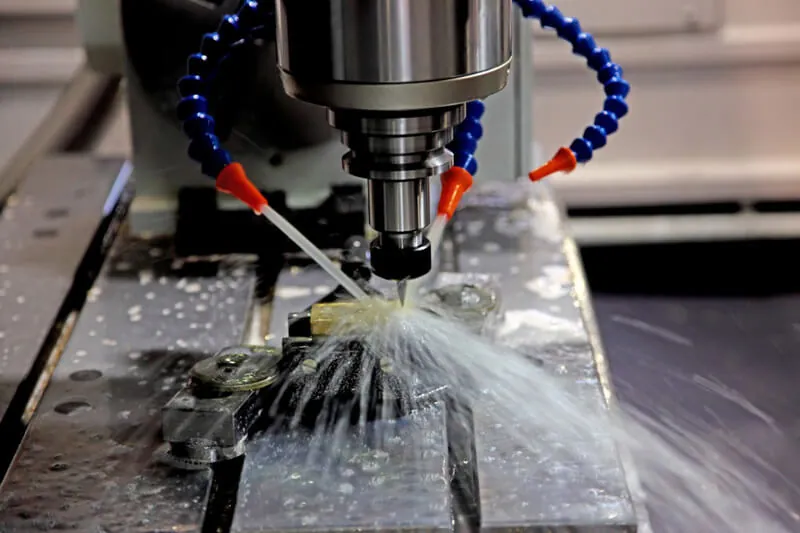
Our core strength lies in the strategic deployment of 5-axis CNC machining centers. Unlike conventional 3-axis systems, our DMG MORI and MAZAK platforms enable simultaneous multi-directional tool movement. This capability is indispensable for rubber molders requiring complex undercuts, intricate venting channels, and seamless transitions between curved surfaces—features prone to flash generation or material trapping if imperfectly executed. We machine hardened tool steels (H13, 420SS) and pre-hardened alloys to exacting geometries while maintaining thermal stability critical for consistent rubber flow and part release. Surface finishes down to Ra 0.4 µm are routinely achieved, minimizing adhesion issues and extending mold service life under aggressive thermal cycling.
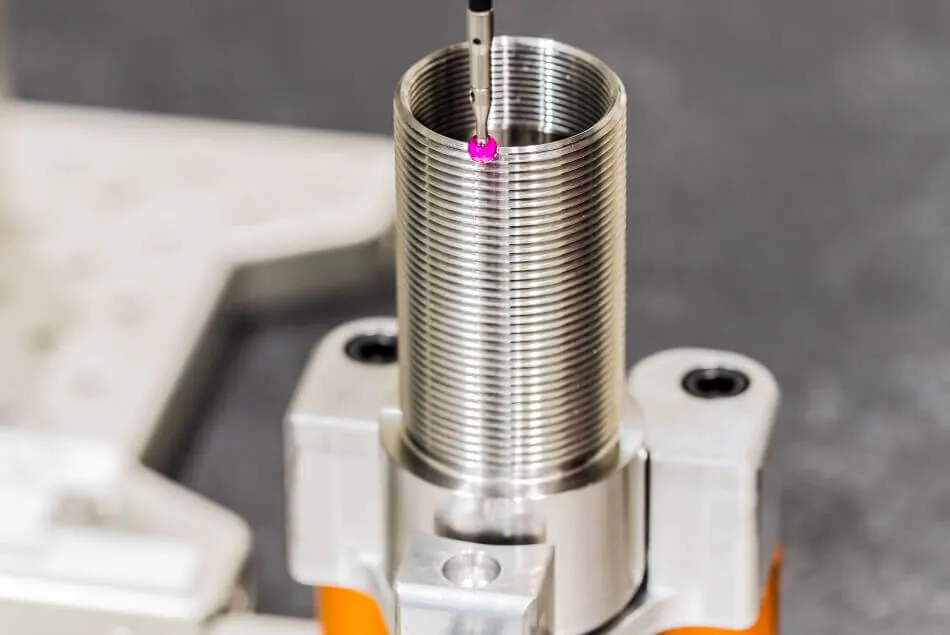
Quality verification is non-negotiable. Every component undergoes comprehensive inspection via Zeiss CONTURA G2 Coordinate Measuring Machines (CMM). Our metrology lab validates geometric dimensioning and tolerancing (GD&T) to ISO 1101 standards, confirming positional accuracy of critical features like ejector pin bores and cooling channels. Full first-article inspection reports (FAIR) with 3D deviation mapping are standard, providing traceable proof of conformance to your engineering specifications. This data-driven approach eliminates guesswork, ensuring molds perform predictably from the first production cycle.
The following table details our achievable tolerance benchmarks for rubber molding components. These values reflect our standard production capability under controlled environmental conditions and are validated through CMM measurement protocols adhering to ISO 10360-2.
| Feature Type | Standard Tolerance | Critical Feature Tolerance | Measurement Method |
|---|---|---|---|
| Linear Dimensions | ±0.010 mm | ±0.005 mm | CMM with calibrated probe |
| Hole Diameter | +0.010/-0.000 mm | +0.005/-0.000 mm | CMM or air gaging |
| Positional Accuracy | ±0.015 mm | ±0.008 mm | CMM (GD&T analysis) |
| Surface Flatness | 0.015 mm | 0.008 mm | CMM or optical flat |
| Surface Roughness (Ra) | 0.8 µm | 0.4 µm | Profilometer |
Material integrity is equally paramount. We source premium-grade tool steels with certified chemical composition and microstructure, followed by controlled heat treatment and stress-relieving cycles to prevent distortion during service. Our process engineers collaborate closely with your team to optimize part geometry for manufacturability, reducing lead times without compromising performance.
Partner with Wuxi Lead Precision Machinery to transform your rubber molding challenges into competitive advantages. Our technical expertise ensures molds that deliver exceptional part consistency, reduced downtime, and superior longevity—cornerstones of profitable rubber manufacturing operations. Contact our engineering team to discuss your specific tolerance requirements and material specifications.
Material & Finish Options

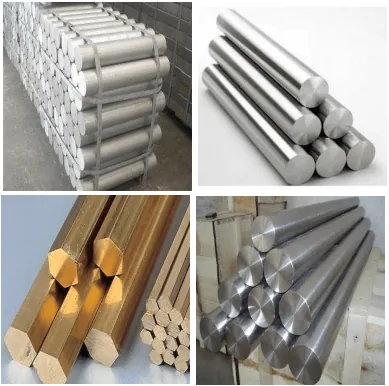
Material selection is a critical step in the development of high-performance molds for rubber molding applications. At Wuxi Lead Precision Machinery, we understand that the right combination of material and surface treatment directly influences mold longevity, production efficiency, and part consistency. For rubber molders operating in demanding industrial environments, three primary metals stand out: Aluminum, Steel, and Titanium. Each offers distinct advantages depending on production volume, part complexity, and environmental conditions.
Aluminum is widely used for prototyping and low-to-medium volume production due to its excellent machinability and superior thermal conductivity. This allows for faster cycle times and reduced energy consumption during molding operations. While not as hard as steel, modern high-strength aluminum alloys such as 7075-T6 provide sufficient durability for many applications. Aluminum is particularly well-suited for molds requiring rapid temperature changes or intricate cooling channels.
Steel remains the standard for high-volume rubber molding, where wear resistance and dimensional stability are paramount. Tool steels like H13, P20, and 420 stainless offer exceptional hardness and resistance to deformation under prolonged thermal cycling. These materials maintain tight tolerances over thousands of cycles, making them ideal for precision components in automotive, aerospace, and medical industries. Proper heat treatment and surface finishing further enhance steel’s performance and corrosion resistance.
Titanium is emerging as a specialized solution for extreme environments. Its high strength-to-density ratio, outstanding corrosion resistance, and ability to withstand aggressive chemicals make it suitable for niche applications involving high temperatures or corrosive rubber compounds. While more expensive and challenging to machine, titanium molds deliver unmatched service life in specific industrial contexts, particularly where weight reduction and long-term reliability are critical.
Surface finishing plays a complementary role in mold performance. Anodizing, particularly hard anodizing, is a key treatment for aluminum molds. This electrochemical process creates a durable, wear-resistant oxide layer that improves surface hardness, reduces friction, and enhances corrosion resistance. Type III hard anodizing can achieve coating thicknesses of 50–75 µm with hardness values exceeding 60 HRC, significantly extending mold life. For steel and titanium, alternative coatings such as nitriding or PVD may be recommended based on operational demands.
The following table summarizes key mechanical and thermal properties of these materials to assist in informed decision-making:
| Material | Tensile Strength (MPa) | Hardness (HRC) | Thermal Conductivity (W/m·K) | Typical Use Case |
|---|---|---|---|---|
| Aluminum 7075-T6 | 570 | 15–20 | 130 | Prototyping, low-volume production |
| H13 Tool Steel | 1,500 | 48–52 | 35 | High-volume rubber molding |
| P20 Steel | 980 | 28–32 | 30 | Medium-volume, complex molds |
| 420 Stainless | 1,800 | 52–56 | 25 | Corrosion-resistant applications |
| Titanium Grade 5 | 900 | 35–40 | 7 | High-temp, corrosive environments |
At Wuxi Lead Precision Machinery, we support rubber molders with expert material selection, precision CNC manufacturing, and advanced finishing options tailored to your production goals. Our engineering team collaborates closely with clients to optimize mold performance, ensuring reliability and cost-efficiency across the product lifecycle.
Manufacturing Process & QC

Precision Rubber Molding Production Process: From Concept to Zero Defects
At Wuxi Lead Precision Machinery, we execute a rigorously controlled production pathway specifically engineered for the demanding requirements of high-integrity rubber molding applications. Our process eliminates guesswork and minimizes risk through systematic progression from initial design through to flawless mass production, all underpinned by our Zero Defects commitment. This integrated approach ensures your molds deliver consistent performance, extended service life, and perfect part replication cycle after cycle.
The foundation is our collaborative Design phase. Our engineering team works directly with your specifications and material requirements to develop optimized mold geometries. We employ advanced 3D CAD/CAM software and conduct comprehensive mold flow analysis and structural simulations. This critical step identifies potential weaknesses, ejection challenges, or thermal imbalances before metal is cut, ensuring the design is manufacturable, robust, and capable of meeting your exact dimensional and surface finish tolerances. A formal design review with your team validates all critical parameters and aligns on shared quality objectives.
Prototyping transforms the validated design into a tangible, functional reality for rigorous testing. Utilizing our high-precision CNC machining centers and skilled craftsmanship, we produce a single-cavity prototype mold within 72 hours for urgent validations. This prototype undergoes stringent SPC (Statistical Process Control) validation using production-intent rubber compounds and presses. Dimensional accuracy is verified via CMM (Coordinate Measuring Machine) against your part prints, while surface finish, venting, and cooling efficiency are assessed. Any deviations trigger immediate, data-driven design or process refinements. This phase is non-negotiable for achieving Zero Defects; it proves the mold concept and establishes the baseline process window for full production.
Mass Production leverages the validated prototype data to launch seamless, high-volume manufacturing. Our ISO 9001-certified facility employs fully automated CNC machining cells with in-process probing for real-time dimensional verification. Every critical feature is measured per AS9102 First Article Inspection reports. Production molds are built using premium, vacuum-melted tool steels, meticulously heat-treated and surface-finished to resist wear and corrosion inherent in rubber molding cycles. Continuous monitoring of machine parameters, coupled with 100% post-machining CMM validation of key mold components, ensures absolute adherence to specification. This closed-loop system, combined with our stringent material traceability and operator certification protocols, guarantees the Zero Defects output essential for your rubber molding efficiency and part quality.
Wuxi Lead Precision Rubber Mold Capabilities
| Parameter | Capability Range | Relevance to Rubber Molding |
|---|---|---|
| Tolerance | ±0.005 mm (Critical Features) | Ensures precise cavity dimensions for part accuracy and minimal flash |
| Surface Finish | Ra 0.05 µm (Mirror Polish) to Ra 0.8 µm | Critical for part release, surface quality, and minimizing rubber adhesion |
| Tool Steel Options | P20, H13, S7, Stainless Steels (420) | Matched to rubber compound abrasiveness and production volume |
| Lead Time (Proto) | 72 Hours (Single Cavity) | Accelerates validation and time-to-market |
| Lead Time (Prod) | 15-25 Days (Complex Multi-Cavity) | Balances speed with uncompromised quality control |
| Max Mold Weight | 10,000 kg | Accommodates large, industrial-scale rubber molds |
Why Choose Wuxi Lead Precision
Partner with Lead Precision for Unmatched Expertise in Custom Metal Manufacturing
At Wuxi Lead Precision Machinery, we understand the critical role precision-engineered metal components play in the success of rubber molding operations. As a trusted name in China’s advanced manufacturing sector, we specialize in delivering custom metal solutions tailored to the exacting demands of rubber molders worldwide. From intricate mold bases and precision inserts to robust tooling systems, our capabilities are engineered to enhance performance, extend tool life, and ensure repeatability across high-volume production cycles.
Our partnership model is built on collaboration, technical excellence, and responsiveness. We work closely with engineering teams to interpret design requirements, optimize manufacturability, and deliver components that meet tight tolerances and strict material specifications. Whether you’re developing hydraulic molds, transfer molds, or compression molds, our CNC machining, surface grinding, and EDM processes ensure dimensional accuracy down to ±0.002 mm. With ISO 9001-certified quality control and a 15,000-square-meter production facility, we combine scale with meticulous attention to detail.
What sets Lead Precision apart is our deep industry insight. We don’t just manufacture parts—we solve production challenges. Our engineers routinely consult on thermal management, wear resistance, and mold alignment strategies, helping rubber molders reduce cycle times and minimize downtime. From prototype to full-scale production, we offer scalable solutions with fast turnaround, ensuring your projects stay on schedule without compromising quality.
We serve clients across North America, Europe, and Southeast Asia, supporting industries ranging from automotive sealing systems to industrial hoses and medical elastomer components. Our export-ready logistics network ensures timely delivery, while our bilingual engineering support team provides seamless communication throughout the project lifecycle.
For rubber molders seeking a reliable, technically advanced manufacturing partner, Wuxi Lead Precision Machinery delivers performance you can measure in every cycle. Partner with us to gain a competitive edge through precision, reliability, and engineering collaboration.
Technical Specifications and Capabilities
| Feature | Specification |
|---|---|
| Machining Tolerance | ±0.002 mm |
| Maximum Workpiece Size | 1,200 × 800 × 600 mm |
| Materials Processed | P20, 718, H13, S136, 420SS, Aluminum Alloys, Brass, Copper |
| CNC Machining Centers | 5-Axis, 4-Axis, 3-Axis (Makino, DMG MORI) |
| Surface Finish | Ra 0.2 – 0.8 μm (polished available) |
| Quality Standards | ISO 9001:2015, Full First Article Inspection (FAI) |
| Lead Time | 15–25 days (standard orders), expedited options available |
| Surface Treatments | Nitriding, Hard Chrome Plating, PVD Coating, Passivation |
Contact us today to discuss your next project. Email [email protected] and connect with our engineering team for a technical consultation. Let Wuxi Lead Precision Machinery be your strategic partner in precision metal manufacturing.
⚙️ Precision Cost Estimator
Estimate relative manufacturing effort based on tolerance.