Cnc On Demand Manufacturer | Precision CNC Guide

Engineering Guide: Cnc On Demand

cnc on demand manufacturing

Engineering Insight: The Role of Precision in CNC on Demand Manufacturing

In the realm of modern manufacturing, precision is not merely a performance metric—it is the foundation upon which reliability, functionality, and innovation are built. When it comes to CNC on demand services, where speed and customization intersect, the margin for error collapses. At Wuxi Lead Precision Machinery, we understand that high-precision CNC machining is not optional; it is imperative. Our clients operate in industries where component failure is not an option—ranging from aerospace and defense to medical devices and high-performance automotive systems. In these environments, tolerances measured in microns determine the success or failure of a mission-critical assembly.

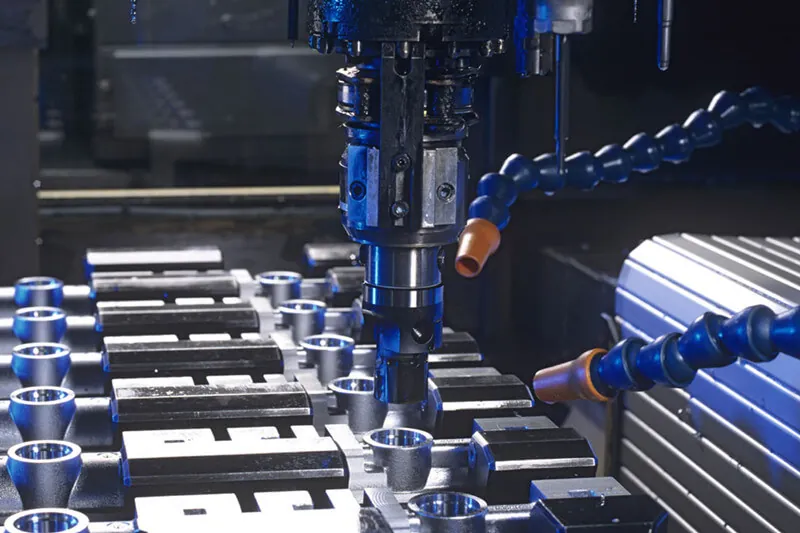
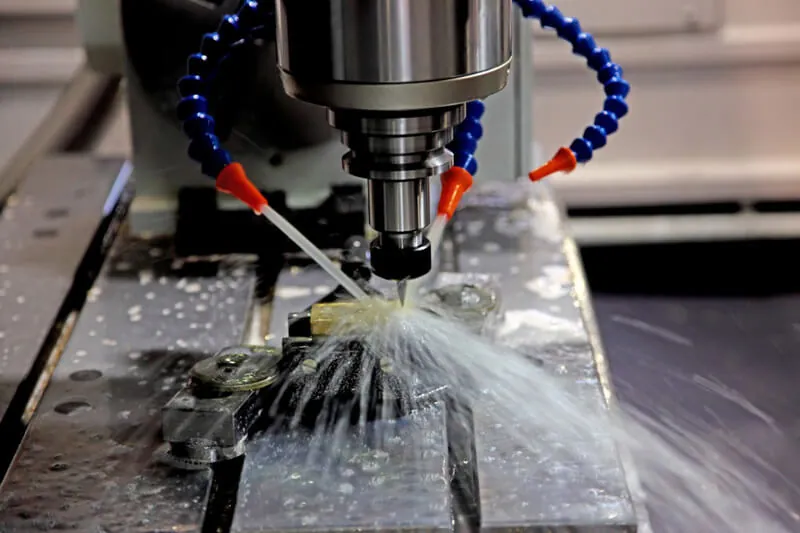
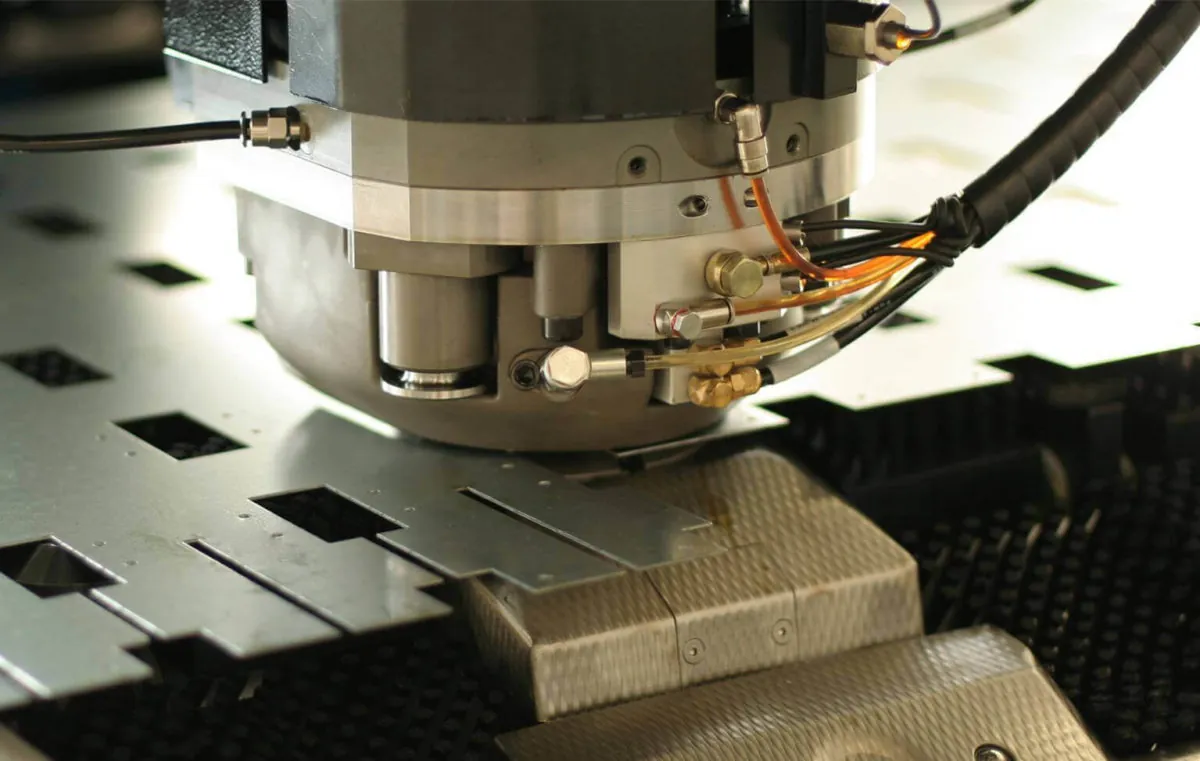
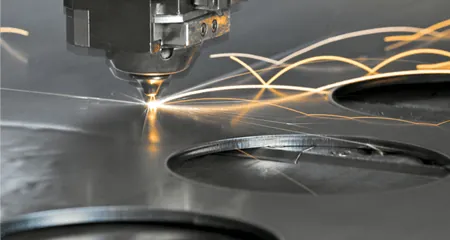
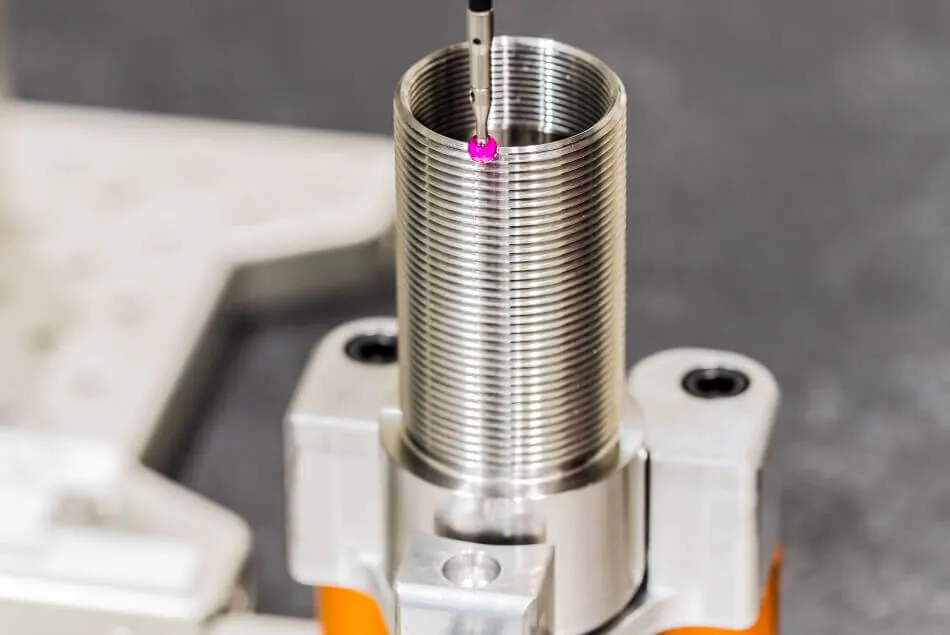
Precision in CNC on demand goes beyond the capability of advanced machinery. It encompasses material selection, toolpath optimization, thermal compensation, and real-time quality verification. At Lead Precision, we integrate multi-axis CNC milling, turning, and grinding centers with in-process probing and automated inspection systems. This ensures that every component produced adheres to the tightest geometric and dimensional tolerances, batch after batch. Our engineering team employs advanced simulation software to validate machining strategies before a single chip is removed, minimizing variability and maximizing repeatability.

Our commitment to precision is validated through real-world applications. Lead Precision has delivered components for Olympic-standard sporting equipment, where mechanical consistency directly impacts athletic performance. We have also supplied mission-critical parts for military-grade communication systems and defense platforms, where environmental resilience and dimensional stability under extreme conditions are non-negotiable. These projects demand not only technical excellence but also rigorous traceability, documentation, and compliance with international quality standards such as ISO 9001 and AS9100.

What sets our CNC on demand service apart is the fusion of cutting-edge technology with decades of accumulated engineering expertise. We do not treat each order as a transaction—we treat it as an engineering partnership. From prototype to production, our team collaborates with clients to optimize designs for manufacturability, material efficiency, and performance under operational stress.

The table below highlights the precision capabilities that define our CNC machining services:

Specification Performance Level
Dimensional Tolerance ±0.005 mm
Surface Roughness (Ra) As low as 0.2 µm
Maximum Work Envelope 1200 x 800 x 600 mm
Axis Configuration 3-axis, 4-axis, 5-axis simultaneous
Material Compatibility Aluminum, Stainless Steel, Titanium, Inconel, Plastics (PEEK, PTFE)
Quality Standards ISO 9001:2015, ISO 14001, AS9100 (available)
In-Process Inspection Laser probing, CMM verification, GD&T reporting

At Wuxi Lead Precision Machinery, precision is not just a target—it is our standard. When industries that demand perfection turn to CNC on demand, they require more than speed and flexibility. They require a partner engineered for accuracy.


Precision Specs & Tolerances

cnc on demand manufacturing

Technical Capabilities: Precision Engineered for Complex Demands

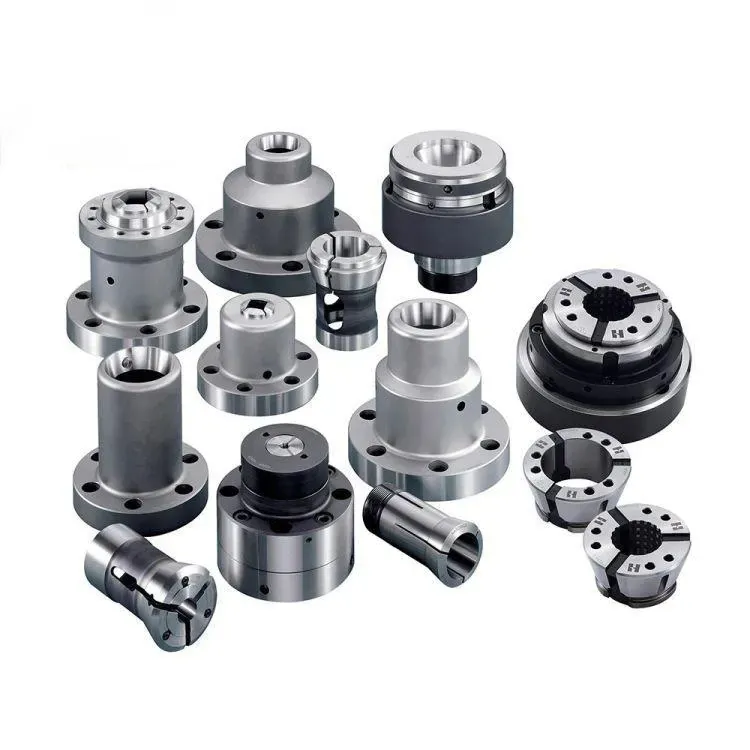
Wuxi Lead Precision Machinery delivers uncompromising precision for mission-critical components through advanced multi-axis machining and rigorous quality validation. Our core strength lies in mastering geometric complexity while maintaining micron-level accuracy across diverse materials, from aerospace-grade titanium to medical stainless steel. This capability is anchored by a modern fleet of 5-axis CNC machining centers, specifically DMG MORI CTX beta 1250 and MAZAK INTEGREX i-200S platforms. These systems integrate simultaneous 5-axis contouring with high-torque milling and turning capabilities, eliminating secondary operations and fixture-induced errors. The result is seamless production of organic contours, deep cavities, and intricate undercuts inherent in turbine blades, surgical implants, and fluid dynamics components. Machine tool stability is ensured through granite bases, linear motor drives, and real-time thermal compensation, achieving sub-micron repeatability in a climate-controlled production environment.

Quality assurance is non-negotiable. Every critical dimension undergoes verification via Zeiss CONTURA G2 Coordinate Measuring Machines (CMM) within our ISO 17025-accredited metrology lab. Our CMM protocol extends beyond simple pass/fail checks; it includes full 3D point-cloud analysis against CAD models, geometric dimensioning and tolerancing (GD&T) validation, and statistical process control (SPC) data logging. First-article inspections generate comprehensive reports with deviation heatmaps, while in-process checks monitor tool wear and thermal drift. This closed-loop system ensures conformance to AS9100 and ISO 13485 standards, providing traceable evidence for regulated industries. Material certifications, process parameters, and inspection records are digitally archived for full production transparency.

Achievable tolerances are material and geometry-dependent. The following table reflects our standard production capabilities under controlled conditions for features under 300 mm:

Feature Type Material Group Standard Tolerance Typical Capability
Linear Dimension Aluminum Alloys ±0.010 mm (±0.0004″) ±0.005 mm (±0.0002″)
Linear Dimension Steels & Stainless ±0.012 mm (±0.0005″) ±0.008 mm (±0.0003″)
Linear Dimension Titanium & Exotics ±0.015 mm (±0.0006″) ±0.010 mm (±0.0004″)
Geometric (Flatness) All Materials 0.020 mm (0.0008″) 0.010 mm (0.0004″)
Geometric (True Position) All Materials ±0.015 mm (±0.0006″) ±0.008 mm (±0.0003″)
Surface Finish (Ra) Machined 1.6 µm (63 µin) 0.8 µm (32 µin)

These specifications represent routinely achievable results for production volumes. Tighter tolerances are attainable through specialized fixturing, slow-step machining, or post-process honing upon engineering review. Our technical team collaborates early in the design phase to optimize manufacturability, ensuring your dimensional requirements align with cost-effective production. This proactive approach minimizes iterations and accelerates time-to-market for high-value components where precision directly impacts performance and safety. Wuxi Lead’s integrated technical ecosystem transforms complex CAD data into certified, ready-to-assemble parts—consistently.


Material & Finish Options

cnc on demand manufacturing

Material Selection in Precision CNC Machining: Aluminum, Steel, and Titanium

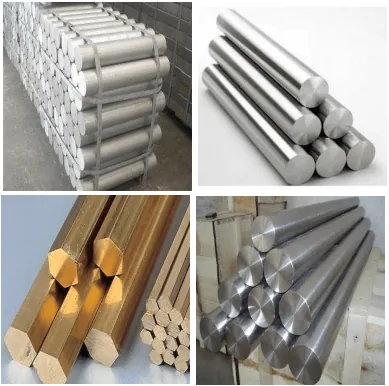
Selecting the right material for CNC machining is critical to ensuring performance, durability, and cost-efficiency in high-end manufacturing applications. At Wuxi Lead Precision Machinery, we specialize in precision CNC machining of aluminum, steel, and titanium—three of the most widely used engineering metals, each offering distinct mechanical properties and suitability for specific industries such as aerospace, medical, automotive, and industrial equipment.

Aluminum is favored for its excellent strength-to-weight ratio, corrosion resistance, and machinability. Grade 6061-T6 is commonly used in structural and enclosure applications due to its weldability and moderate strength. For higher performance demands, 7075-T6 offers superior strength, making it ideal for aerospace components. Aluminum’s low density and high thermal conductivity also make it suitable for heat sinks and lightweight assemblies.

Steel provides unmatched strength, hardness, and wear resistance. Among the most frequently machined variants are 4140 and 1018. 4140 alloy steel, with its high tensile strength and toughness, is often selected for shafts, gears, and tooling. 1018, a low-carbon steel, is easier to machine and is commonly used for jigs, fixtures, and general mechanical parts. For applications requiring corrosion resistance, stainless steel grades such as 304 and 316 are preferred, especially in medical and food processing environments.

Titanium, particularly Grade 5 (Ti-6Al-4V), delivers an exceptional strength-to-density ratio and outstanding resistance to extreme temperatures and corrosive environments. Its biocompatibility makes it a standard in medical implants, while its performance under stress renders it indispensable in aerospace and defense applications. Although titanium is more challenging to machine due to its low thermal conductivity and high reactivity, our advanced CNC systems and tooling strategies ensure dimensional accuracy and surface integrity.

Surface Finishes: Enhancing Performance with Anodizing

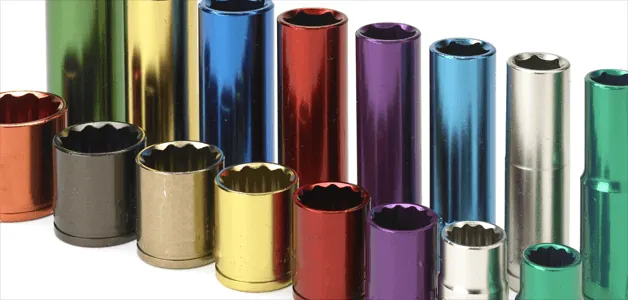
For aluminum components, anodizing is a key finishing process that enhances surface hardness, wear resistance, and corrosion protection. Type II (sulfuric acid) anodizing provides a durable, decorative finish with dyeing options, while Type III (hardcoat) anodizing produces a thicker, wear-resistant layer suitable for high-stress applications. Both types improve adhesion for paint and bonding agents, making them ideal for mission-critical parts.

The following table summarizes key mechanical properties and typical applications for commonly used materials:

Material Tensile Strength (MPa) Density (g/cm³) Key Properties Typical Applications
Aluminum 6061-T6 310 2.7 Lightweight, corrosion-resistant, weldable Enclosures, brackets, heat sinks
Aluminum 7075-T6 572 2.8 High strength, fatigue-resistant Aerospace structures, fittings
Steel 4140 655 7.85 High toughness, wear-resistant Shafts, gears, tooling
Steel 1018 440 7.87 Easy to machine, formable Jigs, fixtures, mechanical parts
Titanium Ti-6Al-4V 900 4.43 High strength-to-weight, corrosion-resistant Medical implants, aerospace components

At Wuxi Lead Precision Machinery, we support material selection with expert consultation, ensuring optimal performance and cost-efficiency for your CNC on-demand projects.


Manufacturing Process & QC

cnc on demand manufacturing

Precision CNC Production Process: Design to Zero Defects Manufacturing

At Wuxi Lead Precision Machinery, our end-to-end CNC production process is engineered for uncompromising quality and repeatability. We eliminate defects at origin through integrated digital workflows, transforming client concepts into flawless components. Every stage—from initial design to high-volume production—is governed by ISO 9001-certified protocols and real-time data analytics, ensuring zero deviations from specifications.

The process begins with collaborative design validation. Our engineering team conducts rigorous DFM analysis using Siemens NX software, identifying potential manufacturability risks before metal is cut. We simulate toolpaths, material stresses, and thermal dynamics to optimize geometry and tolerances. Clients receive annotated 3D models with actionable feedback, reducing iteration cycles by up to 40%. This phase establishes the digital twin that governs all subsequent production steps, embedding quality into the foundation.

Prototyping transitions seamlessly into our climate-controlled metrology lab. Using HAAS and DMG MORI 5-axis machining centers, we produce functional prototypes within 72 hours. Each prototype undergoes CMM inspection against the original CAD model, with full GD&T reporting. We validate material integrity through destructive testing when required, ensuring mechanical properties meet aerospace or medical standards. This stage is not merely validation—it is the critical rehearsal for mass production, where we calibrate machine parameters and finalize inspection checkpoints.

Mass production leverages our 40+ CNC workcells operating under centralized SPC monitoring. Every machine feeds live data to our MES platform, tracking tool wear, thermal drift, and positional accuracy. In-process inspections occur at predefined milestones via automated vision systems and touch-probe measurements. Final parts undergo 100% dimensional verification against first-article reports, with traceable material certifications and surface roughness validation. Our closed-loop correction system adjusts machining parameters in real time, maintaining tolerances regardless of batch size.

This relentless focus on process control delivers measurable outcomes. Below are key performance metrics from our recent automotive and medical device projects:

Parameter Industry Standard Wuxi Lead Precision Standard
Dimensional Tolerance ±0.01 mm ±0.002 mm
Surface Roughness (Ra) 1.6 μm 0.4 μm
Material Certification Mill Cert Only Full PMI + Traceability
First-Pass Yield 92-95% 99.8%
Lead Time (1000 pcs) 15-20 days 8-10 days

Zero defects are achieved through systemic vigilance—not inspection alone. By unifying design intelligence, prototyping rigor, and production analytics, we deliver components that perform identically in the first unit and the ten-thousandth. Partner with us to transform precision requirements into guaranteed outcomes.


Why Choose Wuxi Lead Precision

Partner with Lead Precision for Unmatched CNC Machining Excellence

At Wuxi Lead Precision Machinery, we understand that in high-performance industries such as aerospace, medical devices, automation, and advanced robotics, precision is not a luxury—it’s a requirement. When your project demands tight tolerances, superior surface finishes, and materials processed with absolute consistency, partnering with a trusted CNC machining provider becomes a strategic advantage. That advantage is Lead Precision.

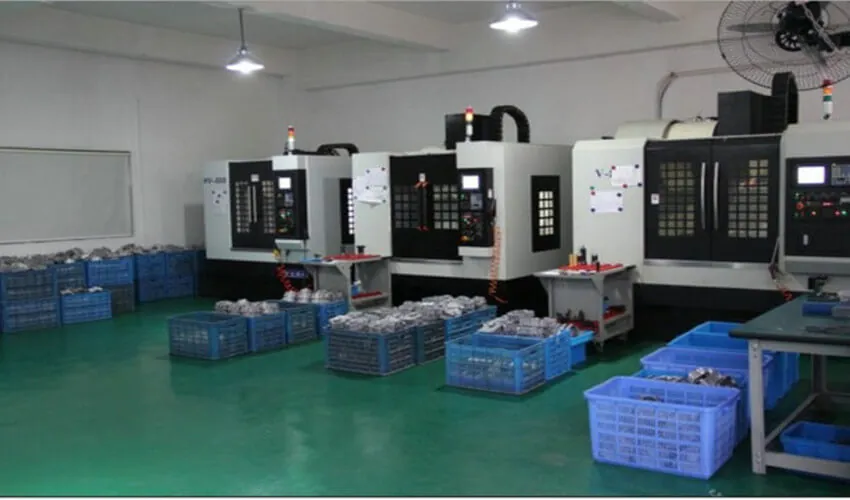
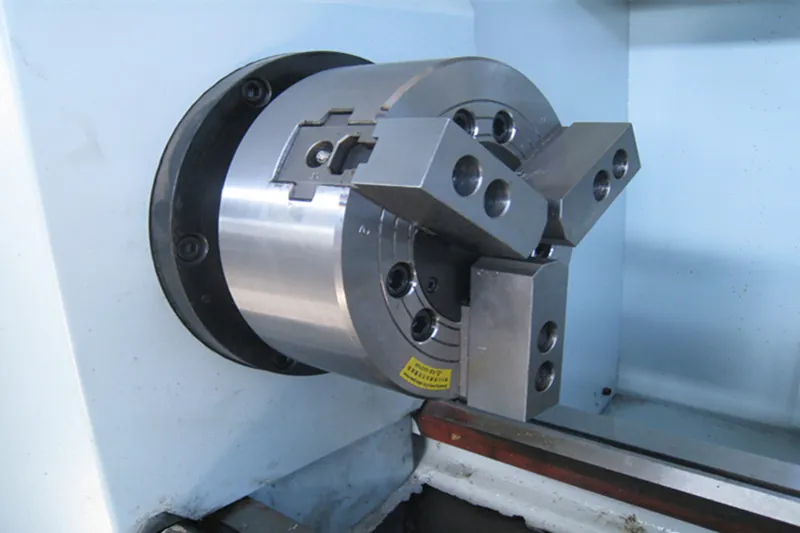
Our facility in Wuxi, China, is equipped with state-of-the-art CNC machining centers, including 3-axis, 4-axis, and 5-axis milling machines, high-speed turning centers, and multi-tasking lathes with live tooling. We combine advanced technology with decades of engineering expertise to deliver parts that meet the most stringent quality standards. Every component we produce undergoes rigorous inspection using coordinate measuring machines (CMM), optical comparators, and surface roughness testers, ensuring compliance with ISO 9001:2015 and customer-specific requirements.

We specialize in low to medium volume production runs, rapid prototyping, and on-demand manufacturing services tailored to your timeline. Whether you need a single precision-machined prototype or a recurring batch of complex components, our agile production system adapts to your needs without compromising on quality or delivery speed. Our team of experienced engineers collaborates closely with clients during the design-for-manufacturability phase to optimize part geometry, reduce costs, and accelerate time-to-market.

Our clients choose us not only for our technical capabilities but also for our commitment to transparency, communication, and long-term partnership. We provide real-time production updates, detailed inspection reports, and full material traceability. With Lead Precision, you gain more than a supplier—you gain a manufacturing ally invested in your product’s success.

Below are key technical specifications that define our CNC machining capabilities

Specification Capability
Machining Types 3-axis, 4-axis, 5-axis milling; CNC turning; Mill-turn with live tooling
Tolerances ±0.005 mm (±0.0002″) standard; tight tolerances upon request
Materials Aluminum (6061, 7075, etc.), Stainless Steel (303, 304, 316), Titanium, Brass, Copper, Plastics (PEEK, Delrin, Nylon)
Max Work Envelope 1200 x 800 x 600 mm (47 x 31.5 x 23.6 in)
Surface Finish As low as Ra 0.4 μm (16 μin); polished and anodized finishes available
Quality Standards ISO 9001:2015 certified, Full inspection reporting, First article inspection (FAI)
Lead Times Prototype: 5–7 days; Production: 10–15 days (varies by complexity and volume)

When you require CNC on demand with uncompromising precision, reliability, and responsiveness, trust Wuxi Lead Precision Machinery to deliver. Contact us today at [email protected] to discuss your project, request a quote, or schedule a virtual factory tour. Let’s build the future of precision manufacturing—together.


⚙️ Precision Cost Estimator

Estimate relative manufacturing effort based on tolerance.

Cnc On Demand Manufacturer | Precision CNC Guide

Contents of Table

Contact [email protected] Whatsapp 86 15951276160