Technical Contents
Engineering Guide: Best Mold For Silicone Casting
Engineering Insight The Critical Role of Precision in Silicone Casting Molds
Achieving flawless silicone castings demands absolute precision in mold fabrication. Silicone’s unique flow characteristics and curing behavior magnify even microscopic imperfections in the mold cavity surface. Sub-micron level deviations in dimensional accuracy or surface finish directly translate to part defects, compromised functionality, and unacceptable scrap rates in high-value applications. This is not merely about aesthetics; it impacts critical sealing surfaces, optical clarity, biocompatibility in medical devices, and the structural integrity of intricate aerospace components. The mold is the master, dictating the final product’s quality ceiling. Inferior tooling introduces variables that no post-processing can fully correct, eroding yield and escalating costs despite silicone’s inherent material advantages.
At Wuxi Lead Precision Machinery, we engineer molds to tolerances far exceeding industry norms, treating each cavity as a mission-critical component. Our CNC manufacturing processes, honed over decades serving demanding sectors, ensure geometric perfection and mirror-like finishes essential for premium silicone replication. This expertise isn’t theoretical; it’s proven under the most stringent global scrutiny. We delivered molds for components used in the Beijing Winter Olympics infrastructure, where extreme environmental resilience and zero-failure performance were mandatory. Similarly, our molds for specialized military applications undergo rigorous validation protocols, meeting exacting specifications where reliability is non-negotiable. This heritage defines our approach: we manufacture molds capable of producing thousands of flawless parts under continuous production pressure, not just prototypes.
The foundation lies in meticulous material selection and thermal management. Silicone casting generates significant heat during cure, demanding molds with exceptional thermal stability and conductivity to ensure uniform part cooling and prevent warpage or incomplete curing. Our engineering team selects and processes premium tool steels based on the specific silicone compound and production volume, optimizing for longevity and thermal response.
Material selection directly impacts mold performance and longevity. Key properties we prioritize include:
| Material Grade | Hardness (HRC) | Thermal Conductivity (W/m·K) | Key Application Focus | Typical Production Life (Cycles) |
|---|---|---|---|---|
| H13 Modified | 48-52 | 28-32 | High-volume production, complex geometries | 100,000+ |
| 420 Stainless | 50-54 | 22-26 | Medical/biocompatible parts, corrosive environments | 50,000+ |
| S7 Shock Resisting | 52-56 | 30-34 | High-impact applications, thin-wall features | 75,000+ |
Precision mold fabrication for silicone casting transcends basic metalwork. It requires deep material science understanding, advanced CNC capabilities, and an uncompromising commitment to dimensional integrity. Wuxi Lead Precision Machinery leverages its elite project experience – from Olympic venues to defense systems – to deliver molds that guarantee your silicone parts meet the highest functional and quality standards, batch after batch. Partner with us to transform your silicone casting challenges into a competitive advantage through engineering excellence.
Precision Specs & Tolerances
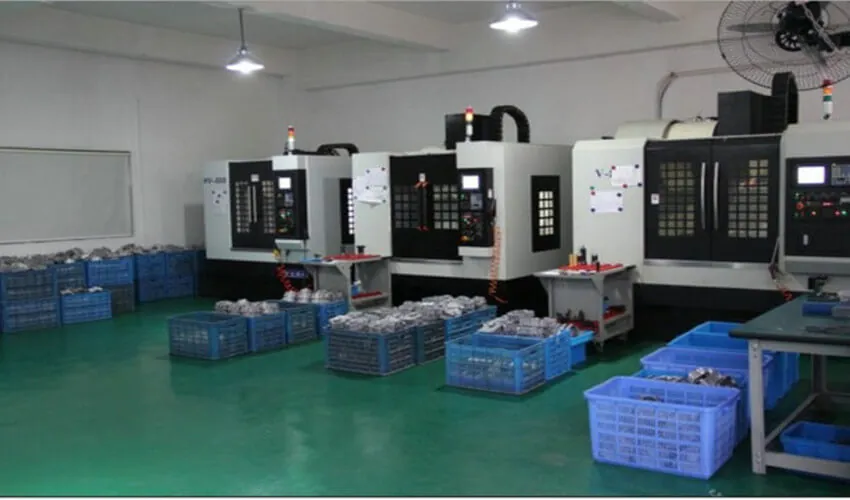
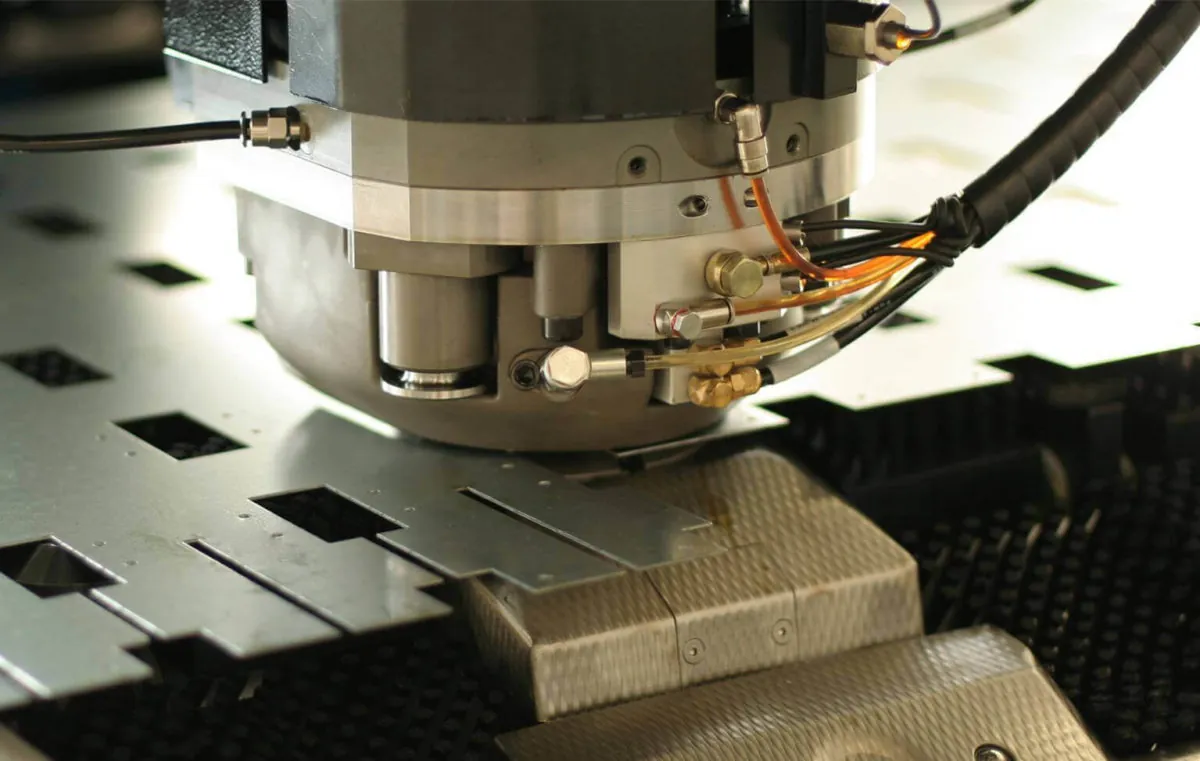
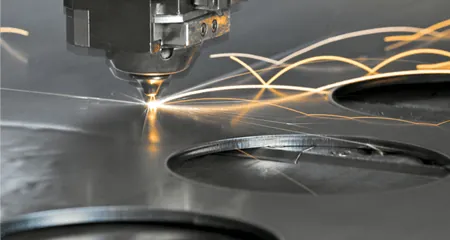
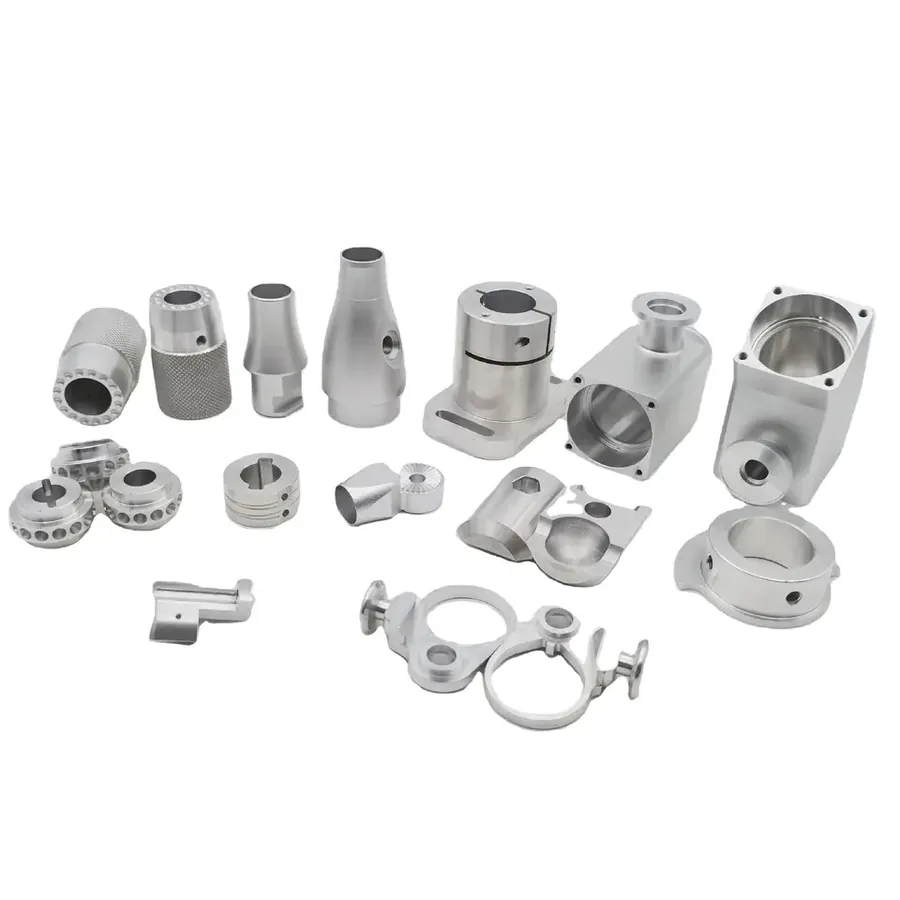
Wuxi Lead Precision Machinery delivers advanced technical capabilities in custom metal manufacturing, specializing in high-precision molds for silicone casting applications. Our expertise lies in transforming complex design requirements into fully functional, durable tooling solutions that ensure repeatability, accuracy, and superior surface finish. Central to our production workflow is the integration of 5-axis CNC machining technology, which enables us to produce intricate mold geometries with exceptional detail and consistency.
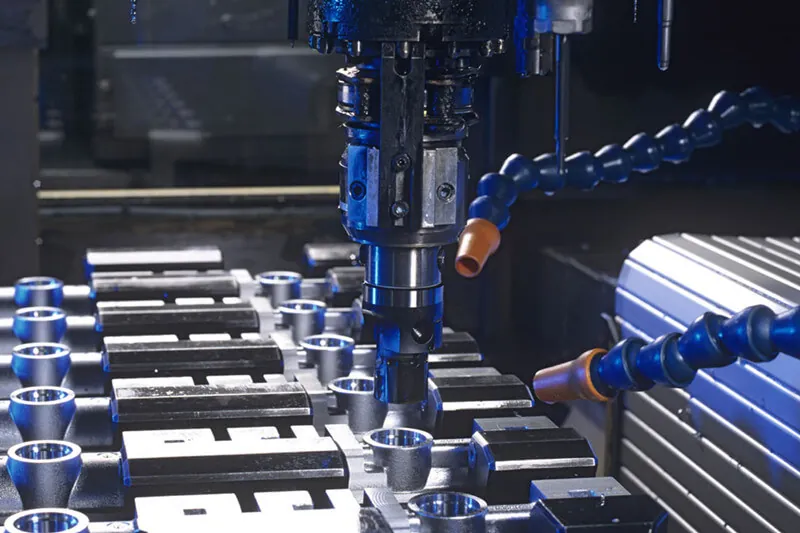
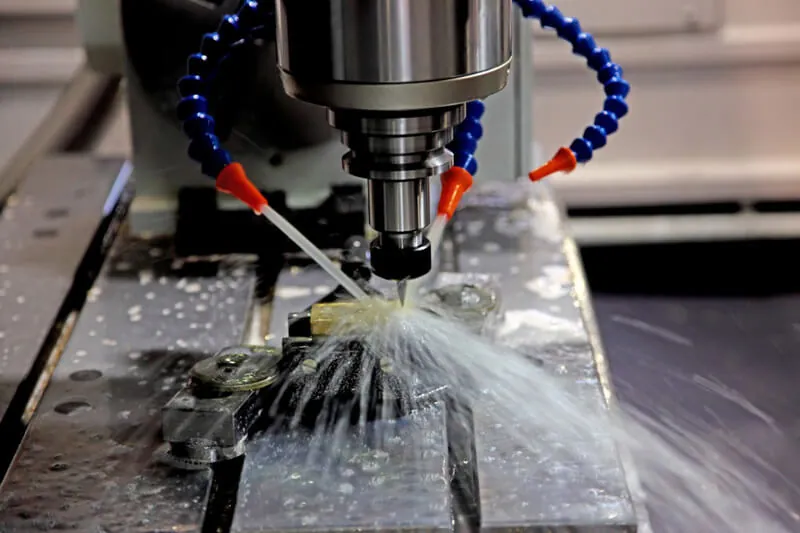
The 5-axis CNC machining process allows simultaneous movement across five axes, providing unparalleled access to complex contours and undercuts commonly found in silicone casting molds. This capability significantly reduces the need for multiple setups, minimizing human error and improving dimensional accuracy. Our machining centers are equipped with high-speed spindles and automated tool changers, ensuring efficient material removal rates while maintaining micron-level precision. We work with a range of mold materials, including hardened steels, aluminum alloys, and stainless tool steels, tailored to the specific thermal, mechanical, and chemical demands of the silicone casting process.
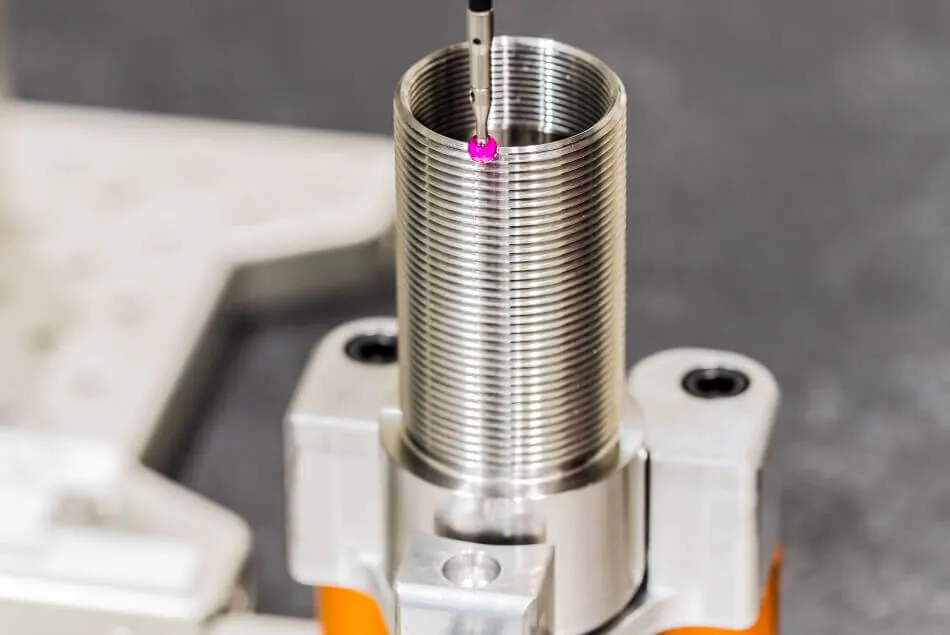
Quality control is embedded at every stage of production. All molds undergo comprehensive inspection using a Coordinate Measuring Machine (CMM), ensuring that every critical dimension conforms to the specified tolerances. The CMM system provides full 3D verification of part geometry, surface profiles, hole positions, and alignment features. This metrology-grade validation guarantees that molds meet the stringent requirements of medical, automotive, and consumer electronics industries, where silicone components must perform reliably under demanding conditions.
Our technical team collaborates closely with clients during the design-for-manufacturability (DFM) phase, offering engineering insights to optimize mold performance, cooling efficiency, ejection systems, and parting line integrity. This proactive approach reduces cycle times, enhances mold longevity, and minimizes post-processing requirements. Additionally, all molds are surface-finished to customer specifications, including polishing, texturing, or coating, to achieve the desired aesthetic and functional properties in the final silicone part.
We maintain full in-house control over the manufacturing process—from initial CAD/CAM programming to final assembly and testing—ensuring rapid turnaround and full traceability. Our facility adheres to ISO 9001 standards, reinforcing our commitment to quality, consistency, and continuous improvement in precision mold manufacturing.
The following table outlines the standard technical specifications and tolerances achievable with our 5-axis CNC and quality inspection systems:
| Specification | Capability |
|---|---|
| Positional Tolerance | ±0.005 mm |
| Linear Dimensional Tolerance | ±0.010 mm |
| Surface Roughness (Ra) | 0.2 – 0.8 µm (machined), down to 0.05 µm (polished) |
| Feature Repeatability | ±0.003 mm |
| Angular Accuracy | ±0.05° |
| Maximum Work Envelope (5-axis) | 1200 x 800 x 600 mm |
| CMM Measurement Accuracy | ±0.0025 mm (per ISO 10360) |
These capabilities position Wuxi Lead Precision Machinery as a trusted partner for high-end silicone casting mold solutions, combining cutting-edge technology with rigorous quality assurance to meet the evolving demands of global manufacturing industries.
Material & Finish Options
Material Selection for High-Performance Silicone Casting Molds
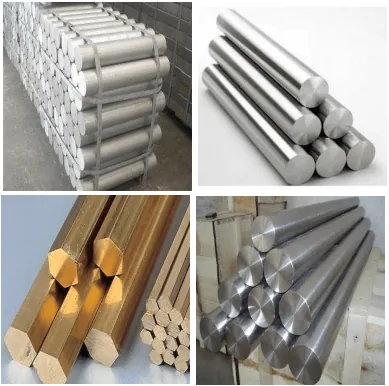
Selecting the optimal mold material is critical for achieving precision, longevity, and cost efficiency in silicone casting production. At Wuxi Lead Precision Machinery, our CNC expertise ensures molds meet exacting industrial standards. Material choice directly impacts thermal management, cycle life, surface finish, and suitability for specific silicone formulations and production volumes. Aluminum, steel, and titanium each offer distinct advantages requiring careful engineering analysis against your application parameters.
Aluminum alloys, particularly 6061-T6 and 7075-T6, are preferred for rapid prototyping and medium-volume production. Their exceptional thermal conductivity (approximately 167-180 W/mK) enables faster cycle times by efficiently dissipating heat during the exothermic curing process. This reduces part cooling time significantly. Aluminum is also highly machinable, allowing complex geometries and tight tolerances to be achieved cost-effectively with CNC milling. However, aluminum’s lower hardness necessitates protective surface treatments like anodizing for extended wear resistance against abrasive silicone compounds. It is ideal for applications prioritizing speed and lower initial tooling cost over extreme cycle counts.
Tool steels, including P20, H13, and 420 stainless steel, are the standard for high-volume, long-life production molds. These materials provide superior hardness (typically 28-50 HRC after heat treatment) and excellent resistance to thermal fatigue and wear. While thermal conductivity is lower than aluminum (around 25-35 W/mK for common grades), proper mold design with strategic cooling channels mitigates this. Steel molds withstand thousands to millions of cycles, maintain dimensional stability under repeated thermal cycling, and resist deformation under clamping pressure. They are essential for demanding applications involving aggressive silicones, high temperatures, or stringent surface finish requirements where minimal maintenance is critical.
Titanium alloys, primarily Ti-6Al-4V, serve specialized niches requiring exceptional corrosion resistance combined with high strength-to-weight ratio. Their biocompatibility makes them suitable for medical-grade silicone casting. Thermal conductivity is moderate (~7 W/mK), and machining is challenging, increasing initial cost. Titanium excels in environments with highly corrosive additives or where extreme weight reduction of large molds is necessary, though its use remains less common due to cost and fabrication complexity.
Anodizing is a vital surface enhancement for aluminum molds. Type II (sulfuric acid) anodizing provides basic corrosion resistance and a base for dyeing. For demanding silicone casting, Type III (hard coat) anodizing is essential. It creates a dense, wear-resistant aluminum oxide layer (50-100 μm thick) significantly improving surface hardness (up to 60 HRC equivalent), reducing galling, and enhancing release properties. This treatment is non-negotiable for aluminum molds exceeding low-volume prototyping.
Material performance characteristics are summarized below for key considerations:
| Material | Thermal Conductivity (W/mK) | Hardness (Typical) | Max Cycle Life (Est.) | Best Suited For |
|---|---|---|---|---|
| Aluminum 6061-T6 | 167 | 95 HB | 10,000 – 50,000 | Prototyping, Medium-volume runs |
| P20 Tool Steel | 28-36 | 28-32 HRC | 100,000 – 500,000+ | General high-volume production |
| 420 Stainless | 24-26 | 48-52 HRC | 500,000+ | Corrosive silicones, Medical |
| Ti-6Al-4V | 6.7 | 36 HRC | Varies (High) | Specialized corrosion/weight needs |
The optimal choice balances thermal requirements, production volume, part complexity, silicone chemistry, and total cost of ownership. Wuxi Lead Precision Machinery leverages advanced CNC machining and material science expertise to fabricate molds that maximize your silicone casting process efficiency and part quality. Consult our engineering team for a tailored solution.
Manufacturing Process & QC
Design excellence is the foundation of precision silicone casting molds. At Wuxi Lead Precision Machinery, every mold begins with a comprehensive design phase grounded in engineering rigor and material science. Our team collaborates closely with clients to analyze part geometry, shrinkage tolerances, gate positioning, and ejection mechanisms. Utilizing advanced 3D CAD software and finite element analysis (FEA), we simulate mold performance under real-world production conditions. This ensures optimal thermal distribution, minimal stress concentration, and long-term dimensional stability. Design validation includes mold flow analysis to predict filling patterns and identify potential air traps or weld lines, allowing preemptive correction before any metal is cut.
Once the digital model is approved, we proceed to prototyping—a critical step in achieving zero defects. Prototypes are manufactured using high-precision CNC machining, EDM, and surface grinding techniques, ensuring tolerances within ±0.002 mm. Materials such as H13 tool steel, S136 stainless steel, or 718H pre-hardened steel are selected based on production volume, chemical resistance, and thermal fatigue requirements. Each prototype mold undergoes rigorous functional testing with actual silicone compounds, enabling evaluation of part release, surface finish, and cycle time. Any deviations are traced back to the design or process parameters and corrected iteratively until consistent, defect-free output is achieved. This phase not only validates the mold but also fine-tunes processing conditions for seamless transition to mass production.
Mass production is executed on automated, monitored lines that integrate real-time quality control. Molds are installed on high-clamp-force hydraulic presses equipped with closed-loop control systems for injection pressure, temperature, and curing time. In-process inspection stations employ vision systems and laser micrometers to detect surface anomalies or dimensional drifts at sub-micron levels. Preventive maintenance schedules, backed by IoT-enabled sensors, monitor mold wear, cooling efficiency, and alignment to prevent unplanned downtime. Every mold is serialized and tracked through our ERP system, ensuring full traceability from raw material to final delivery.
Our commitment to zero defects is reinforced by statistical process control (SPC) and first-article inspection reports (FAIR) for every production batch. This systematic progression—from intelligent design to validated prototyping and controlled mass production—ensures that each mold delivers exceptional repeatability, longevity, and part quality.
| Specification | Detail |
|---|---|
| Tolerance Range | ±0.002 mm |
| Surface Finish | Ra 0.05–0.4 µm (polished to SPI standards) |
| Tool Steel Options | H13, S136, 718H, NAK80 |
| Mold Lifespan | Up to 1,000,000 cycles (depending on material and design) |
| Cooling Channel Design | Conformal or straight, CNC-drilled for uniform thermal control |
| Lead Time (Prototype) | 15–25 days |
| Lead Time (Production Mold) | 30–45 days |
| Quality Standards | ISO 9001:2015, PPAP, FAIR, SPC compliant |
Why Choose Wuxi Lead Precision
Elevate Your Silicone Casting Outcomes Through Precision Mold Partnership
Silicone casting success hinges on mold integrity. Substandard tooling introduces flash, parting lines, and dimensional drift—directly impacting yield rates and final product performance. At Wuxi Lead Precision Machinery, we engineer molds that eliminate these failures through CNC-machined accuracy and material science expertise. Our custom metal manufacturing process targets the exacting demands of medical, aerospace, and electronics sectors where silicone components must meet ISO 13485 or AS9100 standards. Generic mold suppliers cannot replicate the micron-level consistency required for complex geometries under high-cycle production.
We deploy HAAS UMC-750 5-axis machining centers with sub-micron repeatability to fabricate molds from premium tool steels. Each cavity and core undergoes iterative CMM verification against your CAD data, ensuring ±0.005mm tolerances across multi-cavity configurations. Our proprietary heat treatment protocols for H13 and S136 steels deliver 50+ HRC surface hardness while maintaining thermal stability at 300°C—critical for resisting silicone’s aggressive flow during injection. Unlike competitors using soft aluminum prototypes, we deliver production-ready tooling in 25 days average lead time, slashing your time-to-market.
Technical Specifications for Silicone Casting Molds
| Parameter | Specification | Industry Standard |
|---|---|---|
| Surface Finish | Ra 0.05 μm (Mirror Polish) | Ra 0.2–0.8 μm |
| Dimensional Tolerance | ±0.005 mm | ±0.02–0.05 mm |
| Material Options | H13 (Hardened), S136 ESR, 420SS | P20, Aluminum |
| Thermal Stability | 300°C Continuous Exposure | 150–200°C |
| Lead Time | 20–28 Days (Complex Multi-Cavity) | 35–60+ Days |
This precision translates to zero flash on critical sealing surfaces, 99.2% first-pass yield in validation runs, and 500,000+ cycle longevity. We collaborate from DFM review through mold validation, providing full metrology reports and process optimization for your specific silicone compound. Our molds integrate seamlessly with liquid injection molding (LIM) systems while reducing material waste by 18% through optimized runner design.
Partner with Wuxi Lead Precision Machinery to convert casting challenges into competitive advantage. Our engineering team will conduct a complimentary mold performance audit against your current failure metrics. Submit your part drawings and production requirements to Contact [email protected] within 48 hours to receive a validated tolerance analysis and cost-per-part projection. Let us prove why global leaders in medical device manufacturing trust our molds for mission-critical silicone components. Your next production cycle demands this level of precision—initiate the conversation today.
⚙️ Precision Cost Estimator
Estimate relative manufacturing effort based on tolerance.