Technical Contents
Engineering Guide: Silicone Mold Makers
Engineering Insight: The Critical Role of Precision in Silicone Mold Making
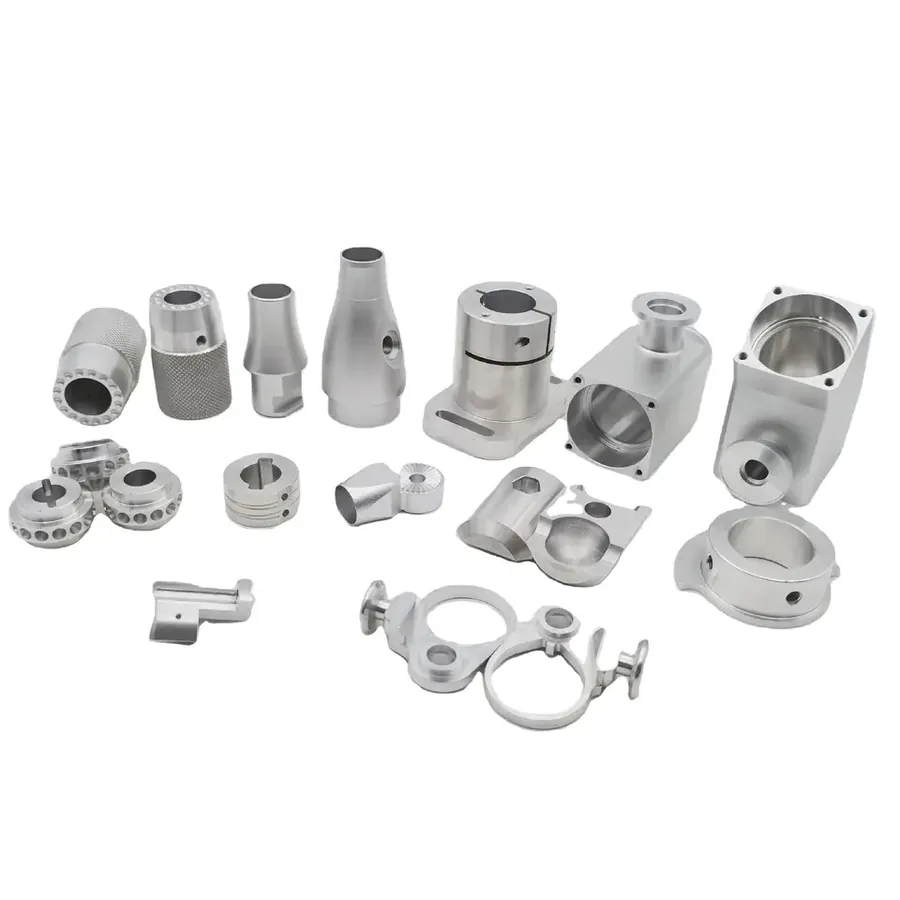
In the field of custom metal manufacturing, silicone mold making stands at the intersection of advanced engineering and exacting craftsmanship. These molds are not merely tools—they are precision instruments that define the dimensional accuracy, surface finish, and repeatability of the final silicone components used across aerospace, medical devices, automotive systems, and high-performance consumer goods. At Wuxi Lead Precision Machinery, we understand that even a deviation of a few microns can compromise the integrity of a mold, leading to part failure, production delays, and increased costs. This is why precision is not a target—it is a standard.
Silicone mold making demands an uncompromising approach to tolerances, material selection, and thermal stability. The mold must withstand repeated cycles of heating and cooling while maintaining its geometric fidelity. Any inconsistency in cavity wall thickness, parting line alignment, or venting geometry can result in flash, incomplete fills, or warpage in the final silicone product. This level of consistency is only achievable through CNC-machined tooling fabricated with micron-level accuracy, supported by rigorous quality control protocols.
Our experience at Wuxi Lead Precision Machinery spans over a decade of delivering mission-critical components for applications where failure is not an option. We have engineered tooling and metal components for projects aligned with Olympic-standard equipment and military-grade systems—environments where performance under stress is non-negotiable. These experiences have sharpened our understanding of what it takes to produce molds that perform reliably under extreme conditions. The same engineering rigor applied to defense and elite sports technology is brought to every silicone mold we manufacture.
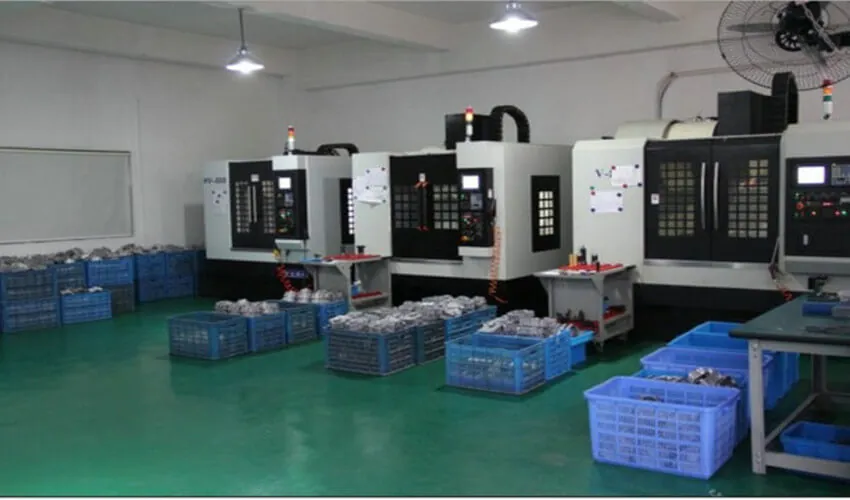
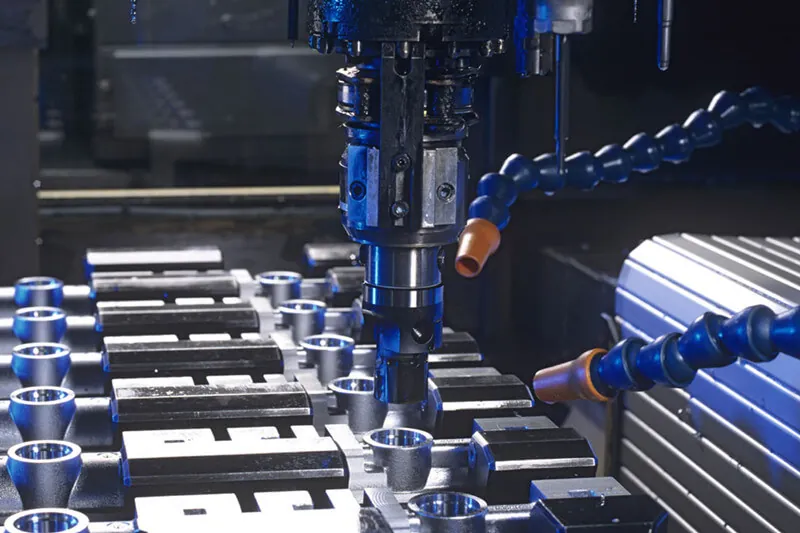
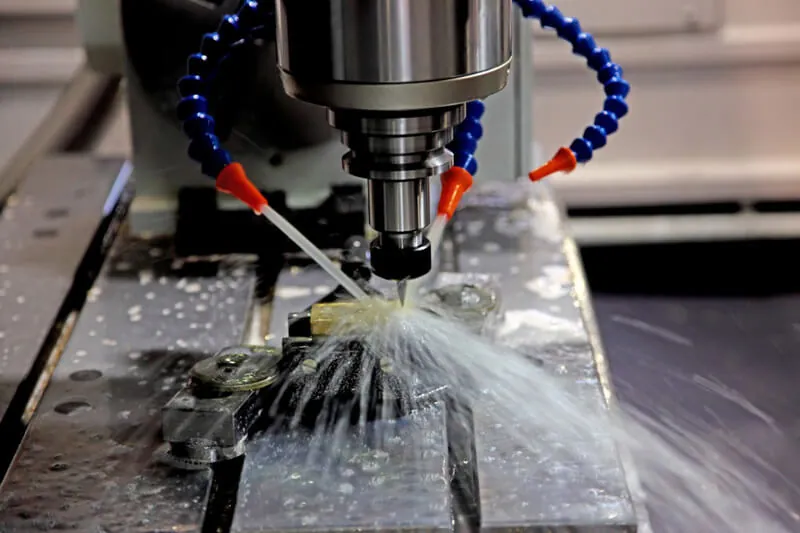
Our in-house capabilities include 5-axis CNC machining, wire EDM, and CMM-based inspection systems, ensuring that every mold cavity, core, and ejector pin is machined to exact specifications. We work with high-grade tool steels such as H13, P20, and 1.2343, selected for their thermal conductivity, hardness, and resistance to degradation over thousands of cycles. Surface finishes are controlled to Ra values as low as 0.05 µm, enabling clean demolding and superior part aesthetics.
Below are key specifications that define our precision standards in silicone mold manufacturing:
| Specification | Capability |
|---|---|
| Tolerance Range | ±0.002 mm |
| Surface Finish (Ra) | 0.05 – 0.8 µm |
| Maximum Mold Size | 800 x 600 x 500 mm |
| Materials | H13, P20, 1.2343, Stainless Steel |
| Machining Methods | 5-Axis CNC, Wire EDM, High-Speed Milling |
| Inspection Tools | CMM, Optical Comparator, Laser Scanning |
At Wuxi Lead Precision Machinery, we treat every silicone mold as a high-integrity system. Our engineering team collaborates closely with clients to optimize mold design for manufacturability, cycle time, and longevity. Precision is not just measured in microns—it is proven in performance.
Precision Specs & Tolerances
Technical Capabilities for Precision Silicone Mold Manufacturing
Wuxi Lead Precision Machinery delivers uncompromising technical execution for high-complexity silicone mold production. Our integrated manufacturing ecosystem combines advanced multi-axis machining with metrology-grade quality control, specifically engineered to meet the stringent demands of medical, aerospace, and optical silicone applications where cavity geometry and surface integrity directly impact final part performance.
Our core machining capability centers on state-of-the-art 5-axis CNC milling centers from DMG MORI and Makino, featuring high-speed spindles (30,000 RPM), rigid thermal compensation systems, and vacuum chucking for distortion-free workholding. This enables single-setup machining of intricate mold cores, cavities, and electrode geometries with continuous 5-axis interpolation, eliminating manual repositioning errors and ensuring perfect feature alignment. Critical for silicone molds, our machines achieve mirror finishes (Ra ≤ 0.05 µm) on hardened tool steels (HRC 52-58) and aluminum alloys through optimized toolpath strategies and diamond-coated cutters, minimizing post-polishing requirements and extending mold service life.
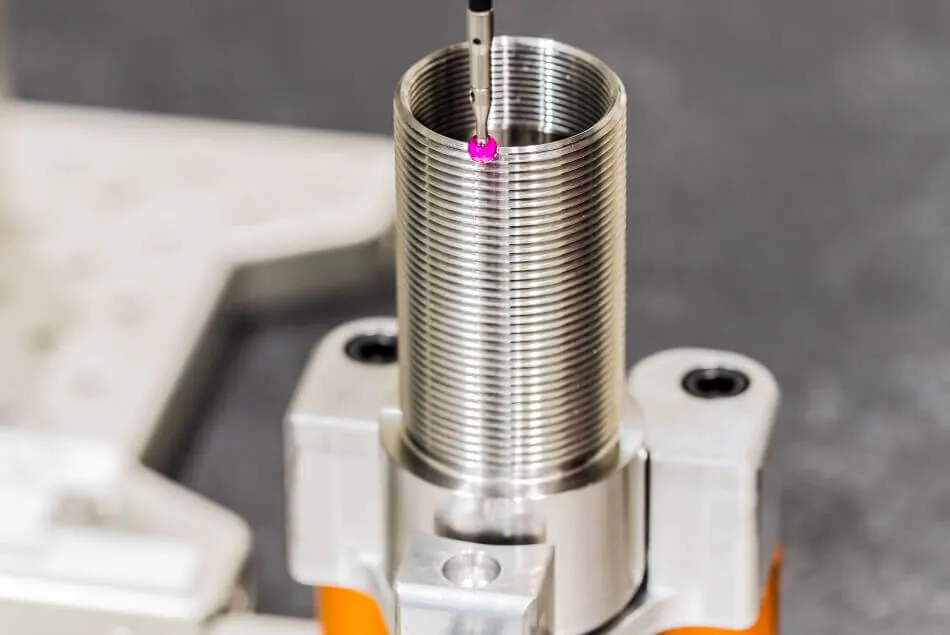
Quality assurance is non-negotiable in silicone molding. Every component undergoes full CMM inspection using Zeiss CONTURA systems with 0.5 µm volumetric accuracy, validating all critical dimensions against 3D CAD models per ISO 10360-2 standards. Our inspection protocol includes comprehensive GD&T analysis, surface contour mapping, and first-article reporting with full traceability to raw material certifications. This closed-loop process guarantees dimensional stability across production runs, preventing costly silicone part defects such as flash, incomplete filling, or dimensional drift.
The following table details our certified machining tolerances for silicone mold components:
| Specification Category | Standard Capability | Tight Tolerance Option | Measurement Standard |
|---|---|---|---|
| Positional Tolerance | ±0.010 mm | ±0.005 mm | ISO 2768-mK |
| Linear Dimension | ±0.015 mm | ±0.008 mm | ISO 286-2 |
| Geometric Tolerance (Flatness) | 0.010 mm / 100 mm | 0.005 mm / 100 mm | ISO 1101 |
| Surface Roughness (Milled) | Ra 0.4 µm | Ra 0.05 µm | ISO 4287 |
| Surface Roughness (Polished) | Ra 0.1 µm | Ra 0.025 µm | ISO 25178 |
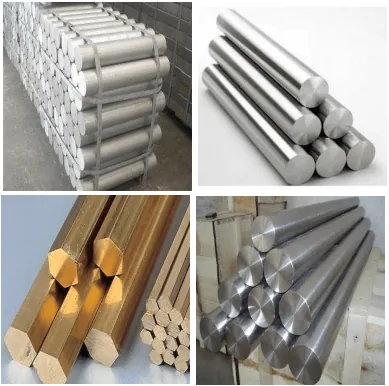
Material versatility underpins our process reliability. We machine all standard mold alloys including P20, H13, S136, 1.2344, and aluminum 7075-T6, with specialized protocols for abrasive-filled composites and copper alloys used in rapid-heat-cycle molds. Each job leverages our in-house heat treatment monitoring and stress-relief sequencing to prevent post-machining distortion.
Wuxi Lead’s technical infrastructure ensures your silicone molds achieve zero scrap rates in production. From initial cavity milling to final inspection, we maintain process capability indices (Cp/Cpk) ≥ 1.67 on critical features, providing the dimensional certainty required for high-value silicone components. Partner with us for molds that deliver consistent part quality, extended cycle life, and immediate production readiness.
Material & Finish Options
When producing high-precision silicone molds, material selection is a critical determinant of performance, longevity, and cost-efficiency. At Wuxi Lead Precision Machinery, we specialize in custom metal manufacturing solutions tailored to the exacting demands of silicone mold makers. The choice between aluminum, steel, and titanium depends on production volume, part complexity, thermal requirements, and surface finish needs. Each material offers distinct advantages, and selecting the right one ensures optimal mold life and replication accuracy.
Aluminum is widely used for prototyping and low-to-medium volume production due to its excellent thermal conductivity and machinability. It allows for rapid heat dissipation, which improves cycle times in silicone molding processes. Its lightweight nature also reduces handling strain and machine load. While not as wear-resistant as steel, modern aluminum alloys—particularly 7075 and 6061—offer sufficient durability for many applications when properly treated.
Steel, especially tool steels like H13, P20, and 1.2344, is the preferred choice for high-volume silicone molding. It provides superior hardness, wear resistance, and dimensional stability under repeated thermal cycling. Steel molds maintain edge definition and surface integrity over thousands of cycles, making them ideal for complex geometries and tight-tolerance parts. While slower to machine and more costly upfront, steel’s longevity often results in lower cost-per-part over time.
Titanium is less common but offers unique benefits in specialized applications. With exceptional strength-to-density ratio and corrosion resistance, it is suitable for molds exposed to aggressive release agents or high-temperature environments. Its biocompatibility also makes it favorable in medical-grade silicone molding. However, titanium’s high cost and challenging machinability limit its use to niche, performance-critical scenarios.
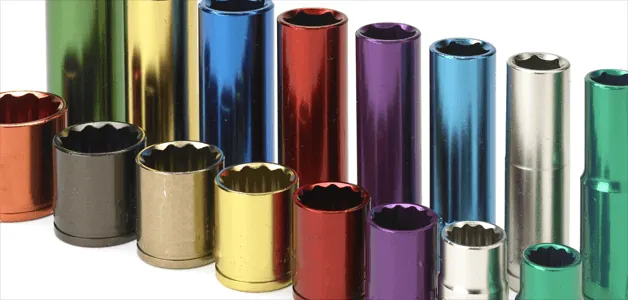
Surface finish plays a pivotal role in part release, surface quality, and maintenance. Anodizing is a highly effective post-processing option for aluminum molds. It enhances surface hardness, improves wear resistance, and provides a non-stick oxide layer that reduces silicone adhesion. Hard anodizing (Type III) can achieve coating thicknesses of 25–50 µm with hardness up to 600 HV, significantly extending mold life. For steel molds, alternatives such as nitriding or chrome plating are typically used, though anodizing is not applicable.
Below is a comparative overview of key material properties relevant to silicone mold making.
| Material | Hardness (HB) | Thermal Conductivity (W/m·K) | Typical Mold Life (cycles) | Common Finishes | Best Use Case |
|---|---|---|---|---|---|
| Aluminum (6061) | 95 HB | 167 | 10,000 – 50,000 | Anodizing, Polishing | Prototyping, low-volume runs |
| Steel (H13) | 230 HB | 36 | 100,000+ | Nitriding, Chrome Plating | High-volume, complex molds |
| Titanium (Gr5) | 330 HB | 7.2 | 50,000 – 80,000 | Passivation, Coating | Corrosive environments, medical |
At Wuxi Lead Precision Machinery, we support silicone mold makers with expert material consultation and precision machining to ensure your molds meet both performance and economic targets.
Manufacturing Process & QC
Precision Manufacturing Process for Silicone Mold Excellence
At Wuxi Lead Precision Machinery, we execute a rigorously controlled production workflow designed exclusively for high-integrity silicone mold manufacturing. Our Zero Defects philosophy is embedded at every stage—from initial design through to mass production—to eliminate rework risks and ensure mold longevity under demanding curing cycles.
The process begins with collaborative engineering design. Our team utilizes Siemens NX CAD/CAM software to develop 3D models incorporating critical factors like thermal expansion coefficients, gate positioning, and cooling channel optimization specific to silicone’s unique flow properties. Finite Element Analysis (FEA) validates structural integrity under injection pressures up to 150 MPa, while Geometric Dimensioning and Tolerancing (GD&T) ensures cavity surfaces meet ISO 2768-mK standards. Client sign-off occurs only after comprehensive design review, including mold-flow simulation reports confirming uniform material distribution.
Prototyping transitions design into physical validation. We machine prototype cavities using the exact toolpaths and hardened P20 or H13 steel grades destined for production, eliminating material-variable discrepancies. Each prototype undergoes 100% CMM inspection against nominal CAD data, with critical surfaces verified to ±0.005 mm accuracy. Functional testing includes silicone injection trials at client-specified temperatures (150°C–220°C) to assess release characteristics, flash formation, and cycle stability. Only molds passing first-article approval—certified via ISO/IEC 17025-accredited reports—advance to full production.
Mass production leverages our automated manufacturing cells to sustain Zero Defects output. All cavities are machined on DMG MORI 5-axis centers with Renishaw probing for in-process gauging, maintaining thermal stability within ±0.5°C. Statistical Process Control (SPC) monitors key parameters like surface roughness (Ra 0.05–0.2 µm) and dimensional drift in real time. Every finished mold receives full coordinate measurement, including 3D surface deviation mapping against nominal geometry. Final validation includes a 24-hour thermal cycling test simulating 10,000+ production shots, with documentation traceable to individual machine logs and operator certifications.
This integrated approach guarantees molds deliver consistent part quality across lifespans exceeding 500,000 cycles. The table below summarizes critical production specifications:
| Parameter | Specification | Verification Method |
|---|---|---|
| Dimensional Tolerance | ±0.002 mm (critical features) | Zeiss CONTURA CMM |
| Surface Roughness | Ra 0.05 µm (cavity/core) | Mitutoyo SJ-410 Profilometer |
| Thermal Stability | ±0.5°C during machining | Infrared Thermal Imaging |
| Hardness Uniformity | 48–52 HRC (H13 steel) | Wilson Hardness Tester |
| First-Pass Yield Rate | ≥ 99.85% | SPC Dashboard Monitoring |
Wuxi Lead’s process transforms design intent into production reality with uncompromising repeatability. By anchoring each phase in data-driven validation, we ensure your silicone molds perform flawlessly from the first shot to the final cycle—maximizing uptime and minimizing total cost of ownership.
Why Choose Wuxi Lead Precision
Partner with Lead Precision for Precision-Engineered Solutions in Silicone Mold Manufacturing
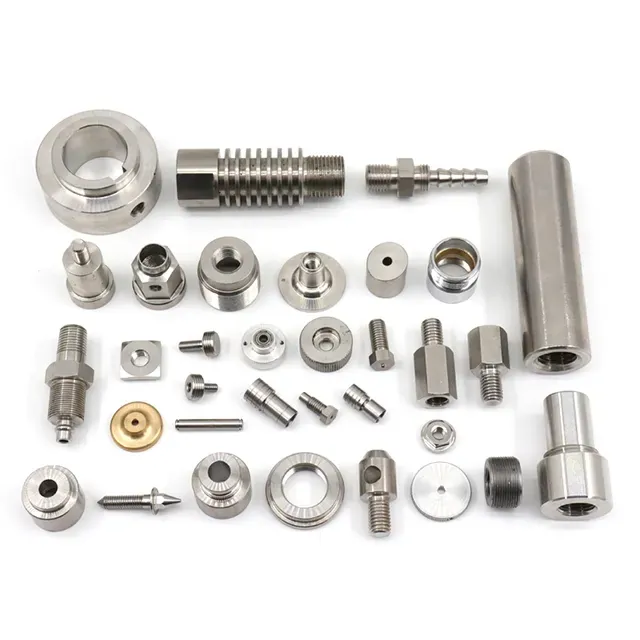
At Wuxi Lead Precision Machinery, we understand the exacting demands of high-performance silicone mold making. As a leading custom metal manufacturing partner based in China, we specialize in delivering CNC-machined components that meet the tight tolerances, complex geometries, and superior surface finishes required in advanced molding applications. Our engineering expertise, combined with state-of-the-art machining technology, ensures that every mold base, cavity block, and precision insert we produce contributes directly to your production efficiency and product quality.
Silicone molding is not just about shaping material—it’s about consistency, repeatability, and thermal stability under high-pressure cycles. That’s why our manufacturing process integrates high-grade tool steels and aluminum alloys, precision CNC milling, wire EDM, and advanced surface treatments tailored to your mold’s operational environment. Whether you’re producing medical-grade silicone components, automotive seals, or consumer electronics parts, our team collaborates closely with your engineers to optimize design for manufacturability, reduce cycle times, and extend mold service life.
We serve global mold makers who require a reliable, responsive, and technically capable partner. Our ISO 9001-certified facility runs on a foundation of continuous improvement, real-time quality monitoring, and full traceability—from raw material sourcing to final inspection. Every component is verified using CMM, optical measurement systems, and 3D scanning to ensure dimensional accuracy down to ±0.002 mm.
Our commitment goes beyond machining. We offer integrated project management, rapid prototyping, and scalable production runs to support your development timeline and volume requirements. With short lead times, agile communication, and English-speaking engineering support, we bridge the gap between design intent and physical performance.
When you partner with Wuxi Lead Precision Machinery, you gain more than a supplier—you gain a precision manufacturing ally focused on your success.
| Specification | Capability |
|---|---|
| Machining Processes | 3-axis to 5-axis CNC milling, CNC turning, Wire EDM, Surface & CNC grinding |
| Materials | P20, 718H, NAK80, S136, H13 tool steels; Aluminum 6061, 7075; Stainless steels; Brass; Copper alloys |
| Tolerance | Standard: ±0.005 mm, Precision: ±0.002 mm |
| Surface Finish | Ra 0.1 μm to Ra 1.6 μm (polishing up to mirror finish available) |
| Max Work Envelope | 1200 x 800 x 600 mm (CNC milling), 400 x 300 x 250 mm (EDM) |
| Quality Standards | ISO 9001:2015, Full inspection reports, First article inspection (FAI), PPAP available |
| Lead Time | Prototype: 7–12 days; Production: 15–25 days (varies by complexity) |
Contact us today to discuss your next silicone mold project. Our engineering team is ready to review your CAD models, provide DFM feedback, and deliver precision components that elevate your mold performance.
Email us at [email protected] and discover how Wuxi Lead Precision Machinery can become your trusted manufacturing partner in China.
⚙️ Precision Cost Estimator
Estimate relative manufacturing effort based on tolerance.