Technical Contents
Engineering Guide: Plastic Prototype Companies

Engineering Insight: The Critical Role of Precision in Plastic Prototype Development
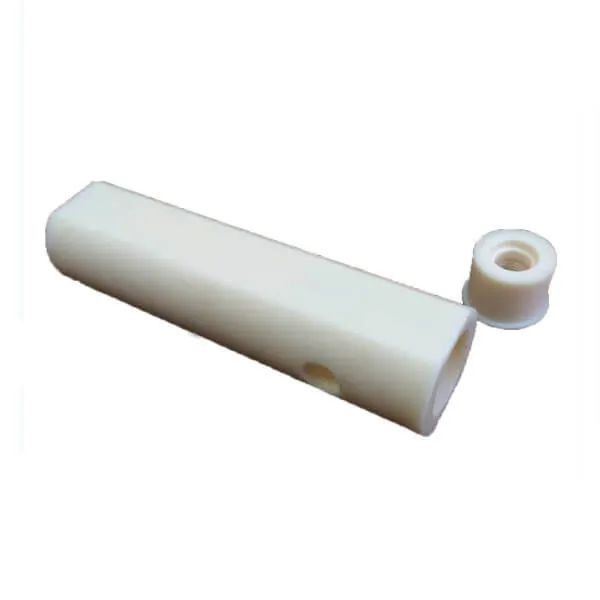
In the realm of advanced manufacturing, plastic prototype companies operate at the intersection of innovation and execution. While plastics offer design flexibility and rapid iteration, the success of any prototype—especially in mission-critical industries—hinges on dimensional accuracy, material consistency, and repeatability. At Wuxi Lead Precision Machinery, we understand that even the most conceptually sound designs can fail without precision engineering at the core of prototype development.
Precision is not merely a performance metric—it is a foundational requirement. In sectors such as aerospace, defense, and medical technology, plastic prototypes must meet exacting tolerances to ensure compatibility with metal components, proper fit during assembly, and reliable performance under stress. A deviation of even 0.02 millimeters can result in functional failure, costly redesigns, or delays in time-to-market. This level of exactness demands more than advanced machinery; it requires deep engineering insight, rigorous process control, and a culture of quality that permeates every stage of production.
At Wuxi Lead, our expertise in custom metal manufacturing directly informs our approach to supporting plastic prototype development. While we specialize in high-tolerance CNC machining of aluminum, stainless steel, and titanium, our components frequently interface with plastic assemblies—molds, housings, fixtures, and structural supports. Our experience supplying precision parts for Olympic-standard equipment and military-grade systems has instilled a zero-compromise mindset. These applications demand resilience under extreme conditions, where material behavior, thermal expansion, and load distribution must be anticipated and engineered for with absolute precision.
This cross-disciplinary experience enables us to collaborate effectively with plastic prototype companies, offering not just parts, but engineered solutions. Whether fabricating mold cores for injection-molded prototypes or producing alignment fixtures for rapid iteration, our processes are calibrated to ensure seamless integration between metal and plastic elements. Our facility operates under ISO 13485 and ISO 9001 standards, with in-house metrology labs employing CMM and laser scanning to verify compliance down to micron-level tolerances.
Below are key performance specifications that define our manufacturing capabilities:
| Specification | Capability |
|---|---|
| Machining Tolerance | ±0.002 mm |
| Material Range | Aluminum 6061/7075, Stainless Steel 303/316, Titanium Grade 5, Brass |
| Max Work Envelope | 1200 x 800 x 650 mm |
| Surface Finish | Ra 0.4 µm (standard), down to Ra 0.1 µm (polished) |
| Quality Standards | ISO 9001, ISO 13485, Military-Grade Inspection Protocols |
| Lead Time | 7–15 days (prototype), scalable to batch production |
Precision in plastic prototyping cannot be achieved in isolation. It requires a partner with proven engineering discipline, advanced capabilities, and a track record in high-stakes applications. Wuxi Lead Precision Machinery brings all three—ensuring that every prototype, whether metal or plastic, meets the highest standards of performance and reliability.
Precision Specs & Tolerances

Technical Capabilities: Precision Metal Components for Advanced Prototyping
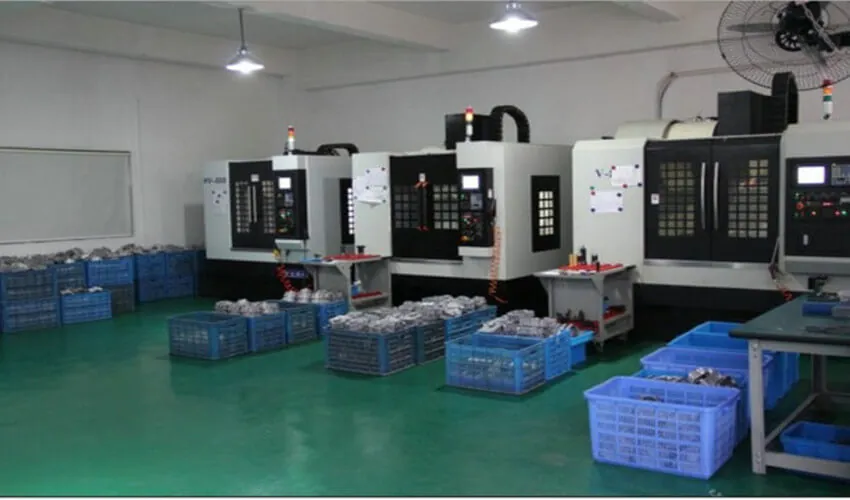
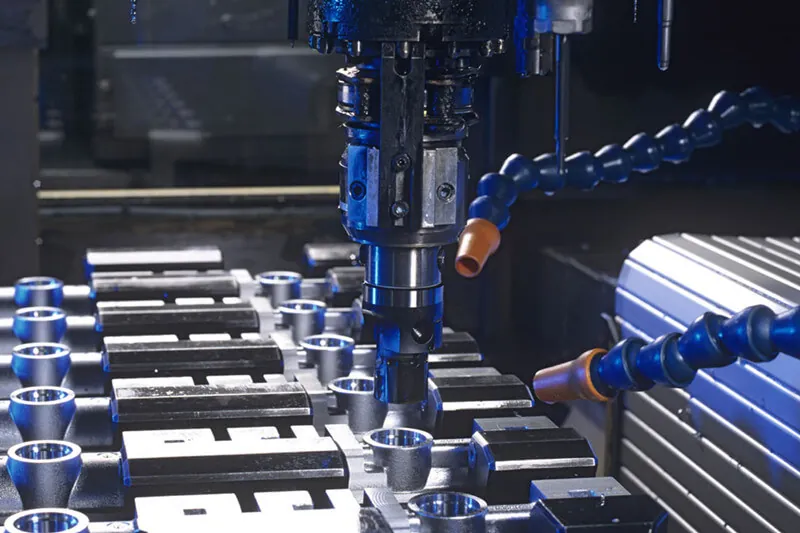
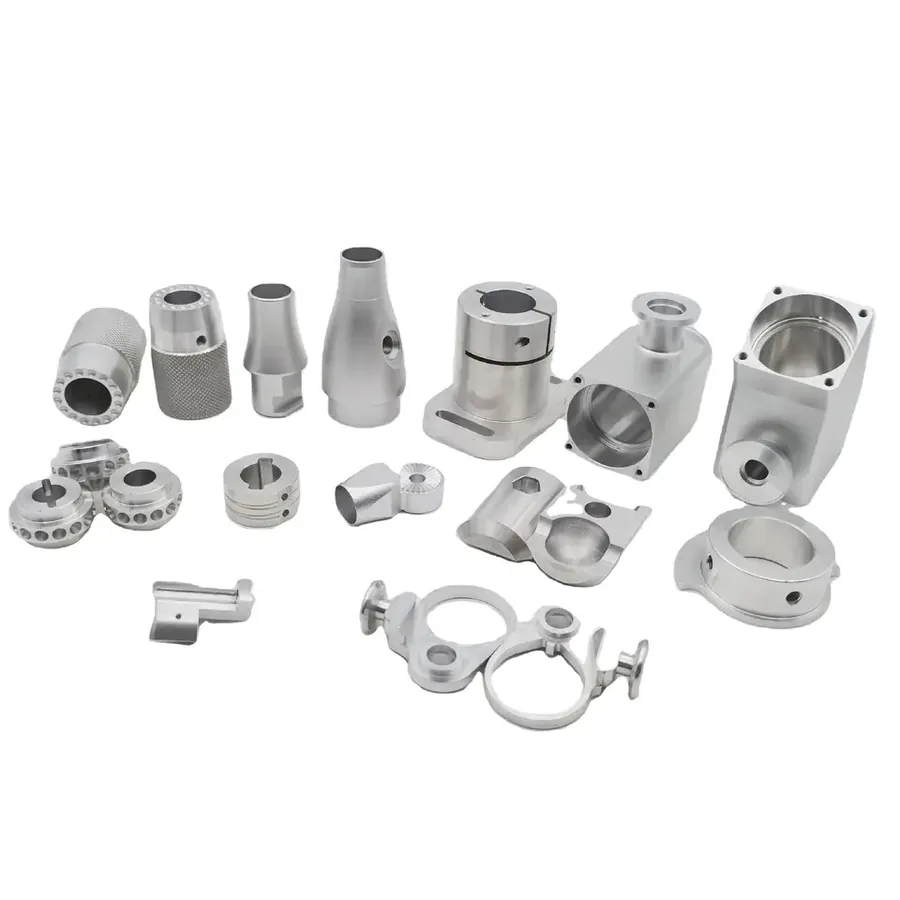
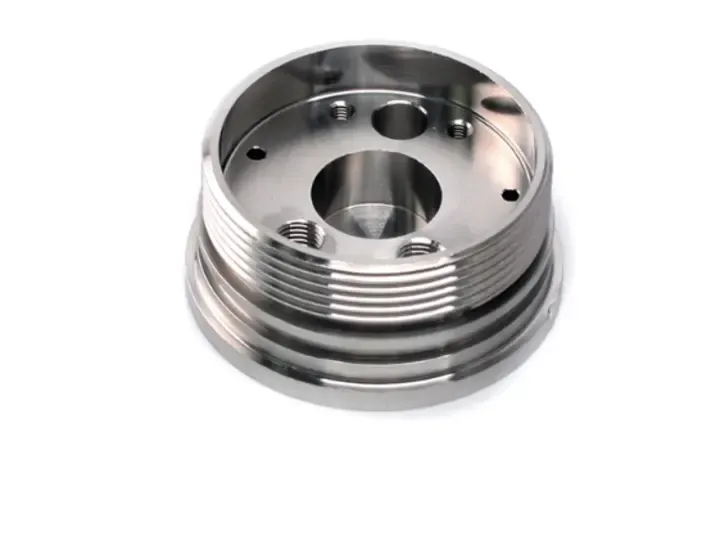
Wuxi Lead Precision Machinery delivers critical metal components essential for high-fidelity plastic prototypes. Our core strength lies in advanced 5-axis CNC machining, specifically engineered to meet the demanding geometric and tolerance requirements inherent in modern prototyping workflows. This capability is fundamental for producing complex mold cores, cavities, precision fixtures, and functional metal sub-assemblies that directly interface with plastic parts during development and testing phases. We understand that prototype integrity hinges on the dimensional accuracy and surface finish of these supporting metal elements.
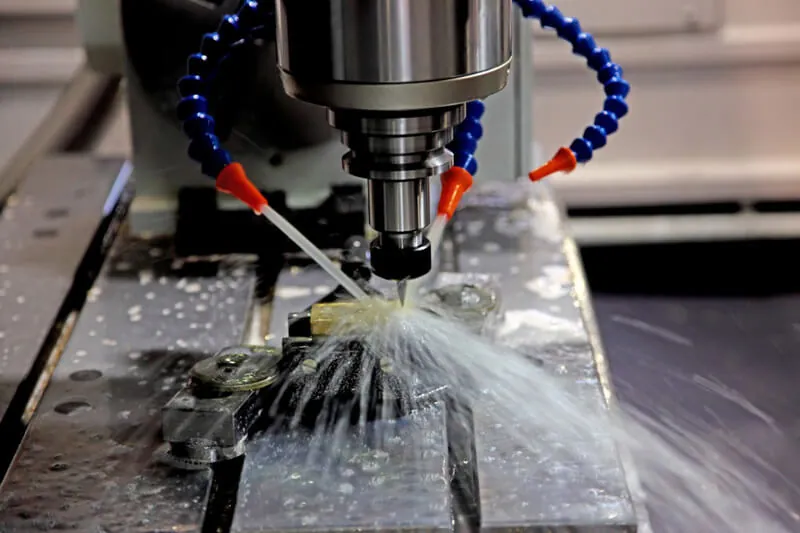
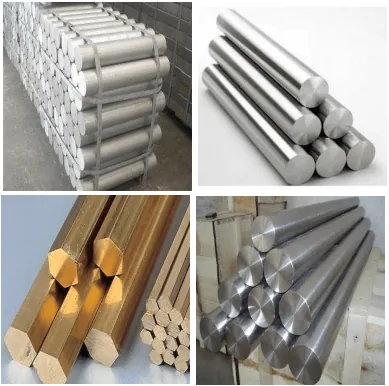
Our fleet of state-of-the-art 5-axis CNC machining centers enables the production of highly intricate geometries in a single setup. This eliminates cumulative errors from multiple fixtures, significantly improving part accuracy and repeatability while reducing lead times. Simultaneous 5-axis motion allows us to machine complex organic shapes, deep cavities, undercuts, and tight internal features common in mold tooling and custom fixtures – geometries often impossible with 3-axis systems. We routinely machine a wide range of metals critical for prototyping applications including aluminum alloys (6061, 7075), tool steels (P20, H13, S7), stainless steels (303, 304, 17-4PH), and brass. Material selection guidance is provided based on the prototype’s functional requirements, thermal properties, and expected production volume.
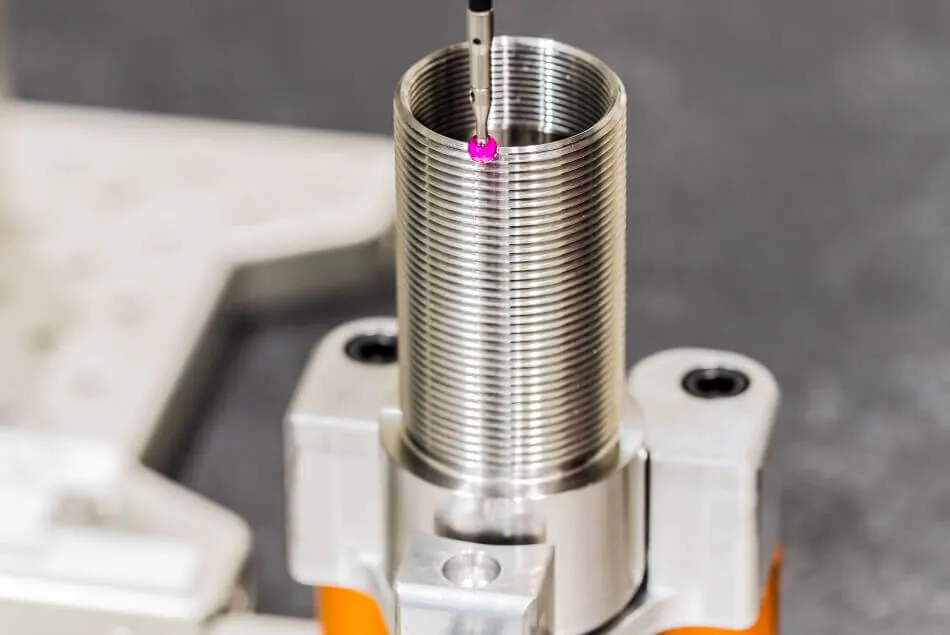
Dimensional integrity is non-negotiable in prototype development. Every critical component undergoes rigorous validation using our coordinate measuring machines (CMM). Our Zeiss and Hexagon CMMs provide full 3D verification against the original CAD model, ensuring all features conform to specified tolerances. This comprehensive inspection process generates detailed inspection reports with full traceability, providing our plastic prototype partners with the confidence that metal components will integrate seamlessly and perform as intended during the crucial prototype evaluation stage. Statistical process control data is available upon request for high-volume prototype runs.
The following table details our standard and achievable tolerance capabilities for machined metal components, reflecting the precision attainable through our integrated 5-axis machining and CMM inspection processes. These values represent typical production capabilities; specific project requirements may allow for tighter control.
| Feature | Standard Capability | Tight Tolerance Capability |
|---|---|---|
| Linear Dimension (mm) | ±0.010 | ±0.005 |
| Angular Dimension (°) | ±0.1 | ±0.05 |
| Positional Tolerance (mm) | ±0.015 | ±0.008 |
| Surface Roughness (Ra) | 0.8 µm | 0.4 µm |
| True Position (mm) | 0.025 | 0.010 |
| Flatness (mm) | 0.025 per 100mm | 0.010 per 100mm |
Wuxi Lead Precision Machinery operates under stringent ISO 9001 quality management protocols. Our technical team collaborates closely with plastic prototype engineers from the initial design review through final inspection, offering Design for Manufacturability (DFM) feedback specifically focused on optimizing metal components for rapid prototyping success. This partnership ensures your metal parts arrive on time, within specification, and ready to accelerate the plastic prototype validation process, minimizing costly iteration delays. Trust our precision metal manufacturing to be the reliable foundation for your next-generation plastic prototype.
Material & Finish Options

Material selection is a critical phase in the development of high-performance plastic prototypes that require integrated metal components or structural support. At Wuxi Lead Precision Machinery, we specialize in precision metal manufacturing for advanced prototyping applications, where material properties directly influence durability, weight, thermal stability, and final functionality. Aluminum, steel, and titanium are the most widely used metals in this context, each offering distinct advantages depending on the operational demands of the prototype.
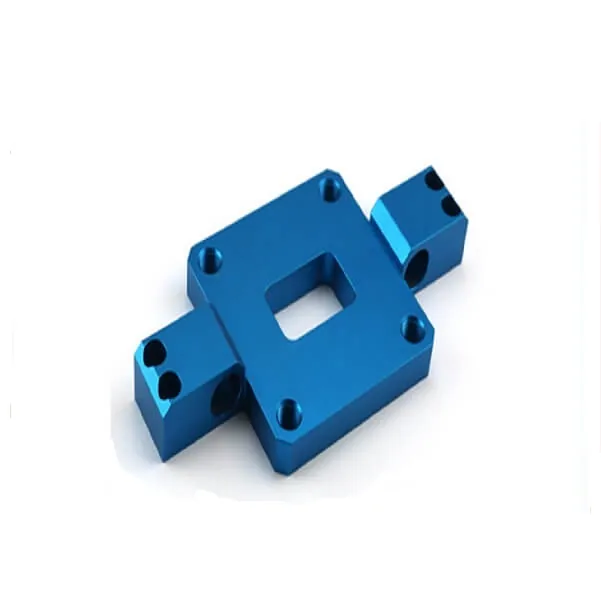
Aluminum is favored for its excellent strength-to-weight ratio, corrosion resistance, and machinability. It is particularly suitable for lightweight structural components in aerospace, automotive, and consumer electronics prototypes. The material responds exceptionally well to anodizing, enhancing surface hardness and wear resistance while allowing for color coding or aesthetic customization. Our 6061-T6 and 7075-T6 aluminum alloys are industry standards, offering optimal balance between formability and mechanical performance.
Steel, particularly in its stainless (303, 304, 316) and tool steel variants, provides superior strength, thermal stability, and wear resistance. It is the preferred choice for prototypes requiring high structural integrity, such as molds, jigs, and fixtures. Stainless steel also offers excellent corrosion resistance, especially in marine or medical environments. While heavier than aluminum, its dimensional stability under load makes it indispensable in precision applications.
Titanium, though more costly, delivers unmatched performance in extreme conditions. With a strength-to-density ratio exceeding that of many steels and exceptional resistance to corrosion and high temperatures, titanium is ideal for mission-critical prototypes in aerospace, defense, and medical device sectors. Its biocompatibility further extends its utility in implantable or surgical prototypes. However, its high reactivity during machining demands specialized tooling and expertise—capabilities we maintain in-house.
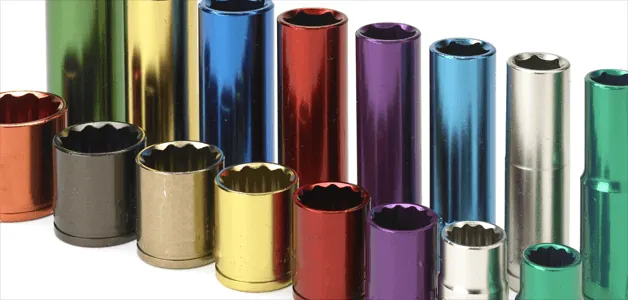
Surface finishing, particularly anodizing, plays a pivotal role in enhancing functional and aesthetic qualities. Anodizing creates a durable, non-conductive oxide layer on aluminum surfaces, improving wear and corrosion resistance. Type II (sulfuric acid) anodizing is standard for decorative and moderate-duty applications, while Type III (hardcoat anodizing) delivers thick, wear-resistant coatings for industrial use. We offer full-color anodizing options with tight process control to ensure batch consistency and adherence to dimensional tolerances.
Below is a comparative overview of key material properties and finishing capabilities.
| Material | Alloy Examples | Tensile Strength (MPa) | Density (g/cm³) | Corrosion Resistance | Typical Applications | Compatible Finishes |
|---|---|---|---|---|---|---|
| Aluminum | 6061-T6, 7075-T6 | 310 – 570 | 2.7 | High | Aerospace, electronics, enclosures | Anodizing (Type II & III), bead blast |
| Stainless Steel | 303, 304, 316 | 500 – 900 | 7.9 | Very High | Medical, marine, tooling | Passivation, electropolish |
| Titanium | Grade 5 (Ti-6Al-4V) | 860 – 900 | 4.5 | Exceptional | Aerospace, defense, implants | Anodizing, sandblast |
Selecting the right material and finish requires a deep understanding of both the prototype’s end-use environment and manufacturing constraints. At Wuxi Lead, we support engineering teams with material data, DFM analysis, and sample validation to ensure optimal performance from prototype through production.
Manufacturing Process & QC

Precision Manufacturing Process: From Concept to Zero-Defect Production
At Wuxi Lead Precision Machinery, we execute a rigorously controlled production sequence specifically engineered to transform client concepts into flawless metal components. This methodology is critical for plastic prototype companies transitioning to final metal parts, where dimensional accuracy and material integrity directly impact downstream assembly and performance. Our integrated workflow ensures seamless scalability from initial vision to high-volume output, with Zero Defects as the non-negotiable standard at every phase.
The process commences with collaborative Design Validation. Our engineering team conducts in-depth DFM analysis on client CAD models, focusing on manufacturability for metal versus plastic prototypes. We identify potential stress points, undercuts, or tolerance conflicts that could cause failure during metal production. Material selection is optimized for the final application—considering strength, thermal properties, and corrosion resistance—ensuring the design is not just feasible but optimized for CNC machining. This phase prevents costly revisions later by resolving conflicts before physical work begins.
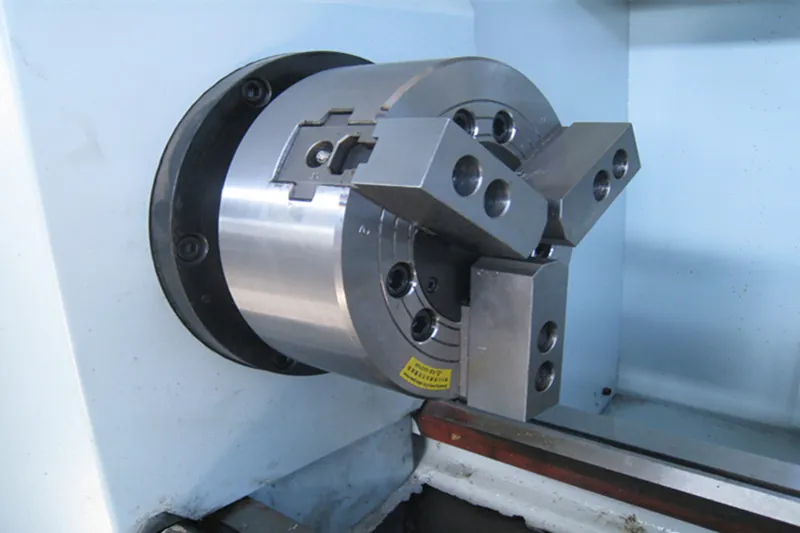
Prototyping serves as the critical validation bridge. Using 5-axis CNC milling and turning centers, we produce functional metal prototypes mirroring the intended production process. This is where plastic prototype companies gain indispensable insight: verifying fit with existing plastic assemblies, testing mechanical function under real loads, and confirming surface finish requirements. Unlike plastic prototyping methods, our metal prototypes undergo the same thermal and stress conditions as final parts, exposing design weaknesses early. Key specifications achieved during this stage are consistently maintained:
| Parameter | Capability | Relevance for Plastic Prototype Clients |
|---|---|---|
| Tolerance | ±0.005 mm (0.0002″) | Ensures metal parts interface perfectly with plastic assemblies |
| Surface Finish | Ra 0.4 µm to 3.2 µm | Matches cosmetic/functionality requirements of final product |
| Material Options | Aluminum, Stainless, Titanium, Brass | Validates material substitution from prototype stage |
| Lead Time | 5-10 business days | Accelerates time-to-market validation cycles |
Mass Production leverages the validated prototype as the absolute benchmark. Full production runs deploy automated CNC cells with in-process probing and SPC monitoring. Every operation is governed by documented work instructions derived from the prototype phase. Our Zero Defects protocol includes 100% first-article inspection, real-time dimensional verification during machining, and final CMM validation against the original CAD model. Statistical process control data is shared transparently, ensuring consistency across batches. For plastic prototype companies scaling to metal components, this eliminates the traditional quality gap between prototype and production—a common source of assembly failures and field recalls.
This closed-loop process, executed within our ISO 9001-certified facility in Wuxi, transforms design intent into defect-free metal reality. By anchoring production to the rigorously tested prototype, we guarantee that what functions in validation performs identically at volume—delivering the reliability plastic innovators demand when integrating metal elements into their final products.
Why Choose Wuxi Lead Precision
Partner with Lead Precision for Unmatched Expertise in Custom Metal Manufacturing
At Wuxi Lead Precision Machinery, we understand that precision, reliability, and speed are non-negotiable in the world of custom metal manufacturing—especially when supporting plastic prototype companies that demand tight tolerances and flawless integration. As a trusted partner to global innovators in automotive, medical, consumer electronics, and industrial equipment sectors, we deliver CNC-machined metal components engineered to complement and enhance your prototyping workflows. Our advanced manufacturing capabilities, combined with a deep understanding of prototyping timelines and material compatibility, position us as the ideal strategic partner for companies pushing the boundaries of product development.
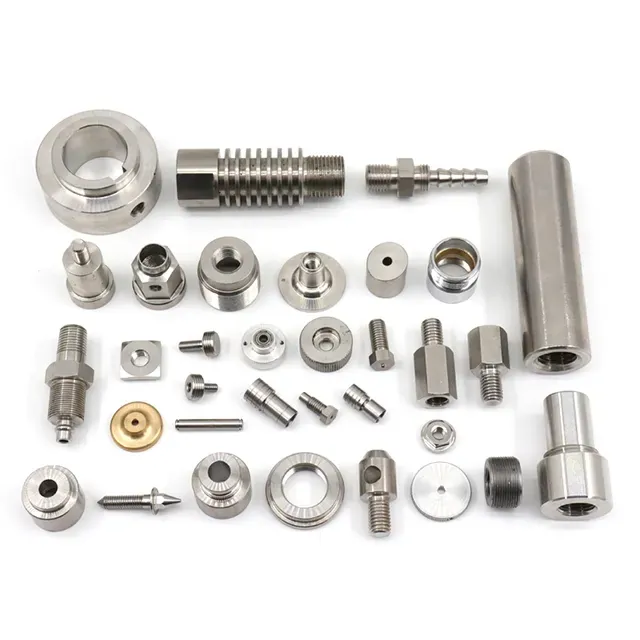
Our facility in Wuxi, China, is equipped with state-of-the-art 3-, 4-, and 5-axis CNC machining centers, supported by automated inspection systems and a quality management framework certified to ISO 9001:2015 standards. We specialize in low-volume, high-mix production runs, rapid prototyping, and bridge manufacturing—all tailored to your exact specifications. Whether you require aluminum housings, stainless steel inserts, or precision titanium fittings for integration with plastic prototypes, our team ensures every part meets the highest standards of dimensional accuracy and surface finish.
We recognize that collaboration is key to accelerating time-to-market. That’s why we offer responsive engineering support, DFM (Design for Manufacturability) feedback within 24 hours, and seamless digital workflows to handle CAD/CAM file transfers securely. Our project managers act as your single point of contact, providing real-time updates and full traceability from quote to delivery. With lead times as fast as 5–7 days for machined prototypes and a 99.6% on-time delivery rate, we are built to keep your innovation pipeline moving.
Below are key specifications that define our manufacturing capabilities:
| Specification | Capability |
|---|---|
| Machining Types | 3-axis, 4-axis, 5-axis CNC milling, CNC turning, multi-spindle machining |
| Materials | Aluminum (6061, 7075), Stainless Steel (303, 304, 316), Titanium, Brass, Copper, Tool Steels |
| Tolerances | ±0.005 mm (±0.0002″) for critical features |
| Max Work Envelope | 1200 x 600 x 500 mm (47 x 23.6 x 19.7 in) |
| Surface Finishes | As-machined, bead blast, anodizing (Type II & III), passivation, powder coating |
| Secondary Operations | Tapping, threading, knurling, heat treatment, plating, laser marking |
| Quality Standards | ISO 9001:2015 certified, full first-article inspection reports (FAIR), CMM inspection |
| Lead Times | Prototypes: 5–7 days; Production: 10–20 days based on complexity |
Partnering with Wuxi Lead Precision Machinery means gaining a manufacturing ally committed to precision, scalability, and technical excellence. If you are a plastic prototype company seeking a reliable source for high-accuracy metal components, we invite you to contact us today. Send your RFQs, 3D models, or project inquiries to [email protected] and receive a detailed quote with DFM insights within 24 business hours. Let us help you build better prototypes—faster, stronger, and with uncompromising quality.
⚙️ Precision Cost Estimator
Estimate relative manufacturing effort based on tolerance.