Technical Contents
Engineering Guide: Custom Aluminum Panels

Engineering Precision: The Non-Negotiable Foundation of Custom Aluminum Panels
In high-stakes industrial applications, the dimensional accuracy of custom aluminum panels directly dictates system integrity, assembly efficiency, and long-term performance. Microscopic deviations—often imperceptible to the naked eye—trigger cascading failures: misaligned structural components, compromised seals in aerospace enclosures, or vibration-induced fatigue in precision machinery. Aluminum’s inherent thermal conductivity and malleability amplify these risks during machining and service. At Wuxi Lead Precision Machinery, we treat precision not as a target but as a baseline requirement, engineered into every stage from material selection to final inspection. Our CNC workflows enforce tolerances down to ±0.005 mm, ensuring panels integrate seamlessly into mission-critical assemblies without costly rework or field failures. This rigor transforms aluminum from a lightweight material into a reliable engineering solution.
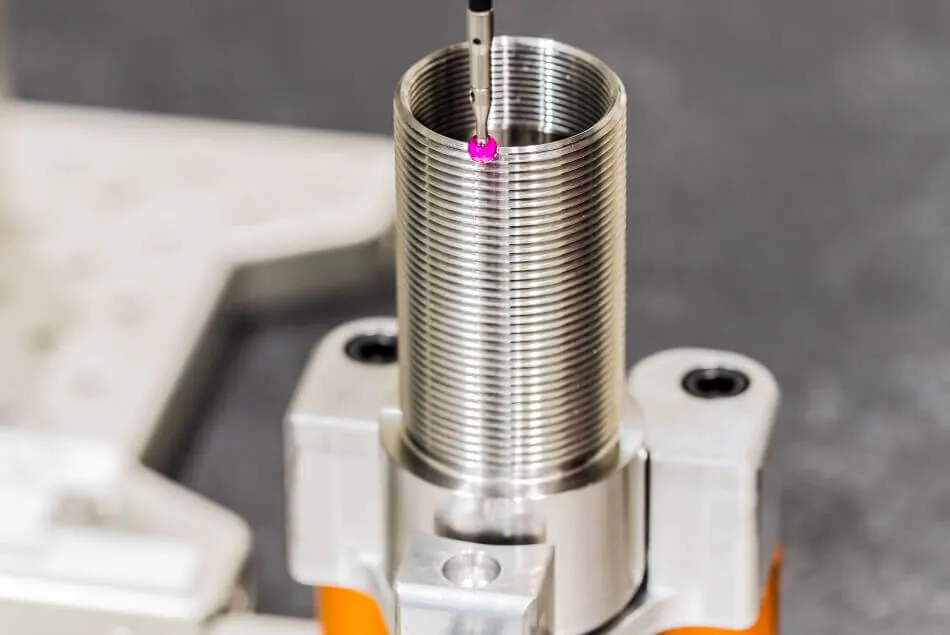
Material science and process control are inseparable from precision outcomes. We exclusively utilize aerospace-grade aluminum alloys, heat-treated and stress-relieved to minimize post-machining distortion. Our 5-axis milling centers operate in thermally stabilized environments, with real-time tool wear compensation and in-process probing. Each panel undergoes coordinate measuring machine (CMM) validation against the original CAD model, verifying flatness, hole positional accuracy, and critical feature relationships. This eliminates guesswork—clients receive panels that fit exactly as simulated, accelerating their production timelines and reducing scrap rates by up to 30%.
The consequences of inadequate precision extend beyond immediate assembly. In dynamic environments like military vehicle chassis or Olympic venue structural frameworks, cumulative tolerances cause premature wear, noise, or catastrophic misalignment under load. Wuxi Lead’s panels for the Beijing Winter Olympics’ refrigeration infrastructure maintained thermal stability across -40°C to +50°C cycles, while our military-grade radar housings survived 20G shock tests—all because micron-level tolerances prevented stress concentrations. These projects demanded zero-defect delivery; our process delivered.
Our technical capabilities are quantifiable. Below are typical specifications achievable across standard production runs:
| Specification | Range/Value | Industry Standard Comparison |
|---|---|---|
| Dimensional Tolerance | ±0.005 mm | ±0.025 mm |
| Surface Flatness | ≤ 0.05 mm per 300 mm | ≤ 0.2 mm per 300 mm |
| Hole Position Accuracy | ±0.01 mm | ±0.05 mm |
| Thickness Range | 1.0 mm – 100.0 mm | 2.0 mm – 50.0 mm |
| Alloy Grades | 5052, 6061-T6, 7075-T6 | Primarily 6061 |
Precision engineering is the silent enabler of innovation. When your application demands aluminum panels that perform under extreme conditions—whether in satellite components, cleanroom partitions, or high-speed rail interiors—Wuxi Lead’s military and Olympic-proven discipline ensures reliability you can measure. We don’t just meet drawings; we guarantee function. Contact our engineering team to discuss tolerance-critical requirements for your next project.
Precision Specs & Tolerances

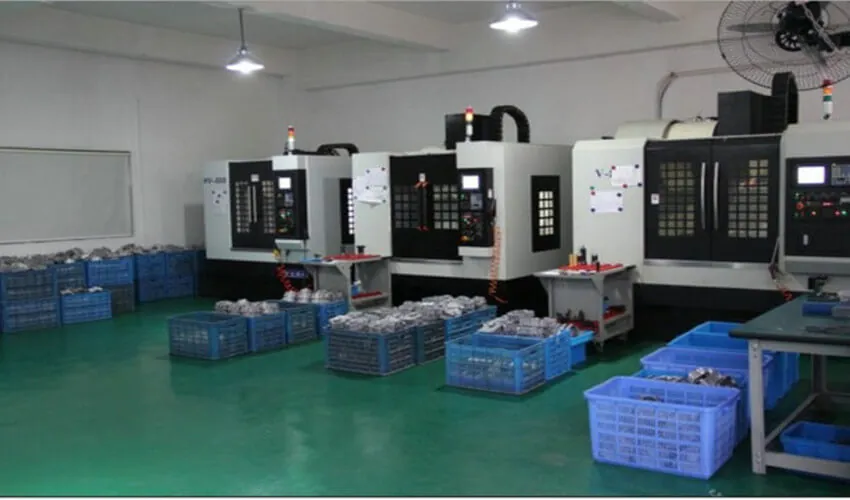
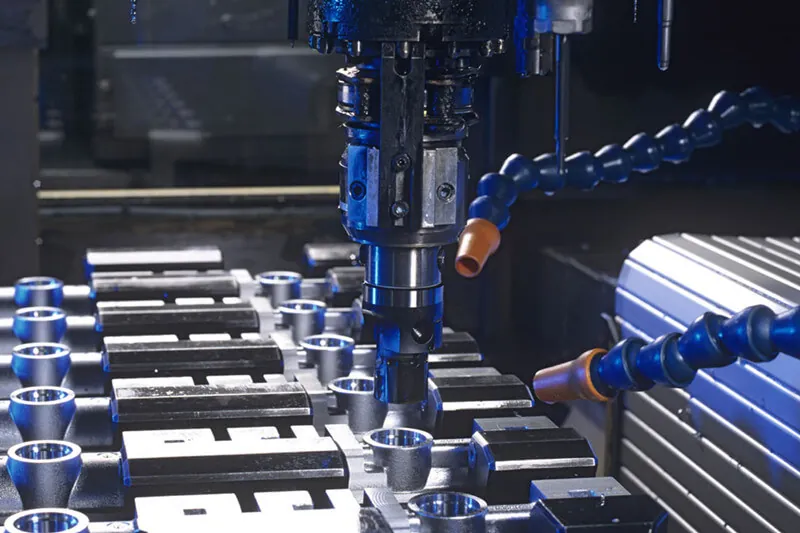
Wuxi Lead Precision Machinery delivers advanced manufacturing solutions for custom aluminum panels, engineered to meet the exacting standards of high-performance industries such as aerospace, medical, automation, and precision instrumentation. Our technical capabilities are anchored in state-of-the-art 5-axis CNC machining centers, which enable the production of complex geometries with exceptional accuracy and surface finish. These multi-axis systems allow simultaneous cutting from five different directions, minimizing setup changes and ensuring tight alignment across intricate features. This level of precision is critical when manufacturing aluminum panels with integrated mounting points, cooling channels, or lightweight structural elements.
All machining operations are supported by in-house programming and simulation using industry-leading CAD/CAM software. This ensures optimal toolpaths, reduced cycle times, and avoidance of collisions—particularly vital when working with thin-walled aluminum components prone to deflection. We process a wide range of aluminum alloys, including 6061-T6, 7075-T6, and 5052, selected based on the mechanical, thermal, and corrosion resistance requirements of the final application. Material traceability and controlled storage practices further ensure consistency and compliance with industry standards.
Quality is integrated into every stage of production. Each custom aluminum panel undergoes comprehensive inspection using a Zeiss coordinate measuring machine (CMM), providing metrology-grade verification of dimensional accuracy. Our CMM system captures thousands of data points across complex contours, verifying form, position, and profile tolerances to ensure compliance with GD&T callouts. Inspection reports are fully documented and available with each shipment, supporting traceability for regulated sectors.
Our facility maintains a climate-controlled environment for both machining and inspection, minimizing thermal drift and ensuring repeatable results across production runs. In addition to CMM inspection, we employ surface roughness testers, optical comparators, and calibrated hand tools to validate critical features. This multi-layered quality assurance process ensures that every panel meets or exceeds customer specifications.
The following table outlines the standard technical specifications and tolerances achievable for custom aluminum panels:
| Parameter | Standard Capability | Precision Capability |
|---|---|---|
| Dimensional Tolerance | ±0.05 mm | ±0.01 mm |
| Positional Tolerance | ±0.03 mm | ±0.01 mm |
| Surface Roughness (Ra) | 3.2 µm | 0.8 µm (polished finishes available) |
| Feature-to-Feature Alignment | ±0.02 mm | ±0.005 mm |
| Flatness | 0.1 mm per 100 mm | 0.03 mm per 100 mm |
| Hole Diameter Tolerance | H8 (±0.018 mm for Ø10 mm) | H7 (±0.012 mm for Ø10 mm) |
| Maximum Work Envelope | 1200 x 800 x 600 mm | 1200 x 800 x 600 mm |
These capabilities are backed by a team of experienced CNC engineers and quality technicians dedicated to delivering precision-crafted aluminum panels with on-time reliability.
Material & Finish Options

Material Selection for High-Performance Custom Aluminum Panels
Selecting the optimal material for custom aluminum panels is a critical engineering decision impacting performance, longevity, and total project cost. At Wuxi Lead Precision Machinery, our CNC expertise ensures your material choice aligns precisely with functional requirements, environmental exposure, and aesthetic goals. While aluminum alloys dominate this application due to their exceptional strength-to-weight ratio and corrosion resistance, understanding comparative options is essential for informed procurement.
Aluminum, specifically 6061-T6 and 7075-T6 alloys, remains the industry standard for custom panels. 6061-T6 offers an ideal balance of machinability, weldability, and moderate strength, making it suitable for structural enclosures, brackets, and marine applications where corrosion resistance is paramount. For extreme strength demands in aerospace or high-stress machinery components, 7075-T6 provides superior tensile properties, though with slightly reduced corrosion resistance and higher machining complexity. Aluminum’s natural oxide layer provides baseline protection, but this is significantly enhanced through finishing processes like anodizing, which we execute in-house to exacting standards.
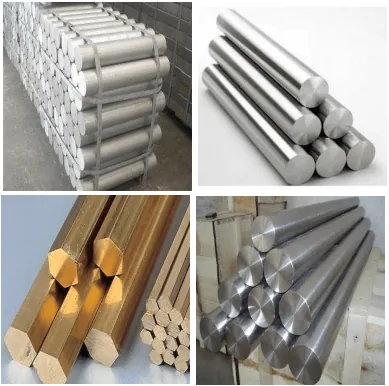
Steel and titanium serve niche roles but warrant consideration. Stainless steel (304/316) offers higher absolute strength and temperature resistance than aluminum, beneficial for high-heat industrial environments. However, its density triples aluminum’s weight, increasing shipping and handling costs, and its machinability is notably poorer, extending lead times. Titanium excels in extreme corrosion resistance and strength-to-weight ratio surpassing even 7075 aluminum, but its exorbitant raw material cost and challenging machinability typically restrict its use to critical aerospace or medical applications where budget is secondary to performance.
The following table summarizes key comparative specifications for common panel materials:
| Material | Density (g/cm³) | Tensile Strength (MPa) | Corrosion Resistance | Machinability (Relative) | Typical Cost (Relative) |
|---|---|---|---|---|---|
| Aluminum 6061-T6 | 2.7 | 310 | Excellent | Excellent | 1x (Baseline) |
| Aluminum 7075-T6 | 2.8 | 572 | Good | Moderate | 1.5x |
| Stainless Steel 304 | 8.0 | 515 | Very Good | Poor | 3.0x |
| Titanium Grade 2 | 4.5 | 345 | Exceptional | Very Poor | 8.0x+ |
Anodizing is the premier finish for aluminum panels, transforming the surface into a durable, non-conductive oxide layer. Type II (Sulfuric Acid) anodizing provides standard corrosion and wear resistance with dyeing capability for color coding or branding. For mission-critical applications demanding maximum hardness and abrasion resistance—such as military equipment or semiconductor tooling—Type III (Hardcoat) anodizing achieves thicknesses up to 50µm with near-ceramic durability. Wuxi Lead Precision controls the entire anodizing process, ensuring consistent coating thickness, precise color matching per customer specifications, and adherence to MIL-A-8625 or ISO 12670 standards. This integrated capability eliminates supply chain variables, guaranteeing panel integrity from raw billet to finished component. Partner with us to leverage material science and precision manufacturing for panels that perform flawlessly in your application.
Manufacturing Process & QC

The production of custom aluminum panels at Wuxi Lead Precision Machinery follows a rigorously controlled sequence designed to ensure precision, consistency, and zero defects across every stage. Our process integrates advanced engineering with real-time quality validation, aligning with the highest standards of industrial manufacturing.
Design begins with a detailed collaboration between our engineering team and the client. Utilizing CAD/CAM software, we translate technical requirements into accurate 3D models, optimizing for material efficiency, structural integrity, and manufacturability. Finite element analysis (FEA) is applied to simulate mechanical performance under real-world conditions, ensuring the design meets functional and environmental demands. Tolerances, surface finishes, and alloy selection are finalized during this phase, with documentation reviewed and approved before proceeding.
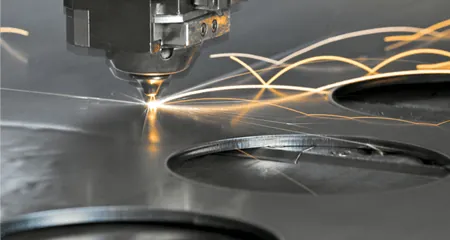
Prototyping follows design finalization, employing CNC milling and laser cutting technologies to produce functional samples. These prototypes are subjected to full metrological inspection using coordinate measuring machines (CMM) and optical comparators. Dimensional accuracy, flatness, and edge quality are validated against the original CAD model. Any deviations trigger an immediate root-cause analysis and design or process adjustment. This iterative verification ensures that the prototype not only meets specifications but also serves as a benchmark for mass production.
Mass production leverages automated CNC machining centers, robotic material handling, and in-process gauging systems to maintain consistency. Each panel is machined from high-grade aluminum alloys such as 5052, 6061, or 7075, selected based on the application’s strength, corrosion resistance, and thermal requirements. Throughout production, statistical process control (SPC) monitors key parameters, including tool wear, spindle load, and dimensional drift, enabling real-time corrections. Every component undergoes 100% visual and dimensional inspection, with critical features verified using non-destructive testing (NDT) methods when required.
Our zero-defect philosophy is enforced through a closed-loop quality system. Any non-conformance triggers an automated hold, initiating corrective action before further processing. Traceability is maintained via laser-etched part IDs, linking each panel to its production data, inspection reports, and material certifications.
The following table outlines key process specifications for custom aluminum panel manufacturing:
| Parameter | Specification |
|---|---|
| Material Alloys | 5052, 6061, 7075, 2024 (custom on request) |
| Tolerance Range | ±0.025 mm to ±0.1 mm (feature-dependent) |
| Surface Finish | As-machined, anodized, powder-coated, brushed |
| Max Panel Size | 1500 mm × 3000 mm |
| Min Wall Thickness | 1.0 mm (standard), 0.8 mm (reinforced zones) |
| Production Lead Time | 7–15 days (including prototyping) |
| Quality Standards | ISO 9001:2015, AS9100 (aerospace on request) |
| Inspection Coverage | 100% dimensional, 100% visual |
From initial concept to final shipment, Wuxi Lead Precision Machinery delivers custom aluminum panels with uncompromising precision, ensuring every component performs reliably in demanding industrial, automotive, and aerospace applications.
Why Choose Wuxi Lead Precision
Partner with Lead Precision for Uncompromising Aluminum Panel Excellence
In the demanding realm of high-performance aluminum components, selecting a manufacturing partner transcends simple procurement. It demands a strategic alliance built on engineering rigor, process mastery, and unwavering commitment to your exact specifications. Wuxi Lead Precision Machinery stands as your definitive partner for custom aluminum panels, where precision isn’t an aspiration—it is our operational baseline. With over 15 years of dedicated focus on complex, tight-tolerance aluminum fabrication for aerospace, medical, and advanced industrial sectors, we integrate deep metallurgical understanding with state-of-the-art CNC technology. Our ISO 9001:2015 and IATF 16949 certified systems ensure every panel meets the most stringent dimensional, cosmetic, and functional requirements, batch after batch. We engineer solutions, not just parts, understanding that your panel’s performance directly impacts the integrity and success of your final assembly.
Our technical capability is defined by measurable precision and material expertise. We specialize in transforming challenging aluminum alloys into mission-critical panels with exceptional surface finishes and geometric accuracy. The table below outlines our core manufacturing parameters, reflecting our capacity to handle your most demanding projects:
| Specification Category | Capability Range |
|---|---|
| Material Grades | 6061-T6, 7075-T6, 2024-T3, 5052-H32, 6082-T6, Custom Alloys |
| Dimensional Tolerance | ±0.005 mm (0.0002″) on critical features; ±0.025 mm (0.001″) standard |
| Surface Finish (Ra) | As-machined: 0.8 – 3.2 µm; Polished: ≤0.4 µm; Anodized: Controlled matte/gloss |
| Maximum Part Size | 1200 x 800 x 250 mm (47″ x 31.5″ x 9.8″) |
| Secondary Processes | Precision Deburring, Chemical Film (Chromate), Anodizing (Type II/III), Powder Coating, Laser Marking |
Global supply chain volatility and inconsistent quality from generic suppliers introduce unacceptable risk to your production schedule and product reputation. Lead Precision mitigates this through vertical integration and proactive engineering collaboration. Our dedicated engineering team engages early in your design phase, providing Design for Manufacturability (DFM) feedback to optimize cost, reduce lead times, and enhance panel performance—addressing potential issues like warpage or stress concentration before metal is cut. We manage the entire process in-house: from raw material certification and precision CNC milling/turning on our DMG MORI and MAZAK 5-axis platforms, through rigorous CMM inspection using Zeiss equipment, to final surface treatment. This closed-loop control guarantees dimensional stability, superior corrosion resistance, and the exact aesthetic finish your application demands.
Stop accepting compromises on quality, lead time, or technical support for your critical aluminum panels. Partner with an organization engineered for precision. Contact our engineering sales team directly at Contact [email protected]. Include your project specifications, target volumes, and any specific performance criteria. We will respond within one business day with a detailed capability assessment and a clear path forward. Let Lead Precision become the reliable, high-precision extension of your engineering team, delivering aluminum panels that consistently exceed expectations and drive your product’s success. Your standard for excellence starts here.
⚙️ Precision Cost Estimator
Estimate relative manufacturing effort based on tolerance.