3D Printing Silicone Mold Manufacturer | Precision CNC Guide

Engineering Guide: 3D Printing Silicone Mold

3d printing silicone mold manufacturing

Engineering Insight: Precision Imperatives in 3D Printed Silicone Molding

Achieving functional integrity in end-use parts manufactured via silicone molding hinges critically on the dimensional and geometric precision of the mold itself. Unlike prototyping applications, high-volume or mission-critical production demands molds that replicate exact cavity specifications consistently across thousands of cycles. Microscopic deviations in wall thickness, parting line alignment, or core positioning directly translate into part warpage, flash, inconsistent material flow, and premature mold failure. These flaws compromise not only part aesthetics but also critical mechanical properties and assembly compatibility, leading to costly scrap rates and production delays. The challenge intensifies with complex geometries requiring undercuts or intricate textures, where even micron-level inaccuracies in the printed mold substrate propagate significant errors in the final elastomeric component.

Wuxi Lead Precision Machinery leverages its deep-rooted expertise in ultra-precision metal manufacturing to address these exacting demands within silicone mold production. Our engineering discipline, forged through stringent aerospace and defense contracts where tolerances below 10 microns are non-negotiable, directly informs our approach to additive mold fabrication. We understand that thermal expansion coefficients, material stability under repeated curing cycles, and the interplay between mold geometry and silicone flow dynamics require metal-grade precision from the initial digital model through to the finished tool. This is not merely additive manufacturing; it is precision engineering applied to a critical process tool. Our documented success in delivering molds for components used in Olympic timing systems and military-grade sensor housings underscores our capability to meet the most rigorous dimensional stability and repeatability requirements, ensuring client production lines operate at peak efficiency with minimal downtime.

The following specifications reflect the precision benchmarks achievable through our integrated engineering and manufacturing process for 3D printed silicone molds:

Specification Performance Target Industry Standard Context
Dimensional Tolerance ±0.025 mm Typically ±0.1 mm – ±0.2 mm
Surface Roughness (Ra) 0.8 μm – 1.6 μm Often 3.2 μm – 6.3 μm
Material Options High-temp resins, ceramic-filled composites Standard photopolymers
Max Build Size (Single Mold) 300 x 300 x 250 mm Limited by printer bed size
Lead Time (Complex Mold) 5-7 business days 10-14+ days for equivalent spec

This precision foundation eliminates the guesswork inherent in conventional mold development. By ensuring mold cavity fidelity aligns with the original CAD intent, Wuxi Lead enables manufacturers to achieve first-article success, reduce silicone waste, extend mold service life, and guarantee that every part meets stringent functional and dimensional specifications. In high-value silicone molding, the mold is not just a tool—it is the cornerstone of production integrity. Partnering with an engineering-led manufacturer possessing proven precision heritage transforms this critical process step from a potential bottleneck into a reliable engine for quality and throughput.


Precision Specs & Tolerances

3d printing silicone mold manufacturing

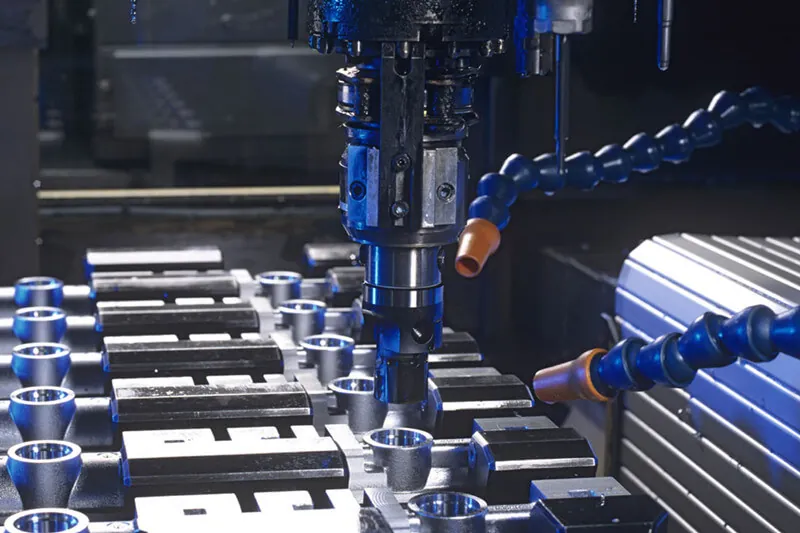
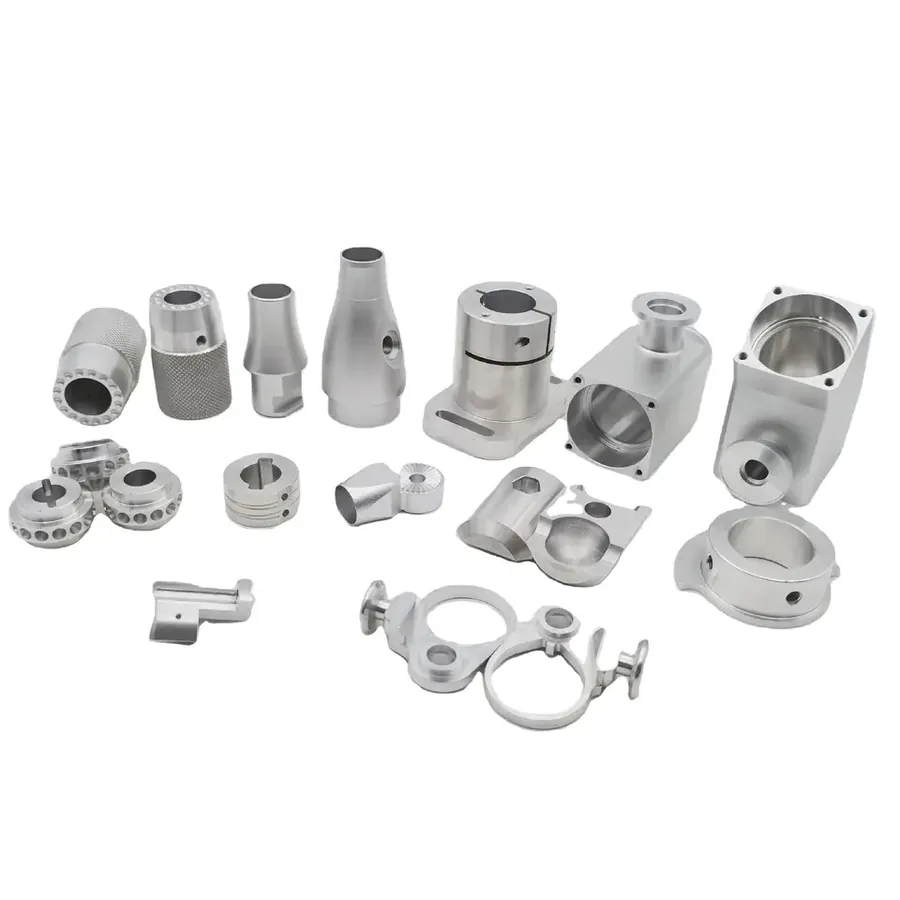
Wuxi Lead Precision Machinery delivers advanced manufacturing solutions tailored for high-performance industries requiring precision-engineered components, including those involved in 3D printing silicone mold applications. Our technical capabilities are anchored in state-of-the-art 5-axis CNC machining technology, which enables the production of complex geometries with exceptional accuracy and surface finish. This level of precision is critical when fabricating master patterns, mold inserts, or tooling components used in additive manufacturing processes involving silicone materials.

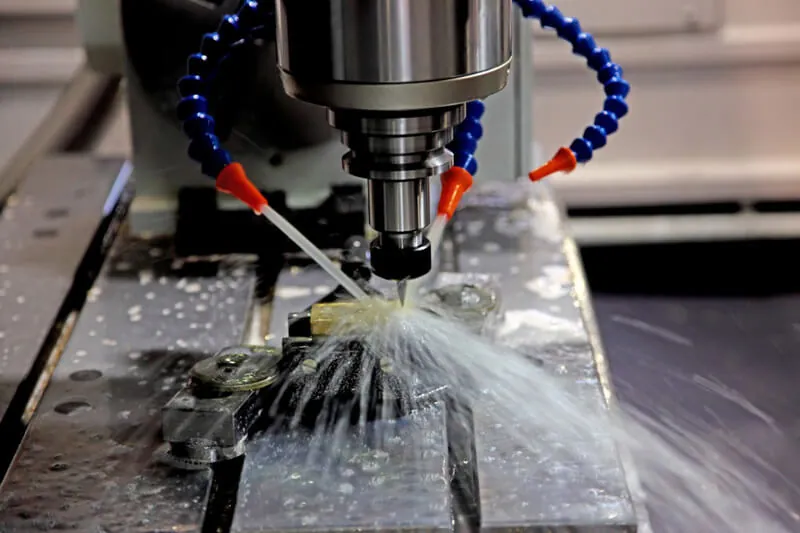
The integration of 5-axis CNC systems allows for multi-directional machining in a single setup, minimizing human intervention and reducing cumulative errors. This capability is especially advantageous when producing intricate mold cavities or undercuts commonly found in silicone molding applications derived from 3D printed prototypes. Our machining centers operate with sub-micron repeatability and are maintained under strict environmental controls to ensure thermal stability and dimensional consistency.

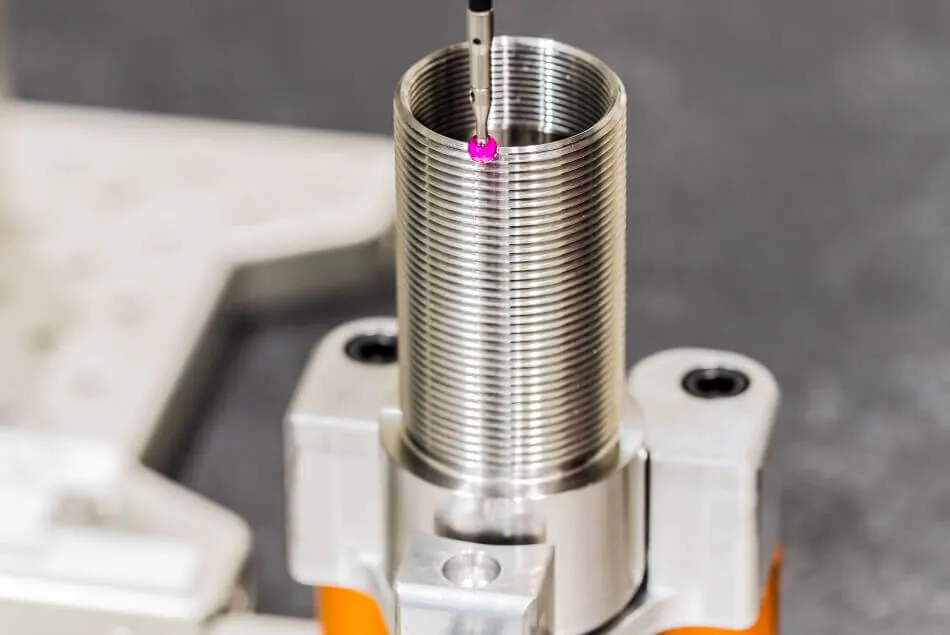
All components are subjected to rigorous quality control protocols, with Coordinate Measuring Machine (CMM) inspection forming the cornerstone of our verification process. Utilizing Zeiss and Hexagon CMM systems, we perform full geometric dimensioning and tolerancing (GD&T) analysis, ensuring every part conforms to the most demanding specifications. Data from CMM reports is traceable and provided upon request, supporting compliance with ISO 9001 and other international quality standards.

Our expertise extends beyond machining to encompass material selection, thermal treatment, and surface engineering—key considerations when developing molds intended for repeated use with silicone compounds. We work with a range of tool steels, aluminum alloys, and specialty metals optimized for thermal conductivity, wear resistance, and longevity in molding environments.

The following table outlines our standard machining tolerances and inspection capabilities:

Parameter Standard Tolerance High-Precision Capability Measurement Method
Linear Dimensions ±0.01 mm ±0.005 mm CMM, Micrometers
Geometric Tolerances (GD&T) ±0.02 mm ±0.008 mm Zeiss CMM
Surface Roughness (Ra) 0.8 µm 0.2 µm Surface Roughness Tester
Angular Accuracy ±0.05° ±0.02° 5-Axis CNC, CMM
Feature Repeatability ±0.01 mm over 100 mm ±0.005 mm over 100 mm CMM Statistical Analysis
Maximum Work Envelope 1200 x 600 x 500 mm N/A 5-Axis CNC Bed Size

With a focus on custom metal manufacturing, Wuxi Lead Precision Machinery ensures that every component supports the integrity and performance of downstream processes, including 3D printing and silicone molding. Our technical team collaborates closely with clients to optimize designs for manufacturability, ensuring tight integration between digital models and physical outputs. This engineering-first approach positions us as a trusted partner in high-end industrial production.


Material & Finish Options

3d printing silicone mold manufacturing

Material Selection for Precision Metal Molds in Silicone Casting

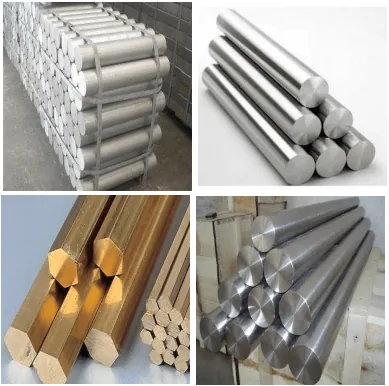
Selecting the optimal material for metal molds used in 3D printed silicone casting is critical for part quality, production efficiency, and tool longevity. At Wuxi Lead Precision Machinery, we engineer molds from premium aluminum alloys, tool steels, and titanium, each offering distinct advantages based on your specific application demands. Understanding thermal properties, mechanical strength, and surface finish requirements is paramount for successful manufacturing outcomes.

Aluminum alloys, particularly 7075-T6, are the industry standard for prototyping and medium-volume production. Their exceptional thermal conductivity ensures rapid and uniform heat transfer during the silicone curing cycle, significantly reducing cycle times compared to slower-conducting materials. This alloy provides an excellent strength-to-weight ratio, facilitating easier mold handling and integration into automated systems. While inherently softer than steel, its machinability allows for intricate cavity details and tight tolerances achievable through our high-precision CNC processes. Aluminum is the most cost-effective solution for applications where extreme wear resistance is not the primary concern.

For high-volume production runs demanding maximum durability and wear resistance, tool steels like H13 or S7 are essential. These materials withstand the repetitive thermal cycling and mechanical stresses inherent in thousands of casting cycles. Their superior hardness maintains dimensional stability and surface integrity over extended periods, ensuring consistent part quality. While thermal conductivity is lower than aluminum, requiring slightly longer cycle times, the extended tool life often justifies the investment for large production batches. Steel molds are indispensable for complex geometries requiring exceptional edge retention.

Titanium alloys (e.g., Ti-6Al-4V) serve specialized applications requiring the ultimate in corrosion resistance, biocompatibility, or extreme temperature stability. Its biocompatibility makes it ideal for medical-grade silicone components. Titanium offers a favorable strength-to-weight ratio and excellent resistance to aggressive chemicals, though its high cost and challenging machinability limit its use to critical applications where other materials cannot perform. Thermal conductivity is moderate, falling between aluminum and steel.

Surface finish, particularly anodizing for aluminum molds, is crucial for part release and surface quality. Type II (sulfuric acid) anodizing provides a standard decorative and mildly protective layer. For demanding silicone casting, Type III (hardcoat) anodizing is strongly recommended. This process creates a significantly thicker, harder, and more wear-resistant ceramic oxide layer that dramatically improves release characteristics, reduces silicone adhesion, and extends mold life in abrasive applications. Hardcoat anodizing also enhances corrosion resistance in humid or chemically active environments.

The following table summarizes key material properties for informed selection:

Material Thermal Conductivity (W/m·K) Hardness (Typical) Primary Advantages Ideal Application Volume
Aluminum 7075-T6 130 150 HB Fast cycle times, Excellent machinability, Cost-effective Prototyping, Low to Medium Volume
Tool Steel (H13) 28-36 40-45 HRC Superior wear resistance, High temperature strength High Volume Production
Titanium Ti-6Al-4V 7 36 HRC Exceptional corrosion resistance, Biocompatible, High strength-to-weight Specialized / Critical Applications

Material choice directly impacts your silicone casting process efficiency and final part quality. Consult our engineering team at Wuxi Lead Precision Machinery to analyze your specific part geometry, production volume, silicone compound, and performance requirements. We leverage our deep expertise in precision CNC machining and surface engineering to deliver the optimal metal mold solution for your demanding application.


Manufacturing Process & QC

3d printing silicone mold manufacturing

The production process for 3D printed silicone molds at Wuxi Lead Precision Machinery follows a disciplined, three-phase methodology: Design, Prototyping, and Mass Production. This structured approach ensures zero defects, dimensional accuracy, and repeatability across high-volume manufacturing runs, meeting the stringent demands of aerospace, medical, and automotive industries.

Design begins with a comprehensive analysis of the client’s technical specifications, including part geometry, material compatibility, and functional requirements. Our engineering team utilizes advanced CAD/CAM software to model the mold structure with micron-level precision. Finite Element Analysis (FEA) is applied to simulate thermal distribution, stress points, and deformation risks under operational conditions. This virtual validation ensures optimal mold performance before any physical component is produced. Special attention is given to gate placement, cooling channels, and ejection systems to prevent warping, shrinkage, or surface defects during silicone curing.

Prototyping follows successful design validation. We employ metal 3D printing—specifically Selective Laser Melting (SLM)—using high-purity tool steel (such as H13 or 1.2344) to fabricate the mold core and cavity. This additive method enables complex internal geometries, conformal cooling channels, and rapid iteration that traditional machining cannot achieve. Each prototype mold undergoes rigorous metrological inspection using coordinate measuring machines (CMM) and 3D laser scanning to verify dimensional conformity. The mold is then tested in a controlled molding environment with medical-grade liquid silicone rubber (LSR) to evaluate fill behavior, demolding integrity, and surface finish. Any deviations trigger immediate design refinement, ensuring the prototype meets all performance benchmarks.

Mass Production commences only after full client approval of the prototype. At this stage, molds are replicated using high-speed CNC machining or additional SLM builds, depending on volume and complexity. All production molds are heat-treated for hardness stability and coated with wear-resistant PVD layers to extend service life. Each mold is serialized and tracked through our quality management system, which complies with ISO 9001:2015 standards. Real-time process monitoring, including cavity pressure sensors and automated visual inspection, ensures every molded part is defect-free. Statistical Process Control (SPC) data is collected continuously to maintain process capability indices (Cp/Cpk) above 1.67.

Throughout the entire workflow, Wuxi Lead enforces a zero-defect philosophy. Root cause analysis, first-article inspection reports (FAIR), and full traceability documentation are standard deliverables. Our integration of digital design, additive prototyping, and precision metal manufacturing guarantees consistent, high-yield production of silicone components.

Parameter Specification
Material Options H13, 1.2344, Stainless Steel 316L (SLM)
Dimensional Accuracy ±0.01 mm
Surface Roughness (Ra) 0.4–0.8 µm (as-built), <0.2 µm (polished)
Maximum Mold Size 300 x 300 x 250 mm
Production Lead Time 12–18 days (prototype), 25–35 days (mass)
Quality Standard ISO 9001:2015, Full FAIR & SPC reporting
Compatible Silicone Types Medical Grade LSR, HTV, Fluorosilicone

Why Choose Wuxi Lead Precision

Why Partner With Lead Precision for Your Silicone Molding Workflow

In high-precision silicone molding applications, the quality of your metal components directly dictates the fidelity, repeatability, and longevity of your final molded parts. At Wuxi Lead Precision Machinery, we bridge the critical gap between advanced 3D-printed silicone tooling and industrial-grade metal fabrication. Our CNC-engineered metal fixtures, mold bases, and support structures ensure thermal stability, dimensional accuracy, and extended service life—transforming prototyping agility into scalable production reliability. Unlike generic machine shops, we engineer solutions specifically for the dynamic stresses of silicone molding cycles, eliminating warpage, flash, and premature tool failure.

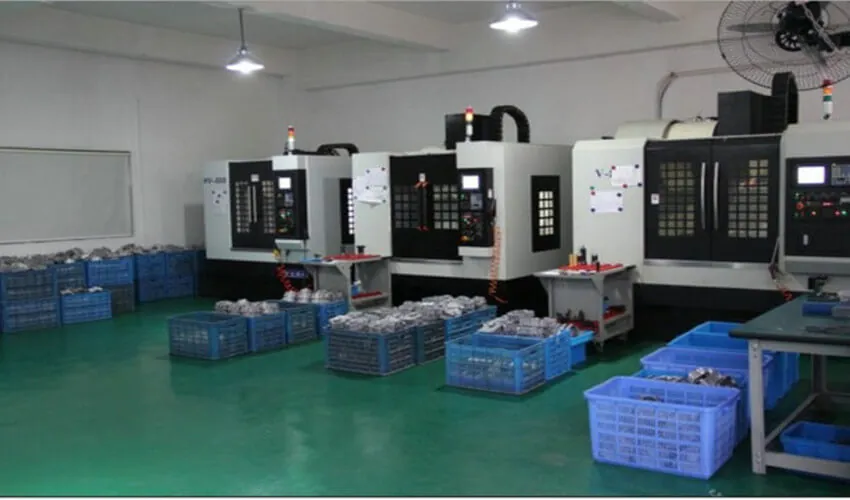
Our integrated approach combines German-engineered CNC multi-axis machining centers with rigorous metallurgical oversight. Every component undergoes in-process CMM validation and final surface finish certification to meet the exacting demands of medical, aerospace, and consumer electronics molding. The table below details our core capabilities for silicone molding support infrastructure:

Capability Specification Application Impact
Dimensional Tolerance ±0.005 mm (sub-micron repeatability) Eliminates parting line defects in silicone molds
Surface Finish Ra 0.2–0.8 μm (mirror to matte) Prevents silicone adhesion; ensures clean demolding
Material Options 17-4PH, H13, S136, Aluminum 7075 Thermal management for rapid curing cycles
Max Work Envelope 1,200 x 800 x 650 mm Accommodates large-scale multi-cavity molds
Lead Time (Complex Parts) 12–18 business days Accelerates transition from 3D-printed prototype to production

Partnering with Lead Precision means accessing a single-source solution where material science, precision machining, and molding expertise converge. We optimize thermal conductivity paths in mold bases to reduce cycle times by up to 22%, while our stress-relieved steel alloys withstand 50,000+ molding cycles without degradation. Our engineers collaborate from the initial design phase—validating GD&T for silicone flow dynamics and recommending strategic venting or cooling channels that generic suppliers overlook. This prevents costly rework when scaling from 3D-printed silicone molds to high-volume metal tooling.

Your success hinges on partners who understand that silicone molding isn’t just about the polymer—it’s about the metal foundation enabling its performance. We deliver certified, traceable components with full material test reports and first-article inspection documentation, ensuring compliance with ISO 13485 and AS9100 standards. When production deadlines tighten or material behavior shifts, our rapid engineering response team troubleshoots within 4 business hours, minimizing your downtime.

Do not compromise on the metal backbone of your silicone molding process. Contact our technical sales team today to schedule a precision consultation. Email [email protected] with your project specifications, and we will provide a detailed capability assessment within 24 hours—including recommended alloys, tolerance analysis, and a timeline for prototype delivery. Let Lead Precision engineer the reliability your silicone molding operation demands.


⚙️ Precision Cost Estimator

Estimate relative manufacturing effort based on tolerance.

3D Printing Silicone Mold Manufacturer | Precision CNC Guide

Contents of Table

Contact [email protected] Whatsapp 86 15951276160