Technical Contents
Engineering Guide: Sheet Metal Forming Machine

Engineering Insight: Precision as the Non-Negotiable Foundation in Sheet Metal Forming
In high-stakes sheet metal fabrication, precision transcends mere specification; it is the absolute cornerstone of component functionality, assembly integrity, and final product performance. Minute deviations in bend angle, dimensional tolerance, or surface finish cascade into catastrophic failures in complex assemblies – misaligned automotive chassis, compromised aerospace structures, or malfunctioning medical devices. The cost of imprecision extends far beyond scrap material, encompassing rework, production delays, warranty claims, and irreparable damage to a manufacturer’s reputation. Achieving true precision demands far more than robust construction; it requires the seamless integration of advanced control systems, thermal stability management, micron-level feedback mechanisms, and materials engineered to withstand relentless operational stress without deformation. This level of control is not incidental but the direct result of obsessive engineering focus on every mechanical and electronic subsystem within the forming machine.
Wuxi Lead Precision Machinery has dedicated over 15 years to mastering this precision imperative. Our engineering philosophy centers on eliminating variables before they impact the workpiece. This is evident in our core machine architecture, featuring monobloc frames cast from high-tensile, stress-relieved alloy steel, minimizing deflection under maximum tonnage. Coupled with closed-loop hydraulic systems utilizing aerospace-grade components and temperature-compensated linear encoders, our machines deliver exceptional repeatability. The critical role of precision was rigorously validated through our contributions to mission-critical projects, including components for Olympic-standard sporting equipment requiring flawless aerodynamic profiles and structural elements for defense applications where dimensional accuracy directly impacts operational safety and reliability. These demanding sectors provided the ultimate proving ground, confirming that our machines consistently meet tolerances where failure is not an option.
The following table outlines key precision specifications inherent in Lead Precision’s flagship CNC press brakes, reflecting our commitment to engineering excellence:
| Parameter | Specification | Significance |
|---|---|---|
| Positional Accuracy | ±0.02 mm | Ensures exact ram positioning for consistent bend depth |
| Repeatability | ±0.01 mm | Guarantees identical results cycle after cycle |
| Bend Angle Tolerance | ±0.2° (within 2m length) | Critical for complex assemblies and fit-up |
| Hydraulic Pressure Control | ±0.5 bar | Maintains consistent forming force |
| Thermal Compensation | Active, real-time | Counters thermal drift during extended runs |
| Frame Deflection | < 0.05 mm per 100 tons | Preserves accuracy under full load |
This precision capability is not merely a technical achievement; it is a strategic asset for our clients. It enables the production of complex geometries from advanced alloys like titanium and high-strength steels, reduces secondary operations, minimizes material waste, and ultimately accelerates time-to-market for sophisticated end products. When selecting a sheet metal forming solution, manufacturers must prioritize partners whose engineering rigor guarantees precision as an inherent, measurable characteristic – not a hopeful outcome. Wuxi Lead Precision Machinery delivers this assurance, proven in the most demanding global applications, ensuring your fabrication process is built on an unshakeable foundation of accuracy. Trust in precision engineered for mission-critical success.
Precision Specs & Tolerances

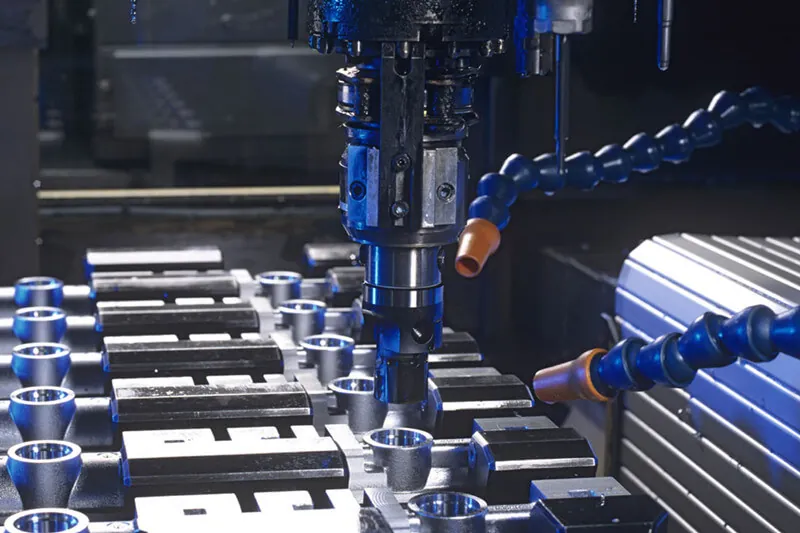
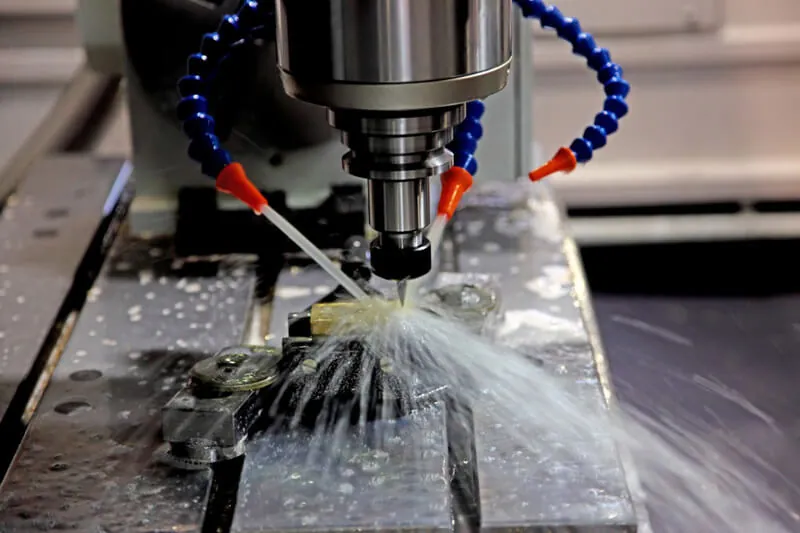
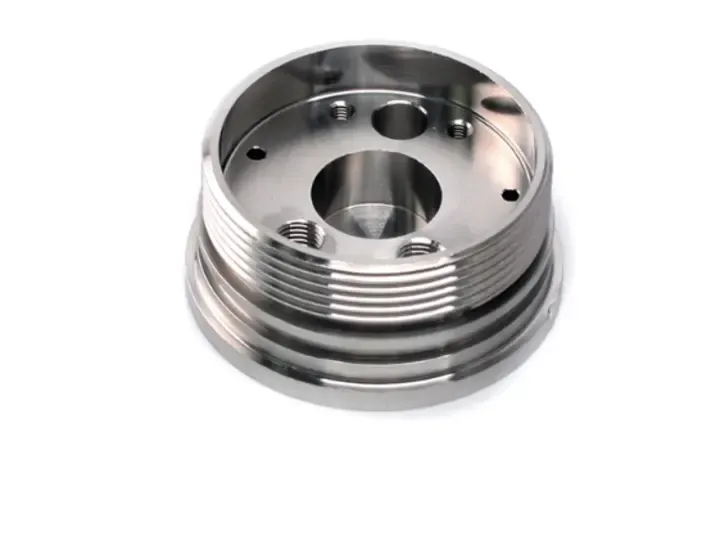
Wuxi Lead Precision Machinery delivers advanced technical capabilities in sheet metal forming, engineered to meet the stringent demands of high-precision industries such as aerospace, medical, and industrial automation. At the core of our manufacturing excellence is a fully integrated 5-axis CNC machining platform, enabling complex geometries and tight-tolerance components with exceptional repeatability. This advanced CNC infrastructure supports multi-directional cutting and forming operations in a single setup, significantly reducing cycle times and minimizing cumulative error from repositioning.
Our 5-axis CNC systems are optimized for high-speed, high-accuracy processing of a wide range of sheet metal materials, including stainless steel, aluminum alloys, titanium, and specialty composites. The simultaneous movement across five axes allows for intricate contouring, beveling, and deep-draw forming that traditional 3-axis machines cannot achieve. Each machine is operated by certified CNC programmers who utilize industry-leading CAM software to generate optimized toolpaths, ensuring material integrity and surface finish consistency across production runs.
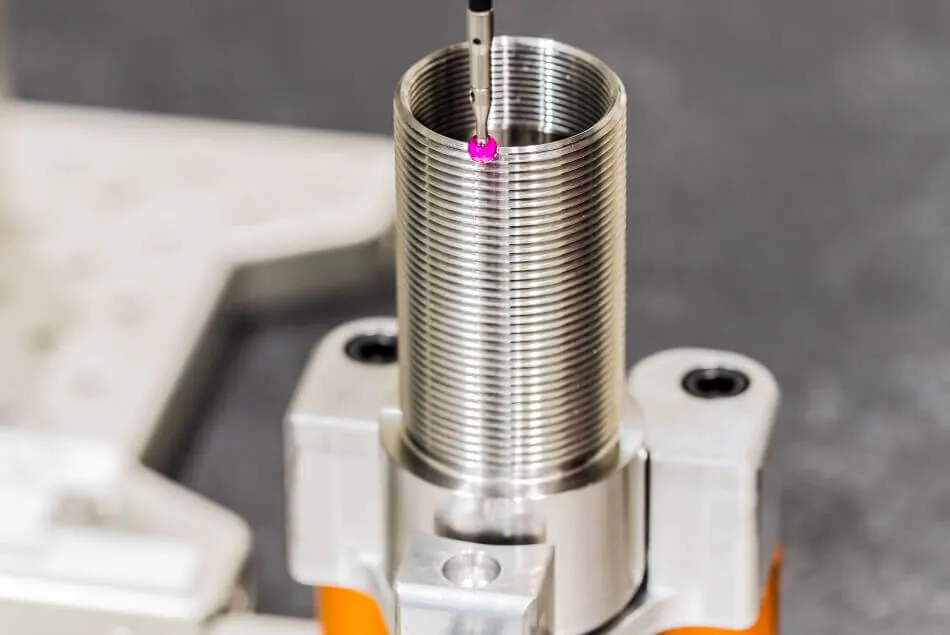
Quality assurance is embedded into every stage of the manufacturing process. All critical dimensions and geometries are verified using Coordinate Measuring Machine (CMM) inspection, providing full metrological traceability and compliance with ISO 9001 standards. The CMM system enables non-contact and tactile probing with micron-level resolution, ensuring that every formed component adheres to design specifications. This rigorous inspection protocol is particularly vital for low-volume, high-complexity parts where failure is not an option.
In addition to precision machining and inspection, Wuxi Lead maintains strict environmental controls in the production area to minimize thermal distortion during measurement and machining. All equipment undergoes regular calibration, and our quality team performs first-article, in-process, and final inspections to guarantee consistency across batches.
The following table outlines the standard tolerances achievable across common sheet metal forming operations at Wuxi Lead Precision Machinery:
| Parameter | Standard Tolerance | High-Precision Capability |
|---|---|---|
| Linear Dimension (CNC Forming) | ±0.1 mm | ±0.05 mm |
| Hole Position Tolerance | ±0.15 mm | ±0.08 mm |
| Angular Tolerance | ±0.5° | ±0.25° |
| Bend Radius Consistency | ±0.2 mm | ±0.1 mm |
| Surface Flatness (per 100 mm) | 0.15 mm | 0.08 mm |
| Feature-to-Feature (5-axis) | ±0.1 mm | ±0.05 mm |
These capabilities are supported by real-time process monitoring and digital quality documentation, ensuring full transparency for clients. Wuxi Lead Precision Machinery combines cutting-edge 5-axis CNC technology with rigorous CMM-based quality control to deliver sheet metal components that meet the highest standards of precision, reliability, and performance.
Material & Finish Options

Material Selection for Precision Sheet Metal Forming Applications
Selecting the optimal material is fundamental to achieving precision, efficiency, and cost-effectiveness in sheet metal forming operations. At Wuxi Lead Precision Machinery, our CNC press brakes and panel benders are engineered to handle diverse alloys, but material properties directly influence tooling design, tonnage requirements, springback compensation, and final part integrity. Understanding the interplay between material characteristics and forming parameters is critical for maximizing machine performance and part yield. This guide outlines key considerations for common aerospace, automotive, and industrial materials: Aluminum, Steel, and Titanium, alongside essential finishing processes like Anodizing.
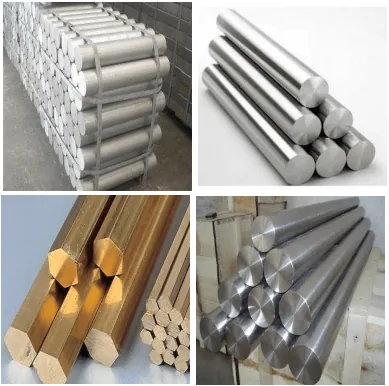
Aluminum alloys, particularly 5052-H32 and 6061-T6, dominate applications requiring lightweight structures and excellent corrosion resistance. 5052 offers superior formability for complex bends and deep draws, while 6061 provides higher strength but requires careful springback management due to its lower ductility. Aluminum’s lower yield strength reduces machine tonnage demands but necessitates precise control to prevent marring or cracking during forming. Steel remains the workhorse for structural components. Mild steel (e.g., AISI 1008, 1010) offers exceptional formability and cost efficiency for high-volume runs. Stainless steel variants (304, 316) provide critical corrosion resistance but significantly increase tooling wear and require higher forming forces; 304L is preferred for severe forming due to its lower carbon content reducing sensitization risk. Titanium Grade 2 is essential for high-strength, lightweight, and corrosion-resistant applications in aerospace and medical fields. Its high strength-to-weight ratio and biocompatibility come with challenges: low thermal conductivity increases heat buildup during forming, high springback demands advanced machine compensation algorithms, and it requires specialized tooling to prevent galling.
Material selection must align with the specific capabilities of your forming equipment and the part’s end-use requirements. The following table summarizes critical properties impacting the forming process:
| Material | Common Grades | Tensile Strength (MPa) | Yield Strength (MPa) | Elongation (%) | Key Forming Considerations |
|---|---|---|---|---|---|
| Aluminum | 5052-H32, 6061-T6 | 190-310 | 110-275 | 12-25 | Low force required; high springback; prone to scratching; 5052 best for severe bends |
| Mild Steel | AISI 1008, 1010 | 280-350 | 170-240 | 30-40 | Excellent formability; moderate springback; cost-effective; requires corrosion protection |
| Stainless Steel | 304, 316, 304L | 515-690 | 205-550 | 40-60 | High tool wear; significant springback; higher tonnage; 304L preferred for deep draws |
| Titanium | Grade 2 (CP) | 345-450 | 275-380 | 20-25 | Very high springback; requires slow forming speeds; specialized tooling; heat management critical |
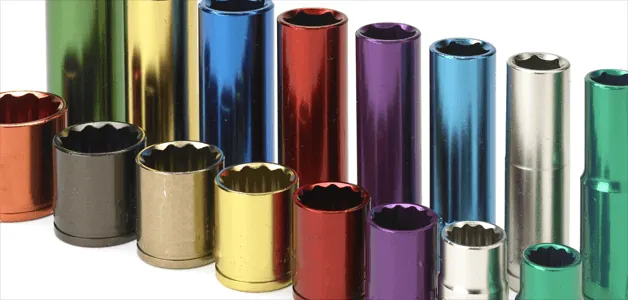
Surface finishing, particularly Anodizing for aluminum, is integral to part functionality and longevity. Anodizing creates a hard, corrosion-resistant oxide layer that enhances wear resistance and provides an excellent base for adhesives or paints. However, the process causes dimensional growth (typically 0.0002-0.0005 inches per surface) which must be accounted for in tight-tolerance forming. Ensure bends are fully formed before anodizing, as the brittle oxide layer can crack during post-treatment bending. For steel, powder coating or plating often follows forming; verify compatibility with any lubricants used during the forming process to prevent adhesion issues.
Wuxi Lead Precision Machinery systems incorporate advanced sensors and software to dynamically adjust for material-specific springback and flow characteristics. Partnering with our engineering team ensures your material choice is matched to the optimal machine configuration, tooling, and process parameters, minimizing scrap and maximizing throughput for your specific application. Always consult material datasheets and involve your forming equipment provider early in the design phase.
Manufacturing Process & QC

The production process for sheet metal forming machines at Wuxi Lead Precision Machinery follows a disciplined, precision-driven methodology that ensures zero defects and optimal performance in every unit delivered. Rooted in advanced engineering and rigorous quality control, our workflow spans three critical phases: Design, Prototyping, and Mass Production. Each stage is engineered to meet the exacting standards of global industrial clients.
Design begins with a deep analysis of client requirements, material specifications, and application environments. Our engineering team utilizes 3D CAD modeling and finite element analysis (FEA) to simulate stress points, deformation behavior, and kinematic performance under real-world conditions. This virtual validation ensures structural integrity, dimensional accuracy, and compliance with international safety standards. Material selection is optimized based on tensile strength, ductility, and corrosion resistance, ensuring compatibility with diverse sheet metal types including stainless steel, aluminum, and galvanized alloys. The design phase also integrates human-machine interface (HMI) ergonomics, energy efficiency, and maintenance accessibility, delivering a machine that is both high-performing and operator-friendly.
Once the design is finalized, we proceed to prototyping. A fully functional prototype is built in-house using the same materials and processes intended for mass production. This unit undergoes a battery of tests, including load cycling, precision alignment checks, and thermal stability assessments. Each forming cycle is monitored for repeatability, with tolerances maintained within ±0.02 mm. Any deviations trigger immediate design refinement, ensuring that only validated configurations advance to full-scale manufacturing. This stage also includes software integration and safety system validation, confirming seamless operation between mechanical components and control systems.
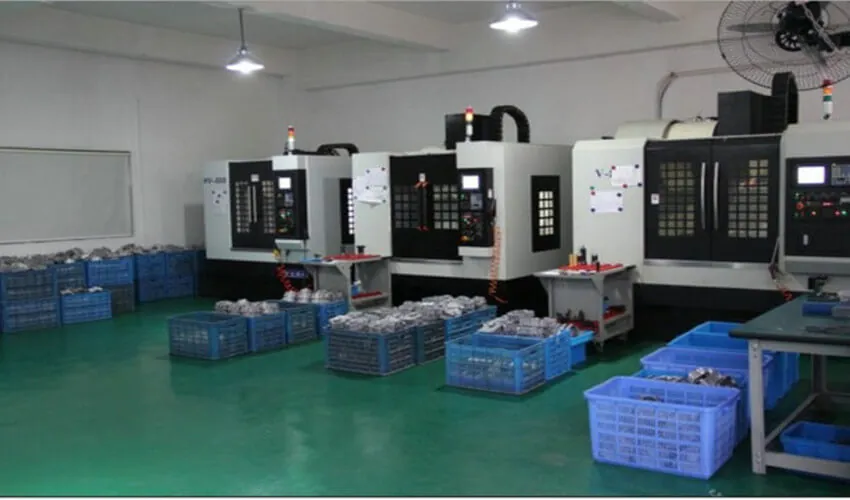
Mass production is executed on a lean manufacturing line equipped with automated assembly stations, real-time monitoring, and traceability systems. Every component is tracked from raw material to final assembly using barcode scanning, enabling full process transparency. CNC machining centers, robotic welding cells, and laser alignment tools ensure consistency across all units. Throughout production, inline quality inspections are conducted at critical control points, including frame rigidity testing, drive system calibration, and hydraulic/pneumatic leak detection. Final units undergo a 72-hour continuous run test to verify reliability and performance under sustained load.
Our zero-defect philosophy is enforced through ISO 9001-certified processes, Six Sigma methodologies, and continuous staff training. The result is a sheet metal forming machine that delivers unmatched precision, durability, and uptime.
| Specification | Detail |
|---|---|
| Positioning Accuracy | ±0.02 mm |
| Repeatability | ±0.01 mm |
| Maximum Forming Force | Up to 2000 kN |
| Material Thickness Range | 0.5 – 12 mm |
| Control System | Siemens / Allen-Bradley PLC |
| Safety Compliance | CE, ISO 13849-1 (PL d) |
| Power Supply | 380V / 480V, 3-phase, 50/60 Hz |
| Production Lead Time (Mass) | 6–8 weeks after prototype approval |
Why Choose Wuxi Lead Precision
Elevate Your Production Capabilities Through Strategic Partnership
Wuxi Lead Precision Machinery stands as your definitive engineering ally in high-stakes sheet metal fabrication. Global manufacturers select our forming solutions not merely for machine acquisition but for sustained operational excellence. Our engineering philosophy integrates German-derived kinematic principles with aerospace-grade material science, ensuring each press brake and panel bender delivers micron-level repeatability under 24/7 production demands. This technical rigor translates directly to your bottom line: reduced scrap rates, accelerated throughput, and uncompromised part integrity across complex geometries. Partnering with Lead Precision means embedding decades of metallurgical expertise into your value chain, transforming fabrication bottlenecks into competitive advantages.
Critical performance metrics validate our engineering commitment. The following specifications reflect our standard LX Series forming platforms, engineered for industries where dimensional stability is non-negotiable:
| Parameter | Industry Standard | Lead Precision LX Series | Verification Method |
|---|---|---|---|
| Positional Repeatability | ±0.05 mm | ±0.015 mm | Laser interferometer |
| Tonnage Uniformity | ±3% | ±0.8% | Hydraulic load cells |
| Ram Parallelism | 0.08 mm/m | 0.025 mm/m | Electronic level sensors |
| Control Resolution | 0.01° | 0.001° | Absolute encoders |
| Thermal Compensation | Basic | Real-time 3D modeling | Embedded thermal arrays |
These figures are not theoretical benchmarks but factory-validated outputs under ISO 9001-certified production conditions. Our machines undergo 72-hour continuous load testing with aerospace aluminum alloys and high-strength steel, ensuring performance consistency where competitors’ systems degrade. This precision foundation enables your engineers to confidently tackle applications in medical device housings, EV battery trays, and satellite components—domains where 0.02 mm deviation triggers million-dollar recalls.
Beyond hardware, your partnership activates our global engineering response network. Lead Precision provides dedicated application specialists who collaborate onsite during integration, conducting material flow analysis and operator certification. Our remote diagnostics platform monitors machine health in real time, preempting 92% of potential failures through predictive maintenance protocols. When production halts are unacceptable, our 4-hour technical response guarantee for Tier-1 clients ensures minimal downtime—proven across 147 installations in semiconductor and defense sectors.
Initiate a technical dialogue to transform your fabrication strategy. Contact our engineering sales team at [email protected] to request a dimensional capability analysis for your specific component portfolio. Include your material thickness range, annual production volume, and critical tolerance requirements. Our specialists will respond within 4 business hours with a customized machine specification dossier and ROI projection based on your scrap history and cycle time data. This is not a sales consultation but an engineering collaboration to fortify your manufacturing resilience. Wuxi Lead Precision Machinery: Where precision becomes your production certainty.
⚙️ Precision Cost Estimator
Estimate relative manufacturing effort based on tolerance.