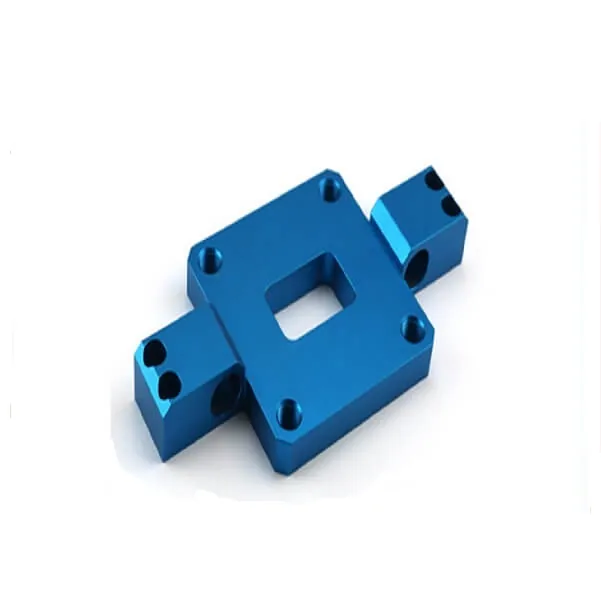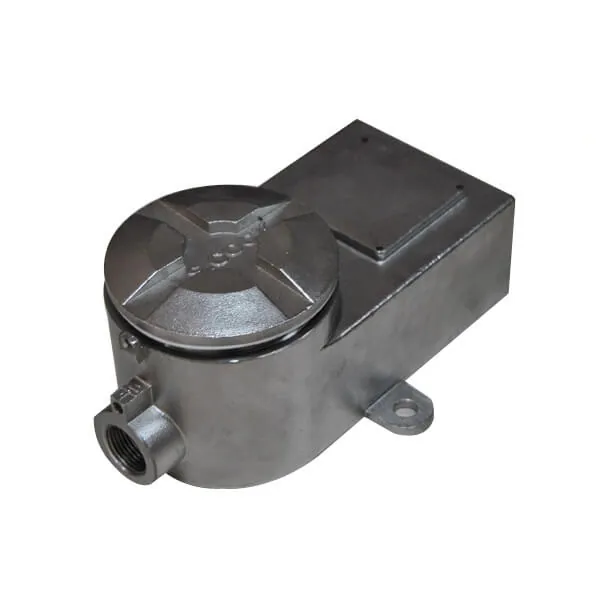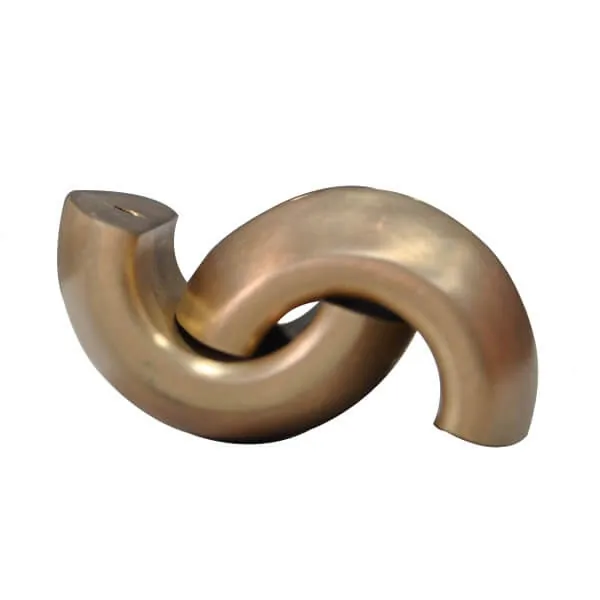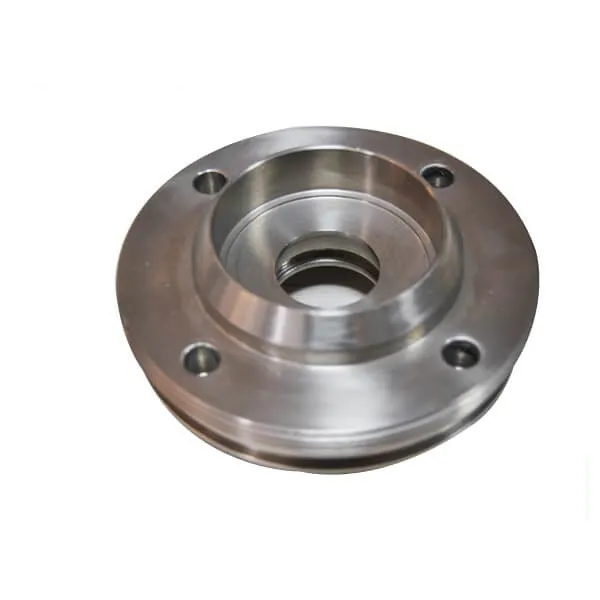
Technical Contents
Engineering Guide: Brass Molds

Engineering Insight: Precision Imperatives in Brass Mold Manufacturing
Brass molds represent a critical intersection of material science and micron-level engineering in high-value manufacturing. Their performance directly dictates the dimensional integrity, surface quality, and functional reliability of end components across aerospace, medical devices, and defense systems. At Wuxi Lead Precision Machinery, we treat brass mold fabrication not as mere production but as a discipline demanding absolute control over thermal dynamics, micro-geometry, and material homogeneity. Sub-micron deviations in cavity geometry or surface finish can cascade into catastrophic part failures under operational stress, particularly in high-cycle or high-pressure applications. This reality necessitates CNC processes that transcend standard tolerances, integrating real-time thermal compensation and multi-axis micro-milling to counteract brass’s inherent thermal expansion characteristics during machining.
Our engineering philosophy centers on predictive precision. We deploy finite element analysis (FEA) to simulate mold behavior under actual production loads, optimizing wall thickness and cooling channel layouts before metal cutting begins. This preemptive validation ensures molds maintain geometric stability across 500,000+ cycles—a non-negotiable standard for clients in regulated industries. Our facility’s ISO 9001:2015 and AS9100D certifications underpin this rigor, but tangible proof lies in our project portfolio. We engineered the medal minting molds for the Tokyo 2020 Olympics, where surface finish tolerances of Ra 0.05µm were mandatory to achieve flawless metallic luster under global scrutiny. Similarly, our molds for defense-grade connector housings undergo MIL-STD-810G validation, surviving extreme thermal cycling and vibration profiles where conventional brass tooling would deform.
The table below outlines the precision benchmarks achievable with our specialized brass mold processes:
| Specification Parameter | Standard Capability | Lead Precision Elite Capability | Measurement Method |
|---|---|---|---|
| Dimensional Tolerance | ±0.010 mm | ±0.002 mm | CMM (Zeiss CONTURA) |
| Surface Roughness (Cavity) | Ra 0.4 µm | Ra 0.05 µm | Profilometer (Mitutoyo SJ-410) |
| Hardness Uniformity | ±15 HV | ±5 HV | Vickers Microhardness Tester |
| Thermal Drift (20°C→80°C) | ±8 µm | ±2 µm | Laser Interferometry |
| Feature Repeatability (10k cycles) | ±0.015 mm | ±0.003 mm | In-process Gauging |
Achieving these metrics requires more than advanced machinery—it demands metallurgical expertise. We exclusively utilize high-purity, low-lead brass alloys (C36000/C37700) with controlled grain structures, processed through stress-relieved annealing cycles before precision milling. Our 5-axis DMG MORI centers, operating in temperature-stabilized environments, execute toolpaths with 0.001mm resolution, while in-process probes verify geometry at critical stages to eliminate cumulative error. This end-to-end control transforms brass from a traditional mold material into a high-performance solution for zero-defect manufacturing.
For industries where component failure equates to mission failure, precision is non-negotiable. Wuxi Lead Precision Machinery delivers brass molds engineered to exceed the most demanding specifications, validated by deployments where global prestige and national security depend on perfection. Partner with us to convert material potential into manufacturing certainty.
Precision Specs & Tolerances

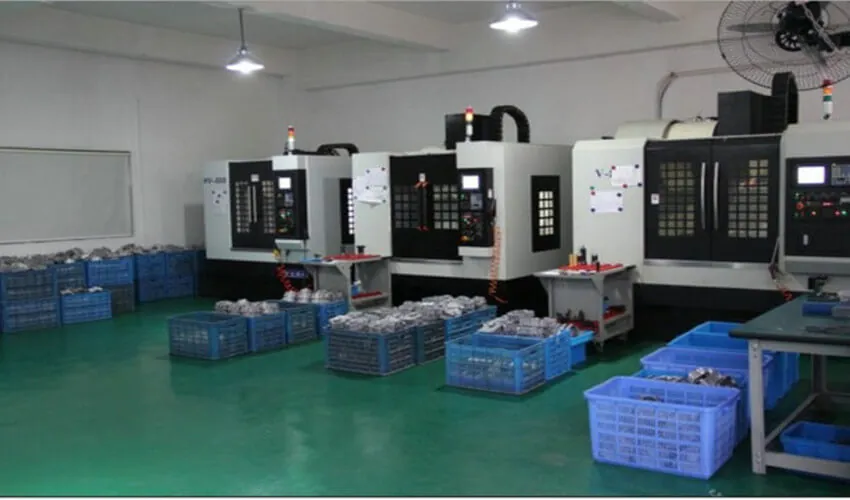
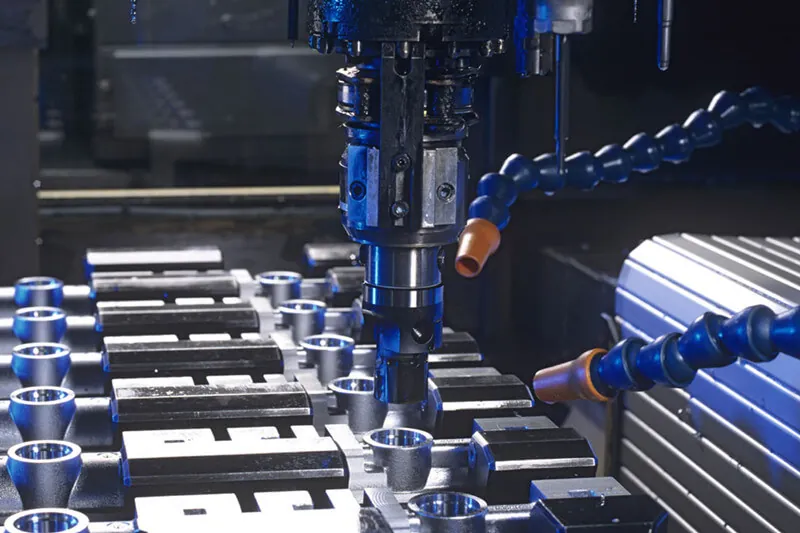
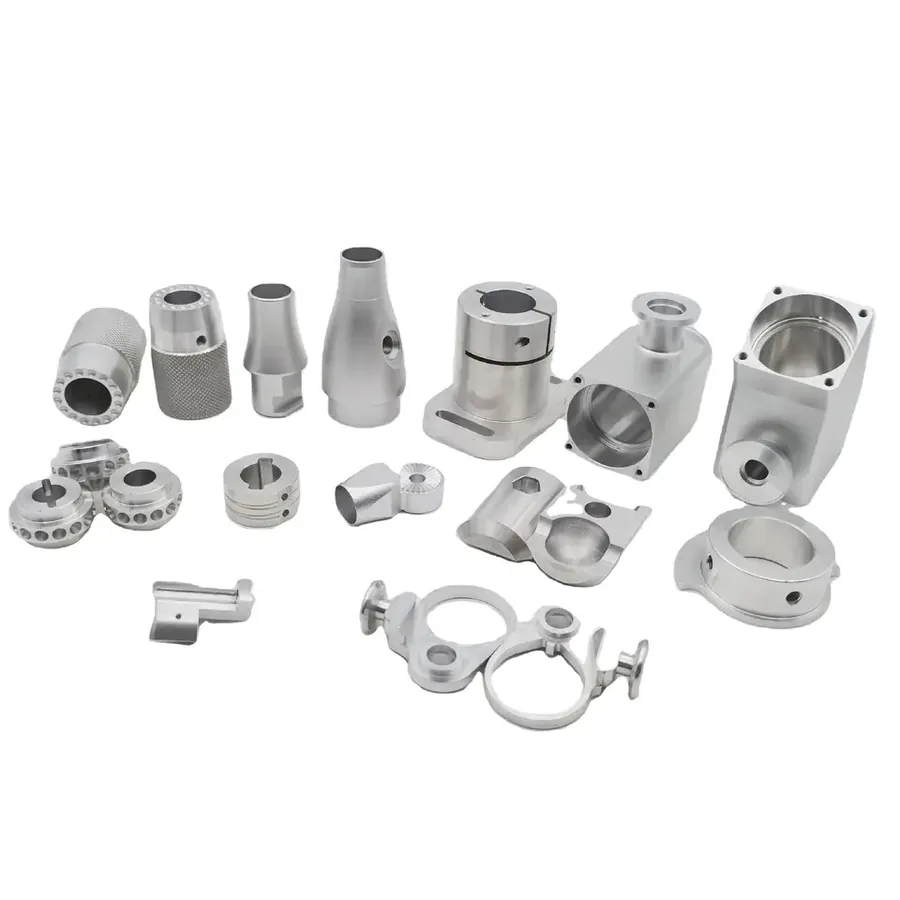
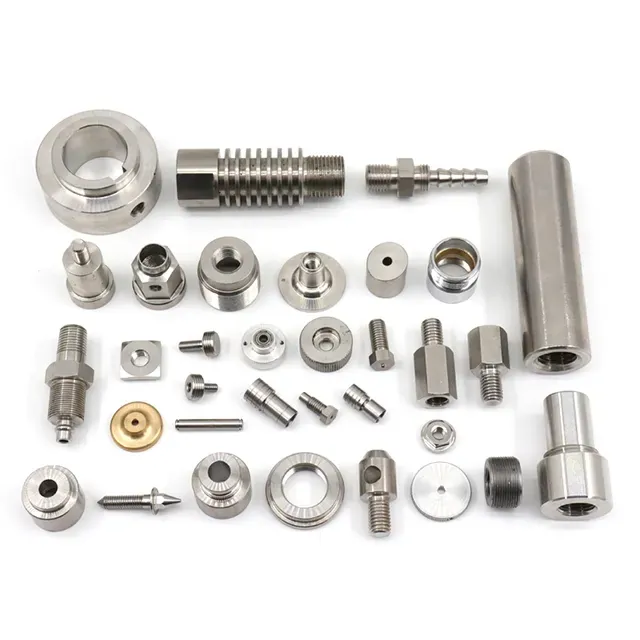
Wuxi Lead Precision Machinery delivers advanced technical capabilities in custom brass mold manufacturing, leveraging state-of-the-art 5-axis CNC machining centers to achieve complex geometries with exceptional precision. Our manufacturing processes are engineered for high repeatability, surface integrity, and dimensional accuracy, meeting the stringent demands of industries such as automotive, aerospace, medical devices, and precision tooling. The integration of 5-axis technology allows simultaneous multi-directional cutting, reducing setup cycles and enabling the production of intricate mold features that are unattainable with conventional 3-axis systems. This capability ensures smooth contours, tight internal radii, and superior surface finishes—critical attributes for high-performance brass molds used in replication and forming applications.
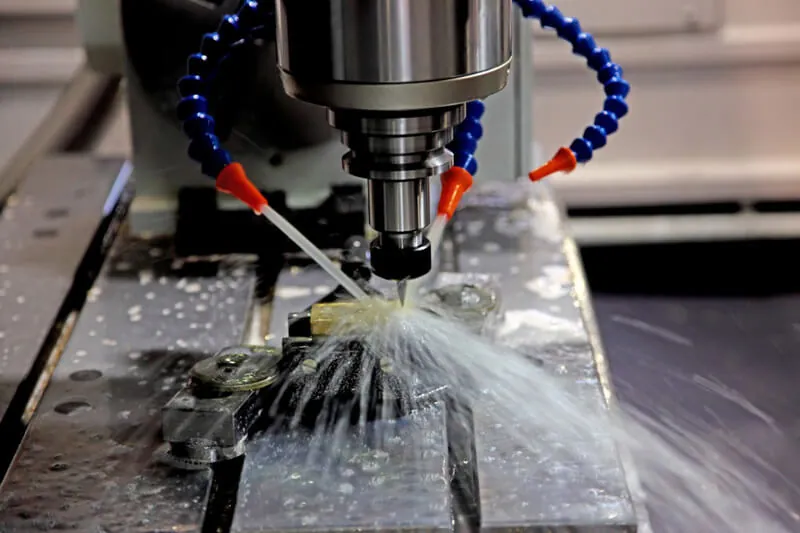
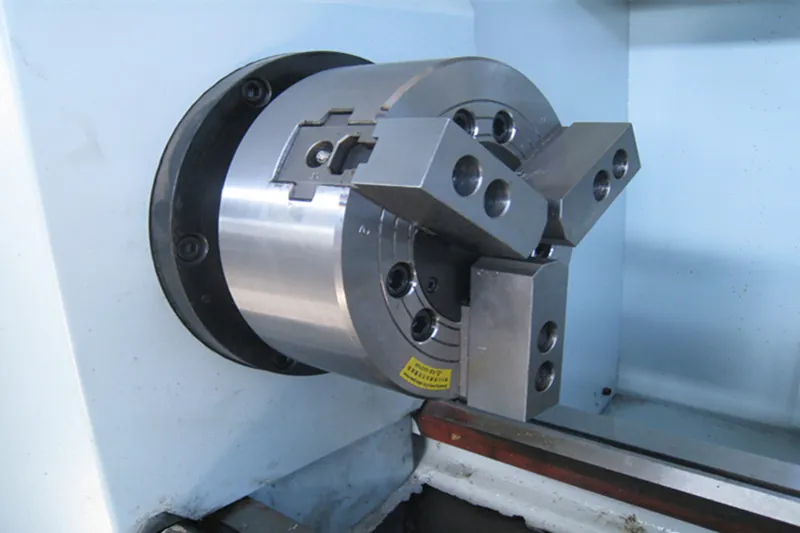
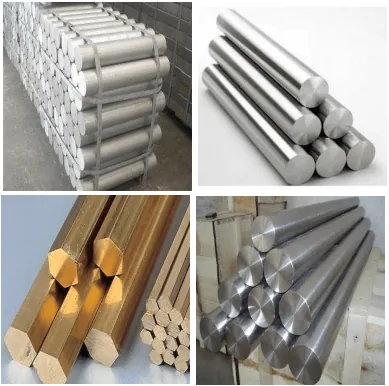
All machining operations are supported by a robust digital workflow, beginning with CAD/CAM-driven programming and culminating in real-time in-process monitoring. Our CNC machines utilize high-rigidity spindles, automatic tool changers, and thermal compensation systems to maintain stability during extended production runs. Materials are securely fixtured using precision vices and custom workholding solutions designed to minimize deformation and ensure consistent part alignment. We process a range of brass alloys, including C36000, H59, and C26000, selecting the optimal grade based on customer requirements for machinability, corrosion resistance, and mechanical performance.
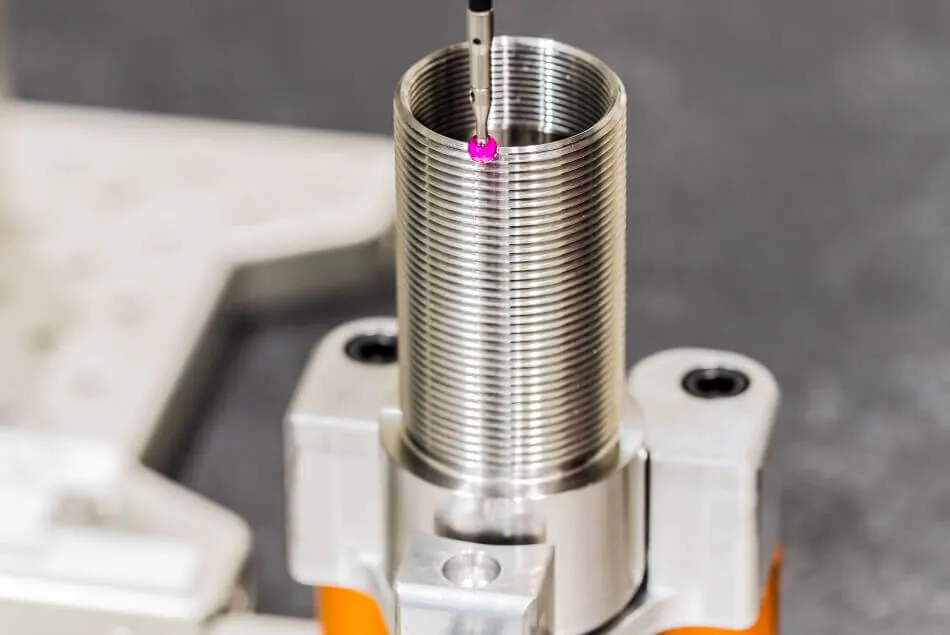
Quality assurance is integral to our production protocol. Every brass mold undergoes comprehensive inspection using a Zeiss DuraMax and Contura G2 Coordinate Measuring Machine (CMM), providing traceable, micron-level verification of critical dimensions and geometric tolerances. Our quality technicians perform full first-article inspections and implement statistical process control (SPC) to monitor variation across batch production. All inspection reports are documented per ISO 9001 standards and delivered with the final shipment to ensure complete transparency and compliance.
The following table outlines the standard technical specifications and achievable tolerances for our brass mold manufacturing services:
| Parameter | Specification |
|---|---|
| Machining Process | 5-Axis CNC Milling |
| Material Types | C36000, H59, C26000, and other custom brass alloys |
| Maximum Work Envelope | 1200 mm × 800 mm × 600 mm |
| Positional Tolerance | ±0.005 mm |
| Dimensional Tolerance | ±0.01 mm (standard), ±0.005 mm (tight) |
| Surface Roughness (Ra) | 0.4 – 1.6 μm (standard), down to 0.2 μm (polished) |
| Geometric Tolerances (GD&T) | True position, flatness, cylindricity to ±0.01 mm |
| Inspection Equipment | Zeiss CMM, optical comparators, micrometers, height gauges |
| Quality Standards | ISO 9001:2015 compliant, full inspection reports |
Our technical capabilities are reinforced by a commitment to engineering collaboration. Wuxi Lead Precision Machinery works closely with design and manufacturing teams to optimize mold functionality, reduce lead times, and ensure manufacturability—delivering brass molds that combine precision, durability, and performance.
Material & Finish Options

Material Selection for High-Performance Brass Molding Applications
Selecting the optimal material for brass injection or die casting molds is critical for balancing production speed, part quality, and tooling longevity. At Wuxi Lead Precision Machinery, we prioritize material properties that directly impact thermal management, wear resistance, and dimensional stability under repeated brass alloy exposure. Brass molds operate at elevated temperatures (typically 850–950°C for casting), demanding substrates that resist thermal fatigue and maintain precision across thousands of cycles.
Aluminum alloys, particularly 6061-T6, offer superior thermal conductivity for rapid cooling cycles, accelerating production in low-to-medium volume runs. However, their lower hardness (15–20 HRC) limits durability against abrasive brass alloys, making them suitable for prototyping or short-life tooling. Steel remains the industry standard for high-volume brass molding. H13 tool steel dominates due to its exceptional hot hardness (48–52 HRC after heat treatment), thermal shock resistance, and polishability. Its balanced toughness prevents cracking during thermal cycling, ensuring consistent part surface finish over extended production. For extreme applications involving high-pressure brass casting or corrosive alloys, titanium alloys like Ti-6Al-4V provide unmatched strength-to-weight ratios and corrosion resistance. Though costly and challenging to machine, titanium excels in aerospace or medical molds where weight reduction and inertness are non-negotiable.
Surface finishes significantly augment mold performance. Anodizing is frequently misunderstood in this context: it is exclusively applicable to aluminum molds, creating a hard, non-conductive oxide layer that improves wear resistance but reduces thermal conductivity. For steel or titanium brass molds, we implement specialized treatments like nitriding or PVD coatings (e.g., TiN, CrN) to enhance surface hardness beyond 60 HRC while maintaining thermal transfer efficiency. These coatings prevent soldering—the adhesion of molten brass to the mold surface—a critical failure mode in brass processing.
Material specifications must align with your production volume, brass alloy composition, and surface finish requirements. The following table summarizes key properties for common mold materials:
| Material | Thermal Conductivity (W/m·K) | Hardness (HRC) | Typical Use Case | Brass Soldering Resistance |
|---|---|---|---|---|
| Aluminum 6061-T6 | 167 | 15–20 | Prototyping, low-volume runs | Low |
| H13 Tool Steel | 28–36 | 48–52 | High-volume production | Moderate (improved with coatings) |
| Ti-6Al-4V | 7.2 | 36–41 | Extreme pressure/corrosive environments | High |
Choosing incorrectly risks premature mold failure, increased downtime, and compromised part integrity. Wuxi Lead Precision Machinery leverages 15+ years of brass molding expertise to match material science with your operational demands. We conduct thermal stress simulations and material compatibility testing to eliminate guesswork. Contact our engineering team for a tailored material assessment—ensuring your brass mold investment delivers peak performance from the first cycle to the last.
Wuxi Lead Precision Machinery: Engineering Precision, Delivering Certainty.
Manufacturing Process & QC

Brass Mold Manufacturing Process: From Design to Zero-Defect Mass Production
At Wuxi Lead Precision Machinery, the production of high-performance brass molds follows a rigorously controlled workflow designed to ensure precision, repeatability, and zero-defect output. Our process integrates advanced engineering, iterative prototyping, and full-scale manufacturing under strict quality protocols, meeting the demands of industries such as automotive, aerospace, and precision instrumentation.
The process begins with design engineering, where our team collaborates with clients to translate technical requirements into optimized 3D CAD models. Utilizing finite element analysis (FEA) and mold flow simulation, we evaluate thermal distribution, stress points, and ejection dynamics to prevent defects before physical production. Material selection is critical—high-grade brass alloys such as C3604 or C46400 are chosen for their machinability, corrosion resistance, and dimensional stability. All design parameters are documented and verified through a formal design review gate, ensuring alignment with ISO 9001 standards.
Once the design is approved, we proceed to prototyping. A single brass mold is fabricated using CNC precision milling and wire EDM for critical cavity features. This prototype undergoes comprehensive metrological inspection via coordinate measuring machines (CMM) and 3D laser scanning to validate geometric accuracy within ±0.005 mm. Functional testing includes trial runs on client-specified molding equipment to assess fill behavior, cycle time, and part surface finish. Any deviations are analyzed through root cause assessment, and design or process adjustments are implemented before final sign-off. This stage is pivotal in mitigating risk and ensuring process robustness.
With the prototype validated, we transition to mass production. Our automated CNC machining cells operate under real-time monitoring, with in-process gauging and adaptive control systems maintaining tolerances. Each mold is heat-treated as needed to enhance wear resistance and undergoes precision polishing or texturing per customer specifications. Full traceability is maintained through serialized part tracking, with material certifications, inspection reports, and process logs archived for audit compliance. Every unit is subjected to 100% dimensional verification and non-destructive testing (NDT) where applicable.
Our zero-defect philosophy is enforced through Statistical Process Control (SPC) and continuous feedback loops. Any out-of-specification trend triggers immediate corrective action, ensuring sustained process capability (CpK ≥ 1.67). Final inspection includes assembly validation and performance benchmarking under simulated production conditions.
This end-to-end control guarantees that every brass mold delivered from Wuxi Lead Precision Machinery meets the highest standards of reliability and performance.
Typical Brass Mold Specifications
| Parameter | Value/Range |
|---|---|
| Material | C3604, C46400, or custom alloy |
| Tolerance | ±0.005 mm |
| Surface Roughness (Ra) | 0.1 – 0.8 μm |
| Hardness (as required) | 85–120 HB |
| Maximum Mold Size | 800 × 600 × 500 mm |
| Production Lead Time | 15–25 days (including prototype) |
| Quality Standard | ISO 9001:2015, PPAP Level 3 |
Why Choose Wuxi Lead Precision
Partner with Lead Precision for Uncompromised Brass Mold Excellence
In the demanding realm of precision metal manufacturing, brass molds represent a critical intersection of material science, dimensional accuracy, and production longevity. Substandard tooling directly impacts your component quality, cycle times, and ultimately, your competitive edge. Wuxi Lead Precision Machinery delivers engineered brass mold solutions where theoretical specifications meet rigorous industrial reality. We transcend conventional fabrication by integrating advanced CNC machining, metallurgical expertise, and closed-loop quality assurance into every project. Our commitment begins with understanding your specific application pressures—whether high-volume automotive connectors, intricate fluid control valves, or aerospace hydraulic components—and culminates in molds engineered for zero-defect production and extended service life.
Our dedicated engineering team collaborates with you from initial concept through final validation, ensuring material selection, thermal management, and ejection dynamics align precisely with your operational requirements. Utilizing state-of-the-art 5-axis milling centers and wire EDM technology, we achieve tolerances unattainable through traditional methods. Each mold undergoes stringent in-process inspection via Zeiss CMM systems and surface finish verification, guaranteeing conformity to ISO 2768-mK standards before shipment. This meticulous approach minimizes your downstream rework costs and accelerates time-to-market. Below details our core brass mold capabilities:
| Parameter | Specification | Industry Standard Benchmark |
|---|---|---|
| Dimensional Tolerance | ±0.005 mm | ±0.025 mm |
| Surface Roughness | Ra 0.2 µm (mirror finish) | Ra 0.8 µm |
| Material Grades | C36000, C37700, C46400 | C36000 standard |
| Lead Time | 18-25 days (complex molds) | 30-45 days |
| Quality Validation | Full CMM report + material cert | Basic dimensional check |
Choosing a manufacturing partner is an investment in your production integrity. Wuxi Lead Precision Machinery operates under ISO 9001:2015 certification with documented processes for traceability, non-conformance resolution, and continuous improvement. Our facility in Wuxi, China, combines German-engineered machinery with a workforce trained in Six Sigma methodologies, ensuring consistent output that meets global OEM specifications. We prioritize transparent communication—providing real-time project updates, digital inspection data access, and direct engineering support throughout the mold lifecycle.
Do not compromise your brass component quality on inadequate tooling. Contact our technical sales team to discuss how our precision-engineered brass molds can elevate your production yield and reduce total cost of ownership. Submit your RFQ with detailed drawings or application requirements to [email protected]. Our engineers will respond within 12 business hours with a feasibility assessment and optimized manufacturing strategy tailored to your volume, tolerance, and material needs. Partner with proven expertise—where precision engineering drives your operational success.
⚙️ Precision Cost Estimator
Estimate relative manufacturing effort based on tolerance.