Technical Contents
Engineering Guide: Order Sheet Metal

Engineering Insight: The Critical Role of Precision in Sheet Metal Fabrication
In high-end manufacturing, the term “precision” is not merely a performance metric—it is a foundational requirement. When businesses order sheet metal components for integration into complex assemblies, even minor deviations in dimensional accuracy can cascade into systemic failures, costly rework, or compromised product integrity. At Wuxi Lead Precision Machinery, we understand that precision is not achieved through equipment alone, but through a disciplined integration of advanced technology, rigorous quality control, and decades of engineering expertise.
Our facility in Wuxi, China, has been entrusted with producing sheet metal components for mission-critical applications, including systems deployed in Olympic infrastructure projects and select military-grade equipment. These engagements demand more than standard fabrication capabilities—they require traceable processes, material accountability, and adherence to international tolerances. For instance, in the construction of high-speed rail control housings used during Olympic transit operations, geometric deviations beyond ±0.1 mm risked signal interference and thermal mismanagement. Our team delivered components within ±0.05 mm tolerance, verified through CMM (Coordinate Measuring Machine) inspection, ensuring seamless integration and long-term reliability.
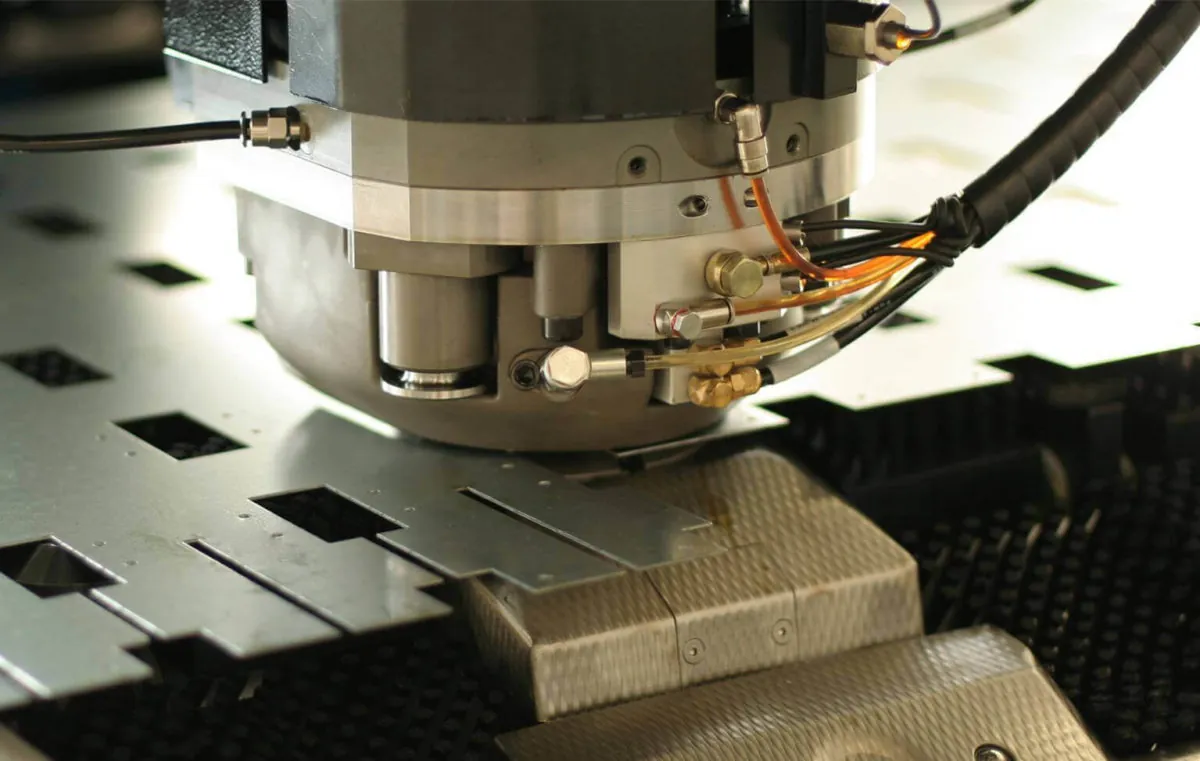
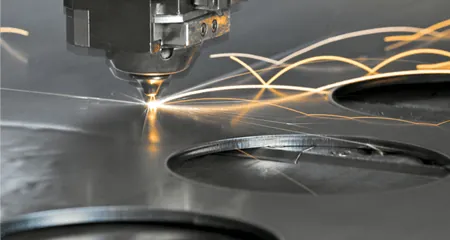
Precision begins at the design phase. We work directly with client engineering teams to optimize manufacturability, identifying potential stress points, weld distortions, or tool access constraints before cutting a single sheet. Our CNC turret punching, laser cutting, and press brake forming systems are calibrated daily and operate under ISO 9001-certified protocols. Material selection is equally critical—our inventory includes SS304, SS316, AL5052, and SPCC, all sourced from certified mills with full material test reports (MTRs) available upon request.
To ensure consistency across production runs, we employ in-process inspection at key stages: post-cutting, post-bending, and pre-assembly. This layered quality approach minimizes variance and supports repeatability, especially vital for clients in automation, defense, and transportation sectors where component uniformity directly impacts system performance.
The table below outlines our standard precision capabilities for sheet metal fabrication:
| Parameter | Standard Tolerance | High-Precision Option |
|---|---|---|
| Laser Cutting | ±0.1 mm | ±0.05 mm |
| CNC Punching | ±0.15 mm | ±0.1 mm |
| CNC Bending | ±0.2° / ±0.1 mm | ±0.1° / ±0.05 mm |
| Hole Positioning | ±0.1 mm | ±0.05 mm |
| Overall Dimension (up to 1m) | ±0.3 mm | ±0.15 mm |
| Surface Roughness (Ra) | ≤1.6 μm | ≤0.8 μm |
Ordering sheet metal from a partner with proven engineering rigor ensures more than dimensional accuracy—it delivers confidence in performance, longevity, and compliance. At Wuxi Lead Precision Machinery, our legacy in high-stakes manufacturing drives every cut, bend, and weld we produce.
Precision Specs & Tolerances

Technical Capabilities: Precision Sheet Metal Fabrication at Wuxi Lead Precision Machinery
Wuxi Lead Precision Machinery delivers uncompromising precision and complexity management for demanding sheet metal fabrication projects. Our technical foundation integrates advanced multi-axis CNC technology with rigorous metrology protocols, ensuring components meet the exacting standards required by aerospace, medical, and high-tech industrial sectors. We specialize in transforming intricate designs into reality, handling geometric challenges and tight tolerances that exceed conventional manufacturing limits.
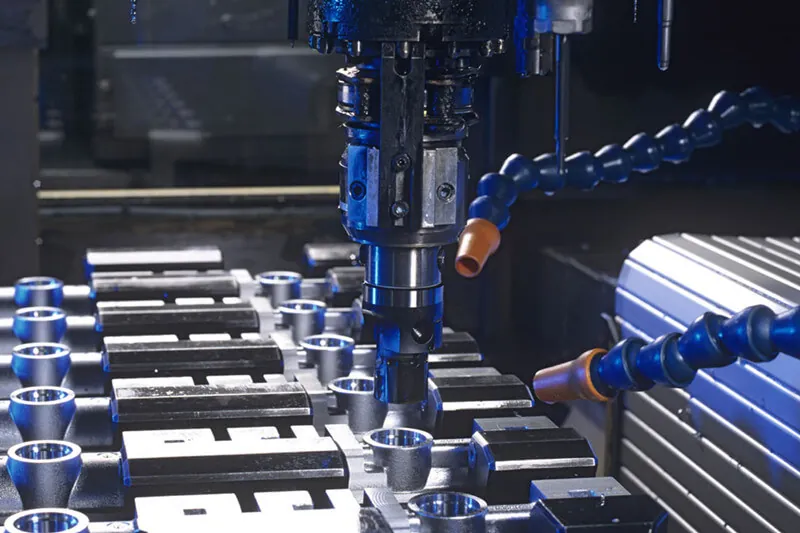
Our core capability centers on 5-Axis CNC Machining Centers. Unlike standard 3-axis systems, our Haas and DMG MORI platforms perform simultaneous 5-axis interpolation. This enables single-setup machining of complex contours, deep cavities, and compound angles on sheet metal parts. The elimination of multiple re-fixturing stages significantly reduces cumulative error potential, enhances part accuracy, and improves surface finish consistency. This capability is essential for producing integrated structural components, fluid manifolds, and precision housings where feature alignment across multiple planes is critical. Material utilization is optimized, minimizing waste on high-value alloys like titanium, Inconel, and specialty stainless steels.
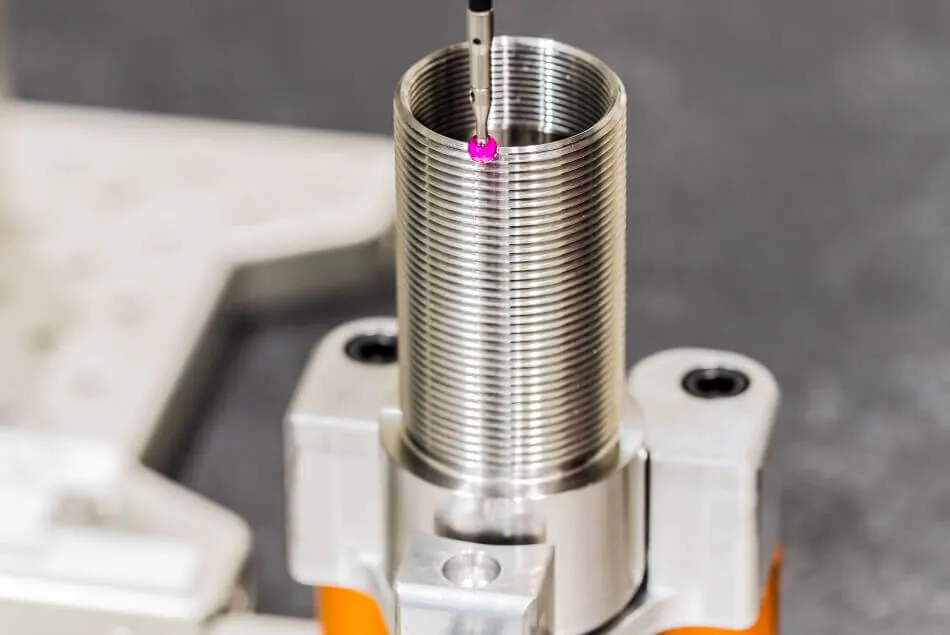
Quality assurance is non-negotiable. Every critical dimension undergoes validation using our Zeiss CONTURA G2 Coordinate Measuring Machine (CMM). Operating under ISO 10360-2 standards, this metrology system provides traceable, micron-level verification of geometric dimensioning and tolerancing (GD&T). Our inspection protocol includes first-article reporting per AS9102, comprehensive in-process checks, and final certification dossiers. This systematic approach ensures dimensional integrity throughout production runs, providing clients with documented evidence of conformance and process stability. Real-time data from the CMM feeds directly into our statistical process control (SPC) system, enabling proactive adjustments and continuous capability improvement.
The following table details our standard achievable tolerances for common sheet metal fabrication processes, reflecting our commitment to precision engineering. These values represent baseline capabilities under controlled conditions; tighter tolerances are achievable for specific applications through process refinement and dedicated tooling.
| Process | Material Thickness Range | Standard Tolerance (Linear) | Standard Tolerance (Geometric) |
|---|---|---|---|
| Laser Cutting | 0.5 mm – 25 mm | ±0.05 mm | ±0.1° Angularity |
| CNC Punching | 0.8 mm – 6.0 mm | ±0.08 mm | ±0.2° Positional |
| Precision Bending | 0.5 mm – 12 mm | ±0.1° Bend Angle | ±0.1 mm Bend Radius |
| 5-Axis Milling (on sheet) | Up to 50 mm Plate | ±0.01 mm | ±0.005 mm Profile |
| CMM Inspection | All Processed Parts | Measurement Uncertainty ±0.0025 mm | Full GD&T Verification |
This technical infrastructure—combining 5-axis versatility with metrology-grade verification—ensures Wuxi Lead consistently delivers sheet metal components where precision, repeatability, and material integrity are paramount. We partner with clients during design for manufacturability (DFM) to optimize part geometry for our capabilities, reducing lead times and eliminating costly iterations. Contact our engineering team to discuss how our technical capabilities solve your most challenging fabrication requirements.
Material & Finish Options

Material Selection in Precision Sheet Metal Fabrication
Selecting the appropriate material and finish is critical when designing components for high-performance industrial applications. At Wuxi Lead Precision Machinery, we specialize in precision sheet metal fabrication using advanced CNC technologies and material expertise. Understanding the mechanical, thermal, and environmental requirements of your application enables optimal material choice—ensuring durability, cost-efficiency, and long-term reliability.
Aluminum is widely used in aerospace, electronics, and transportation due to its excellent strength-to-weight ratio, corrosion resistance, and electrical conductivity. Grade 6061-T6 is particularly popular for structural components, offering good weldability and machinability. Its lightweight nature reduces overall system weight without sacrificing performance, making it ideal for dynamic or portable systems.
Steel remains the backbone of heavy-duty industrial fabrication. Cold-rolled steel (CRS) and stainless steel (particularly grades 304 and 316) offer high tensile strength and resistance to mechanical stress. While CRS provides excellent dimensional accuracy and surface finish for painted or coated parts, stainless steel delivers inherent corrosion resistance—critical in medical, food processing, and marine environments. Grade 316 stainless steel includes molybdenum, enhancing resistance to chlorides and acidic conditions.
Titanium, though more costly, is unmatched in extreme environments. Its exceptional strength-to-density ratio, resistance to oxidation, and performance at elevated temperatures make it the material of choice for aerospace, defense, and high-end medical devices. Grade 2 titanium is commonly used in sheet form for its balance of ductility and corrosion resistance, while Grade 5 (Ti-6Al-4V) offers superior strength for load-bearing components.
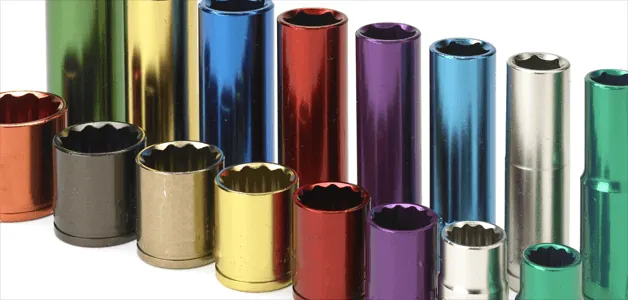
Surface finishing enhances both functionality and appearance. Anodizing is a key process for aluminum, creating a durable, non-conductive oxide layer that improves wear and corrosion resistance. Type II (sulfuric acid) anodizing is standard for decorative and protective finishes, available in clear or colored options. Type III (hardcoat) anodizing produces thicker, harder coatings suitable for high-wear applications such as hydraulic systems or industrial machinery. Anodized layers are integral to the base metal, ensuring they do not chip or peel under stress.
Below is a comparative overview of key material properties and available finishes.
| Material | Grade | Tensile Strength (MPa) | Corrosion Resistance | Common Applications | Available Finishes |
|---|---|---|---|---|---|
| Aluminum | 6061-T6 | 310 | High | Aerospace, Electronics | Anodizing (Type II, Type III) |
| Stainless Steel | 304 | 505–700 | Very High | Food Processing, Medical | Passivation, Electropolishing |
| Stainless Steel | 316 | 570–700 | Excellent | Marine, Chemical | Passivation, Powder Coating |
| Cold-Rolled Steel | 1008–1010 | 340–420 | Low (requires coating) | Industrial Enclosures | Zinc Plating, Painting |
| Titanium | Grade 2 | 345 | Exceptional | Medical, Aerospace | Bead Blasting, Anodizing (color) |
| Titanium | Grade 5 | 900 | High | Defense, High-Performance | Shot Peening, Polishing |
At Wuxi Lead, we support material certification, precise thickness control, and custom finishing to meet international standards. Our engineering team collaborates with clients to ensure the right material and finish selection aligns with functional demands and production scalability.
Manufacturing Process & QC

Sheet Metal Fabrication: Precision Through Integrated Process Control
At Wuxi Lead Precision Machinery, our production process for sheet metal components is engineered from inception to delivery around the non-negotiable principle of Zero Defects. This commitment is not an aspiration but a systematic outcome of tightly integrated phases: Design for Manufacturability (DFM), Rigorous Prototyping, and Controlled Mass Production. Each stage incorporates proactive validation and closed-loop feedback, eliminating errors before they propagate.
The foundation is collaborative DFM engineering. Our application engineers partner directly with your design team during the quotation phase. We analyze CAD models for manufacturability, identifying potential weaknesses in bend sequences, material grain orientation, tooling accessibility, and tolerance stack-ups. Critical factors like material yield strength, minimum bend radii, and hole-to-edge distances are validated against our machine capabilities and material certifications. This upfront collaboration prevents 90% of potential production flaws, ensuring the design is inherently robust before any metal is cut. We provide detailed DFM reports with actionable recommendations, transforming theoretical designs into production-ready blueprints.
Prototyping is not merely a sample build; it is comprehensive process validation. Using the exact tooling, materials, and CNC programs planned for series production, we fabricate functional prototypes. Every critical dimension, weld integrity, surface finish, and assembly interface undergoes metrology-grade inspection using CMMs, optical comparators, and laser scanners. Dimensional reports are cross-referenced against your specifications and our DFM analysis. Any deviation triggers immediate root cause analysis and process adjustment. Only after the prototype achieves 100% conformance to your requirements and passes functional testing is the process locked for mass production. This phase ensures the manufacturing method itself is defect-proofed.
Mass production executes with military precision under our Zero Defects protocol. Real-time in-process inspection occurs at defined control points: after laser cutting, bending, welding, and finishing. Statistical Process Control (SPC) monitors key parameters like bend angles and hole positions, with automatic machine adjustments if trends approach tolerance limits. Final inspection is 100% for critical features on every part, supplemented by AQL sampling for secondary characteristics. Our integrated MES system tracks every component’s journey, linking inspection data to specific machines, operators, and material lots, enabling instantaneous traceability and corrective action. This relentless focus ensures consistent output meeting the highest standards.
The following table details our core production specifications and quality control metrics:
| Process Parameter | Standard Capability | Zero Defects Protocol | Measurement Method |
|---|---|---|---|
| Dimensional Tolerance | ISO 2768-mK | Tighter internal tolerance ±0.05mm | CMM, Optical Comparator |
| Bend Angle Accuracy | ±0.5° | Real-time SPC monitoring ±0.2° | Laser Angle Gauge |
| Surface Finish (Ra) | ≤1.6 µm | 100% visual & tactile check | Profilometer Spot Check |
| Weld Integrity | ISO 10042 C | 100% visual + dye penetrant | NDT per requirement |
| In-Process Inspection | AQL 1.0 | 100% critical features | Automated Vision System |
| Traceability | Lot Level | Full component serialization | Barcode/MES Integration |
This disciplined progression from intelligent design through validated prototyping to rigorously controlled mass production is how Wuxi Lead delivers true Zero Defects performance. We transform your specifications into flawless reality, minimizing your risk and maximizing your supply chain reliability. Partner with us for sheet metal fabrication where precision is engineered, not inspected.
Why Choose Wuxi Lead Precision
Partner with Lead Precision for Unmatched Sheet Metal Fabrication Excellence
At Wuxi Lead Precision Machinery, we understand that precision, reliability, and speed are non-negotiable in high-end manufacturing. As a globally trusted partner in sheet metal fabrication, we deliver engineered solutions that meet the exacting standards of aerospace, medical, industrial automation, and advanced electronics sectors. Our clients choose us not only for our technical capabilities but for our unwavering commitment to quality, transparency, and on-time delivery.
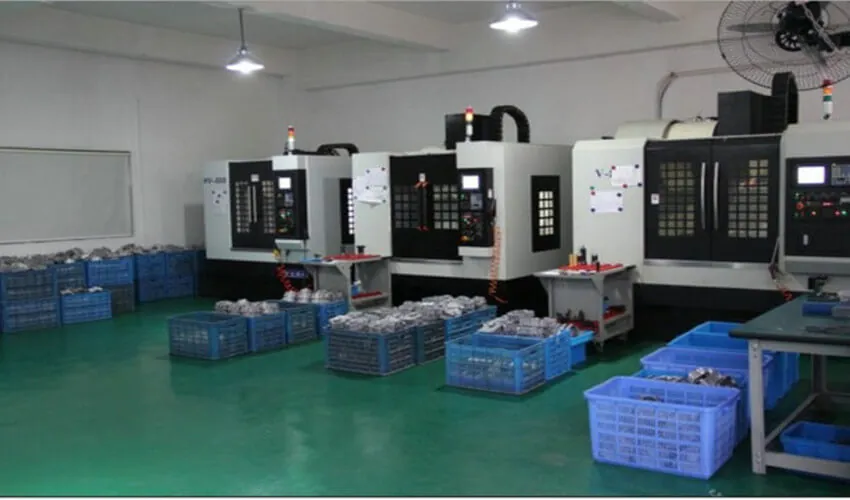
When you partner with Lead Precision, you gain access to a fully integrated manufacturing ecosystem backed by over 15 years of engineering expertise. Our facility in Wuxi, China, is equipped with state-of-the-art CNC punching, laser cutting, bending, and welding systems, enabling us to handle complex geometries and tight tolerances with ease. Every component is manufactured under ISO 9001:2015 certified processes, ensuring consistency and traceability across every production run.
We specialize in low to mid-volume production with rapid turnaround, offering scalable solutions that adapt to your project’s demands—whether prototyping or series production. Our team of senior CNC engineers collaborates directly with your design staff to optimize manufacturability, reduce material waste, and accelerate time-to-market. From DFM analysis to final surface treatment, we manage every stage with precision and accountability.
Our clients value the seamless integration we provide—from digital quoting and real-time production updates to comprehensive quality reporting and global logistics coordination. We don’t just fabricate parts; we deliver peace of mind through engineering partnership.
Key Technical Capabilities
| Specification | Detail |
|---|---|
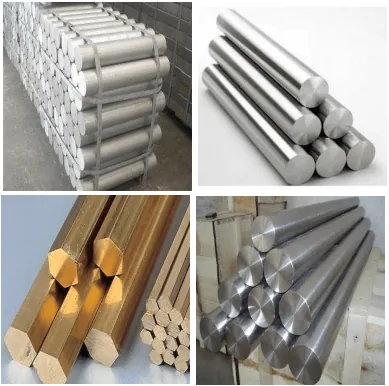
| Material Range | Mild Steel, Stainless Steel (304, 316), Aluminum (5052, 6061), Galvanized, Copper, Brass |
| Thickness Range | 0.5 mm – 6.0 mm |
| Laser Cutting Accuracy | ±0.1 mm |
| Max Laser Cutting Size | 3000 mm × 1500 mm |
| CNC Punching | Up to 35 tons, micro-pinch capabilities |
| CNC Bending | Up to 1000 mm length, ±0.2° angular accuracy |
| Tolerance Standards | ISO 2768-m, or custom per drawing |
| Secondary Operations | Welding (TIG, MIG, Spot), Deburring, Grinding, Surface Finishing (Powder Coating, Anodizing, Plating) |
| Quality Control | In-process inspection, CMM reporting, First Article Inspection (FAI), PPAP documentation |
We invite global OEMs, system integrators, and engineering firms to experience the Lead Precision difference. Whether you require a single prototype or a recurring production order, our team is ready to support your project with technical rigor and responsive service.
Contact us today at [email protected] to request a quote, submit your design files, or speak with one of our senior manufacturing engineers. Let’s build precision together.
⚙️ Precision Cost Estimator
Estimate relative manufacturing effort based on tolerance.