Technical Contents
Engineering Guide: Mild Steel Material Properties

Engineering Insight: Understanding Mild Steel Material Properties for Precision Manufacturing
In the realm of custom metal manufacturing, mild steel remains one of the most widely specified materials due to its balanced mechanical properties, cost-effectiveness, and versatility. At Wuxi Lead Precision Machinery, our engineering team leverages decades of experience to ensure that every component fabricated from mild steel meets exacting dimensional and performance standards. Understanding the intrinsic material properties of mild steel is critical to achieving precision in high-tolerance applications, particularly in sectors such as military equipment, aerospace support systems, and large-scale infrastructure projects—areas where our work has contributed to Olympic-grade installations and defense-grade assemblies.
Mild steel, typically defined as low-carbon steel with a carbon content ranging from 0.05% to 0.25%, offers excellent weldability, formability, and machinability. Its relatively low hardness compared to high-carbon or alloy steels makes it ideal for applications requiring extensive shaping without cracking or brittleness. However, this also means that precision in machining and forming is paramount—without tight process control, dimensional deviations can occur due to material springback, thermal expansion during welding, or residual stresses from prior processing.
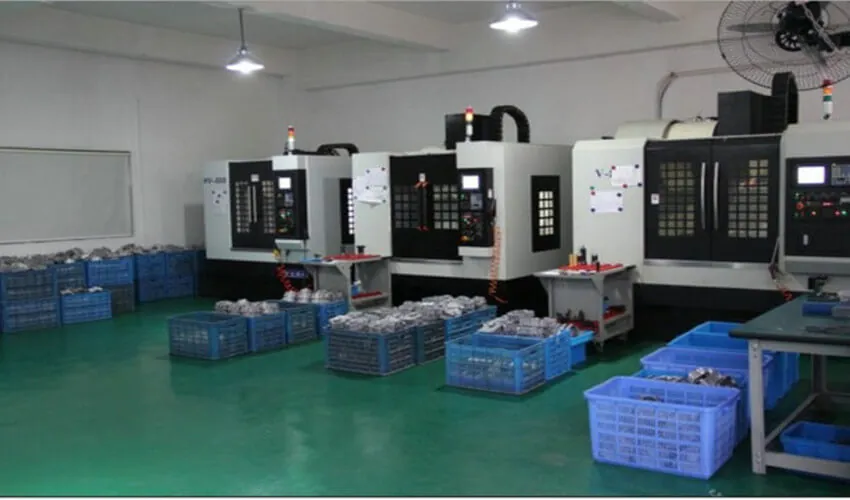
At Lead Precision, we implement advanced CNC machining, laser cutting, and robotic welding systems calibrated to account for these material behaviors. Our engineers conduct in-process inspections and utilize finite element analysis (FEA) to simulate deformation, ensuring that the final part conforms to design specifications within tolerances as tight as ±0.02 mm. This level of accuracy is not merely a technical achievement—it is a necessity in mission-critical applications where failure is not an option.
Our involvement in high-profile projects, including structural components for Olympic venues and precision subassemblies for military logistics systems, underscores our capability to deliver reliability under stringent regulatory and performance demands. These experiences have refined our understanding of how mild steel behaves under real-world loads, environmental exposure, and dynamic stress cycles.
The table below outlines key mechanical properties of common mild steel grades used in precision manufacturing:
| Property | ASTM A36 | S235JR (EN 10025) | SS400 (JIS G3101) |
|---|---|---|---|
| Tensile Strength (MPa) | 400–550 | 360–510 | 400–510 |
| Yield Strength (MPa) | ≥250 | ≥235 | ≥245 |
| Elongation at Break (%) | ≥20 | ≥26 | ≥21 |
| Carbon Content (%) | 0.26 max | 0.17 max | 0.20 max |
| Density (g/cm³) | 7.85 | 7.85 | 7.85 |
| Typical Applications | Structural frames, machinery bases | Industrial supports, welded structures | General fabrication, automotive frames |
Precision in mild steel manufacturing is not solely about cutting or forming accuracy—it encompasses material traceability, process consistency, and post-fabrication validation. At Wuxi Lead Precision Machinery, we integrate ISO-certified quality systems with real-time monitoring to ensure every component reflects the integrity of both material and methodology. When performance, safety, and precision are non-negotiable, our expertise in mild steel fabrication delivers engineered excellence.
Precision Specs & Tolerances

Precision Engineering Capabilities for Mild Steel Components
Wuxi Lead Precision Machinery leverages deep material science expertise to optimize the manufacturing of mild steel (AISI 1018/1020) components. Mild steel’s balanced properties—excellent weldability, formability, and cost-efficiency—make it ideal for structural, automotive, and machinery applications. However, its relatively low hardness (120-160 HB) and susceptibility to thermal deformation during machining demand specialized process control. Our technical capabilities are engineered to overcome these challenges while maximizing precision and repeatability.
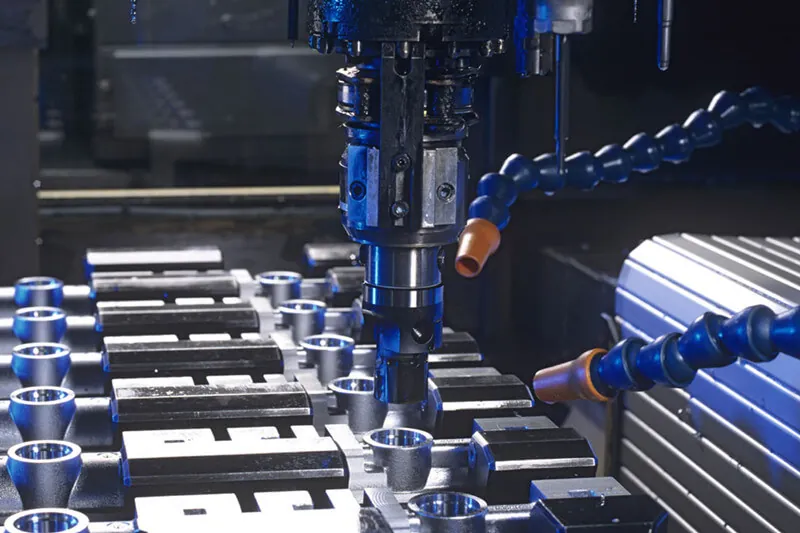
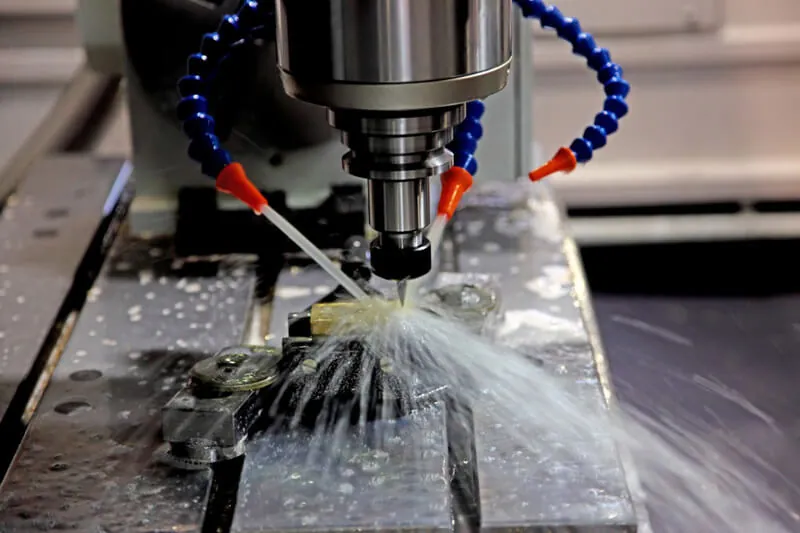
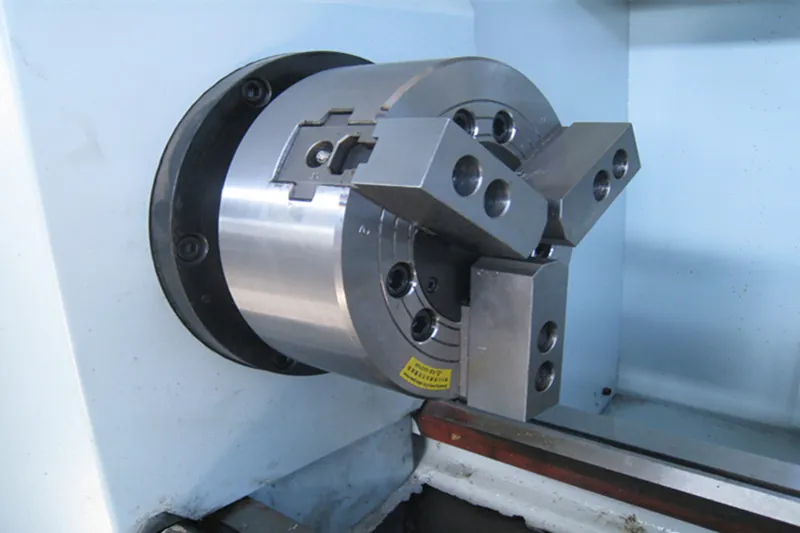
Our 5-axis CNC machining centers (DMG MORI and MAZAK platforms) execute complex geometries in a single setup, eliminating cumulative alignment errors inherent in multi-stage processes. Simultaneous 5-axis interpolation ensures optimal tool engagement angles, minimizing vibration and heat buildup that can distort mild steel workpieces. Advanced high-pressure coolant systems maintain thermal stability during deep cavity milling or thin-wall feature fabrication, critical for preventing warpage in this ductile material. Rigid work-holding solutions further counteract mild steel’s tendency toward chatter, achieving surface finishes unattainable with conventional 3-axis methods.
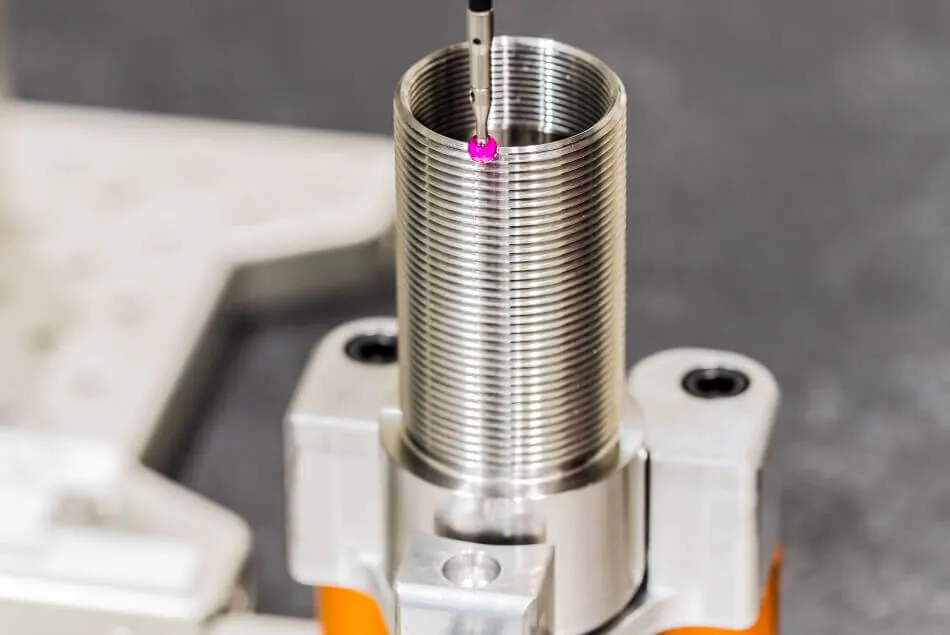
All critical dimensions undergo rigorous validation via Zeiss CONTURA CMM systems, calibrated to ISO 17025 standards. Our inspection protocols account for mild steel’s thermal expansion coefficient (12.0 µm/m·°C), incorporating temperature-compensated measurements to neutralize environmental variables. Real-time SPC data tracking identifies process drift before tolerances are compromised, ensuring batch consistency across high-volume production runs.
The table below defines our achievable tolerances for mild steel, reflecting both standard industrial requirements and tight-tolerance capabilities for mission-critical applications. These specifications are validated through 100% first-article inspection and statistical process control:
| Parameter | Standard Tolerance | Tight Tolerance | Surface Finish (Ra) |
|---|---|---|---|
| Linear Dimensions | ±0.05 mm | ±0.005 mm | 1.6 μm |
| Hole Diameter | H8 | H6 | 0.8 μm |
| Positional Accuracy | ±0.03 mm | ±0.01 mm | 0.4 μm |
| Angular Features | ±0.1° | ±0.02° | 0.8 μm |
| Profile of a Surface | 0.05 mm | 0.01 mm | 0.4 μm |
Material certification and traceability are integral to our workflow. Each mild steel batch is verified via PMI (Positive Material Identification) to confirm chemical composition (C: 0.15-0.25%, Mn: 0.60-1.00%), ensuring compliance with ASTM A36/A576 standards. Post-machining, stress-relief annealing is applied where design complexity necessitates dimensional stabilization.
By marrying advanced 5-axis technology with material-specific process knowledge, Wuxi Lead transforms mild steel’s inherent workability into a precision advantage. We consistently deliver components that meet aerospace, energy, and automation sector demands—where dimensional integrity directly impacts system performance. Partner with us to convert your mild steel designs into high-reliability products, backed by uncompromising quality assurance.
Material & Finish Options

Material Selection Guide: Understanding Mild Steel and Key Engineering Metals
When selecting materials for precision manufacturing, understanding the mechanical and chemical behavior of metals is essential for performance, cost-efficiency, and longevity. At Wuxi Lead Precision Machinery, we specialize in custom metal components engineered to meet rigorous industrial standards. Among the most widely used materials in manufacturing, mild steel offers a balanced combination of strength, weldability, and affordability, making it ideal for structural components, machinery frames, and general fabrication.
Mild steel, also known as low-carbon steel, typically contains less than 0.25% carbon. This low carbon content enhances ductility and formability, allowing for easy machining and welding without preheating in most applications. While not as strong as high-carbon or alloy steels, mild steel provides sufficient tensile strength for many industrial uses. It exhibits good impact resistance at room temperature and can be readily formed into complex shapes. However, it is susceptible to corrosion when exposed to moisture and requires protective finishes such as powder coating, galvanization, or painting for outdoor or harsh environments.
In comparison, aluminum offers a high strength-to-weight ratio and excellent corrosion resistance due to its natural oxide layer. It is ideal for aerospace, automotive, and portable equipment where weight reduction is critical. Aluminum is highly machinable and can be anodized to enhance surface hardness and wear resistance. Anodizing is an electrochemical process that thickens the natural oxide layer, allowing for dyeing and improved durability.
Titanium stands at the premium end of the spectrum, offering exceptional strength-to-density ratio, outstanding corrosion resistance, and performance at elevated temperatures. It is commonly used in aerospace, medical implants, and marine applications. However, titanium is more challenging to machine and significantly more expensive than both mild steel and aluminum.
Each material must be evaluated not only for its mechanical properties but also for manufacturability, lifecycle requirements, and environmental exposure. At Wuxi Lead, we support clients in selecting the optimal material and finish based on functional demands and production scalability.
The following table outlines key mechanical properties of these materials for comparative reference:
| Material | Tensile Strength (MPa) | Yield Strength (MPa) | Density (g/cm³) | Elongation at Break (%) | Common Finishes |
|---|---|---|---|---|---|
| Mild Steel | 380 – 470 | 250 – 350 | 7.85 | 15 – 25 | Paint, Powder Coat, Galvanized |
| Aluminum 6061 | 310 | 275 | 2.70 | 12 | Anodizing, Bead Blast, Mill |
| Titanium Gr5 | 900 | 830 | 4.43 | 10 | Passivation, Polishing |
Understanding these properties enables informed decisions in custom manufacturing projects. Wuxi Lead Precision Machinery provides expert consultation and precision fabrication to ensure your material choice aligns perfectly with your design and operational goals.
Manufacturing Process & QC

Precision Manufacturing Process for Mild Steel Components
At Wuxi Lead Precision Machinery, our production process for mild steel components integrates engineering rigor with advanced manufacturing to achieve zero-defect outcomes. Mild steel’s favorable machinability, weldability, and cost-efficiency make it ideal for structural and mechanical applications, but its variable carbon content (0.05–0.25%) demands meticulous process control to prevent dimensional drift, surface imperfections, or residual stress. Our three-phase workflow ensures material properties are leveraged without compromise.
Design Phase: Material-Aware Engineering
Design begins with deep analysis of the mild steel grade’s mechanical behavior. We collaborate with clients to optimize CAD models for manufacturability, accounting for mild steel’s moderate strength (yield strength 250–400 MPa) and thermal expansion during machining. Finite element analysis (FEA) simulates stress distribution, while tolerance stack-up studies preempt warpage risks. Material certifications (e.g., ASTM A36, SAE 1018) are validated upfront to align specifications with end-use requirements like load-bearing capacity or corrosion resistance.
Prototyping: Validation Through Iteration
Prototyping transforms design intent into physical verification. Using CNC milling and turning centers with sub-micron accuracy, we produce functional prototypes from the exact mild steel grade specified. Each prototype undergoes rigorous metrology: CMM inspections confirm geometric tolerances (±0.025 mm), while destructive testing verifies mechanical properties. Critical mild steel characteristics are cross-referenced against benchmarks, as shown below.
| Mild Steel Grade | Yield Strength (MPa) | Machinability Rating | Weldability | Typical Applications |
|---|---|---|---|---|
| ASTM A36 | 250 | 72% | Excellent | Structural frames, brackets |
| SAE 1018 | 370 | 78% | Excellent | Shafts, pins, fasteners |
| SAE 1045 | 530 | 63% | Good | Gears, couplings, tooling |
Defect root-cause analysis occurs immediately if deviations arise—e.g., burrs from excessive feed rates or micro-cracks from improper heat treatment. Only after dimensional, mechanical, and surface finish validation do we approve the process for scale.
Mass Production: Zero-Defect Execution
Full-scale production deploys automated CNC cells with real-time SPC (Statistical Process Control). Tool wear sensors and in-process probes monitor critical dimensions, while environmental controls stabilize mild steel’s thermal sensitivity. Every workpiece undergoes 100% automated optical inspection (AOI) to detect surface flaws invisible to the naked eye. Material traceability—linked to mill certificates via blockchain—ensures batch consistency. Our closed-loop feedback system adjusts cutting parameters dynamically, eliminating scrap from variables like inconsistent hardness. Final inspection combines CMM, hardness testing, and dye-penetrant checks to certify conformance to ISO 2768-mK and client-specific standards.
Zero Defects: The Non-Negotiable Standard
Zero defects are achieved not through inspection alone but through embedded process discipline. By treating mild steel’s properties as active variables—not static inputs—we transform its versatility into a reliability advantage. At Wuxi Lead, this methodology delivers components that perform predictably in aerospace, automotive, and industrial machinery, where failure is never an option. Partner with us to convert material potential into flawless reality.
Why Choose Wuxi Lead Precision
When designing and manufacturing precision-engineered components, selecting the right material is critical to performance, durability, and cost-efficiency. Mild steel remains one of the most widely used materials in industrial applications due to its balanced combination of strength, weldability, and machinability. At Wuxi Lead Precision Machinery, we specialize in custom metal manufacturing with deep expertise in processing mild steel to meet exacting international standards. Our advanced CNC machining, laser cutting, bending, and welding capabilities ensure that every component we produce delivers consistent quality and dimensional accuracy.
Understanding the material properties of mild steel is essential for engineers and procurement teams in industries such as automation, construction, transportation, and energy. With a carbon content typically ranging between 0.05% and 0.25%, mild steel offers excellent formability and is highly suitable for fabrication processes including stamping, rolling, and deep drawing. It provides reliable tensile strength while maintaining ductility, making it ideal for structural frameworks, enclosures, brackets, and mechanical parts subjected to moderate stress.
Below are the key mechanical and physical properties of standard mild steel (ASTM A36 / Q235) commonly processed at our facility:
| Property | Value |
|---|---|
| Density | 7.85 g/cm³ |
| Tensile Strength | 400–550 MPa |
| Yield Strength | 235 MPa (min) |
| Elongation at Break | 20–25% |
| Modulus of Elasticity | 200 GPa |
| Hardness (Brinell) | 120–140 HB |
| Melting Point | ~1,425°C |
| Thermal Conductivity | 52 W/m·K |
| Electrical Resistivity | 0.15 µΩ·m |
These properties make mild steel a versatile choice for both load-bearing and non-critical applications. However, successful implementation depends not only on material selection but also on precise manufacturing execution. At Wuxi Lead Precision Machinery, we combine state-of-the-art equipment with rigorous quality control—certified under ISO 9001:2015—to ensure every part meets your technical specifications and industry requirements.
We work closely with global clients to optimize designs for manufacturability, reduce lead times, and control production costs without compromising integrity. Whether you require low-volume prototypes or high-volume production runs, our team provides end-to-end support from engineering consultation to final inspection and logistics.
Partner with Wuxi Lead Precision Machinery to leverage our technical proficiency in mild steel fabrication and deliver components that perform. Contact us today at [email protected] to discuss your project requirements, request a quote, or receive material-specific engineering guidance. Let us be your trusted manufacturing partner in China—precision engineered, performance driven.
⚙️ Precision Cost Estimator
Estimate relative manufacturing effort based on tolerance.