Welding And Sheet Metal Manufacturer | Precision CNC Guide

Engineering Guide: Welding And Sheet Metal

welding and sheet metal manufacturing

Engineering Insight: Precision in Welding and Sheet Metal Fabrication

Precision in welding and sheet metal fabrication is not merely desirable—it is a non-negotiable requirement for structural integrity, functional reliability, and long-term cost efficiency. In high-stakes applications, even micron-level deviations can trigger catastrophic assembly failures, accelerated fatigue, or compromised safety margins. Thermal distortion during welding, inconsistent material thickness, or misaligned bends propagate errors downstream, inflating scrap rates and delaying project timelines. For industries like aerospace, defense, and infrastructure, where tolerances dictate performance, precision becomes the cornerstone of operational success. At Wuxi Lead Precision Machinery, we engineer solutions where dimensional stability and repeatability are embedded into every process, ensuring weld seams integrate flawlessly with formed geometries and eliminating costly rework.

Our approach integrates advanced thermal management protocols with real-time metrology to counteract inherent challenges in metal behavior. Laser-guided welding parameters dynamically adjust for material conductivity and thickness variance, while CNC press brakes utilize in-process feedback loops to maintain angular consistency within ±0.1°. This rigor prevents cumulative errors in multi-stage assemblies, where a single misaligned bracket can derail entire production sequences. Crucially, precision extends beyond machinery—it demands mastery of material science. Understanding how stainless steel 304L responds to pulsed TIG versus robotic MIG, or how aluminum 5052’s springback affects bend allowances, separates competent fabrication from exceptional engineering.

Wuxi Lead Precision Machinery has validated this philosophy through mission-critical projects demanding uncompromising accuracy. Our components supported structural frameworks for Olympic venue construction, where seismic resilience and aesthetic exactness were equally paramount. Similarly, we supply precision-welded assemblies for military-grade communication shelters, operating under extreme environmental stress with zero field failures. These engagements underscore our capacity to deliver where tolerances intersect with human safety and national security.

The table below summarizes our core precision capabilities for welding and sheet metal workflows:

Parameter Specification Relevance to Precision Outcome
Material Thickness 0.5mm – 12mm Enables consistent weld penetration and bend control across thin to heavy gauges
Dimensional Tolerance ±0.05mm (linear) Ensures seamless sub-assembly integration without shimming
Angular Tolerance ±0.1° Critical for multi-plane structural alignment
Weld Penetration 100% ±0.2mm Guarantees joint strength without distortion
Material Range Carbon Steel, Stainless, Aluminum, Copper Alloys Precision protocols optimized per metallurgical behavior
Certifications ISO 9001, AS9100, EN 1090 Validates process control for aerospace and structural steel

Achieving this level of precision requires marrying cutting-edge technology with deep experiential knowledge. Our engineers leverage finite element analysis (FEA) to pre-empt thermal warpage, while veteran welders interpret real-time sensor data to fine-tune parameters. This synergy transforms theoretical tolerances into physical reality—whether fabricating turbine housings requiring hermetic seals or modular defense platforms demanding rapid field assembly. For global manufacturers, partnering with a fabricator that treats precision as a systemic discipline, not an endpoint, directly translates to reduced lifecycle costs and accelerated time-to-market. Wuxi Lead Precision Machinery delivers this assurance, proven where excellence is measured in millimeters and consequences are measured in decades.


Precision Specs & Tolerances

welding and sheet metal manufacturing

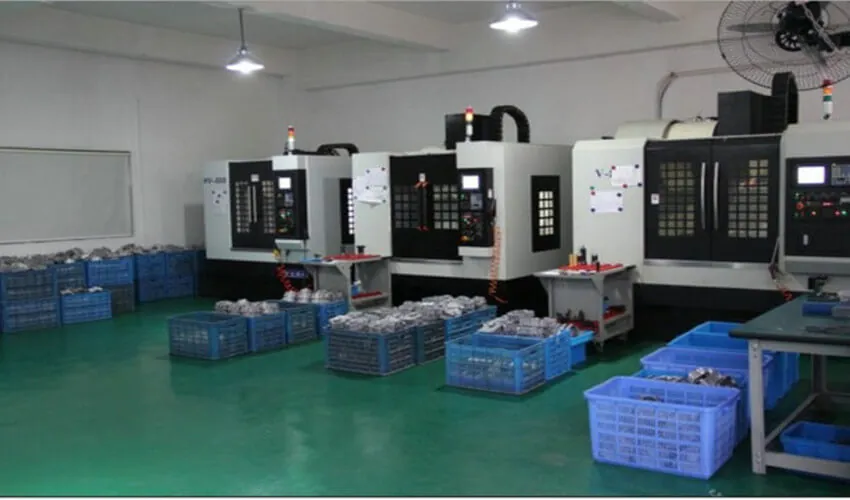
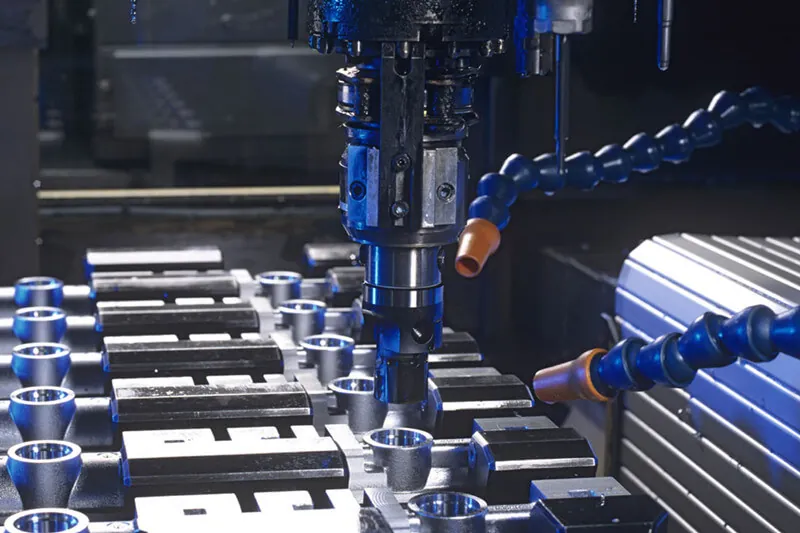
Wuxi Lead Precision Machinery delivers advanced sheet metal fabrication solutions tailored for high-precision industrial applications. Our technical capabilities are engineered to meet the stringent demands of aerospace, medical, energy, and automation sectors, where consistency, accuracy, and repeatability are non-negotiable. At the core of our production infrastructure is a fully integrated 5-axis CNC machining platform, enabling complex geometry processing with exceptional surface integrity and dimensional stability.

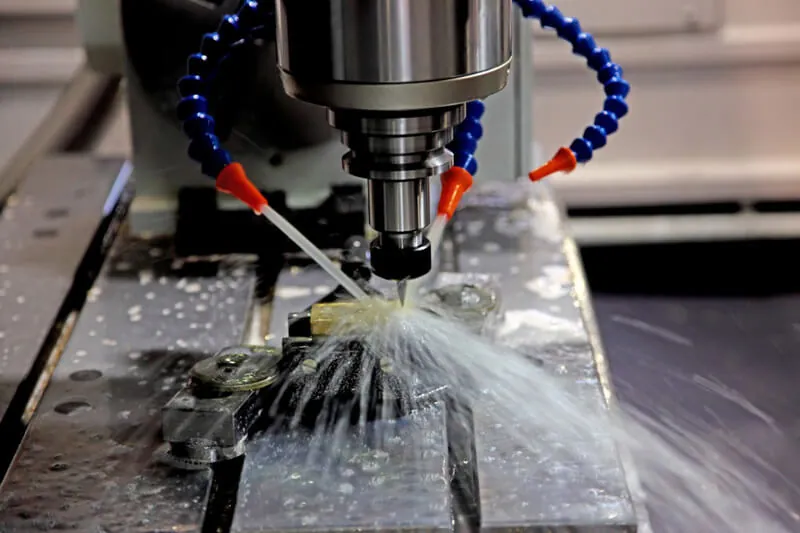
Our 5-axis CNC systems provide simultaneous multi-directional cutting, allowing for intricate contours, undercuts, and compound angles to be machined in a single setup. This reduces cumulative error, minimizes handling, and ensures superior part coherence. The technology supports a wide range of sheet metal materials, including stainless steel, aluminum alloys, titanium, and specialty composites, with thicknesses ranging from 0.5 mm to 25 mm. Advanced toolpath optimization software ensures minimal material waste and maximum throughput without compromising precision.

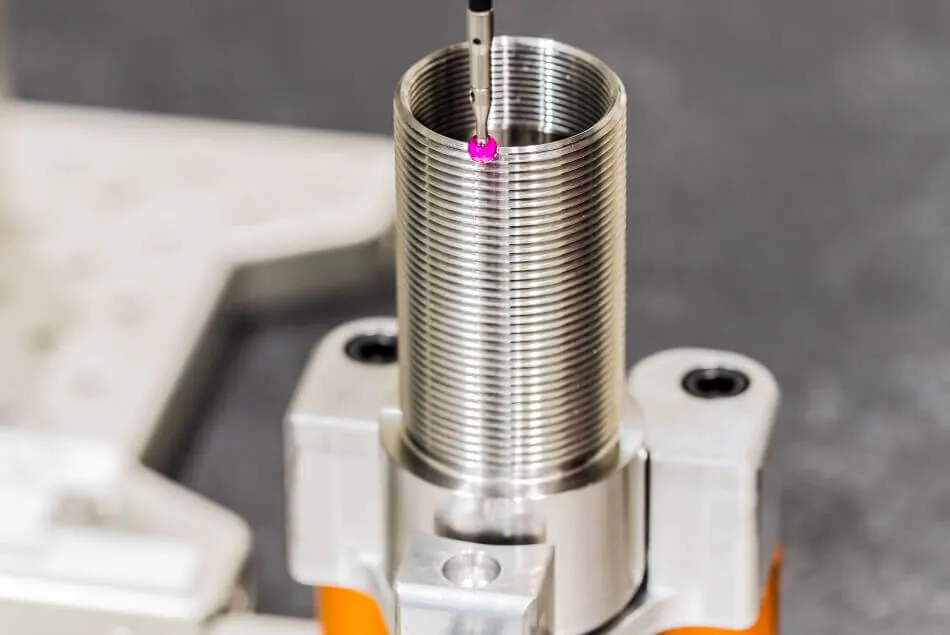
Quality control is embedded at every stage of production. All critical components undergo comprehensive inspection using a Coordinate Measuring Machine (CMM) with 0.001 mm resolution. This metrology-grade verification ensures full compliance with GD&T (Geometric Dimensioning and Tolerancing) standards and customer-specific blueprints. Our CMM system is calibrated to ISO 10360 standards and operated by certified metrology technicians, providing traceable, auditable inspection reports with every production batch.

In addition to real-time in-process checks, we perform final inspections that include surface finish analysis, edge quality verification, and dimensional validation across all critical features. This disciplined approach to quality assurance supports AS9100 and ISO 9001 compliance, making our processes suitable for regulated environments.

The following table outlines our standard machining tolerances and capabilities for sheet metal fabrication:

Parameter Standard Tolerance High-Precision Option Notes
Linear Dimensions (mm) ±0.05 mm ±0.02 mm Up to 500 mm
Angular Tolerance ±0.1° ±0.05° Measured via CMM
Hole Diameter Tolerance ±0.03 mm ±0.01 mm Reamed or precision drilled
Positional Tolerance (GD&T) ±0.03 mm ±0.01 mm True position, CMM verified
Surface Roughness (Ra) 3.2 µm 0.8 µm Achieved via fine finishing
Flatness 0.1 mm per 100 mm 0.05 mm per 100 mm For sheet up to 10 mm thickness
Feature-to-Feature Tolerance ±0.04 mm ±0.015 mm Multi-feature alignment

Wuxi Lead Precision Machinery combines state-of-the-art 5-axis CNC technology with metrology-grade inspection to deliver sheet metal components that meet the highest industry benchmarks. Our technical capability is not only defined by machinery but by a culture of precision engineering and continuous process improvement.


Material & Finish Options

welding and sheet metal manufacturing

Material Selection Guide for Precision Sheet Metal Fabrication

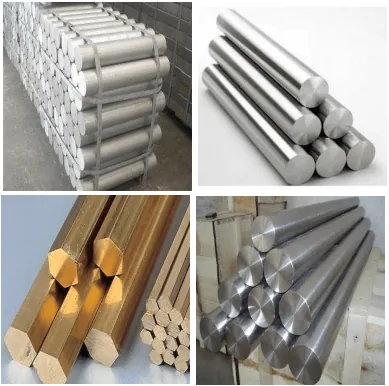
Selecting appropriate materials is critical for achieving optimal performance, cost efficiency, and longevity in sheet metal fabrication. At Wuxi Lead Precision Machinery, we prioritize material properties aligned with functional requirements, environmental exposure, and manufacturing constraints. This guide outlines key considerations for aluminum, steel, and titanium, alongside essential finishing insights for high-integrity components.

Aluminum Alloys dominate applications demanding lightweight strength and corrosion resistance. Series 5052 and 6061-T6 offer excellent formability and weldability, making them ideal for aerospace enclosures, automotive panels, and marine hardware. Aluminum’s natural oxide layer provides inherent protection, but anodizing significantly enhances surface durability and aesthetic control. Avoid aluminum in high-temperature continuous-service environments exceeding 150°C, as strength degrades rapidly.

Carbon and Stainless Steel remain the backbone of structural and industrial applications due to superior tensile strength and cost-effectiveness. Mild steel (e.g., ASTM A36) is optimal for welded frames and brackets where weight is non-critical. For corrosive environments, 304 and 316 stainless steel deliver exceptional resistance but require specialized welding protocols to prevent sensitization. Note that steel’s higher density increases component weight versus aluminum—evaluate lifecycle costs for transport-sensitive projects.

Titanium Alloys (e.g., Grade 2, 5) are reserved for extreme-performance scenarios like medical implants or aerospace components. They offer unparalleled strength-to-weight ratios and corrosion resistance in harsh chemicals or saltwater. However, titanium’s high material cost, challenging weldability (requiring inert gas shielding), and slow machining rates necessitate rigorous cost-benefit analysis. Use only when aluminum or steel cannot meet operational demands.

Material properties directly impact fabrication success. The following table compares critical specifications:

Material Density (g/cm³) Tensile Strength (MPa) Weldability Common Grades
Aluminum 2.7 170–310 Excellent 5052, 6061-T6
Carbon Steel 7.8 370–500 Good ASTM A36, 1018
Stainless Steel 8.0 515–690 Moderate 304, 316
Titanium 4.5 345–900 Difficult Gr 2, Gr 5 (Ti-6Al-4V)

Anodizing: Precision Finish for Aluminum
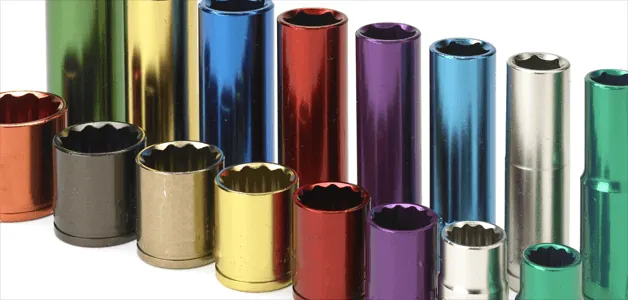
Anodizing electrochemically thickens aluminum’s natural oxide layer, creating a hard, non-conductive surface resistant to wear and corrosion. Type II (sulfuric acid) anodizing suits general industrial use, while Type III (hardcoat) achieves 50–70 µm thickness for hydraulic pistons or military hardware. Color customization (black, red, blue) is achievable through dye integration. Crucially, anodizing only applies to aluminum—steel requires powder coating or plating, and titanium benefits from passivation. Always specify anodizing after welding and forming to avoid compromising adhesion on heat-affected zones.

Wuxi Lead Precision Machinery leverages decades of metallurgical expertise to match materials to your exact application. We rigorously test weld parameters and finish compatibility to prevent field failures. Consult our engineering team early in the design phase to optimize material selection, minimize waste, and ensure seamless fabrication from prototype to volume production. Precision begins with the right foundation.


Manufacturing Process & QC

welding and sheet metal manufacturing

Design: Precision Engineering as the Foundation

At Wuxi Lead Precision Machinery, the sheet metal fabrication process begins with meticulous design engineering, where functionality, manufacturability, and durability converge. Our engineering team utilizes advanced CAD software, including SolidWorks and AutoCAD, to develop 3D models and 2D technical drawings that meet exact client specifications. Design for Manufacturability (DFM) principles are applied from the outset to identify potential production challenges, minimize material waste, and ensure dimensional accuracy. Every design undergoes rigorous simulation for structural integrity, thermal behavior, and stress distribution, particularly critical for welding-intensive components. This proactive approach eliminates costly revisions later in the production cycle and ensures seamless transition from concept to prototype.

Prototyping: Validation Before Scale

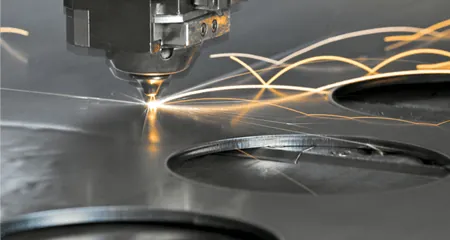
Once the design is finalized, a functional prototype is produced using high-precision laser cutting, CNC bending, and robotic welding systems. Prototyping serves as a critical validation phase, allowing clients and engineers to assess form, fit, and function under real-world conditions. At Wuxi Lead, prototypes are manufactured on the same production-grade equipment used for mass production, ensuring consistency and reliability in performance evaluation. Feedback from testing is integrated swiftly, with design adjustments made and re-validated as needed. This iterative process ensures that only fully optimized designs proceed to full-scale manufacturing, significantly reducing the risk of defects in volume production.

Mass Production: Zero Defects Through Process Control

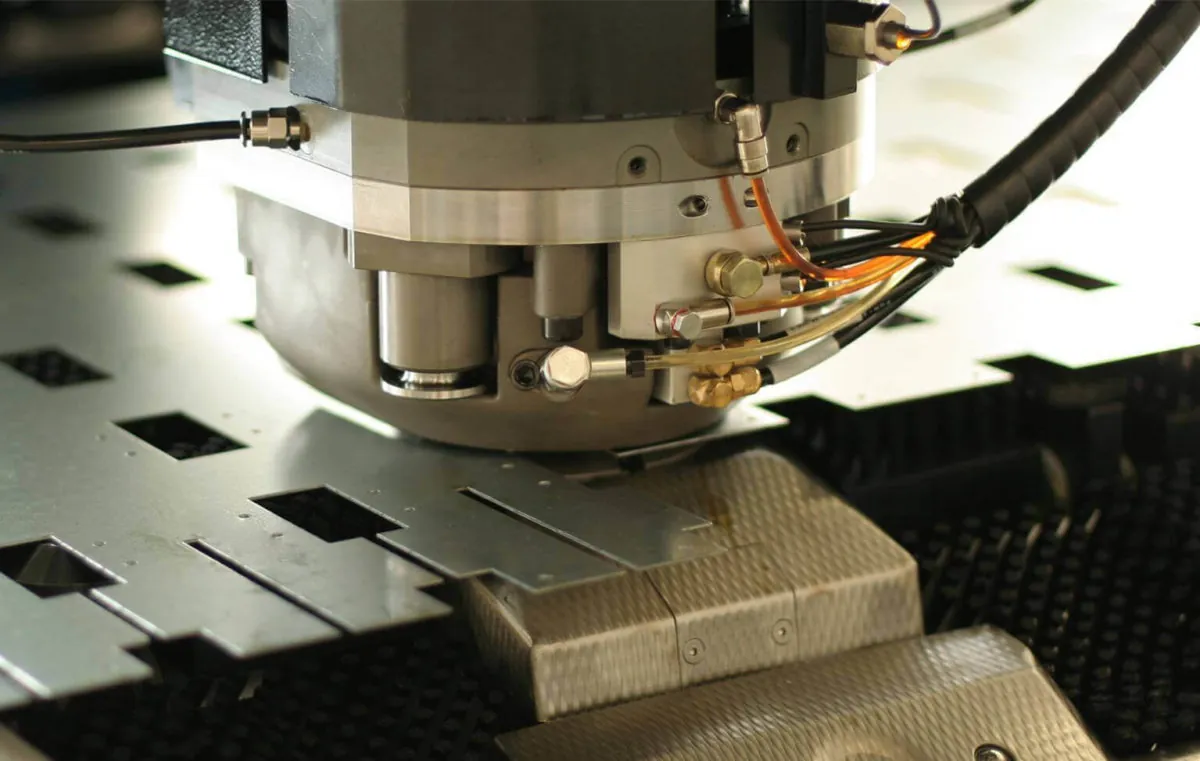
Our mass production phase is built on a foundation of automation, statistical process control (SPC), and continuous monitoring. CNC turret presses, fiber laser cutters with ±0.1 mm accuracy, and automated bending cells ensure repeatability across thousands of parts. Robotic MIG and TIG welding systems deliver consistent weld quality, while real-time vision inspection systems detect anomalies in weld seams and geometry. Every production batch undergoes in-process and final quality inspections, including CMM (Coordinate Measuring Machine) verification and non-destructive testing (NDT) for critical welds. Traceability is maintained through barcode tracking, linking each component to its production data for full accountability.

The integration of lean manufacturing principles and Six Sigma methodologies drives our commitment to zero defects. By standardizing workflows, minimizing variation, and empowering skilled technicians with real-time data, Wuxi Lead achieves industry-leading yield rates and on-time delivery performance.

Key Production Specifications

Parameter Specification
Material Thickness Range 0.5 mm – 25 mm
Laser Cutting Accuracy ±0.1 mm
CNC Bending Tolerance ±0.2° / ±0.1 mm
Welding Processes MIG, TIG, Spot, Robotic Arc
Surface Finish Options Mill, Powder Coating, Anodizing, Passivation
Max Part Dimensions (L×W×H) 4000 mm × 2000 mm × 1500 mm
Quality Standards ISO 9001, ISO 14001, IATF 16949

This end-to-end control from design to delivery ensures that every fabricated component meets the highest standards of precision, reliability, and performance.


Why Choose Wuxi Lead Precision

Strategic Partnership for Precision Sheet Metal Fabrication

In the demanding landscape of high-integrity sheet metal fabrication, selecting a manufacturing partner transcends transactional procurement. It requires alignment with an engineering-led organization capable of mitigating supply chain volatility, ensuring uncompromised quality, and accelerating time-to-market for mission-critical components. Wuxi Lead Precision Machinery operates at this intersection of precision engineering and strategic supply chain resilience. With over 20 years of specialized expertise in laser cutting, CNC bending, precision welding, and complex assembly, we deliver certified solutions for aerospace, medical device, and advanced industrial sectors where dimensional accuracy and material integrity are non-negotiable. Our ISO 9001:2015 and IATF 16949 certified facility integrates advanced automation with rigorous in-process inspection protocols, eliminating the cost of quality failures common in fragmented supplier networks.

Partnering with Lead Precision means embedding our engineering team within your product development lifecycle. We proactively identify manufacturability optimizations during the design phase, reducing material waste and assembly complexity. Our facility houses 32 state-of-the-art CNC systems, including 8kW fiber laser cutters and 300-ton press brakes with real-time crowning control, ensuring repeatability across volumes from prototype to 50,000+ units annually. The table below summarizes core capabilities critical to high-stakes fabrication projects:

Capability Specification Industry Relevance
Laser Cutting Tolerance ±0.05 mm Aerospace structural components
Max Sheet Processing 1300 x 2500 mm (up to 25mm steel) Heavy equipment chassis fabrication
CNC Bending Precision ±0.1° angular tolerance Medical device enclosures
Welding Certifications ASME Section IX, AWS D1.1 Pressure vessels & safety-critical assemblies
Typical Lead Time 10-15 days (complex assemblies) Accelerated product launches

We understand that your reputation hinges on the performance of every bracket, housing, and welded subassembly. Our zero-defect culture is enforced through 100% first-article inspection, SPC-controlled processes, and full material traceability from certified mills. When competitors prioritize throughput over precision, Lead Precision implements tiered quality gates—including CMM validation and dye penetrant testing—to guarantee conformance to your engineering intent. This disciplined approach has reduced client scrap rates by 37% on average while maintaining on-time delivery above 98.5%.

Initiate your project briefing with our engineering team to experience the Lead Precision difference. Contact us today at [email protected] to submit technical drawings for rapid manufacturability analysis. Specify your target quantities, material requirements, and critical tolerances. Within 24 business hours, you will receive a comprehensive process plan detailing our recommended fabrication sequence, quality control checkpoints, and firm timeline commitment. For urgent RFQs requiring same-day technical review, include “Priority Engineering Review” in your email subject line. Let us transform your sheet metal challenges into competitive advantage through engineered partnership.


⚙️ Precision Cost Estimator

Estimate relative manufacturing effort based on tolerance.

Welding And Sheet Metal Manufacturer | Precision CNC Guide

Contents of Table

Contact [email protected] Whatsapp 86 15951276160