Technical Contents
Engineering Guide: Electronic Prototype Companies

Engineering Insight: The Critical Role of Precision in Electronic Prototype Development
In the realm of advanced electronics, where innovation moves at an exponential pace, the success of a prototype often hinges on the precision of its physical components. For electronic prototype companies operating at the cutting edge of technology, partnering with a manufacturing provider that delivers micron-level accuracy is not merely advantageous—it is essential. At Wuxi Lead Precision Machinery, we understand that even the smallest deviation in a metal housing, heat sink, or structural bracket can compromise signal integrity, thermal management, or mechanical fit, ultimately delaying time-to-market and increasing development costs.
Our experience in high-stakes industries—ranging from Olympic-standard timing systems to mission-critical military electronics—has reinforced the non-negotiable nature of precision. In these applications, reliability under extreme conditions is paramount. Components must perform flawlessly across temperature extremes, mechanical stress, and prolonged operational cycles. This level of performance is only achievable through tight tolerances, advanced material selection, and rigorous quality control—all hallmarks of our manufacturing philosophy.
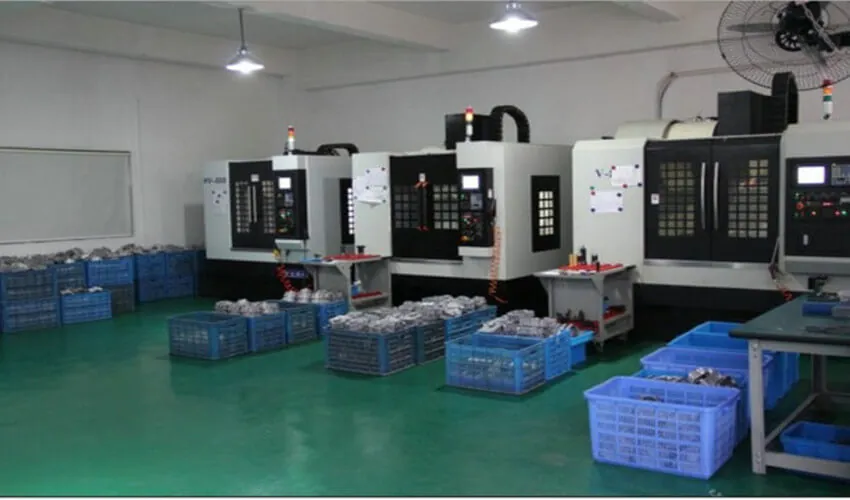
Electronic prototypes are increasingly integrating complex geometries, multi-axis features, and hybrid materials, demanding a manufacturing partner with both technical capability and engineering foresight. At Lead Precision, we utilize state-of-the-art CNC machining centers, coordinate measuring machines (CMM), and real-time process monitoring to ensure every component meets exact design specifications. Our engineers work closely with R&D teams to optimize designs for manufacturability without sacrificing performance, enabling faster iterations and reduced prototype cycles.
We specialize in low-volume, high-mix production runs that align perfectly with the prototyping phase, offering rapid turnaround without compromising on quality. Whether producing aluminum enclosures for 5G modules, stainless steel connectors for medical devices, or titanium brackets for aerospace sensors, our processes are calibrated to deliver repeatability and consistency across every batch.
The following table outlines key capabilities that support electronic prototype companies in achieving their engineering goals:
| Specification | Capability |
|---|---|
| Tolerance Range | ±0.005 mm to ±0.025 mm |
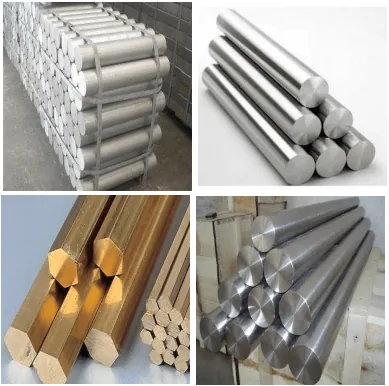
| Materials Supported | Aluminum (6061, 7075), Stainless Steel (303, 316), Titanium, Copper Alloys, Brass |
| Maximum Part Size | 800 mm × 500 mm × 400 mm |
| Surface Finish | As-machined, Anodizing (Type II & III), Passivation, Powder Coating |
| Quality Standards | ISO 9001:2015, MIL-STD-810G (environmental testing compliance) |
| Lead Time (Prototype) | 7–15 days, expedited options available |
| Inspection Documentation | Full FAI (First Article Inspection), CMM reports, Material Certificates |
Precision in metal manufacturing is not just about meeting drawings—it’s about enabling innovation. For electronic prototype companies pushing the boundaries of what’s possible, Wuxi Lead Precision Machinery provides the engineering rigor, technical expertise, and proven track record to turn visionary designs into high-performance realities.
Precision Specs & Tolerances

Technical Capabilities for Precision Electronic Prototyping
At Wuxi Lead Precision Machinery, we engineer solutions specifically for the demanding requirements of electronic prototype development. Our core strength lies in delivering complex, high-integrity metal components with exceptional accuracy and repeatability, directly supporting your rapid iteration cycles and stringent performance validation needs. We understand that electronic prototypes demand more than just basic machining; they require micron-level precision, flawless surface finishes, and absolute geometric integrity to ensure functional correctness and seamless integration into final assemblies.
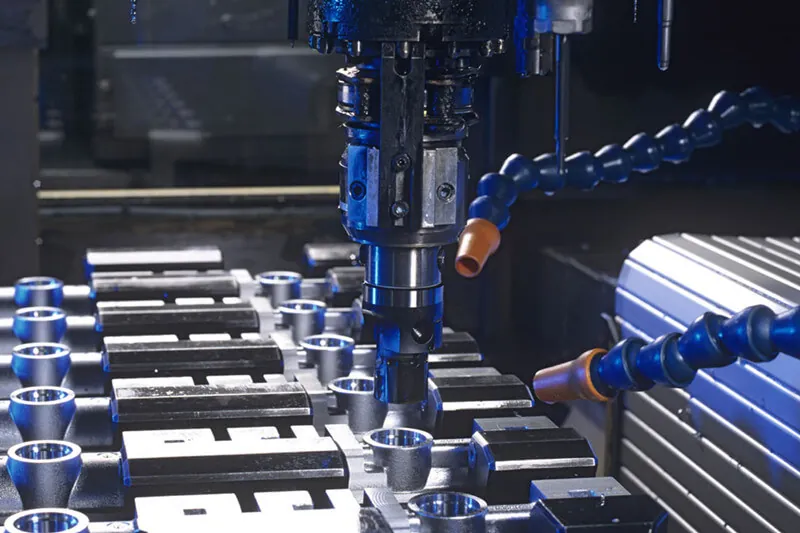
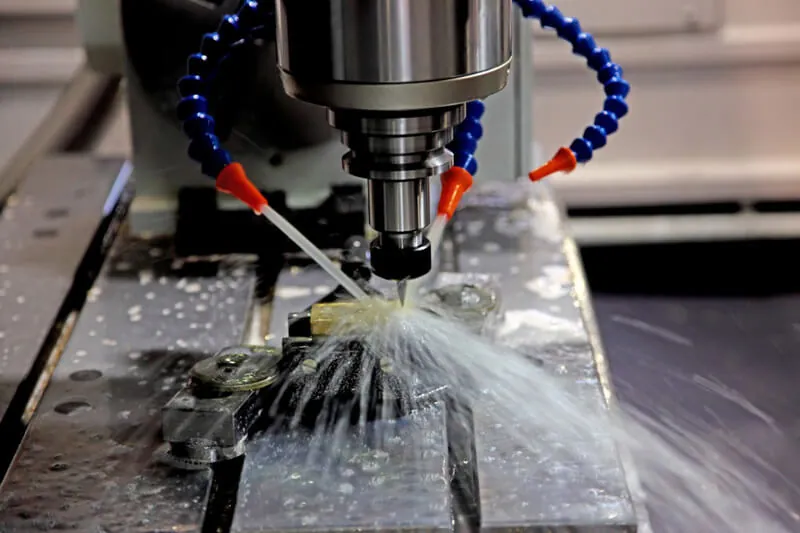
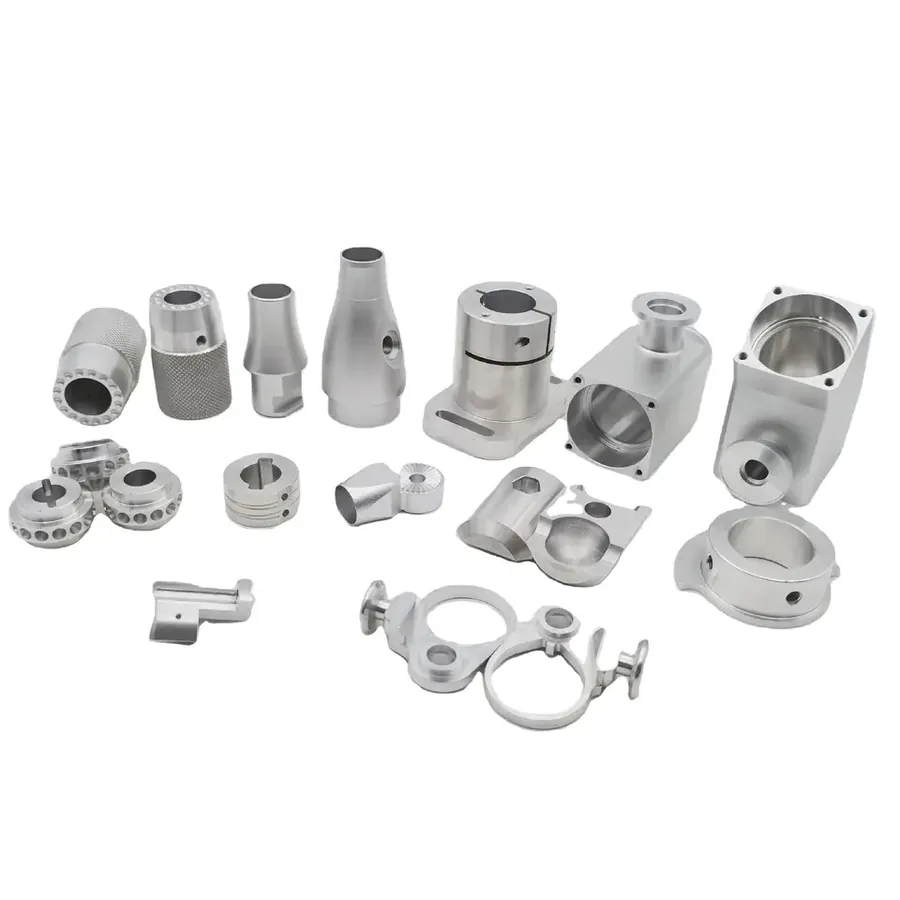
Our primary manufacturing platform centers on advanced 5-axis CNC machining centers. This technology is fundamental for producing the intricate geometries, tight internal features, and multi-faceted structures common in electronic housings, heat sinks, connectors, sensor mounts, and RF components. The simultaneous 5-axis movement eliminates the need for multiple setups, significantly reducing cumulative error, improving part concentricity, and enabling the creation of undercuts and complex contours impossible with 3-axis systems. This translates directly to prototypes that accurately reflect your CAD model, minimizing costly redesign loops during validation. We utilize high-rigidity machines with thermal compensation systems, ensuring dimensional stability during extended operations on challenging materials like aluminum alloys, stainless steels, copper, brass, and engineered plastics.
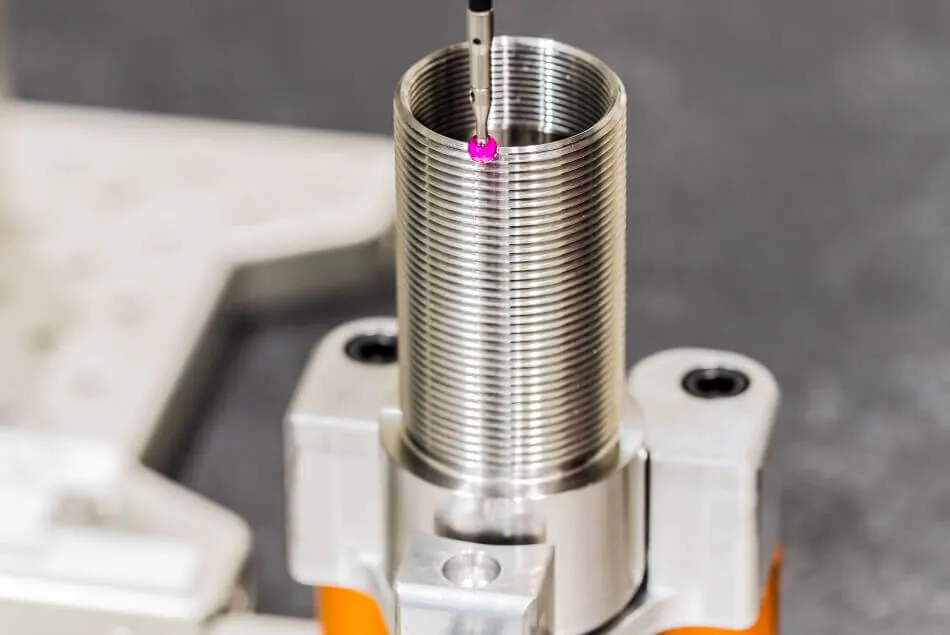
Rigorous quality control is non-negotiable in electronic prototyping. Every critical feature undergoes comprehensive verification using state-of-the-art Coordinate Measuring Machines (CMM). Our Zeiss and Mitutoyo CMM systems provide full 3D dimensional analysis, generating detailed inspection reports against your original CAD data. This First Article Inspection (FAI) process validates not only linear dimensions but also critical geometric tolerances such as flatness, parallelism, perpendicularity, and true position – essential for ensuring proper component fit, electrical contact, thermal management, and shielding effectiveness. Our dedicated metrology lab operates under strict environmental controls to guarantee measurement certainty.
The table below outlines our standard and achievable tolerance capabilities for machined prototypes, reflecting the precision attainable through our integrated 5-axis machining and CMM verification process. These values represent typical performance for features within standard size ranges; specific project requirements are always evaluated during our engineering review.
| Feature Type | Standard Tolerance | Tight Tolerance | Measurement Method |
|---|---|---|---|
| Linear Dimensions | ±0.025 mm | ±0.005 mm | CMM, Micrometer |
| Angular Dimensions | ±0.1° | ±0.05° | CMM, Optical Comparator |
| Positional Tolerance | ±0.025 mm | ±0.010 mm | CMM |
| Flatness | 0.025 mm | 0.010 mm | CMM, Surface Plate |
| Surface Roughness (Ra) | 1.6 μm | 0.4 μm | Profilometer |
| Critical Geometries | Per GD&T Callout | Sub-5μm | CMM |
Beyond raw machining capability, we provide essential engineering support. Our team proactively reviews designs for manufacturability (DFM), identifying potential issues early to optimize part geometry, material selection, and fixture strategies for prototype success. This collaborative engineering approach ensures your design intent is met efficiently, accelerating your path from concept to functional validation. Partner with Wuxi Lead Precision Machinery for prototype manufacturing where precision, speed, and unwavering quality are engineered into every component.
Material & Finish Options

Material Selection for High-Performance Electronic Prototypes
Selecting the appropriate metal material and surface finish is critical when developing electronic prototypes that demand precision, durability, and thermal or electrical performance. At Wuxi Lead Precision Machinery, we specialize in custom metal manufacturing for high-end electronic prototype companies, providing expert guidance in material selection to ensure optimal functionality, manufacturability, and cost-efficiency.
Aluminum is often the first choice for electronic enclosures, heat sinks, and structural components due to its excellent strength-to-weight ratio, thermal conductivity, and machinability. Grades such as 6061 and 7075 offer a balance of mechanical properties and corrosion resistance, making them ideal for prototypes requiring lightweight yet rigid construction. Aluminum’s natural conductivity also supports electromagnetic shielding when properly designed. For enhanced surface protection and aesthetic consistency, anodizing is highly recommended. Type II and Type III (hard) anodizing create a durable oxide layer that improves wear resistance, prevents galvanic corrosion, and allows for color coding—essential for branding or component identification in complex assemblies.
Steel, particularly stainless steel grades 304 and 316, is selected when superior strength, durability, and resistance to environmental factors are required. These materials are commonly used in housings for industrial electronics, medical devices, and outdoor-rated equipment. While heavier than aluminum, stainless steel offers exceptional corrosion resistance—especially 316, which contains molybdenum for enhanced performance in chloride environments. Steel components are typically finished with passivation to remove surface iron contamination and improve corrosion resistance, though bead blasting or electropolishing may be applied for aesthetic or functional refinement.
Titanium, specifically Grade 5 (Ti-6Al-4V), is used in high-performance applications where extreme strength-to-density ratio, biocompatibility, and resistance to high temperatures are paramount. It is frequently found in aerospace, defense, and medical electronics. Though more challenging to machine and costlier than aluminum or steel, titanium’s longevity and performance in harsh environments justify its use in mission-critical prototypes. Surface treatments such as anodizing (for color and minor corrosion enhancement) or chemical passivation are typically employed.
Below is a comparative overview of key properties for common materials used in electronic prototype manufacturing.
| Material | Grade | Density (g/cm³) | Tensile Strength (MPa) | Thermal Conductivity (W/m·K) | Common Finishes | Typical Use Cases |
|---|---|---|---|---|---|---|
| Aluminum | 6061-T6 | 2.7 | 310 | 167 | Anodizing, Bead Blast | Enclosures, Heat Sinks, Frames |
| Aluminum | 7075-T6 | 2.8 | 572 | 130 | Hard Anodizing, Passivation | High-Stress Structural Components |
| Stainless Steel | 304 | 8.0 | 505–585 | 16.2 | Passivation, Electropolish | Medical, Industrial Electronics |
| Stainless Steel | 316 | 8.0 | 570–620 | 15.1 | Passivation, Bead Blast | Marine, Outdoor Electronics |
| Titanium | Ti-6Al-4V | 4.4 | 900–950 | 7.2 | Anodizing, Passivation | Aerospace, Defense, Medical Devices |
At Wuxi Lead, we support electronic prototype companies with material consultation, precision CNC machining, and integrated finishing services to ensure your prototypes meet both functional and aesthetic requirements. Early collaboration on material and finish selection streamlines prototyping and accelerates time to production.
Manufacturing Process & QC

Design Integration for Electronic Precision
Electronic prototype companies require manufacturing partners who transform conceptual designs into flawless physical realities. At Wuxi Lead Precision Machinery, we initiate collaboration during the design phase through rigorous Design for Manufacturability (DFM) analysis. Our engineering team reviews 3D CAD models to identify potential thermal stress points, material compatibility issues, and geometric complexities inherent in compact electronic enclosures or heat sinks. We provide actionable feedback on wall thickness optimization, tolerance stack-up mitigation, and feature simplification—ensuring manufacturability without compromising electrical performance or thermal management. This proactive alignment prevents costly iterations and accelerates time-to-prototype by up to 30%.
Precision Prototyping with Metrology Validation
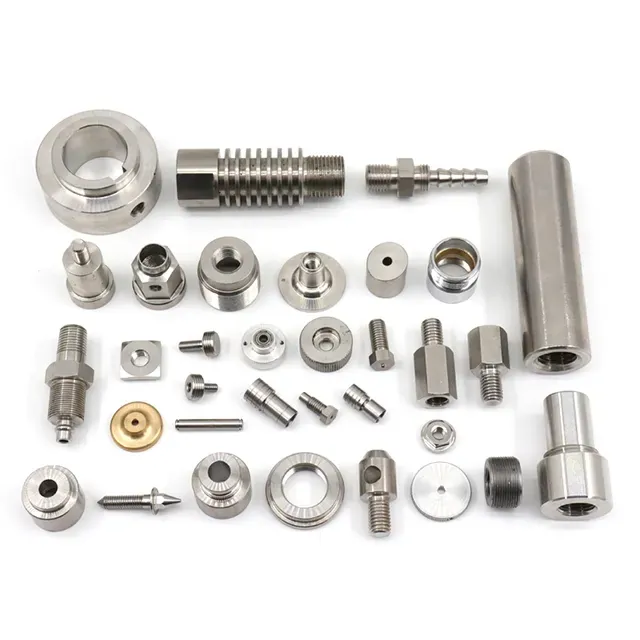
Prototyping is not merely a sample stage but a critical validation checkpoint. Using 5-axis CNC milling and Swiss-type turning centers with sub-micron positioning accuracy, we produce functional prototypes in your specified alloys—such as aluminum 6061-T6, copper C110, or stainless steel 316L. Each prototype undergoes full-spectrum metrology: CMM inspection for geometric dimensioning and tolerancing (GD&T), optical comparators for edge integrity, and surface profilometry to verify Ra values. We deliver comprehensive inspection reports cross-referenced to your CAD model, confirming dimensional compliance before mass production. This phase validates both form and function, ensuring thermal pathways, EMI shielding, and assembly interfaces perform as simulated.
Zero-Defect Mass Production Execution
Scaling to volume demands systemic defect prevention, not just detection. Our mass production process embeds Zero Defects through three pillars:
Statistical process control (SPC) monitors critical dimensions in real-time using in-machine probes, with Cpk ≥ 1.67 maintained across all features.
Automated vision systems inspect 100% of high-risk features like connector slots or mounting threads, rejecting deviations beyond ±0.005mm.
Material traceability and environmental controls (22°C ±1, 45% RH) eliminate batch-induced variability.
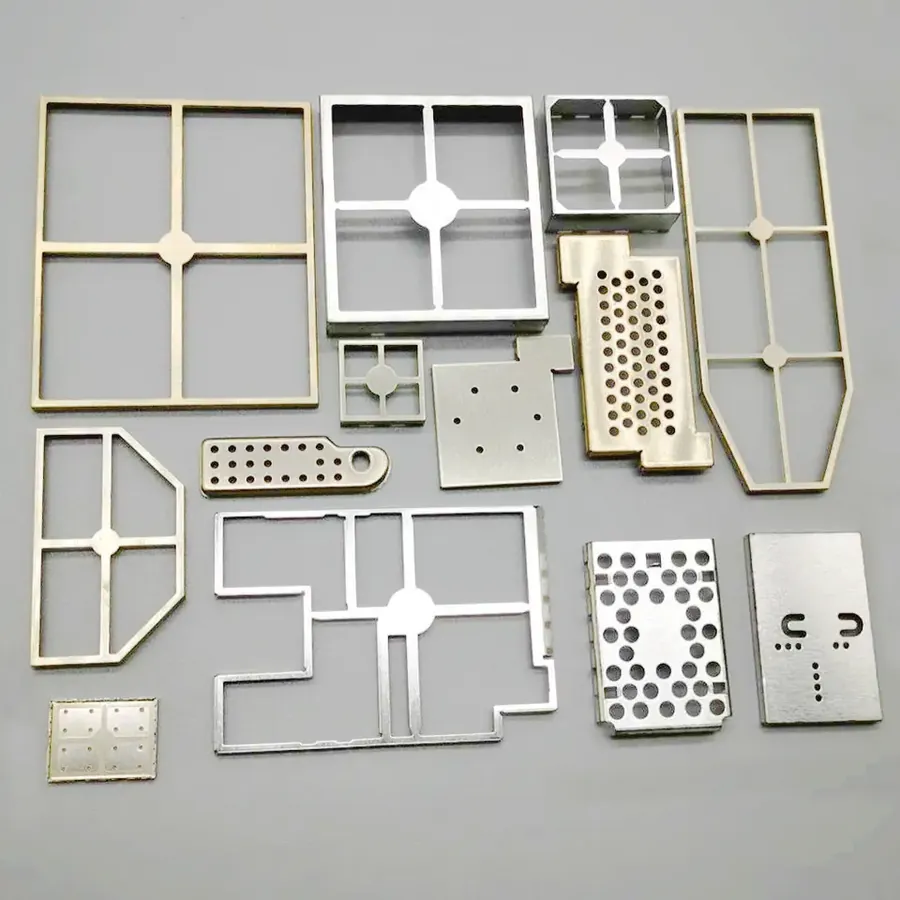
This integrated approach ensures every component—from intricate RF shielding cans to precision-machined heat spreaders—meets IPC-6012 and ISO 2768-mK standards consistently.
Key Production Specifications
| Process Stage | Capability | Tolerance Range | Surface Finish (Ra) |
|———————|—————————–|———————|———————|
| Design Integration | DFM Analysis & Simulation | N/A | N/A |
| Precision Prototyping | 5-Axis Milling / Swiss Turning | ±0.005mm (critical) | 0.4 – 1.6 μm |
| Mass Production | High-Speed CNC Machining | ±0.010mm (standard) | 0.8 – 3.2 μm |
Zero Defects is our operational mandate, not a slogan. By harmonizing design insight, prototype rigor, and statistically controlled production, Wuxi Lead delivers electronic metal components where reliability is non-negotiable. Your prototype’s success becomes the blueprint for flawless volume manufacturing—eliminating scrap, rework, and supply chain disruption. Partner with us to transform precision engineering into competitive advantage.
Why Choose Wuxi Lead Precision
Partner with Wuxi Lead Precision Machinery for Precision Metal Components Engineered to Elevate Your Electronic Prototypes
When electronic prototype companies demand reliability, speed, and uncompromising quality in custom metal manufacturing, Wuxi Lead Precision Machinery stands as a trusted global partner. Based in Wuxi, China, we specialize in high-precision CNC machining, sheet metal fabrication, and complex assembly solutions tailored specifically for the fast-paced demands of the electronics industry. From initial concept to final production-ready parts, our engineering team collaborates closely with R&D departments and product designers to deliver components that meet exact technical specifications—on time and at scale.
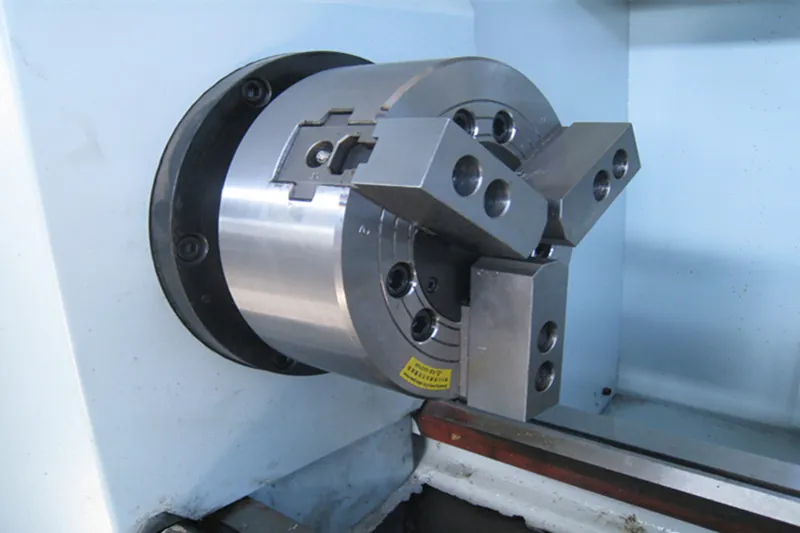
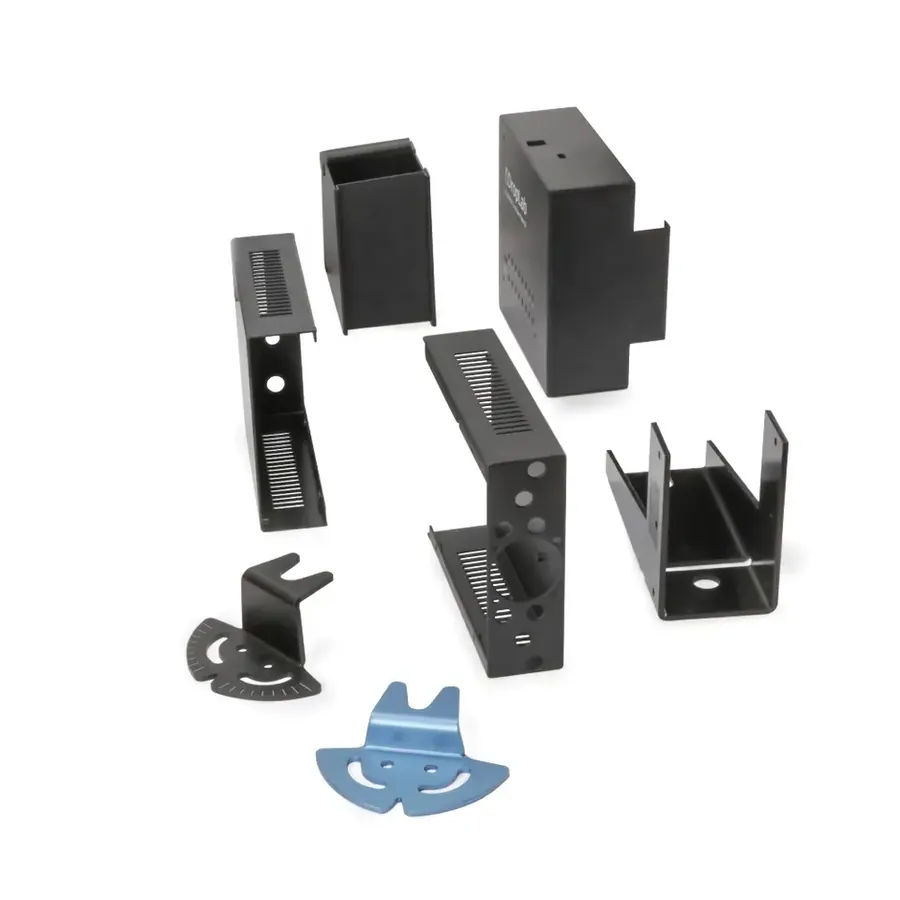
Our advanced manufacturing facility is equipped with state-of-the-art CNC lathes, 5-axis milling machines, laser cutting systems, and automated bending centers, enabling us to produce intricate metal enclosures, heat sinks, connectors, brackets, and housings with tolerances as tight as ±0.005 mm. Whether you’re developing medical electronics, industrial IoT devices, or consumer tech prototypes, our expertise ensures your designs are translated into flawless physical components with minimal lead time.
We understand that electronic prototype development cycles are short and iteration-heavy. That’s why we prioritize rapid prototyping without sacrificing precision. Our in-house tooling and agile production workflows allow us to deliver first-article samples in as little as 5–7 days, supporting your need for fast validation and design refinement. With full material traceability, ISO 9001-certified quality control, and strict adherence to international standards, every component we manufacture meets the highest benchmarks for performance and consistency.
Beyond manufacturing, we offer comprehensive DFM (Design for Manufacturability) analysis, helping you optimize part geometry, material selection, and assembly processes before production begins. This proactive approach reduces cost, avoids delays, and enhances the scalability of your prototype designs.
Below are key capabilities that define our service offering:
| Capability | Specification |
|---|---|
| CNC Machining | 3-axis to 5-axis, turning & milling, max work envelope: 1200 x 800 x 600 mm |
| Tolerance | ±0.005 mm typical, up to ±0.001 mm on critical features |
| Materials | Aluminum (6061, 7075), Stainless Steel (303, 304, 316), Brass, Copper, Titanium |
| Surface Finishes | Anodizing (Type II & III), Plating, Powder Coating, Brushing, Bead Blasting |
| Lead Time (Prototypes) | 5–10 working days, expedited options available |
| Quality Standards | ISO 9001:2015, First Article Inspection (FAI), PPAP, Full Dimensional Reports |
Electronic prototype companies choose Wuxi Lead Precision Machinery not only for our technical capabilities but for our partnership-driven approach. We align with your innovation goals and support your journey from concept to commercialization with precision, transparency, and responsiveness.
Contact us today at [email protected] to discuss your next prototype project. Let our engineering team become an extension of yours—delivering precision metal solutions that power the future of electronics.
⚙️ Precision Cost Estimator
Estimate relative manufacturing effort based on tolerance.