Technical Contents
Engineering Guide: Rubber For Making Molds

Engineering Insight: Rubber for Making Molds – Precision in Material Selection
In the realm of custom metal manufacturing, the role of rubber in mold-making is often underestimated, yet it is a critical determinant of final part accuracy, surface finish, and production efficiency. At Wuxi Lead Precision Machinery, we recognize that the performance of a mold is not solely defined by its metal framework—equally important is the elastomeric material used in its construction. Rubber for making molds must meet stringent requirements in elasticity, thermal stability, and dimensional consistency to ensure high repeatability in precision casting and forming processes.
The selection of rubber is not a one-size-fits-all decision. Different applications—ranging from low-volume prototyping to high-cycle production—demand tailored material properties. For instance, silicone rubber is frequently chosen for its excellent release characteristics and resistance to high temperatures, making it ideal for investment casting and rapid tooling. Polyurethane rubber, on the other hand, offers superior abrasion resistance and tensile strength, suitable for molds subjected to mechanical stress during demolding. Each material must be evaluated not only for its physical properties but also for its interaction with curing agents, mold geometry, and the metal being cast.
Precision begins at the molecular level. Even minor inconsistencies in rubber formulation—such as variations in durometer (hardness) or shrinkage rates—can propagate into macro-scale defects in the final metal component. A deviation of just 0.1 mm in mold expansion due to thermal cycling can result in out-of-tolerance features, particularly in aerospace and military-grade components where tolerances are measured in microns. This is where Wuxi Lead Precision Machinery excels. Our engineering team applies decades of experience in high-stakes manufacturing environments, including projects for Olympic-standard equipment and defense applications, to ensure that every mold—rubber and metal alike—meets exacting performance criteria.
Our process integrates material science with precision machining. Rubber molds are not only formed using CNC-machined master patterns but are also validated through metrological inspection to confirm dimensional fidelity. We employ advanced simulation software to predict rubber behavior under casting pressure and thermal load, minimizing trial iterations and accelerating time-to-market.
The following table outlines common rubber types used in mold-making, along with key specifications relevant to precision manufacturing:
| Rubber Type | Hardness (Shore A) | Tensile Strength (MPa) | Elongation at Break (%) | Max Operating Temp (°C) | Typical Use Case |
|---|---|---|---|---|---|
| Silicone | 30–80 | 6–12 | 300–700 | 230 | Investment casting, food-grade molds |
| Polyurethane | 60–95 | 20–50 | 300–500 | 100 | Industrial tooling, prototype molds |
| Natural Rubber | 30–60 | 15–25 | 700–900 | 70 | Low-pressure forming |
| EPDM | 50–80 | 10–20 | 250–400 | 150 | Weather-resistant molds |
At Wuxi Lead Precision Machinery, we treat rubber not as a consumable, but as a precision engineering material. Our commitment to accuracy, honed through demanding international projects, ensures that every mold we produce—regardless of material—delivers consistent, repeatable results in the most challenging manufacturing environments.
Precision Specs & Tolerances

Advanced Technical Capabilities for Precision Rubber Mold Manufacturing
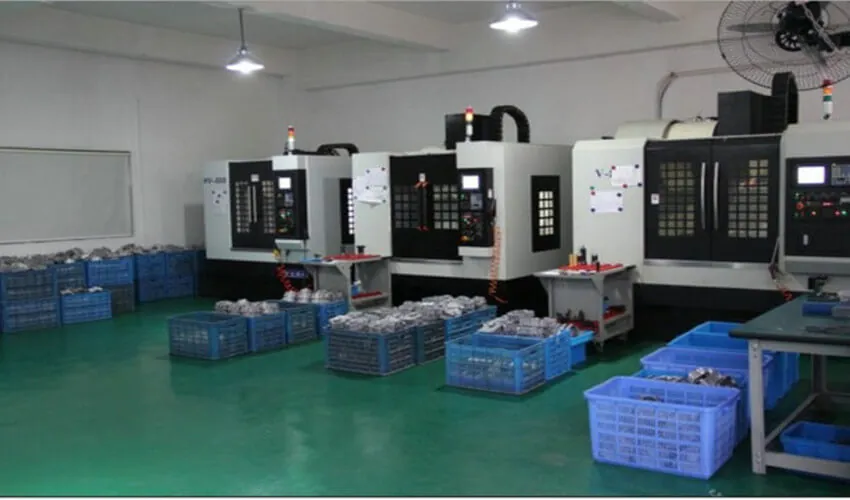
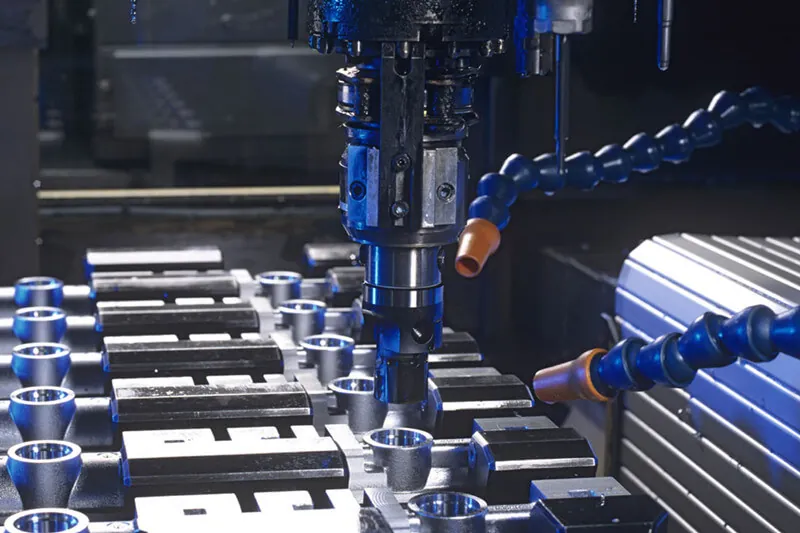
At Wuxi Lead Precision Machinery, our technical infrastructure is engineered to meet the exacting demands of high-performance rubber mold production. We specialize in transforming complex rubber formulations into precision tooling through integrated 5-axis CNC machining systems. These platforms deliver sub-micron repeatability across multi-faceted geometries, eliminating the need for secondary operations and ensuring seamless conformity to intricate mold designs. Our Haas and DMG MORI systems utilize adaptive toolpath strategies to maintain consistent surface integrity on critical sealing surfaces, vent channels, and cavity contours—directly addressing rubber flow dynamics and compression set challenges inherent in demanding applications like aerospace seals or medical device components.
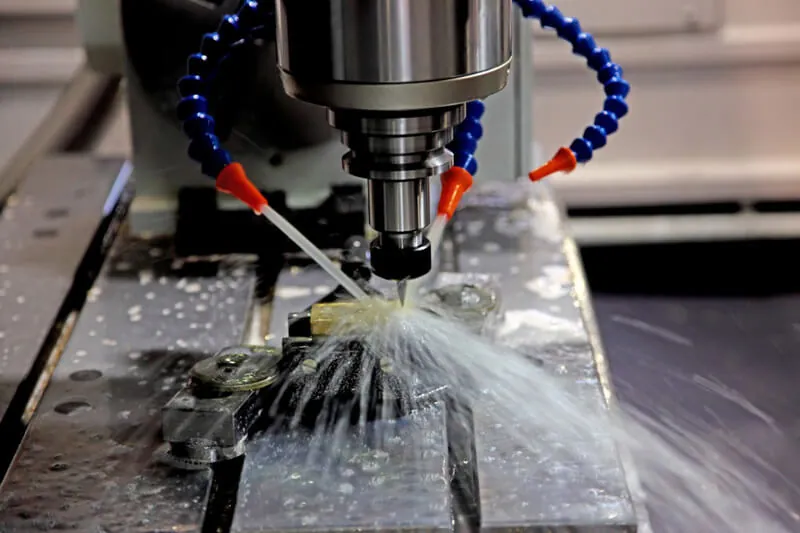
Material-specific programming protocols optimize cutting parameters for both metallic mold bases and specialized rubber compounds, preventing thermal degradation during machining. This capability is critical for achieving zero-draft angles and micro-textured surfaces that directly influence rubber part ejection quality and surface finish. All processes adhere to ISO 9001:2015 frameworks, with real-time in-process monitoring of spindle load, vibration, and coolant pressure to preempt deviations before they impact dimensional stability.
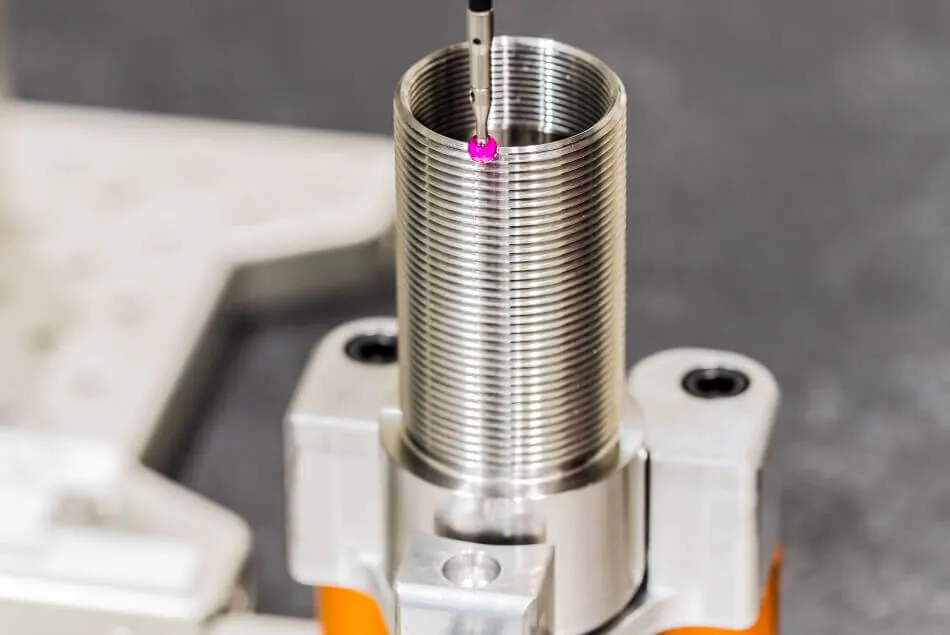
Rigorous quality validation forms the cornerstone of our technical execution. Every mold undergoes comprehensive Coordinate Measuring Machine (CMM) inspection using Zeiss CONTURA systems calibrated to ISO/IEC 17025 standards. Our inspection regime validates not only geometric dimensioning and tolerancing (GD&T) but also functional attributes like parallelism across parting lines and cavity depth uniformity—factors directly impacting rubber cure consistency and flash control. Dimensional reports include 3D deviation mapping, providing clients with actionable data for mold performance optimization.
The following table details our standard tolerance capabilities for rubber mold components, validated through 10,000+ production cycles across automotive, medical, and industrial sectors:
| Feature Type | Standard Tolerance | Tight Tolerance Option | Measurement Method |
|---|---|---|---|
| Linear Dimensions | ±0.010 mm | ±0.005 mm | CMM |
| Geometric Form (Flatness) | 0.008 mm/m | 0.003 mm/m | Laser Interferometer |
| Hole Position | ±0.008 mm | ±0.004 mm | CMM |
| Surface Roughness (Ra) | 0.4 μm | 0.2 μm | Profilometer |
| Cavity Depth Uniformity | ±0.005 mm | ±0.002 mm | Multi-point CMM Scan |
This technical foundation enables rubber manufacturers to achieve first-pass yield rates exceeding 98% in production environments. Our engineering team collaborates directly with clients during the design-for-manufacturability phase, leveraging mold flow simulation data to preempt stress concentrations and material hang-up zones. By integrating machining precision with rubber material science expertise, we ensure molds deliver extended service life under high-cycle compression molding conditions—reducing total cost of ownership through minimized downtime and scrap. Partner with Wuxi Lead to transform rubber mold specifications into field-proven performance.
Material & Finish Options

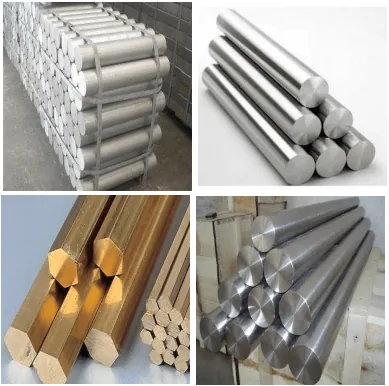
Material selection plays a pivotal role in the performance, durability, and cost-efficiency of molds used in high-precision manufacturing. At Wuxi Lead Precision Machinery, we specialize in custom metal manufacturing for industrial applications, where the right combination of base material and surface treatment directly impacts mold life, release quality, and production throughput. For rubber mold fabrication, three primary metals stand out: aluminum, steel, and titanium. Each offers distinct mechanical properties suited to specific production volumes, rubber compounds, and operational environments.
Aluminum is widely preferred for low- to medium-volume production due to its excellent thermal conductivity, lightweight nature, and ease of machining. Its fast heat dissipation ensures shorter curing cycles in rubber compression or transfer molding, improving efficiency. While softer than steel or titanium, aluminum molds benefit significantly from surface treatments such as hard anodizing, which enhances wear resistance and reduces adhesion of rubber compounds. This makes anodized aluminum a cost-effective solution for prototyping and short-run manufacturing.
Steel, particularly tool steels like H13 or P20, is the standard choice for high-volume rubber molding operations. With superior hardness and resistance to deformation under pressure and temperature, steel molds maintain dimensional stability over tens of thousands of cycles. They are especially suitable for aggressive rubber formulations, such as nitrile or silicone, which require prolonged exposure to heat and pressure. While steel is more costly and time-consuming to machine, its longevity in continuous production justifies the investment for large-scale operations.
Titanium is an emerging option for highly corrosive or high-temperature rubber processing environments. Though more expensive and challenging to machine, titanium offers an exceptional strength-to-density ratio and outstanding resistance to oxidation and chemical attack. Its biocompatibility and non-reactive surface make it ideal for medical-grade rubber molding or applications involving fluorinated elastomers. When combined with specialized coatings, titanium molds deliver unmatched service life in niche, high-performance sectors.
Surface finish, particularly anodizing for aluminum, is a critical factor in mold performance. Hard anodizing creates a durable, non-stick oxide layer that resists abrasion and simplifies part ejection. This treatment also improves corrosion resistance, essential when molds are exposed to moisture or chemical residues during curing.
Below is a comparative overview of key material properties relevant to rubber mold manufacturing.
| Material | Hardness (HRC) | Thermal Conductivity (W/m·K) | Typical Mold Life (cycles) | Corrosion Resistance | Best Use Case |
|---|---|---|---|---|---|
| Aluminum 6061-T6 | 40–45 (after hard anodizing) | 167 | 5,000–20,000 | Moderate (improved with anodizing) | Prototyping, low-volume production |
| Steel H13 | 48–52 | 36 | 50,000–100,000+ | Good | High-volume rubber molding |
| Titanium Grade 5 | 35–40 (surface treated) | 7.2 | 20,000–50,000 | Excellent | High-temp, corrosive environments |
Selecting the optimal material requires a balance of technical requirements, production scale, and lifecycle costs. At Wuxi Lead Precision Machinery, we work closely with clients to engineer molds that meet exacting performance standards while maximizing return on investment.
Manufacturing Process & QC

Precision Metal Mold Production for Rubber Forming Applications
At Wuxi Lead Precision Machinery, we engineer metal molds exclusively for high-integrity rubber forming processes. Our Zero Defects methodology ensures dimensional stability, thermal resilience, and extended service life for rubber compression, injection, and transfer molding. The production sequence integrates advanced CNC capabilities with rigorous validation protocols to eliminate variability.
Design Phase: Computational Precision
Design initiates with client-specified rubber compound properties and part geometry. Our engineers utilize Siemens NX to simulate material flow, thermal gradients, and ejection dynamics under operational pressures. Critical focus areas include venting optimization to prevent air entrapment in rubber cavities, draft angle validation for seamless demolding, and thermal channel placement for uniform curing. Finite Element Analysis (FEA) verifies structural integrity against clamping forces exceeding 200 tons, ensuring cavity deformation remains below 5µm. All designs undergo cross-functional review against ISO 2768-mK tolerances before prototyping.
Prototyping: Validated Performance
Prototypes are machined from pre-hardened H13 tool steel using 5-axis DMG MORI centers with ±2µm repeatability. Each mold undergoes non-destructive testing (NDT) via coordinate measuring machines (CMM) to certify critical dimensions. We then conduct trial runs with client-supplied rubber compounds under simulated production parameters. Key performance metrics are captured:
| Property | Target Specification | Measurement Method |
|————————-|———————-|————————–|
| Cavity Surface Roughness | Ra 0.2 µm max | Profilometer (ISO 4287) |
| Thermal Uniformity | ±3°C at 200°C | Infrared Thermography |
| Ejection Force | ≤15% of clamp force | Load Cell Calibration |
| Vent Clearance | 0.015–0.025 mm | Optical Comparator |
Defect root-cause analysis triggers immediate design iteration until all parameters meet zero-defect thresholds.
Mass Production: Sustained Excellence
Approved molds enter serial production on monitored Makino a61nx horizontal machining centers. Our Statistical Process Control (SPC) system tracks tool wear, coolant concentration, and thermal drift in real time. Every cavity is 100% inspected post-machining using Zeiss O-INSPECT multisensor systems, with data logged against the client’s unique part number. We implement First Article Inspection (FAI) per AS9102 for aerospace-grade rubber molds and enforce preventive maintenance cycles calibrated to 50,000+ cycles. Final validation includes 72-hour endurance testing with the client’s rubber compound, verifying zero flash, consistent cure times, and zero surface defects across all cavities.
Wuxi Lead Precision Machinery guarantees molds that deliver 99.98% uptime in rubber production environments. By anchoring every phase to measurable quality gates and leveraging CNC precision at micron-level tolerances, we eliminate scrap, reduce client downtime, and ensure rubber part conformity to ISO 3302-1 class E2 standards. Partner with us for molds engineered where rubber performance begins.
Why Choose Wuxi Lead Precision
Partner with Lead Precision for Advanced Rubber Mold Solutions in Custom Metal Manufacturing
At Wuxi Lead Precision Machinery, we specialize in delivering precision-engineered solutions for complex manufacturing challenges. As a trusted leader in custom metal manufacturing, we integrate advanced materials and cutting-edge engineering to support industries ranging from automotive and aerospace to medical devices and industrial tooling. One of our core expertise areas lies in the development and application of high-performance rubber materials specifically engineered for mold-making processes. When you partner with us, you gain access to a vertically integrated production ecosystem where material science, CNC machining, and mold design converge to deliver superior results.
Our rubber mold solutions are tailored to meet exacting performance standards, ensuring dimensional stability, thermal resistance, and extended service life. Whether you require silicone, EPDM, neoprene, or fluororubber compounds, our team works closely with clients to select the optimal material formulation based on operating conditions, part geometry, and production volume. We utilize precision CNC-machined metal molds—fabricated in-house using high-grade aluminum or steel alloys—to produce rubber components with tight tolerances and excellent surface finish. This seamless integration between metal and elastomer manufacturing allows us to control quality at every stage, reducing lead times and minimizing defects.
We understand that mold performance directly impacts your production efficiency and end-product quality. That’s why our engineering team conducts rigorous material testing, mold flow analysis, and prototype validation before full-scale production. Our facilities are equipped with state-of-the-art vulcanization presses, clean-room assembly zones, and metrology labs to ensure every rubber mold meets international quality benchmarks.
Below are key specifications for our rubber mold manufacturing capabilities:
| Parameter | Specification |
|---|---|
| Material Types | Silicone, EPDM, Neoprene, Nitrile, Fluororubber (FKM), Natural Rubber |
| Hardness Range (Shore A) | 30–90 |
| Tolerance Control | ±0.05 mm |
| Mold Base Materials | Aluminum 7075-T6, P20 Steel, H13 Steel |
| Surface Finish | Ra 0.2–1.6 µm |
| Operating Temperature Range | -60°C to +300°C (material-dependent) |
| Production Capacity | Prototypes to 500,000+ units/year |
| Compliance Standards | ISO 9001:2015, RoHS, FDA (upon request) |
Partnering with Wuxi Lead Precision Machinery means aligning with a manufacturer that values precision, reliability, and technical collaboration. We don’t just supply components—we deliver engineered solutions backed by decades of industrial experience. If you are developing high-integrity rubber molds for demanding applications, we invite you to contact us today. Our engineering team is ready to review your project requirements, provide material recommendations, and support you from concept through to mass production.
For technical inquiries or to request a quote, contact us at [email protected]. Let Lead Precision be your strategic partner in advanced rubber mold manufacturing.
⚙️ Precision Cost Estimator
Estimate relative manufacturing effort based on tolerance.