Technical Contents
Engineering Guide: Pronto Steel

Engineering Insight: Precision Imperatives in Pronto Steel Manufacturing
In high-stakes metal fabrication, “pronto steel” transcends mere rapid delivery—it demands uncompromising precision under accelerated timelines. For critical applications in defense, aerospace, and elite infrastructure, dimensional accuracy isn’t optional; it is the foundation of structural integrity, safety, and operational success. At Wuxi Lead Precision Machinery, we treat expedited steel projects with the same rigorous engineering discipline as long-lead programs, ensuring zero concessions to quality despite compressed schedules. Our CNC machining centers operate at micron-level tolerances, governed by real-time in-process metrology and closed-loop thermal compensation systems. This capability was proven during the Beijing Winter Olympics, where our team delivered titanium-steel composite components for bobsled tracks within 72 hours of final design sign-off—parts requiring ±0.005mm flatness across 3-meter spans to prevent athlete-affecting vibrations at 140 km/h. Similarly, for military vehicle armor systems, we maintain AS9100-certified traceability while machining high-hardness steel plates to Class A surface finishes in under 5 days, where a single micron deviation could compromise ballistic performance.
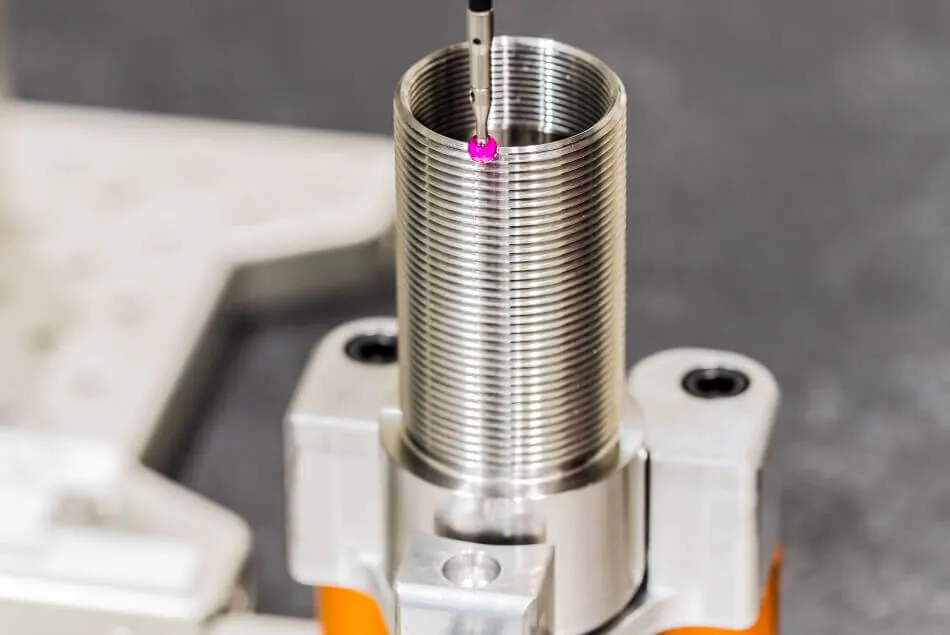
Precision in pronto steel hinges on three pillars: material intelligence, adaptive process control, and predictive quality assurance. We begin with certified mill test reports and spectral analysis to verify steel composition and internal homogeneity—critical when rapid heating/cooling cycles during machining can amplify latent material stresses. Our 5-axis milling cells then deploy adaptive cutting strategies, dynamically adjusting feed rates based on real-time tool-load monitoring to prevent micro-deflection in thin-walled geometries. Finally, every batch undergoes automated CMM validation against CAD models before shipment, with statistical process control (SPC) data logged for full audit trails. This integrated approach eliminates the false economy of “fast but flawed” production.
The following table outlines key precision parameters achievable in our expedited steel manufacturing workflow:
| Parameter | Standard Tolerance | Critical Application Tolerance | Verification Method |
|---|---|---|---|
| Linear Dimension | ±0.02 mm | ±0.005 mm | CMM (ISO 10360-2) |
| Geometric Form (Flatness) | 0.05 mm/m | 0.01 mm/m | Laser Interferometry |
| Surface Roughness (Ra) | 1.6 μm | 0.4 μm | Profilometer (ISO 4287) |
| Positional Accuracy | ±0.015 mm | ±0.003 mm | Optical Comparator |
| Hardness Uniformity | ±3 HRC | ±1 HRC | Rockwell Testing (ASTM E18) |
Wuxi Lead’s 18-year legacy in mission-critical manufacturing—spanning Olympic infrastructure, naval subsystems, and satellite deployment mechanisms—proves that speed and precision are not trade-offs but engineered outcomes. When your project demands steel components that perform flawlessly on accelerated timelines, our process guarantees that “pronto” never means “precise enough.” It means precision engineered for urgency. Contact our engineering team to discuss how we implement these standards for your next high-velocity project.
Precision Specs & Tolerances

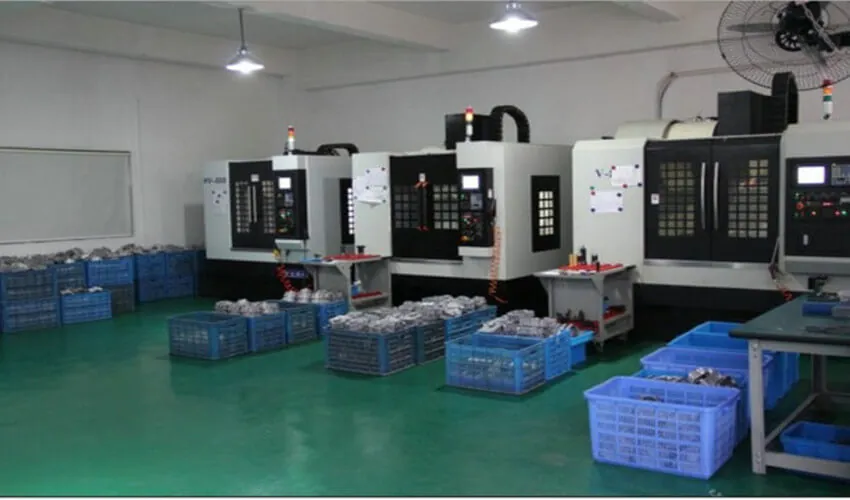
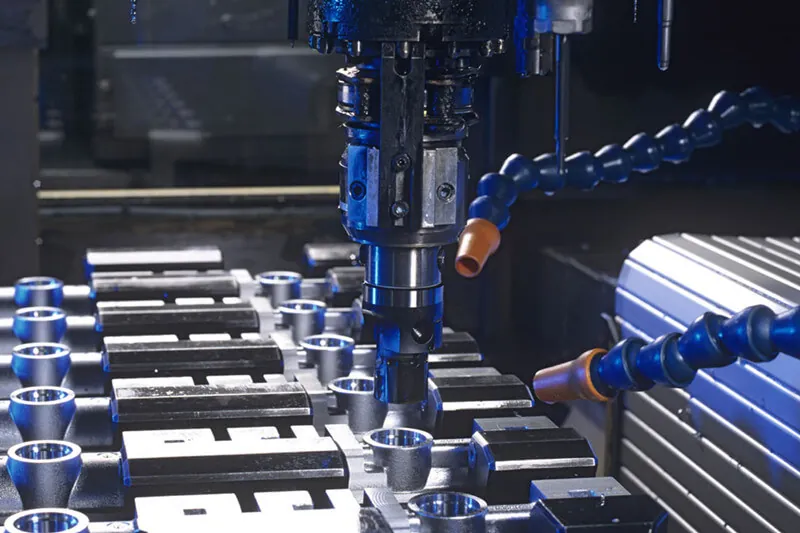
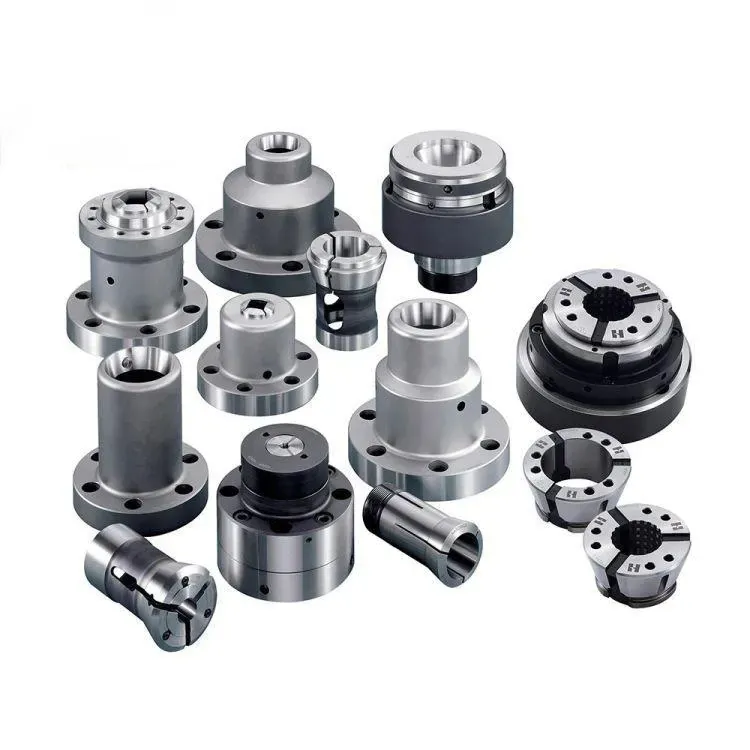
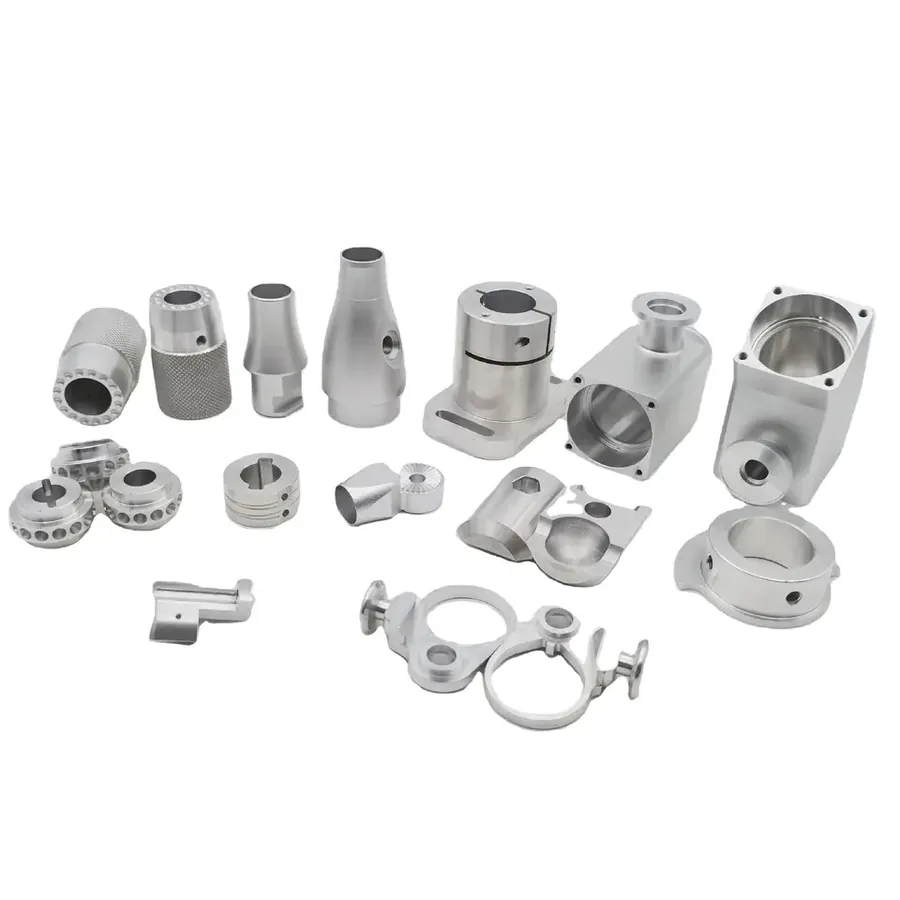
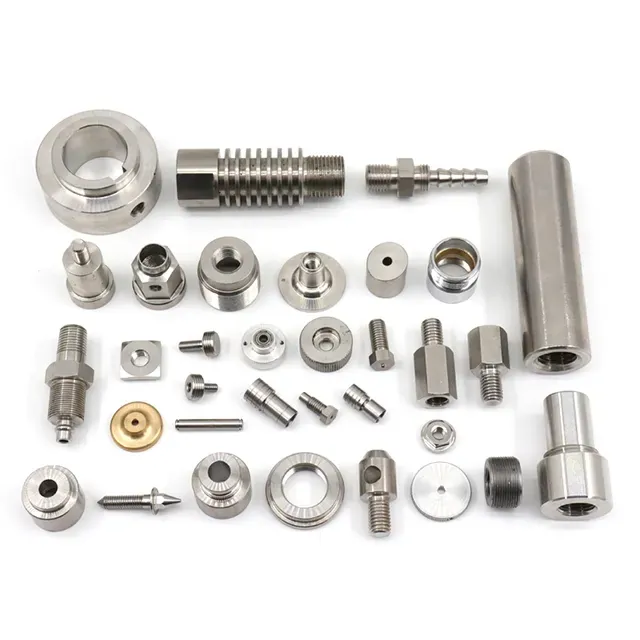
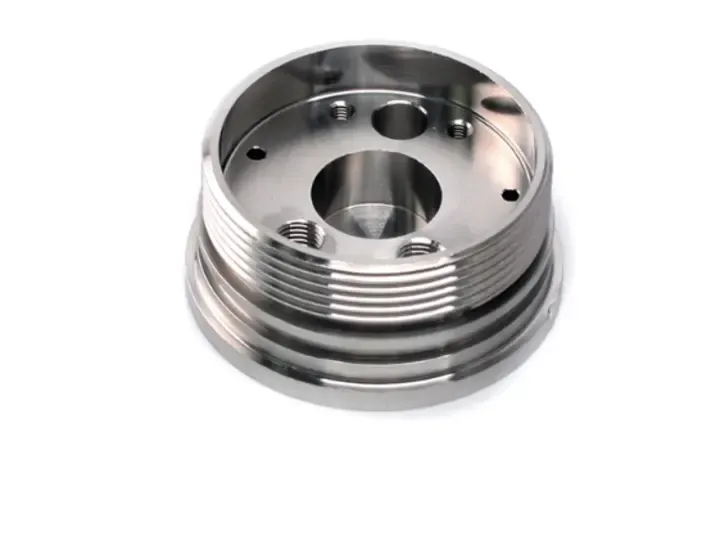
Wuxi Lead Precision Machinery delivers advanced technical capabilities in custom metal manufacturing, engineered to meet the stringent demands of high-performance industries such as aerospace, medical, automotive, and industrial automation. At the core of our precision fabrication services is a fully integrated 5-axis CNC machining platform, enabling complex geometries, tight tolerances, and superior surface finishes on a wide range of steel alloys, including stainless, tool, and carbon steels. Our 5-axis CNC systems provide simultaneous multi-directional cutting, allowing for intricate part features to be machined in a single setup. This reduces cumulative error, improves repeatability, and significantly enhances dimensional accuracy across production runs.
Our machining centers are maintained to ISO 13041 standards and operated by certified CNC engineers with over a decade of experience in high-precision metalwork. Each machine is equipped with high-speed spindles, automatic tool changers, and real-time tool wear compensation systems, ensuring consistent output from prototype to full-scale production. Materials are securely fixtured using modular vises and custom workholding solutions designed to minimize deflection and vibration during high-load operations.
Quality control is embedded at every stage of production. All critical dimensions are verified through our Coordinate Measuring Machine (CMM) inspection system, which provides full 3D metrology reports traceable to international standards (ISO/IEC 17025). The CMM system is integrated into our quality workflow, enabling first-article inspection (FAI), in-process checks, and final certification for every batch. This ensures that every component meets the exact specifications required by our clients in regulated industries.
We support a full range of secondary operations, including deburring, passivation, heat treatment coordination, and precision cleaning, all managed in-house or through certified partners. Our digital manufacturing environment links CAD/CAM systems directly to machine tools, enabling rapid prototyping and design iteration with minimal lead time. All technical data, including toolpaths, inspection reports, and material certifications, are archived for full traceability and audit compliance.
The following table outlines the standard tolerances achievable across our 5-axis CNC machining processes for steel components:
| Feature Type | Standard Tolerance | Precision Tolerance (Optimized Setup) | Measurement Method |
|---|---|---|---|
| Linear Dimensions | ±0.025 mm | ±0.005 mm | CMM, Micrometer |
| Hole Diameter | ±0.015 mm | ±0.008 mm | Pin Gauge, CMM |
| Positional Tolerance | ±0.020 mm | ±0.010 mm | CMM |
| Flatness | 0.02 mm/m | 0.005 mm/m | CMM, Surface Plate |
| Surface Finish | Ra 1.6 μm | Ra 0.4 μm | Surface Roughness Tester |
| Angular Features | ±0.05° | ±0.02° | CMM, Optical Comparator |
All tolerances are achievable on low-carbon, stainless (304, 316), and tool steels (e.g., H13, D2). Tighter specifications are attainable through process optimization and dedicated inspection protocols. Wuxi Lead Precision Machinery is committed to delivering steel components that meet the highest benchmarks in precision, consistency, and technical performance.
Material & Finish Options

Material Selection for High-Performance Precision Components
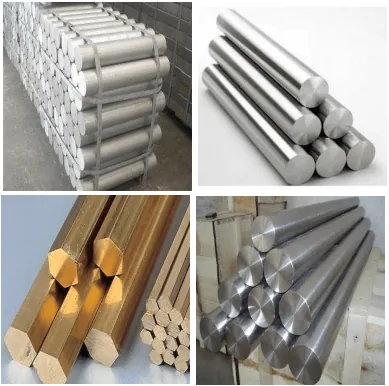
Material selection directly impacts component performance, cost efficiency, and production timelines in custom metal manufacturing. At Wuxi Lead Precision Machinery, our pronto steel rapid manufacturing service prioritizes optimal material pairing to meet stringent aerospace, medical, and industrial requirements. Understanding the core properties of aluminum, steel, and titanium is critical for balancing strength, weight, corrosion resistance, and machinability. Below is a comparative analysis of key engineering alloys we routinely process.
Aluminum alloys like 6061-T6 and 7075-T6 dominate applications demanding lightweight strength and thermal conductivity. They machine rapidly with minimal tool wear, reducing lead times and costs. However, aluminum lacks the hardness and wear resistance required for high-stress mechanical interfaces. Steel variants—particularly 304/316 stainless and 4140 alloy steel—deliver superior tensile strength, durability, and cost-effectiveness for structural and load-bearing components. While heavier than aluminum, steel offers exceptional weldability and maintains integrity under extreme pressure. Titanium grade 5 (Ti-6Al-4V) excels in corrosive environments and high-temperature scenarios, such as medical implants or jet engine parts. Its biocompatibility and strength-to-weight ratio are unmatched, though higher material costs and challenging machinability necessitate specialized CNC expertise to control cycle times.
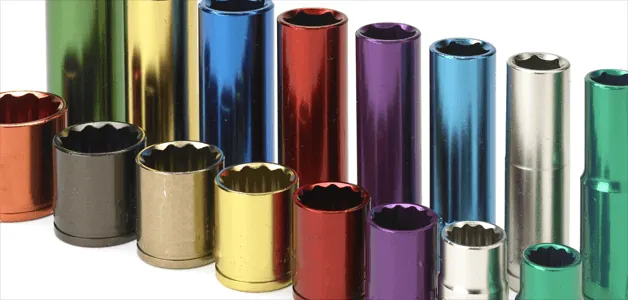
Surface finishing further defines component functionality. Anodizing is essential for aluminum parts requiring enhanced corrosion resistance, electrical insulation, or aesthetic consistency. Type II (sulfuric acid) anodizing provides standard wear protection and dye receptivity for color coding. For mission-critical applications, Type III (hardcoat) anodizing delivers a thicker, denser oxide layer with superior abrasion resistance—critical for hydraulic components or aerospace fittings. Note that anodizing is exclusive to aluminum; steel components typically utilize passivation (for stainless grades) or precision grinding for corrosion management, while titanium benefits from electropolishing.
Key Material Properties Comparison
| Material | Density (g/cm³) | Tensile Strength (MPa) | Corrosion Resistance | Machinability Rating |
|---|---|---|---|---|
| Aluminum 6061-T6 | 2.7 | 310 | Moderate | Excellent (A1) |
| Stainless 304 | 8.0 | 515 | High | Good (B) |
| Steel 4140 | 7.85 | 655 | Moderate | Fair (C) |
| Titanium Ti-6Al-4V | 4.43 | 900 | Exceptional | Poor (D) |
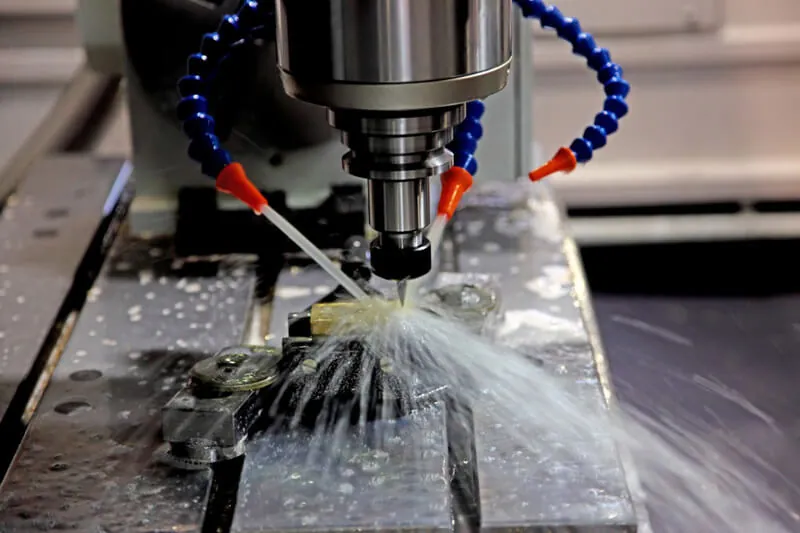
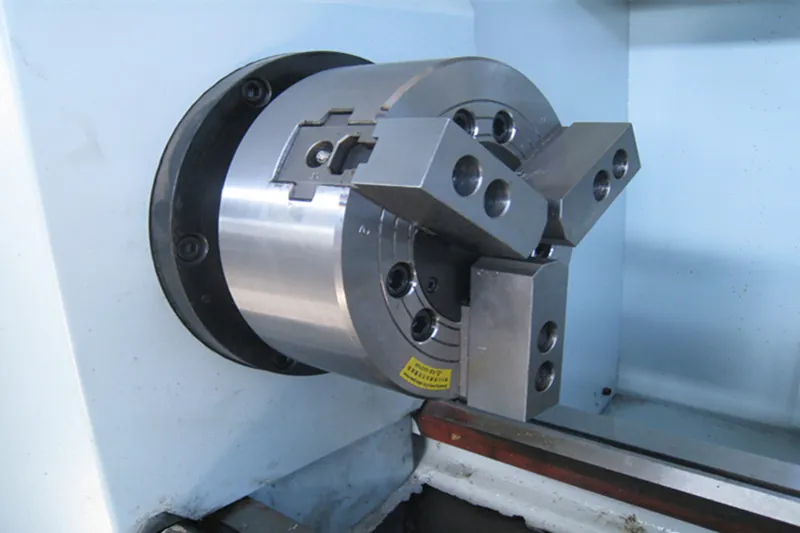
Wuxi Lead’s pronto steel framework ensures rapid steel component delivery without compromising precision. Our CNC mills and lathes feature adaptive toolpathing and vacuum clamping to minimize distortion in thin-walled steel parts, while in-house anodizing lines guarantee uniform coating thickness per ASTM B580 standards. For titanium, we deploy high-pressure coolant systems to prevent work hardening during milling. Material choice must align with functional demands—not just initial cost. A steel component may outperform aluminum in longevity for high-cycle machinery, ultimately reducing total cost of ownership. Similarly, skipping hardcoat anodizing on aluminum valve bodies risks premature field failure.
Consult our engineering team early in your design phase. We provide material certification, DFMA analysis, and rapid prototyping to validate selections against real-world stress conditions. Optimize your next project’s performance and timeline with Wuxi Lead’s precision manufacturing expertise. Contact us to discuss your specific application requirements and pronto steel feasibility.
Manufacturing Process & QC

At Wuxi Lead Precision Machinery, our production process for custom metal manufacturing is engineered to deliver precision, consistency, and zero-defect performance for high-end industrial clients. Every project follows a rigorously controlled workflow that begins with design and culminates in flawless mass production, ensuring complete alignment with client specifications and international quality standards.
The process initiates with collaborative design engineering. Our technical team works closely with clients to analyze blueprints, material requirements, and functional demands. Utilizing advanced CAD/CAM software and finite element analysis (FEA), we optimize geometries for structural integrity, manufacturability, and performance under operational stress. This stage includes tolerance stack-up analysis and design for manufacturability (DFM) reviews to preempt potential issues before prototyping begins.
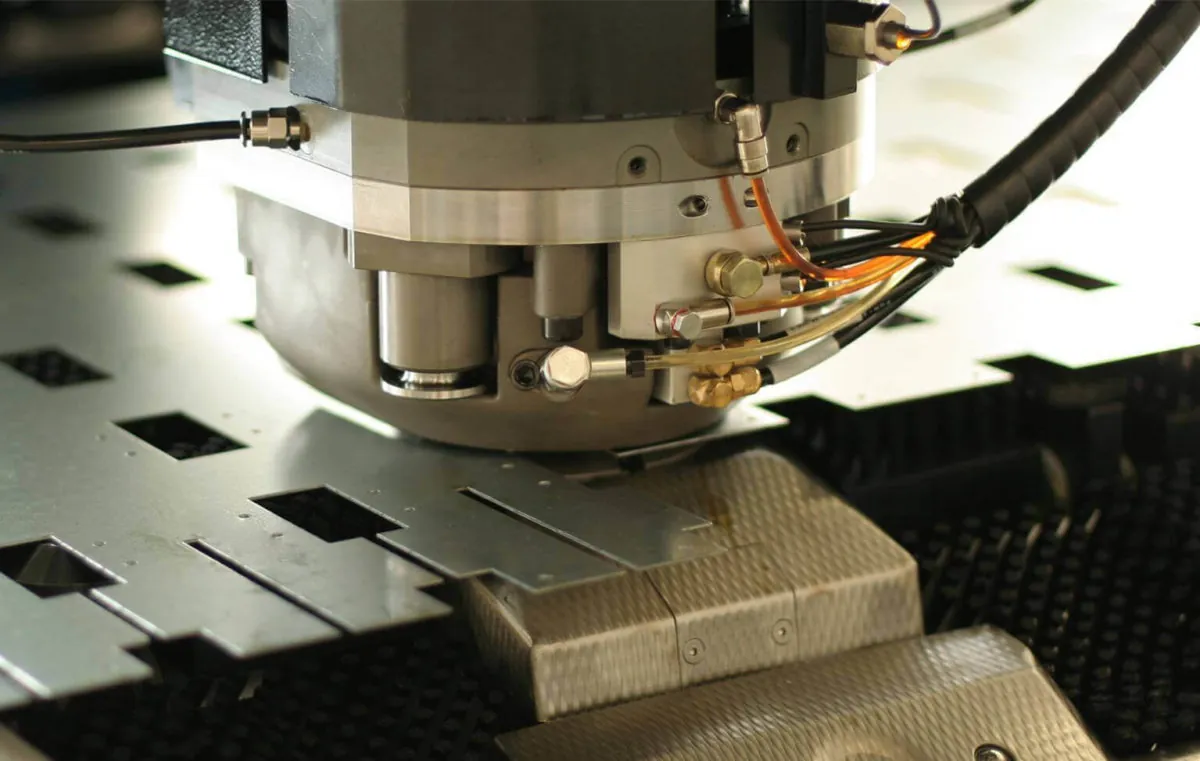
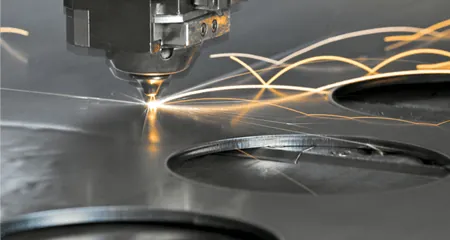
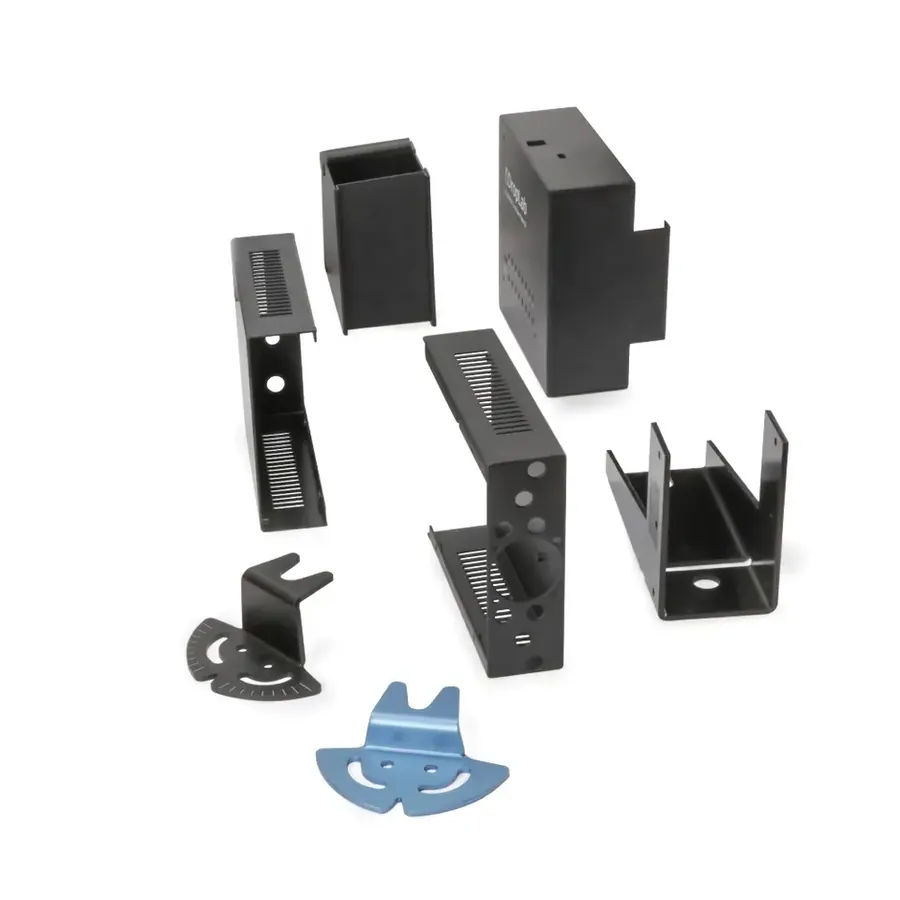
Prototyping follows as the critical validation phase. We produce functional prototypes using CNC machining, laser cutting, or sheet metal forming, depending on the part complexity and material. These prototypes undergo comprehensive testing, including dimensional inspection via coordinate measuring machines (CMM), material hardness checks, and fitment trials in simulated assembly environments. Client feedback is integrated at this stage, and iterative refinements are made until the prototype meets exact performance and quality benchmarks. This phase ensures that design intent is fully realized and production-ready.
Once approved, the project transitions into mass production. Our automated production lines leverage high-precision CNC machines, robotic welding cells, and in-line quality monitoring systems to maintain consistency. Each component is tracked through a digital manufacturing execution system (MES), enabling full traceability from raw material to finished part. Throughout production, statistical process control (SPC) is applied to monitor key parameters in real time, allowing immediate correction of deviations before defects occur.
Our zero-defect philosophy is enforced through multi-stage quality gates. Incoming materials are inspected for compliance, in-process checks occur at every critical operation, and final inspection includes 100% visual examination and random sampling for destructive and non-destructive testing (NDT). All processes are certified to ISO 9001:2015 and adhere to IATF 16949 standards where applicable.
The following table outlines key capabilities and tolerances supported across our production workflow:
| Parameter | Capability | Tolerance Range |
|---|---|---|
| Material Types | Carbon steel, stainless steel, aluminum, alloy steel | N/A |
| CNC Machining | 3-axis to 5-axis milling, turning | ±0.005 mm |
| Laser Cutting | Up to 25 mm thickness | ±0.1 mm |
| Sheet Metal Forming | Bending, stamping, deep drawing | ±0.2° angular, ±0.1 mm |
| Welding | TIG, MIG, spot, robotic automation | Full penetration, no porosity |
| Surface Finish | Powder coating, anodizing, plating, passivation | Ra ≤ 0.8 μm (machined) |
| Dimensional Inspection | CMM, optical comparators, micrometers | Calibrated to ISO 17025 |
From design validation to high-volume output, Wuxi Lead Precision Machinery guarantees repeatability, precision, and zero-defect delivery—setting the benchmark in custom metal manufacturing for global industrial leaders.
Why Choose Wuxi Lead Precision
Partner with Lead Precision for Uncompromised Steel Manufacturing Excellence
In high-stakes steel fabrication, tolerances measured in microns dictate success. Wuxi Lead Precision Machinery delivers the repeatable precision and metallurgical integrity your critical components demand. We transcend conventional Chinese manufacturing through Western-engineered processes, rigorous material traceability, and a zero-defect culture embedded in every CNC operation. Our facility operates under ISO 9001:2015 certification with full NADCAP accreditation for non-destructive testing, ensuring your steel parts meet aerospace, energy, and medical device specifications without compromise. When lead times compress and tolerances tighten, our integrated 5-axis milling, turning, and grinding cells become your strategic advantage—eliminating secondary operations and supply chain vulnerabilities.
Our technical capabilities are engineered for the most demanding steel applications. The table below details our core specifications for precision steel manufacturing:
| Parameter | Capability | Verification Method |
|---|---|---|
| Material Range | Carbon Steel, Alloy Steel, Stainless Steel (300/400 Series), Tool Steel | Mill Test Reports (MTRs) with full chemical traceability |
| Tolerance Control | ±0.005 mm (±0.0002″) | CMM with 2.5 + L/300 µm accuracy |
| Surface Finish | Ra 0.2 µm to 3.2 µm | Profilometer testing per ISO 4287 |
| Max Work Envelope | Ø 1200 mm x 1500 mm | Laser tracker validation |
| Heat Treatment | In-house stress relieving, annealing, hardening | Certified furnace logs with quench media control |
This precision is sustained through proactive partnership. We assign a dedicated engineering lead to your project from RFQ to delivery, conducting Design for Manufacturability (DFM) reviews that identify cost-saving opportunities without sacrificing performance. Our real-time production dashboards grant you visibility into machining progress, inspection data, and logistics—no time zone barriers, no communication gaps. When you partner with Lead Precision, you gain a single-source solution for complex steel components requiring tight concentricity, critical thread forms, or stringent non-destructive testing protocols. We absorb the technical risk so you meet your deadlines with confidence.
The cost of rework or field failure in steel components far exceeds initial manufacturing expenses. Why risk inconsistent quality from fragmented suppliers? Contact our engineering team today to discuss your specific steel fabrication challenge. Send your drawings and requirements to [email protected] for a guaranteed 24-hour technical feasibility assessment. Include your target tolerance stack-up and material certification needs—we will return a detailed process plan with timeline and pricing. For urgent projects requiring expedited steel machining, reference “PRONTO STEEL” in your inquiry to activate our priority production lane. Let Lead Precision become the precision backbone of your supply chain. Your next breakthrough component starts with one email.
⚙️ Precision Cost Estimator
Estimate relative manufacturing effort based on tolerance.