Technical Contents
Engineering Guide: Real Steel Fabrication

Engineering Insight: The Critical Role of Precision in Real Steel Fabrication
In the realm of industrial manufacturing, real steel fabrication stands as a cornerstone of structural integrity, durability, and performance. Whether supporting the framework of high-rise buildings, forming critical military defense systems, or enabling infrastructure for global sporting events, precision in steel fabrication is not merely a goal—it is a non-negotiable standard. At Wuxi Lead Precision Machinery, we understand that microscopic deviations in measurement or alignment can cascade into catastrophic failures under operational stress. This understanding drives our unwavering commitment to micron-level accuracy across every stage of the fabrication process.
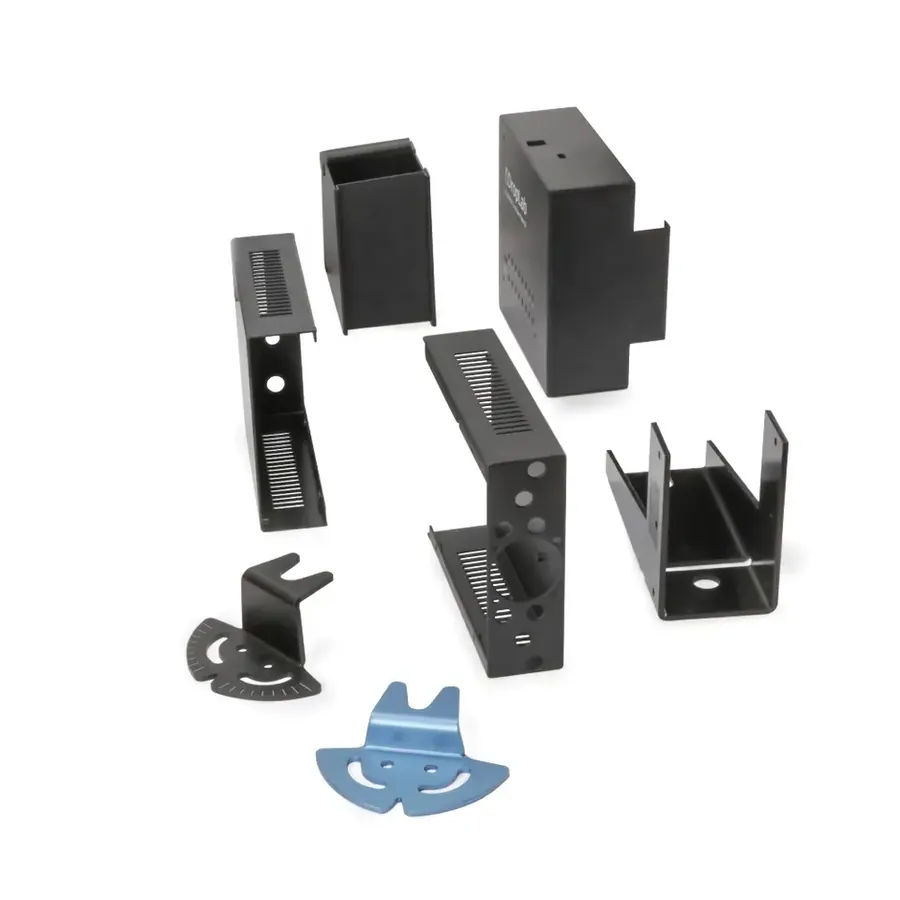
Real steel fabrication involves the transformation of raw steel sheets into complex, load-bearing components through cutting, bending, welding, and assembly. Each operation demands exactness in dimensional control, material consistency, and process repeatability. Even a tolerance deviation of ±0.5 mm can compromise fitment, weaken structural joints, or disrupt downstream assembly lines—especially in high-stakes applications such as aerospace support structures or military-grade enclosures. Our engineering protocols are built around advanced CNC-controlled systems, laser-guided metrology, and real-time quality verification loops that ensure every fabricated component meets or exceeds international standards.
Wuxi Lead Precision Machinery brings over two decades of specialized expertise in high-precision sheet metal fabrication. Our portfolio includes mission-critical components for Olympic-grade sports infrastructure and certified defense applications, where reliability under extreme conditions is paramount. These projects demand more than technical capability—they require a culture of precision that permeates design, material sourcing, machining, and final inspection. Our experience with such high-profile, high-reliability programs has refined our ability to deliver steel fabrications that perform flawlessly in the field, under pressure, and over time.
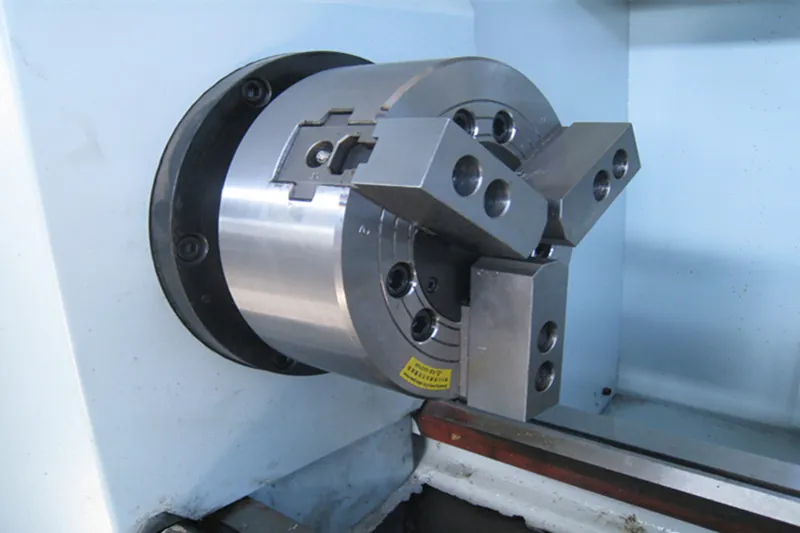
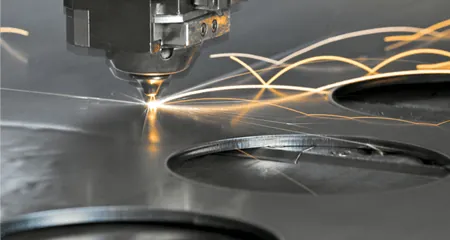
We employ state-of-the-art fiber laser cutting systems, automated bending cells, and robotic welding stations, all integrated within a quality management framework compliant with ISO 9001 and AS9100 standards. Each fabrication run undergoes rigorous in-process inspection, including 3D coordinate measurement and non-destructive testing, to validate geometric fidelity and weld integrity.
Below are key technical specifications that define our precision fabrication capabilities:
| Parameter | Specification |
|---|---|
| Material Thickness Range | 0.5 mm – 25 mm |
| Cutting Tolerance | ±0.1 mm |
| Bending Tolerance | ±0.2° angular, ±0.3 mm linear |
| Dimensional Accuracy (CNC) | ±0.05 mm per meter |
| Welding Standards | ISO 5817 (B-Class for critical joints) |
| Surface Finish | Ra ≤ 1.6 µm (machined), customizable |
| Maximum Work Envelope | 4000 mm × 2000 mm × 1500 mm |
| Quality Certification | ISO 9001, AS9100, MIL-STD-810 compliant |
Precision in steel fabrication is not an isolated function—it is the result of integrated engineering excellence, advanced tooling, and a relentless focus on detail. At Wuxi Lead Precision Machinery, we engineer every component as if it were destined for the most demanding environment on Earth—because often, it is.
Precision Specs & Tolerances

Advanced Technical Capabilities in Precision Steel Fabrication
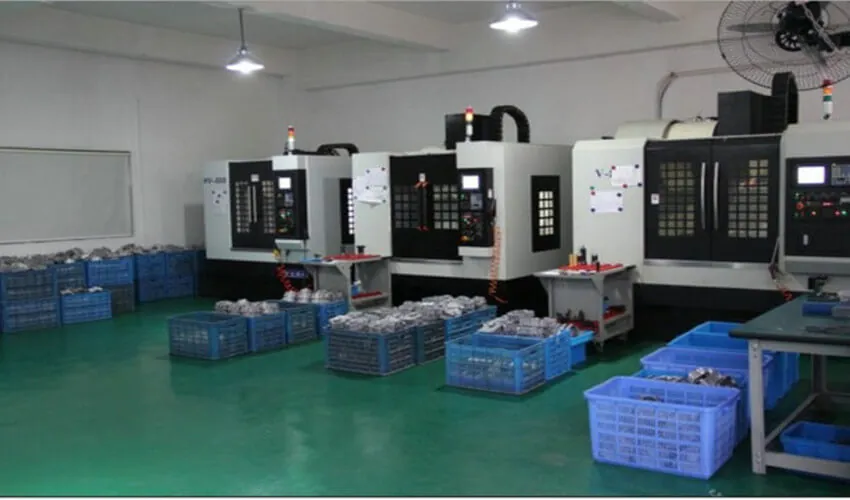
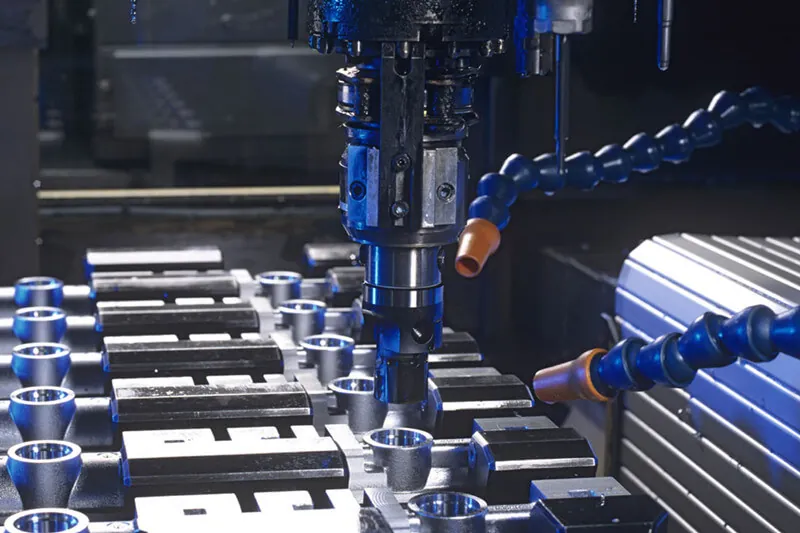
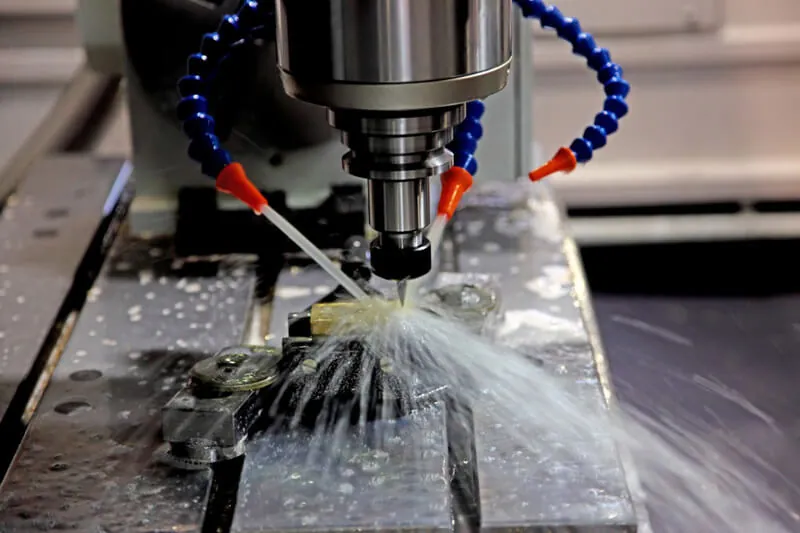
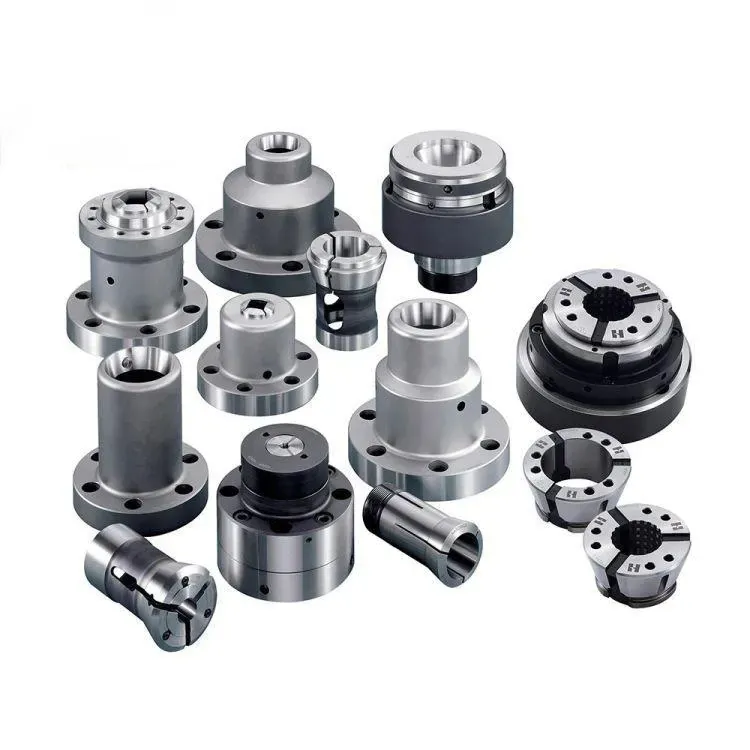
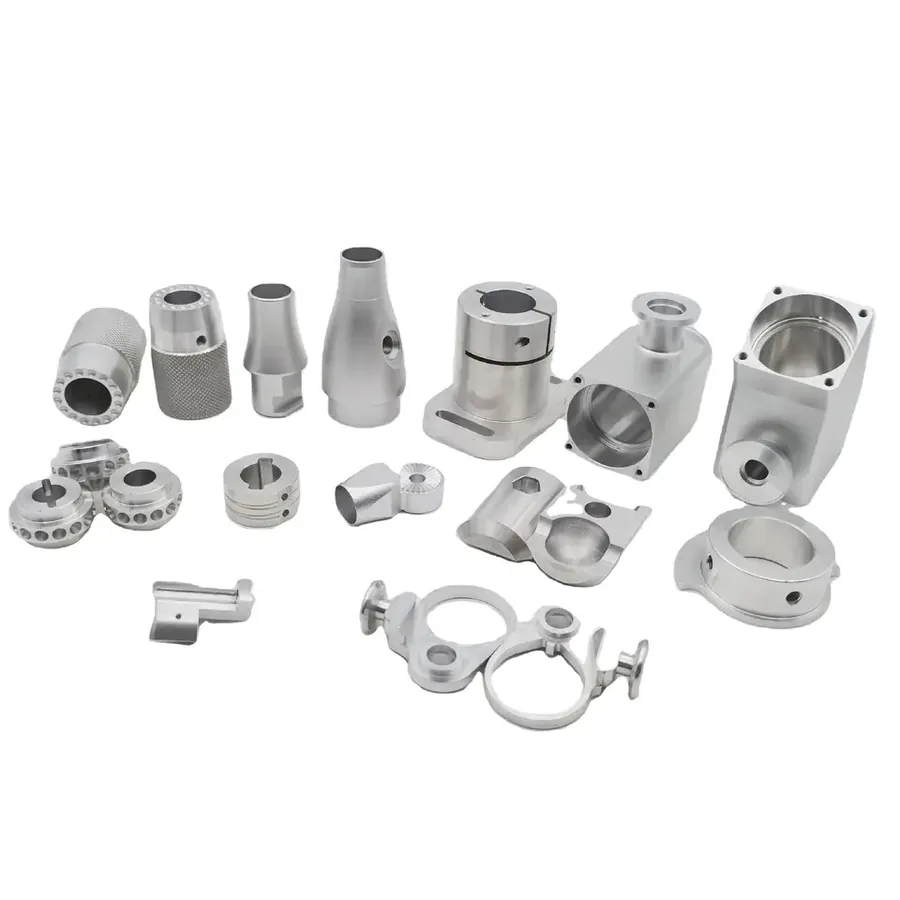
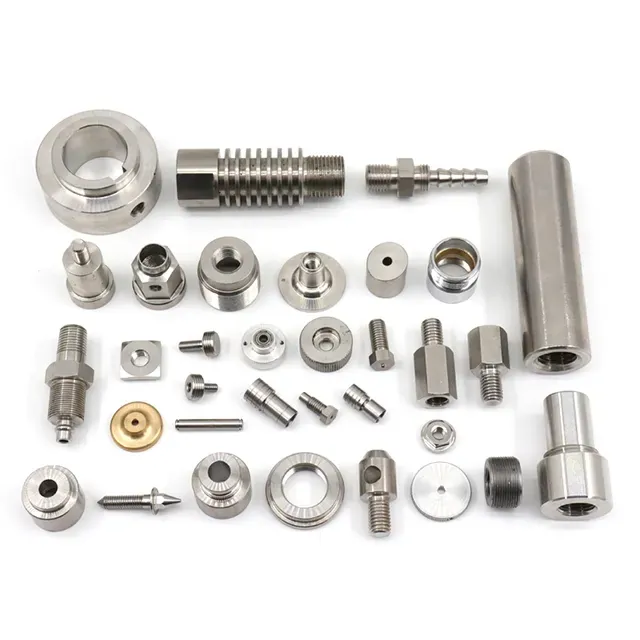
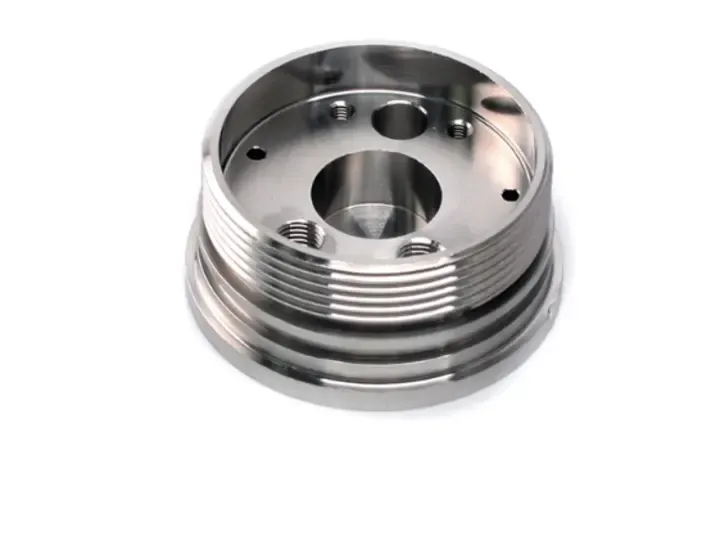
Wuxi Lead Precision Machinery delivers uncompromising quality for demanding steel fabrication projects through integrated advanced manufacturing and metrology systems. Our core strength lies in mastering complex geometries and stringent tolerances inherent in high-integrity structural and functional steel components, serving aerospace, energy, and advanced industrial sectors where failure is not an option. Central to this capability is our fleet of state-of-the-art 5-axis CNC machining centers, specifically configured for the rigors of carbon and stainless steel alloys. These systems transcend conventional 3-axis limitations, enabling single-setup machining of intricate contours, deep cavities, and compound angles. This eliminates cumulative error from multiple fixturing operations, significantly improves surface finish consistency on critical bearing and sealing surfaces, and drastically reduces lead times for parts requiring multi-faceted precision. Material removal rates are optimized for steel’s density and hardness, ensuring efficient production without sacrificing dimensional stability or introducing thermal distortion.
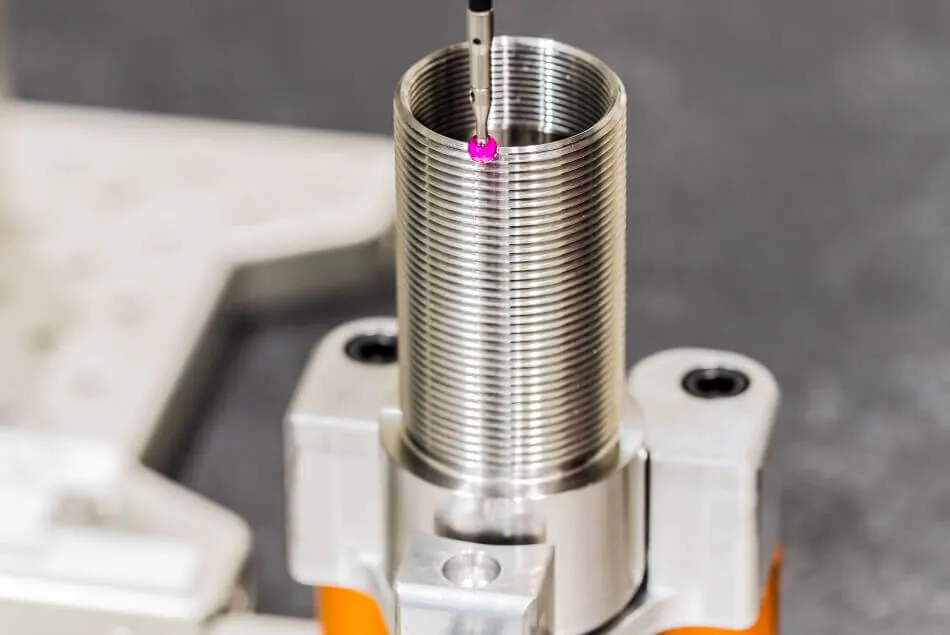
Rigorous quality control is not a final checkpoint but an embedded process throughout production. Every critical steel component undergoes comprehensive verification using our calibrated Coordinate Measuring Machine (CMM) system, specifically the Zeiss CONTURA G3 with VAST XT gold sensor technology. This high-precision metrology platform provides traceable, NIST-certified measurement data for complex 3D profiles, geometric dimensioning and tolerancing (GD&T) verification, and first-article inspection reports demanded by AS9100 and ISO 9001 standards. Our CMM process captures full point-cloud data, allowing for thorough analysis against CAD models to identify even minute deviations before parts proceed further. This proactive approach ensures near-perfect first-pass yield and eliminates costly scrap or rework in downstream assembly, directly impacting our clients’ production efficiency and total cost of ownership.
The following table details our standard and critical feature tolerance capabilities for steel fabrication, achievable through the synergistic application of 5-axis CNC machining and CMM validation. These specifications represent our routine production capability for medium to high-volume runs in common structural and stainless steels.
| Parameter | Standard Production Tolerance | Critical Feature Tolerance |
|---|---|---|
| Linear Dimension (mm) | ± 0.05 mm | ± 0.01 mm |
| Angular Tolerance (°) | ± 0.1° | ± 0.05° |
| Positional Tolerance | ± 0.08 mm | ± 0.02 mm |
| Surface Roughness (Ra) | 1.6 µm | 0.4 µm |
These tolerances are consistently maintained across batch sizes due to our closed-loop manufacturing process. Machine tool performance is continuously monitored, and CMM feedback directly informs adaptive toolpath corrections and process adjustments in real-time. This level of precision is essential for applications such as aerospace hydraulic manifolds, semiconductor tooling frames, and high-pressure valve bodies, where micron-level accuracy directly correlates to system performance and longevity. Partnering with Wuxi Lead ensures your steel fabrication requirements are met with engineering rigor and measurable quality outcomes.
Material & Finish Options

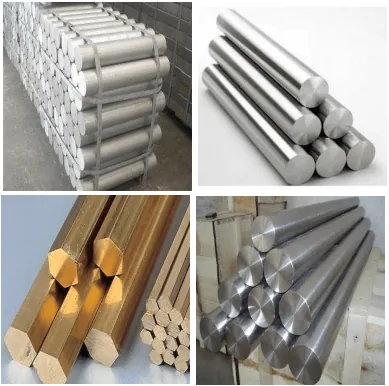
Material selection in high-precision sheet metal fabrication is a critical step that directly impacts product performance, durability, and cost-efficiency. At Wuxi Lead Precision Machinery, we understand that the right material choice must align with mechanical requirements, environmental exposure, and end-use application. Among the most widely used metals in industrial fabrication are aluminum, steel, and titanium—each offering distinct advantages depending on the project’s demands.
Aluminum is prized for its excellent strength-to-weight ratio, corrosion resistance, and electrical conductivity. It is ideal for applications in aerospace, transportation, and electronics where weight reduction is essential without sacrificing structural integrity. Its natural oxide layer provides inherent protection against environmental degradation, and when combined with surface treatments such as anodizing, aluminum achieves enhanced wear resistance and aesthetic versatility.
Steel, particularly in its stainless and cold-rolled forms, remains the backbone of industrial fabrication due to its high tensile strength, durability, and cost-effectiveness. Stainless steel variants such as 304 and 316 offer superior resistance to oxidation and chemical exposure, making them suitable for medical devices, food processing equipment, and outdoor enclosures. Carbon steel, while requiring protective finishes to prevent rust, delivers unmatched strength for heavy-duty structural components.
Titanium stands at the premium end of the material spectrum, offering exceptional strength-to-density ratios and outstanding resistance to extreme temperatures and corrosive environments. Though more expensive and challenging to process, titanium is indispensable in aerospace, defense, and high-performance automotive applications where reliability under stress is non-negotiable.
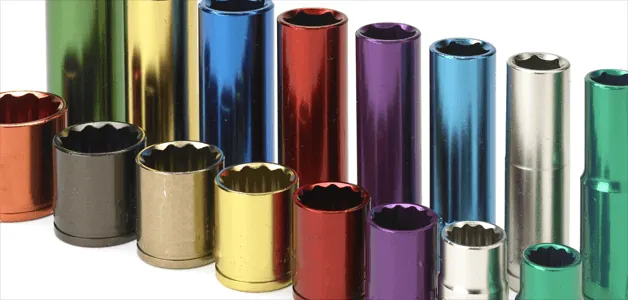
Surface finishing plays a pivotal role in enhancing both functionality and appearance. Anodizing, primarily applied to aluminum, is an electrochemical process that thickens the natural oxide layer, significantly improving corrosion and wear resistance. It also allows for color coding and branding through dye integration, without compromising material integrity. Other finishes such as powder coating, passivation, and polishing serve complementary roles depending on the base material and operational environment.
Understanding the interplay between material properties and finishing options ensures optimal performance across the product lifecycle. At Wuxi Lead Precision Machinery, we support clients in selecting the ideal combination of metal and surface treatment to meet exacting engineering standards.
Below is a comparative overview of key mechanical and physical properties:
| Material | Density (g/cm³) | Tensile Strength (MPa) | Corrosion Resistance | Typical Applications | Common Finishes |
|---|---|---|---|---|---|
| Aluminum 6061 | 2.7 | 310 | High | Aerospace, Electronics | Anodizing, Powder Coating |
| Stainless Steel 304 | 8.0 | 505–510 | Very High | Medical, Food Processing | Passivation, Polishing |
| Carbon Steel 1018 | 7.87 | 440 | Low (requires coating) | Industrial Machinery | Painting, Zinc Plating |
| Titanium Grade 5 | 4.43 | 900 | Exceptional | Aerospace, Defense | Anodizing, Bead Blasting |
Manufacturing Process & QC

Precision Steel Fabrication: The Zero-Defect Production Pathway
At Wuxi Lead Precision Machinery, achieving zero defects in real steel fabrication is not an aspiration—it is the engineered outcome of our rigorously controlled production sequence. We integrate advanced technology with meticulous process discipline, transforming client specifications into flawless components. This begins with collaborative design refinement. Our engineering team conducts comprehensive Design for Manufacturability (DFM) analysis, scrutinizing CAD models for structural integrity, weld accessibility, and optimal material utilization. We proactively identify potential stress points or fabrication conflicts, ensuring the design is inherently manufacturable to micron-level tolerances before any metal is cut. Material certification verification is non-negotiable; only traceable, grade-specific steel meeting ASTM or equivalent standards enters our workflow.
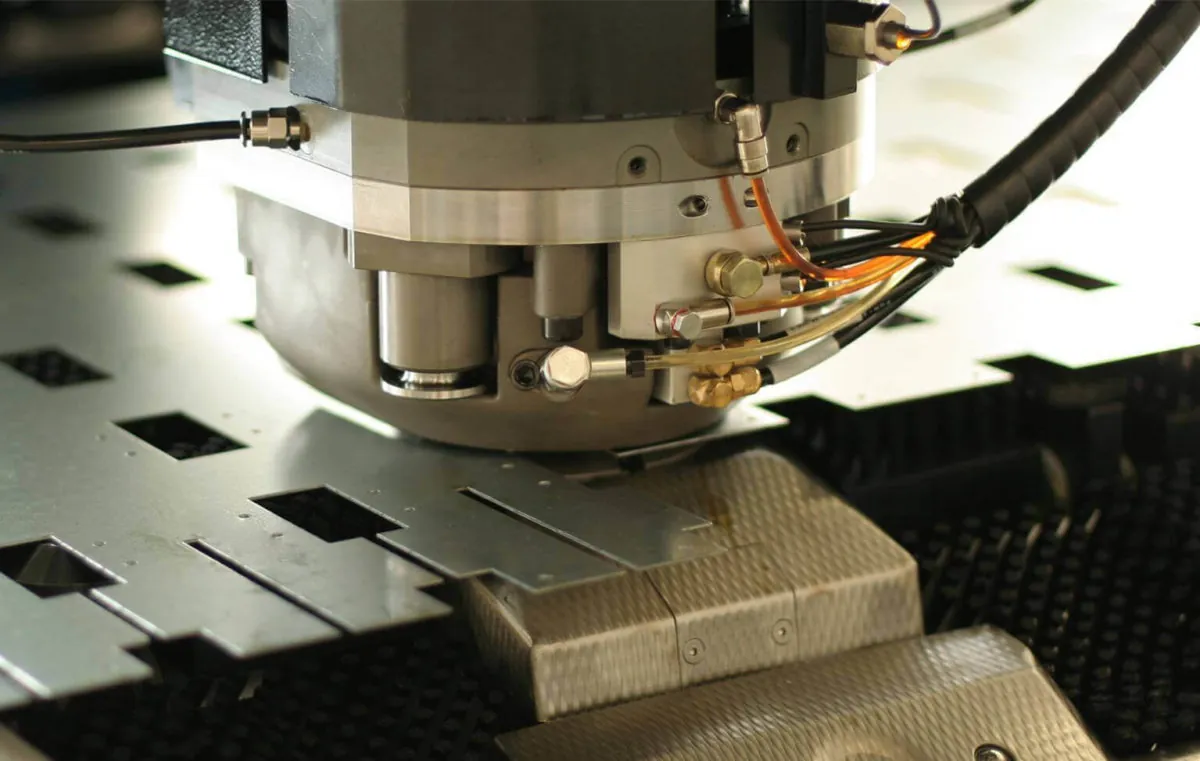
Prototyping serves as the critical validation phase, not merely a sample stage. Utilizing our high-speed fiber laser cutters and precision press brakes, we produce functional prototypes mirroring final production conditions. These prototypes undergo rigorous dimensional inspection against the original CAD data using CMM (Coordinate Measuring Machine) technology and thorough fit-testing with mating components. Any deviation triggers immediate root-cause analysis and design or process adjustment. This phase eliminates theoretical risks, confirming the manufacturability and performance of the part under real-world conditions. Key capabilities enabling this precision are detailed below.
Wuxi Lead Core Fabrication Specifications
| Parameter | Capability Range | Tolerance Control | Primary Equipment |
| :—————– | :—————————– | :——————— | :—————————— |
| Material Thickness | 0.5 mm – 25.4 mm (24ga – 1″) | ±0.05 mm (0.002″) | Amada Fiber Lasers (4kW) |
| Bending Accuracy | Up to 3000 mm length | ±0.1° angular | Amada Press Brakes (130T-300T) |
| Hole Positioning | Critical features | ±0.03 mm (0.0012″) | TruPunch 5000 Series |
| Surface Finish | Deburred, clean edges standard | Ra ≤ 1.6 µm achievable | Automated Deburring Systems |
Mass production leverages the validated process through our integrated, automated workflow. CNC programming is optimized offline to minimize cycle times and material waste, with toolpaths verified via simulation. Real-time in-process monitoring occurs at every station: laser cutting power and gas pressure are dynamically adjusted; press brake angles are verified with angle sensors after each bend; robotic welding parameters are logged continuously. Our ISO 9001-certified quality management system mandates first-article inspection (FAI) for every new production run and statistical process control (SPC) charting on critical dimensions throughout the batch. Final inspection employs automated vision systems alongside CMM verification, ensuring 100% conformance to the approved prototype and client specifications. This closed-loop system, combining advanced machinery with disciplined quality protocols, guarantees zero-defect delivery—reducing client scrap rates, accelerating time-to-market, and ensuring absolute reliability in every fabricated steel component. Wuxi Lead transforms precision engineering into tangible manufacturing excellence.
Why Choose Wuxi Lead Precision
Partner with Wuxi Lead Precision Machinery for Unmatched Expertise in Real Steel Fabrication
In the competitive landscape of industrial manufacturing, precision, reliability, and consistency define success. At Wuxi Lead Precision Machinery, we specialize in high-end sheet metal fabrication for clients who demand excellence in every component. Our advanced capabilities in real steel fabrication are engineered to meet the rigorous standards of aerospace, automotive, energy, and heavy equipment sectors. When you partner with us, you are not just outsourcing production—you are aligning with a team of certified engineers, CNC specialists, and quality assurance professionals committed to delivering components that perform under the most demanding conditions.
Our facility in Wuxi, China, is equipped with state-of-the-art laser cutting, CNC bending, robotic welding, and automated finishing systems. We process carbon steel, stainless steel, and high-strength alloys with tolerances as tight as ±0.05 mm. Every stage of production is monitored through real-time data tracking and ISO 9001-certified quality controls, ensuring traceability and repeatability across batches. Whether you require low-volume prototypes or high-volume production runs, our agile manufacturing ecosystem scales to your needs without compromising on precision or delivery timelines.
We understand that your supply chain depends on predictability. That’s why we integrate seamlessly with global logistics partners to provide just-in-time delivery to North America, Europe, and Asia. Our project management team works directly with your engineering staff to review DFM (Design for Manufacturability) feedback, optimize material usage, and reduce lead times—adding value from concept to shipment.
Below are key technical specifications that define our sheet metal fabrication capabilities:
| Specification | Detail |
|---|---|
| Material Types | Carbon Steel, Stainless Steel (304, 316, 430), Galvanized Steel, High-Strength Low-Alloy (HSLA) Steel |
| Thickness Range | 0.5 mm – 25 mm |
| Laser Cutting Accuracy | ±0.05 mm |
| Max Laser Cutting Size | 4000 mm × 2000 mm |
| CNC Bending Tonnage | Up to 1000 tons |
| Bending Length | Up to 6000 mm |
| Welding Processes | MIG, TIG, Spot, Robotic Arc Welding |
| Surface Finishes | Powder Coating, Sandblasting, Passivation, Zinc Plating |
| Quality Standards | ISO 9001:2015, ISO 14001, ISO 45001 |
| Lead Times | Prototype: 7–10 days; Production: 15–25 days (varies by order volume) |
Choosing the right fabrication partner is a strategic decision that impacts product performance, time-to-market, and total cost of ownership. Wuxi Lead Precision Machinery combines cutting-edge technology with decades of engineering experience to deliver steel components that meet exacting global standards.
Contact us today at [email protected] to discuss your next project. Let our team provide a detailed quotation, DFM analysis, and production timeline tailored to your requirements. Partner with precision. Partner with Lead.
⚙️ Precision Cost Estimator
Estimate relative manufacturing effort based on tolerance.