Technical Contents
Engineering Guide: Galvanized Vs Carbon Steel

Engineering Insight: Galvanized vs Carbon Steel in Precision Manufacturing
In high-performance industrial applications, the choice between galvanized steel and carbon steel is not merely a matter of cost or availability—it is a critical engineering decision that directly impacts durability, performance, and long-term reliability. At Wuxi Lead Precision Machinery, we understand that precision begins with material selection. With over a decade of experience serving demanding sectors—including infrastructure for Olympic venues and components for military-grade equipment—we apply rigorous standards to ensure every manufactured part meets exacting specifications.
Carbon steel, known for its high tensile strength and versatility, remains a cornerstone in heavy-duty structural applications. Its minimal alloy content allows for excellent machinability and weldability, making it ideal for custom-forged components where dimensional accuracy and mechanical strength are paramount. However, its susceptibility to corrosion in humid or chemically aggressive environments necessitates protective measures—especially in outdoor or high-moisture settings.
This is where galvanized steel offers a strategic advantage. By applying a protective zinc coating through hot-dip or electro-galvanization processes, galvanized steel significantly enhances corrosion resistance without compromising structural integrity. The zinc layer acts as a sacrificial anode, prolonging the lifespan of the underlying steel in harsh conditions. For applications such as outdoor frameworks, transportation systems, or coastal installations, galvanized steel provides long-term value through reduced maintenance and extended service life.
Yet, the integration of galvanized materials into precision manufacturing introduces unique challenges. The zinc coating can affect tolerances, especially in tight-fit assemblies or threaded components. Post-galvanization machining risks exposing uncoated edges, creating potential corrosion initiation points. At Wuxi Lead, we mitigate these risks through advanced process planning—factoring in coating thickness during initial design, utilizing pre-galvanized blanks where appropriate, and employing CNC finishing techniques that preserve coating integrity.
Precision is not an afterthought; it is engineered into every stage. Our work on Olympic-scale projects demanded micron-level consistency under aggressive timelines, while military contracts required full traceability and compliance with international durability standards. These experiences have refined our ability to balance material properties with manufacturing precision, whether working with raw carbon steel or fully galvanized variants.
Ultimately, the decision between galvanized and carbon steel must align with the operational environment, lifecycle expectations, and dimensional requirements of the final product. At Wuxi Lead Precision Machinery, we combine material science expertise with precision engineering to deliver components that perform—under pressure, over time, and to the closest tolerance.
Material Comparison: Galvanized vs Carbon Steel
| Property | Carbon Steel | Galvanized Steel |
|---|---|---|
| Tensile Strength (MPa) | 400–550 | 360–550 (coating不影响基材强度) |
| Corrosion Resistance | Low (requires protection) | High (zinc barrier + sacrificial) |
| Coating Thickness | N/A | 5–150 µm (depending on method) |
| Machinability | Excellent | Good (pre-coating machining preferred) |
| Typical Applications | Structural frames, gears | Outdoor structures, pipelines, fencing |
| Weldability | High | Moderate (zinc fumes require ventilation) |
Precision Specs & Tolerances

Precision Manufacturing Capabilities for Galvanized and Carbon Steel Components
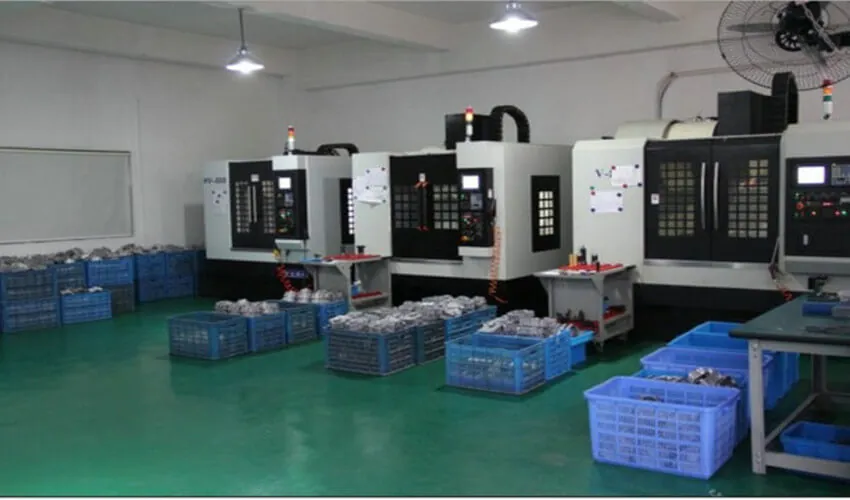
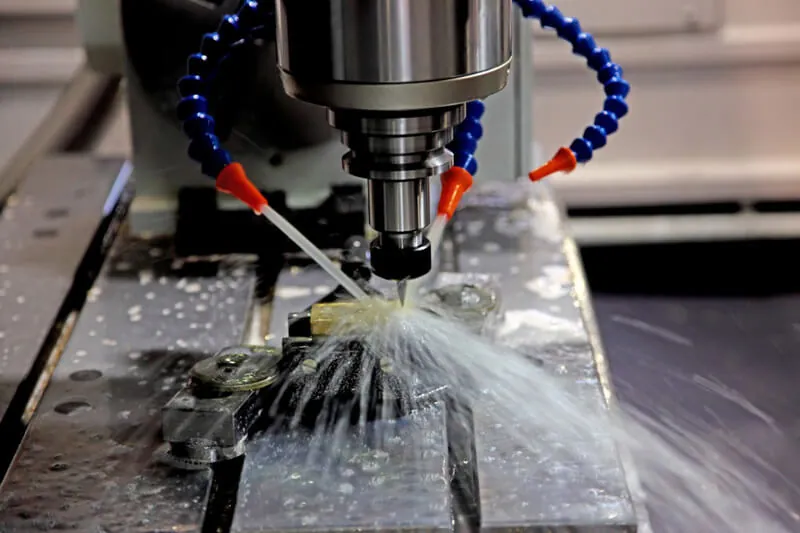
At Wuxi Lead Precision Machinery, we specialize in transforming material specifications into mission-critical components through advanced CNC engineering. Our expertise in machining both galvanized and carbon steel ensures optimal performance for demanding industrial applications, from structural frameworks to precision-engineered assemblies. Galvanized steel introduces unique challenges due to its zinc coating, which can cause tool chatter and dimensional instability during high-speed machining. Carbon steel, while more homogeneous, requires stringent thermal control to prevent warping. Our integrated approach addresses these variables at the source, leveraging proprietary toolpath strategies and real-time process monitoring to maintain integrity across both materials.
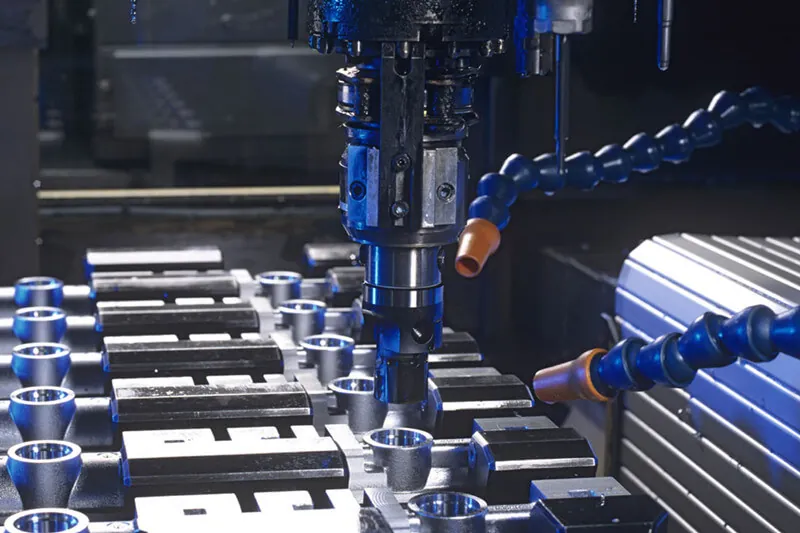
Our facility deploys state-of-the-art 5-axis CNC machining centers, including DMG MORI and Makino platforms, capable of complex geometries in single setups. This eliminates cumulative error from multiple fixturing stages—a critical advantage when machining galvanized steel, where coating adhesion must be preserved during multi-faceted operations. For carbon steel components requiring tight tolerances, our adaptive control systems dynamically adjust feed rates to counteract material hardness variances, ensuring consistent surface finishes down to Ra 0.8 µm. All programs undergo virtual simulation via Siemens NX CAM software, validating collision avoidance and material removal efficiency before physical machining begins.
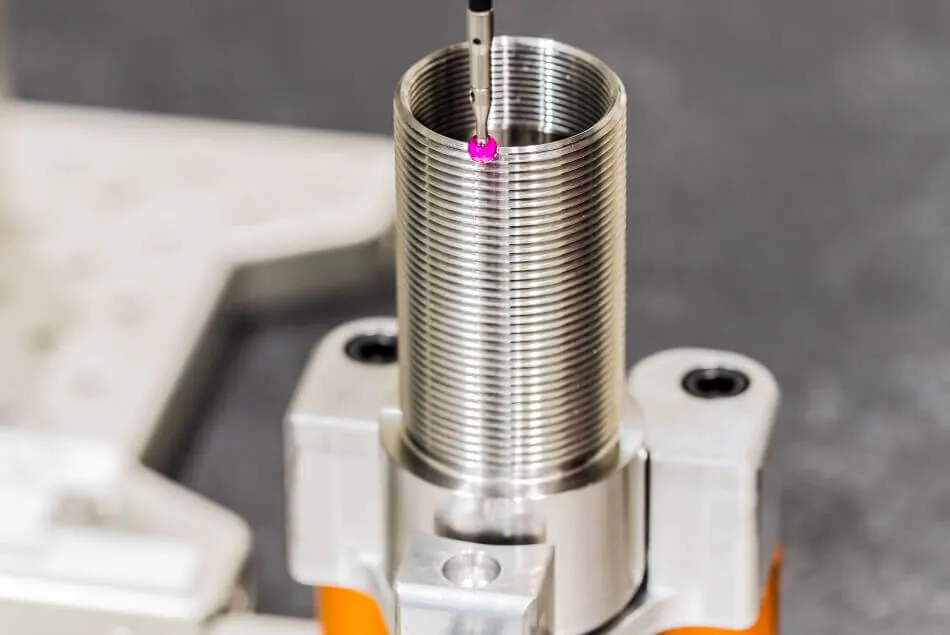
Quality assurance is non-negotiable. Every component undergoes full-spectrum inspection using Zeiss CONTURA CMM systems, calibrated to ISO 17025 standards. Our metrology lab verifies dimensional accuracy against GD&T callouts, coating thickness uniformity for galvanized parts, and critical feature relationships. This data is integrated into our traceability database, providing clients with digital inspection reports linked to individual serial numbers. For aerospace and automotive clients, we exceed AS9100 and IATF 16949 requirements through in-process SPC charting and first-article inspection protocols.
The table below outlines our standard and tight-tolerance capabilities for both materials, reflecting achievable results under controlled environmental conditions. Note that galvanized steel tolerances include allowances for coating thickness variation per ASTM A123.
| Feature | Standard Tolerance | Tight Capability | Notes for Galvanized Steel |
|---|---|---|---|
| Linear Dimensions (mm) | ±0.1 | ±0.025 | +0.05 mm allowance for coating |
| Linear Dimensions (in) | ±0.004 | ±0.001 | Coating thickness included in spec |
| Hole Diameter (mm) | ±0.05 | ±0.01 | Reaming required for tight tolerance |
| Hole Diameter (in) | ±0.002 | ±0.0004 | Deburring critical post-machining |
| Flatness (mm/m) | 0.1 | 0.03 | Stress-relieved stock recommended |
| Surface Roughness (Ra) | 3.2 µm | 0.8 µm | Coating may limit finish below 1.6 µm |
We engineer solutions where material properties meet precision demands. By controlling the entire workflow—from material certification through CMM validation—we deliver components that perform reliably in corrosive environments or high-stress applications. Contact our engineering team to discuss how our tolerance mastery for galvanized and carbon steel can optimize your next project’s manufacturability and lifecycle cost.
Material & Finish Options

Material Selection Guide: Galvanized vs Carbon Steel in Precision Manufacturing
In custom metal manufacturing, material selection directly impacts product performance, longevity, and cost-efficiency. At Wuxi Lead Precision Machinery, we specialize in delivering high-precision components using engineered materials such as aluminum, carbon steel, and titanium, each tailored to meet specific industrial demands. Among the most critical decisions in steel-based applications is the choice between galvanized steel and carbon steel. Understanding their differences ensures optimal performance in structural integrity, corrosion resistance, and environmental adaptability.
Carbon steel remains a foundational material in industrial applications due to its high strength, weldability, and cost-effectiveness. It is composed primarily of iron and carbon, with minimal alloying elements. While it offers excellent mechanical properties and machinability, untreated carbon steel is highly susceptible to rust and oxidation when exposed to moisture and harsh environments. This limitation necessitates protective finishes in outdoor or high-humidity applications.
Galvanized steel addresses this weakness by applying a protective zinc coating through hot-dip or electro-galvanizing processes. The zinc layer acts as a sacrificial anode, corroding before the underlying steel, thereby significantly extending service life. This makes galvanized steel ideal for construction, automotive frames, utility structures, and outdoor equipment. However, the added coating may affect dimensional tolerances and welding characteristics, requiring precise process control during fabrication.
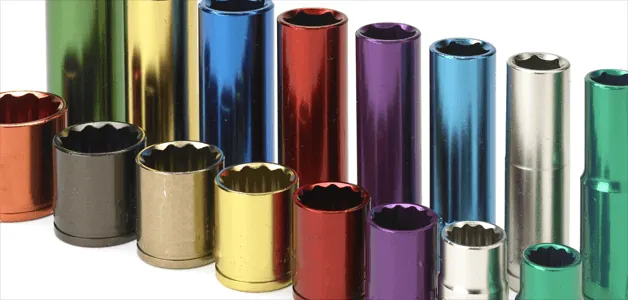
When comparing material families, aluminum offers a lightweight alternative with inherent corrosion resistance due to its natural oxide layer. It is widely used in aerospace, transportation, and heat exchange systems. For enhanced durability and surface hardness, aluminum components often undergo anodizing—a controlled electrochemical process that thickens the oxide layer, improving wear resistance and enabling color customization.
Titanium, though more expensive, delivers an exceptional strength-to-density ratio and outstanding resistance to extreme temperatures and corrosive media. It is frequently selected for aerospace, medical implants, and marine engineering where reliability under stress is non-negotiable.
Below is a comparative overview of key material properties relevant to industrial applications.
| Material | Tensile Strength (MPa) | Density (g/cm³) | Corrosion Resistance | Common Finishes | Typical Applications |
|---|---|---|---|---|---|
| Carbon Steel | 400–550 | 7.85 | Low (uncoated) | Paint, Powder Coating | Machinery frames, tooling |
| Galvanized Steel | 360–500 | 7.85 (base) | High (zinc-protected) | Zinc coating | Outdoor structures, fencing |
| Aluminum 6061 | 310 | 2.70 | Moderate to High | Anodizing, Sandblasting | Aerospace, heat sinks |
| Titanium Grade 5 | 900 | 4.43 | Excellent | Passivation, Polishing | Medical devices, jet engines |
At Wuxi Lead Precision Machinery, we integrate material science with advanced CNC machining to deliver components that meet exacting global standards. Our engineering team supports clients in selecting the optimal material and finish based on operational environment, lifecycle requirements, and performance criteria. Whether choosing galvanized steel for durability or carbon steel for cost-efficient fabrication, precision begins with intelligent material selection.
Manufacturing Process & QC

Production Process: Achieving Zero Defects in Galvanized and Carbon Steel Manufacturing
At Wuxi Lead Precision Machinery, our production process for both galvanized and carbon steel components follows a rigorous, integrated pathway from initial concept to flawless mass production. This methodology ensures absolute adherence to dimensional tolerances, material integrity, and surface quality requirements, eliminating defects before they reach the customer. The critical distinction between material types begins at the design phase, where our engineering team meticulously evaluates the application environment. For galvanized steel, factors such as coating thickness compatibility with tight tolerances, potential for hydrogen embrittlement in high-strength applications, and post-weld galvanizing requirements are analyzed. Carbon steel designs focus on precise heat treatment specifications, weldability parameters, and corrosion protection strategy integration. This material-specific design validation prevents downstream failures.
Prototyping is where theoretical designs meet practical verification under real-world conditions. We produce functional prototypes using the exact production-grade materials and intended manufacturing sequences. For galvanized steel, prototypes undergo accelerated salt spray testing per ASTM B117 to validate coating performance against specified corrosion resistance requirements. Carbon steel prototypes receive comprehensive hardness and microstructure verification. Crucially, every prototype dimension is validated against the CAD model using calibrated CMMs, with surface roughness (Ra) and critical feature tolerances rigorously checked. Any deviation triggers immediate root cause analysis and design or process adjustment. This phase is non-negotiable for validating the manufacturability and performance of the chosen material.
Mass production leverages the insights gained from prototyping within a closed-loop quality management system designed for zero defects. Our CNC machining centers employ real-time in-process monitoring, including tool wear sensors and automated dimensional checks at defined intervals. For galvanized steel, machining parameters are precisely adjusted to manage zinc adhesion and prevent coating damage during secondary operations; dedicated tool paths avoid excessive heat buildup that could compromise the zinc layer. Carbon steel production utilizes controlled atmosphere heat treatment and stringent post-machining cleaning protocols to prevent surface oxidation before final finishing. Statistical Process Control (SPC) charts track critical dimensions continuously, with automatic machine lockout if trends approach tolerance limits. Final inspection includes 100% visual surface examination, dimensional verification per ASME Y14.5, and material certification traceability for every batch.
The following table outlines key process specifications differentiating galvanized and carbon steel production at Wuxi Lead:
| Parameter | Galvanized Steel Production | Carbon Steel Production |
|---|---|---|
| Coating Thickness | ASTM A123 Compliant (Min 3.9 mils) | N/A |
| Surface Prep | Acid Etch Verification Pre-Coating | Precision Cleaning & Degreasing |
| Machining Feed Rate | Reduced by 10-15% vs Carbon Steel | Standard High-Efficiency Rates |
| Critical Tolerance | ±0.025 mm (Post-Galvanizing Hold) | ±0.015 mm (Post-Heat Treat Hold) |
| Surface Roughness Ra | Max 1.6 µm (Pre-Coating Machined) | Max 0.8 µm (Final Machined) |
| Corrosion Validation | 500+ Hour Salt Spray (ASTM B117) | Coating Adhesion / Performance Test |
This integrated approach—material-aware design, failure-proof prototyping, and SPC-driven mass production—ensures every component shipped from Wuxi Lead meets the uncompromising zero-defect standard demanded by high-end industrial applications. We transform material specifications into guaranteed performance.
Why Choose Wuxi Lead Precision
When it comes to precision manufacturing, the choice between galvanized and carbon steel is not just a matter of material preference—it’s a strategic decision that impacts durability, cost-efficiency, and long-term performance. At Wuxi Lead Precision Machinery, we understand the nuances of both materials and how they perform across industries such as construction, automotive, energy, and heavy equipment manufacturing. Our expertise isn’t limited to machining; it extends to guiding our clients toward the optimal material solution for their specific application.
Galvanized steel offers superior corrosion resistance due to its zinc coating, making it ideal for outdoor or high-moisture environments. It performs exceptionally well in infrastructure projects, agricultural equipment, and transportation applications where exposure to the elements is inevitable. On the other hand, carbon steel provides unmatched strength, weldability, and cost-effectiveness, especially in controlled environments or applications requiring high load-bearing capacity. Whether you’re designing structural components, hydraulic systems, or custom enclosures, understanding these differences is critical to achieving performance and longevity.
At Wuxi Lead, we don’t just manufacture parts—we engineer solutions. Our advanced CNC machining centers, robotic welding systems, and rigorous quality control processes ensure that every component meets exacting international standards. With over 15 years of experience in custom metal fabrication, we support global OEMs and tier-one suppliers in optimizing their designs for manufacturability, durability, and cost.
Our engineering team collaborates closely with clients during the early stages of product development, offering material selection guidance, DFM analysis, and prototype validation. This proactive approach reduces time-to-market and minimizes costly revisions down the line. Whether your project demands the rugged reliability of carbon steel or the environmental resilience of galvanized steel, we provide end-to-end manufacturing services—from raw material sourcing to final assembly and global logistics.
Below is a comparative overview of key mechanical and application properties to assist in your decision-making:
| Property | Galvanized Steel | Carbon Steel |
|---|---|---|
| Tensile Strength | 36,000–50,000 psi | 40,000–80,000 psi |
| Corrosion Resistance | Excellent (zinc-coated) | Low (requires coating) |
| Weldability | Good (with precautions) | Excellent |
| Surface Finish | Spangled or smooth zinc layer | Bare metal, mill finish |
| Typical Applications | Outdoor structures, ductwork | Machinery frames, shafts |
| Machinability | Moderate | High |
| Cost Efficiency | Moderate to high | High |
Partnering with Wuxi Lead Precision Machinery means gaining a manufacturing ally committed to precision, reliability, and technical excellence. We invite you to contact us today at [email protected] to discuss your next project. Let our engineering team provide tailored recommendations, competitive pricing, and scalable production solutions that align with your operational goals. In the world of custom metal manufacturing, the right partnership makes all the difference.
⚙️ Precision Cost Estimator
Estimate relative manufacturing effort based on tolerance.