Technical Contents
Engineering Guide: Plastic Injection Mold Stockist
Engineering Insight: The Critical Role of Precision in Plastic Injection Mold Stock Selection
In high-performance manufacturing, the success of a plastic injection molding operation hinges not only on the design and execution of the mold but also on the quality and consistency of the mold stock used. As a leading provider in custom metal manufacturing, Wuxi Lead Precision Machinery emphasizes that precision in material selection and preparation is not a secondary consideration—it is foundational to achieving repeatable, high-tolerance results in demanding industrial applications.
Plastic injection mold stock serves as the structural and dimensional foundation of the mold. Any deviation in flatness, hardness uniformity, or dimensional stability can propagate through the entire production cycle, leading to part defects, premature tool wear, or catastrophic mold failure. At Lead Precision, we approach mold stock not as a commodity, but as a precision engineering component. Our materials undergo rigorous inspection and conditioning processes, including stress-relieving heat treatments, precision grinding, and laser-flatness verification, ensuring that every billet meets exacting standards before it leaves our facility.
Our expertise is forged in applications where failure is not an option. With proven experience supplying components for Olympic-grade sporting equipment and mission-critical military systems, we understand the non-negotiable demands of performance under extreme conditions. These sectors require materials that maintain integrity across temperature fluctuations, high cycle counts, and aggressive polymer chemistries. Our mold stock solutions are engineered to deliver exactly that—longevity, stability, and micron-level accuracy.
We specialize in premium-grade tool steels such as P20, 718H, H13, and S136, each selected and processed to match the specific requirements of the molding application. Whether the end-use part demands optical clarity, medical-grade surface finish, or structural resilience, our stock is prepared to support it. All materials are traceable to international standards, with full certification packages available, including chemical composition, mechanical properties, and non-destructive testing reports.
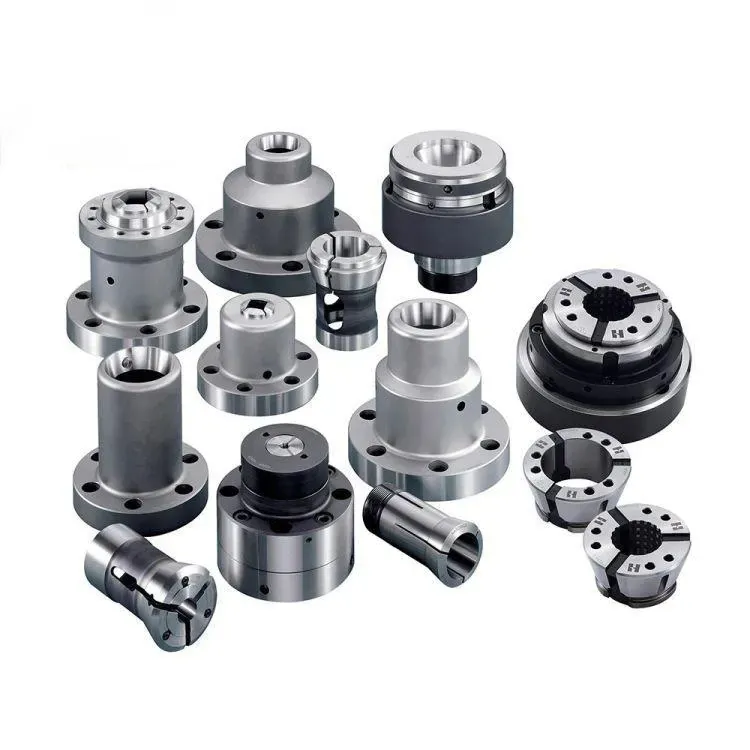
Beyond material quality, our value lies in precision preparation. We deliver mold bases, cavity blocks, and core inserts with pre-machined alignment features, cooling channels, and parting line finishes, reducing setup time and enhancing repeatability for our clients. This level of readiness is especially critical for high-volume production environments where downtime equates to lost revenue.
In an industry where margins are tight and quality expectations are rising, partnering with a mold stock provider that combines technical depth with proven performance is essential. At Wuxi Lead Precision Machinery, we bring military-grade discipline and Olympic-level precision to every piece of mold stock we produce.
Standard Mold Stock Specifications
| Material Grade | Hardness (HRC) | Tolerance (Flatness) | Max Size (mm) | Typical Application |
|---|---|---|---|---|
| P20 | 28–32 | ±0.01 mm | 600 x 800 | General purpose molds |
| 718H | 32–36 | ±0.008 mm | 700 x 1000 | High-gloss & optical molds |
| H13 | 46–50 | ±0.008 mm | 500 x 700 | Hot runner & high-heat molds |
| S136 (Stainless) | 34–38 | ±0.01 mm | 600 x 800 | Corrosion-resistant molds |
Precision Specs & Tolerances
Technical Capabilities: Precision Engineered for Mold Excellence
At Wuxi Lead Precision Machinery, we understand that the foundation of a high-performance plastic injection mold lies in the absolute precision of its core components. Our technical capabilities are engineered specifically to meet and exceed the stringent demands of the mold stockist and the mold maker, ensuring your critical mold bases, cavities, cores, and inserts perform flawlessly under production pressure. Precision is not a target; it is a non-negotiable standard integrated into every process.
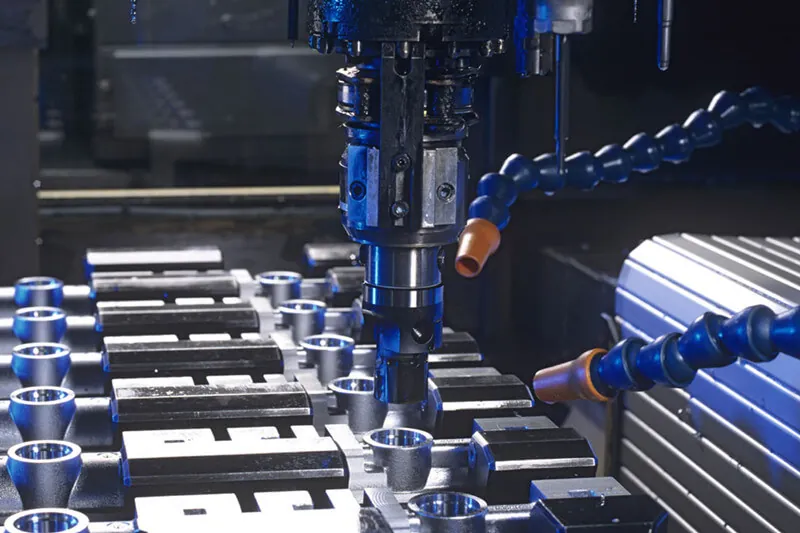
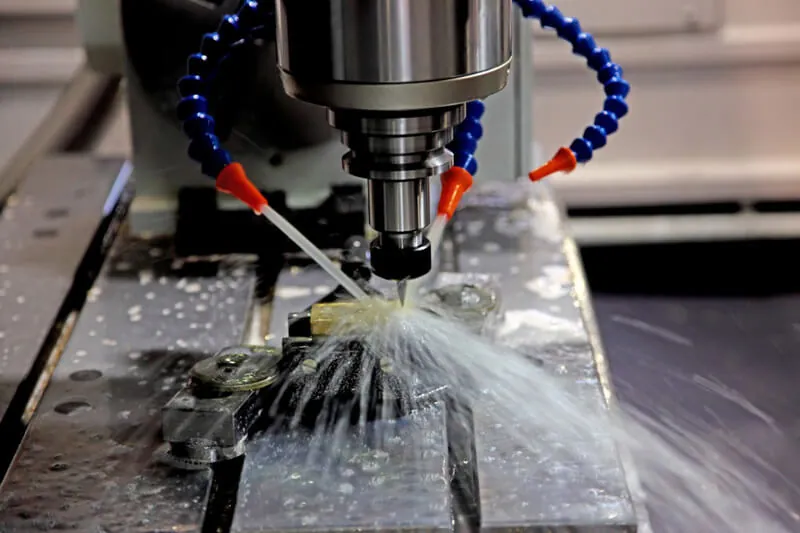
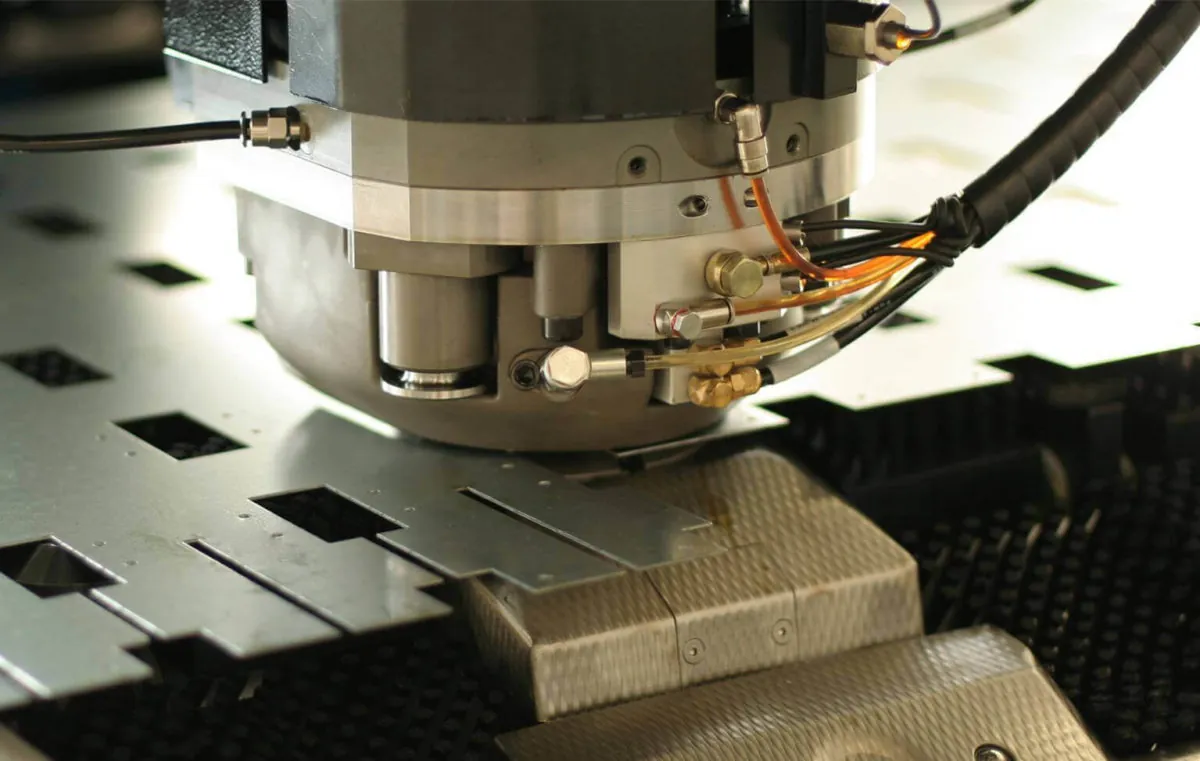
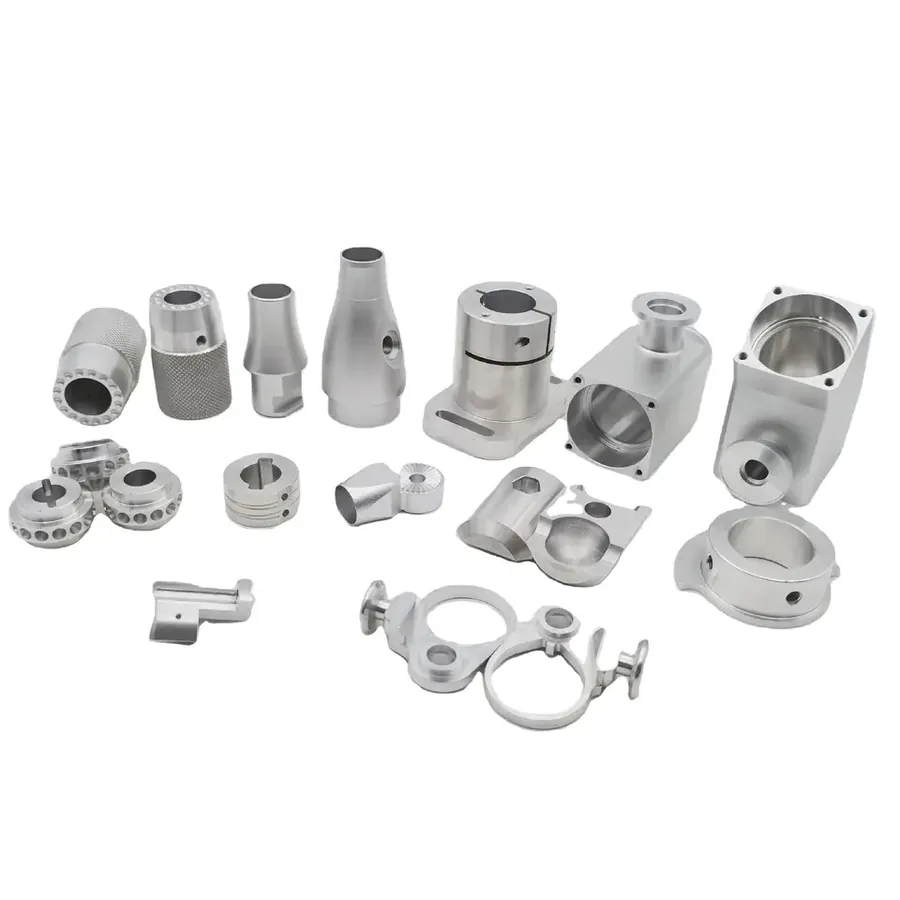
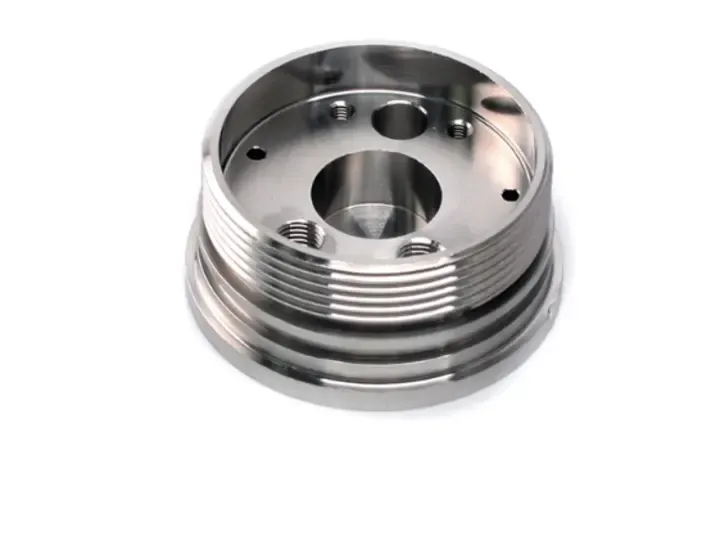
Our core manufacturing strength resides in advanced 5-axis CNC machining centers. This technology is essential for producing the complex, contoured geometries inherent in modern mold components. Unlike 3-axis systems, 5-axis machining allows simultaneous movement across all critical planes, enabling us to machine intricate features—such as deep ribs, undercuts, and organic cooling channels—in a single setup. This eliminates cumulative errors from multiple fixturing operations, significantly enhancing geometric accuracy and surface integrity. We achieve exceptional surface finishes down to Ra 0.4μm directly from the machine, minimizing secondary polishing requirements and accelerating your time-to-mold validation. Material utilization is optimized, reducing waste on premium tool steels like P20, H13, S136, and hardened alloys.
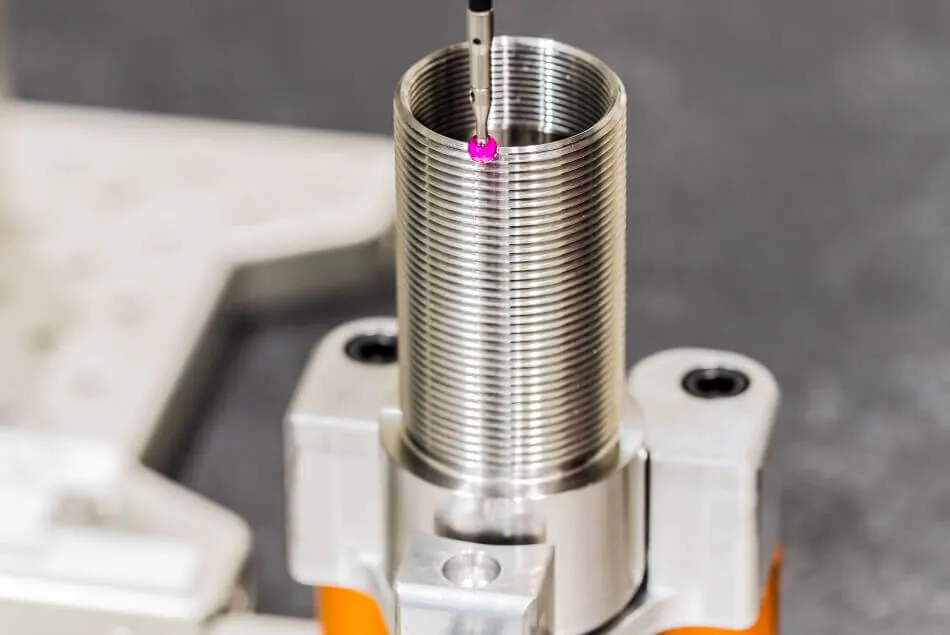
Rigorous quality control is the cornerstone of our process, ensuring every component meets the exacting specifications required for reliable mold performance. All critical dimensions and geometries undergo comprehensive verification using state-of-the-art Coordinate Measuring Machines (CMM). Our CMM inspection protocols provide full traceability, generating detailed, ISO-compliant inspection reports that document conformity to your print. This meticulous dimensional analysis, combined with surface roughness testing and material certification review, guarantees that components arrive ready for assembly, eliminating costly rework and production delays downstream. We treat dimensional stability and repeatability as critical quality attributes, not just checklist items.
The following table details our standard achievable tolerance specifications for machined mold components, reflecting our commitment to precision manufacturing. These capabilities are consistently maintained across production runs, providing the dimensional reliability mold stockists require for seamless integration into final mold assemblies.
| Feature Type | Standard Tolerance | Tight Tolerance Capability | Reference Standard |
|---|---|---|---|
| Linear Dimensions | ±0.010 mm | ±0.005 mm | ISO 2768-mK |
| Angular Dimensions | ±0.05° | ±0.02° | ISO 2768-c |
| Geometric Position | ±0.015 mm | ±0.008 mm | ISO 1101 |
| Surface Roughness (Ra) | 1.6 μm | 0.4 μm | ISO 1302 |
| Flatness | 0.015 mm / 100 mm | 0.008 mm / 100 mm | ISO 2768-1 |
Wuxi Lead Precision Machinery delivers more than machined parts; we deliver dimensional certainty. Our integrated 5-axis CNC capability and uncompromising CMM-driven quality assurance provide mold stockists with the confidence that every component shipped meets the highest standards of precision, directly contributing to the longevity, performance, and profitability of the final injection mold. Partner with us for components where tolerance is never theoretical.
Material & Finish Options
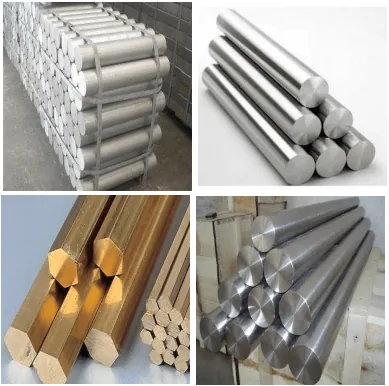
Material selection is a critical phase in the development of high-performance plastic injection molds, directly influencing mold life, production efficiency, and part quality. At Wuxi Lead Precision Machinery, we specialize in custom metal manufacturing solutions tailored to the demanding requirements of precision mold fabrication. Our expertise enables clients to make informed decisions when selecting between aluminum, steel, and titanium—each offering distinct mechanical properties and application advantages.
Aluminum alloys, particularly 7075 and 6061, are widely used for prototype and low-volume production molds due to their excellent machinability and thermal conductivity. These properties allow for faster cycle times and reduced energy consumption during molding. While aluminum lacks the wear resistance of steel, its lightweight nature and cost-efficiency make it ideal for applications where tool longevity is secondary to speed and agility in production. Additionally, aluminum responds well to anodizing, enhancing surface hardness and corrosion resistance.
Steel remains the dominant material for high-volume injection molding. Tool steels such as P20, H13, and S136 offer superior hardness, wear resistance, and thermal stability, ensuring extended mold life under repetitive thermal cycling. These grades can be heat-treated to meet specific hardness requirements and are suitable for complex geometries and fine surface finishes. For corrosive resin applications, stainless variants like 420 or S136 provide enhanced resistance to degradation, maintaining dimensional accuracy over prolonged use.
Titanium, while less common in standard mold construction, offers exceptional strength-to-density ratio and outstanding corrosion resistance. Its use is typically reserved for specialized applications such as molds exposed to highly aggressive environments or where weight reduction is critical. Though more challenging to machine and significantly more expensive, titanium’s longevity in harsh conditions justifies its use in niche industrial settings.
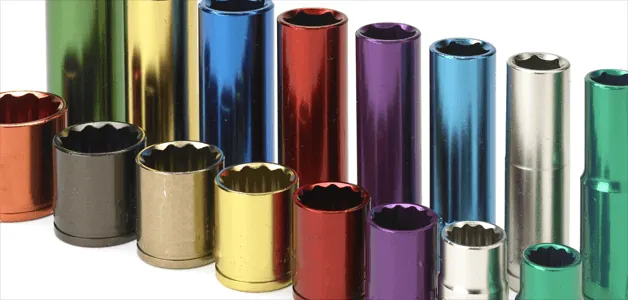
Surface finishing, particularly anodizing, plays a pivotal role in extending the service life of aluminum molds. Anodizing creates a durable, insulating oxide layer that improves wear resistance and allows for color coding through dye integration. Hard anodizing, in particular, can achieve surface hardness values exceeding 60 HRC, making it suitable for moderate production runs.
Below is a comparative overview of key material properties relevant to injection mold stock applications.
| Material | Typical Hardness (HRC) | Tensile Strength (MPa) | Thermal Conductivity (W/m·K) | Common Applications | Surface Treatment Compatibility |
|---|---|---|---|---|---|
| Aluminum 7075 | 40–45 | 540–570 | 130 | Prototypes, low-volume molds | Anodizing (standard and hard), coating |
| P20 Steel | 28–32 | 900–1100 | 30 | Medium to high-volume production | Nitriding, polishing, PVD coating |
| H13 Steel | 48–52 | 1400–1600 | 35 | High-stress, high-temperature molds | Nitriding, chrome plating, PVD |
| Titanium Grade 5 | 35–40 (as machined) | 900–1000 | 7 | Corrosive or high-performance molds | Anodizing (medical grade), coating |
Selecting the optimal material requires a balance of production volume, part complexity, resin type, and cost constraints. Wuxi Lead Precision Machinery supports clients through every stage of this decision, ensuring material and finish selections align with operational goals and performance expectations.
Manufacturing Process & QC
Production Process: Achieving Zero Defects in Precision Mold Stock Manufacturing
At Wuxi Lead Precision Machinery, our production process for custom plastic injection mold stock is engineered to eliminate defects before they reach your production floor. We integrate advanced metrology, material science, and closed-loop process control across three rigorously managed phases: Design, Prototyping, and Mass Production. This systematic approach ensures every mold base, cavity insert, or core component meets the exacting tolerances demanded by automotive, medical, and electronics OEMs.
The Design phase begins with collaborative Digital Factory Modeling (DFM). Our engineers analyze your 3D CAD data alongside material flow simulations to identify potential stress points, cooling inefficiencies, or ejection risks. We prioritize mold steel grade selection—such as H13, S136, or NAK80—based on your resin’s abrasiveness, thermal stability, and production volume. Critical tolerances are defined to ISO 2768-mK standards, with draft angles and parting lines optimized for zero flash. This phase concludes with a formal Design Failure Mode and Effects Analysis (DFMEA), where we document mitigation strategies for all identified risks.
Prototyping transforms validated designs into physical validation units. Using 5-axis CNC machining centers with sub-micron repeatability, we produce functional mold inserts for your trial runs. Every prototype undergoes rigorous metrological verification against your specifications. Key validation metrics are tracked via Statistical Process Control (SPC) charts to confirm process capability before scaling.
Critical Prototyping Validation Specifications
| Parameter | Target | Measurement Method | Acceptance Threshold |
|——————–|————————|————————–|———————-|
| Dimensional Tolerance | ±0.005 mm | CMM with ISO 10360-2 | CpK ≥ 1.67 |
| Surface Roughness | Ra 0.05–0.2 µm | Profilometer (ISO 4287) | Max. deviation 15% |
| Warpage | ≤ 0.02 mm | Laser Scanning | Zero out-of-spec |
| Cycle Time Variance| ≤ 1.5% | Real-time Molding Data | Max. 2% over 100 shots |
Mass Production leverages our zero-defect ecosystem. Each mold stock component is machined on dedicated CNC cells with in-process gauging, where thermal compensation algorithms adjust for tool wear. Real-time data from pressure sensors, temperature probes, and AI-driven vision systems feed into our Manufacturing Execution System (MES). Any parameter drifting beyond control limits triggers automatic toolpath correction or machine halting—preventing non-conforming parts from advancing. Final inspection includes full 3D scanning against nominal CAD, hardness testing, and non-destructive crack detection per ASTM E3023.
This closed-loop methodology ensures traceability from raw material heat numbers to finished component certification. By embedding quality at every stage—not as a checkpoint but as a continuous process—we deliver mold stock that consistently achieves >99.98% first-pass yield in your injection molding operations. Partner with Wuxi Lead to convert design intent into defect-free production reality.
Why Choose Wuxi Lead Precision
Partner with Wuxi Lead Precision Machinery for Unmatched Expertise in Custom Metal Manufacturing
When sourcing high-performance plastic injection mold stock for mission-critical applications, precision, consistency, and material integrity are non-negotiable. At Wuxi Lead Precision Machinery, we specialize in custom metal manufacturing solutions engineered to meet the exacting standards of global OEMs, mold makers, and tier-one suppliers. As a trusted partner in advanced manufacturing, we deliver not only premium mold base materials but also the technical depth and quality assurance infrastructure required to ensure your production runs flawlessly.
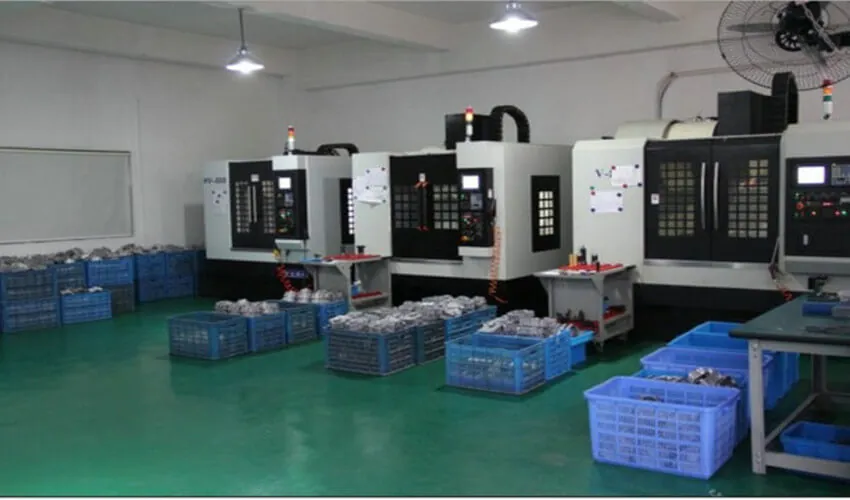
Our facility in Wuxi, China, integrates state-of-the-art CNC machining, heat treatment monitoring, and metrology systems to produce mold stock that meets international tolerances and surface finish requirements. Every block, plate, and insert we manufacture undergoes rigorous in-process inspection and final validation to ensure dimensional stability, hardness uniformity, and microstructure integrity. Whether you require pre-hardened P20, high-hardness H13, or customized alloy steels, our material sourcing and processing protocols are aligned with ISO 9001 standards and customer-specific quality plans.
We understand that lead time, repeatability, and supply chain reliability are as critical as material performance. That is why we maintain strategic inventory levels of key steel grades and operate a responsive production schedule tailored to both prototype and high-volume demands. Our engineering team collaborates directly with clients to review specifications, suggest design optimizations, and ensure manufacturability—reducing risk and accelerating time-to-market.
For plastic injection mold stock, the foundation of success lies in material consistency and precision machining. Our commitment goes beyond delivery—we provide full traceability with every shipment, including material test reports, hardness certifications, and dimensional inspection data. This level of transparency ensures your toolroom can proceed with confidence, minimizing rework and downtime.
Partnering with Wuxi Lead Precision Machinery means aligning with a manufacturer that treats your specifications as our mandate. We do not offer generic solutions—we engineer every component to your exact requirements, ensuring compatibility with your mold design, cooling layout, and production environment.
| Specification | Capability |
|---|---|
| Material Grades | P20, 718, H13, S136, 420SS, Custom Alloys |
| Block Dimensions (Max) | 1200 x 800 x 600 mm |
| Tolerance | ±0.005 mm (precision ground) |
| Surface Finish | Ra 0.2 – 0.8 µm (milled/ground) |
| Hardness Range | 28 – 52 HRC (custom heat treatment available) |
| Quality Standards | ISO 9001, Full Material Traceability, CMM Inspection |
| Lead Time | 15–25 days (varies by complexity and order volume) |
Contact us today to discuss your next mold stock requirement. Our engineering team is ready to support your project with technical consultation, sample production, and scalable manufacturing solutions. Email us at [email protected] and experience the precision advantage of partnering with Wuxi Lead Precision Machinery.
⚙️ Precision Cost Estimator
Estimate relative manufacturing effort based on tolerance.