Plastic Injection Moulding Service Manufacturer | Precision CNC Guide

Engineering Guide: Plastic Injection Moulding Service

Engineering Insight: Precision as the Non-Negotiable Core of Plastic Injection Moulding

In high-stakes industrial manufacturing, the phrase “plastic injection moulding service” often implies commodity production. For mission-critical components – particularly those integrating with precision metal assemblies – this perception is dangerously misleading. True engineering value lies not merely in forming plastic, but in achieving micron-level dimensional stability, material integrity, and repeatability across millions of cycles. At Wuxi Lead Precision Machinery, our foundational expertise in aerospace-grade CNC machining for Olympic equipment and demanding military applications instills a singular focus: precision isn’t a target; it is the absolute baseline requirement. We understand that a 0.02mm deviation in a polymer housing can catastrophically misalign a sensor array, or that inconsistent shrinkage rates can void thermal management in electronic enclosures. This rigor, forged in metal, defines our approach to evaluating and specifying plastic injection moulding partners.

The criticality of precision manifests in every phase. Tooling must be engineered with compensating factors for polymer behavior under extreme pressure and temperature gradients, using hardened steels like H13 or S136 mirror-finished to Ra < 0.2µm. Process control demands real-time monitoring of cavity pressure, melt viscosity, and cooling rates far beyond standard machine parameters. Material science becomes paramount – selecting and qualifying resins that maintain properties under operational stress, not just initial form. Our clients in defense and high-end automation rely on components functioning flawlessly in environments where failure is not an option; this necessitates moulding tolerances consistently held within ±0.05mm, often tighter, with rigorous SPC validation. It transcends cosmetic finish; it is structural and functional integrity encoded in the polymer matrix.

Wuxi Lead Precision Machinery leverages its deep metal manufacturing heritage to enforce this precision standard when sourcing or specifying plastic injection moulding. We do not accept generic capability statements. We demand demonstrable process capability indices (Cpk > 1.67), full traceability of raw materials, and validation protocols mirroring those applied to critical metal parts. Our engineering teams collaborate directly with moulding partners, applying GD&T principles typically reserved for metal fabrication to plastic component drawings, ensuring seamless integration within complex electromechanical systems. This cross-disciplinary rigor, proven in supplying components where human performance and national security depend on zero-defect manufacturing, is the benchmark we uphold for plastic injection moulding services.

The following table outlines the precision specifications we require and verify for critical applications:

Parameter Standard Requirement High-Precision Requirement (Olympic/Military Tier) Verification Method
Dimensional Tolerance ±0.10mm ±0.02mm to ±0.05mm CMM with 2D/3D reporting
Process Capability (Cpk) ≥ 1.33 ≥ 1.67 Statistical Process Control logs
Surface Finish (Cavity) Ra ≤ 0.8µm Ra ≤ 0.2µm Profilometer measurement
Material Traceability Lot Batch Full CoC from resin pellet to shipment Documented chain of custody
Tool Steel Grade P20 H13, S136, or equivalent Mill certificates & metallurgy report

Precision in plastic injection moulding is not an incremental improvement; it is the fundamental enabler of advanced product functionality. Wuxi Lead Precision Machinery applies the uncompromising standards of elite metal manufacturing to ensure polymer components meet the same exacting demands as the critical systems they enable. We measure what matters because our clients’ missions depend on it.


Precision Specs & Tolerances

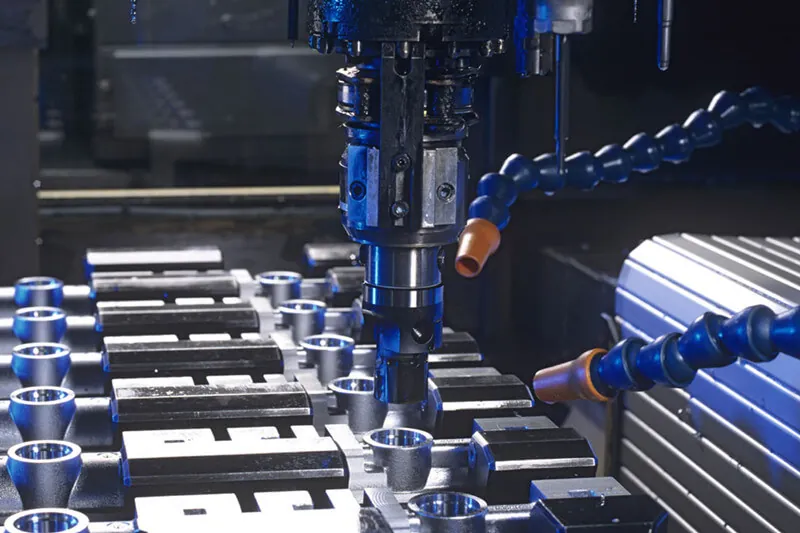
Wuxi Lead Precision Machinery delivers advanced plastic injection moulding services tailored to the most demanding industrial applications. Our expertise lies in the integration of precision metal manufacturing with high-performance moulding processes, enabling the production of complex, high-integrity components for aerospace, medical, automotive, and industrial equipment sectors. At the core of our technical capabilities is a state-of-the-art 5-axis CNC machining platform, which allows us to fabricate moulds and tooling with exceptional geometric accuracy and surface finish. This multi-axis precision ensures that even the most intricate cavity and core designs are executed with micron-level consistency, directly translating into superior part quality and repeatability during injection moulding cycles.

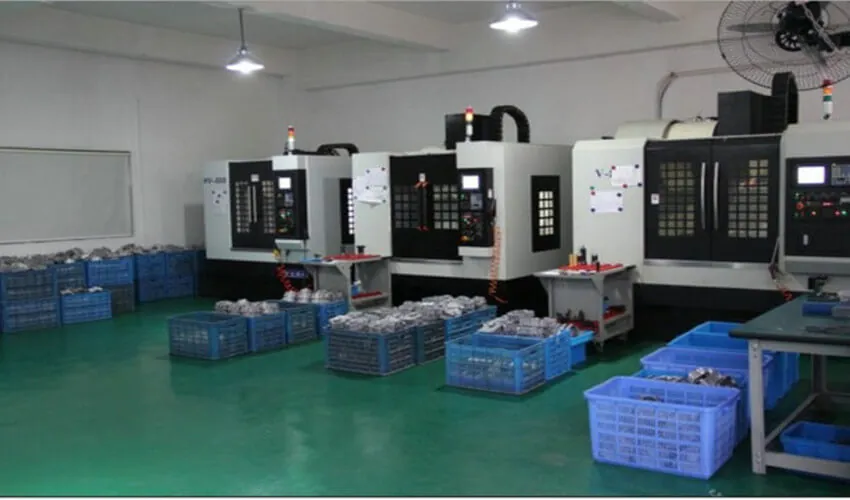
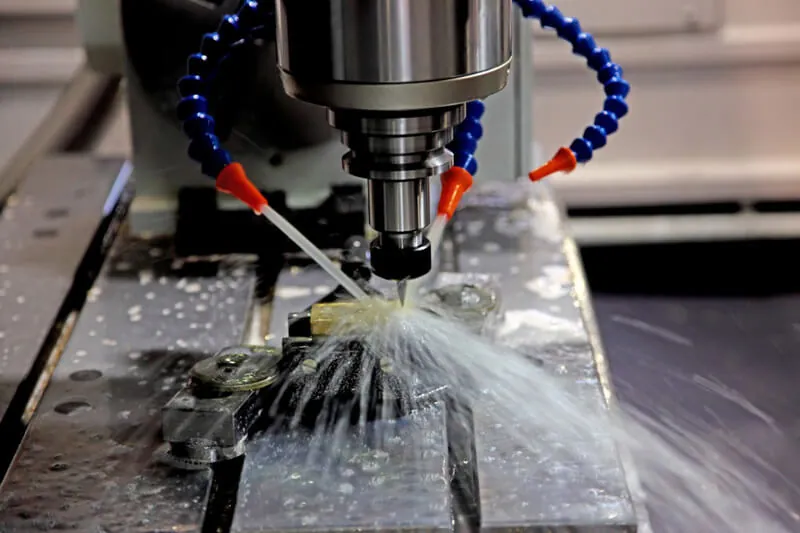
Our facility is equipped with high-rigidity 5-axis CNC machines from industry-leading manufacturers, enabling simultaneous machining from multiple angles without repositioning. This not only reduces setup errors but also significantly improves throughput and dimensional stability. These machines are operated by certified CNC engineers with over a decade of experience in toolpath optimization, high-speed machining, and hard milling of pre-hardened and tool steels such as P20, H13, S136, and 420 stainless. The result is injection moulds with tight internal features, undercuts, and conformal cooling channels that enhance cycle efficiency and part performance.

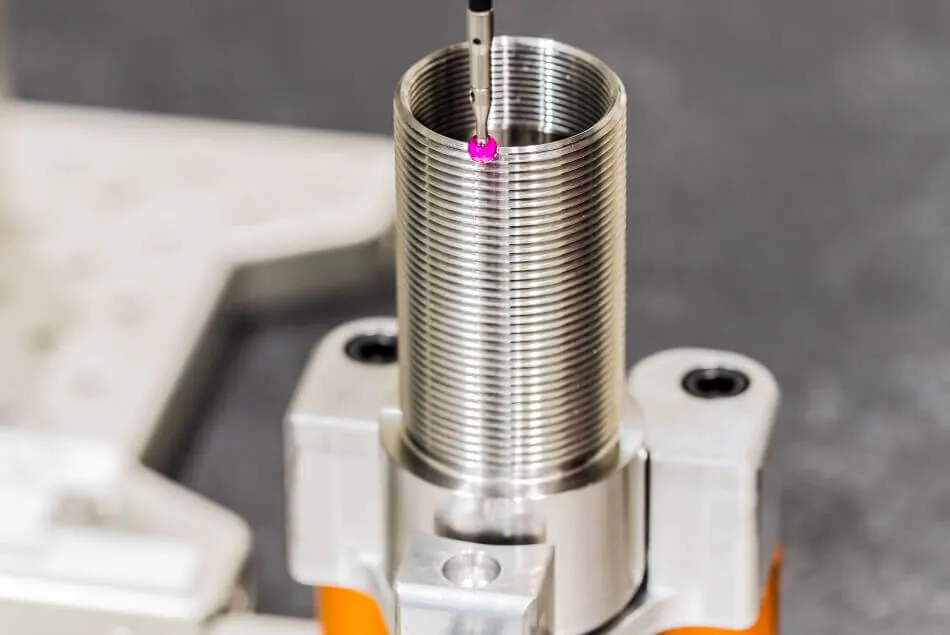
Quality assurance is embedded at every stage of production. All critical dimensions of moulds and finished components undergo rigorous inspection using a Zeiss DuraMax and Contura G2 coordinate measuring machine (CMM). This allows for full 3D dimensional validation against CAD models, ensuring compliance with international standards such as ISO 2768 and ASME Y14.5. Our CMM system supports probe calibration, automated measurement routines, and GD&T analysis, providing clients with detailed inspection reports traceable to NIST standards.

The following table outlines the standard and precision tolerance capabilities achievable through our integrated manufacturing and inspection workflow:

Feature Standard Tolerance Precision Tolerance Notes
Linear Dimensions (mm) ±0.05 mm ±0.01 mm Up to 300 mm
Hole Diameter ±0.04 mm ±0.01 mm Reamed or bored
Flatness 0.05 mm 0.01 mm Per 100 mm²
Parallelism 0.05 mm 0.01 mm Measured across surface
Surface Roughness (Ra) 3.2 µm 0.8 µm Machined finish
Mould Cavity Match ±0.02 mm ±0.005 mm Parting line alignment
Injection Moulded Part (Plastic) ±0.10 mm ±0.02 mm Depending on geometry and material

All tolerances are validated post-machining and post-moulding, ensuring consistency from tooling to final component. Our technical team collaborates closely with clients during design for manufacturability (DFM) reviews to optimize part geometry, gate locations, and material selection—ensuring that tolerances are not only achievable but sustainable across production volumes. With full in-house control from CNC machining to CMM inspection, Wuxi Lead Precision Machinery guarantees technical excellence in every plastic injection moulding project.


Material & Finish Options

Material Selection for Injection Molds: Precision Metal Foundations

Contrary to common misconception, plastic injection molding services rely entirely on precision metal tooling to shape polymer components. At Wuxi Lead Precision Machinery, we engineer molds from high-performance metals—not plastics—to withstand extreme thermal cycling, mechanical stress, and corrosive environments. Selecting the optimal mold material directly impacts part quality, production efficiency, and tool longevity. Below, we clarify critical metal options and surface treatments for industrial-grade molds.

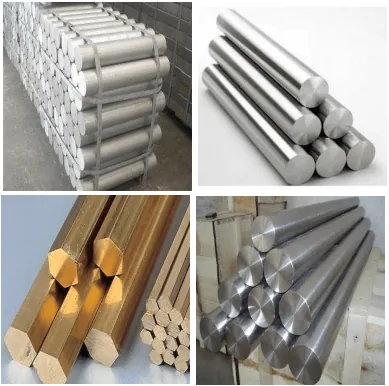
Aluminum alloys (e.g., 7075-T6) excel in rapid prototyping and low-volume production due to superior thermal conductivity (130–180 W/m·K), enabling faster cooling cycles. However, their lower hardness (150 HB) limits use to under 100,000 shots. Tool steels like P20 (pre-hardened) and H13 (hot-work) dominate high-volume applications. P20 balances machinability and wear resistance (28–32 HRC) for 500,000+ cycles, while H13’s exceptional toughness (48–52 HRC) withstands 1,000,000+ shots in demanding thermoplastics like PEI or PPS. Titanium is rarely used in molds due to prohibitive cost and poor thermal conductivity, though niche aerospace applications may leverage its corrosion resistance.

Key material properties for mold construction are summarized below:

Material Hardness (HRC) Thermal Conductivity (W/m·K) Typical Shot Life Primary Use Case
Aluminum 7075 13–15 130–150 10,000–100,000 Prototyping, low-volume runs
P20 Steel 28–32 28–36 500,000+ Medium-volume commodity parts
H13 Steel 48–52 24–30 1,000,000+ High-volume engineering plastics

Surface finishes further enhance mold performance. Anodizing is exclusively applied to aluminum molds, creating a wear-resistant oxide layer. Type II (sulfuric acid) anodizing offers moderate corrosion protection for general use, while Type III (hardcoat) anodizing achieves 50–70 μm thickness with 60–70 Rockwell C hardness—critical for abrasive-filled polymers. For steel molds, alternatives like nitriding or PVD coatings (e.g., TiN) are preferred, as anodizing is ineffective on ferrous metals.

Material and finish selection must align with your production volume, polymer type, and part tolerances. Aluminum with Type III anodizing suits fast-turnaround medical prototypes, whereas H13 steel with PVD coating ensures dimensional stability for automotive under-hood components. At Wuxi Lead, our engineers conduct thermal stress simulations to match your requirements with the optimal metal-finish combination, minimizing downtime and maximizing ROI. Partner with us to transform material science into manufacturing excellence.


Manufacturing Process & QC

Design: Precision Engineering at the Foundation

The journey of a successful plastic injection moulding service begins with meticulous design engineering. At Wuxi Lead Precision Machinery, we integrate advanced CAD/CAM software with decades of manufacturing expertise to transform conceptual requirements into technically sound, production-ready designs. Our engineering team collaborates closely with clients to evaluate material selection, part geometry, wall thickness, draft angles, and gate locations—ensuring optimal flow, cooling, and ejection during the injection process. Finite Element Analysis (FEA) and Moldflow simulation are applied to predict potential defects such as warping, sink marks, or air traps, allowing for corrective adjustments before tooling begins. This proactive approach minimizes risk and establishes a robust foundation for zero-defect manufacturing.

Prototyping: Validating Performance Before Scale

Once the design is finalized, we proceed to rapid prototyping using high-precision CNC machining or 3D printing to produce functional prototypes. These prototypes serve as physical validation tools for fit, form, and function within the intended assembly. For critical applications, we also fabricate soft tooling molds to conduct trial runs under near-production conditions. This phase enables real-world testing of cycle times, material behavior, and part consistency. Feedback from prototype evaluation is systematically incorporated into final mold design refinements. Our closed-loop verification process ensures that every parameter—from injection pressure to cooling time—is optimized to meet exacting quality standards.

Mass Production: Consistency Through Automation and Control

With design and prototyping complete, the project transitions into full-scale production. Our state-of-the-art injection molding facility in Wuxi operates with fully automated presses ranging from 50 to 2,000 tons clamping force, capable of producing components from grams to kilograms in weight. All molds are manufactured in-house using premium-grade tool steels such as P20, 718H, or NAK80, ensuring long service life and dimensional stability. Each production run is governed by a strict Quality Control Plan aligned with ISO 9001 standards. Real-time monitoring systems track key process variables, while inline vision inspection and CMM measurement verify part accuracy down to ±0.005 mm. Statistical Process Control (SPC) is employed to detect deviations before they affect output, maintaining a zero-defect objective across batches.

Production Specifications

Parameter Specification
Clamping Force Range 50 – 2,000 Tons
Tolerance Control ±0.005 mm
Material Compatibility ABS, PC, PP, PA (Nylon), POM, PBT, PET, LCP
Mold Steel Types P20, 718H, S136, NAK80, H13
Surface Finishes SPI (A1–D3), VDI Texture, Mirror, Matte
Production Capacity Up to 500,000 units/month per mold
Quality Standards ISO 9001, IATF 16949, RoHS, Full SPC Compliance

Through seamless integration of design intelligence, prototyping validation, and tightly controlled mass production, Wuxi Lead Precision Machinery delivers injection molded components with uncompromising quality and repeatability.


Why Choose Wuxi Lead Precision

Partner with Lead Precision for Uncompromised Injection Moulding Excellence

In the demanding world of plastic injection moulding, the performance and longevity of your mould directly dictate production efficiency, part quality, and ultimately, your competitive edge. Substandard metal components lead to costly downtime, inconsistent outputs, and compromised product integrity. Wuxi Lead Precision Machinery exists to eliminate these critical risks. We are not merely a supplier; we are your strategic engineering partner, dedicated to delivering the ultra-precise, durable metal components that form the backbone of high-performance injection moulds. Our deep specialization in custom metal manufacturing for the moulding industry ensures your tooling meets the most exacting global standards, from initial concept to final validation.

Our core strength lies in transforming complex engineering requirements into reality through advanced CNC machining and rigorous metallurgical expertise. We understand that tolerances measured in microns and material properties under extreme thermal cycling are non-negotiable. The specifications below reflect our unwavering commitment to precision and performance:

Capability Specification Value Proposition
Geometric Tolerance ±0.002 mm (0.00008″) Ensures perfect cavity/core alignment, eliminating flash and part defects
Surface Finish (Cavity) Ra 0.05 µm (2 µin) Mirror Polish Critical for optical clarity, easy ejection, and superior part aesthetics
Material Mastery H13, S136, 2738, 420SS, Beryllium Copper Optimized selection for wear resistance, thermal conductivity, and corrosion protection
Process Control Full Traceability, CMM Inspection Guaranteed consistency batch-to-batch, reducing scrap and rework costs
Lead Time Optimization Streamlined Prototyping to Volume Accelerates time-to-market without sacrificing quality

This level of precision is achieved through our integrated engineering approach. Our team collaborates with you from the earliest design stages, offering DFM insights specific to mould flow dynamics and structural integrity. We utilize state-of-the-art 5-axis milling, wire EDM, and grinding technologies within a climate-controlled facility, adhering strictly to ISO 9001:2015 protocols. Every component undergoes stringent in-process and final inspection using calibrated Zeiss CMMs and surface profilers, providing documented proof of conformance. We don’t just manufacture parts; we engineer reliability into every contour and surface.

Global manufacturers trust Lead Precision because we mitigate the inherent risks of offshore sourcing. Our dedicated project managers provide seamless communication in English, ensuring clarity and transparency throughout the project lifecycle. We implement robust quality gates and proactive risk management, delivering mould components that perform consistently under high-volume production pressures, anywhere in the world. Stop compromising on mould performance or supply chain stability.

Elevate your injection moulding capability with engineering precision you can rely on. Contact our technical sales team today to discuss your specific mould component requirements. Send detailed drawings and specifications to [email protected]. Let Wuxi Lead Precision Machinery become your indispensable partner in achieving manufacturing excellence and sustained competitive advantage. Your journey to flawless mould performance starts with a single email.


⚙️ Precision Cost Estimator

Estimate relative manufacturing effort based on tolerance.

Plastic Injection Moulding Service Manufacturer | Precision CNC Guide

Contents of Table

Contact [email protected] Whatsapp 86 15951276160